
In this article, we will explore two essential tips for maintaining and ensuring a clean and sterile CO2 incubator. The first tip focuses on the cleaning process, while the second tip delves into the various methods of sterilization.
Tip 1: Cleaning the CO2 Incubator
Proper cleaning is crucial to remove dust, dirt, and organic stains from the CO2 incubator. These substances can serve as habitats for microorganisms and may interfere with the effectiveness of decontamination agents like antibacterials, chemical germicides, and disinfectants. To achieve effective disinfection and sterilization, cleaning is a necessary first step.
Cleaning Methods:
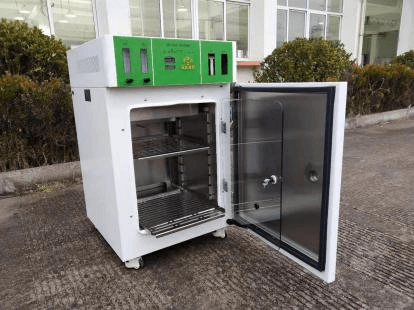
Surface Cleaning: Begin by brushing off any dust present on the CO2 incubator's surface. Next, use a wet sponge or soft cloth soaked in soapy water or a low-concentration detergent to clean the surface thoroughly. After cleaning, dry the surface with a soft cloth.
Interior Cleaning: For the interior of the CO2 incubator, select a suitable disinfectant. Clean all objects and surfaces within the incubator, then rinse them with sterile water. Afterward, either wipe the surfaces dry or allow them to air-dry.
It's essential to use cleaning reagents that are chemically compatible with the subsequent disinfectant or sanitizer to be used. This ensures optimal results during the cleaning process.
Tip 2: Sterilizing the CO2 Incubator
The CO2 incubator is designed to simulate the growth environment of cells, tissues, and microorganisms accurately. Alongside precise environmental control, proper disinfection and sterilization are critical to maintain an effective cultivation process.
Distinguishing Disinfection from Sterilization:
Disinfection: This method involves using physical or chemical means to kill microorganisms, but it may not necessarily eliminate their spores. Disinfection measures are typically employed when the cells within the CO2 incubator are contaminated.
Sterilization: Sterilization is a more rigorous approach, aiming to eradicate all organisms, including their spores. It is generally carried out every 1-3 months, even when the cells in the incubator are not contaminated.
Methods of Disinfection and Sterilization:
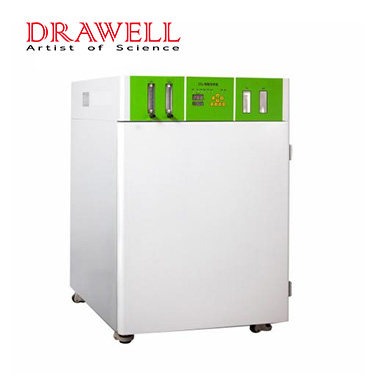
Liquid Disinfectant: Choose a non-corrosive liquid disinfectant that suits the CO2 incubator. The effectiveness of the disinfectant depends on various factors, such as temperature, pH, contact time, penetration ability, and organic matter. Ensure meticulous attention to these factors for successful disinfection.
Ultraviolet Disinfection: Following a thorough cleaning with distilled water, expose the interior of the CO2 incubator to the ultraviolet (UV) lamp that comes with the equipment. UV lamps can help eliminate residual microorganisms and create a sterile environment.
Dry Heat Sterilization: Dry heat sterilization can be employed as an additional measure for contamination-hazardous areas. It involves exposing the CO2 incubator to direct heating up to 120°C for over 2 hours. This high temperature effectively destroys bacteria, ensuring a clean environment for cell culture.
In conclusion, the proper maintenance of CO2 incubators through regular cleaning and effective sterilization methods is crucial to create a safe and superior culture environment. By choosing suitable disinfection functions and implementing timely and appropriate cleaning techniques, researchers can ensure consistent contamination control and optimal results for their cell cultures.
CO2 incubators are essential instruments widely used in various fields such as medicine, immunology, genetics, microbiology, agricultural science, and pharmacology. They provide a controlled environment to simulate the growth conditions of cells and tissues in organisms. When selecting a CO2 incubator for cell culture, several factors need to be considered to ensure a stable cultivation environment. This article will discuss the key factors to consider when choosing a suitable CO2 incubator.
Temperature Control:
Temperature control is crucial for maintaining healthy cell growth. There are two types of heating structures to choose from: air jacket heating and water jacket heating.
Air Jacket Heating: Air jacket CO2 incubators directly heat the gas inside the incubator using a heater. They offer faster heating and temperature recovery, making them suitable for short-term cultivation and situations that require frequent opening and closing of the door.
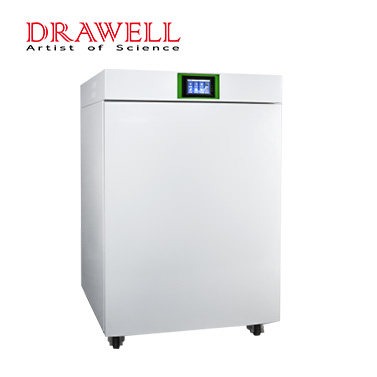
Water Jacket Heating: Water jacket CO2 incubators maintain a constant temperature by surrounding the inner box with a separate hot water compartment. They provide better temperature accuracy and stability during power failures, making them ideal for long-term stable culture conditions.
CO2 Sensors:
CO2 concentration detection can be achieved using infrared sensors (IR) or thermal conductivity sensors (TC). Each system has its advantages. Thermal Conductivity Sensor (TC): TC sensors measure CO2 concentration by monitoring the change in resistance between two thermistors. However, they can be affected by fluctuations in chamber temperature and relative humidity, making them less accurate in situations that require frequent opening of the incubator door.
Infrared Sensor (IR): IR sensors offer more precise CO2 control as they are unaffected by changes in temperature and relative humidity. They are particularly suitable for cell cultures that require frequent door openings. However, IR systems are generally more expensive than TC systems.
Relative Humidity Control:
Controlling relative humidity is essential to prevent culture failure due to excessive drying. Larger CO2 incubators often use steam generators or sprayers, while smaller ones generate moisture through evaporation from humidity pans. Some incubators have additional features, such as a humidity reservoir on the control panel, to enhance evaporation and increase humidity levels.
Microprocessor Control System:
A microprocessor control system provides convenient and easy operation of the CO2 incubator. It maintains a steady state of temperature, humidity, and CO2 concentration. Look for features like LED displays, high-temperature automatic adjustment and alarm devices, CO2 alarms, password protection settings, and automatic calibration systems. These features ensure precise control and simplify operation.
Pollutant Control:
Contamination can compromise cell cultures. Manufacturers have implemented various measures to reduce and prevent contamination. Look for features that minimize areas where microorganisms can grow, such as enhanced CO2 incubators with ultraviolet cleaning functions or HEPA filters that can filter out particles and kill microbial particles.
In conclusion, when choosing a CO2 incubator for cell culture, consider temperature control options (air jacket or water jacket heating), CO2 sensor types (TC or IR), relative humidity control methods, microprocessor control systems, and pollutant control features. By evaluating these factors based on your specific needs, you can select an ideal CO2 incubator that provides a stable and optimal environment for your cell culture experiments.
Incubators are commonly used laboratory instruments that provide controlled environments for the growth of cells, tissues, microorganisms, and other biological samples. There are several types of incubators available, each designed for specific applications. In this article, we will explore the what are commonly used incubators, their features, and their uses.
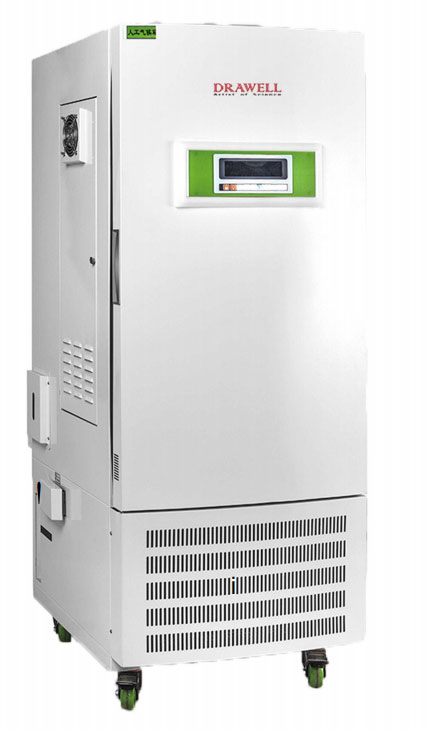
Constant Temperature Incubators:
Constant temperature incubators maintain a steady temperature throughout the incubation process. They are widely used in various fields such as plant biology, microbiology, genetics, and medicine. These incubators simulate specific temperature conditions required for the growth and development of cells, tissues, and organisms.
Constant Temperature and Humidity Incubators:
Constant temperature and humidity incubators, as the name suggests, provide precise control over both temperature and humidity. They are commonly used in experiments and research involving sensitive biological samples that require specific humidity levels in addition to temperature control. These incubators find applications in fields like environmental testing, culture testing, and more.
Carbon Dioxide Incubators:
Carbon dioxide (CO2) incubators create an environment similar to that found in living organisms, particularly for cell and tissue culture. They regulate temperature, CO2 levels, and pH to support the growth and viability of cells. CO2 incubators are extensively used in cell biology, tissue engineering, drug screening, and other related research fields.
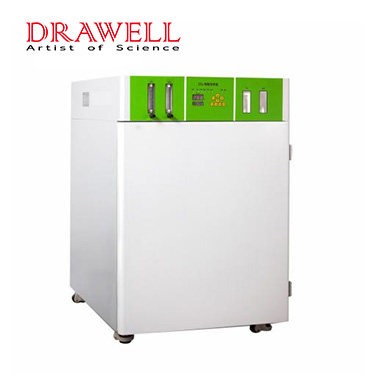
Anaerobic Incubators:
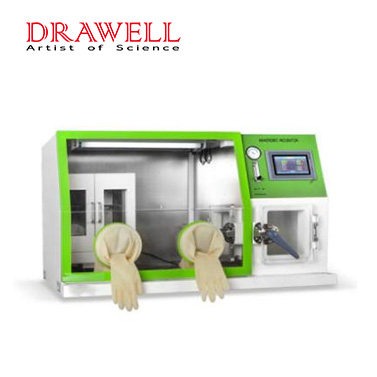
Anaerobic incubator, also known as anaerobic workstations or anaerobic glove boxes, provide a controlled environment devoid of oxygen for bacterial culture and experimentation. These incubators create strict anaerobic conditions, allowing the cultivation of anaerobic organisms that cannot survive in the presence of oxygen. They are essential tools for anaerobic biological detection and scientific research.
Mold Incubators:
Mold incubators are specifically designed for the cultivation of eukaryotic microorganisms such as molds. They typically maintain room temperature and a specific humidity level to support mold growth on solid substrates. Mold incubators feature refrigeration systems, heating systems, air humidifiers, control circuits, and operation panels to regulate temperature and humidity inside the incubation chamber.
Each type of incubator has distinct features and applications. It is important to select the appropriate incubator based on the specific requirements of the experiment or research being conducted. Additionally, proper use and maintenance of incubators are crucial to ensure accurate and reliable results.
In conclusion, the various types of incubators, including constant temperature, constant temperature and humidity, carbon dioxide, anaerobic, and mold incubators, offer researchers and scientists the ability to create controlled environments to support a wide range of biological studies and experiments. Understanding the differences and capabilities of these incubators will enable users to choose the most suitable option for their specific needs.