
When it comes to metal surfaces, protecting them from corrosion and rust is crucial. This involves the application of various methods to create a protective layer, isolating the metal from corrosive environments or minimizing contact with corrosive substances to prevent or reduce corrosion. Let's delve into the reasons behind bolt rust and corrosion and explore effective measures to prevent them.

Why Do Bolts Corrode and Rust?
Environmental Factors: Bolts are prone to corrosion in humid environments or polluted air containing sulfides, carbon oxides, and nitrogen oxides.
Chemical Exposure: Bolts can corrode when exposed to acids, alkalis, salts, or organic substances. Organic juices, in the presence of water and oxygen, can form organic acids that gradually corrode the metal surface.
Electrochemical Corrosion: Dust or metal particles with other elements can accumulate on the surface of bolts. In humid air, these particles, combined with condensed water, create a micro-battery, triggering electrochemical reactions that compromise the protective film.
Hazards of Bolt Corrosion:
Impaired Appearance: Rust can tarnish the appearance of bolts, making them visually unappealing.
Safety Risks: Rust and corrosion weaken bolts, increasing the chances of breakage and loosening. This poses significant safety hazards that can compromise property and personal safety.
Prevention Methods for Rust and Corrosion in Bolts:
To prevent rust and corrosion, it is essential to apply a protective layer on the metal surface that meets specific requirements. Before implementing preventive measures, clean the bolts thoroughly to remove any rust and dust impurities. The protective layer should have the following characteristics:
Corrosion Resistance, Wear Resistance, and High Hardness.
Compact Structure with Small Pores.
Strong Adhesion to the Base Metal.
Even Distribution and Adequate Thickness.

Here are some commonly employed methods for surface treatment to prevent rust and corrosion in bolts:
Plated Bolts: This method involves immersing the fasteners in a metal solution and applying an electric current to deposit a layer of metal on the surface. The choice of metal coating depends on specific needs, with galvanization being effective for rust prevention.
Mechanically Plated Bolts: In this process, metal particles are cold-welded to the fasteners, protecting their surface features. Mechanically plated bolts are similar to electroplated ones, as both employ different surface treatments to achieve similar results.
Chemical Heat Treatment: Chemical heat treatment is a widely used cost-effective technique to enhance wear resistance and anti-corrosion properties. It involves placing the steel in an active medium containing desired elements, heating, and maintaining the temperature to enable the penetration and alteration of the chemical composition of the surface layer.
Surface Passivation: Passivation dissolves contaminants hidden on bolts, forming a protective film that safeguards against corrosion. This method is commonly used in the surface treatment of electronic products.
Addressing Rust and Corrosion:
For mild rust, start by polishing the affected area and applying rust paint to inhibit further corrosion.
In cases of severe corrosion, it is advisable to replace the affected bolts to ensure optimal safety and performance.
By implementing appropriate surface treatments and taking prompt action against rust and corrosion, bolts can maintain their integrity and durability, preventing safety hazards and preserving their appearance.
Hexagon nuts, also known as hex nuts, are one type of commonly used nuts found in a wide range of industries, including the automobile industry (cars, trucks, buses, etc.), construction machinery, wind power equipment, and more. These nuts are crucial for connecting and securing machine parts alongside screws, bolts, and other fasteners. Let's explore the characteristics and uses of different types of hex nuts.

Ordinary Hexagon Nut:
The ordinary hex nut is the most widely used type and is commonly employed in machinery, equipment, and structures with rough surfaces that don't require high precision. It serves as a general-purpose fastener found in various applications. This nut offers a relatively large tightening force but requires ample installation space. Live wrenches, open wrenches, or glass wrenches are commonly used during installation.

Cylindrical Inner Head Hexagon Nut:
The cylindrical inner head hexagon nut is extensively used for machines, equipment, or structures with relatively smooth surfaces and precision requirements. It provides a relatively large tightening force and can be conveniently operated using an Allen wrench. This type of nut is versatile and finds application in diverse structures. It boasts a neat and aesthetically pleasing appearance. However, its tightening force is slightly lower than that of the outer hexagon, and repeated use may damage the inner hexagon, rendering it non-disassemblable.
Pan Head Inner Hexagon Nut:
Pan head inner hexagon nuts are less commonly used in machinery but are frequently found in furniture. They possess similar mechanical properties to the aforementioned nuts and serve to increase the contact surface with wooden materials while enhancing the overall aesthetic appeal.
Headless Hexagon Nut:
Headless hexagon nuts are essential for specific structures, such as those requiring significant jacking force or where the cylindrical head needs to be concealed.
Countersunk Head Hexagon Nut:
Countersunk head hexagon nuts are predominantly utilized in power machinery and serve a similar purpose to regular hexagon nuts.
Nylon Lock Hexagon Nut:
Nylon lock nuts feature a nylon apron embedded in the hexagonal surface, which prevents the thread from loosening. These nuts are commonly employed in high-power machinery applications.

Flange Nut
Flange nuts, also known as pad nuts, tooth nuts, hexagon flange nuts, etc., are extensively utilized in power, communication, transportation, and other industries. These nuts offer several advantages, including integration of the gasket and the nut, anti-slip tooth patterns on the bottom, and increased contact surface area between the nut and the workpiece. This enhances the firmness and pulling force of the connection.
However, flange nuts have certain limitations. They are restricted by the workpiece, resulting in smaller specifications compared to regular hex nuts. Additionally, their irregular shape may require threaded fit. Flange nuts are commonly subjected to cold galvanizing surface treatment, as the hot-dip galvanizing process may introduce defects such as difficulty in screwing the threads after plating and reduced mechanical strength in high-strength flange nuts.
Flange nuts primarily serve the purpose of increasing the contact surface area with the workpiece and are frequently employed in pipeline connections or applications where enhancing the nut's contact surface is necessary.
Screws are indispensable in the manufacturing industry, finding applications in a wide range of products, from small items like glasses to large-scale creations such as cars, aircraft, and rockets. In this article, we will provide valuable insights into screws and explore effective methods to prevent screws from loosening.

Basic Knowledge about Screws
Screws: These comprise a rod with an external thread and can feature various head shapes, including flat, countersunk, bugle, square, and round.
Bolts: Bolts typically have a hexagonal head and external screw threads. Stud bolts, also known as double-screw bolts, possess external threads on both ends, while the middle section is usually a polished rod.
Nuts: Nuts are usually hexagonal in shape and contain an internal hole with an inner thread that securely connects related items when paired with bolts.
Screw Thread: A screw thread refers to a uniform spiral bulge present on the external or internal surface of a product. It serves the purposes of tightening, connecting, and sealing, making it suitable for most screw applications.
Processing Methods for Screws and Screw Threads
To manufacture high-quality screws, it is crucial to employ suitable processing methods. Here are some common techniques:
Processing Methods for Screws
Turning: This method involves removing material to achieve the desired shape.
Advantages: High processing accuracy and no restrictions imposed by molds.
Disadvantages: High production costs and relatively slow processing speed.
Forging: Forging entails deforming the material using external force to achieve the desired shape.
Advantages: Fast production speed, lower costs, and suitable for large-scale production.
Disadvantages: Forming is limited by molds, and complex product molds can be expensive.
Cold Heading: Cold heading is a process that uses external forces and specialized molds to squeeze unheated metal wire, resulting in deformation. This method falls under the category of forging processes.

Processing Methods for Screw Threads
Thread Cutting: Thread cutting involves processing threads on a workpiece using forming or abrasive tools. It encompasses turning, milling, tapping, grinding, and cyclone cutting. During turning, milling, and grinding, the workpiece rotates while the tool moves along its axial direction. Tapping or threading involves relative rotation between the tool and the workpiece, with the initial thread groove guiding the axial movement of the cutter.
Thread Rolling: Thread rolling is a cold heading process that shapes screw threads through the plastic deformation of a workpiece using rolling dies. Machines used for this method include single-mode machines, multi-station machines, and mold closure machines. Screws produced through this method have faster production speeds and lower costs, but their appearance may be less angular and aesthetically pleasing compared to cut threads.
While the cutting process offers higher accuracy than cold heading, the latter boasts faster production speeds and lower costs. Cold heading, especially for small precision screws, offers better cost performance.
Preventing Screw Loosening: Effective Methods
Preventing screw loosening is particularly crucial in high-tech products such as aircraft and rockets. A loose screw can lead to severe consequences. Here are some effective methods to prevent screw loosening:
Select the correct size and specifications of screws. Using slightly larger or smaller screws may work temporarily, but over time, they may loosen or lock.
Apply engineering plastics on screws. These plastics generate substantial friction torque and reaction force, resulting in full-pitch contact and absolute resistance to vibration. This turns the screws into permanent locking screws, effectively eliminating loosening issues in connections.
Increase friction to prevent loosening. Methods such as using spring washers and employing double nuts can create frictional drag that counters loosening caused by external load changes.
Implement mechanical anti-loosening methods by utilizing motion-stopping components to prevent the relative rotation of screw threads. This approach is highly reliable and includes options like split pins and castellated nuts, floor clips and round nuts, lock washers and nuts, and more.
Adopt non-disassembly methods to prevent loosening. Techniques like positioning welding and riveting fix the nut on the bolt, ensuring the screws remain securely fastened to prevent loosening.
Summary
Screws play a critical role in various industries, including aerospace, automotive, and electronics. This article has provided valuable knowledge about screws, including their basic features, appropriate processing methods, and effective techniques to prevent loosening. By understanding these aspects, screw manufacturers can ensure reliable performance of screws in different applications.

Cold heading is a non-cutting metal pressure processing technology that falls under the topic of metal pressure processing. Cold extrusion process is a key procedure in the manufacturing of fastening pieces. Cold extrusion is the best method for producing bolts, screws, nuts, and rivets.
What is Cold Extrusion
Cold heading is a critical component of precision plastic forming technique. Cold extrusion is the process of inserting a metal blank into a mold cavity while it is still cold. The metal material is forced to form plastic flow under the influence of high pressure and a specific speed in order to obtain the desired shape, size, and some extrusion parts with specific mechanical qualities.
Obviously, the purpose of cold extrusion processing is to control metal flow via molds, and a significant quantity of metal volume is transferred to produce parts. In fact, any fastener can be formed not only by cold heading, but also by a range of deformation methods like as extrusion, punching, and rolling.
Advantages Of Cold Extrusion
1. Reducing the use of raw materials.
Cold extrusion uses plastic deformation of metal to create the required parts, which reduces the cutting process and increases resource use. Cold extrusion materials can often be utilized at a rate of more than 80%.
2. Improve labor productivity
Manufacturing parts using a cold extrusion technique rather than a cutting process can enhance production several times, if not dozens of times.
3. The pieces have the perfect surface roughness and size precision.
Cold extruded parts rarely require re-cutting and only need to be ground for exceptionally high standards.
4. Improve part mechanical properties
The cold work hardening of metal through cold extrusion processing and a reasonable fiber streamline distribution inside the parts results in a substantially higher strength of the parts than the raw materials. Furthermore, a proper cold extrusion process can create compression stress on the surface of the pieces, increasing fatigue intensity. As a result, some components that require heat treatment enhancement can be saved by using the cold extrusion procedure.
5. Machinable parts with complicated shapes and difficult to cut processing.
Such as irregular section, complex inner cavity and teeth, and invisible inner grooves.
6.Reduce production cost
Because the cold extrusion process has the advantages of saving raw materials, increasing productivity, reducing the amount of cutting processing, and using inferior materials instead of high-quality materials, which can greatly reduce cost.
Difficulties In Application of Cold Extrusion Technology
1. High requirements for molds
When cold extruding, the deformation resistance of metal blank is significantly increased under the pressure stress in the mold, which makes the stress suffered much larger than the general stamping mold. In addition to high-intensity, the mold also needs sufficient impact toughness and high wear resistance.
2.A large tonnage press machine is required.
Because of the high deformation resistance of the blank during cold extrusion, press machines weighing hundreds or even thousands of tons are required.
3.Only applicable on a large production scale
Because of the high cost of cold extrusion molds, it is often only appropriate to the manufacture of large quantities of parts. The minimum quantity is 50000 pieces.
4. The surface treatment must be done ahead of time.
Surface treatment not only adds procedures and requires a big manufacturing area, but it is also difficult to automate.
5.Inappropriate for high-intensity material processing
6. Part deformation and corrosion resistance reduce
The plasticity and impact toughness of cold extruded parts have become worse, and the residual stress of the parts is large, which will cause parts deformation and produce stress corrosion.
Development Trend of Cold Extrusion Technology
1.As the energy crisis worsens, people will pay more attention to environmental quality, and increased market rivalry will encourage the growth of forging production in the direction of efficiency, high quality, refinement, energy savings, and material savings. As a result, the production of refined forging parts produced by extruding forming and other techniques will compete in the market.
2.The car has evolved in the directions of lightness, fast speed, and stability. Higher requirements for size precision, weight accuracy, and mechanical qualities of forging parts have been proposed, which will encourage the development of refined production technology.
3. Cold extrusion production is still evolving toward specialized and large-scale organizational production.
4. Extrusion machines will become a trend in the future. The refined production development of small and medium-sized forging parts, as well as the application of cold extrusion technology, will drive the development of multi station cold extrusion machines, precision presses, and unique machines designed and constructed for some forged parts.
Summary
Cold extrusion technology is a high-precision, high-efficiency, high-quality, and low-consumption manufacturing technique that is typically used in large-scale production of fastening parts.
With the development of the automotive industry, the requirements for automotive fasteners have become higher and higher. The main kind of high-intensity automotive fasteners is bolts which all need to be treated with heat treatment to improve the comprehensive mechanical performance of the product and achieve the specified tensile strength. Heat treatment process technology is the key factor in the production of automotive fasteners.

Factors affecting heat treatment process of automotive fasteners
Heat treatment equipment
The continuous mesh radiant-tube furnace is most widely used. It has the advantages of uniform heating, stable quality, good working environment, reducing collision of parts, less gas consumption, and small energy consumption.
According to the requirements of the process, dephosphorization function can be added on the cleaning equipment of production line, to remove the phosphorurative layer of the fastener surface before heating. For large size high-strength bolts, to prevent quenching distortion, the UNICASE series mult-purpose chamber furnace should be adopted to heat treatment process.
The heat treatment process of continuous mesh radiant-tube furnace production line: loading-cleaning-heating-quenching-cleaning-tempering-coloring-rolling out, can realize carbon potential control and automatically working.
Heat treatment raw material
The mostly automotive fastener is made of carbon and alloy steel. In addition to the high -intensity hexagonal bolt, according to the GB/T1231 requirements, the materials with specifications below m30 are specified, the other bolts are not clearly specified in international standards. It is only a guide to indicate the alloy elements to be added.
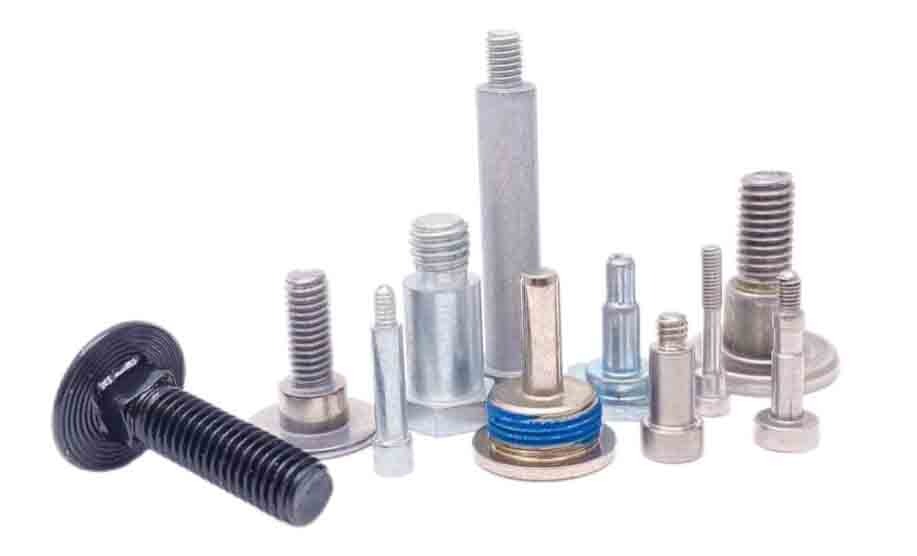
Control methods of heat treatment process for automotive fasteners
The principle of heat treatment process
For the products with the same materials, when the size of the section is different, the quenching degree is different. Although the same quenching and tempering process is adopted, its mechanical properties are different. The larger the cross -section is, the worse the quenching ability is, and the worse the mechanical properties are. At the same time, the same raw materials allow their chemical composition to fluctuate within a certain range. Especially carbon steels will vary from steel mills as the different smelting technology and standards. The finished products produced by the same process must have performance differences.
The quenching heating temperature is mainly determined according to the chemical composition of the steel which is the main factor and the specific process. According to the different quenching medium, the quenching heating temperature is also different.
Due to the comprehensive effect of the organizational stress and thermal stress, the maximum tensile stress will be located near the surface of the parts, which may cause hardening crack. This size is related to the used quenching medium. For the bolts, the diameter of water quenching is 8-10mm and the diameter of oil quenching is 20-39mm. When the bolts in dangerous diameter are quenched, appropriate measures must be taken to prevent hardening crack.
Hydrogen relief treatment
The energy saving and lightweight development of automotive industry has high requirements for the engine design and dynamical system, which includes weight reduction and highly strengthened of bolts and nuts. But as the intensity increases, the fracture caused by hydrogen embrittlement has become a very prominent problem. During the heat treatment process, hydrogen relief treatment must be performed.
Tempered martensite is most sensitive to hydrogen embrittlement. Therefore, the heat treatment process can be adjusted to reduce the generation of Tempered martensite structure.
To prevent hydrogen embrittlement, the high -strength fastener under 1000-1300MPa must be done hydrogen relief treatment after the electroplating. During hydrogen removal, the fastener is heated to a certain temperature and maintains for a period of time and the hydrogen in the material will gather is to form hydrogen molecules. There are two main reasons for incomplete hydrogen removal. One is that there is no timely hydrogen removal, and the other is that the hydrogen removal time is too short.
Strengthen the measurement of fastener center structure
During the heat treatment process of automotive fasteners, as the effects of factors such as quenching heating temperature, quenching ability of materials, and quenching cooling speed will produce ferritic structure in the center of the fastener. Too much ferritic structure will reduce the hardness and strength of the bolt and affect the applications of fasteners. In actual production, For bolts with a large amount of ferrite in the center, when the hardness of the center structure is lower than the product requirements, the improvement of tensile strength is often adopted to control the quality of the product.
In order to control the heat treatment quality of the automotive bolt, it is necessary to measure the ferrite content in the center part of bolts, checking the hardness of the head or tail after quenching and tempering respectively.
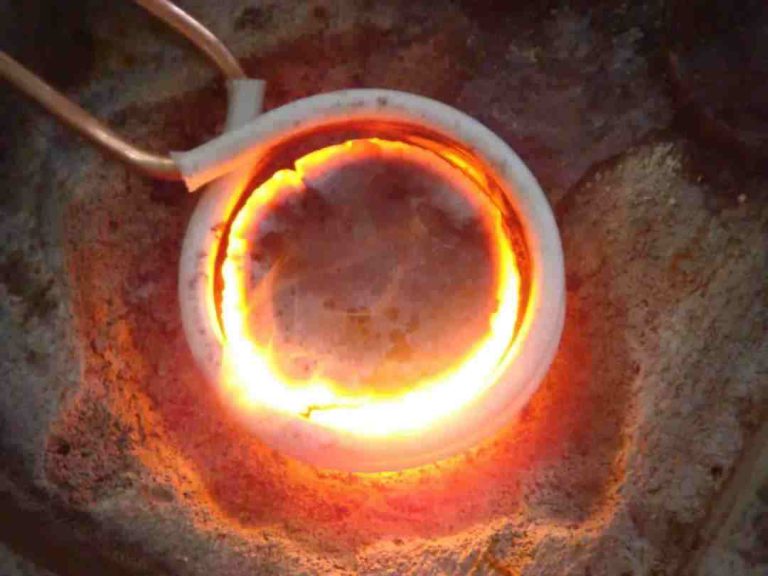
What should be paid attention to for heat treatment process of automotive fasteners
Adopting non annealing cold heading steel, non-quenched and non-tempered steel
In order to ensure the performance of cold forming for the automotive fastener, cold heading steel needs spheroidizing annealing in advance, adjusted through the chemical composition of the steel. During the rolling process, the rolling and cooling are controlled to reduce the deformation resistance in the process of cold forming.
Improving the technical documents of thermal treatment process
The heat treatment process is a special process that can’t ensure the quality of the product through subsequent inspections and testing. Therefore, it must have a reasonable system to achieve its control. First of all, identify the factors that may cause process failure, and do a good job of formulating heat treatment process technology. Secondly, establish a comprehensive heat treatment process management system with the documents which clearly indicates the operation methods, process parameters and inspection methods. At the same time, it should be particularly emphasized in the furnace loading method and the batch of furnace and test the raw materials and process conditions of fasteners before heating. It should adopt statistical technology to analyze, calculate and measure the heat treatment parameters, and look for the influence rules of heat treatment parameters on the product quality. Then adopt professional knowledge to continuously improve the heat treatment process technology.
Developing new heat treatment equipment
New heat treatment equipment should be developed to further improve the furnace temperature and carbon potential control technology, improving the cooling effect and cooling uniformity. It should be paid attention to the technologies of waste heat utilization, energy saving and emission reduction, which will reduce the production cost of heat treatment process.
Summary
Automotive fastener manufacturer should pay attention to the update of heat treatment equipment, selecting appropriate raw materials and continuously improve the heat treatment process system in production, strengthening dehydrogenation treatment, improving the quality of automotive fasteners.