
In the intricate world of aviation manufacturing, aerospace fasteners play a crucial role in connecting myriad components of an aircraft, facilitating load transfer, and coordinating deformation during loading. This article delves into the standards governing aerospace fasteners and explores various types of nuts, washers, and screws commonly used in the aviation industry.
Standards for Aerospace Fasteners:
NAS (National Aerospace Standards):
NAS stands as the most influential standard for British fasteners in aviation manufacturing. It extends its coverage not only to commercial aircraft but also to military aircraft.
NASM (National Aerospace Standards Community):
Originally a military standard, NASM has transitioned into NASC (National Aerospace Standards Community) for continuous maintenance and development, essentially serving as the military standard within NAS.
NA / NAM:
NA corresponds to NAS standards, while NAM corresponds to NASM, both being public products associated with specific standards.
Common US Government Standards:
In addition to British standards, several US government standards are prevalent in the aerospace industry, such as MS and AN. MIL, the US military standard, is often used to define more detailed technologies.
Aerospace Nuts:
Standard Aerospace Nuts include:
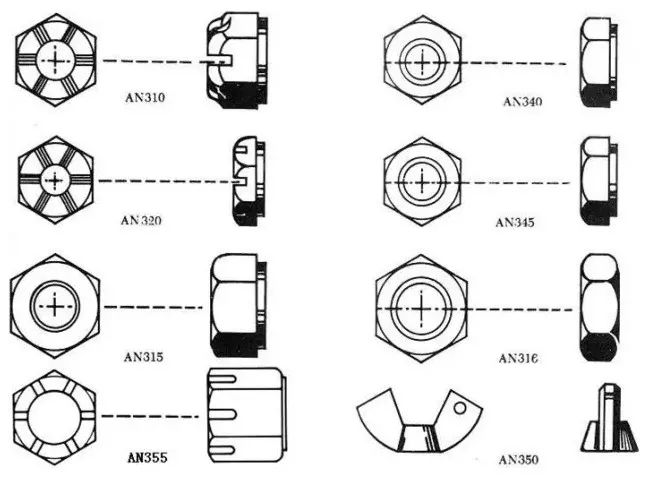
AN310 Castle Nut: Used in conjunction with AN3 to AN20 bolts, with materials like nickel alloy steel, stainless steel, and 2024 aluminum alloy.
AN320 Shear Castle Nut: Specifically designed for shear stress applications, used with AN2L to AN36 shaft pin bolts, primarily made of 2024 aluminum alloy.
AN315 Ordinary Nut: Used for parts subject to large tension, requiring anti-loose nuts or spring washers for fastening. Materials are similar to AN310 nuts, with both right-hand and left-hand threads available.
AN316 Lock Nut: A hexagonal lock nut adopting double nuts to prevent loosening, typically used with AN315 ordinary nuts.
Self-Locking Nuts:
Low-temperature self-locking nut models AN365 and AN364.
High-temperature self-locking nut model AN363.
Both types utilize elasticity to prevent loosening and are suitable for repeated use.
Aerospace Washers:
AN960 is a widely used standard aerospace washer, employed under hexagonal nuts, and is available in various materials such as carbon, steel, brass, stainless steel, and aluminum alloy. AN936 washers offer uniform elasticity and effective anti-loosening properties.
Aerospace Screws:
Categorized into mechanical screws, structural screws, and self-tapping screws, aerospace screws serve non-structural connections, fairings, and removable panels in non-main stressed structures.
Mechanical Screws:
Common models include AN500 and AN501 (coarse and fine round head screws), AN505 and AN507 (coarse and fine 82° countersunk screws), and AN515 and AN526 (coarse and fine round head screws).
Structural Screws:
AN509 (100° flat screw), AN525 washer head screw, AN502, and AN503 (round head screws) are among the common models. Structural screws, made of alloy steel, can be used as a structural bolt due to their polished rod section.
Self-Tapping Screws:
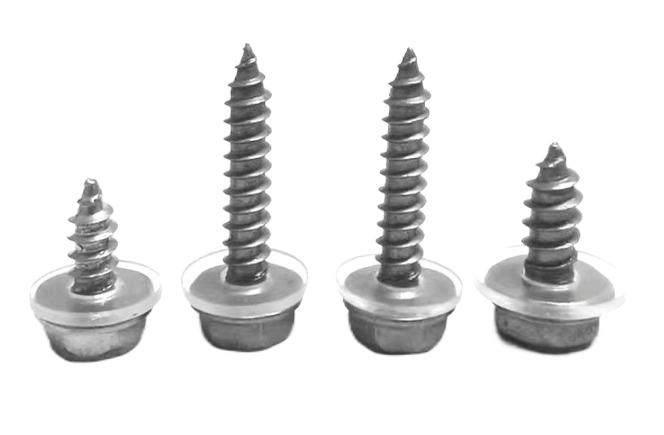
Characterized by fastening through tapping, self-tapping screws like AN504 and AN506 (for removable parts) and AN530 and AN531 (for metal plates) come in flat round head, 100° countersunk head, and large flat round head types.
Conclusion:
This article provides an overview of the fundamental aspects of aerospace fasteners, encompassing standards and various types of nuts, washers, and screws employed in the aviation manufacturing industry. Understanding these components is essential for ensuring the structural integrity and safety of aircraft.
Bolts and screws are common connection fasteners with similar threads, widely employed in various fields and equipment for connecting and fastening. The resemblance in their threads often leads customers to mix them up during purchases. To assist in making the right choice, let's explore the key differences between bolts and screws.
Understanding Bolts and Screws
Bolts:
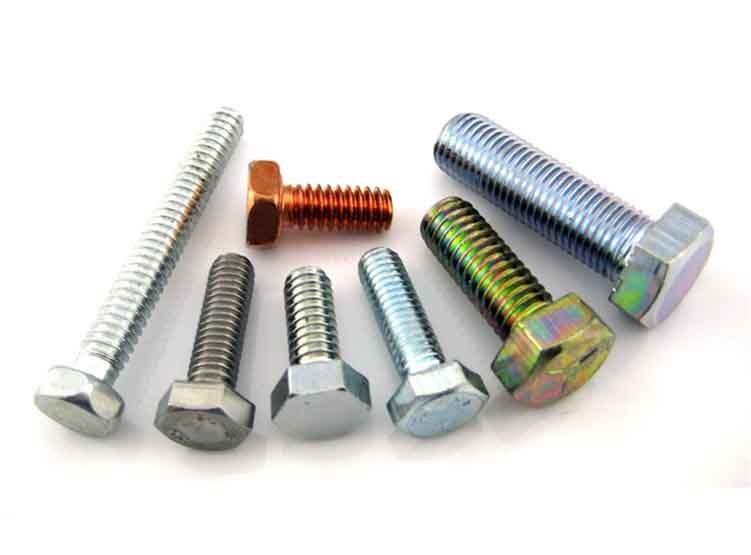
A bolt is a fastener consisting of a head and a screw (referring to the threaded part). When fastening two parts with through holes, it requires a nut to form a secure connection. This type of connection is known as a bolted connection, allowing for detachment by unscrewing the nut.
Screws:
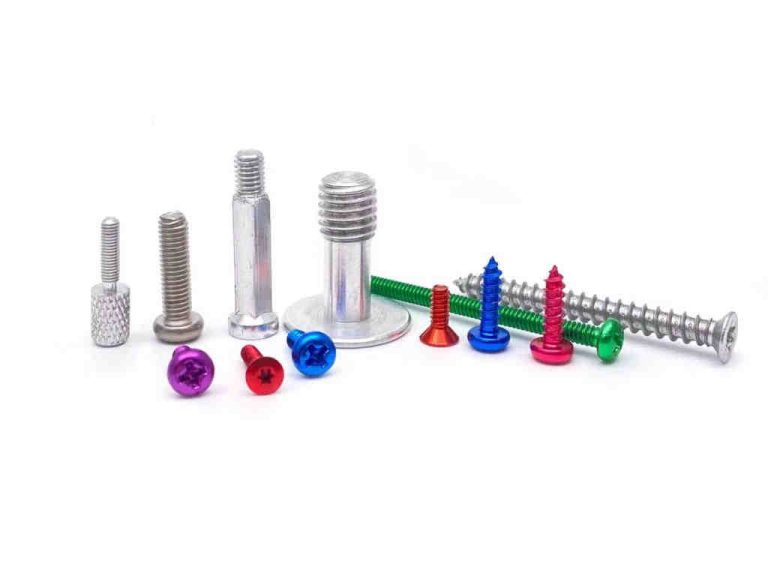
Screws, on the other hand, are fasteners composed of a head and a screw, divided into three types based on usage: machine screws, set screws, and special-purpose screws. Unlike bolts, screws directly combine with two objects without the need for a nut. The connection relies on the circular rotation and friction of the objects, forming a threaded hold on the connected part.
4 Key Differences Between Bolts and Screws
1. Connection Principle:
Bolts use a nut for fastening, creating a detachable bolted connection.
Screws directly combine with objects, utilizing bevel circular rotation and friction for a non-detachable connection.
2. Structure:
Both have various "head" styles, but screw heads often have fastening grooves, hex shapes, etc.
Bolt heads are typically hexagonal and are larger to accommodate the tools used for tightening.
3. Tools for Tightening:
Bolts are tightened with a spanner.
Screws are usually tightened with a screwdriver.
4. Usage Occasion:
Bolts are widely used for their convenient disassembly and lower processing accuracy.
Screws, with a relatively tight fit, are less often disassembled and are not suitable for bearing large forces.
Summary
When selecting fasteners, it's crucial to understand their specifications and standards. This knowledge helps differentiate between bolts and screws, considering factors such as size, application, and the specific demands of the project. By being aware of these distinctions, you can make informed choices and ensure the correct use of bolts and screws for your needs.
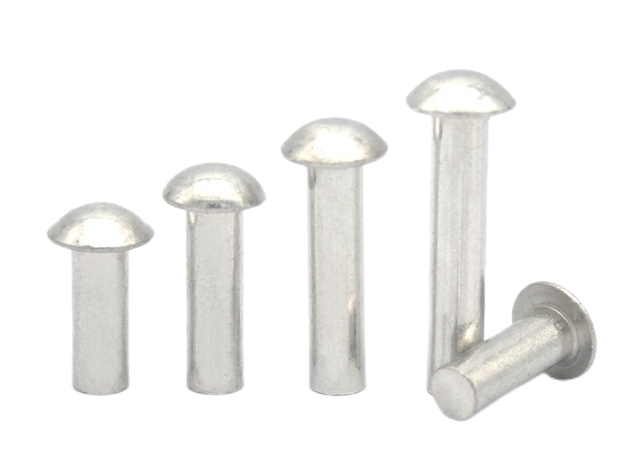
A rivet serves as a crucial fastening element, featuring a capped end for connecting various parts through deformation or interference. Diverse materials are employed in rivet manufacturing, with iron, aluminum, stainless steel, alloy, and nylon being common choices. Stainless steel and aluminum rivets, in particular, differ in material, performance, usage, and price.
Differences Between Stainless Steel and Aluminum Rivets:
Material:
Stainless steel rivets are crafted from stainless steel, while aluminum rivets are made of aluminum. Variations include all-aluminum, all-stainless steel, aluminum-steel, and aluminum-stainless steel rivets.
Performance:
aluminum rivets exhibit greater tensile and shear resistance compared to stainless steel rivets, thanks to the higher hardness of stainless steel.
Usage:
Stainless steel rivets are well-suited for applications requiring high fastening strength, whereas aluminum rivets are predominantly used for civilian workpieces.
Price:
Due to higher production costs, stainless steel rivets tend to be more expensive than aluminum rivets of similar specifications.
Choosing Between Aluminum and Stainless Steel Rivets:
Selecting Aluminum Rivets:
In aviation, aluminum rivets find widespread use due to their versatility.
Solid rivets made of aluminum or aluminum alloys are suitable for non-structural or lightly-loaded structural parts.
Blind rivets like aluminum 5050 and 5056 are common in daily applications, including structural and closed blind rivets for specific requirements.
Note: When riveting aluminum plates, it is crucial to avoid stainless steel rivets to prevent chemical reactions and corrosion; aluminum rivets are the appropriate choice.
Selecting Stainless Steel Rivets:
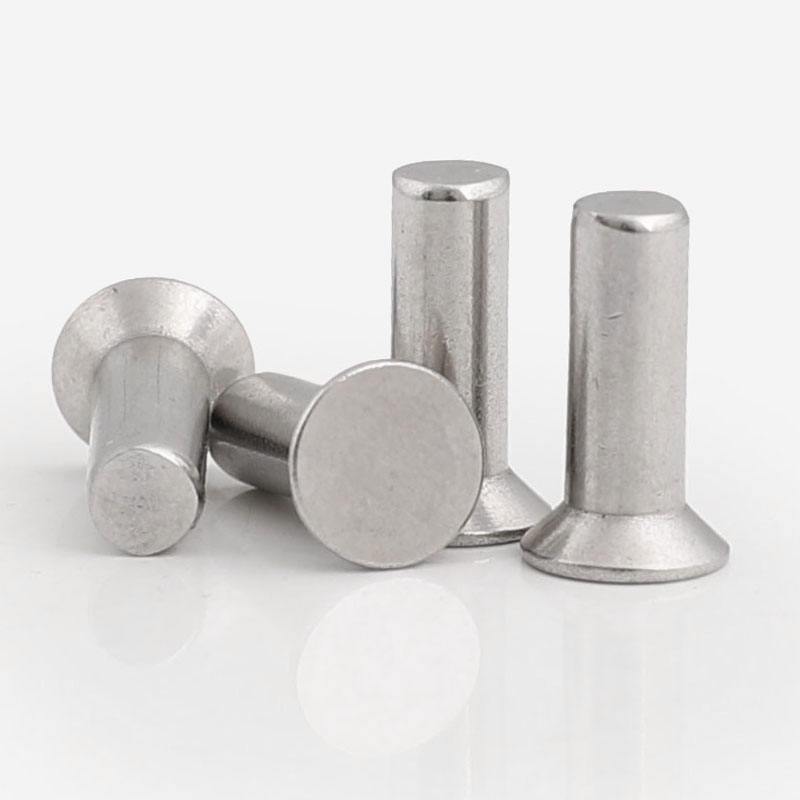
Stainless steel rivets are ideal for fastening high-strength workpieces.
Half-round head rivets handle lateral loads well.
Flat cone head rivets, resistant to corrosion, are suitable for environments like ship hulls and boiler water tanks.
Flat-head rivets work well for ordinary loads.
Flat head and oblate head rivets are designed for metal sheets or non-metallic materials like leather, canvas, and wood.
Note: Semi-hollow stainless steel rivets, featuring a processed-sinking cylindrical part, are specifically used in riveting applications.
Conclusion:
When choosing between aluminum and stainless steel rivets, it is crucial to consider the specific requirements of the application. Each type of rivet has its advantages, making it essential to select the appropriate one based on factors such as material compatibility, strength requirements, and environmental conditions.
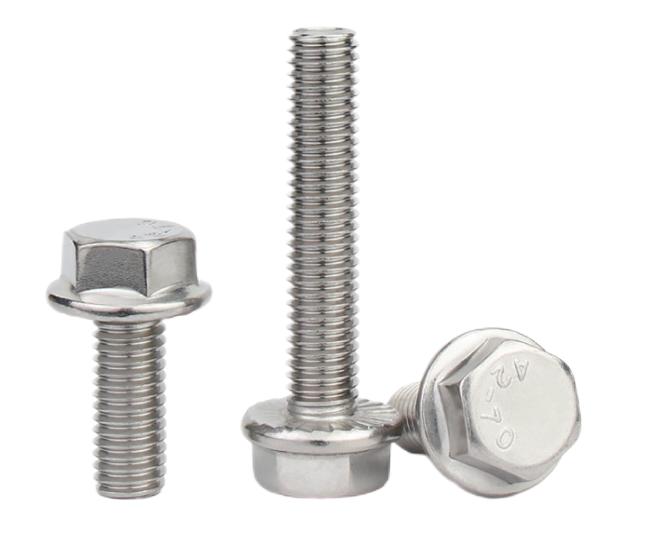
Bolts are essential components in construction, and their failure can lead to serious consequences. Many instances of bolt failure are related to installation and construction issues. This article provides insights into common forms of bolt failure, analyzing their causes and providing precautions to prevent such failures.
1. Fracture Causes Bolt Failure
Overload Fracture
Cause Analysis:
Overload fracture occurs when a bolt, installed in a manner deviating significantly from the axis, faces serious interference between the screw hole and light hole. Attempting to tighten the bolt under such conditions results in a combination of overload tension, pulling torque, and interference shearing, ultimately leading to bolt fracture.
Precautions:
To prevent overload fractures, flange hexagon bolts should be tightened in multiple steps using a cross-method to minimize cumulative errors in the coaxiality of screw holes and light holes.
Fatigue Fracture
Cause Analysis:
Fatigue fractures exhibit striations in flat areas with dimple morphology at a 45° angle to the bolt axis. These fractures are associated with factors like preload, bolt loosening, vibration, load changes, impact, low preload during installation, lack of proper anti-loosening measures, and improper assembly.
Precautions:
Preventing fatigue fractures involves strictly adhering to installation specifications and ensuring proper preload during bolt installation.
2. Thread Stripping Causes Bolt Failure
Cause Analysis:
Thread decarburization historically led to bolt slippage. However, advancements in fastener technology, especially in the last two decades, have addressed this issue. Presently, bolt slippage is primarily related to installation and construction practices.
Precautions:
Manufacturers should prevent thread decarburization through heat treatment and atmosphere protection. Users should strictly follow installation and construction specifications and enhance on-site bolt protection.
Shrinkage Fracture
Cause Analysis:
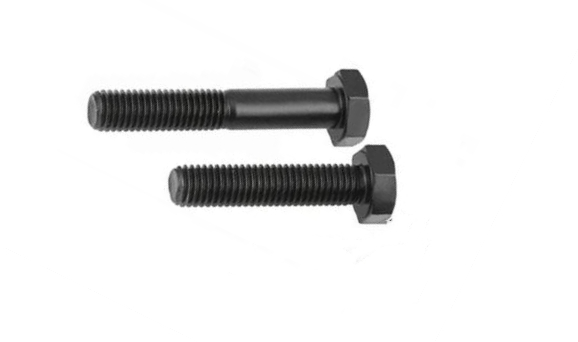
Insufficient and uneven annealing of raw materials, combined with high strength and hardness, leads to shrinkage fractures. During diameter reduction, large deformation stress generates microcracks. Subsequent quenching treatment exacerbates these microcracks.
Precautions:
Preventive measures include changing diameter reduction to turning, strengthening control of raw material annealing processes, and ensuring sufficient and uniform annealing.
3. Thread Seizure Causes Bolt Failure
Cause Analysis:
Rapid preloading and disassembly leading to high temperatures on screw teeth cause adhesive wear on stainless steel screw teeth surfaces. Accumulated abrasive debris hinders screwing processes, resulting in thread seizure.
Precautions:
Reducing pre-tightening and disassembly speeds can lower thread temperatures, reducing adhesive wear and the likelihood of stainless steel thread seizure. Coating the threads can further reduce friction coefficients, preventing thread seizure.
Summary
This comprehensive analysis covers design, materials, bolt manufacturing processes, installation, and construction practices. It aims to assist both bolt manufacturers and bolt failure analysts in understanding the intricacies of bolt failure, ultimately contributing to enhanced bolt quality and reliability in construction applications.
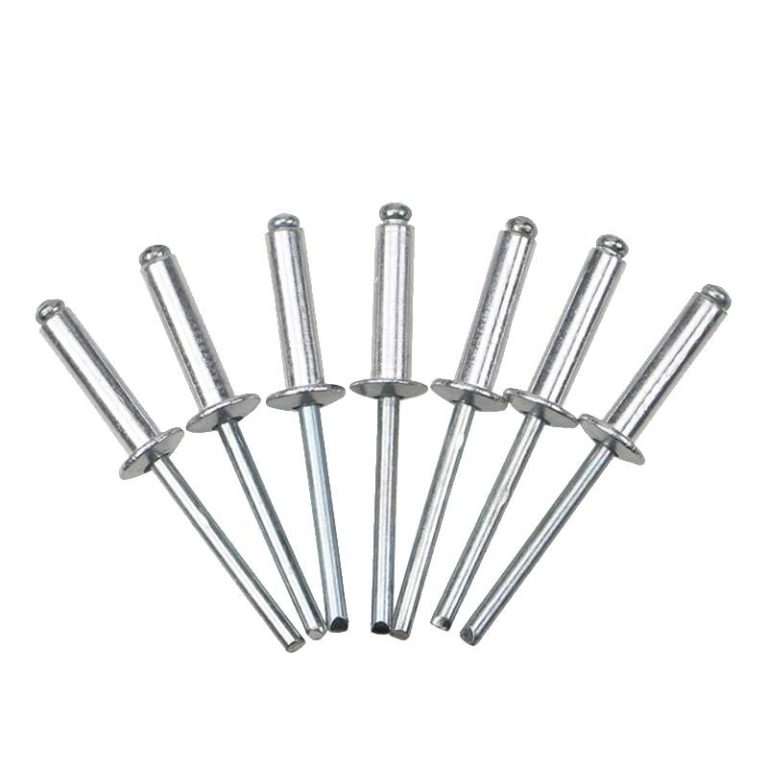
Blind rivets, also known as pop rivets, designed for single-sided riveting, require a specialized riveting gun, available in manual, electric, pneumatic, and automatic variants. These rivets find extensive use in construction, automobiles, ships, aircraft, electrical appliances, and the metal industry, particularly in situations where conventional riveting from both sides is inconvenient.

Categories of Blind Rivets:
Ordinary Open End Blind Rivets:
Featuring open-type countersunk or flat heads.
Closed End Blind Rivets:
Also known as waterproof rivets, with closed countersunk heads.
Materials commonly used include aluminum, iron, stainless steel, and copper.
Structural Rivets:
Distinguished by high strength and a unique feature—the mandrel locks in the riveting body post-riveting. Structural rivets are crucial in industries such as automobiles, railways, and aviation. Types include open-type pull rivets, single grip rivets, double grip rivets, and hem-fix rivets.
Advantages of Blind Rivets:
Single-side construction
Wide range of riveting applications
Quick installation
Large clamping force with good shock resistance
Smooth rivet fracture and strong lock cylinder
Applications of Blind Rivets:
Round Head Rivets:
Widely used for riveting under large lateral loads.
Cone Head Rivets:
Corrosion-resistant, suitable for highly corrosive environments like ship hulls and boiler water tanks.
Countersunk Head and Semi-Sunk Head Rivets:
Used for smooth surfaces and low-load riveting.
Flat Head Rivets:
Flat head rivets are general purpose rivets for various load requirements.
Flat Round Head Rivets:
Ideal for non-metallic materials such as leather, canvas, wood, or metal sheets.
Large Flat Head Rivets:
Used in riveting non-metallic materials.
Semi-Tubular Rivets:
Suitable for low-load riveting.
Headless Rivets:
Designed for non-metallic material riveting.
Hollow Rivets:
Lightweight with a small nail head, used for low-load riveting of non-metallic materials.
Tubular Rivets:
Employed in non-metallic material riveting without significant loads.
Inspection of Blind Rivets:
When inspecting finished blind rivets, considerations include diameter, length of the rivet body and rod, cap thickness, cap diameter, total core length, exposed core size, cap size, and outer diameter after assembly. Tensile strength and shearing resistance are crucial parameters in the inspection process.
Summary:
Blind rivets simplify single-sided operations, improving work efficiency. With various types catering to diverse applications and materials, coupled with advantages like quick installation and stability, blind rivets play a crucial role in the manufacturing industry. Inspection parameters ensure the quality and reliability of these rivets, contributing to their widespread use in diverse industries.