
Benchtop centrifuges are indispensable tools in laboratories across various scientific and medical fields. These compact instruments utilize centrifugal force to separate substances of different densities within a sample, enabling a wide range of applications from cell culture to clinical diagnostics. In this comprehensive guide, we delve into the types, principles, applications, and pros & cons of benchtop centrifuges, shedding light on their significance in modern research and industry.
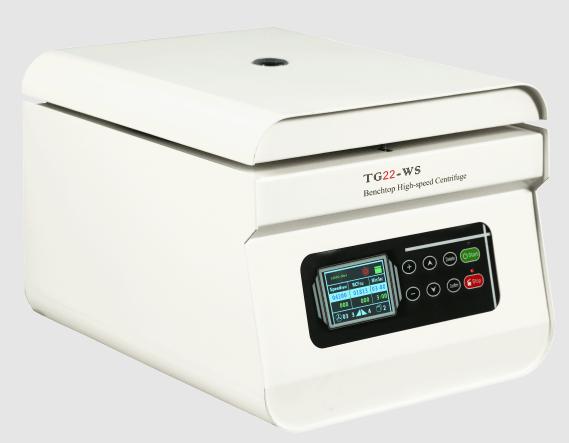
Types of Benchtop Centrifuges:
Fixed-angle centrifuge: Ideal for pelleting or separating dense particles, with a fixed rotor angle of approximately 45 degrees.
Swing-out centrifuge: Features a rotor that swings outward during operation, suitable for separating components with varying densities or collecting samples from tube bottoms.
Microcentrifuge: Compact units designed for small volume samples in microcentrifuge tubes, commonly used in molecular biology and biochemistry.
Refrigerated benchtop centrifuge: Equipped with cooling systems to maintain low temperatures during operation, crucial for temperature-sensitive samples.
High-speed benchtop centrifuge: Designed to achieve very high rotational speeds, above 10,000 rpm, for efficient separation and pelleting.
Principle of Benchtop Centrifuges:
Benchtop centrifuges utilize centrifugal force generated by high-speed rotation to separate and sediment particles in a sample. Heavier particles migrate outward, while lighter components remain closer to the center, enabling isolation and analysis.
Parts of Benchtop Centrifuges:
Rotor: Holds sample tubes or containers and rotates at high speeds.
Motor: Drives rotor rotation and controls speed and duration.
Control Panel: Allows setting and adjustment of parameters like speed, time, and temperature.
Lid and Safety Features: Ensures safe operation with lid-locking mechanisms and rotor imbalance detection.
Display: Provides real-time information on centrifuge parameters.
Centrifuge Tubes or Carriers: Hold samples during centrifugation.
Cooling System (in refrigerated centrifuges): Maintains low temperatures for sensitive samples.

Applications of Benchtop Centrifuges:
Cell and Tissue Culture
Clinical Diagnostics
Molecular Biology and Genetics
Microbiology
Biochemistry and Proteomics
Pharmaceutical Research
Environmental Science
Quality Control and Industrial Applications
Pros & Cons of Benchtop Centrifuges:
Pros:
Compact and Portable
Cost-effective
Versatile
Fast Operation
Ease of Use

Cons:
Limited Capacity
Lower Maximum Speed
Lack of Advanced Features
Noise and Vibrations
Limited Cooling Options
Conclusion:
Benchtop centrifuges are versatile and essential tools in laboratory settings, enabling a wide array of research and diagnostic applications. Understanding their types, principles, applications, and pros & cons is crucial for maximizing their utility while addressing potential limitations. As technology advances, benchtop centrifuges continue to evolve, offering enhanced performance and capabilities to meet the ever-changing demands of modern science and industry.
In the realm of scientific research and diagnostics, the refrigerated centrifuge stands as an extraordinary tool, harmonizing the force of centrifugation with precise temperature control. This specialized instrument plays a pivotal role in isolating and safeguarding samples at low temperatures, rendering it indispensable across various fields of study. From the realms of cell culture and molecular biology to clinical diagnostics and pharmacological research, the refrigerated centrifuge boasts a myriad of applications that significantly contribute to the attainment of accurate analysis and dependable results. In this article, we shall explore the multifaceted uses of refrigerated centrifuges and their profound significance in propelling scientific understanding and enhancing diagnostic capabilities.
Cell Culture and Molecular Biology:
Benchtop refrigerated centrifuges are vital in the realms of cell culture and molecular biology research. They serve as indispensable tools for the separation of cells, organelles, and biological components like DNA, RNA, and proteins. The cooling feature inherent in these centrifuges plays a pivotal role in preserving sample viability and integrity, empowering researchers to isolate and scrutinize these biological materials without compromising their quality.
Protein Biochemistry:
Given the sensitivity of proteins to temperature fluctuations, refrigerated centrifuges offer a controlled environment crucial for protein purification and analysis. They aid in maintaining the stability and activity of proteins during separation, thereby averting denaturation and degradation. This aspect proves instrumental in unraveling the intricacies of protein structure, function, and interactions.
Clinical Diagnostics:
Refrigerated centrifuges find extensive utilization in clinical laboratories for diagnostic purposes. They are instrumental in segregating blood samples into various components such as plasma, serum, and blood cells. The cooling feature ensures the stability of labile substances such as enzymes and metabolites during analysis, thus ensuring the attainment of accurate diagnostic results.
Pharmacological Research and Drug Development:
In the realms of pharmacological research and drug development, refrigerated centrifuges assume a pivotal role. They aid in the separation and purification of active pharmaceutical ingredients (APIs) and facilitate the study of their physical and chemical properties. The cooling capability of these centrifuges ensures the maintenance of drug stability, enabling researchers to accurately evaluate efficacy and toxicity.
Microbiology and Environmental Research:
Refrigerated centrifuges find extensive application in concentrating microorganisms from culture media, such as bacteria and yeast, in microbiology research. Their low temperatures aid in preserving the viability of delicate organisms during separation. Additionally, they are indispensable in environmental research for analyzing temperature-sensitive compounds and microorganisms present in soil, water, or other environmental samples.
Biochemical and Biotechnological Studies:
Refrigerated centrifuges play a pivotal role in various biochemical and biotechnological studies. They facilitate the separation and isolation of cellular components, the study of enzyme kinetics, DNA sequencing, and investigations into metabolic pathways. The cooling feature ensures sample stability and integrity throughout these processes, thereby contributing significantly to scientific exploration.
In summary, the applications of refrigerated centrifuges in scientific research and diagnostics have proven to be indispensable, revolutionizing the way samples are handled, preserved, and analyzed. As technology continues to advance, further enhancements in refrigerated centrifuge design, including improved cooling systems, higher speeds, and advanced automation, are anticipated. These developments will undoubtedly expand the capabilities of refrigerated centrifuges, opening new avenues for scientific exploration and diagnostic advancements.
Centrifuges are indispensable laboratory tools utilized for a myriad of separation and purification tasks. They vary in types, sizes, and capacities, yet all serve the fundamental function of segregating materials based on their densities. Like any equipment, the lifespan of a centrifuge hinges upon meticulous maintenance and attentive care. In this discourse, we'll delve into some precautions and invaluable tips when operating a centrifuge.
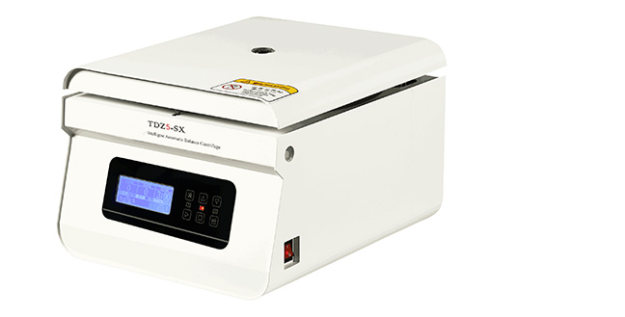
Prioritizing Safety:
Utilize Appropriate Personal Protective Equipment (PPE):
Equip yourself with suitable PPE such as gloves, lab coats, safety glasses or goggles, and closed-toe shoes to safeguard against potential hazards.
Balance the Rotor:
Ensure the rotor is adequately balanced prior to initiating the centrifuge. An imbalanced rotor may lead to vibration or even structural failure, posing serious risks.
Adhere to Recommended Speed and Time Settings:
Operate the centrifuge at the prescribed speed and duration suitable for the samples being processed. Overexertion can cause overheating or catastrophic failure.
Employ Proper Containers and Adapters:
Utilize designated containers and adapters tailored to the samples at hand. Ill-fitting or incorrectly sized accessories can result in spillage or malfunction.
Refrain from Opening During Operation:
Resist the temptation to open the centrifuge while in operation. Wait until it comes to a complete stop before accessing its contents to avert potential accidents.
Avoid Utilizing Damaged Equipment:
Refrain from employing damaged or worn-out components such as rotors, adapters, or centrifuge tubes. Such negligence can jeopardize safety and lead to malfunction.
Be Cognizant of Chemical Hazards:
Familiarize yourself with any chemical hazards associated with the samples under examination. Take appropriate precautions, such as working in well-ventilated areas or employing a fume hood, to mitigate risks.
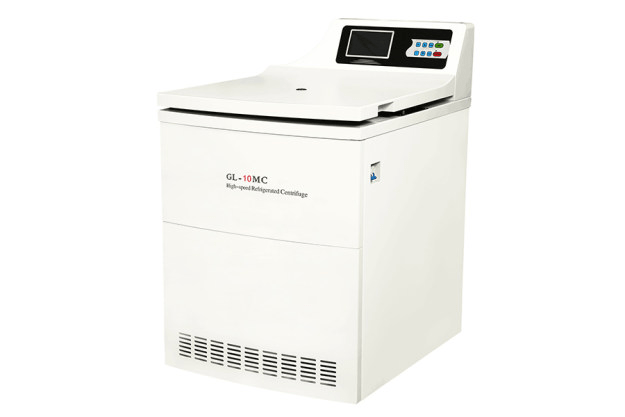
Troubleshooting Common Problems:
Vibrations or Shaking:
Ensure proper rotor balancing and even loading of sample tubes. If issues persist, inspect for potential rotor damage or enlist professional servicing.
Noise:
Unusual or excessive noise may signal motor or bearing issues. Check for loose components or signs of wear and enlist professional assistance if necessary.
Failure to Start or Spin:
Verify power connectivity and switch operation. If problems persist, motor or centrifuge servicing may be warranted.
Temperature Irregularities:
Confirm ambient temperature falls within recommended parameters and check ventilation systems. If problems persist, thermostat or temperature control systems may require attention.
Leaks or Spills:
Confirm proper sealing of sample tubes and ensure centrifuge levelness. Continued issues may necessitate rotor or chamber inspection.
Error Messages:
Refer to the manual of the centrifuge manufacturer for guidance on addressing error messages or codes. For unresolved issues, contact the manufacturer or qualified technicians.
Maintenance and Cleaning Protocols:
Regularly clean the centrifuge exterior using mild detergent and a soft cloth, avoiding abrasive materials.
Inspect rotors and buckets for wear or damage, replacing defective parts promptly.
Lubricate moving components as per manufacturer's recommendations, avoiding over-lubrication.
Regularly scrutinize seals and gaskets for integrity, replacing as needed.
Clean rotor and buckets post-use with mild detergent and warm water, ensuring thorough drying before reassembly.
Conduct periodic self-diagnostic tests according to manufacturer instructions to ensure optimal performance.
Store the centrifuge in a clean, dry environment, shielded from extreme temperatures and humidity.
In summary, meticulous maintenance and adherence to safety protocols are imperative for prolonging the lifespan of a centrifuge and ensuring reliable results. Regular inspections, cleaning, and calibration uphold performance standards and mitigate the risk of malfunction or injury.
A beauty centrifuge plays a vital role in the medical beauty industry, particularly in the field of medical plastic surgery and aesthetics. It serves several purposes:
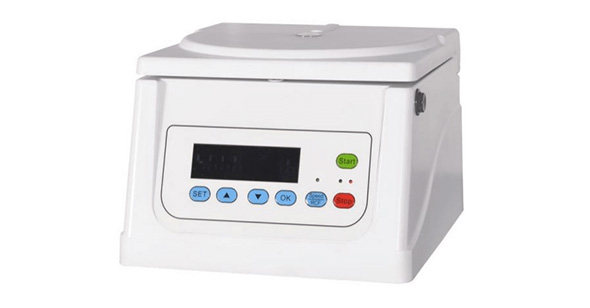
The beauty centrifuge stands as the world's leading autologous fat transplantation support system for medical plastic surgery and beauty treatments.
It is primarily used for PRP autologous fat transplantation.
Given the dominant technology held by developed countries like Europe and the United States, every hospital requires an autologous fat transplantation support system.
The beauty centrifuge facilitates the extraction of natural autologous fat, significantly enhancing surgical quality and the technical expertise of doctors.
There are two main types of beauty centrifuges: autologous fat transplantation centrifuges and autologous blood extraction and injection cosmetic surgery centrifuges, also known as PPP centrifuges and PRP centrifuges.
These centrifuges find utility in various fields such as medical treatment, beauty institutions, dermatology, orthopedics, pain management, surgery, and medicine. PRP contains multiple growth factors that expedite the healing of soft and bone tissues, reduce postoperative reactions, combat infections, awaken skin cell regeneration capabilities, repair damaged skin, and exhibit anti-aging and rejuvenation effects.
PRP Centrifuge:
To maximize the effectiveness of PRP, extensive research has been conducted on rotor design, rotation speed, centrifugal force, and acceleration time. These improvements have greatly enhanced the extraction rate of PRP, reduced processing time, and increased medical staff efficiency. The PRP Centrifuge can be paired with a specialized PRP set imported from South Korea, significantly improving the efficiency of PRP extraction, simplifying and expediting the overall treatment process.
PPP Centrifuge:
The autologous fat transplantation beauty centrifuge, also known as the PPP centrifuge, is primarily utilized in plastic surgery, dermatology, and related fields. It enables rapid separation and purification of fat using conventional syringes of 10ml, 20ml, and 50ml without causing damage or temperature elevation in fat cells. This beauty centrifuge ensures a high survival rate for fat transplantation, streamlines the transplantation process, and guarantees effective fat retention.

Proper Operation of the PRP Centrifuge:
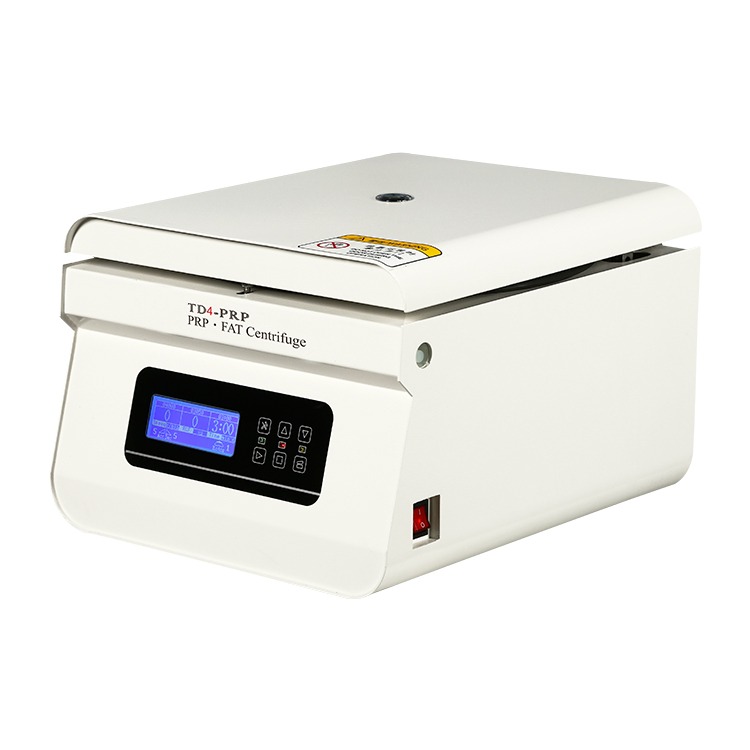
The PRP centrifuge is a popular choice among beauty centrifuges. Here is a step-by-step guide for operating the PRP centrifuge correctly:
After thorough cleaning and disinfection, a PRP vacuum blood collection tube is used by the doctor's assistant to draw 10-20ml of blood from your cubital vein. This step is akin to a regular blood draw during a physical examination and typically takes about 5 minutes with minimal discomfort.
The doctor then separates the various components of the blood by spinning it at 4000 rpm. This process lasts approximately 10-20 minutes and results in four distinct layers: PPP, PRP, separated substances, and red blood cells.
The PRP set equipment simplifies the complex and time-consuming process of producing PRP. Using a PRP blood collection separation tube, doctors can extract platelets with high concentrations of growth factors directly on the spot.
Finally, the doctor injects the growth factors back into the targeted area of your skin that requires improvement. This process is typically painless and usually lasts 10-20 minutes.
The PRP centrifuge features an electronic door lock for added safety. It cannot be started if the door cover is not properly closed or locked. While in operation, pressing the door lock button prevents the door cover from being opened. When the rotation speed is zero, the door lock button can be pressed, allowing for safe access to the instrument.
The PRP centrifuge operates smoothly with minimal vibration, low noise, and excellent separation efficiency. Various rotor options are available, making it suitable for multiple purposes on a single machine.
When it comes to centrifuges, there are two main types: floor centrifuges and benchtop centrifuges. In this article, we will focus on floor centrifuges, also known as floor-standing centrifuges or floor model centrifuges.
In a laboratory with limited space where placing a benchtop centrifuge on a table is not feasible, a floor-standing centrifuge becomes the ideal choice. Additionally, if your laboratory has a large number of personnel with diverse research directions and various operations, a floor centrifuge can cater to your specific needs. These centrifuges find applications in areas such as biochemistry, radio-immunity, and pharmaceutical research.

Let's explore the advantages of floor model centrifuges:
Large Capacity:
Floor centrifuges offer a larger internal space, allowing for a better selection of parts and materials, and overall stronger stability.
Enhanced Stability:
The main engine of a floor model centrifuge exhibits excellent stability, thanks to the robust design and quality materials used.
Improved Heat Dissipation:
Floor centrifuges adopt an upper and lower structure, resulting in a larger heat dissipation area. The cooling system is designed to be more efficient, reducing the chances of system failures.
Higher Unbalance Tolerance:
Floor model centrifuges are equipped with superior shock-absorbing suspension systems, providing higher stability and the ability to handle larger amounts of unbalance.
Currently, floor-standing centrifuges on the market can be categorized into three types: high-speed, ultra-speed, and low-speed centrifuges.
High-speed Floor Centrifuge:
For those in need of a high-capacity, high-speed centrifuge with versatility, a high-speed floor centrifuge is the optimal choice. Many high-speed floor centrifuges offer a wide range of rotors for various operations, including cell separation, protein precipitation, tissue culture, subcellular separations, nucleic acid purification, and more.
Ultra-speed Floor Centrifuge:
When applications require centrifugal forces of up to 1,000,000x g, an ultracentrifuge is necessary. Ultracentrifuges are commonly used for isolating virus particles, fractionating DNA, RNA, or proteins, lipoprotein surfacing, density gradient centrifugation, handling nanoparticles, and other advanced procedures.
Low-speed Floor Centrifuge:
These centrifuges have a maximum relative centrifugal force of approximately 7000 x g and are suitable for low-speed applications like separating red blood cells and platelets from whole blood.
Recommended Floor Centrifuge: Floor Ultra Capacity Centrifuge
The floor ultra capacity centrifuge is a large-capacity standing centrifuge suitable for a wide range of applications. It finds extensive use in central blood stations, pharmaceuticals, bioengineering, clinical medicine, genetic engineering, hospitals, universities, blood stations, radioimmunization, nuclear medicine, and other fields. This centrifuge offers the same advantages mentioned above, along with an attractive appearance and low noise levels.
Supplier Recommendation: Drawell
For those interested in the floor ultra capacity centrifuge, Drawell is a trusted choice. With over 20 years of experience in centrifuge production, Drawell has earned a reputation for producing stable, high-quality centrifuges that are user-friendly. In addition to floor centrifuges, Drawell also offers benchtop low-speed centrifuges, benchtop high-speed centrifuges, benchtop refrigerated centrifuges, and beauty centrifuges.
In conclusion, floor centrifuges provide an excellent solution for laboratories with limited space. They offer large capacity, enhanced stability, improved heat dissipation, and higher unbalance tolerance. Whether you require a high-speed, ultra-speed, or low-speed centrifuge, a floor model can meet your specific needs. For reliable floor centrifuges and other types of centrifuges, Drawell is a trusted supplier with a proven track record in the industry.