
Refrigerated centrifuges play a crucial role in various scientific and therapeutic applications, including biological sample separation and chemical purification. However, traditional centrifuge systems often require regular maintenance to ensure optimal performance, leading to downtime and increased operational costs. Recent technological advancements have paved the way for maintenance-free solutions, revolutionizing the field of centrifugation. This article explores the innovations driving maintenance-free technologies in refrigerated centrifuges and their implications for research, healthcare, and industrial processes.

The Rise of Maintenance-Free Technologies in Refrigerated Centrifuges
Historically, refrigerated centrifuges relied on complex mechanical components prone to wear and tear, necessitating frequent maintenance and part replacements. With the advent of maintenance-free technology, refrigerated centrifuge manufacturers are now focusing on creating systems that are more reliable and durable.
Key Innovations Driving Maintenance-Free Technologies
1. Introduction of Brushless Motors
A significant advancement in maintenance-free centrifuge technology is the widespread use of brushless motors. Unlike brushed motors, brushless motors offer higher efficiency, lower maintenance requirements, and longer lifespans. By eliminating brushes and commutators, brushless motors experience less wear and tear, resulting in fewer maintenance intervals and increased reliability. Additionally, they produce less heat and vibration, contributing to smoother operation and improved sample integrity.
2. Integration of Direct-Drive Systems
Traditional centrifuges often use belt-driven systems to transfer power from the motor to the rotor assembly. Belt-driven mechanisms are susceptible to slippage, tension issues, and belt degradation, requiring frequent maintenance and replacement. Maintenance-free centrifuges address these problems by incorporating direct-drive systems, which provide a direct mechanical connection between the motor and the rotor, eliminating the need for belts or pulleys.
3. Sealed Chamber Design
Dust, moisture, and other contaminants can accumulate inside centrifuge chambers, leading to corrosion, electrical issues, and decreased efficiency. Maintenance-free centrifuges feature sealed chamber designs that protect vital components from external contamination, ensuring long-term durability and minimal maintenance requirements. Seals and gaskets prevent leaks and maintain cleanliness, reducing the risk of damage and extending the lifespan of internal components.
4. Self-Diagnostic Systems
Early detection of potential issues is crucial for avoiding costly breakdowns and minimizing downtime. Maintenance-free centrifuges are equipped with self-diagnostic systems that continuously monitor various parameters, such as rotor balance, temperature fluctuations, and motor performance. Advanced sensors and algorithms detect anomalies in real-time, alerting users to take appropriate action before problems escalate.
5. Remote Monitoring and Control
In today’s interconnected world, remote monitoring and control capabilities are essential features of laboratory equipment. Maintenance-free centrifuges can be integrated with cloud-based platforms or software applications, allowing users to monitor operational status, view performance data, and adjust settings remotely from any internet-enabled device. Researchers can receive alerts, access diagnostic information, and troubleshoot issues in real-time, enhancing convenience, flexibility, and productivity.
6. Enhanced Cooling Systems
Refrigerated centrifuges require precise temperature control to maintain sample integrity and ensure reproducible results. Traditional cooling systems may use mechanical compressors or refrigerant gases, which are prone to leaks and wear, requiring regular maintenance. Maintenance-free refrigerated centrifuges employ advanced cooling technologies, such as thermoelectric modules or brushless DC compressors, to achieve and maintain target temperatures without needing periodic recalibration or refrigerant replacement. These technologies improve reliability, energy efficiency, and environmental sustainability while reducing the total cost of ownership.

Applications Across Industries
1. Biotechnology and Pharmaceutical Research
Cell Culture and Microbiology: Essential for cell culture work, including cell harvesting and separation of cellular components.
Protein Purification: Used in workflows to separate proteins from cell lysates, culture supernatants, or crude extracts.
Pharmaceutical Formulation: Crucial for drug preparation and analysis, ensuring reliable performance in tasks like drug stability testing.
2. Clinical Diagnostics and Medical Research
Blood Banking and Hematology: Critical for processing blood samples, separating plasma or serum, and performing hematocrit determinations.
Clinical Chemistry: Used for sample preparation, facilitating the analysis of various analytes, supporting medical diagnostics and patient care.
3. Food and Beverage Industry
Food Safety and Quality Control: Utilized for quality control and product testing, such as fat content analysis and microbiological analysis.
Food Processing and Research: Facilitates tasks like extraction of bioactive compounds and analysis of foodborne pathogens.
4. Environmental Science and Research
Water and Wastewater Analysis: Ensures reliable performance in sedimentation analysis, sludge dewatering, and separation of particulate matter.
Soil and Sediment Analysis: Used to extract and analyze organic and inorganic components, supporting environmental monitoring and remediation.

Conclusion
Maintenance-free technologies are transforming refrigerated centrifugation, offering improved reliability, reduced downtime, and lower operating costs. As manufacturers continue to innovate, these advancements will be applied across industries, enhancing efficiency and productivity in scientific research, healthcare, and industrial applications.
Sample preparation is a fundamental component of genomics research, and careful treatment of biological samples is critical for getting accurate and trustworthy genomic data. This procedure relies heavily on centrifugation, a technique that uses centrifugal force to separate components in a sample. As genomics research advances, the necessity for optimized sample preparation techniques using centrifuges has never been more crucial. This article explores the advancements and best practices in sample preparation for genomics, focusing on the strategic use of centrifuges to achieve precision and efficiency.

1. Adaptive Rotor Designs
Modern centrifuges use variable rotor designs to meet the different needs of genomics researchers. These rotors can accommodate a wide range of sample volumes and kinds, allowing numerous samples to be processed at once. The adaptability of rotor designs increases centrifuge versatility, making them appropriate for a wide range of applications, including DNA/RNA extraction and cellular component isolation.
2. High-Speed Centrifugation for Rapid Processing
In the era of high-throughput genomics, speed is critical. High speed refrigerated centrifuge is now possible because of advances in centrifuge technology, lowering the time required for sample processing significantly. This acceleration is especially useful in genomics applications requiring short turnaround times, such as next-generation sequencing procedures.
3. Automation in Centrifugation Systems
The integration of automation into centrifugation systems has revolutionized sample preparation workflows. Automated centrifuges not only enhance throughput but also minimize variability and errors associated with manual handling. Researchers can program these systems to follow predefined protocols, ensuring standardized and reproducible sample preparation processes.
4. Low-Noise Technologies for Sensitive Genomic Applications
Sensitive genomic applications, such as single-cell sequencing and low-input DNA/RNA studies, demand gentle sample handling. Centrifuges with low-noise technologies minimize disturbances during centrifugation, preserving the integrity of nucleic acids and proteins. This is crucial for obtaining reliable results in experiments where sample quality is paramount.
5. Temperature Control Features
Temperature changes have an impact on genomic materials, particularly nucleic acids. Modern centrifuges include precise temperature control features, allowing researchers to maintain optimal temperatures during centrifugation. Temperature-controlled centrifugation ensures the stability of genomic samples and reduces the risk of degradation.
6. Optimized Tube and Rotor Configurations
Centrifuge tube and rotor layouts directly affect sample recovery rates and overall efficiency. Centrifuge design advances have included the development of specific tube and rotor configurations for genomics applications. These arrangements reduce sample loss, improve recovery rates, and are compatible with subsequent genetic analysis.
7. Documentation and Quality Control
Documentation and quality control are critical components of genomics sample preparation best practices. Researchers should keep accurate data on centrifugation parameters such as rotor type, speed, and duration. Regular quality control procedures, such as monitoring sedimentation patterns and verifying sample purity, help to ensure the trustworthiness of genetic data.
Conclusion
The dynamic landscape of genomics research requires a continuous evolution in sample preparation techniques, and centrifugation remains at the forefront of these developments. By adhering to best practices and leveraging the latest advancements in centrifuge technology, genomics researchers can elevate the accuracy and efficiency of their sample preparation processes, ultimately advancing our understanding of the genetic code and its implications for various fields, including medicine and biotechnology.
Refrigerated centrifuges are pivotal in various scientific fields, from biology and chemistry to clinical diagnostics. Central to their functionality are advanced cooling systems. This article explores the critical role of advanced cooling systems in refrigerated centrifuges and highlights the latest technological advancements that are enhancing temperature control in centrifugation processes.
The Crucial Role of Cooling Systems in Refrigerated Centrifuges
Advanced cooling systems are integral to the success and reliability of centrifuge processes for several reasons:
1. Preservation of Sample Integrity
The primary role of cooling systems in refrigerated centrifuges is to maintain sample integrity. Many biological and chemical processes are highly temperature-sensitive. Without proper cooling, the heat generated by high-speed centrifugation can cause sample degradation, denaturation, or alteration. Cooling systems ensure a stable and controlled environment within the centrifuge chamber, protecting the molecular structures of sensitive samples.
2. Temperature Control for Precise Experiments
Accurate and reproducible results in scientific investigations rely heavily on precise temperature control. Cooling systems in refrigerated centrifuges allow researchers to set and maintain specific temperatures according to the unique needs of various sample types. This is particularly crucial in fields like molecular biology, where DNA, RNA, and proteins are extremely sensitive to temperature fluctuations.
3. Prevention of Thermal Stress
The forces generated during centrifugation can cause thermal stress to samples. Cooling systems play a vital role in dissipating heat and minimizing thermal stress, thereby preserving sample integrity. Maintaining a steady temperature reduces the risk of artifacts and ensures that results accurately reflect the original samples' properties.
4. Enhanced Versatility in Applications
Advanced cooling systems enhance the versatility of benchtop refrigerated centrifuges, enabling them to accommodate a wide range of applications. From routine clinical diagnostics to specialized research protocols, precise temperature control ensures these instruments can effectively process various sample types with specific temperature requirements.
5. Longer Centrifugation Duration
In many experiments, especially those involving the separation of complex biological mixtures, centrifugation processes can be time-consuming. Cooling systems allow for extended centrifugation durations without compromising sample integrity. This is particularly beneficial in experiments requiring prolonged exposure to high centrifugal forces.
6. Minimization of Experimental Variability
Maintaining a constant temperature during centrifugation reduces experimental variability. Temperature fluctuations can lead to inconsistent results, making it difficult to draw accurate conclusions. Cooling systems enhance the repeatability and reliability of experimental findings.
7. Energy Efficiency and Cost Savings
Advanced cooling systems in refrigerated centrifuges are designed to be energy-efficient, contributing to sustainable laboratory practices. Components such as variable speed compressors reduce power consumption and lower operational costs over time.

Key Components of Advanced Cooling Systems in Refrigerated Centrifuges
1. Cryogenic Cooling Technology
Some advanced refrigerated centrifuges use cryogenic cooling technology, rapidly achieving extremely low temperatures with liquefied gases like liquid nitrogen or liquid helium. Cryogenic cooling is highly effective in maintaining precise and consistent temperatures during centrifugation.
2. Variable Speed Compressors
Variable speed compressors are essential in modern cooling systems. These compressors adjust their rotation speed to meet cooling demands, allowing for precise temperature control. Dynamic adjustment of compressor speed enhances energy efficiency and ensures temperature stability within the centrifuge chamber.
3. Heat Exchangers
Integrated heat exchangers play a crucial role in efficiently dissipating heat generated during centrifugation. These exchangers transfer heat away from the centrifuge chamber, maintaining a consistent temperature. Advanced designs optimize heat exchange, contributing to temperature uniformity and preventing fluctuations that could affect sample integrity.
4. Insulation Materials
High-quality insulation materials with low thermal conductivity are used to minimize heat exchange between the inside and outside of the centrifuge. This insulation helps create a well-isolated environment, reducing the impact of external temperature variations on the samples being processed.
5. Thermal Sensors and Monitoring Systems
Advanced cooling systems are equipped with thermal sensors and monitoring systems to ensure precise temperature control. These sensors continuously measure the temperature within the centrifuge chamber, providing real-time feedback to the control system. The monitoring system adjusts cooling parameters based on this feedback, maintaining the set temperature accurately.
6. Adaptive Cooling Algorithms
Some refrigerated centrifuges use adaptive cooling algorithms that automatically adjust cooling parameters in response to changing conditions. These algorithms consider factors such as load variations, ambient temperature changes, and the specific needs of the samples. This adaptive approach ensures optimal temperature regulation under various conditions.
7. User-Programmable Cooling Protocols
Advanced cooling systems often include user-programmable cooling protocols, allowing researchers to customize temperature profiles based on their experiments' specific needs. This flexibility is crucial for handling diverse sample types and conducting experiments with varying temperature requirements.
8. Low-Noise Cooling Systems
To reduce disruptions in shared laboratory spaces, advanced refrigerated centrifuges are designed with low-noise cooling systems. This is achieved through sound-dampening materials and optimized cooling system designs.
9. Energy-Efficient Components
Energy efficiency is a key consideration in the design of advanced cooling systems. Components like variable speed compressors, energy-efficient motors, and optimized heat exchangers help reduce overall energy consumption, benefiting both the environment and laboratory operational costs.
10. Safety Features
Advanced cooling systems often incorporate safety features such as overheat protection and fail-safe mechanisms. These features ensure that the refrigerated centrifuge operates within specified temperature limits, minimizing the risk of damage to samples or the centrifuge itself.
Conclusion
The continuous evolution of refrigerated centrifuges is characterized by groundbreaking advancements in cooling systems. These advancements provide researchers with precise temperature control, sample preservation, and flexibility in experimental applications. As technology progresses, we can expect even more sophisticated cooling systems that will further enhance the capabilities of refrigerated centrifuges, making them indispensable tools in laboratories conducting cutting-edge scientific research and diagnostic developments.
Centrifugation is a critical process widely utilized across numerous industries and scientific disciplines to separate particles from a suspension based on their density, size, or shape. Centrifuges, which come in various types and designs, play a pivotal role in this separation process. A crucial component of any centrifuge is the rotor, which significantly impacts the efficiency and effectiveness of the separation. This article delves into the different types of centrifuges and their rotors, along with essential considerations for selecting the appropriate centrifuge for specific applications.
Fundamentals of Centrifugation
Centrifugation operates on the principle of relative centrifugal force (RCF), the effective force exerted on particles during rotation. When a mixture undergoes high-speed rotation, denser particles migrate outward faster than lighter ones, resulting in separation based on density. The speed of rotation and the design of the centrifuge influence the force applied to the particles, thereby affecting the separation efficiency. Higher speeds and larger rotor diameters generate greater RCF, causing denser particles to move outward and settle at the bottom of the tube. This process is essential for separating various components in a mixture, such as cells, organelles, proteins, and DNA.
Types of Centrifuges
Centrifuges can be classified based on their design, application, rotational speed, principle of separation, and size and capacity. Here are some common classifications:
1. Based on Design
Fixed-Angle Centrifuges: These centrifuges hold tubes at a fixed angle relative to the rotor axis and are commonly used for pelleting particles.
Swinging-Bucket Centrifuges: The tubes swing outward as the rotor spins, allowing for better separation of components, often used for larger volumes and higher capacities.
Continuous Flow Centrifuges: Designed for continuous separation of particles from a continuous flow of liquid, commonly used in industrial applications.
2. Based on Application
Clinical Centrifuges: Used in medical and clinical settings for separating blood components or other bodily fluids.
Laboratory Centrifuges: Employed in research laboratories for applications such as DNA separation, protein purification, and cell isolation.
Industrial Centrifuges: Larger, robust centrifuges used in industrial processes like oil separation, wastewater treatment, and chemical processing.
3. Based on Rotational Speed
Low-Speed Centrifuges: Operate at speeds up to 5,000 rpm for gentle separation of particles.
High-Speed Centrifuges: Operate at speeds ranging from 10,000 to over 100,000 rpm for rapid and efficient separation.
4. Based on Principle of Separation
Differential Centrifugation: Separates particles based on their different sedimentation rates due to size, shape, and density.
Density Gradient Centrifugation: Utilizes a density gradient medium to separate particles based on their buoyant density.
Isopycnic Centrifugation: Particles migrate to a position in the centrifuge tube where their density equals the density of the surrounding medium.
5. Based on Size and Capacity
Microcentrifuges: Small benchtop centrifuges used for small volumes, common in molecular biology and biochemistry labs.
Benchtop refrigerated centrifuges: Larger than microcentrifuges, suitable for moderate volumes and capacities, frequently found in clinical and research laboratories.
Floor-Standing Centrifuges: Larger capacity centrifuges used in industrial and large-scale research applications.
These classifications provide a framework for understanding the different types of centrifuges and their respective applications across various fields and industries.
Conclusion
Understanding the various types of centrifuges and their rotors is essential for researchers, clinicians, and industrial professionals. Whether for molecular biology experiments, clinical diagnostics, or large-scale bioprocessing, selecting the appropriate centrifuge and rotor configuration is crucial for achieving optimal results. Laboratory centrifuge suppliers play a vital role in providing a broad range of centrifuge systems tailored to specific applications, ensuring that researchers have access to the latest advancements in centrifugation technology. By staying informed about the classifications and features of centrifuge rotors, scientists can make well-informed decisions to meet their centrifugation needs efficiently and effectively, ultimately advancing research, diagnostics, and industrial processes.
Laboratory centrifuges stand as indispensable tools in scientific and medical laboratories worldwide, facilitating the separation of substances based on density or particle size within sample mixtures. Harnessing the power of centrifugal force, these devices swiftly spin sample, causing heavier components to migrate towards the outer edges while lighter substances collect at the center. This segregation paves the way for further analysis and study of isolated components, making centrifuges a cornerstone in a myriad of applications across various fields. Here, we delve into the common applications, proper installation, and safe operation of laboratory centrifuges.

Common Applications of Laboratory Centrifuges:
Laboratory centrifuges find extensive utility in scientific and medical research, offering a wide array of applications:
Blood Component Separation: In clinical settings, centrifuges are pivotal for separating red blood cells, white blood cells, and plasma, enabling crucial diagnostic procedures such as blood cell counting, plasma protein analysis, and blood typing.
DNA and RNA Research: Centrifuges play a critical role in DNA and RNA extraction, purification, and isolation, aiding in the separation of nucleic acids from other cellular components for subsequent analysis and study.
Cell Culture and Microbiology: These devices are instrumental in cell culture laboratories, facilitating the separation of cells from growth media, the harvest of cell pellets, and the isolation of subcellular components. Moreover, in microbiology, centrifuges are employed to concentrate microbial cells or segregate different types of microorganisms.
Protein Purification: Centrifugation techniques are indispensable for separating proteins from cell lysates or other mixtures, enabling the purification and analysis of specific proteins crucial for biochemistry and biotechnology research.
Environmental Analysis: Centrifuges play a vital role in environmental analysis, aiding in the separation and concentration of target analytes from environmental samples such as soil, water, and air, thereby facilitating their further characterization and measurement.
Pharmaceutical Research and Development: In pharmaceutical research, centrifuges are employed for the separation and purification of active pharmaceutical ingredients (APIs) and for studying pharmaceutics formulations.
Industrial Applications: Centrifugation finds applications across various industries, including food and beverage, oil and gas, chemical engineering, and wastewater treatment, where it is utilized for separation, clarification, and purification processes.
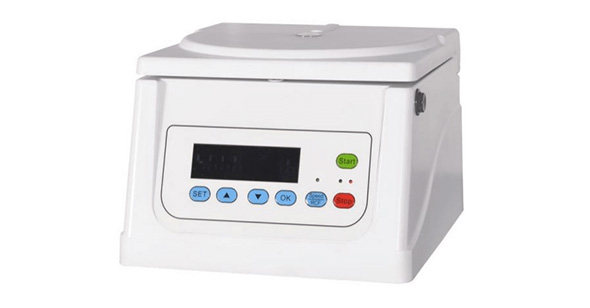
Proper Installation of Laboratory Centrifuges:
Proper installation of laboratory centrifuges is paramount to ensuring their safe and effective operation. Here are some general guidelines:
Location: Select a suitable location for the centrifuge that meets recommended environmental conditions, ensuring adequate ventilation, stability, and minimal exposure to vibrations or temperature fluctuations.
Power Supply: Verify that the power supply meets the electrical requirements of the centrifuge, utilizing a grounded electrical outlet and avoiding the use of extension cords or power strips whenever possible.
Leveling: Place the centrifuge on a stable and level surface, utilizing a spirit level to ensure proper balance and minimize vibrations during operation.
Clearance: Provide sufficient clearance around the centrifuge for ventilation and maintenance access, adhering to the manufacturer's recommendations regarding minimum clearance distances.
Rotor Installation: Install the appropriate rotor and any necessary adapters or buckets according to the centrifuge's specifications, ensuring secure seating and proper balance.
Lid and Safety Precautions: Attach and secure the lid or cover of the centrifuge properly, ensuring that all safety features such as interlocks are functioning correctly. Familiarize yourself with the safety precautions and operating instructions provided by the manufacturer.
Operational Verification: Before use, perform an operational verification check as outlined in the user manual, verifying display, control settings, and any alarms or safety features.
Safe Operation of Laboratory Centrifuges:
Operating laboratory centrifuges safely is paramount to protecting oneself and others from potential hazards. Here are some guidelines:
Read the Manual: Familiarize yourself with the manufacturer's instructions, user manual, and safety guidelines specific to the centrifuge model being used, and be aware of any limitations, precautions, or potential hazards associated with the device.
Personal Protective Equipment (PPE): Always wear appropriate PPE, including lab coats, gloves, and safety goggles or glasses, when working with the centrifuge, adhering to the requirements set by your laboratory or institution.
Training and Competence: Ensure that you receive adequate training on centrifuge operation before using it independently, seeking guidance from experienced personnel or supervisors and familiarizing yourself with specific protocols and procedures established in your laboratory.
Safe Sample Handling: Handle all samples and materials with care, using properly sealed, labeled, and leak-proof containers suitable for centrifugation. Follow guidelines for proper preparation, loading, and balancing of samples in accordance with centrifuge and rotor specifications.
Load Balancing: Ensure equal weight distribution within the rotor to prevent imbalance and minimize the risk of accidents or damage. Use complementary tube or vial pairs, or balance the rotor with empty containers or counterweights as recommended by the manufacturer.
Secure the Lid: Always close and latch the centrifuge lid securely before initiating a run, ensuring that it is designed to contain samples and protect against rotor failure. Do not override or disable any lid interlocks.
Speed and Time Settings: Set centrifugation parameters such as speed, time, and temperature (if applicable) based on specific experiment or protocol requirements, following manufacturer's instructions and respecting rotor and centrifuge limitations.
Avoid Overloading: Do not exceed the maximum load capacity specified by the manufacturer, as overloading a centrifuge can cause imbalance, rotor failure, or compromise safety.
Monitoring the Run: Stay nearby and monitor the centrifuge closely during operation, remaining attentive to unusual noises, vibrations, or signs of malfunction. If an abnormality is detected, immediately stop the centrifuge, allowing it to come to a complete stop before investigating the cause.
Post-run Precautions: After completing a centrifugation run, ensure the rotor has come to a complete stop before opening the lid, handling samples and rotors with caution and following any necessary safety protocols or biohazard containment procedures if applicable.

Conclusion:
Laboratory centrifuges are indispensable tools in scientific and medical research, offering versatile applications across various fields. Proper installation, operation, and maintenance of centrifuges are crucial to ensure their safe and effective use, protecting operators and maintaining experimental integrity. By adhering to established guidelines, protocols, and safety precautions, researchers can harness the power of centrifugation techniques to advance knowledge, drive innovation, and address pressing challenges in science and medicine.