
Ion chromatography is a sort of high-performance liquid chromatography (HPLC), which is a way of analyzing anions and cations using liquid chromatography. Like HPLC, IC takes advantage of ion pairs' inherent affinity for the "eluent" (typically buffered water) and the "stationary phase" (porous solid substrate with charged functional groups).

Ion chromatography is a chromatographic technology in which a conductivity detector is used to continually measure the conductance change of the effluent and an ion exchange resin with low exchange capacity is employed as a fixed relative ionic material to separate. "Principle and Application of Ion Chromatography" defines ion chromatography as a liquid chromatography method that separates and detects the tested item based on its ionicity.
A pump is essentially employed to generate a constant flow of solvent into which the dissolved sample is injected. The analytical column will be passed through after the sample enters the solvent stream. The ions in the sample mixture are separated based on their affinity for the column. After the sample's components have been separated, they are passed through a conductivity detector. The detector response and "retention time" of the target ion (the time it takes for a chemical to move from the injector to the detector) are then compared to the reference material. Organic and inorganic ions.
Applications of Ion Chromatography
Inorganic Anion Detection
Fluorine, chlorine, bromine, and other halogen anions, sulfate, thiosulfate, cyanide, and other anions in aqueous samples are the earliest and most mature ion chromatography detection methods, and can be widely utilized in drinking water. Water quality testing, beer, beverage, and other food safety testing, wastewater discharge compliance testing, metallurgical process water samples, oil industry samples, and quality control of other industrial products are also available. Ion chromatography is frequently utilized in essential process control departments such as halogen-free analysis, especially as the residues of halogen ions in the electronics industry become increasingly restricted.
Detection of inorganic cations
The detection of inorganic cations is similar to the detection of anions, the difference is that a sulfonic acid-based cation exchange column is used, such as Metrosep C1, C2-150, etc. The commonly used eluent system such as the tartaric acid/lutidine system can be Effectively analyzed Li, Na, NH4+, K, Ca, Mg plasma in aqueous samples.
Analyses of Organic Anions and Cations
With the advancement of ion chromatography technology, new analytical equipment and separation methodologies for analyzing certain complexions in biological materials have appeared and steadily developed. Among the most mature applications are:
1) Biogenic amine detection
Metrosep C1 separation column; 2.5mM nitric acid/10% acetone eluent; 3 L injection, which can efficiently analyze putrescine, histamine, and other components and has become an important detection method for criminal investigation systems and forensics.
2) Organic acid detection
Metrosep Organic Acids Separation Column, MSM Suppressor; 0.5 mM H2SO4 as eluent for successful analysis of lactic acid, formic acid, acetic acid, propionic acid, butyric acid, isobutyric acid, valeric acid, isovaleric acid, malic acid, citric acid, and acetic acid It is a simple and efficient separation method used in the microbial fermentation and food industries.
3) Carbohydrate breakdown
Several sugar analysis methods have been developed, including glucose, lactose, xylose, arabinose, sucrose, and others. It is especially common in the food business.
Advantages of Ion Chromatography
quick and convenient
The average analysis time for seven common anions (F-, Cl-, Br-, NO2-, NO3-, SO42-, PO43-) and six common cations (Li+, Na+, NH4+, K+, Mg2+, Ca2+) was less than 8 minutes. With a high-efficiency quick separation column, the 7 most essential common anions can be separated to the baseline in about 3 minutes.
heightened sensitivity
Ion chromatography analysis concentrations range from low g/L (1-10 g/L) to hundreds of mg/L. Direct injection (25L), conductivity detection with a detection limit of less than 10g/L for typical anions.
Analysis of numerous ionic chemicals at the same time
The fundamental advantage of IC over photometric and atomic absorption methods is that it can detect numerous components in the sample at the same time. In a fraction of the time, complete information on anions, cations, and sample composition is provided.
Separation column with large capacity and superior stability
In contrast to silica gel packings used in HPLC, the high pH stability of IC column packings allows the use of strong acids or bases as eluents, which is advantageous for broadening the spectrum of applications.
Ion chromatography is a very good detection method, and its selectivity is higher than that of other chromatographs. As a result, it is an excellent choice for laboratory testing equipment. Please contact us if you require ion chromatography like this to supplement your laboratory. NEON only does the best ion chromatography.
Magnetic powder brakes are versatile devices that are commonly used in industrial applications requiring precise and smooth torque control. Printing, packaging, web tension control, and automotive are just a few of the industries that use them. In this post, we will look at the fundamental concepts, components, and benefits of magnetic powder brakes.
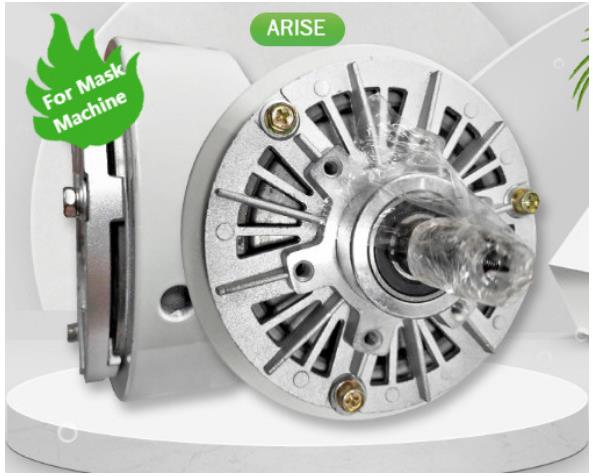
Working Principle Of Magnetic Powder Brake
A magnetic powder brake functions on the magnetorheology principle, which is the phenomenon in which the rheological properties of a material change in reaction to an applied magnetic field. The magnetic powder, which is a tiny particulate substance with magnetorheological behavior, is the most important component of a magnetic powder brake. Magnetic powder is often made up of microscopic magnetic particles spread in a non-magnetic carrier material.
A magnetic powder brake is composed of two principal components: a rotor and a stator. The rotor is connected to the input shaft and driven by the motor or another energy source, whilst the stator is connected to the output load. A coating of magnetic material exists between the rotor and the stator. When the brake is applied, the rotor and stator come into contact, and the magnetic powder is exposed to a magnetic field.
The magnetic field is created by an electromagnet mounted on the stator. A magnetic field penetrates the magnetic powder when an electric current travels through the coil. The powder solidifies and transmits torque between the rotor and stator because the magnetic particles in the powder align with the magnetic field. This allows for precise and smooth braking torque management.The torque level of the magnetic powder brake can be varied by varying the current supplied to the coil.
By varying the strength of the magnetic field, the rheological properties of the magnetic powder can be altered, resulting in varied levels of torque transmission. Magnetic powder brakes are ideal for applications requiring precise and smooth torque control because they enable for precise control of the braking torque.
Components of Magnetic Powder Brake
Rotor
The rotor is the input component of the brake, and it is connected to the motor or power source. When the brake is applied, a cylindrical or disc-shaped component usually rotates.
Stator
The brake's output component, the stator, is connected to the load. It is typically stationary and houses the coil or electromagnet that generates the magnetic field.
Magnetic Powder
The magnetic powder is used to transmit torque between the rotor and stator. It is composed of tiny magnetic particles suspended in a nonmagnetic carrier material such as oil or grease.
Coil or Electromagnet
The coil, also known as an electromagnet, generates the magnetic field that solidifies the magnetic material and transmits torque. It is typically mounted on the stator and is powered by an external source.
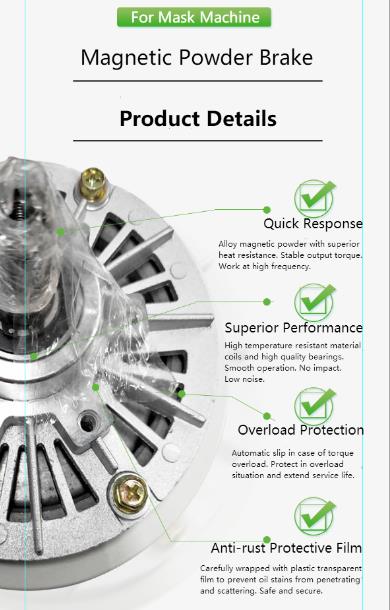
Advantages Of Magnetic Powder Brake
Smooth and precise torque control
By providing smooth and precise torque control, magnetic powder brakes provide accurate and consistent braking performance. The braking torque may be easily managed by varying the current supplied to the coil, allowing fine-grained control over the braking process. Precision speed and tension control is possible in printing, packing, and web tension management applications.
High accuracy and repeatability
Magnetic particle powder brakes are suited for applications that require precise and consistent braking performance due to their high torque control accuracy and repeatability. This is especially important in applications where the quality of the finished product is dependent on consistent tension management, such as printing, laminating, and coating.
Wide torque range
Depending on the size and design of the brake, magnetic powder brakes can function throughout a wide range of torque values, ranging from extremely low to very high torque levels. Because of their torque capacity versatility, they are suited for a wide range of applications, from small-scale to heavy-duty industrial processes.
Fast response time
Magnetic powder clutch brakes respond quickly, providing for fast braking torque engagement and disengagement. As a result, they are well suited for high-speed printing and packaging processes that require fast torque changes.
Overload protection
Magnetic powder brakes can protect driven equipment from overburdening. The magnetic powder brake slips when the torque exceeds the specified limit, preventing equipment damage and ensuring safety.
Noiseless operation
Magnetic powder brakes operate quietly, with no noise or vibrations, making them excellent for applications that require quiet operation, such as printing or packaging.
Compact and lightweight design
Magnetic powder clutch brakes feature a compact and lightweight design that allows them to be easily integrated into a variety of machine systems without adding unnecessary weight or space.
Customizable
The custom magnetic powder brakes can be applied to specific application needs, such as torque capability, response time, and mounting options. As a result, they are a versatile option for a variety of industrial applications.
Properly designed, installed, and maintained marine mooring bollards contribute to safe, efficient, and dependable vessel mooring. Mooring bollard is important for the smooth functioning of marine operations.
Marine Mooring Bollards Made of Various Materials
Marine mooring bollards can be made from a number of materials, depending on criteria such as predicted loads, weather conditions, and durability requirements.

Steel
Steel is a preferred material for marine mooring bollards due to its high strength, durability, and resistance to corrosion. Steel bollards are typically constructed of cast or fabricated steel and can withstand heavy loads as well as harsh climatic conditions. Steel bollards are commonly utilized in heavy-duty applications that include large vessels and heavy mooring loads.
Cast Iron
Cast iron is another material utilized in the construction of marine mooring bollards. Cast iron bollards are well-known for their high load carrying capability and durability.
Ductile Iron
Ductile iron, commonly known as nodular iron, is a form of cast iron that has higher tensile strength and ductility than standard cast iron. Ductile iron bollards are perfect for marine mooring because of their great strength, endurance, and corrosion resistance. Ductile iron bollards are commonly utilized in mooring operations involving strong loads and adverse climatic conditions.
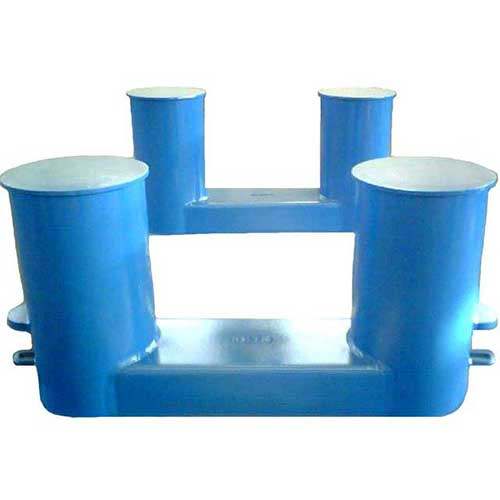
Functions of Marine Mooring Bollards
Safety
For vessels to be safely moored to docks, piers, or other maritime constructions, marine mooring bollards are required. They provide a reliable means of fastening vessels, preventing them from drifting or moving accidentally, which can lead to accidents, collisions, and damage to the vessels or marine structures. Mooring bollards that are correctly built, placed, and maintained ensure the safety of nearby vessels, crew, and workers.
Vessel Restriction
Marine mooring bollards are used to prevent ships from drifting or moving unintentionally. They serve as fixed locations for mooring lines or ropes, preventing the vessel from drifting away or moving along the dock or pier.
Distribution of Loads
Marine mooring bollards distribute mooring loads evenly across the vessel's structure, avoiding stress concentrations and the potential of hull or deck damage. They help distribute the weights exerted on the vessel during mooring operations, lowering the risk of overloading and structural damage.
Shock Absorption
The impact forces induced by vessel movement, waves, or wind loads are absorbed by marine mooring bollards, which also serve as shock absorbers. They provide a cushioning effect that aids in the reduction of unexpected pressures sent to the vessel and mooring lines, protecting both the vessel and the mooring system from excessive forces.
Flexibility
Marine bollards can be fitted to vessels of all sizes, types, and designs. They can be built and placed to meet specific mooring requirements, such as vessel size, mooring loads, environmental conditions, and operations requirements. This versatility allows for quick and safe mooring processes for a variety of vessels, from tiny boats to large ships.
Rapid Release Capability
Mooring bollards are designed to allow for the immediate release of mooring lines in the case of an emergency or unforeseen event. They are typically constructed with features such as horns or cleats that enable for the quick securing and release of mooring lines, which is an important safety factor for vessel mooring operations.
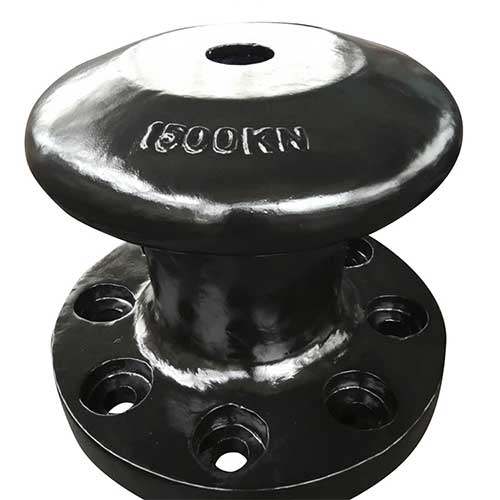
Maintenance of Marine Mooring Bollards
Inspection
Regular visual inspection of mooring bollards is recommended to detect signs of wear, corrosion, or damage. Examine the bollard body, horns, studs, base plate, and attachment points for cracks, deformation, or other signs of deterioration that could compromise performance. Examine the mooring line connection points, bolts, and nuts.
Cleaning
Cleaning maritime mooring bollards on a regular basis is recommended to remove dirt, debris, and marine vegetation that can develop on the surface and impair performance or accelerate corrosion. Use suitable cleaning procedures and materials, such as brushes, water, and mild detergents, to clean the bollards without causing damage.
Corrosion Protection
Because of their exposure to hostile sea environments, marine mooring bollards are prone to corrosion. Anti-corrosion methods, such as anti-corrosive coatings or galvanizing, can help to extend the life and performance of the bollard. Follow the manufacturer's recommendations and industry best practices for corrosion protection.
Lubrication
Lubricating moving parts, such as horns or studs, is critical for smooth functioning and wear prevention. To maintain the bollard's performance, put appropriate lubricants on moving parts and follow the manufacturer's lubrication plan.
Replacement or repair
During inspections, if any signs of wear, damage, or deformation are identified, the affected components should be fixed or replaced as soon as feasible. Damaged or worn components such as horns, studs, or bolts should be fixed or replaced with appropriate replacements to maintain the integrity and performance of the bollard.
Compliance with Standards
Check that the mooring bollards comply with relevant industry standards and regulations, such as ISO 3913 and PIANC recommendations, and that any suggested maintenance methods mentioned by the manufacturer or relevant standards are followed.
With the development of the aerospace industry, the demand for aerospace fasteners has increased rapidly. As aerospace fasteners are applied under an environment of high temperature, high pressure, and high intensity, their quality requirements are also particularly high. Here, we introduce some useful knowledge about aerospace fasteners.
The need for aircraft fasteners has increased dramatically as the aerospace sector has grown. Because aerospace fasteners are used in high-temperature, high-pressure, and high-intensity environments, their quality standards are exceptionally stringent. In this section, we will discuss some useful information concerning aircraft fasteners. A fastener is a type of mechanical device that connects two or more parts together. The scope of application is extremely broad. Aerospace fastener is a fastener that is specifically designed for use in the aerospace sector. It uses materials with unique qualities or applications.
Aerospace fasteners are commonly found in aircraft, satellites, and rockets. It is a standard high-end fastener. It is also a vital basic component of aerospace aircraft. The performance criteria are substantially higher than for other types of fasteners. There are several typesof aerospace fasteners, each with its own set of requirements and types to fulfill the unique needs of various materials and constructions.
What are the different types of aerospace fasteners?
1. Aerospace fasteners are divided as detachable and permanent fasteners based on their ability to be removed. Bolts, screws, and nuts are among the detachable fasteners. Permanent fasteners include high-locking nuts, rivets, and other similar items.
2. Aerospace fastener types include bolts, screws, nuts, single-sided fasteners, special fasteners, and so on.
3. Carbon structure steel fasteners, alloy steel fasteners, stainless steel fasteners, high-temperature alloy fasteners, aluminum alloy fasteners, titanium alloy fasteners, non-metal fasteners, and so on are the materials used in aircraft fasteners.
4. It can be split into single-sided fasteners and double-sided fasteners based on the variations in the requirements of the aerospace assembly operation.
Commonly used important aerospace fastener
Rivet fasteners
The most essential selection parameters for rivet fasteners used in aircraft are quality assurance and lightweight. It is one of the most common airplane fasteners. Aluminum alloy, stainless steel, heat-resistant alloy, titanium alloy, and other materials are used. The majority of rivets are made of composite materials such as aluminum alloy and titanium alloy. With the continual increase of rivet material intensity, support rivets used in corresponding vital sections, such as dual metal rivets and high shear rivets, have been created, and their strength can reach the intensity of titanium alloy high lock bolts.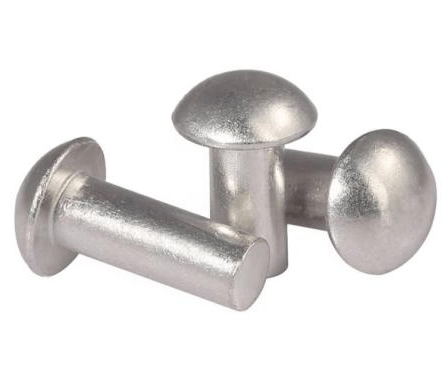
Bolt fasteners
The bolt fastener, which includes regular bolts, high lock bolts, and tapered bolts, is the most commonly used fastening for bearing the bigger sections of the aircraft. A high lock bolt is a single-sided thread fastener that is commonly used in the aerospace sector. Weight loss is an essential signal in airplane design. High-ratio intensity materials can be used to substitute large-sized fasteners with lesser intensity. Furthermore, anti-fatigue, corrosion resistance, rigidity, brittleness, compatibility, heat resistance, and other features must be taken into account.

Nut fasteners
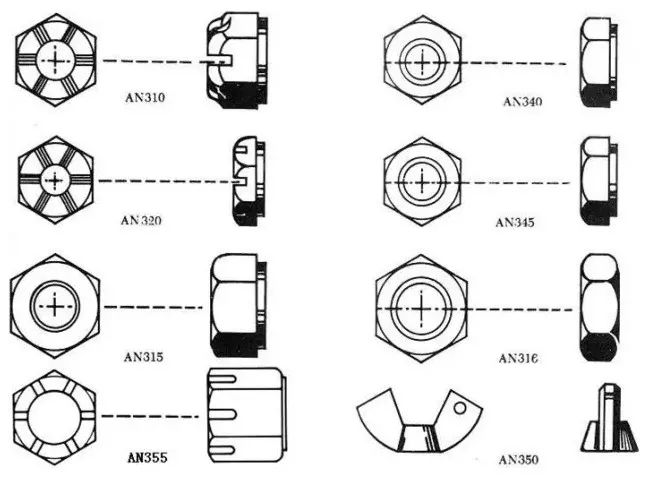
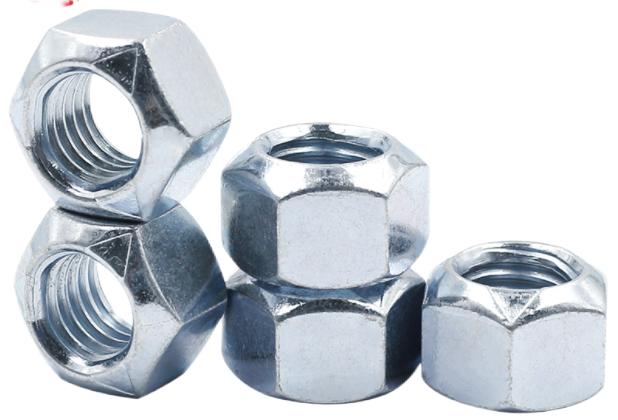
Nut fasteners are used in conjunction with bolts. They come in a range of structural forms to satisfy the needs of various aerospace applications, such as hex nuts, bihexagon nuts, bracket nuts, barrel nuts, and high lock nuts, the majority of which feature a self-lock construction. The hexagonal nut has been extensively used on the airplane. Bihexagon nuts are commonly seen on engine and high-strength bolts.
Single-sided fastener
In the open areas of the airplane, there are two types of fastening pieces. The bracket nut/bolt and rapid unloading fastener used in removable elements such as the airplane hatch is one example. The other is a single-sided nail, which is utilized in the permanent connection section. The screw thread nail is specifically created for the composite material structure, which can increase sealing and anti-fatigue performance.
Special fasteners
Ring grooved nails are a form of double-sided permanent fastener that is inserted with single-sided riveting. They are frequently utilized in Boeing and Airbus aircraft. The fast unloading fastener is mostly used to connect the cover to the hatch. It can perform fast loading and unloading duties and has a range of structural configurations. It has stringent reliability requirements. Composite fasteners, such as rivets, bolts, screws, and nuts, are formed of composite materials. It is a suitable aerospace fastener used to tackle problems in the aircraft such as weight, strength, corrosion, lightning strike, and other challenges.
Blowouts are without a doubt the most dangerous and catastrophic possible disasters in the area of oil drilling. They can cause serious injury, even death, as well as large-scale, catastrophic production shutdowns and a negative influence on succeeding well output. Blowouts can have major consequences for the environment. It is critical to have a well-control system in place when working with high-pressure drilling activities. You can reduce your chance of a blowout by taking precautions and following control procedures.v
The term "blowout prevention" refers to a variety of activities, ranging from preventative measures taken on drilling rigs to prevent "kicks" — the unexpected and unwanted flow of formation fluids into a well — to the use of sophisticated Blowout Preventers (or BOPs) designed to seal off a well in the event of an impending blowout. Here are the steps of "how to prevent blowout during oil drilling"
The first step in preventing blowouts is preparation.
In order to prevent kicks, drilling operators must balance the immense upward pressure of formation fluids going up the well with "drilling mud," also known as drilling fluid, a viscous liquid that resembles mud and comes in a variety of densities. Bottomhole pressure refers to the downward pressure of the drilling fluid. It is a difficult but necessary task for drilling fluid engineers to monitor and be cautious to ensure that the pressures are balanced.
The Signs of a Wellbore Kick
Every oil field worker understands the importance of maintaining a steady fluid balance in the wellbore. When the amount of drilling fluid unexpectedly and drastically increases, it is a signal that something is really wrong and a kick is occurring. Knowing the indications of a wellbore kick can allow you to take proper action and avoid a blowout.

How to Prevent Well Blowouts
Well blowouts can be averted in several ways before they occur. To reduce the likelihood of a leak or pressure escape, keep BOPs in good condition by cleaning out the mud and removing metal fragments with a downhole magnet. You should also be aware of how your equipment performs under harsh conditions. To accomplish this, run several computer simulations of diverse scenarios. Finally, ensure that everyone on the job site is always informed of the correct safety protocols in order to be prepared for any emergency.
A Blowout Protector
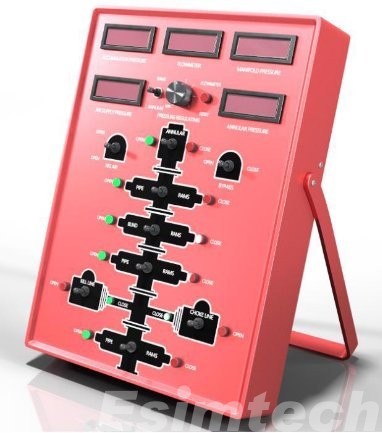
Before making a purchase, you should identify which type of blowout preventer (BOP) is best for your application. You can choose between ram blowout preventers and annular blowout preventers, each of which serves an important purpose. Whether you need a BOP for a long-term project or for immediate needs, your industry has a large assortment of new and secondhand components and equipment.
diverse BOPs with diverse functionalities may be used in a well.
It is critical to detect the problem, secure it as soon as possible, and then take proper action.

Summary
Ensure that your employees have the necessary control tools and information to know what to do in the event of a controllable kick. The easiest way to deal with a blowout is to prevent it from happening in the first place.
Esimtech is a manufacturer of simulation training systems for drilling and well control that can help certified professionals. As training simulators, we build entire oil and gas manufacturing lines. Please contact us if you have any specific requirements.