
In the oil and gas industry, well logging plays a crucial role in acquiring data from subsurface formations. This data helps determine the location, depth, and nature of hydrocarbon reserves. To achieve this, logging tools are employed to measure various physical and geological properties of formations, such as porosity, permeability, fluid saturation, and lithology. Nonetheless, interpreting the acquired data can be challenging, particularly in complex reservoirs. To address these challenges, the industry has turned to well logging simulators—computer programs designed to simulate logging data from specific formations and generate synthetic data for testing, training, and validation purposes. In this article, we will delve into the topic of why choose well Logging simulators in the oil and ga sindustry, exploring the benefits and applications of well logging simulators.
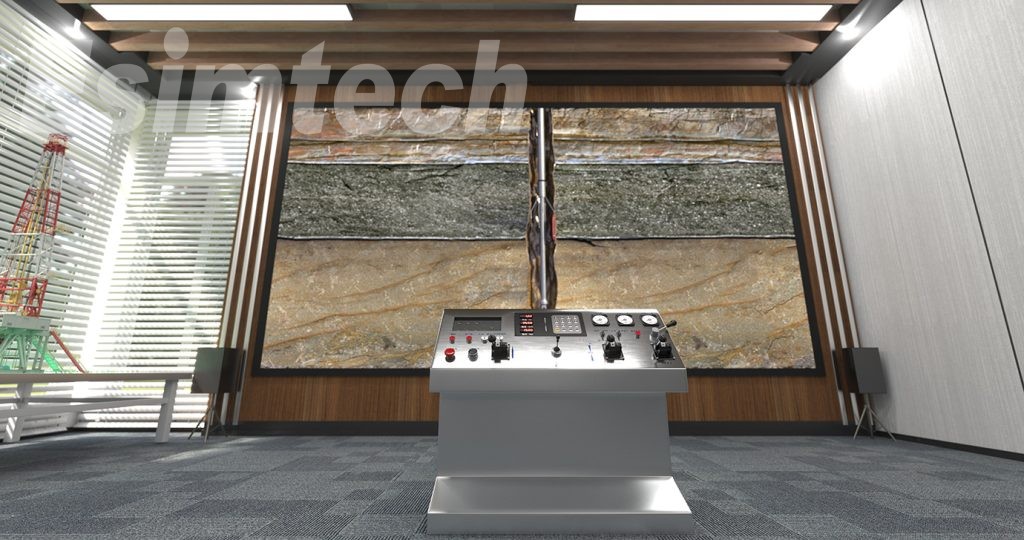
A Primer on Well Logging
Well logging is an indispensable aspect of oil and gas exploration and production. Logging tools are deployed downhole using a wireline or drill pipe, continuously or at intervals, to acquire data. This data is subsequently processed and interpreted to gain insights into reservoir characteristics. The interpretation of the data is critical for estimating reserves, planning field development, and optimizing production.
Logging tools can be classified based on the measurements they acquire. Resistivity tools measure the electrical resistivity of formations, which correlates with porosity, lithology, and fluid saturation. Gamma-ray tools measure the natural gamma radiation emitted by formations, providing information about lithology and mineralogy. Density tools gauge formation density, reflecting porosity and lithology. Sonic tools measure sound wave velocity in formations, which is related to compressibility and fluid saturation. Other logging tools include nuclear magnetic resonance (NMR) tools, pressure and temperature gauges, and imaging tools like borehole cameras.
Interpreting the acquired data is a complex process that necessitates expertise and experience. The data is calibrated, corrected for borehole effects, and transformed into meaningful parameters like porosity, permeability, and fluid saturation. This interpretation is vital for estimating reserves, planning field development, and optimizing production.
Understanding Well Logging Simulators
well logging simulators are computer programs that utilize mathematical models to simulate logging data from specific formations. They generate synthetic data for training and validation purposes. These simulators can mimic the physical and geological properties of formations, as well as the interactions between logging tools and formations. Simulated data can be employed to test and calibrate logging equipment, design logging programs, and train log analysts.
Well logging simulators have the capability to simulate various types of logging tools and measurements. They can replicate a logging tool's response to a given formation, taking into account the tool's geometry, measurement principles, and environmental factors. Additionally, they can simulate the effects of drilling mud, borehole size and shape, and other factors that influence logging data.
Moreover, well logging simulators can simulate the formation's response to the logging tool. They can replicate the physical and geological properties of the formation, including porosity, permeability, lithology, and fluid saturation. Furthermore, they can simulate the effects of stress, temperature, and other factors that impact the formation's properties.
The Benefits of Well Logging Simulators
Well logging simulators provide several advantages to the oil and gas industry, including:
Enhanced accuracy of logging data: By simulating different logging scenarios and considering various environmental factors, well logging simulators can improve the accuracy of acquired logging data. This allows for testing and calibrating logging equipment, resulting in more precise measurements.
Reduced risk and cost: Utilizing well logging simulators can mitigate the risk and cost associated with well logging operations. Simulating diverse logging scenarios helps identify potential issues before they arise, minimizing the likelihood of costly mistakes. Furthermore, simulating logging scenarios aids in optimizing the logging program, reducing the overall cost of data acquisition.
Training and education: Well logging simulators serve as effective tools for training and educating log analysts and other personnel involved in well logging operations. These simulators provide a realistic and safe training environment, minimizing the risk of accidents and expensive errors.
Improved understanding of subsurface formations: By simulating various scenarios and providing visual representations of formations, well logging simulators contribute to a better understanding of subsurface formations. This, in turn, aids in the interpretation of acquired data and enhances the accuracy of reserve estimates.

Applications of Well Logging Simulators
Well logging simulators find several applications within the oil and gas industry, including:
Testing and calibrating logging equipment: Well logging simulators enable the simulation of different logging scenarios, facilitating the testing and calibration of logging equipment before its deployment in the field. This ensures the accuracy of acquired logging data.
Designing logging programs: By simulating diverse scenarios, well logging simulators assist in designing logging programs. They help determine the most effective logging tools and techniques for a given formation, optimizing the entire logging process.
Training and education: Well logging simulators provide a practical and secure environment for training and educating log analysts and other personnel involved in well logging operations. They help minimize the risk of accidents and costly mistakes during training.
Interpreting logging data: Well logging simulators contribute to an improved understanding of subsurface formations by simulating various scenarios and visually representing the formations. This aids in the interpretation of acquired data and enhances the accuracy of reserve estimates.
As the oil and gas industry continues to evolve, well logging simulators will continue to play an essential role in the exploration and production of oil and gas. Their ability to generate synthetic data, test logging equipment, optimize logging programs, and provide realistic training environments makes them invaluable tools in the pursuit of efficient and effective well logging operations.
A beauty centrifuge plays a vital role in the medical beauty industry, particularly in the field of medical plastic surgery and aesthetics. It serves several purposes:

The beauty centrifuge stands as the world's leading autologous fat transplantation support system for medical plastic surgery and beauty treatments.
It is primarily used for PRP autologous fat transplantation.
Given the dominant technology held by developed countries like Europe and the United States, every hospital requires an autologous fat transplantation support system.
The beauty centrifuge facilitates the extraction of natural autologous fat, significantly enhancing surgical quality and the technical expertise of doctors.
There are two main types of beauty centrifuges: autologous fat transplantation centrifuges and autologous blood extraction and injection cosmetic surgery centrifuges, also known as PPP centrifuges and PRP centrifuges.
These centrifuges find utility in various fields such as medical treatment, beauty institutions, dermatology, orthopedics, pain management, surgery, and medicine. PRP contains multiple growth factors that expedite the healing of soft and bone tissues, reduce postoperative reactions, combat infections, awaken skin cell regeneration capabilities, repair damaged skin, and exhibit anti-aging and rejuvenation effects.
PRP Centrifuge:
To maximize the effectiveness of PRP, extensive research has been conducted on rotor design, rotation speed, centrifugal force, and acceleration time. These improvements have greatly enhanced the extraction rate of PRP, reduced processing time, and increased medical staff efficiency. The PRP Centrifuge can be paired with a specialized PRP set imported from South Korea, significantly improving the efficiency of PRP extraction, simplifying and expediting the overall treatment process.
PPP Centrifuge:
The autologous fat transplantation beauty centrifuge, also known as the PPP centrifuge, is primarily utilized in plastic surgery, dermatology, and related fields. It enables rapid separation and purification of fat using conventional syringes of 10ml, 20ml, and 50ml without causing damage or temperature elevation in fat cells. This beauty centrifuge ensures a high survival rate for fat transplantation, streamlines the transplantation process, and guarantees effective fat retention.

Proper Operation of the PRP Centrifuge:
The PRP centrifuge is a popular choice among beauty centrifuges. Here is a step-by-step guide for operating the PRP centrifuge correctly:

After thorough cleaning and disinfection, a PRP vacuum blood collection tube is used by the doctor's assistant to draw 10-20ml of blood from your cubital vein. This step is akin to a regular blood draw during a physical examination and typically takes about 5 minutes with minimal discomfort.
The doctor then separates the various components of the blood by spinning it at 4000 rpm. This process lasts approximately 10-20 minutes and results in four distinct layers: PPP, PRP, separated substances, and red blood cells.
The PRP set equipment simplifies the complex and time-consuming process of producing PRP. Using a PRP blood collection separation tube, doctors can extract platelets with high concentrations of growth factors directly on the spot.
Finally, the doctor injects the growth factors back into the targeted area of your skin that requires improvement. This process is typically painless and usually lasts 10-20 minutes.
The PRP centrifuge features an electronic door lock for added safety. It cannot be started if the door cover is not properly closed or locked. While in operation, pressing the door lock button prevents the door cover from being opened. When the rotation speed is zero, the door lock button can be pressed, allowing for safe access to the instrument.
The PRP centrifuge operates smoothly with minimal vibration, low noise, and excellent separation efficiency. Various rotor options are available, making it suitable for multiple purposes on a single machine.
Game Modes: Normal, Hardcore, Solo Self-Found, and Offline Play
Diablo IV will offer a variety of game modes to cater to different player preferences. The traditional Normal mode will be available, where characters can face challenges without the fear of permanent death. Hardcore mode, on the other hand, remains true to its roots, where characters will be permanently lost upon death. Unlike games like Path of Exile, there are no plans for characters to be converted to Normal mode after dying.
In addition to Normal and Hardcore modes, Diablo IV introduces Solo Self-Found mode, catering to players who prefer a completely self-reliant and solo gameplay experience. This mode restricts trading and sharing of items between players, allowing for a more personal and challenging journey.
For players who prefer to embark on their adventures offline, Diablo IV offers an Offline Play mode. This allows players to enjoy the game's content without the need for an internet connection, providing flexibility and accessibility.
Grouping vs. Solo Play
Diablo IV allows players to form groups of up to four players to tackle challenges together. Staying close as a group grants a beneficial buff, providing bonus XP ranging from 5% to 11%, depending on the number of players nearby. The campaign and world state of the party leader will be used for the group's progress.
While group play is encouraged and rewarding, the developers understand the importance of solo play. They aim to ensure that solo play is equally fulfilling and satisfying. However, if there are discrepancies between solo and group play, they lean towards favoring group play to maintain a healthy multiplayer experience. Regardless of the chosen playstyle, all content progression and items will be available to all players.
Mounts
Introducing a new feature to the Diablo universe, mounts offer a means of traversing the vast regions of Sanctuary with style and efficiency. Players can obtain various horse breeds and other mounts through completing puzzles, discovering hidden locations, and defeating specific monsters, among other methods.
Mounts in Diablo IV can equip equipment that not only enhances their stats but also alters their appearance. For example, equipping hoof plates increases the mount's speed, while trophies serve as a visual symbol of completing challenging tasks, catching the attention of other players.
Vertical and Horizontal Movement
Diablo IV brings both vertical and horizontal movement to the game, allowing players to explore and navigate the game world in more dynamic ways. This opens up new possibilities for encountering hidden secrets, reaching elevated areas, and engaging in thrilling combat scenarios.
Achievements
In Diablo IV, achievements are referred to as Challenges and are categorized into various sections such as Classes, Crafting, Open World, and more. Completing these Challenges not only provides a sense of accomplishment but also rewards players with unique player titles, showcasing their dedication and prowess.
Clans
Clans in Diablo IV serve as the game's equivalent of guilds, fostering a sense of community and cooperation among players. Clans come with their own banner and bank, providing a central hub for members to gather and strategize. While clan leaderboards are being considered, they have not been confirmed at this time. Additionally, player and clan housing is not currently planned for the game. To facilitate communication within clans, Diablo 4 will feature in-game voice chat, including clan and party voice chat options.
Death Penalty
In Normal mode, when a character dies, they will respawn at the last checkpoint with their gear intact. This allows players to quickly get back into the action and continue their journey without significant setbacks.
To comprehend the differences between brass screws and bronze screws, as well as their advantages and applications across industries, let's first examine the disparity between brass and bronze materials.
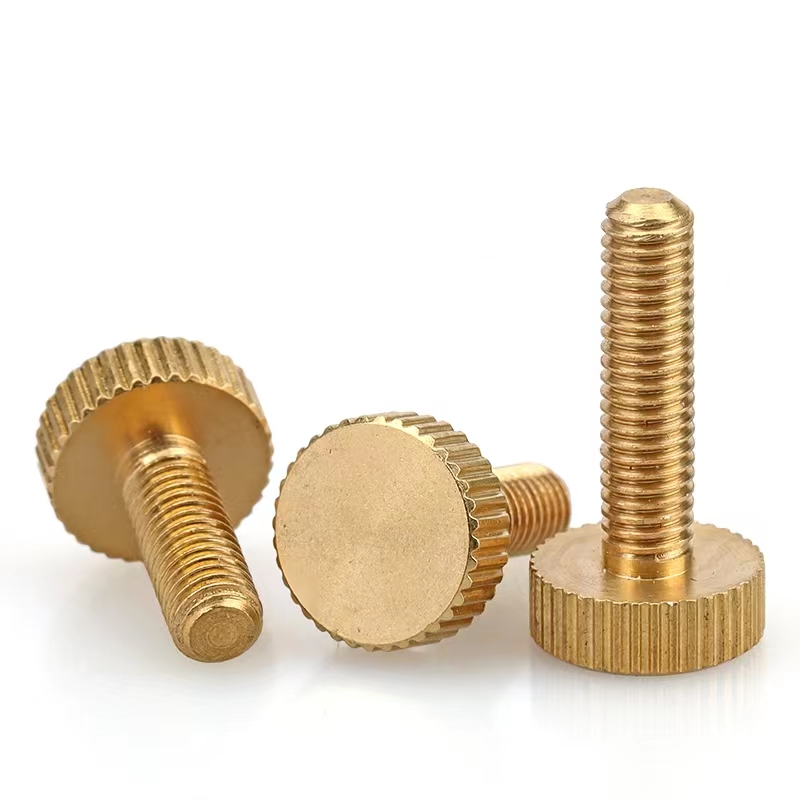
What is brass material and bronze material? How are they different?
Brass and bronze exhibit clear discrepancies in terms of composition, properties, and applications. Brass is an alloy composed of copper and zinc. When copper and zinc form the alloy, it is known as ordinary brass, while alloys comprising more than two elements are referred to as special brass. The proportion of copper and zinc can vary, resulting in different types such as 59 copper, 65 brass, 68 brass, and 70 brass. On the other hand, bronze is an alloy of copper and tin, typically containing around 5% to 10% tin. Additionally, binary or multiple alloys of copper with aluminum, silicon, beryllium, and manganese are also classified as special bronzes. Bronze without tin is called tinless bronze. Common types of bronze include tin bronze, aluminum bronze, lead bronze, phosphorous bronze, beryllium bronze, nickel-aluminum bronze, manganese bronze, and silicon bronze.
In terms of characteristics and applications, brass possesses high strength, hardness, corrosion resistance, and wear resistance. It is commonly employed in the manufacturing of valves, water pipes, air conditioning pipes, radiators, and other components. Brass exhibits excellent machinability, making it suitable for high-precision part production using automatic lathes and CNC lathes. Bronze, in addition to high corrosion resistance, abrasion resistance, and electrical conductivity, possesses good lubricity and favorable mechanical properties. It is primarily used in applications such as turbine-wearing parts, gears, bearings, shaft sleeves, precision springs, electric contact elements, and welding electrodes. Bronze is also utilized in the production of explosion-proof tools, navigation compasses, and other critical components.
Understanding Brass Screws and Bronze Screws
Brass screws are simply screws made of brass material. Various types of screws made from brass are encountered in daily life, including mechanical screws like Philips countersunk head screws, self-tapping screws such as slotted tapping screws or Philips self-tapping screws, thumb screws like knurled flat head screws, and set screws such as hex socket set screws.
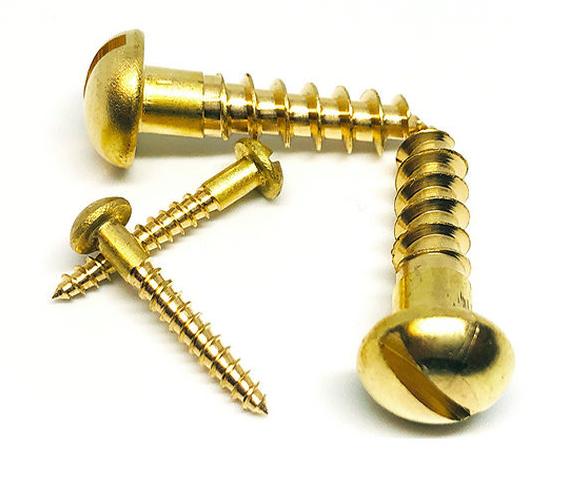
Advantages of Brass Screws
Brass screws possess greater conductivity compared to screws made of stainless steel, carbon steel, and other materials. Additionally, brass exhibits excellent mechanical properties, wear resistance, and recyclability. Consequently, many customers prefer brass material over other copper materials.
Bronze screws, on the other hand, are highly resistant to acid, alkali, and high temperatures. When specific environmental requirements necessitate it, customers often opt for bronze screws despite their higher price compared to brass screws.
Industries Where Brass Screws are Primarily Used
Brass screws find widespread usage in industries such as cables, electrical and electronic components, and construction materials, where numerous alloy compositions are employed. The communication industry, in particular, extensively utilizes brass screws due to their excellent conductivity. Furthermore, the soft texture of copper screws minimizes the risk of damaging the threaded components during repeated disassembly, making them ideal for communication and electronic equipment. Brass screws also have wide-ranging applications in electrical appliances, light industry, machinery manufacturing, construction, and other fields.
Industries Where Bronze Screws are Mainly Used
Bronze screws are primarily utilized in mechanical equipment, power generation, iron and steel, metallurgy, petroleum, chemical industry, machine tools, textiles, automobiles, motors, precision instruments, mining machinery, construction machinery, railways, and other sectors.
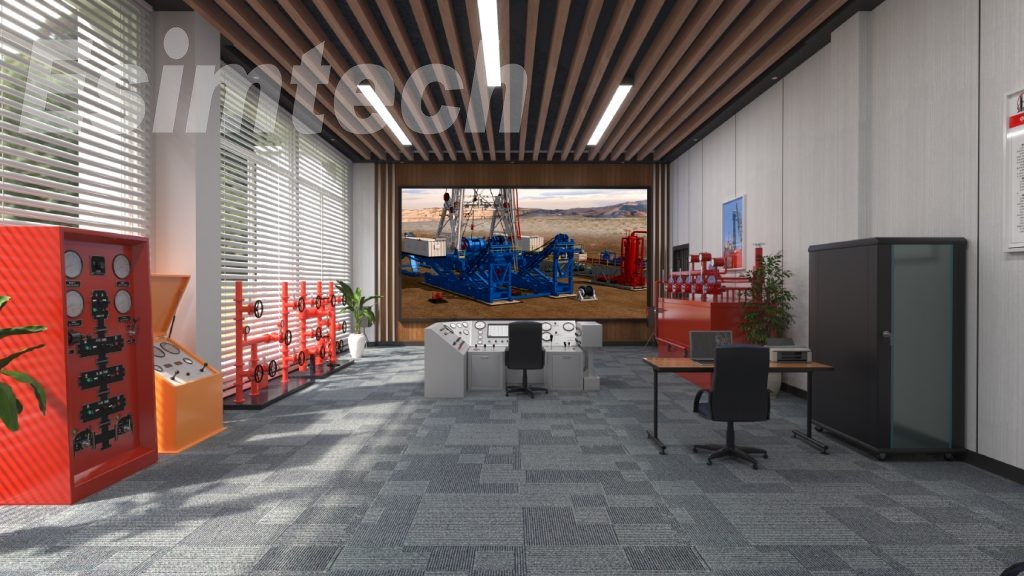
Artificial intelligence (AI) has become a game-changer in the oil and gas industry, revolutionizing exploration, production, and operational efficiencies. AI encompasses a range of technologies such as machine learning, deep learning, and neural networks, among others. Within this context, oil and gas simulators, computer programs capable of modeling complex systems within the industry, have emerged as a vital tool. Leveraging AI in these simulators enhances accuracy, efficiency, and effectiveness, leading to better decision-making. In this article, we will delve into the applications and advantages of AI in the oil and gas simulators.
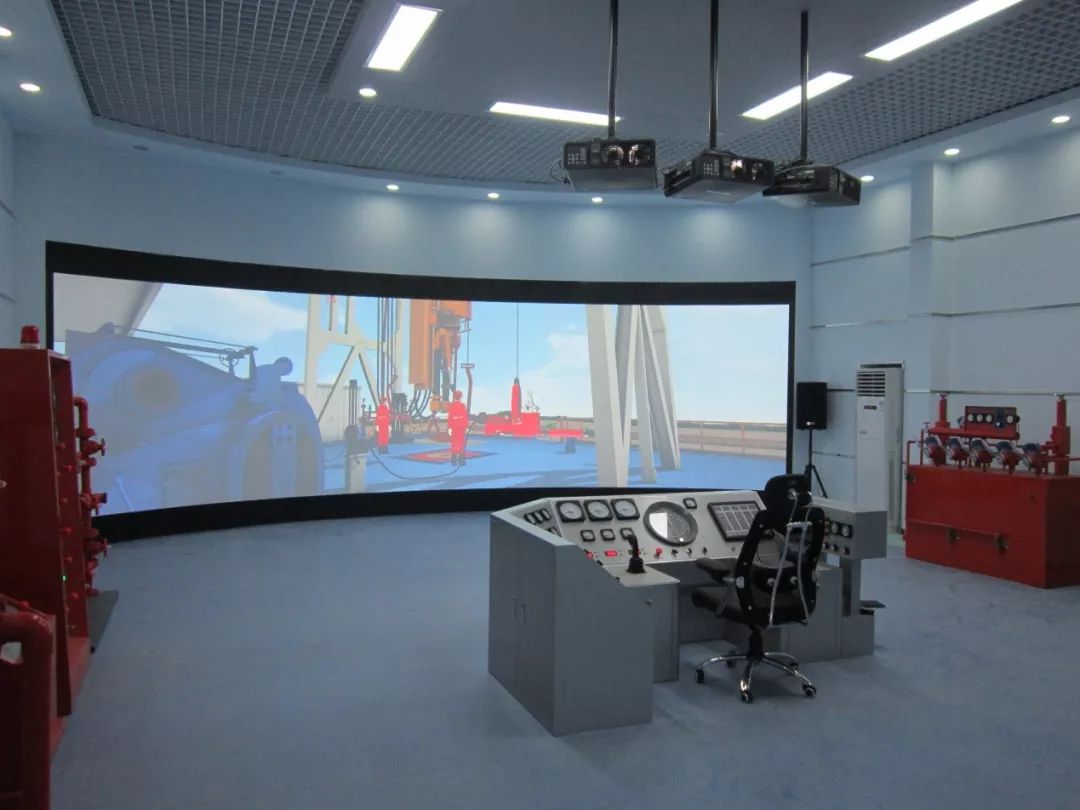
Understanding Oil and Gas Simulators
Oil and gas simulators are computer programs designed to replicate intricate systems within the industry. They simulate the behavior of reservoirs, drilling operations, production facilities, and transportation systems. Their purpose is to optimize production, reduce costs, and enhance safety.
These simulators utilize mathematical models to replicate the physical and chemical properties of the system being simulated. For instance, a reservoir simulator may employ a mathematical model to simulate fluid flow through the reservoir, accounting for its geology, fluid properties, and production history.
By generating data, simulators provide valuable insights for decision-making. For instance, a reservoir simulator can predict the production of a well over time, enabling operators to make informed decisions regarding production optimization.
The Benefits of Artificial Intelligence in Oil and Gas Simulators
AI contributes to the improvement of accuracy, efficiency, and effectiveness in oil and gas simulators. The advantages of employing AI in this context include:
Enhanced Accuracy: AI reduces uncertainties and errors in modeling by leveraging machine learning algorithms that learn from historical data, thereby enhancing the accuracy of predictions.
Reduced Computational Time: Simulators can be computationally intensive, resulting in lengthy simulation times. AI optimizes the simulation process, improving efficiency and reducing computational time.
Improved Decision-Making: AI enables real-time recommendations based on simulation results. For example, a production optimization simulator can utilize AI to suggest the most efficient production optimization approach based on current production data.
Enhanced Safety: AI identifies potential hazards within oil and gas simulators and provides real-time recommendations to prevent accidents, thereby improving safety.
Applications of Artificial Intelligence in Oil and Gas Simulators
Artificial intelligence finds various applications in oil and gas simulators, including:
Reservoir Modeling and Simulation: AI improves the accuracy and efficiency of reservoir modeling and simulation. Machine learning algorithms learn from historical data, refining predictions and enhancing the simulator's performance.
Production Optimization: AI aids production optimization simulators by suggesting the most efficient methods for production optimization based on real-time production data.
Drilling Optimization: AI optimizes drilling operations in drilling optimization simulators, reducing drilling time and improving efficiency.
Pipeline and Transportation Optimization: AI optimizes transportation routes and reduces transportation costs within pipeline and transportation optimization simulators.
Conclusion
Artificial intelligence is a transformative force in the oil and gas industry, driving advancements in exploration, production, and operational efficiencies. AI integration in oil and gas simulators improves accuracy, efficiency, and effectiveness. These advancements translate into enhanced decision-making, reduced computational time, and improved safety. AI applications within simulators encompass reservoir modeling and simulation, production optimization, drilling optimization, and pipeline and transportation optimization. As the industry continues to evolve, AI will increasingly play a crucial role in enhancing efficiency, reducing costs, and improving safety. The future of oil and gas simulators shines bright as AI transforms the industry and fosters innovation. With the power of AI, oil and gas companies can make better decisions, increase efficiency, and reduce costs, leading to more successful and sustainable operations.