
When it comes to centrifuges, there are two main types: floor centrifuges and benchtop centrifuges. In this article, we will focus on floor centrifuges, also known as floor-standing centrifuges or floor model centrifuges.
In a laboratory with limited space where placing a benchtop centrifuge on a table is not feasible, a floor-standing centrifuge becomes the ideal choice. Additionally, if your laboratory has a large number of personnel with diverse research directions and various operations, a floor centrifuge can cater to your specific needs. These centrifuges find applications in areas such as biochemistry, radio-immunity, and pharmaceutical research.

Let's explore the advantages of floor model centrifuges:
Large Capacity:
Floor centrifuges offer a larger internal space, allowing for a better selection of parts and materials, and overall stronger stability.
Enhanced Stability:
The main engine of a floor model centrifuge exhibits excellent stability, thanks to the robust design and quality materials used.
Improved Heat Dissipation:
Floor centrifuges adopt an upper and lower structure, resulting in a larger heat dissipation area. The cooling system is designed to be more efficient, reducing the chances of system failures.
Higher Unbalance Tolerance:
Floor model centrifuges are equipped with superior shock-absorbing suspension systems, providing higher stability and the ability to handle larger amounts of unbalance.
Currently, floor-standing centrifuges on the market can be categorized into three types: high-speed, ultra-speed, and low-speed centrifuges.
High-speed Floor Centrifuge:
For those in need of a high-capacity, high-speed centrifuge with versatility, a high-speed floor centrifuge is the optimal choice. Many high-speed floor centrifuges offer a wide range of rotors for various operations, including cell separation, protein precipitation, tissue culture, subcellular separations, nucleic acid purification, and more.
Ultra-speed Floor Centrifuge:
When applications require centrifugal forces of up to 1,000,000x g, an ultracentrifuge is necessary. Ultracentrifuges are commonly used for isolating virus particles, fractionating DNA, RNA, or proteins, lipoprotein surfacing, density gradient centrifugation, handling nanoparticles, and other advanced procedures.
Low-speed Floor Centrifuge:
These centrifuges have a maximum relative centrifugal force of approximately 7000 x g and are suitable for low-speed applications like separating red blood cells and platelets from whole blood.

Recommended Floor Centrifuge: Floor Ultra Capacity Centrifuge
The floor ultra capacity centrifuge is a large-capacity standing centrifuge suitable for a wide range of applications. It finds extensive use in central blood stations, pharmaceuticals, bioengineering, clinical medicine, genetic engineering, hospitals, universities, blood stations, radioimmunization, nuclear medicine, and other fields. This centrifuge offers the same advantages mentioned above, along with an attractive appearance and low noise levels.
Supplier Recommendation: Drawell
For those interested in the floor ultra capacity centrifuge, Drawell is a trusted choice. With over 20 years of experience in centrifuge production, Drawell has earned a reputation for producing stable, high-quality centrifuges that are user-friendly. In addition to floor centrifuges, Drawell also offers benchtop low-speed centrifuges, benchtop high-speed centrifuges, benchtop refrigerated centrifuges, and beauty centrifuges.
In conclusion, floor centrifuges provide an excellent solution for laboratories with limited space. They offer large capacity, enhanced stability, improved heat dissipation, and higher unbalance tolerance. Whether you require a high-speed, ultra-speed, or low-speed centrifuge, a floor model can meet your specific needs. For reliable floor centrifuges and other types of centrifuges, Drawell is a trusted supplier with a proven track record in the industry.
Rubber fenders play a crucial role in ensuring safety and protection in the marine industry, as well as in various industrial and commercial applications. They are primarily used to safeguard boats, structures, and employees from the impacts associated with berthing and mooring.
Vessel Protection
One of the key reasons why rubber fenders are essential is their ability to act as a protective barrier between vessels and hard surfaces, such as piers or other vessels. By providing a cushioning effect, they help maintain the integrity of both the vessel and the surface it comes in contact with.
Personnel Safety
Rubber fenders offer a cushioning effect that plays a vital role in safeguarding employees in the event of accidents or impacts. This cushioning effect minimizes the risk of injuries and ensures the well-being of personnel working in marine environments.
Durability
Rubber fenders are renowned for their exceptional durability and resilience in harsh marine environments. They can withstand the challenging conditions presented by saltwater, constant exposure to waves and weather, and the constant berthing and mooring of vessels. Their durability makes them a reliable choice for long-term vessel protection.
Cost-effectiveness
In terms of cost-effectiveness, rubber fenders are a preferred option for vessel protection. They require less maintenance compared to other types of fenders and are less prone to damage. This translates into reduced maintenance costs and longer service life, providing an economical solution for marine applications.
Versatility
Rubber fenders come in various shapes and sizes, offering versatility in their application. This adaptability allows them to be used in a wide range of marine scenarios and applications, making them highly versatile and suitable for different vessels and structures.
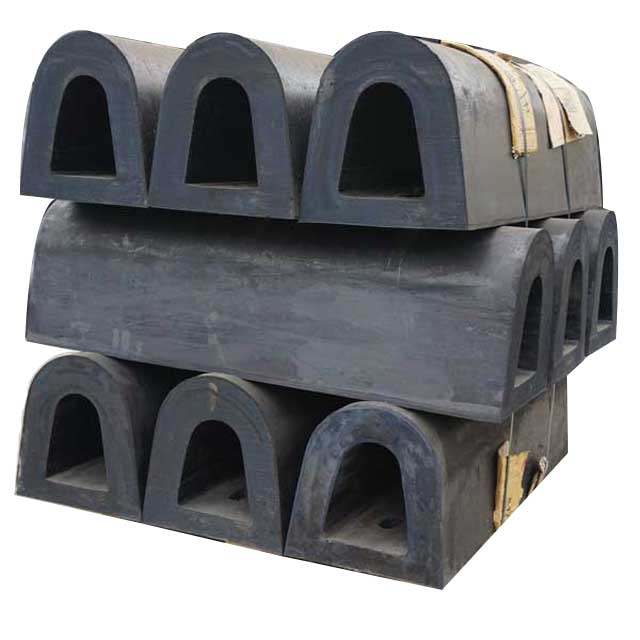
Types of Rubber Fenders commonly used
Different types of rubber fenders have their own advantages and are applied based on specific requirements.
Solid Rubber Fenders
Solid rubber fenders are widely used due to their durability, robustness, and resistance to wear and tear. They are suitable for various marine applications, including berthing and mooring, providing reliable protection for vessels and structures.
Pneumatic Rubber Fenders
Pneumatic rubber fenders find extensive use in the offshore industry. They have the ability to absorb large amounts of energy, making them highly effective in protecting vessels and offshore structures from accidents and impacts.

Cone Rubber Fenders
Cone rubber fenders are commonly employed in high-energy applications, such as protecting offshore platforms or serving as a buffer for a ship's bow. Their unique shape allows them to handle high impact energies effectively.
Foam Rubber Fenders
Foam rubber fenders are lightweight and excellent at absorbing stress. They are typically utilized in smaller applications, such as recreational boats, where their properties are well-suited for the specific requirements.
Factors to Consider for Selection and Design of Rubber Fenders
Choosing the right type of rubber fender involves considering various factors related to the vessel, the environment, and the expected impact energy. These factors include:
Energy Absorption
The fender's ability to absorb energy is critical in determining its effectiveness. Factors such as type, size, and shape influence the amount of energy a fender can absorb.
Reaction Force
The reaction force of a fender refers to the force it exerts on a vessel or structure during an impact. Balancing this force is crucial to protect the vessel or structure while avoiding damage to the fender.
Type of Vessel
The type and size of the vessel play a significant role in selecting the appropriate fender. Considerations such as weight, speed, and draught of the vessel help determine the most suitable fender type.
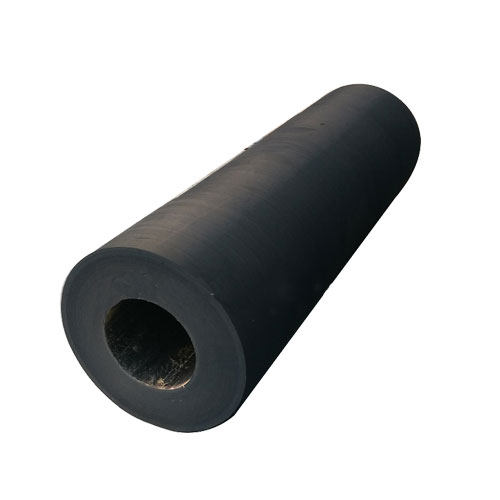
Environmental Factors
Environmental conditions, including wind, waves, and water levels, must be taken into account when selecting a fender. These factors can influence the performance and effectiveness of the fender in its specific application.
By carefully considering these factors, marine industry professionals can select and design the appropriate type of rubber fender to meet their specific requirements.
Maintenance of Rubber Fenders
To ensure the continued effectiveness and longevity of rubber fenders, proper maintenance is essential. Here are some maintenance tips:
Regular Inspection
Regularly inspect the fenders for any signs of wear and tear, such as cracks, punctures, or deformations. Additionally, check the chain and shackles that connect the fenders to the vessel or structure for signs of damage.
Cleaning
Regularly clean the fenders to remove accumulated dirt, grime, and debris. Use a mild soap or detergent along with a gentle brush or cloth to avoid damaging the rubber surface.
Lubrication
Lubricate the chain and shackles with an appropriate lubricant to prevent corrosion and ensure smooth operation.
By following these maintenance practices, rubber fenders can maintain their effectiveness, prolong their lifespan, and continue to provide reliable protection in marine environments.

Diablo IV will have five classes: Barbarian, Druid, Warlock, Rogue and Necromancer at launch.
1.Barbarian class in Diablo IV
Popular among fans, the Barbarian focuses on brutal, physical combat. Most of the barbarian's abilities will be familiar to players of the Diablo universe.
The barbarian is one of the most iconic classes in the Diablo series. These huge Nordic berserkers have an arsenal of powerful weapons and a well-deserved reputation for their ferocity and relentlessness in combat. For players who like to take on their enemies in close combat, the barbarian fulfills every aspect of this amazing class fantasy. This class offers a wide range to satisfy all types of physical combat, from the classic whirlwind to frenzy and berserk to rending enemies to spill their blood on the battlefield. Get ready!
2.The Druid Class in Diablo IV
The iconic Druid returns from Diablo II with a familiar mix of elemental, shapeshifting, and summoning abilities. Shapeshifting occurs seamlessly through the use of specific abilities associated with a particular form (Werewolf or Werebear).
Druids are an extremely versatile class with many ways to play them. Do you like the spellcasting, elemental effect of a wizard? Do you want to turn into a wolf to shred your enemies with fast and fierce claws, or into a bear to resist the hardest blows? Why do not you combine them in new and exciting ways?
Unlike the Druid in Diablo II, the Druid in Diablo IV is fluid. You can choose both wolf and bear forms and seamlessly switch between them to create a fast-attacking wolf with the survivability of the biggest, baddest bear. You can combine the elemental powers of wind, earth and air to confuse and destroy your enemies -- you can even combine a shapeshifter with a wizard if you want. There are a variety of companions to choose from, or you can even select more than one -- swarming ravens, focused empowering wolves or poisonous immobilizing tendrils.
3.Warlock Class in Diablo IV
The powerful but fragile sorcerer uses elemental magic to destroy enemies from afar. Skills can light up dark rooms.
We love the wizard because we long for the life of a master of arcane elements and ancient knowledge, fighting alone in the wilderness against demons and ravenous beasts. Whether you conjure the flames of hell to burn your enemies, summon cataclysmic lightning to tear them to pieces, or freeze them to the core with the power of ice and blizzard, this class has something for you.
However you choose to play the class, some things will always be the same. You can do massive damage, but you can not absorb much of it yourself. In general, you should stay in range rather than going confrontational. And you should focus a lot on your synergies, equipment, and skills to get the most out of your class. A legendary item that works well for a fire wizard may be useless for one who prefers to use frost or shock.

4.Rogue Class in Diablo IV
The rogue is a high mobility class that kills with finesse and speed. It is both a ranged and melee DPS that uses swords, daggers, bows and crossbows to defeat enemies. This class has elements familiar to both the assassins from Diablo II and the demon hunters from Diablo III.
The rogue is making a comeback after taking a break in the Diablo franchise for a few titles. Combining the lessons he learned from the Assassin and Demon Hunter, the Rogue from Diablo IV is back in fine form. With ranged and melee abilities and access to stealth, traps, and decent defensive gear, the highly mobile rogue is fearsome in both group and single player content. The rogue is capable of taking on just about anything you put in front of it, in whatever form the player prefers, and with so much variety that a different build can almost feel like a different class. Whether it's stealth and shadows, bows and traps, poison or ice, the rogue is out quickly and has done its job well.
5.Necromancer Class in Diablo IV
The legendary necromancer is a scythe wielder who summons death. A summoner who is proficient in blood, shadow, and bone magic. He is a ranged and melee DPS and is supported by his army of the dead. You can be a summoner or choose to play with no minions at all. This class has elements familiar to necromancers from Diablo II and Diablo III.
The Necromancer in Diablo IV will feel both familiar and new to those who have played this class in previous games in the Diablo series. You'll be able to summon a platoon of undead minions and golems to accompany you across the Broken Peaks and beyond once the full game is released, while casting curses, dealing spell damage through darkness, corruption, bone and blood, and summoning bone spears and walls to further harass or even destroy those who dare oppose you.
We assume that there are many different ways to play this class, but all aspiring necromancers will have similar experiences in some way. When playing a Necromancer, you will need to carefully consider how you balance your offensive and defensive abilities; you are lightly armored and very weak compared to Lilith's servants. You'll probably find that groups of less powerful enemies are easy fodder for you, but strong individual bosses are more challenging. And of course, your equipment and legendary items of Diablo 4 are of utmost importance and must be chosen carefully.
Well intervention is an important aspect of the oil and gas industry and encompasses a wide range of techniques and technologies to optimize oil and gas well performance. From routine maintenance to major repairs and upgrades, well intervention plays a critical role in maximizing the production and profitability of oil and gas assets while ensuring safety and environmental sustainability.
However, well intervention is also a complex and constantly evolving field influenced by a variety of factors, including geology, reservoir characteristics, drilling and completion technologies, and regulatory requirements. Therefore, a multidisciplinary approach is required that combines technical, scientific, and operational expertise, as well as collaboration and communication among the various stakeholders.
In this article, we address the fundamentals of well intervention in the oil and gas industry and examine the various methods and tools used to diagnose, analyze, and resolve downhole issues. We also discuss the challenges and opportunities facing the industry, as well as the latest trends and innovations that will shape the future of well intervention. Whether you are a seasoned professional or a curious newcomer to the industry, we hope this article will provide you with valuable insight and inspiration for your work.
What is well intervention in the oil and gas industry?
Well intervention is a critical process in the oil and gas industry that involves various activities aimed at maintaining, improving and restoring oil and gas well productivity. This article provides an overview of well intervention, the different types of well intervention techniques, and their importance to the industry.
Well intervention can be divided into two broad categories:
Light interventions: These are generally less complex and low-cost techniques, such as slickline, coiled tubing, and wireline interventions. These methods use specialized tools and equipment to perform various tasks downhole.
Heavy intervention: these are typically more complex and expensive techniques, such as hydraulic workover rigs and snubbing units. These methods use heavy equipment to perform more extensive downhole operations, such as drilling or recompleting a wellbore.
Overview of downhole intervention techniques
There are several types of well intervention techniques that can be broadly categorized into two main groups: Workover and Stimulation. Workover refers to activities that restore the productivity of previously drilled wells, while stimulation refers to activities that increase the productivity of new and existing wells.
Common well intervention techniques include:
Slickline: This involves inserting a thin, flexible wire into the wellbore to perform various tasks such as setting or pulling out valves, gages, and plugs.
Coiled tubing: this involves inserting a long, continuous metal tube into the wellbore to perform various tasks such as cleaning, acidizing, and fracturing.
Wireline: This uses an electrical cable to perform various tasks such as logging, perforating, and sampling.
Hydraulic workover: Here, a hydraulic workover rig is used to perform various tasks such as drilling, completions, and workover operations.
Cut-off: This involves using a snubbing unit to perform various tasks, such as drilling, completions, or workover operations, under pressure.
The most common workover techniques include snubbing, coiled tubing and wireline. Stimulation techniques, on the other hand, include hydraulic fracturing, acid stimulation and sand control. Each of these techniques has its own advantages and disadvantages, and the choice of technique depends on the specific well conditions and desired outcome.
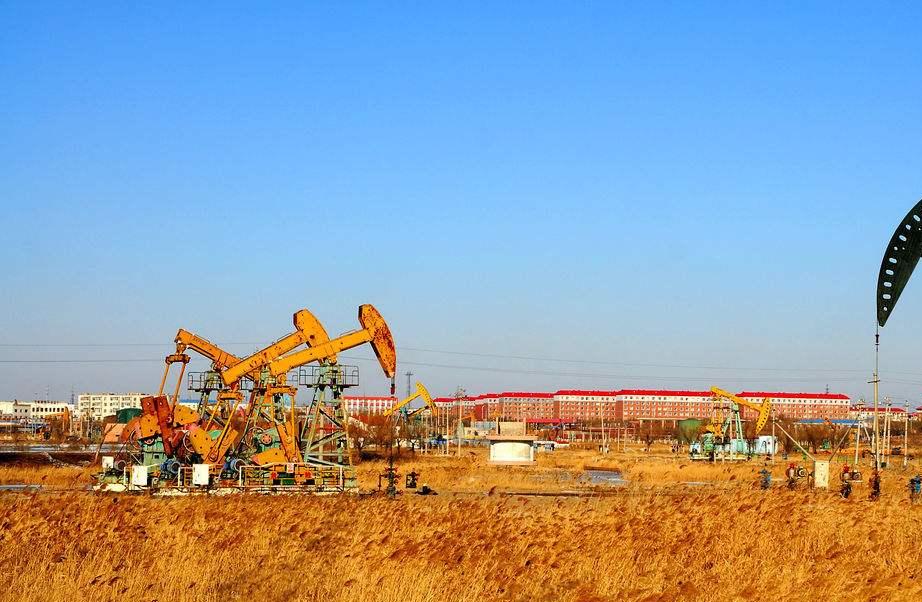
What equipment is used in borehole intervention?
Various equipment and tools are used in well intervention, depending on the particular technique and conditions of the well. Commonly used equipment in borehole intervention include:
Coiled tubing: a long, flexible metal tube used to pump fluids and chemicals into the wellbore or to retrieve wellbore debris.
Flushing unit: A hydraulic system that applies pressure to the coiled tubing to perform workovers, such as replacing damaged equipment or plugging wells.
Wireline tools: a set of tools that are lowered into the wellbore on a wireline to perform operations such as logging, perforating, and plug setting.
Hydraulic fracturing equipment: a set of pumps and tanks used to inject fluids and proppants into the formation to create fractures and stimulate oil and gas flow.
Sand control equipment: a set of screens and filters that prevent sand and other contaminants from entering the well and clogging production equipment.
Pressure control equipment: a series of valves, blowout preventers, and other devices used to regulate downhole pressure and fluid flow.
Wellhead equipment: a set of valves and fittings used to control the flow of fluid into and out of the wellbore.
Downhole tools: a set of tools lowered into the wellbore on a wireline or coil to perform operations such as perforating, logging, and cleaning.
The choice of equipment depends on the specific intervention technique and the conditions of the borehole. Downhole interventions are typically performed by a team of experienced personnel trained to use the equipment safely and effectively.
What are the methods of well activation?
Well activation is the process of starting or resuming production in a shut-in or temporarily abandoned well. There are several methods of well activation, depending on the particular situation and conditions of the well.
Common methods of well activation include:
Mechanical stimulation: mechanical stimulation uses tools such as downhole pumps, gas lift systems, and jet pumps to increase the flow of fluid from the wellbore. This technique is often used on wells that have low or declining flow rates due to blockages or damage in the wellbore.
Acid stimulation: acid stimulation involves injecting acid into the formation to dissolve or remove blockages and improve the permeability of the rock. This technique is commonly used in carbonate formations and can improve well productivity by increasing fluid flow into the well.
Hydraulic fracturing: hydraulic fracturing involves injecting fluids and proppants into the formation at high pressure to create fractures and stimulate oil and gas flow. This technique is commonly used in shale formations and can significantly increase well productivity.
Waterflooding: waterflooding involves injecting water into the formation to force oil to the production well. This technique is often used in mature oil fields and can increase production rates by improving reservoir efficiency.
Gas injection: gas, such as nitrogen or natural gas, is injected into the formation to reduce the viscosity of the oil and increase fluid flow. This technique is often used in wells with heavy oil or in reservoirs that are difficult to produce.
The choice of well activation method depends on the situation and the characteristics of the well and reservoir. Well activation is usually performed by a team of experienced personnel who are trained to use the equipment and techniques safely and effectively.
Why is well activation so important?
Well activation is critical to the oil and gas industry because it helps maintain the productivity of oil and gas wells, which are the main source of revenue for oil and gas companies. Neglecting wells can lead to a decline in production rates, which can ultimately result in financial losses for the company. Early intervention is therefore critical to ensure that wells are productive and profitable.
The benefits of early intervention include higher production rates, improved safety, and lower costs associated with deferred maintenance. Neglecting wells, on the other hand, can lead to an increased risk of equipment failure, which can be a safety hazard and result in costly repairs.
Cost-benefit analysis of well intervention
Well intervention is a costly process, and the costs associated with each technique depend on several factors such as the type of well, the depth of the well, and the technique used. The cost of well intervention can be significant, but it is important to consider the potential benefits in terms of increased production rates and revenue.
Factors influencing the decision to intervene in a well include the age of the well, the production history of the well, and the potential for increasing production rates. A cost-benefit analysis can help determine whether or not well intervention is a financially viable option.
Case studies of successful well intervention
There are numerous examples of successful well interventions in the oil and gas industry. For example, a well intervention project in the North Sea helped increase production rates by 300%, while a project in the Gulf of Mexico resulted in a 20% increase in production rates.
The success of these projects can be attributed to the use of effective techniques and strategies, such as the use of innovative technologies, optimization of production processes and the deployment of experienced personnel.
Conclusion
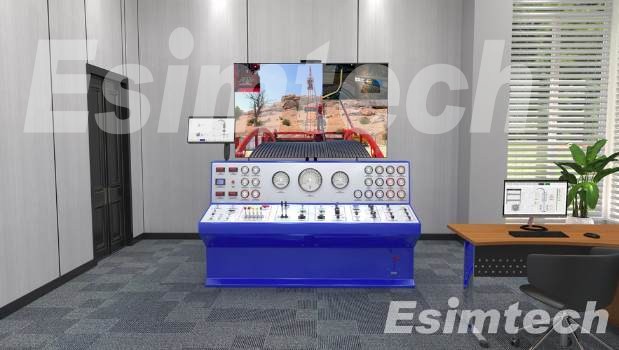
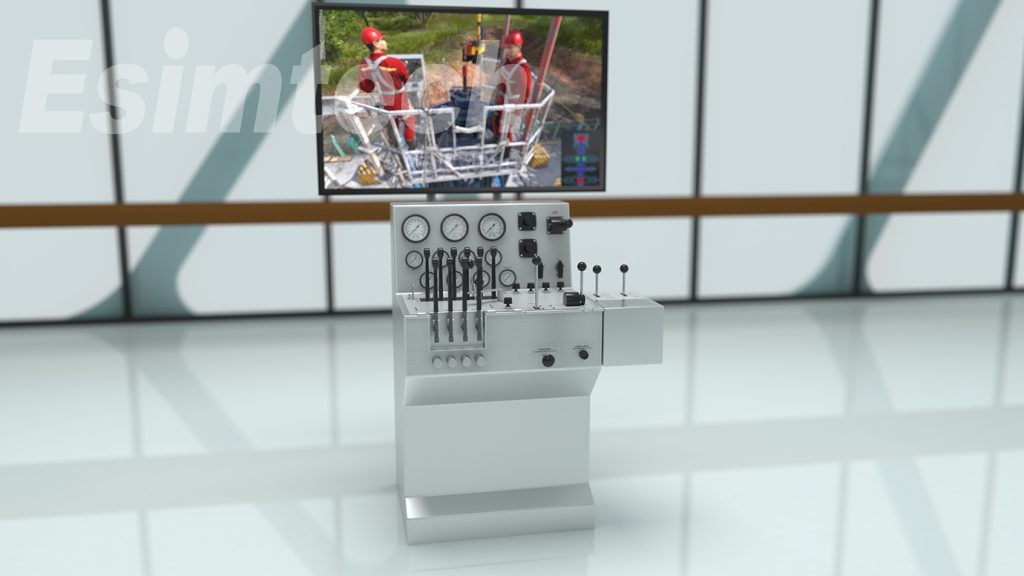
Well rehabilitation is an important process in the oil and gas industry that helps to maintain well productivity and ensure the profitability of oil and gas companies. The choice of technology depends on several factors, including specific well conditions and the desired outcome. Emerging technologies such as robotics and artificial intelligence have the potential to improve the efficiency and effectiveness of well intervention techniques in the future. If you are looking for a professional well intervention training system, Esimtech can help.
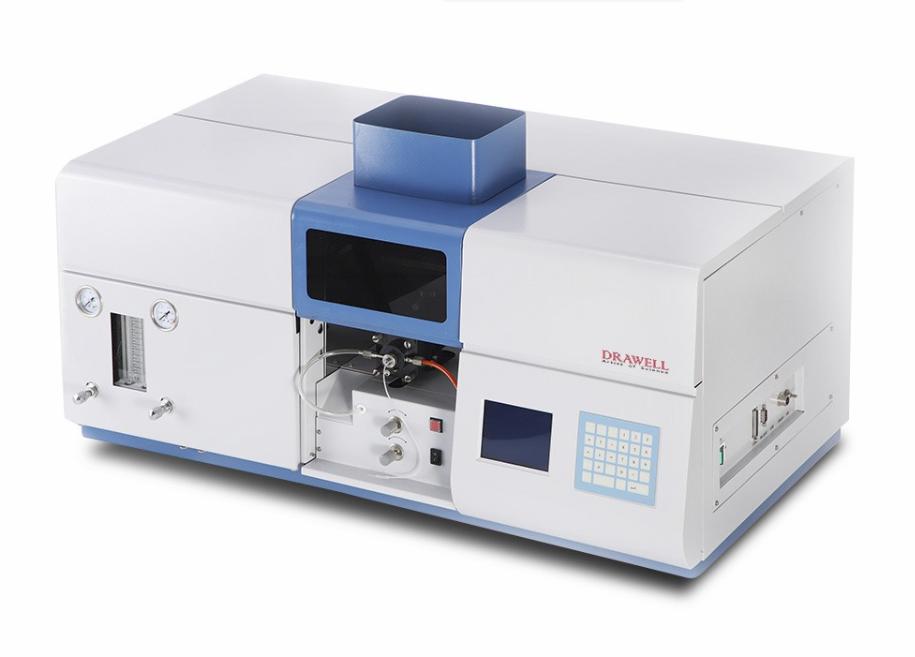
The sensitivity of an atomic absorption spectrophotometer (hereafter AAS ) decreases after some time of use. This immediately leads to an increase in the detection limit of the instrument, which even exceeds the requirements of the calibration regulations, so that it is classified as unfit for use. In this article, the reasons for the decrease in sensitivity and the corresponding countermeasures are analyzed of the AAS will be explored.
Optical path system of AAS
1. Is the position of the hollow cathode lamp the best?
The hollow cathode lamp can radiate the resonance line of the element to be measured and has sufficient radiation intensity to ensure a sufficient signal-to-noise ratio.
If the position of the hollow cathode lamp deviates, the light energy is lost in the light path.
The light signal entering the detector is weakened accordingly, and the measurement sensitivity of the instrument is reduced.
Therefore, after each lamp change, the position of the lamp socket should be adjusted to maximize the energy reading of the instrument.
2. Is the most sensitive spectral line selected?
A hollow cathode lamp of an element often has many emission lines.
The most sensitive spectral line should be selected for measurement.
Some resonance spectral lines are relatively close to each other. For example, the manganese lamp has a spectral line at 279.5 nm, 279.8 nm, and 280.1 nm, and the spectral line at 279.5 nm is the most sensitive.
If the wavelength display of the instrument has some error, it can be easily confused if not carefully distinguished.
3. Is the lamp’s current setting appropriate?
The light intensity of a hollow cathode lamp is related to the lamp current.
Increasing the lamp's operating current can increase the emission intensity.
However, if the operating current is too high, abnormal discharge will occur and the light intensity will be unstable.
If the lamp current is too low, the light intensity of the lamp will be weakened, resulting in a decrease in stability and signal-to-noise ratio.
Therefore, it is important to select a suitable lamp.
The optimum lamp current varies depending on the cathode element and lamp design.
AAS atomization system
1. Whether the injection capillary is clogged.
The function of the capillary is to aspirate the sample solution.
If the injection capillary is clogged with impurities, the injection speed will be greatly reduced and no strong signal will be generated.
It must be dredged out with a fine wire or replaced with a new capillary.
2. Is the pressure of the compressed air too low?
Compressed air is not only involved in combustion as an auxiliary gas, but also creates a negative pressure at the capillary orifice to take up the sample solution.
The drop in pressure of the compressed air leads to insufficient negative pressure at the capillary aspiration opening and slows down the aspiration speed of the sample.
Therefore, check whether the output pressure of the air compressor is too low, whether there are leaks in the air line and whether the air flow is set too low.
3. Whether there is a water seal in the waste liquid pipe
If there is no water seal in the waste water line or the water seal is not tight, the liquid outlet line will be connected to the outside atmosphere, the negative pressure in the atomization chamber will be reduced, and the sample suction speed will also be slowed down or even no sample will be sucked.
4. Whether the burner contains too many solid pollutants
After the burner has been in operation for some time, it picks up some solids, including carbon deposits and inorganic salts in the solution.
The presence of these substances significantly affects the characteristics of the flame, such as zigzag flame, unstable flame, uneven flame and so on.
At the same time, they increase the signal noise, which leads to unstable measurement results.
Therefore, it needs to be cleaned in time.
Combination of optical path system and atomization system
The generation of luminosity is caused by the absorption of the characteristic spectral lines emitted from the light source by the atomic absorption spectrophotometer in the ground state.
The greater the number of ground state atoms, the greater the absorption.
When the line of the light source passes through the burner, the line of the light source should pass completely and parallel through the flame, i.e., the atomized layer, to produce a strong enough absorption signal so that the measurement sensitivity is high. Therefore, check and adjust the height and orientation of the burner.