
The oil and gas industry is a highly intricate and ever-evolving sector that involves a multitude of processes and procedures related to exploration, production, and transportation. However, visualizing these complex operations has been a significant challenge for industry professionals. In recent years, the utilization of oil and gas animation has emerged as an effective tool for simplifying and communicating intricate procedures and concepts, ultimately enhancing efficiency, safety, and environmental awareness within the industry. This article aims to delve into the applications, advantages, types, and working processes of oil and gas animation.
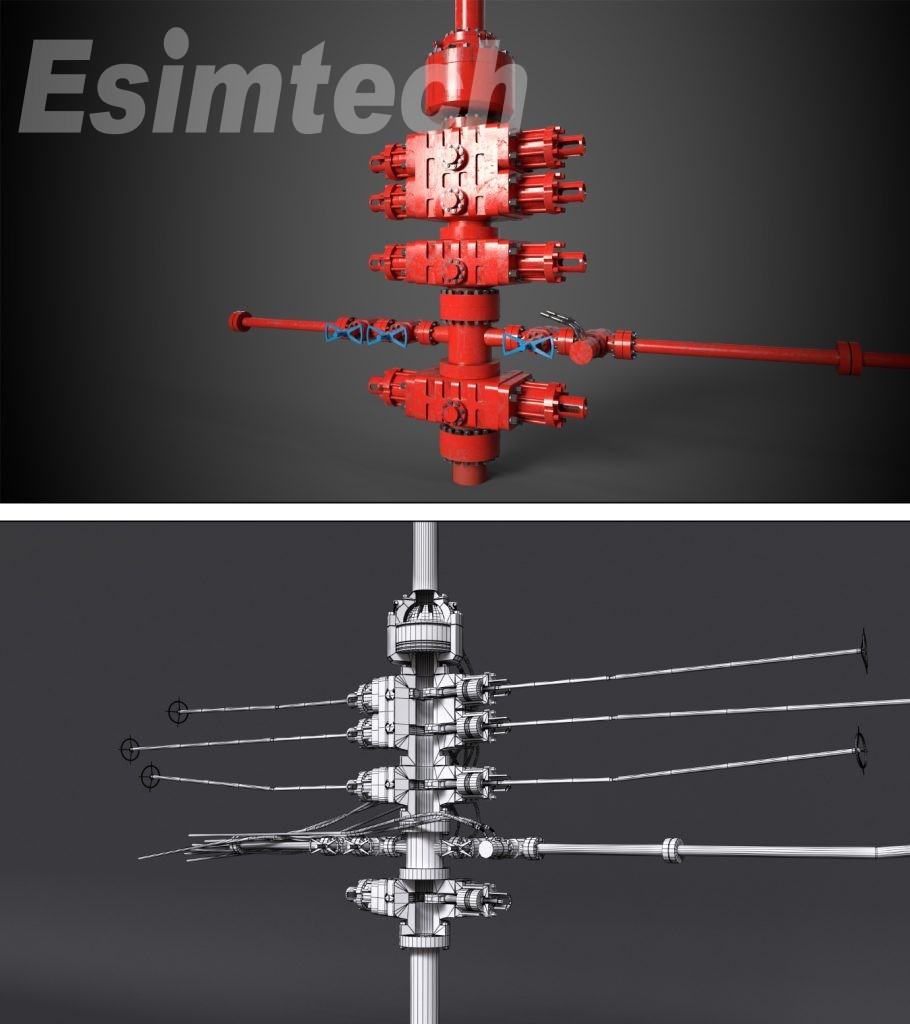
Oil and gas animation serves as a valuable instrument within the industry, providing a comprehensible visual representation of complex processes and procedures. Its benefits encompass improved visualization, enhanced safety measures, optimized efficiency, and heightened environmental awareness. The applications of oil and gas animation span a wide range, including training programs, marketing initiatives, planning exercises, and environmental analysis. Nonetheless, it is essential to acknowledge that the creation of oil and gas animation can be expensive, time-consuming, and intricate, necessitating specialized training for individuals involved in the process. Continuous investment in oil and gas animation will play a pivotal role in fostering the industry's future growth and sustainability.
The Purpose of Oil and Gas Animation
Oil and gas animation serves as a critical tool within the industry, facilitating advancements in efficiency, safety, and environmental awareness. By providing easily understandable visual representations of intricate processes and procedures, animation enables stakeholders to gain a deeper understanding of the industry's operations.
The incorporation of animation into the industry aids in optimizing processes and procedures, such as well placement and production facility design, thus reducing costs and increasing overall efficiency. Furthermore, animation enhances safety by simulating hazardous operations like drilling and machinery operation. Through visualizing these operations, workers can familiarize themselves with the procedures and identify potential hazards before engaging in real-world activities.
Oil and gas animation also plays a crucial role in promoting environmental awareness. Given the industry's significant environmental impact, visualizing the associated processes and procedures helps educate stakeholders about the effects of oil and gas production on the environment. Furthermore, animation can be utilized to advocate sustainable practices and assist the industry in developing solutions to mitigate its environmental footprint.
The Benefits of Oil and Gas Animation
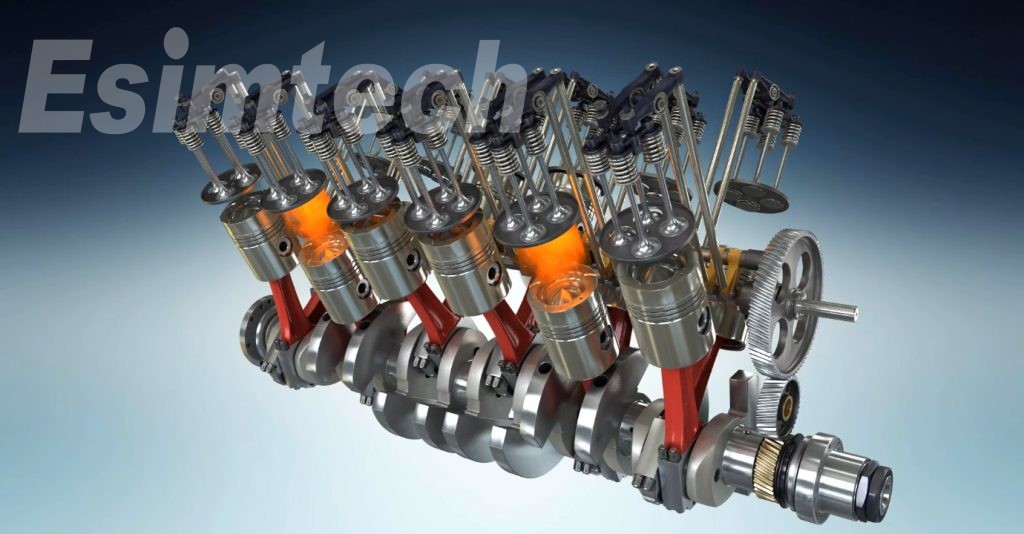
Enhanced Visualization: The primary advantage of oil and gas animation lies in its ability to provide clear and easily understandable visual representations of the complex processes and procedures involved in the industry. From drilling wells to transporting oil and gas through pipelines, animation can create vivid and realistic visualizations, enabling stakeholders to gain a better grasp of the processes.
Improved Safety: The oil and gas industry encompasses numerous hazardous operations that pose risks to worker safety. Through the use of animation, workers can receive training on proper procedures and familiarize themselves with potential hazards before engaging in real-world activities. Animation allows the industry to simulate hazardous operations and identify potential risks, leading to improved safety for workers.
Optimized Efficiency: Oil and gas animation aids in optimizing processes and procedures, such as well placement and production facility design. Visualizations can be analyzed to identify areas for improvement, thus reducing costs and increasing overall efficiency.
Environmental Awareness: The oil and gas industry has a profound impact on the environment. The utilization of animation helps raise awareness regarding the industry's environmental impact, including wildlife habitats and carbon emissions. Animation can be leveraged to promote sustainable practices and effectively communicate them to stakeholders.
Types of Oil and Gas Animations
2D Animations: 2D animations are employed to create simple visualizations of oil and gas processes. These animations are commonly used for training and educational purposes.
3D Animations: 3D animations generate realistic and interactive visualizations of oil and gas operations. They are utilized for presentations, marketing endeavors, and educational initiatives.
Virtual Reality Animations: Virtual reality animations enable stakeholders to experience oil and gas operations within a virtual environment. This technology can be employed to simulate hazardous operations and identify potential risks prior to their actual execution.
Augmented Reality Animations: Augmented reality animations provide real-time visualizations of oil and gas operations. They are valuable for training purposes and on-site analysis.
The Creation Process of Oil and Gas Animation
The creation of oil and gas animation involves several steps, including concept development, storyboarding, modeling, texturing, animation, lighting, and rendering.
Concept Development: The initial step entails conceptualizing the animation. The concept may revolve around a specific process or procedure in the industry, such as drilling or transportation.
Storyboarding: The subsequent phase involves creating a storyboard for the animation. Storyboarding comprises a sequence of images that illustrate the progression of the animation. It helps identify any gaps or issues before the actual creation process commences.
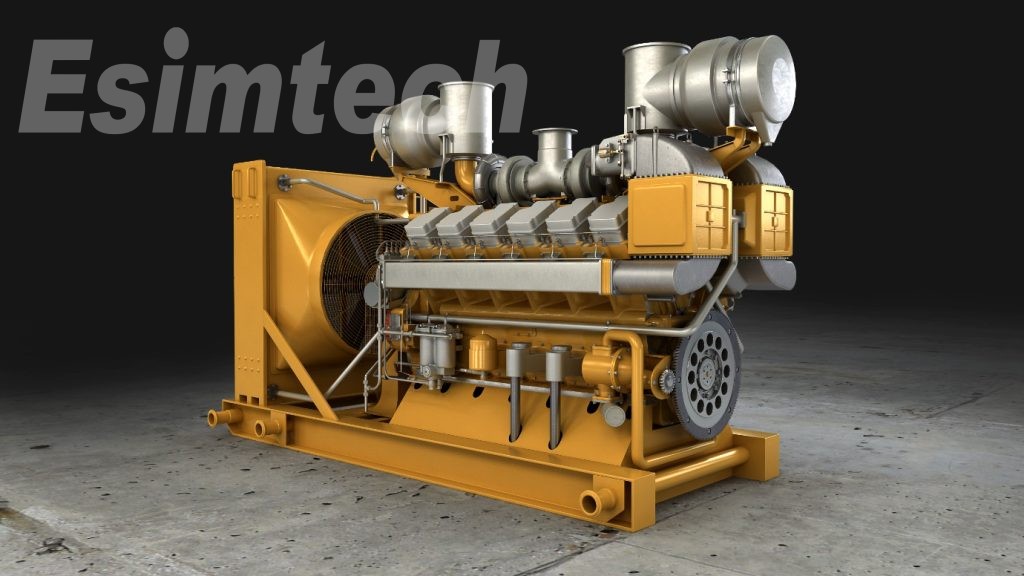
Modeling: The modeling phase revolves around creating 3D models of objects involved in the animation, such as drilling equipment, pipelines, and reservoirs. Specialized software is utilized to develop these 3D models.
Texturing: Texturing involves adding colors and textures to the 3D models to achieve a realistic appearance. Surfaces can be textured to resemble various materials, such as metal or rock.
Animation: Animation involves introducing movement to the 3D models. This is accomplished by animating the movement of objects, such as drilling or the flow of oil and gas through pipelines.
Lighting: The lighting phase encompasses setting up the appropriate lighting for the animation. This is achieved by positioning lights and adjusting their intensity and color to achieve a lifelike appearance.
Rendering: The final step involves rendering the animation. Rendering converts the 3D models and animation into a finished video or image sequence. The rendering process can be time-consuming, contingent upon the complexity of the animation.
By following these sequential steps, oil and gas animation can be effectively created and utilized to communicate complex processes, enhance safety, and promote environmental awareness within the industry.
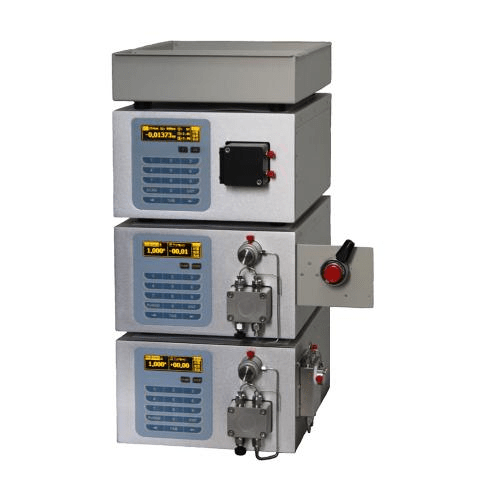
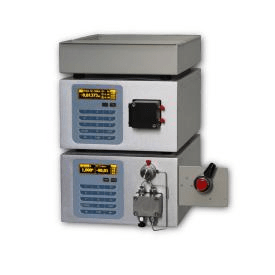
High-performance liquid chromatography (HPLC) is a rapid and efficient analytical separation technique that serves as a vital tool in modern separation testing. It offers a wide range of applications and is highly adaptable to various sample types. Unlike gas chromatography, HPLC is not restricted by the volatility and thermal stability of the compounds being analyzed. It can effectively analyze and determine nearly all compounds, including those with high boiling points, polarity, ionic properties, and even macromolecular substances. In this article, we will explore the distinctive features and frequently asked questions (FAQs) about high-performance liquid chromatography.
Features of High-Performance Liquid Chromatography:
High Pressure:
HPLC operates with liquid as the mobile phase, which encounters significant resistance while passing through the chromatographic column. To ensure swift passage through the column, high pressure is applied to the carrier liquid.
High Efficiency:
HPLC excels in separation efficiency. The selection of optimal stationary and mobile phases enables achievement of separation efficiencies many times greater than those of industrial distillation columns and gas chromatography.
High Sensitivity:
HPLC, equipped with a UV detector, can detect minute quantities as low as 0.01ng, with injection volumes typically in the order of μL.
Wide Range of Applications:
Over 70% of organic compounds can be analyzed using HPLC, making it particularly useful for the separation and analysis of compounds with high boiling points, macromolecules, strong polarity, and poor thermal stability. These are the distinct advantages of HPLC.
Fast Analysis Speed and Liquid Flow Rate:
HPLC is significantly faster than traditional liquid chromatography, typically requiring 15 to 30 minutes for sample analysis. Some samples can even be completed within 5 minutes, generally taking less than an hour.
In addition to the aforementioned features, high-performance liquid chromatography HPLC offers the advantages of reusable chromatographic columns, non-destructive sample analysis, and easy sample recovery. However, it is worth noting that HPLC has a drawback known as the "extra-column effect." Any changes in the flow pattern of the mobile phase in components other than the column (such as the injector, column connector, connecting tube, detection cell, etc.) from the injection to the detector can lead to significant peak broadening and reduced column efficiency. Moreover, HPLC detectors are generally less sensitive compared to gas chromatography.
Frequently Asked Questions about High-Performance Liquid Chromatography:
Here, we address five common issues related to HPLC machines.
Eddy Diffusion:
Eddy diffusion occurs when the mobile phase encounters larger solid particles, similar to water hitting stones and creating a vortex-like flow. If the column packing is uneven or contains fine grooves, areas with faster and slower flow rates may result. Therefore, it is crucial to use small and uniform solid-phase particles for column packing to minimize eddy diffusion and maximize column efficiency.
Molecular Diffusion:
Molecular diffusion refers to the movement of material molecules from areas of high concentration to low concentration, also known as longitudinal molecular diffusion. To minimize molecular diffusion, the column should be packed with small and uniform solid-phase particles. Additionally, during operation, maintaining an appropriate flow rate is essential to prevent prolonged exposure of separated substances, which can lead to significant diffusion.
Mass Transfer:
To achieve effective separation, the substances to be separated must reach equilibrium between the mobile and stationary phases, forming a narrow zone. In liquid chromatography, solute molecules require time to partition between the two liquid phases or to adsorb and desorb on the solid phase. When the flow rate is high, the mass transfer becomes slow, causing the substances to move forward before reaching the equilibrium dynamic phase. This non-equilibrium movement widens the separation zone.
Flow Rate of the Mobile Phase:
Low flow rates can result in severe molecular diffusion, especially in gas chromatography. The theoretical plate height decreases rapidly with an increase in the flow rate until it reaches its lowest value. After that, mass transfer becomes the dominant factor, leading to an increase in the theoretical plate height. In high-performance liquid chromatography, a slightly higher flow rate has minimal impact. However, in gel filtration chromatography, where substances must penetrate the gel, mass transfer significantly affects column efficiency, necessitating a reduced flow rate.
Particle Size of the Stationary Phase:
Smaller stationary phase particles contribute to higher column efficiency, but they also increase resistance to the flow of the mobile phase, requiring increased pressure to maintain adequate flow.
Diablo 4 introduces a captivating gameplay experience where players embark on a quest to collect items and enhance their character's power. With a diverse array of item types, each boasting unique stats and abilities, it's crucial to understand their applications. In this article, we delve into the various item categories in Diablo 4 and provide valuable tips for optimizing their usage.
Types of Diablo 4 Items
Diablo 4 offers a rich selection of item types, each contributing distinct attributes and capabilities to the game. Here are the primary categories:
Weapons: Weapons are your means of attacking enemies and come in various classifications such as swords, axes, bows, and wands. Each weapon type possesses its own set of stats and abilities, allowing for strategic choices.
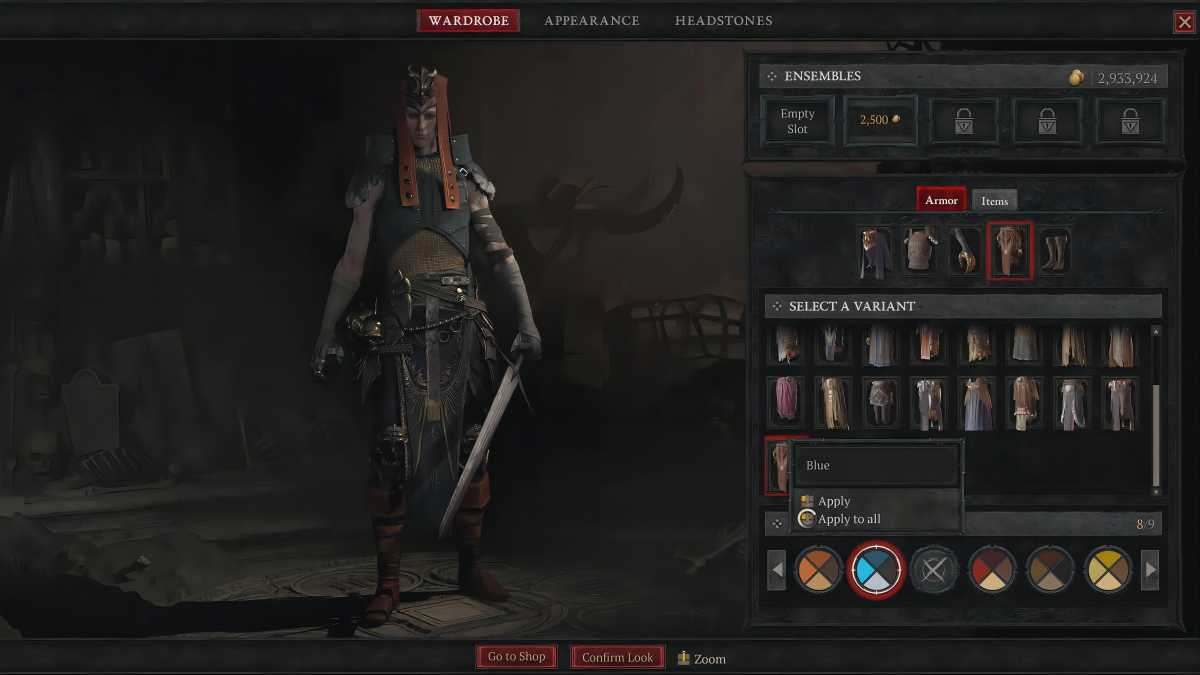
Armor: Armor provides crucial protection against incoming damage. It encompasses helmets, chests, gloves, boots, and other subcategories. Like weapons, different armor types offer unique stat bonuses and abilities.
Jewelry: Jewelry items can be socketed into gear to provide additional bonuses. Rings, amulets, and belts fall under this category, each contributing specialized stats and abilities to enhance your character's performance.
Runes: Runes play a vital role in enchanting items, further augmenting their stats. These valuable components can be discovered randomly throughout the game world or obtained from merchants.
Plans: Plans enable players to craft items at the Blacksmith. By finding or purchasing plans, you gain access to a wide range of crafting possibilities.
Beyond these foundational item types, Diablo IV boasts a plethora of unique items with exceptional abilities and effects. These rare finds are often obtained through exploration, quest completion, or enemy victories.

Utilizing Diablo 4 Items Effectively
To harness the full potential of items in Diablo 4, consider the following applications:
Power Enhancement: Items serve as a catalyst for character growth. By equipping strategically chosen items, you can benefit from increased damage, health, and resistances. These bonuses elevate your character's power and enable you to tackle more challenging foes.
Playstyle Modification: Items possess the ability to introduce new abilities or modify existing ones, allowing you to experiment with different playstyles. Embrace the flexibility offered by item selection and adapt your character's approach to suit your preferences.
Game Progression: Overcoming formidable adversaries is a crucial aspect of advancing in Diablo 4. Through the acquisition of powerful items, you bolster your character's capabilities, enabling you to conquer increasingly difficult challenges.
Personalization: Some items offer aesthetic changes, allowing you to customize your character's appearance according to your taste. Personalize your hero and create a visually unique presence within the game world.
Player Trading: Engage in item trading with fellow players to acquire items that may be otherwise unobtainable. Trading offers an avenue for expanding your inventory and obtaining rare or specialized items.
Collection Enjoyment: For some players, the joy lies in collecting items themselves. Embrace the thrill of item collection, proudly showcasing your assortment to other players and reveling in the sense of accomplishment it brings.
Locating items primarily involves exploring the game world, completing quests, and defeating enemies. Additionally, trading with other players can provide opportunities to acquire sought-after items.
Once an item is in your possession, equip it to unleash its potential. You can also upgrade items using materials found throughout the game world. Maximize the effectiveness of your items with the following tips:

Tips for Optimal Item Usage
Class and Build Synergy: Choose items that align with your character's class and build. Not all items cater equally to all playstyles. Select items that complement your character's strengths and abilities for maximum efficiency.
Regular Item Upgrades: As you progress in the game, better items become available. Ensure you regularly upgrade your gear to keep up with the escalating difficulty level.
Embrace Experimentation: Diablo IV boasts a vast assortment of items. Embrace experimentation by trying out different items to find those that synergize well with your character's playstyle.
Embrace Item Trading: Trading items with other players can grant access to unique items that might otherwise be elusive. Take advantage of the trading system to expand your inventory and discover rare treasures.
Above All, Have Fun: Ultimately, the most important aspect of Diablo 4 is enjoying the experience. Allow yourself the freedom to experiment with different items and find joy in their utilization.
Screws are indispensable in the manufacturing industry, finding applications in a wide range of products, from small items like glasses to large-scale creations such as cars, aircraft, and rockets. In this article, we will provide valuable insights into screws and explore effective methods to prevent screws from loosening.

Basic Knowledge about Screws
Screws: These comprise a rod with an external thread and can feature various head shapes, including flat, countersunk, bugle, square, and round.
Bolts: Bolts typically have a hexagonal head and external screw threads. Stud bolts, also known as double-screw bolts, possess external threads on both ends, while the middle section is usually a polished rod.
Nuts: Nuts are usually hexagonal in shape and contain an internal hole with an inner thread that securely connects related items when paired with bolts.
Screw Thread: A screw thread refers to a uniform spiral bulge present on the external or internal surface of a product. It serves the purposes of tightening, connecting, and sealing, making it suitable for most screw applications.
Processing Methods for Screws and Screw Threads
To manufacture high-quality screws, it is crucial to employ suitable processing methods. Here are some common techniques:
Processing Methods for Screws
Turning: This method involves removing material to achieve the desired shape.
Advantages: High processing accuracy and no restrictions imposed by molds.
Disadvantages: High production costs and relatively slow processing speed.
Forging: Forging entails deforming the material using external force to achieve the desired shape.
Advantages: Fast production speed, lower costs, and suitable for large-scale production.
Disadvantages: Forming is limited by molds, and complex product molds can be expensive.
Cold Heading: Cold heading is a process that uses external forces and specialized molds to squeeze unheated metal wire, resulting in deformation. This method falls under the category of forging processes.

Processing Methods for Screw Threads
Thread Cutting: Thread cutting involves processing threads on a workpiece using forming or abrasive tools. It encompasses turning, milling, tapping, grinding, and cyclone cutting. During turning, milling, and grinding, the workpiece rotates while the tool moves along its axial direction. Tapping or threading involves relative rotation between the tool and the workpiece, with the initial thread groove guiding the axial movement of the cutter.
Thread Rolling: Thread rolling is a cold heading process that shapes screw threads through the plastic deformation of a workpiece using rolling dies. Machines used for this method include single-mode machines, multi-station machines, and mold closure machines. Screws produced through this method have faster production speeds and lower costs, but their appearance may be less angular and aesthetically pleasing compared to cut threads.
While the cutting process offers higher accuracy than cold heading, the latter boasts faster production speeds and lower costs. Cold heading, especially for small precision screws, offers better cost performance.
Preventing Screw Loosening: Effective Methods
Preventing screw loosening is particularly crucial in high-tech products such as aircraft and rockets. A loose screw can lead to severe consequences. Here are some effective methods to prevent screw loosening:
Select the correct size and specifications of screws. Using slightly larger or smaller screws may work temporarily, but over time, they may loosen or lock.
Apply engineering plastics on screws. These plastics generate substantial friction torque and reaction force, resulting in full-pitch contact and absolute resistance to vibration. This turns the screws into permanent locking screws, effectively eliminating loosening issues in connections.
Increase friction to prevent loosening. Methods such as using spring washers and employing double nuts can create frictional drag that counters loosening caused by external load changes.
Implement mechanical anti-loosening methods by utilizing motion-stopping components to prevent the relative rotation of screw threads. This approach is highly reliable and includes options like split pins and castellated nuts, floor clips and round nuts, lock washers and nuts, and more.
Adopt non-disassembly methods to prevent loosening. Techniques like positioning welding and riveting fix the nut on the bolt, ensuring the screws remain securely fastened to prevent loosening.
Summary
Screws play a critical role in various industries, including aerospace, automotive, and electronics. This article has provided valuable knowledge about screws, including their basic features, appropriate processing methods, and effective techniques to prevent loosening. By understanding these aspects, screw manufacturers can ensure reliable performance of screws in different applications.
Drilling and well control operations play a crucial role in the oil and gas industry, demanding skilled professionals and specialized equipment to ensure safety, efficiency, and productivity. As these activities grow increasingly complex, the importance of effective training and education cannot be overstated. In response to this need, drilling and well control simulators have emerged as powerful tools in the industry. This article explores the key features, benefits, challenges, and future prospects of these simulators, highlighting their role in improving safety and minimizing environmental risks.
Understanding Drilling and Well Control Simulators
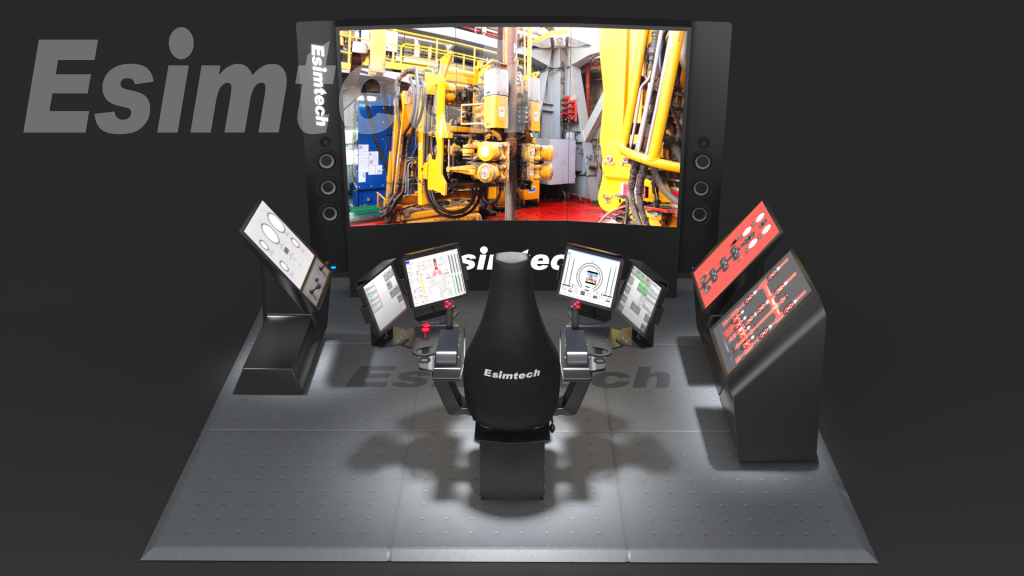
Drilling and well control simulators are computer-based systems that recreate real-world drilling and well control operations within a simulated environment. They offer a realistic and interactive training experience, enabling operators to practice and refine their skills and knowledge in a safe and controlled setting. Simulators come in various types, including drilling simulators, well control simulators, and combined drilling and well control simulators.
How Do Drilling and Well Control Simulators Work?
Drilling and well control simulators consist of software and hardware components. The simulation software employs mathematical models to replicate the physical and mechanical aspects of drilling and well control operations. On the other hand, the hardware components comprise control panels, joysticks, and other equipment that facilitate user interaction with the simulator. Operators can input different parameters and scenarios, receiving output data and analysis in return.
Benefits of Using Drilling and Well Control Simulators for Training and Education
Drilling and well control simulators offer numerous advantages for training and education, including:
Safety and Risk Reduction: Simulators provide a safe environment for operators to develop their skills and knowledge without the inherent risks of real-world operations.
Cost-effectiveness and Efficiency: Simulators offer a cost-effective and efficient training method, eliminating the need for expensive equipment and resources required in real-world scenarios.
Realistic and Interactive Training Experience: Simulators provide an immersive training experience that closely replicates real-world operations, enabling operators to enhance their skills and knowledge effectively. Customizable and Scalable Training Programs: Simulators allow for tailored and scalable training programs that can be adapted to meet the specific needs of operators, operations, and organizations.Differences Between Simulators and Real-World Operations
While drilling and well control simulators provide significant benefits, it's essential to recognize the disparities between simulators and real-world operations. Simulators have inherent limitations and challenges that can impact their accuracy and realism. To ensure operators are fully prepared for actual operations, real-world experience should complement simulator training.

Challenges and Limitations of Drilling and Well Control Simulators
The accuracy and complexity of simulation models, accessibility of simulators, and the associated costs and maintenance are some of the challenges and limitations facing drilling and well control simulators. Addressing these challenges is crucial to ensure simulators remain effective and efficient as training and education tools.
Future Developments and Innovations
The future and innovations of drilling and well control simulators hold promising advancements. Anticipated developments include improvements in simulation technology, integration with artificial intelligence and machine learning, and expanded use of virtual reality and immersive training techniques. These innovations will enhance the accuracy and realism of simulators, delivering an even more engaging and lifelike training experience for operators.
In summary, drilling and well control simulators have revolutionized training and education in the oil and gas industry. Their realistic and interactive nature, coupled with their potential for customization and scalability, makes them invaluable tools for ensuring safety, efficiency, and expertise in drilling and well control operations. With ongoing advancements and innovation, simulators will continue to play a crucial role in preparing operators for the challenges of the industry while reducing risks and environmental impact.