
The use of petroleum simulators is crucial in the oil and gas industry as they allow organizations to simulate and model complex geological, engineering, and operational scenarios that are challenging or impossible to replicate in real-world settings.
Importance of Petroleum Simulators:
Petroleum simulators provide engineers and operators with a better understanding of oil and gas reservoir behavior, allowing them to predict production and refining outcomes and optimize exploration and production activities using simulation software. These oil and gas simulators help in reducing exploration and production costs by identifying and minimizing potential risks, improving operational efficiency, and maximizing resource recovery. Additionally, simulators facilitate testing and development of new technologies and processes, fostering industry innovation and competitiveness.

Types of Petroleum Simulators:
The most common types of petroleum simulators include reservoir simulators, wellbore simulators, process simulators, and integrated asset simulators. Each type has its own capabilities and applications.
Reservoir Simulators:
Reservoir simulators are programs that simulate the behavior of oil and gas reservoirs by considering factors such as rock characteristics, fluid properties, and fluid flow. They are used to forecast reservoir performance, optimize production strategies, and assess the impact of different production scenarios. Reservoir simulators are particularly effective in evaluating unconventional reservoirs like shale gas and tight oil deposits, where complex geology and reservoir characteristics pose challenges in modeling and decision-making.
Wellbore Simulators:
Wellbore simulators model the behavior of oil and gas wells, taking into account fluid generation, gas flow, and pressure variations. They are employed to enhance production efficiency, optimize well design, and predict well performance. Wellbore simulators are especially valuable in improving output from horizontal wells commonly used in unconventional reservoirs, which often require hydraulic fracturing for increased production. These simulators aid in optimizing hydraulic fracturing operations and maximizing output rates.
Process Simulators:
Process simulators are used to model the behavior of refining processes, incorporating elements such as distillation, cracking, and other chemical reactions. They are applied in refineries to optimize operations, minimize energy consumption, and improve product quality. Process simulators are particularly useful in assessing the impact of changes in feedstock composition on refining processes, enabling refineries to optimize operations to accommodate variations in feedstock composition.
Integrated Asset Simulators:
Integrated asset simulators combine reservoir, wellbore, and process modeling into a single model. These simulators allow companies to optimize the entire value chain, from exploration to refining. Integrated asset simulators contribute to increased resource recovery, reduced operational costs, and optimized production rates. They are especially valuable in assessing the impact of production decisions across the entire value chain, optimizing manufacturing and refining activities, and enhancing profitability and resource recovery.

Benefits of Petroleum Simulators:
Improved Reservoir Characterization: Petroleum simulators enhance reservoir characterization by simulating reservoir behavior based on various parameters. This reduces uncertainty in reservoir characterization, leading to better resource estimation, efficient drilling and completion operations, and lower exploration and production risks.
Optimized Production Rates: Simulators enable the optimization of production rates by modeling wellbore behavior. This optimization improves resource recovery, enhances reservoir management, and reduces operating costs.
Reduced Operating Costs: Integrated asset simulators help in cutting operating costs by optimizing the full value chain. These simulators increase resource recovery, decrease operational expenses, and optimize production rates, resulting in increased profitability, reduced environmental impact, and enhanced safety.
Increased Profitability: Economic simulators simulate the economic aspects of oil and gas production, such as project costs, cash flow, and profitability. They help in examining the financial sustainability of projects and the influence of price fluctuations on economics, ultimately leading to increased profitability, improved financial performance, and enhanced flexibility for future investments.

In summary, petroleum simulators are invaluable tools in the oil and gas industry, enabling organizations to make informed decisions, improve operational performance, increase profitability, and gain a better understanding of complex geological and technical scenarios. By utilizing different types of simulators, engineers and operators can optimize reservoir performance, well design, refining processes, and the entire value chain, leading to more efficient and cost-effective operations.
Gas chromatographs find extensive applications in various industries, including petroleum, chemical, biochemistry, medicine and health, food, and environmental protection. They are instrumental in both quantitative and qualitative analysis, as well as determining physical and chemical constants of samples in the stationary phase, such as distribution coefficient, activity coefficient, molecular weight, and specific surface area. Essentially, a gas chromatograph is a device used for the analysis and detection of components in a mixed gas.
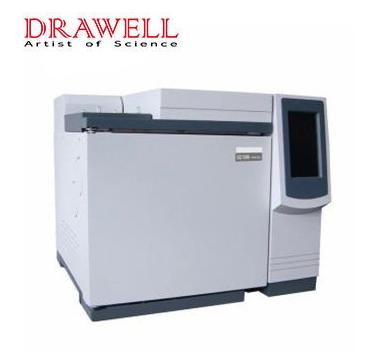
Adhere to the gas chromatograph manual guidelines
Upon receiving the instrument, it is crucial to ensure that all parts are present and accounted for, and that the instrument manual is complete. It is essential to maintain these materials properly. Before operating the instrument independently, it is imperative to thoroughly read and understand the relevant instructions, and strictly follow the prescribed regulations. This serves as a prerequisite for obtaining accurate and reliable analytical results. In the event of any issues with the instrument, it is advisable to consult with the gas chromatograph manufacturer for assistance.
Establish a standard for column testing
The performance of the chromatographic column is pivotal in guaranteeing precise analytical results. For newly acquired chromatographic columns, it is recommended to evaluate their performance using test samples. If the results are unsatisfactory despite following the test conditions provided by the column manufacturer, it is possible to request a return or exchange. Furthermore, column performance may change over time with repeated use. When doubts arise about the accuracy of analytical results, conducting a column test using a standard sample and comparing the results with previous tests can help identify whether the column is the source of the problem. This facilitates appropriate troubleshooting measures.
Utilize carrier gas of the required purity
To prevent interference with the analysis and contamination of the chromatographic column or detector, it is essential to use carrier gas of high purity grade. It is important to recognize that the cost of a chromatographic column is over 20 times greater than that of a bottle of high-purity nitrogen or hydrogen. Attempting to save costs by employing ordinary gas as a carrier gas may lead to greater losses. Ideally, the auxiliary gas used in the detector should also be of high-purity grade. While common gases can be used when sensitivity is not critical, it is important to consider the risk of detector contamination. Promptly replace column seals when necessary.
Timely replacement of graphite gaskets
Leakage of graphite gaskets is a common issue with gas chromatographs. It is crucial not to reuse the same gasket on different columns. Even when removing and reinstalling the same column, it is recommended to replace the gasket with a new one to ensure optimal efficiency. If a gas leak is detected after column installation and the sealing gasket is replaced, it may consume additional time. Even if the old gasket appears usable, it should be tightened slightly more than the original. Failure to do so may result in damage to the capillary column.
Regularly replace gas purifier packing
While the performance of color-changing silica gel can be assessed based on color changes, purifiers like molecular sieves that adsorb organic matter are not easily judged with the naked eye. Therefore, regular replacement is necessary, preferably every three months. When replacing silica gel, if molecular sieves are installed together, they should be replaced simultaneously.

Periodic replacement of injection liners
A leaking inlet gasket is a common issue in gas chromatographs. Moreover, the aging degradation of the gasket can interfere with the analysis process, potentially leading to the presence of ghost peaks caused by debris falling into the vaporization chamber. The frequency of liner replacement depends on the nature of the sample being analyzed and the analysis conditions. Typically, routine laboratories replace the injection liner once per day. In any case, a single liner should not be used continuously formore than a week.
Replace parts individually
When conducting repairs on a gas chromatograph, it is important not to replace multiple parts simultaneously, as this can complicate the identification of the root cause of the failure. It is recommended to replace one component at a time, conduct testing, and then proceed to replace the next part if necessary. This approach simplifies the process of accurately determining the cause of the failure, while also minimizing unnecessary expenses.
Maintaining precise control over web materials is essential in the packaging industry to ensure high-quality output. To achieve this level of precision and efficiency, an increasing number of packaging companies are adopting web guiding systems. These innovative technologies automate web material control and guidance, resulting in faster production, reduced waste, and enhanced product quality. In this article, we will explore the 6 key advantages of implementing web guiding systems in the packaging industry and how they are revolutionizing the manufacturing process.

Enhanced Material Control and Accuracy
Web guide systems offer unparalleled control and accuracy when dealing with different types of web materials. By utilizing sensors, cameras, and actuators, these systems detect and correct misalignments, wrinkles, and irregularities in the web material, ensuring precise positioning throughout the manufacturing process. This level of control reduces material waste, eliminates product faults, and improves overall packaging quality.
Increased Production Efficiency
By minimizing manual intervention and human errors, web guiding system enhance manufacturing efficiency. These system can automatically adjust the alignment, tension, and speed of the web material, ensuring a continuous and smooth flow across the entire production line. Eliminating the need for manual adjustments allows packaging companies to significantly reduce setup time, increase production speeds, and achieve higher throughput rates.
Waste Reduction and Cost Savings
Web edge guide systems help reduce waste and save costs by minimizing material waste and rework. By precisely guiding the web material, these technologies prevent misalignment-related errors, such as slanted labels or uneven folds. This reduction in defects leads to fewer rejected products and less material waste, ultimately saving valuable resources for packaging companies. Additionally, the precise control provided by web guiding systems reduces the need for excess setup material and minimizes the risk of production line stoppages, resulting in cost savings.
Improving Product Quality and Customer Satisfaction
Implementing web guiding systems significantly improves product quality, which in turn increases customer satisfaction. By maintaining accurate web material positioning and tension, these systems eliminate variations that may result in defects or inconsistencies in the packaged products. Consistently high-quality packaging instills customer confidence and enhances brand reputation. Moreover, precise web material control enables packaging companies to incorporate complex features like holographic labels or intricate designs, elevating the visual appeal and perceived value of their products.

Operator Safety and Ease of Use
Web guiding systems prioritize operator safety by reducing the need for manual intervention in the production line. Automating the web material control process minimizes potential hazards associated with manual changes, such as entanglement or injuries caused by moving parts. Furthermore, these systems feature user-friendly interfaces and straightforward controls, making them easily accessible and manageable for operators with varying skill levels. This ease of use fosters a safer and more efficient workplace.
Adaptability and Versatility
Web guiding system offer customization and versatility in the packaging industry. They can seamlessly integrate into various packaging processes and support a wide range of web materials, including films, labels, and flexible packaging materials. The ability to handle different materials and adapt to diverse packaging requirements ensures that packaging companies can benefit from web guiding systems regardless of their specific needs, providing them with a competitive edge in the market.
In summary, implementing web guiding systems revolutionizes the packaging industry by enabling precise and efficient operations while minimizing waste and increasing revenue. As the packaging industry continues to evolve, web guiding control systems will become increasingly crucial in meeting the demands of a fast-paced market and delivering superior quality packaging to clients. By embracing these innovative technologies, packaging firms can unlock efficiency, precision, and customer satisfaction, positioning themselves as industry leaders in the dynamic world of packaging.
Hexagon nuts, also known as hex nuts, are one type of commonly used nuts found in a wide range of industries, including the automobile industry (cars, trucks, buses, etc.), construction machinery, wind power equipment, and more. These nuts are crucial for connecting and securing machine parts alongside screws, bolts, and other fasteners. Let's explore the characteristics and uses of different types of hex nuts.

Ordinary Hexagon Nut:
The ordinary hex nut is the most widely used type and is commonly employed in machinery, equipment, and structures with rough surfaces that don't require high precision. It serves as a general-purpose fastener found in various applications. This nut offers a relatively large tightening force but requires ample installation space. Live wrenches, open wrenches, or glass wrenches are commonly used during installation.

Cylindrical Inner Head Hexagon Nut:
The cylindrical inner head hexagon nut is extensively used for machines, equipment, or structures with relatively smooth surfaces and precision requirements. It provides a relatively large tightening force and can be conveniently operated using an Allen wrench. This type of nut is versatile and finds application in diverse structures. It boasts a neat and aesthetically pleasing appearance. However, its tightening force is slightly lower than that of the outer hexagon, and repeated use may damage the inner hexagon, rendering it non-disassemblable.
Pan Head Inner Hexagon Nut:
Pan head inner hexagon nuts are less commonly used in machinery but are frequently found in furniture. They possess similar mechanical properties to the aforementioned nuts and serve to increase the contact surface with wooden materials while enhancing the overall aesthetic appeal.
Headless Hexagon Nut:
Headless hexagon nuts are essential for specific structures, such as those requiring significant jacking force or where the cylindrical head needs to be concealed.
Countersunk Head Hexagon Nut:
Countersunk head hexagon nuts are predominantly utilized in power machinery and serve a similar purpose to regular hexagon nuts.
Nylon Lock Hexagon Nut:
Nylon lock nuts feature a nylon apron embedded in the hexagonal surface, which prevents the thread from loosening. These nuts are commonly employed in high-power machinery applications.

Flange Nut
Flange nuts, also known as pad nuts, tooth nuts, hexagon flange nuts, etc., are extensively utilized in power, communication, transportation, and other industries. These nuts offer several advantages, including integration of the gasket and the nut, anti-slip tooth patterns on the bottom, and increased contact surface area between the nut and the workpiece. This enhances the firmness and pulling force of the connection.
However, flange nuts have certain limitations. They are restricted by the workpiece, resulting in smaller specifications compared to regular hex nuts. Additionally, their irregular shape may require threaded fit. Flange nuts are commonly subjected to cold galvanizing surface treatment, as the hot-dip galvanizing process may introduce defects such as difficulty in screwing the threads after plating and reduced mechanical strength in high-strength flange nuts.
Flange nuts primarily serve the purpose of increasing the contact surface area with the workpiece and are frequently employed in pipeline connections or applications where enhancing the nut's contact surface is necessary.
In Diablo 4, the pursuit of high reputation rewards offers a host of enticing benefits, including access to potent equipment, exploration of hidden realms, and the acquisition of unique skills. These rewards play a pivotal role in your character's growth and progression, elevating your gaming experience to new heights. Today, we will delve into the captivating bonuses of achieving higher reputation rewards and provide guidance on how to obtain more reputation rewards.

Rewards for Each Reputation Level
The reputation system in Diablo 4 comprises five distinct stages, with each level offering its own set of rewards. Let's take a closer look at the rewards you can expect at each reputation level:
Achieving 200 Reputation Points: As a reward, you will receive experience points, 3000 gold coins, and 1 skill point.
Reaching 500 Reputation Points: Your efforts will be rewarded with experience points, 10,000 gold coins, and the ability to use a potion once.
Attaining 900 Reputation Points: This milestone grants experience points, 25,000 gold coins, and 1 skill point.
Reaching 1400 Reputation Points: Upon reaching this level, you will gain experience points, 60,000 gold coins, and an increased cap of 80 Whispered Echoes (a special currency).
Achieving 2000 Reputation Points: The ultimate level rewards you with experience points, 150,000 gold coins, and 4 Peak Points.
By reaching these reputation milestones, you unlock a wealth of rewards, including experience points to bolster your character's growth, substantial amounts of Diablo 4 gold coins to enhance your purchasing power, skill points to develop unique abilities, increased resource caps to expand your capabilities, and a special currency for exclusive transactions. These rewards synergistically contribute to your character's progression and empower you in the world of Diablo IV.

How to Earn High Reputation Rewards in Diablo 4?
To maximize your chances of obtaining high reputation rewards in Diablo 4, consider implementing the following strategies:
Complete Quests and Contracts: Undertaking quests and contracts is the most reliable way to earn reputation. By successfully finishing these missions, you earn Renown, which can be used to increase your reputation with different factions. Prioritize completing quests and contracts to accumulate Renown efficiently.
Explore Uncharted Territories: Venture into unexplored regions to earn Renown, especially during the early stages of the game. By prioritizing exploration, you swiftly accumulate Renown, which contributes to your reputation progress. Unveil hidden realms and unlock their secrets to further your journey.
Defeat Formidable Enemies: Overcoming powerful adversaries in combat rewards you with Renown. Seek out challenging opponents and emerge victorious to earn a substantial amount of Renown, propelling your reputation advancement. Sharpen your skills and face the toughest foes in battle.
Join Factions: Aligning yourself with specific factions grants access to exclusive quests and contracts, accelerating your reputation gains. Choose a faction that aligns with your playstyle or objectives and join their ranks. This strategic alliance opens doors to unique opportunities for reputation progression.
Tips for Maximizing High Reputation Rewards in Diablo 4
Here are some additional tips to further optimize your pursuit of high reputation rewards in Diablo IV:
Prioritize Quests and Contracts: Devote significant attention to completing quests and contracts as they consistently provide the most Renown. Regularly check for available missions and prioritize their completion to maximize your reputation gains.
Early Exploration Advantage: Dedicate time to extensively explore new areas during the initial stages of the game. This approach ensures a rapid accumulation of Renown, expediting your reputation progression and granting you an advantage in the game world.
Engage in Battle: Whenever the opportunity arises, engage in combat encounters. Even if you're not actively seeking to level up, defeating enemies grants Renown, which contributes to your reputation advancement. Embrace the thrill of battle and reap the rewards.
Join Factions Strategically: Assess the benefits offered by different factions and choose the one that aligns with your desired playstyle or objectives. Selecting a faction that provides relevant quests and contracts can significantly expedite your reputation gains. Forge alliances wisely to enhance your progress.