
CO2 incubators are essential instruments widely used in various fields such as medicine, immunology, genetics, microbiology, agricultural science, and pharmacology. They provide a controlled environment to simulate the growth conditions of cells and tissues in organisms. When selecting a CO2 incubator for cell culture, several factors need to be considered to ensure a stable cultivation environment. This article will discuss the key factors to consider when choosing a suitable CO2 incubator.
Temperature Control:
Temperature control is crucial for maintaining healthy cell growth. There are two types of heating structures to choose from: air jacket heating and water jacket heating.
Air Jacket Heating: Air jacket CO2 incubators directly heat the gas inside the incubator using a heater. They offer faster heating and temperature recovery, making them suitable for short-term cultivation and situations that require frequent opening and closing of the door.

Water Jacket Heating: Water jacket CO2 incubators maintain a constant temperature by surrounding the inner box with a separate hot water compartment. They provide better temperature accuracy and stability during power failures, making them ideal for long-term stable culture conditions.

CO2 Sensors:
CO2 concentration detection can be achieved using infrared sensors (IR) or thermal conductivity sensors (TC). Each system has its advantages. Thermal Conductivity Sensor (TC): TC sensors measure CO2 concentration by monitoring the change in resistance between two thermistors. However, they can be affected by fluctuations in chamber temperature and relative humidity, making them less accurate in situations that require frequent opening of the incubator door.
Infrared Sensor (IR): IR sensors offer more precise CO2 control as they are unaffected by changes in temperature and relative humidity. They are particularly suitable for cell cultures that require frequent door openings. However, IR systems are generally more expensive than TC systems.
Relative Humidity Control:
Controlling relative humidity is essential to prevent culture failure due to excessive drying. Larger CO2 incubators often use steam generators or sprayers, while smaller ones generate moisture through evaporation from humidity pans. Some incubators have additional features, such as a humidity reservoir on the control panel, to enhance evaporation and increase humidity levels.
Microprocessor Control System:
A microprocessor control system provides convenient and easy operation of the CO2 incubator. It maintains a steady state of temperature, humidity, and CO2 concentration. Look for features like LED displays, high-temperature automatic adjustment and alarm devices, CO2 alarms, password protection settings, and automatic calibration systems. These features ensure precise control and simplify operation.
Pollutant Control:
Contamination can compromise cell cultures. Manufacturers have implemented various measures to reduce and prevent contamination. Look for features that minimize areas where microorganisms can grow, such as enhanced CO2 incubators with ultraviolet cleaning functions or HEPA filters that can filter out particles and kill microbial particles.
In conclusion, when choosing a CO2 incubator for cell culture, consider temperature control options (air jacket or water jacket heating), CO2 sensor types (TC or IR), relative humidity control methods, microprocessor control systems, and pollutant control features. By evaluating these factors based on your specific needs, you can select an ideal CO2 incubator that provides a stable and optimal environment for your cell culture experiments.
Marine seats are crucial components of boats, offering comfortable seating for captains and guests. Choosing the right marine seat is vital for ensuring comfort, safety, and overall enjoyment during boating trips. There are various types of marine seats available, each with its own features and advantages. In this article, we will explore the common types of marine seats, key components and features, the advantages they offer, and how to choose the right marine seat for your needs.
Commonly Used Types of Marine Seats:
Captain's Chair: The primary seat for the boat's driver, typically mounted on a swivel pedestal for height and distance adjustment. Captain's chairs often include armrests, built-in cup holders, storage sections, and some may have shock-absorbing features for added comfort.
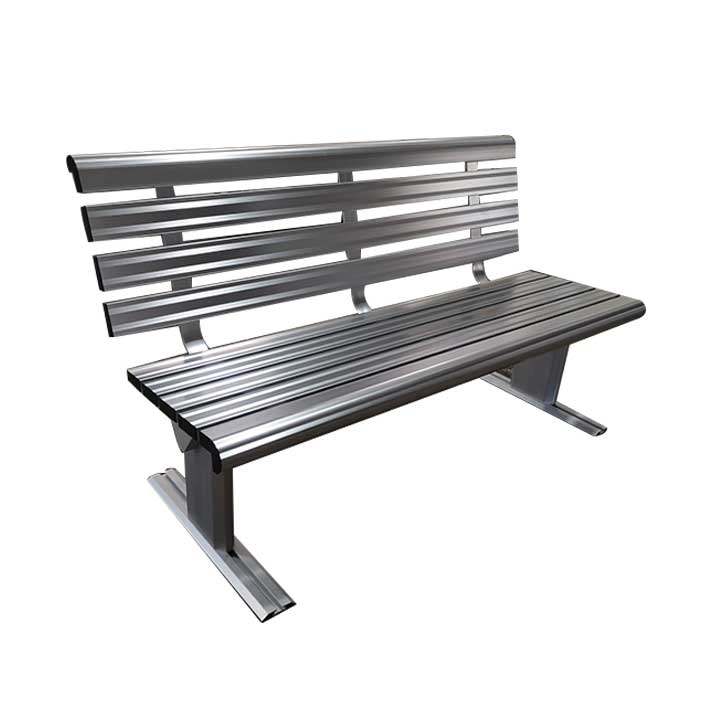
Bench Seats: The most common type of boat passenger seats, bench seats can be pedestal-mounted or secured to the boat's structure. They can be configured to face forward or backward and may be foldable to create more deck space.
Folding Seats: Ideal for boats with limited capacity, folding seats can be easily folded up when not in use, freeing up deck space. They are lightweight, portable, and can be fixed on pedestals or directly to the boat's frame.
Fishing Seats: Designed specifically for anglers, fishing seats are usually mounted on pedestals and allow for swiveling in any direction. They often feature additional elements like rod holders and cup holders, and some may have shock-absorbing properties for comfort in rough waters.
Key Components of Marine Seats:
Padding: Marine seats are typically padded with materials such as foam, vinyl, or leather to provide a comfortable seating surface. Some seats may have extra cushioning in the lumbar area for lower back support.
Seat Belts: Seat belts are crucial for safety, especially in rough waters or during sudden stops. They are made of strong materials like nylon webbing and may have quick-release fasteners for easy removal.
Armrests: Armrests offer increased comfort and support for passengers. They can be adjustable or fixed and may include cup holders or storage compartments.
Swivel: Swivel seats allow passengers to turn and face any direction, making them convenient for fishing or interacting with other passengers. They are typically mounted on pedestals and have locking mechanisms to hold them in position.
Storage Compartments: Some marine seats come with built-in storage pockets or compartments, providing convenient space to store snacks, drinks, or fishing gear. Storage areas can be located beneath the seat or in the armrests.
Advantages of Marine Seats:
Comfort: Marine seats provide a comfortable seating surface, reducing fatigue and back strain during boating trips. They can also help alleviate motion sickness and other motion-related discomforts.
Safety: Seat belts on marine seats enhance passenger safety, especially in turbulent waters or during sudden movements. Shock-absorbing features in seats can minimize the risk of injuries caused by rough waves.
Functionality: Marine seats come with various features that enhance their functionality. Swivel seats, armrests, and storage compartments improve comfort and versatility. Folding seats are particularly useful for boats with limited deck space.
Aesthetics: Marine seats can enhance the overall appearance and ambiance of a boat. They come in a range of colors and styles, allowing boat owners to personalize the look of their vessel. High-quality marine seats can also increase the resale value of a boat.
Durability: Marine seats are designed to withstand the harsh conditions of the marine environment. They are made of durable materials that can resist saltwater, UV radiation, and other environmental elements. With proper care and maintenance, high-quality marine seats can last for many years.

How to Choose the Right Marine Seat:
When selecting a marine seat, consider the following factors:
Type: Choose a seat that suits the type of boating you will be doing. Captain's chairs are suitable for extended trips or open sea voyages, while bench seats are great for socializing or accommodating more passengers. Folding seats are ideal for boats with limited deck space, and fishing seats are designed specifically for anglers.
Features: Determine the features you require in a marine seat. Consider factors such as padding, seat belts, armrests, swivel capabilities, and storage compartments based on your comfort and functionality needs.
Material: Select a seat made of durable materials that can withstand the marine environment. Common materials for marine seats include vinyl, leather, and foam. Look for seats that are resistant to saltwater, UV radiation, and other environmental factors.
Budget: Consider your budget when choosing a marine seat. Higher-quality seats tend to be more expensive, but they offer better durability and longevity with proper care.
In conclusion, marine seats play a crucial role in providing comfort, safety, and functionality on boats. Considering the type of boat, passenger needs, and budget is essential when selecting the right marine seat. Look for features that enhance comfort and versatility, choose seats made of durable materials, and ensure they match the aesthetics of your vessel. By making an informed decision, you can enhance your boating experience and enjoy your time on the water to the fullest.
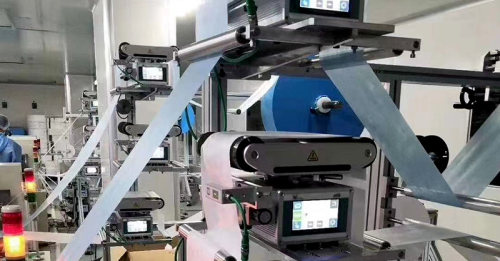
Web guide systems play a vital role in various industries by ensuring precise alignment and management of webs during manufacturing processes. However, like any complex system, they can encounter challenges that hinder operations. This comprehensive guide provides step-by-step troubleshooting methods for common issues in a web guide system, helping organizations maintain maximum performance. By understanding these challenges and implementing appropriate troubleshooting techniques, companies can minimize downtime, improve productivity, and ensure smooth operation.

Troubleshooting Misalignment and Drift in a Web Guide System:
Check Sensor Calibration: Begin by verifying the calibration of the sensors. Ensure they are correctly aligned and calibrated according to the manufacturer's instructions. If necessary, recalibrate the sensors to ensure accurate detection and measurement of the web's position.
Check Roller Alignment: Improper roller alignment can cause misalignment and drift. Inspect the rollers and reposition them if needed. Align the rollers parallel to each other and perpendicular to the web's path.
Inspect Mechanical Components: Examine the mechanical components of the web guiding system, such as rollers, bearings, and guides. Look for signs of damage, wear, or contamination. Replace any worn-out or damaged components and clean debris or contaminants that may interfere with the web's movement.
Troubleshooting Tension Variations in a Web Guide System:
Check Roller Tensioning: Improper roller tensioning often leads to tension variations. Ensure the tensioning mechanisms are correctly adjusted based on the recommended tension settings for the specific web material. Consult the system's documentation for proper tensioning guidelines.
Maintain Consistent Material Feed: Inconsistent material feed can cause tension variations. Check that the material is being fed consistently and smoothly through the guiding system. Inspect the material path for blockages or irregularities and remove them if necessary.
Inspect Roller Surfaces: Examine the roller surfaces for abnormalities or damage that could affect web tension. Ensure the rollers are clean and free of debris or adhesive buildup. Replace any broken or worn-out rollers to maintain proper tension management.
Install Automatic Tension Control Systems: Consider installing an automatic web tension controller that monitors and adjusts tension in real-time. These systems utilize feedback sensors and control algorithms to maintain constant tension throughout the manufacturing process.
Troubleshooting Sensor Malfunctions in a Web Guide System:
Clean the Sensors: Sensors can accumulate dirt, dust, or debris over time, resulting in false readings. Use appropriate cleaning solutions and lint-free materials to clean the sensors. Take care not to damage or misalign the sensors during the cleaning process.
Check Sensor Alignment: Ensure the sensors are properly aligned with the web path. Confirm that the sensors are positioned perpendicular to the web's direction and parallel to each other. Make any necessary adjustments to achieve correct sensor positioning.
Verify Electrical Connections: Examine the connections between the sensors and the control system. Ensure the connections are secure and free from corrosion or loose wires. Test the sensor signals to ensure they are correctly transmitted to the control system.
Perform Sensor Calibration: Follow the manufacturer's instructions to calibrate the sensors. Calibration helps establish accurate detection thresholds and ensures consistent performance. Regularly scheduled sensor calibration is essential for reliable and precise web guiding.
Troubleshooting Control System Errors in a Web Guide System:
Verify Software Setups: Review the control system's software setups and settings. Ensure the parameters and thresholds are properly configured according to the specific requirements of the manufacturing process. Consult the system's documentation or contact technical support for assistance with proper configuration.
Check Electrical Connections: Inspect the electrical connections between control system components, such as sensors, actuators, and power supplies. Faulty or loose connections can cause control system errors. Repair or replace any damaged wiring or connectors and secure any loose connections.
Update Software: If your web guiding system has firmware or software, check for available updates from the manufacturer. Outdated software versions may contain bugs or compatibility issues. Regularly updating the software can improve system stability and performance.
Consult System Documentation and Technical Support: If control system errors persist, refer to the system documentation or contact technical support for assistance. Provide detailed information about the observed issues, system configurations, and the troubleshooting steps taken. Technical support can provide customized advice based on your equipment's model and configuration.
Troubleshooting Inadequate Operator Training of a Web Guide System:
Comprehensive Training Programs: Implement comprehensive training programs that cover web guidance system operation, maintenance, and troubleshooting. Ensure operators understand system components, parameter modifications, error interpretation, and routine maintenance procedures.
Ongoing Training and Refresher Courses: Provide continuous training and refresher courses to keep operators updated on system improvements and best practices. Educate operators about system upgrades, new features, and troubleshooting strategies. Regular training sessions can enhance operator knowledge and confidence in efficiently managing the web guide control system.
In summary, understanding how to troubleshoot common issues in a web guide system is crucial for maintaining optimal performance and minimizing production interruptions. By utilizing proactive troubleshooting methods, businesses can harness the full potential of their web guiding systems, improving productivity, reducing downtime, and enhancing overall operational efficiency.
Revolutionizing the loot-hunting experience, Diablo IV is set to bring exciting changes and improvements to its highly anticipated next installment. One of the most anticipated updates is the itemization system, which aims to transform the loot experience that has captivated players for years. This article delves into the significant changes of the itemization system in Diablo IV, exploring the motivations behind these changes, the impact on gameplay, and the implications for build diversity and long-term player engagement.
Reflecting on the Past to Understand the Changes of Itemization System in Diablo IV
To understand the changes to the itemization system in Diablo IV, it is crucial to reflect on the previous editions of the franchise. Diablo III, while entertaining, received significant criticism for its lack of depth and meaningful options in the itemization system. The developers took these concerns seriously and are determined to address them head-on in Diablo IV. They have identified key areas for improvement through player feedback and internal evaluations.Changes of A Deeper and More Meaningful Loot in the Itemization System for Diablo IV
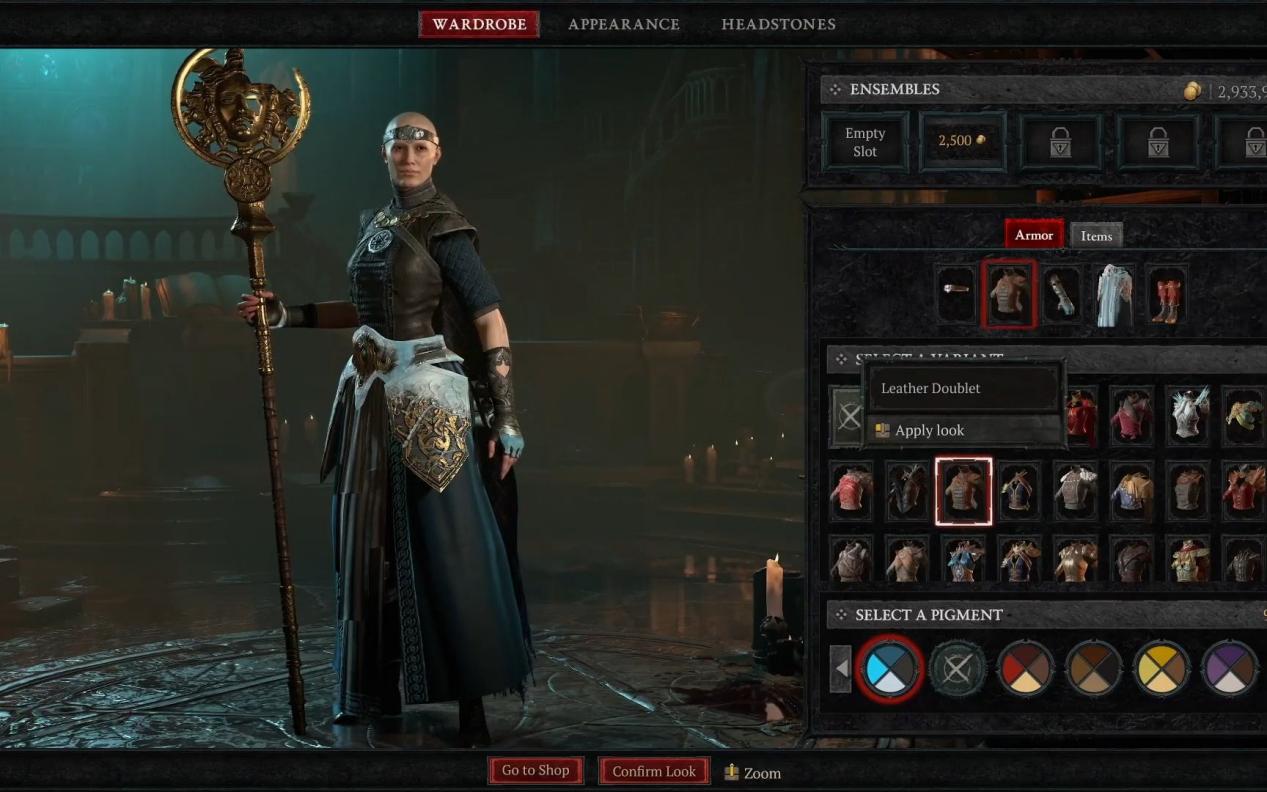
Diablo IV introduces a deeper and more meaningful loot system to increase player involvement and satisfaction. The adjustments aim to enhance item diversity, improve player agency, and ensure a more balanced progression curve.A. Expanded Item Types and Affixes:
Diablo IV introduces new item types such as trinkets, relics, and charms, alongside classic armor pieces like helmets, gloves, and boots. This expanded selection allows for more diversified and strategic building options. Additionally, the game offers a greater variety of affixes, which are traits and bonuses that can appear on items. These new affixes expand the number of possible item combinations and playstyles, encouraging build diversity and customization.
B. Reimagined Rarity and Item Tiers:
In Diablo IV, rarity and item tiers undergo significant adjustments. The progression curve has been reassessed to ensure that players have a more satisfying and visually distinct experience as they progress through the game. Higher-tier items have a more significant impact and are visually appealing, instilling a sense of accomplishment and a desire for more powerful gear.
Changes of Player Agency and Customization in the Itemization System for Diablo IV
Diablo IV places a strong emphasis on player agency and customization, granting players more control over their character's advancement and playstyle.A. Skill and Talent Trees:
In addition to changes in the itemization system, Diablo IV introduces skill and talent trees, allowing players to have greater control over their character's skills and playstyle. These skill trees enable players to choose from a variety of active and passive skills, adding a layer of personalization and depth to their builds.
B. Crafting and Enchanting:
Crafting and enchanting mechanics play a significant role in the itemization changes in Diablo IV. Crafting allows players to construct and enhance items by gathering resources and learning recipes. This feature actively involves players in acquiring desired items, supplementing the usual loot gathering process. Enchanting, on the other hand, enables players to modify and reroll specific affixes on their items, providing them with more control and customization.
Changes of Legendary and Set Items Reimagined in the Itemization System for Diablo IV
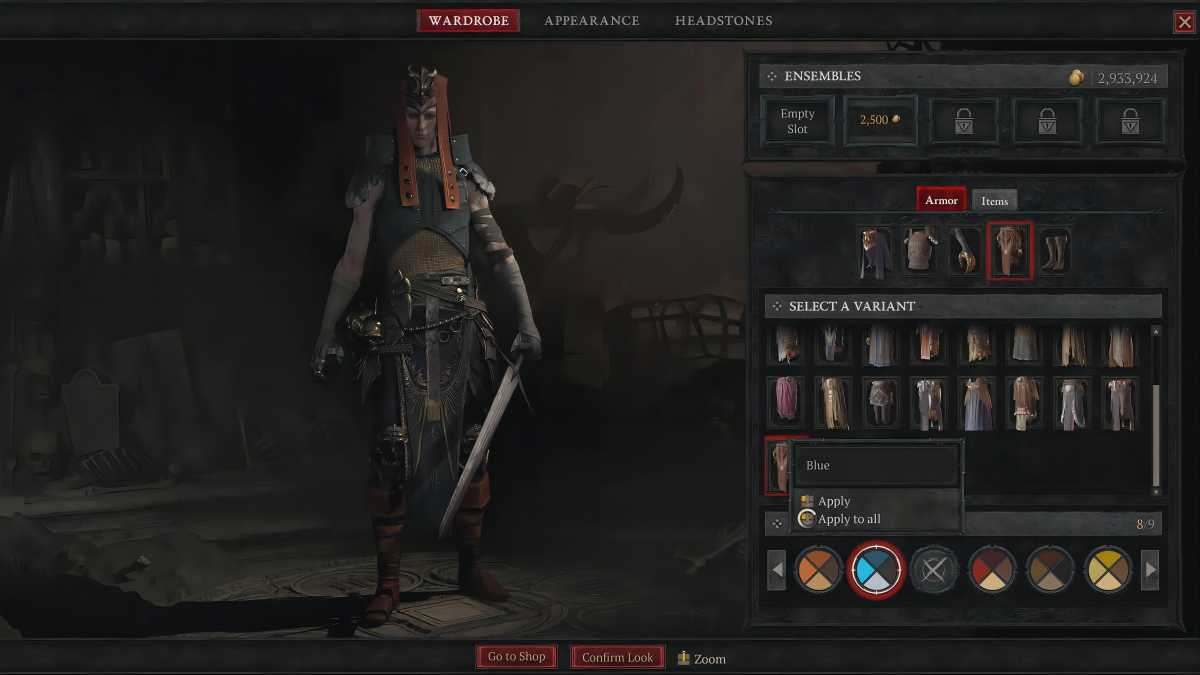
Legendary and set items, iconic features of the Diablo franchise, are reimagined in Diablo IV to provide even more thrilling and game-changing possibilities.A. Legendary Items with Unique Powers:
Each legendary item in Diablo IV possesses a unique power that significantly impacts gameplay. These legendary abilities are transformative, influencing how players approach combat, use skills, or interact with other items. The addition of these game-changing powers heightens the sense of progression and reward, creating memorable moments and strategic opportunities.
B. Set Items and Synergistic Bonuses:
In Diablo IV, set items are also reimagined. When multiple pieces of the same set are equipped, they grant players synergistic bonuses. These bonuses encourage players to specialize in specific playstyles or build archetypes, promoting build diversity and providing exciting opportunities for character advancement.
Changes of Endgame Pursuits and Item Progression in the Itemization System for Diablo IV
Recognizing the value of endgame content and long-term player engagement, Diablo IV's itemization adjustments aim to maintain the pursuit of powerful items and character growth even after completing the main storyline. Endgame activities and rewards offer challenging and rewarding experiences, providing players with continuous incentives to modify their builds, seek out rare items, and conquer daunting challenges.Summary
The upgrades of the itemization system of Diablo IV represent a significant advancement of the franchise's loot system. The developers have created a richer and more meaningful loot experience that prioritizes customization, player agency, and build diversity based on feedback from previous iterations and player input. With the addition of new item types, affixes, and item tiers, players have a multitude of options to customize their characters according to their preferred playstyles. Unique legendary powers and reimagined set items add richness, excitement, and strategic depth to character builds. Diablo IV's itemization changes, with a focus on player engagement, set the stage for an exciting and satisfying loot-hunting journey that will captivate gamers for years to come.
Springs are commonly found in everyday items such as washing machines, remote controls, fitness equipment, and bicycles. However, it's important to understand the characteristics and properties of the commonly used springs.
Characteristics of Compression Springs:
Compression springs are manufactured by winding separate helical turns, allowing each turn to have a gap or pitch. This design enables the spring to contract under force while maintaining tension towards both ends.
To avoid friction and fatigue damage, a gap must be reserved between the effective turns of the compression spring when subjected to maximum load.
The free length of the spring should include the actual length of the spring, the gap, and the amount of deformation.
Smoothing the surface of the compression spring increases the contact surface, aiming for around 60-80% contact.
Compression springs have various end treatments, including not being tight or smoothed, not being tight but smoothed, being tight but not smoothed, and being tight and smoothed.
Compression springs are widely used in electronics, motors, computers, automobiles, bicycles, and various industries. They are easy to design and manufacture.
Characteristics of Extension Springs:
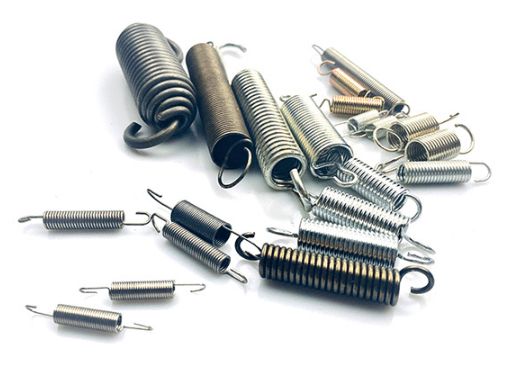
Tension springs are wound into closely spaced helical coils or pitch coils. They stretch outward and maintain the force of shrinking toward the middle when subjected to external force.
Extension springs have different types of hooks, such as English hooks, German hooks, side ear hooks, and fishtail hooks.
Extension springs come in various shapes, including straight cylinders, hooks, and other variants, depending on the design.
Extension springs can be used as the reverse of compression springs and find wide applications. However, operational control is slightly more complex compared to compression springs.
Characteristics of Torsion Springs:
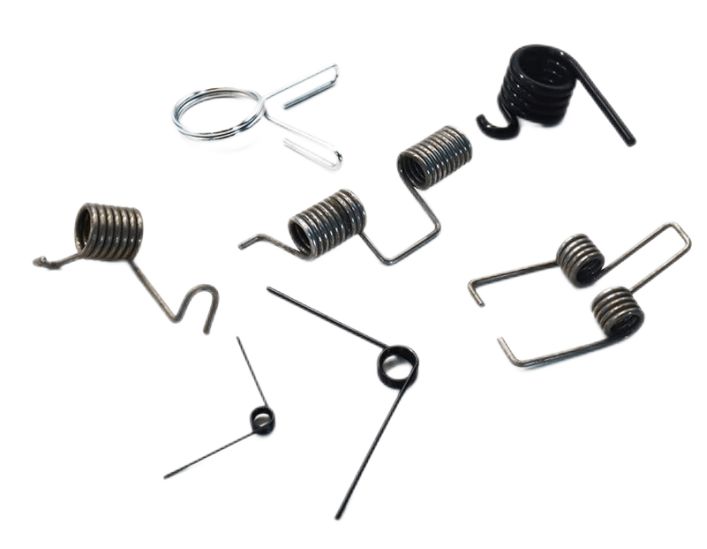
Torsion springs are divided into single torsion springs and double torsion springs. They are often inserted into pins or shafts and generate torsional force along the axis, causing the spring to coil or loosen when external force is applied.
Double torsion springs can be outer or inner double torsion with closed or separated circles. The ends of the spring can have hooked or straight torsion arms.
Torsion springs have complex design principles compared to other spring types, and various types of changes make the design more challenging.
Characteristics of Disc Springs:
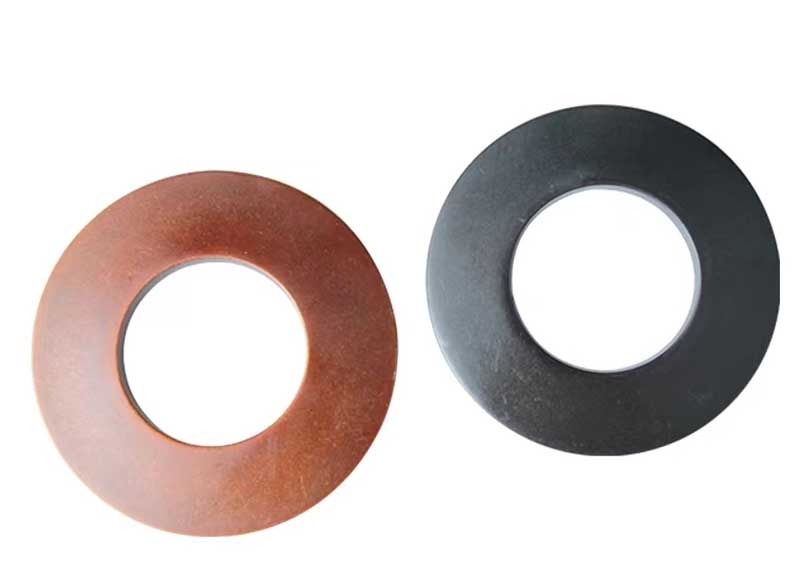
Disc springs, such as DIN2093, are characterized by their small size, high load capacity, convenient combination and use, and efficient load transmission.
Disc springs can be combined in single-piece involution, multi-piece superimposed combinations, or mixed combinations to achieve various curves.
Disc springs are widely used in industries such as defense, metallurgy, engineering, power, construction, and more. They excel in applications like molds, support hangers, clutches, brakes, buffer devices, bearing preload, safety overload devices, and industrial machinery.
Disc springs adhere to standards like DIN2093 and GB/T1972-2005.
Understanding the characteristics of different springs helps in choosing the right type for specific applications and ensures optimal performance in various industries.