
Marine environments are notorious for their inherent hazards, including saltwater exposure, corrosive atmospheres, and the presence of combustible gases and vapors. In such settings, safety takes center stage, whether on offshore oil and gas platforms, commercial vessels, or dockyards. Marine explosion-proof lighting emerges as a critical solution, providing illumination while ensuring utmost safety. This article delves into the significance of marine explosion-proof lighting, its operational principles, recent advancements, and its crucial role in safeguarding human lives and marine assets.
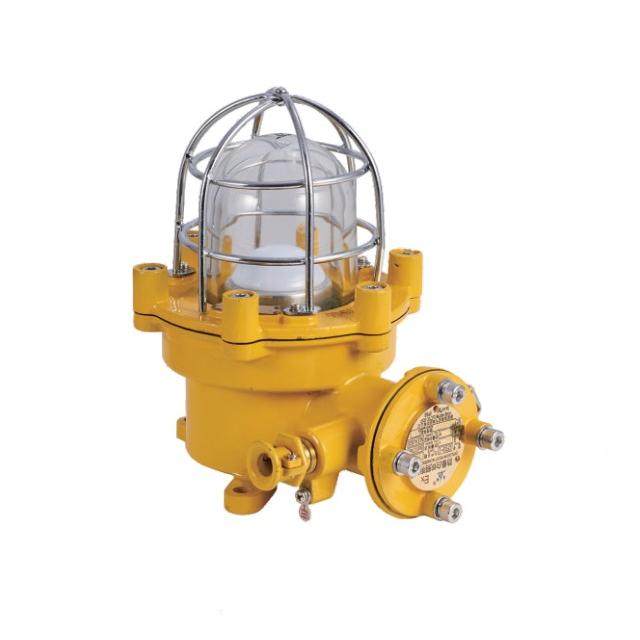
The Importance of Marine Explosion-Proof Lighting
Preventing Ignition
Marine environments often host explosive atmospheres where even the smallest spark can lead to disaster. The primary purpose of explosion-proof lighting is to eliminate potential ignition sources, ensuring that the lighting system itself does not contribute to hazardous conditions.
Compliance and Regulations
Stringent regulations enforced by organizations like the International Maritime Organization (IMO) and local maritime authorities mandate the use of explosion-proof lighting in areas prone to explosive atmospheres. This underscores the critical role these systems play in adhering to safety regulations.
Enhancing Visibility
Beyond safety, appropriate lighting is essential for efficient operations at sea. Explosion-proof lighting not only ensures safety but also boosts productivity during critical operations performed in challenging conditions.
Operating Principles of Marine Explosion-Proof Lighting
The principles of containment, pressure release, cooling, and robust construction govern marine explosion-proof lighting, making them a safety asset in perilous maritime environments.
Encapsulation and Containment
Marine explosion-proof lighting relies on encapsulation, employing sturdy enclosures and tight seals to keep hazardous gases, vapors, and dust away from internal components. This isolation prevents potential ignition sources within the fixture from coming into contact with the explosive atmosphere outside.
Pressure Release and Durability
In case of an internal explosion, pressure release systems ensure controlled venting, preventing the fixture from rupturing and triggering secondary explosions. Built ruggedly, these fixtures withstand the physical stresses of the marine environment, including shocks, vibrations, and motion.
Cooling Mechanisms
Effective heat dissipation is integral to explosion-proof lighting. Excessive heat can be dangerous in explosive atmospheres, potentially leading to ignition. Cooling mechanisms in these fixtures maintain safe surface temperatures, reducing the risk of heat-induced ignition.
Corrosion-Resistant Materials
Materials employed in marine explosion-proof lighting are resistant to corrosion from saltwater exposure and harsh marine conditions. These fixtures utilize corrosion-resistant coatings, seals, and enclosures to ensure longevity and efficacy in corrosive environments.
Electrical Isolation and Sealing
To prevent sparks or electrical faults from igniting explosive atmospheres, electrical components within explosion-proof lighting fixtures are isolated and sealed. All wiring connections are securely sealed to prevent the escape of sparks or gases, maintaining insulation and containment.
Common Types of Marine Explosion-Proof Lighting
Explosion-Proof Floodlights
Versatile fixtures that provide comprehensive illumination in hazardous environments, such as ships, offshore platforms, docks, and ports. They ensure visibility without igniting flammable materials, contributing to safety and productivity.

Explosion-Proof Emergency Lighting
Critical for power outages or emergencies, these lights include exit signs, escape route illumination, and backup power sources. They facilitate swift evacuations and responses, ensuring safety during unforeseen events.
Explosion-Proof LED Fixtures
LED technology's efficiency and longevity have revolutionized marine lighting. Explosion-proof LED lighting offers consistent illumination without heat buildup or sparks, enhancing safety in potentially hazardous areas.
Explosion-Proof Navigation Lights
Essential for maritime safety, these lights enable vessels to communicate their positions. Designed to withstand the sea environment while adhering to international standards, they ensure safe navigation.
Explosion-Proof Searchlights
Vital for nighttime navigation and rescue operations, these lights emit intense beams while preventing sparks and heat from escaping. They enhance visibility during crucial activities.
Explosion-Proof Pendant Lights
Suspended fixtures suitable for both indoor and outdoor use, essential in hazardous marine environments. They provide focused illumination while maintaining safety, ensuring proper lighting in potentially explosive settings.

Explosion-Proof Tank Lights
Specialized lighting for confined spaces and tanks on ships or offshore installations. These lights offer focused illumination without ignition risks, ensuring safe working conditions in tight spaces.
Advancements in Marine Explosion-Proof Lighting
Evolution of LED Technology
LED technology's impact on marine lighting is significant, offering energy efficiency, reduced heat generation, and extended lifespans. LED-based explosion-proof lighting fixtures lower energy consumption, heat emission, and maintenance needs.

Robust Construction and Materials
Material science advancements result in construction materials resistant to corrosion, impact, and degradation. Explosion-proof lighting now utilizes specialized coatings, durable enclosures, and seals that ensure longevity and effectiveness in harsh marine conditions.
Smart Lighting Solutions
Incorporating smart technology into explosion-proof lighting brings benefits like remote control, dimming, and monitoring. Real-time data insights enhance energy management, maintenance, and operational efficiency.
Wireless Communication and IoT Integration
Wireless communication and IoT integration enable seamless data transmission and communication between lighting fixtures and central control systems. Real-time monitoring facilitates proactive maintenance and optimization of lighting conditions.
Conclusion
Marine explosion-proof lighting plays an indispensable role in hazardous environments, shielding against potential catastrophes and securing both human lives and marine assets. LED technology, robust construction, and smart features contribute to these systems' effectiveness. With ongoing technological advancements, explosion-proof lighting will continue to evolve, maintaining its pivotal role in balancing safety, productivity, and operational continuity.
The world of industrial processes, from printing and packaging to textiles and nonwovens, hinges on precision and consistency. Advanced tension control algorithms are at the forefront of this transformation, enabling industries to achieve optimal tension levels. The result? Enhanced quality, reduced waste, and heightened operational efficiency. This article dives into the world of advanced tension control algorithms, exploring their definitions, applications, benefits, and the transformative impact they wield across various sectors.

Defining Advanced Tension Control Algorithms
Advanced tension control algorithms represent cutting-edge computational techniques that regulate tension levels in web processing operations. Employing real-time data, complex mathematical models, and feedback loops, these algorithms dynamically adjust tension, ensuring that material speed and tension remain in harmony across a diverse range of web processing scenarios.
Key Principles of Advanced Tension Control Algorithms
Sensor Data Integration
Strategically placed sensors throughout the web production line provide real-time inputs, including tension, speed, diameter, and temperature. These data points serve as the foundation for algorithmic analysis.
Mathematical Models
Advanced tension control algorithms harness intricate mathematical models based on sensor data. These models predict tension fluctuations, taking into account material properties, processing variables, and historical data for accurate forecasts.
Feedback Loops
A central tenet of these algorithms is continuous feedback loops. By comparing anticipated tension levels with actual measurements, the algorithms make real-time adjustments to the tensioning systems, ensuring that the desired tension is maintained.
Adaptive Control
In contrast to traditional methods, advanced algorithms adapt in real time to changing conditions. Swiftly responding to disturbances like speed fluctuations, material attributes, and abrupt starts and stops, they ensure consistent tension levels.
Applications in Various Industries
Flexible Packaging
Advanced tension control algorithms ensure precise tension levels in flexible packaging processes, enhancing quality and reducing material wastage during printing, laminating, and slitting operations.
Printing and Coating
In high-speed printing and coating, these algorithms deliver impeccable image registration and coating application by compensating for speed, temperature, and substrate changes.
Textiles and Nonwovens
Indispensable in textile weaving, knitting, and nonwoven production, advanced tension management yields uniform fabric creation, diminished distortions, and optimized material utilization.
Converting Machinery
Converting machines such as rewinders, sheeters, and slitters benefit from these algorithms' stable tension control, which adapts to roll diameter, speed, and material attributes, minimizing faults and downtime.
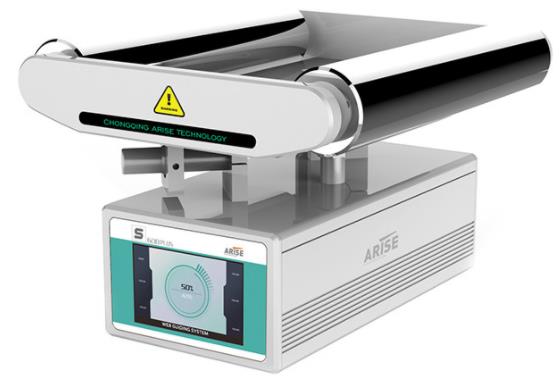
Automated Web Guiding Systems
Teaming up with web guide systems, advanced tension control algorithms achieve both alignment and tension management simultaneously, offering a comprehensive approach to web processing.
Advantages of Advanced Tension Control Algorithms
Precision
Exceptional precision is maintained even in complex processing scenarios, ensuring consistent tension levels.
Quality Enhancement
Flaws and irregularities are minimized by eliminating tension variations, resulting in higher-quality end products.
Material Efficiency
Optimized tension control system reduces material wastage, contributing to sustainability efforts and cost savings.
Operational Efficiency
Automation and predictive capabilities reduce manual intervention, enhancing overall process efficiency and minimizing downtime.
Flexibility
The flexibility of advanced algorithms suits a wide range of processing conditions and materials, making them versatile for various industries and applications.
Reduced Maintenance
Stable tension levels reduce wear and tear on machinery and components, extending equipment lifespan.

The Future of Advanced Tension Control Algorithms
As technology progresses, enhanced tension control algorithms will reach new heights:
Integration with Industry 4.0
Integration with artificial intelligence (AI) and machine learning will empower algorithms to learn from historical data, respond to intricate processing scenarios, and accurately predict tension fluctuations.
Predictive Maintenance
Advanced algorithms will introduce predictive maintenance strategies, identifying potential issues before they lead to equipment breakdowns by continuously analyzing sensor data.
Real-time Optimization
These algorithms will dynamically optimize tension by processing large data volumes in real time, responding to changing conditions and ensuring consistent quality.
Human-Machine Collaboration
The future lies in human-algorithm collaboration. Operators will work alongside algorithms to fine-tune settings, interpret data insights, and make informed decisions, resulting in higher product quality and operational efficiency.
Conclusion
Advanced tension control algorithms are the driving force behind transformative changes in various industries, redefining product manufacturing and enhancing quality, efficiency, and sustainability. Their role in establishing precision and consistency in web processing applications is set to shape the future of multiple sectors as technology continues to advance.
In the realm of fasteners, the self-locking nut stands as a formidable solution against vibrations and loosening. Its role becomes paramount in specialized contexts. Operating primarily through friction, self-locking nuts encompass a range of functionalities, including nylon ring embedded nuts, necked nuts, and metal locking devices. This article delves into the world of self-locking nuts, spotlighting 5 distinct types, their working principles, and application landscapes.
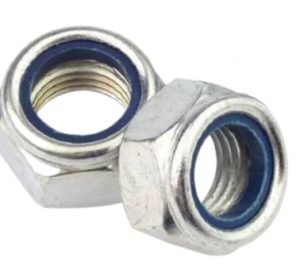
Understanding Self-Locking Nuts
The self-locking nut represents a novel class of fasteners characterized by exceptional anti-vibration and anti-loosening properties. Engineered for mechanical and electrical applications spanning temperatures of -50°C to 100°C, the demand for nylon self-locking nuts has surged across various domains, including aerospace, automotive, mining, and machinery. This is due to their superior performance compared to other anti-loosening methods, offering prolonged vibrational endurance.
Working Principle of Self-Locking Nuts
Friction serves as the cornerstone of self-locking nuts. Typically, these nuts feature embossed teeth that engage with pre-set holes in the sheet metal. For square preset holes, the hole diameter is marginally smaller than that of the rivet nut. A locking mechanism connects the nut, ensuring that tightening locks the ruler body in place. Conversely, loosening disengages the locking mechanism, allowing the ruler frame to move along the ruler body.
Standards for Self-Locking Nuts
In accordance with GJB125.1~125.6-86 specifications, the double-eared traveling self-locking nut comprises four components: sealing cover, self-locking nut, pressure ring, and sealing ring. This compact and reliably sealed configuration is ideal for products with operating pressures up to 22 atm, handling mediums like gasoline, kerosene, water, or air, within a temperature range of -50°C to 100°C. Despite its manufacturing complexities and stringent airtight testing, this standard serves diverse applications.
Types of Self-Locking Nuts
High Strength Self-Locking Nut
Designed for robustness and reliability, high-strength self-locking nuts cater to demanding applications in road construction, mining, and vibration-heavy machinery. With European technology influences, these products are relatively scarce in China's market.
Nylon Self-Locking Nut
Nylon self-locking nuts emerge as champions of anti-vibration and anti-loosening performance across a broad spectrum of mechanical and electrical applications. With a temperature range of -50°C to 100°C, they have witnessed soaring demand in aerospace, automotive, machinery, and more. These Nylon nuts not only outperform other anti-loosening devices but also exhibit unmatched vibrational longevity.
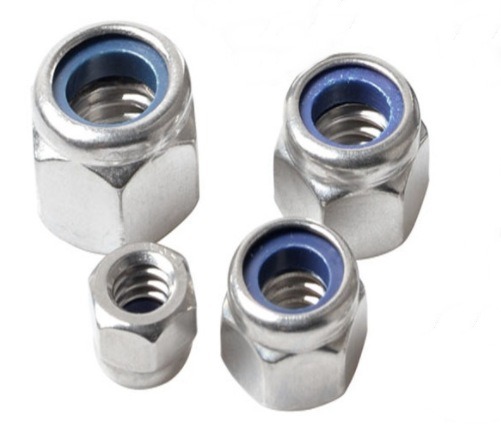
Traveling Self-Locking Nut
Configured with double ears as per GJB125.1~125.6-86, the traveling self-locking nut boasts a compact, reliable, and sealed structure. It finds utility in environments with working pressures up to 2 atm, accommodating mediums like gasoline, kerosene, water, or air. Its operational temperature spans -50°C to 100°C, though its manufacturing intricacies and rigorous airtight testing pose challenges.
Spring Self-Locking Nut
Comprising an S-shaped spring clip and a self-locking nut, the spring self-locking nut offers convenient installation and reliable post-installation performance. The elastic force of the spring clip secures the nut to the connecting plate or support, making it a versatile assembly carrier and tool.
SPIRALOCK Nut
Distinguished by its 30-degree wedge bevel at the female thread base, the SPIRALOCK nut generates substantial locking force when bolt and nut are tightened. This force results from the interaction between the bolt's tooth tip and the wedge bevel. The unique tooth shape angle enhances friction and load distribution, offering prolonged service life and mitigating loosening under vibrational conditions.
Conclusion
The realm of self-locking nuts is both intricate and diverse, comprising an array of types catering to specific needs. Operating on the foundation of friction, these nuts have solidified their place in anti-vibration and anti-loosening strategies across industries. As their applications evolve and expand, self-locking nuts continue to play an indispensable role in ensuring secure and reliable fastening solutions.
Unleashing the full potential of oil recovery from reservoirs remains an unceasing pursuit within the oil and gas industry. As traditional extraction methods hit their limits, engineers and researchers are embracing innovative technology to optimize the recovery process. The Oil Recovery Simulator, a cutting-edge software solution, is reshaping oil recovery strategies through sophisticated modeling techniques. This article delves into the depths of the Oil Recovery Simulator, examining its core features, advantages, real-world success stories, and transformative impact on the petroleum industry.
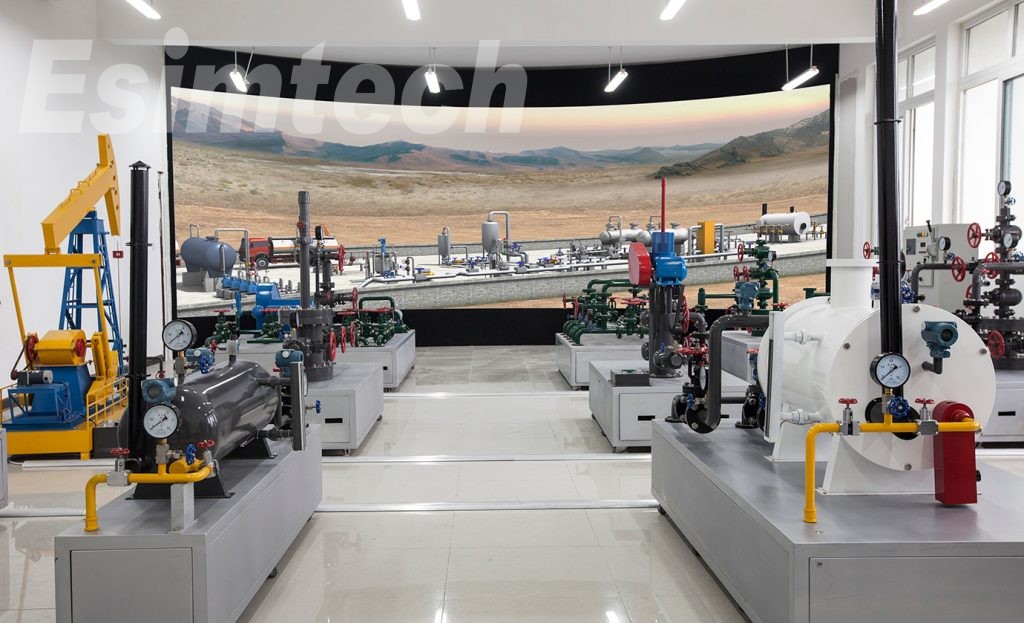
Unveiling the Oil Recovery Simulator
The Oil Recovery Simulator stands as a comprehensive software program designed to model and simulate oil recovery operations. Leveraging state-of-the-art reservoir simulation methodologies, it accurately replicates the behavior of oil reservoirs under diverse conditions. This simulator amalgamates geological, petrophysical, and production data to construct a virtual representation of the reservoir. This virtual landscape empowers engineers to evaluate and enhance oil recovery strategies.
Core Features and Functionalities
Reservoir Modeling
Employing advanced algorithms, the simulator crafts intricate reservoir models that encapsulate the geological complexities beneath the surface. By incorporating well logs, core samples, and seismic measurements, it paints a comprehensive picture of the reservoir's characteristics.
Fluid Flow Simulation
Through mathematical models, the simulator predicts fluid behavior within the reservoir. It accounts for factors like porosity, permeability, and fluid properties, allowing insights into the interactions of oil, water, and gas during production and injection processes.
Enhanced Oil Recovery (EOR) Techniques
The simulator replicates diverse EOR approaches such as water flooding, gas injection, and chemical flooding. Engineers can assess the effectiveness of these techniques and fine-tune the selection and implementation of EOR methods by analyzing their impact on reservoir dynamics.
Operational Optimization
Engineers harness the simulator to optimize operational decisions encompassing well placement, production rates, and injection strategies. By exploring various scenarios and their potential outcomes, the most efficient and cost-effective approaches for maximizing oil recovery are revealed.
Economic Analysis
Integrated economic analysis tools evaluate the financial viability of oil recovery projects. Considering factors like production costs, oil prices, and project economics, these tools aid in decision-making and investment planning.
Advantages of the Oil Recovery Simulator
Informed Decision-Making
By providing a realistic simulation of reservoir behavior, the simulator empowers engineers to make informed decisions about production and injection techniques. Diverse scenarios can be evaluated to identify the most effective strategies for maximizing oil recovery.
Resource Allocation Optimization
The simulator assists in optimizing resource allocation, including wells, facilities, and equipment. By modeling alternative operating scenarios, engineers can pinpoint the most efficient resource utilization, reducing expenses and enhancing operational efficiency.
Enhanced Reservoir Understanding
Reservoir dynamics gain clarity through extensive modeling and fluid flow simulation. The simulator unveils insights into fluid displacement, sweep efficiency, and reservoir performance, enabling engineers to identify potential issues and devise appropriate recovery solutions.
Risk Mitigation
Operational risks in oil recovery projects are identified and mitigated using the simulator's modeling capabilities. By modeling potential risks, safety measures, emergency response plans, and environmental implications can be examined, ensuring robust risk management.
Cost Reduction
Optimization of operating strategies leads to reduced manufacturing costs. Engineers can discover cost-effective solutions, amplify production efficiency, and enhance the economic viability of oil recovery operations.
Training and Education
The simulator serves as a powerful training tool for the oil and gas industry. Engineers and students gain hands-on experience in a realistic environment, fostering skill development and knowledge acquisition.
Real-World Case Studies
Real-world examples underscore the efficacy of the Oil Recovery Simulator. In one instance, engineers used the simulator to optimize water and chemical flooding procedures in a mature oil field, resulting in significant improvements in oil recovery rates. In another case, a global oil corporation optimized horizontal well placement, leading to enhanced sweep efficiency and increased oil recovery.
Future Developments
The evolution of the Oil Recovery Simulator continues with the integration of emerging technologies:
Integration with Artificial Intelligence (AI)
AI-driven optimizations and real-time monitoring can enhance decision-making and automate certain operations within the simulator.
Data Analytics and Machine Learning
Big data analytics and machine learning techniques will enable the simulator to process vast reservoir data and optimize recovery strategies.
Integration with Real-Time Data
By integrating real-time data streams, engineers can make swift decisions based on up-to-the-minute information.
Sustainability and Environmental Considerations
Simulating the environmental impact of recovery techniques can guide the development of sustainable practices.
Conclusion
The Oil Recovery Simulator emerges as a catalyst for maximizing oil recovery operations. Its ability to model reservoir behavior and simulate diverse scenarios empowers engineers to make informed decisions, optimize resource allocation, mitigate risks, reduce costs, and enhance operational efficiency. As technology progresses, the Oil Recovery Simulator will play an increasingly pivotal role in maximizing oil recovery while ensuring the responsible and sustainable utilization of this invaluable energy resource.
Laboratory freeze dryers operate on the principle of vacuum drying, designed to remove water from materials while preserving their integrity. By freezing water-containing substances and then sublimating the frozen water directly into a gaseous state, these devices offer efficient water removal and material preservation. This article delves into the composition, usage, and benefits of laboratory freeze dryers, essential tools across various scientific and technical domains.
Composition of Laboratory Freeze Dryers
Laboratory freeze dryers consist of a compact arrangement of components that facilitate effective freeze drying of small sample quantities. Comprising a shell, refrigeration unit, vacuum pump, cold trap, and an electric control system, these devices are integral to laboratory research. Key components include:
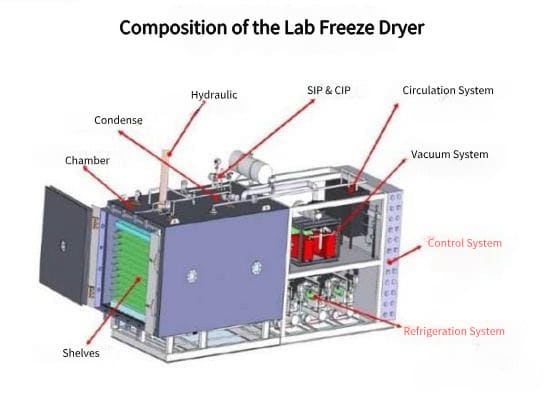
Refrigeration System: Housed within the casing, the refrigeration unit encompasses a compressor, heat exchanger, expansion valve, and evaporator. This unit aids in cooling and freezing the materials.
Vacuum System: Connected via a vacuum pipeline to the cold trap, the vacuum pump ensures the creation of a controlled low-pressure environment for sublimation.
Cold Trap: Positioned atop the casing, the cold trap collects the sublimated water vapor, preventing it from contaminating the vacuum pump and aiding in maintaining a vacuum.
Material Placement: A designated area above the cold trap and shell accommodates the placement of materials, allowing for efficient sublimation.
Electric Control System: Responsible for regulating various processes, the control system ensures stable performance and user-friendly operation.
Using a Laboratory Freeze Dryer – Step by Step
Operating a laboratory freeze dryer requires precision and attention to detail. Follow these steps to ensure successful freeze drying:
Retrieve the Pre-freezing Rack: Remove the pre-freezing rack from the cold trap.
Load Materials: Place the pre-frozen materials onto the drying rack.
Position Drying Rack: Position the drying rack on the cold trap.
Secure Plexiglass Cover: Confirm the integrity of the sealing ring and absence of debris, then place the plexiglass cover securely.
Seal the Drain Valve: Rotate the drain valve clockwise to seal it.
Initiate Vacuum Process: Start the vacuum pump and monitor the decreasing vacuum gauge reading. A value below 20 pa during drying is normal.
Hang Flasks: Hang the flasks on the manifold valve. Open the valve to initiate drying, and subsequently close it once contents are dried.
Conclude Drying: Open the water intake valve and turn off the vacuum pump. If capping is needed, follow the correct procedure to ensure air-tight sealing.
Shutdown Procedure: Turn off the power supply, close the water inlet and valve, defrost the equipment, and clean it.
Maintain Equipment: When the vacuum pump is inactive, cover the exhaust hole to prevent dust ingress.
Applications and Benefits
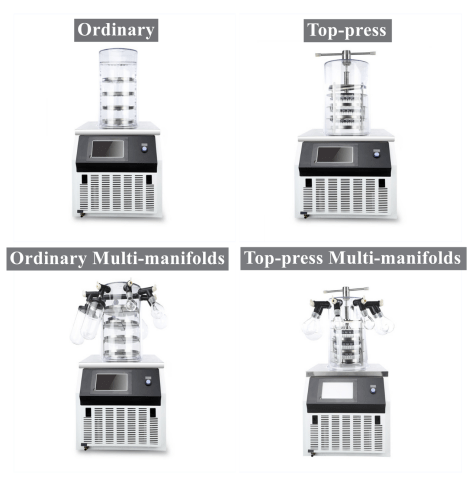
Laboratory freeze dryers find applications in diverse fields such as biopharmaceuticals, chemistry, and food science. Their advantages include:
Faster Drying: Significantly shorter drying times compared to traditional vacuum drying and ovens.
Energy Efficiency: Consumes 2-3 times less energy than conventional methods.
Wide Temperature Range: Can effectively dry materials within the range of 0°C to 120°C, with fast drying possible at low temperatures.
Oxygen-free Vacuum: Ensures high-quality drying comparable to freeze-dried materials.
Solvent Recycling: Suitable for materials containing organic solvents, aiding cost reduction and environmental friendliness.
To learn more, consult laboratory freeze dryer manufacturers for comprehensive information and tailored advice on selecting the right device. These tools play a crucial role in advancing scientific research and technological innovation across various domains.