
In recent years, Virtual Reality (VR) technology has garnered widespread attention across various industries, ushering in immersive and interactive experiences that were once only imagined. Among its transformative impacts, one area that stands out is emergency response training. The emergence of VR-based emergency training simulators is reshaping how responders prepare for critical situations, offering a risk-free yet true-to-life environment to enhance their skills and decision-making capabilities. This article delves into the groundbreaking potential of VR in emergency training and explores its manifold advantages for first responders and medical professionals.
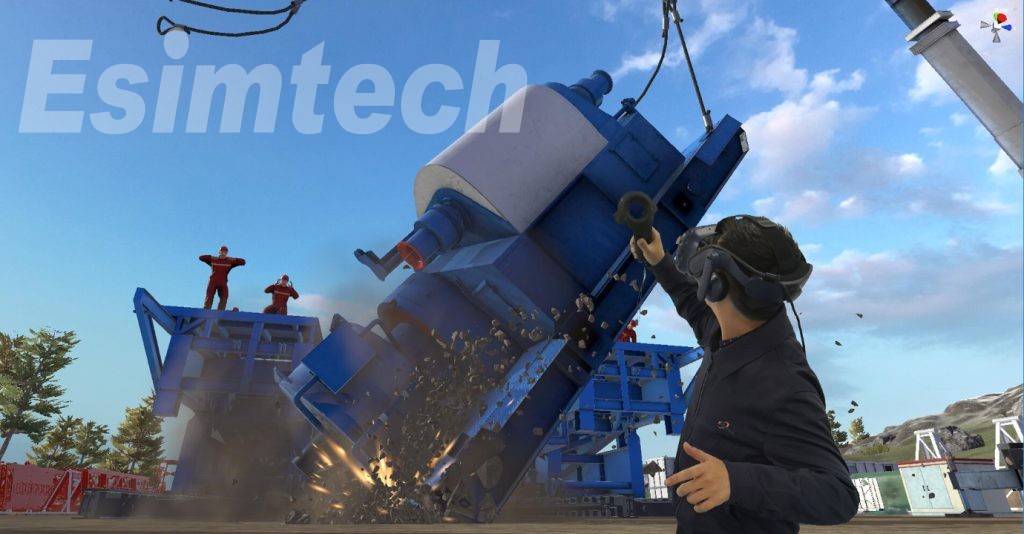
Advantages of Embracing VR Emergency Training Simulators
A Gateway to Realistic Scenarios:
Conventional emergency response training encompasses theoretical learning, tabletop exercises, and practical drills. While valuable, these methods often lack the authentic realism required to fully equip individuals for high-pressure real-world scenarios. This is where VR emergency training simulators shine.
These simulators create lifelike environments that authentically replicate the challenges faced by first responders, depicting a range of emergency scenarios from natural disasters to complex medical crises.
Trainees navigate through virtual landscapes, interact with simulated patients, and practice essential skills without risking lives or property. This immersive approach hones their ability to make swift, informed decisions and adapt to rapidly evolving situations.
Enhanced Learning through Immersion and Interaction:
The immersive nature of VR technology offers a distinctive edge in emergency training. Trainees are fully immersed in virtual worlds where they can interact with genuine emergency scenarios, replicating the sensory experience of being on the frontlines. Specialist VR headsets, haptic feedback systems, and motion-tracking controllers heighten the realism, thereby enhancing the learning curve.
Interactivity sets VR emergency training simulators apart from traditional methods. Trainees practice critical skills like triage, CPR, and wound management within a controlled environment. Instant feedback, guidance, and performance metrics aid continuous improvement.
Risk-Free Training with Infinite Scenarios:
Mitigating risks associated with real-world training is a cornerstone advantage of VR emergency training simulators. In traditional training, errors can have serious consequences, but in the virtual realm, trainees can learn from mistakes without endangering lives or property. They can simulate scenarios, experiment with various approaches, and acquire knowledge without fear of negative outcomes.
Additionally, the versatility of the VR simulator offers a wide array of scenarios tailored to specific training needs. From responding to multi-car accidents to managing chemical leaks, the simulator adapts to simulate nearly any emergency situation. This adaptability empowers students to gain expertise across diverse conditions that traditional training settings would struggle to replicate.
Cost-Efficiency and Accessibility:
Beyond its training benefits, the VR emergency training simulator brings cost-effectiveness and accessibility to the table. Virtual training circumvents logistical and budgetary challenges linked to organizing large-scale practical exercises or deploying personnel for on-site training. Remote training becomes feasible, allowing responders in remote or resource-constrained locations to access high-quality training experiences.
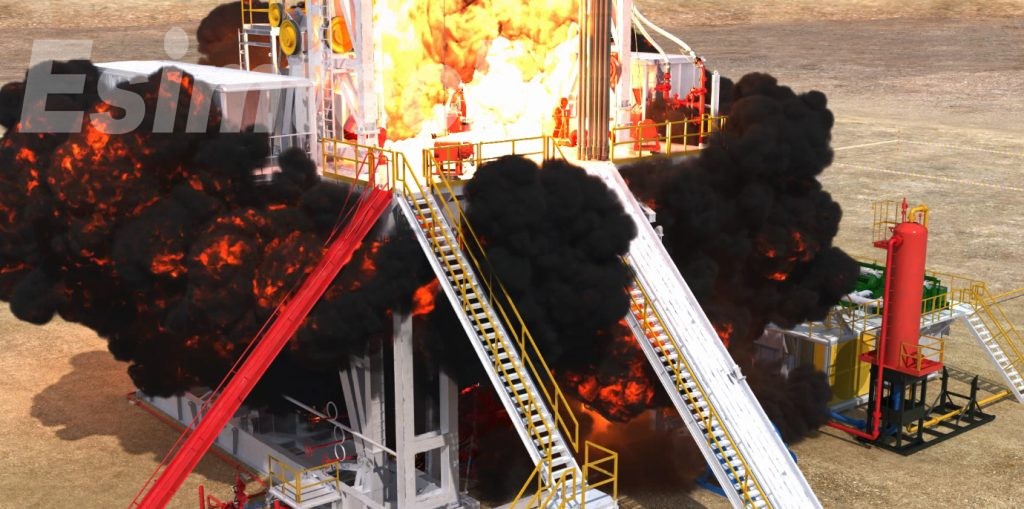
Future Prospects and the Potential of VR Emergency Training Simulators
Integration of Artificial Intelligence (AI):
AI algorithms enhancing virtual environments' realism and intelligence.
Dynamic and adaptive training experiences responding to trainee actions.
Real-time AI-generated feedback and guidance for trainees.
Advanced Simulation Capabilities:
Enhanced realism with improved graphics, physics, and environmental effects.
Modeling intricate physiological reactions and medical conditions.
Integration of mixed-sensory feedback for heightened immersion.
Collaborative Training and Communication:
Virtual teamwork and coordination exercises for trainees in remote locations.
Integration of speech recognition and natural language processing for seamless communication.
Simulation of interagency cooperation during large-scale disasters.
Data Analytics and Performance Metrics:
Comprehensive data collection and analysis of trainee performance.
Identification of areas for enhancement and tailored training strategies.
Benchmarking and comparison of trainee performance against industry standards.
Virtual Reality for Mental Health Support:
Integration of stress management and resilience training modules.
VR therapy for treating and preventing post-traumatic stress disorder (PTSD).
Psychological well-being support for responders through immersive experiences.
Mobile and Wireless VR Training Solutions:
Development of portable, wireless VR training systems.
Accessible training in remote locations or during on-site situations.
Integration with mobile devices and lightweight VR headsets for improved mobility.
Expansion to Additional Emergency Response Fields:
Application of VR training to law enforcement, firefighting, and disaster management.
Customization of scenarios for diverse emergency response professions.
Cross-training opportunities to bolster teamwork among different response teams.
Industry Collaboration and Standardization:
Collaboration between VR technology innovators and emergency response organizations.
Formulation of industry standards and best practices for virtual reality emergency training.
Resource and information sharing to foster field advancements.
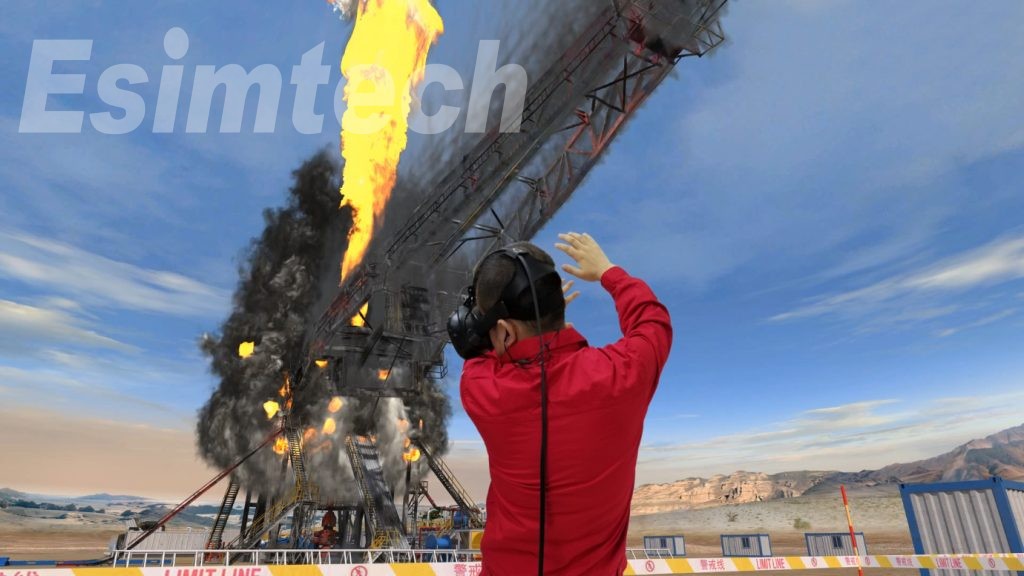
Continuous Technological Advancements:
Progress in VR hardware, software, and simulation technologies.
Utilization of emerging technologies like augmented reality (AR) and mixed reality (MR) in training simulations.
Integration with Internet of Things (IoT) devices for heightened realism and data collection.
Summary
The VR simulator emerges as a potent tool for simulating emergency response training, equipping first responders and medical personnel with the necessary skills and decision-making capabilities in a safe yet authentic and immersive environment.
Incubators are essential tools in scientific research, educational institutions, and various production sectors. This article focuses on elucidating the distinctions among biochemical incubators, constant temperature incubators, and electric heating constant temperature incubators, outlining their unique features and applications.
Distinguishing Features of Biochemical Incubators and Constant Temperature Incubators:
Biochemical Incubators:
Biochemical incubators serve a wide spectrum of purposes, finding utility in scientific exploration, academic institutions, and production facilities spanning environmental protection, sanitation, drug inspection, agriculture, and aquatic sciences. Designed for water body analysis, BOD measurement, bacterial and microorganism cultivation, preservation, plant nurturing, and breeding tests, these incubators are specialized constant temperature equipment.

Equipped with a precise digital microcomputer temperature controller, biochemical incubators ensure accurate and dependable temperature regulation.
The use of stainless steel chambers facilitates easy cleaning, and the shelf spacing within the chamber is adjustable.
Incorporation of a glass observation window enhances convenient and clear observations.
Safety measures include spare temperature controls to ensure experiment integrity and prevent accidents.
Constant Temperature Incubators:
Ideal for bacterial culture, fermentation, and temperature-sensitive experiments in fields such as medical research, pharmaceuticals, biochemistry, and agriculture, constant temperature incubators are adaptable and reliable tools.
The incubator's exterior is crafted from high-quality cold-rolled steel, featuring an electrostatically sprayed surface.
The interior studio is either stainless steel or treated cold-rolled steel, fortified against rust and corrosion.
Temperature control options include a temperature controller or microcomputer intelligent temperature controller, the latter employing PID control for accuracy, large digital displays, intuitive touch operation buttons, and over-temperature alarms.
The middle door is outfitted with a double-layer tempered glass observation window for real-time culture monitoring.
Secure magnetic tape sealing ensures effective insulation.
Temperature Control Precision:
Biochemical Incubators:
Designed for biochemical reactions, these incubators incorporate a glass door that allows observation without compromising the reaction conditions. They are suitable for incubating reactions and cultivating bacterial molds.
Constant Temperature and Humidity Incubators:
With a focus on bacterial culture and control, these incubators offer controllable and stable temperature and humidity levels. However, their sealed design restricts external observation.

Comparing Biochemical Incubators and Electric Heating Constant Temperature Incubators:
Temperature Ranges:
Biochemical incubators encompass a cooling functionality with a temperature range of 4 to 60 degrees Celsius. In contrast, electric heating constant temperature incubators lack cooling features, operating within room temperature +5 to 65 degrees Celsius. A compressor integrated into the biochemical incubator enables cooling.
Controllers:
Electric heating constant temperature incubators employ microcomputer intelligent temperature controllers, featuring dual digital displays and PID auto-tuning for precise temperature control. Biochemical incubators employ microcomputer single-chip technology, boasting high-precision temperature control, adjustable time controls, and touch mode keyboard settings.
Appearance:
Biochemical incubators are distinguishable by their glass observation window, absent in electric heating models. Biochemical incubators often come equipped with casters for mobility and interior lighting.
Price:
Biochemical incubators tend to be more expensive than electric heating constant temperature incubators of equivalent size, reflective of their enhanced performance and quality.
In conclusion, understanding the distinctions among biochemical incubators, constant temperature incubators, and electric heating constant temperature incubators is crucial for selecting the most suitable incubator for specific applications. Each type has its unique features, benefits, and cost considerations that cater to diverse research and production needs.
The quality of bolts used in vehicle assembly significantly impacts the safety and reliability of the entire process. Selecting the right bolts is a crucial decision that involves considering various principles to ensure optimal performance. This article outlines key principles for bolt selection, the significance of surface treatment, and methods to prevent loosening of bolt threaded connections.

Principles for Bolt Selection
Priority Principle
Bolt selection is categorized into four priority levels. Whenever possible, opt for standard parts currently in production and use as long as they meet design requirements.
Generalization Principle
Minimize the introduction of new type bolts during early design stages. Particularly in the chassis section, reduce bolt variety and specifications to enhance assembly efficiency, minimize operator error, and streamline processes.
Principle of Reliability
Prioritize bolts that exhibit stability and dependability under normal working conditions, especially in critical areas like braking, suspension, and steering systems.
a. Loosening: Selected bolts should not loosen during reverse torque or fail in torque decay tests.
b. Hydrogen Embrittlement: Prevent hydrogen embrittlement-induced cracks that result from stress concentration.
c. Fatigue: Bolts must resist fatigue-induced failure.
d. Excessive Torque: Avoid selecting bolts prone to overtightening.
Application and Conservation Principles
Optimize standard part performance by selecting appropriate sizes and specifications that fulfill design functions and uphold product quality.
Selection of Bolt Head Structure
For bolts M10 and above:
Hexagonal flange surface with flat washer
Hexagonal flange surface
Hexagonal head with flat washer
Avoid using spring washers.
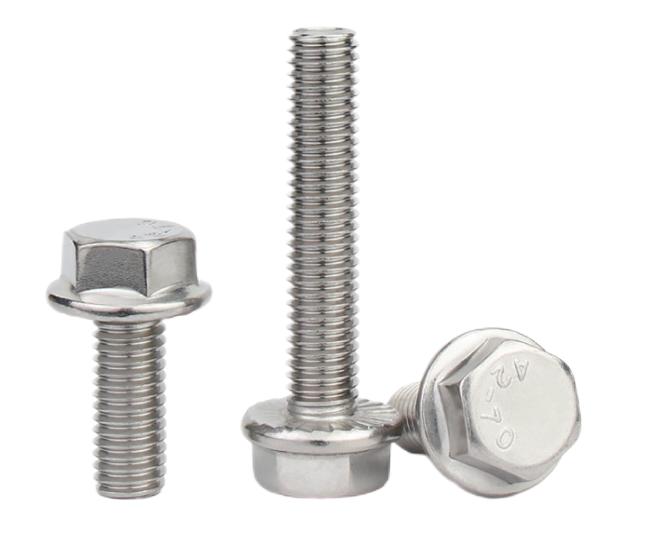
For bolts M6-M8:
Hexagonal head with flat washer and spring washer
Hexagonal flange surface
Hexagonal head with flat washer
Surface Treatment Selection for Bolts
Oil Coating for Rust Prevention
Ideal for welding bolts, nuts, and screws, oiling prevents rusting.
Electroplating
Suitable for welding studs, screws, bolts with a performance grade ≤8.8, grade 8 nuts, cap nuts, and wheel nuts.
Dacromet Coating
Use for bolts ≥8.8 performance grade and grade 8 nuts. Zinc-aluminum-chromium coating for non-passenger vehicles, and zinc-aluminum coating for environmental protection and passenger vehicles.
Anti-Loosening Methods for Threaded Connections
Riveting and Anti-Loosening
Incorporate methods like riveting or welding.
Friction Anti-Loosening
Options include double nuts, spring washers, lock nuts, and toothed lock washers.

Mechanical Anti-Loosening
Utilize methods like cotter pins, slotted nuts, lock washers, and tandem wire.
Thread Adhesive Anti-Loosening
Apply epoxy resin or anaerobic adhesive to the thread surface to increase loosening torque.
Anti-Drop Screw
Typically used for door locks.
Conclusion
Bolt selection is a critical aspect of vehicle assembly. This article serves as a concise guide to aid in choosing appropriate bolts for vehicle assembly. As manufacturing technology advances, the future of bolt development will undoubtedly focus on high-strength variants to meet evolving industry requirements.
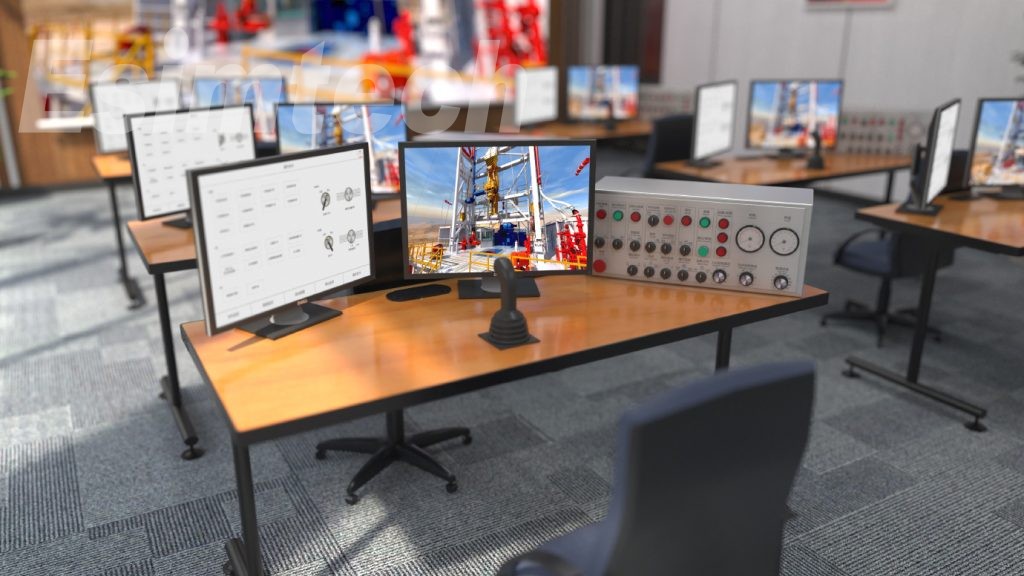
In the intricate realm of oil and gas drilling, the top drive assumes a pivotal role in driving efficient operations. Traditionally, mastering the complexities of this intricate machinery involved a blend of classroom lectures and on-site training, with limited exposure to hands-on practice. However, the emergence of top drive simulators has revolutionized the training landscape, ushering in a new era of immersive virtual environments that refine operator skills and optimize drilling performance. This article meticulously examines the significance of top drive simulators within the oil and gas sector, elucidating their transformative influence and disruptive potential.
The Importance of Top Drive Simulators
Realism Unleashed: Authentic Training Scenarios
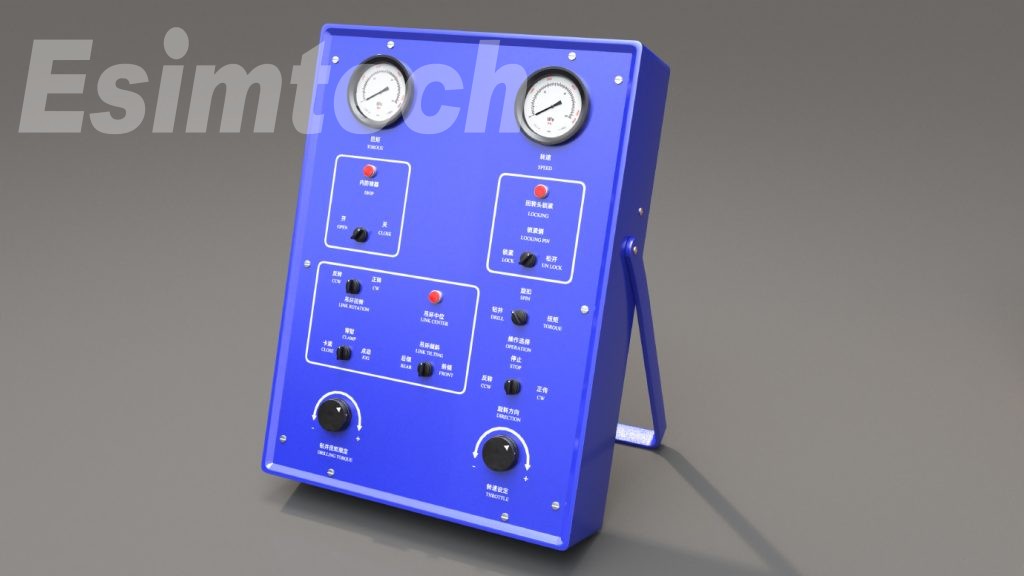
The top drive simulator orchestrates an exceptionally authentic and immersive training experience for operators. Trainees can traverse a spectrum of scenarios and hone their skills within a secure and controlled digital setting that meticulously replicates the drilling milieu, encompassing the rig floor, drill string, and control interfaces. The simulator faithfully captures the intricacies and dynamics of actual drilling undertakings, fostering the enhancement of operators' decision-making prowess and operational efficiency.Through modeling diverse drilling scenarios, operators amass substantial expertise in handling multifaceted drilling operations. Operating the top drive, modifying drilling parameters, diagnosing equipment glitches, and deftly managing emergencies can all be practiced. Rendered with lifelike visuals, haptic feedback, and precise physics simulations, the simulator engenders an immersive and engaging learning milieu, enabling operators to accrue invaluable hands-on experience devoid of real-world hazards.
Immersion and Interaction: Augmented Learning
The top drive simulation system harnesses immersive technologies to confer operators with a unique and efficacious training expedition. Using cutting-edge virtual reality (VR) or augmented reality (AR) headsets and controllers, trainees interact with simulated drilling equipment as if situated on an actual rig. Realistic visuals, haptic feedback, and precise physics modeling enhance the training experience, enabling operators to nurture their competencies via practical engagement.
The interactive facet of the top drive simulator is a marked departure from conventional training methodologies. Operators can shoulder diverse responsibilities, encompassing top drive operation, drilling parameter modulation, and dynamic condition response. Swift feedback and performance metrics provide instant insights, enabling trainees to identify and refine their skill sets. This iterative learning approach expedites the maturation of operator competence and self-assurance.
Risk-Free Training: Boundless Scenarios
Mitigating risks intrinsic to real-world training is a pivotal boon of the top drive simulation system. Errors during drilling operations can yield severe consequences in the oil and gas domain, spanning accidents, downtime, and financial setbacks. Conversely, the simulator furnishes a secure arena wherein trainees can learn from their mistakes sans endangering personnel or machinery. Operators can rehearse intricate operations, experiment with novel strategies, and hone their proficiencies, all without the specter of exorbitant blunders.
The top drive simulator unveils an inexhaustible array of training scenarios tailored to individual drilling challenges. Operators can simulate diverse drilling conditions, encompassing varied well profiles, geological characteristics, and equipment permutations. This adaptability empowers trainees to amass expertise across a spectrum of settings, some of which might be scarce or challenging in real-world drilling scenarios. By surmounting these simulated hurdles, operators amass the skills and knowledge indispensable for navigating a gamut of conditions, augmenting their readiness for any drilling endeavor.
Optimized Performance and Cost Efficiency
On the fronts of operational efficiency and cost-effectiveness, the top drive simulator bequeaths substantial advantages. Drilling operations executed by adeptly trained personnel within the oil and gas sector are poised for accuracy and efficiency, effectively curtailing drilling duration and associated expenditures. The simulator aids operators in honing skills that streamline drilling parameters, adroitly diagnose equipment glitches, and facilitate real-time informed decision-making, culminating in elevated drilling performance and heightened productivity.
Furthermore, the top drive simulation tool curtails expenses by obviating the necessity for physical training equipment and on-site instructional sessions. Operators can access the simulator remotely through virtual training, sidestepping travel costs and logistical encumbrances. The capacity to train multiple operators concurrently enhances cost efficiency, optimizing resource allocation.
Future Prospects and Potential of Top Drive Simulators
The trajectory of top drive simulators augurs remarkable growth prospects. As technology advances, the integration of artificial intelligence (AI) and machine learning can amplify the simulator's capabilities. AI algorithms could offer real-time guidance, intelligent feedback, and adaptive scenario customization catering to distinct operator needs and skill levels. This personalized training approach holds promise for expediting the velocity and efficacy of operator training initiatives.
The top drive simulation system could also converge with other drilling-related technologies and systems, such as well control systems, drilling optimization software, and remote monitoring capabilities. This fusion would furnish a holistic training experience, enabling operators to garner comprehensive insights into the entirety of the drilling process while concurrently optimizing overall operational efficiency.
Conclusion
In a domain where precision and efficiency are paramount, the top drive simulator emerges as a transformative force, honing operator skills, decision-making acumen, and overall performance through immersive exposure to multifarious drilling scenarios. The road ahead for this form of drilling simulation training harbors vast potential for advancement, bolstering the oil and gas industry with heightened drilling efficacy and operational prowess.
CO2 incubators and anaerobic incubators stand as two prominent types of incubation equipment in contemporary use. This article delves into a detailed comparative analysis of these incubators across eight key aspects.

Defining the Difference
A CO2 incubator serves to emulate an in vivo environment conducive to cell and tissue growth within a confined chamber. On the other hand, an anaerobic incubator is tailored for bacterial cultivation under anaerobic conditions.
Gas Composition Contrast
A CO2 incubator typically maintains an atmosphere composed of 5% carbon dioxide, a portion of oxygen, and 95% air. In contrast, an anaerobic incubator is devoid of oxygen and sustains an environment comprising 90% nitrogen, 5% hydrogen, and 5% carbon dioxide.
Divergent Applications
CO2 incubators find their primary utility in nurturing cell, tissue, and specialized microorganism cultures. Conversely, anaerobic incubators excel in cultivating anaerobic organisms.
Features at a Glance
CO2 incubators come equipped with heating capabilities and high-temperature sterilization functions. Precise temperature control is vital for optimal cell growth, driving the incorporation of advanced temperature control mechanisms. The heating methods encompass air jacket and water jacket heating. Some models offer features such as CO2 level regulation, pH control, temperature regulation, and refrigeration control.
For instance, CO2 level control employs either infrared sensors (IR) or thermal conductivity sensors (TCD). Thermal conductivity sensors gauge concentration by measuring air's thermal conductivity within the chamber. Infrared sensors rely on optical principles, where the absorption of emitted infrared light indicates CO2 concentration levels.
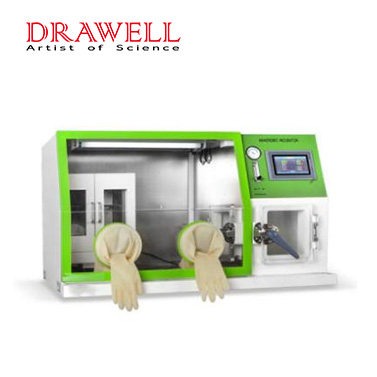
Anaerobic incubators primarily incorporate anaerobic and temperature control features. These units typically comprise an anaerobic chamber, transfer chamber, manual cuff operation port, and control system.
Application Experimentation Scope
CO2 incubators find application in immunology, oncology, and cell dynamics studies. Conversely, anaerobic incubators are utilized in consistent temperature experiments, cultivation studies, and environmental investigations. They find extensive usage in fields like biology, environmental protection, agriculture, and medicine.
Categorizing the Types
Drawell CO2 Incubators encompass three main categories: DCI Series CO2 Incubators, WJ-2 Series CO2 Incubators, and WJ-3 Series CO2 Incubators. Similarly, Drawell's anaerobic incubator range comprises five types: anaerobic incubator LAI-3T, anaerobic incubator LAI-3T-N, anaerobic incubator LAI-3D, anaerobic incubator LAI-3DT, and anaerobic incubator LAI-3.
Navigating Purchase Considerations
CO2 incubators stand as essential alternatives to conventional electric heating incubators. Anaerobic incubators, on the other hand, serve as specialized tools for cultivating and operating surprise bacteria under anaerobic conditions.
Noteworthy Similarities
Firstly, both Drawell CO2 Incubators and Drawell anaerobic incubators offer user-friendly operations. Secondly, they both hail from the same manufacturer, Drawell, ensuring competitive factory prices. Thirdly, both the Drawell CO2 incubators and anaerobic incubators boast exceptional quality, backed by reliable guarantees.
In conclusion, this article meticulously compares CO2 incubators and anaerobic incubators, offering valuable insights into their respective features and applications. For those seeking further information, reaching out to Drawell, the manufacturer of both CO2 and anaerobic incubators, is a recommended avenue to explore.