
The significance of well logging, a technique used to measure and record properties of rocks and fluids in a wellbore, is on the rise within the energy industry. Well logging simulators have revolutionized this process by providing virtual platforms for simulating and analyzing downhole measurements. In this article, we will explore well logging simulators, their characteristics, and their substantial impact on the energy industry.

Understanding Well Logging Simulators
Well logging simulators are advanced computer models that replicate the behavior of downhole measurements and the underlying subsurface formations. These simulators employ intricate algorithms rooted in physics, geology, and engineering principles to simulate and predict logging responses. They enable energy companies to execute virtual well logging exercises, assess alternative logging equipment and techniques, and gain valuable insights into reservoir characteristics by generating a digital representation of the wellbore and the surrounding formation.
Modeling Logging Tools
Simulators precisely model the physics and measurements of various logging tools, including gamma-ray, resistivity, neutron porosity, and sonic tools. These models account for factors like tool shape, sensor response, and interactions with the formation, allowing engineers to replicate the behavior of specific logging tools and assess their performance in diverse geological contexts.
Formation Modeling
Well logging simulators include accurate simulations of subsurface formations, encompassing aspects such as rock types, lithology, porosity, and fluid saturation. These models incorporate complex geological variations, enabling engineers to simulate various scenarios, comprehend formation characteristics, and evaluate their impact on logging responses. Companies can make informed decisions regarding reservoir properties and optimize resource extraction strategies by analyzing these simulated measurements.
Calibration and Validation
Simulators facilitate the calibration and validation of logging responses by comparing simulated results with real field data. This process ensures that the simulation models faithfully represent downhole measurements and offer reliable insights into reservoir properties. Through validation, companies can build confidence in the accuracy of the simulators and effectively utilize them for data interpretation and reservoir characterization.
Scenario Analysis
Engineers can utilize well logging simulators for scenario analysis, simulating different logging scenarios under varying conditions. By modifying logging tool parameters, wellbore conditions, or reservoir characteristics, companies can assess the impact of various variables on logging responses. This approach aids in optimizing logging procedures, identifying formation characteristics, and reducing uncertainty in reservoir evaluation.

The Profound Impact of Well Logging Simulators on the Energy Industry
Cost Optimization
Well logging simulators help organizations optimize their logging strategies and reduce field operation costs. By conducting virtual well logging exercises, companies can evaluate different logging equipment and methodologies, identify the most efficient ones, and optimize the deployment of actual logging tools in the field. This minimizes the need for additional trips and reduces the risk of failed logging runs, resulting in substantial cost savings.
Enhanced Data Interpretation
Engineers can use well logging simulators to assess logging results and extract relevant information about reservoir features. By simulating various scenarios and analyzing the simulated observations, companies can enhance their understanding of formation parameters such as porosity, permeability, and fluid saturation. This improved data interpretation leads to more accurate reservoir modeling, resource assessment, and decision-making.
Improved Reservoir Characterization
Well logging simulators play a crucial role in reservoir characterization, providing precise information about subsurface formations. Engineers can assess formation attributes, analyze reservoir heterogeneity, and identify potential production zones by modeling logging responses. This data is essential for optimizing well placement, developing completion procedures, and maximizing hydrocarbon recovery from reservoirs.
Risk Mitigation
Well logging simulators aid in mitigating risks associated with reservoir appraisal and resource extraction. Companies can assess uncertainties and hazards related to various logging scenarios by modeling logging responses. This enables them to identify potential issues, formulate suitable contingency plans, and reduce overall risk in reservoir development and production activities.
Training and Skill Development
Well logging simulators serve as valuable training and skill development platforms for industry personnel. They offer a safe and controlled environment for engineers to practice and enhance their logging interpretation skills, especially as the complexity of logging tools and procedures increases. This results in a more knowledgeable workforce and enables the effective use of logging data for reservoir evaluation.
In Summary
Well logging simulators are instrumental in uncovering subsurface information and ensuring effective resource extraction within the energy industry. They can provide precise reservoir characterization, efficient well logging strategies, and improved decision-making by offering virtual platforms to replicate logging responses.
Biochemical incubators are a common sight in laboratories and among environmental protection operators, but for those in the role of purchasers, these machines may seem somewhat unfamiliar. However, choosing the right biochemical incubator is crucial to ensure efficient operations and reliable results. When making a purchase, buyers often engage in thorough research and consultations with biochemical incubator manufacturers. This diligence stems from the fact that the prices of biochemical incubators can vary significantly, with higher quality models naturally commanding a premium. If the price difference isn't substantial, the craftsmanship of the incubator may not differ greatly. To make a cost-effective and high-quality purchase, consider the following key factors:

1. Compressor Type:
The compressor plays a central role in the biochemical incubator, as it controls the refrigeration temperature. Currently, the two most common types of compressors in the market are fluorine-free and fluorine-containing. Increasingly, mainstream biochemical incubators are adopting fluorine-free refrigeration.
Fluorine-free compressors typically use R134a refrigerant, which is environmentally friendly, as it does not harm the ozone layer, has no greenhouse effect, and offers energy-saving and efficient cooling. These compressors have a high latent heat of evaporation, strong cooling capacity, low power consumption, and compatibility with various compressor lubricants.
Fluorine compressors, on the other hand, rely on freon as a refrigerant, which can contribute to ozone layer depletion. Given the importance of the ozone layer in protecting against harmful ultraviolet rays, finding alternatives to fluorine is essential.
While the principles of both compressor types are the same, the refrigerants they use differ significantly, leading to varying costs and, consequently, different prices for biochemical incubators.
2. Temperature Control Range:
Select a biochemical incubator with a temperature control range that suits your experimental requirements. Options typically range from room temperature +5°C to 60°C, 0-60°C, 4-60°C, and 5-50°C. Standard biochemical incubators usually maintain a constant temperature between 5-50°C, while low-temperature biochemical incubators can achieve temperatures as low as -10°C.

3. Incubator Volume:
Biochemical incubators are available in various volumes, including 80L, 150L, 200L, 250L, 300L, and 400L. Choose a size that aligns with your laboratory's needs.
4. Refrigerant Choice:
In today's environmentally conscious world, opting for a biochemical incubator that uses a fluorine-free refrigerant is advisable, considering its positive impact on environmental protection.
5. Power Consumption:
Consider the power rating of the biochemical incubator, as it directly affects electricity consumption. Lower power consumption can lead to cost savings, especially with the rising cost of electricity.
6. Dimensions:
Evaluate the incubator's dimensions, including its internal and external measurements and packaging size. Ensure your laboratory can accommodate the incubator, and that the internal dimensions are suitable for your specific experiments. If you require a large incubator, confirm that your laboratory's door dimensions can accommodate it.
7. Temperature Control Accuracy:
Examine parameters such as temperature fluctuation, resolution, and uniformity to ensure they meet your experimental requirements.
8. Technical Guidance and After-Sales Support:
If you lack experience with biochemical incubators, consider whether the manufacturer offers technical guidance from engineers to help you use the equipment proficiently. After-sales service is crucial due to the high cost, size, and weight of these machines, as transportation and maintenance can pose challenges. Verify the warranty terms and the availability of on-site technical support and services.
By carefully considering these key factors for choosing the right biochemical incubators, purchasers can acquire the product which meets their laboratory's needs effectively.
Spring washers play a crucial role in mechanical assemblies, primarily by preventing nuts from loosening. Positioned beneath the nut, they find widespread application in both load-bearing and non-load-bearing structures of general mechanical products. What sets spring washers apart is their affordability, ease of installation, and suitability for components subjected to frequent assembly and disassembly.

Key Functions of Spring Washers
The fundamental purpose of a spring washer is to counteract loosening by applying force once screws and bolts are tightened. It accomplishes this by generating friction between the screw or bolt and the material it secures. During vibrations, this friction prevents the screw or bolt from coming loose. In cases where a cotter pin is inserted into the hole of a screw, the slotted hex nut is employed to prevent automatic nut loosening. This configuration is especially useful in situations involving vibration loads or alternating loads.
Another important role of spring washers is their collaboration with three screw and bolt assemblies, often used in conjunction with flat washers.
The Anti-Loosening Mechanism of Spring Washers
Spring washers function based on an anti-loosening principle. When compressed, they produce continuous elastic force, generating friction between the nut and the threaded connection of the bolt. This friction creates torque, which prevents the nut from loosening. Simultaneously, the sharp edge at the opening of the spring washer embeds itself into both the bolt's surface and the connected piece, preventing relative rotation between the bolt and the connected component.

Varieties of Spring Washers
Wave Spring Washers
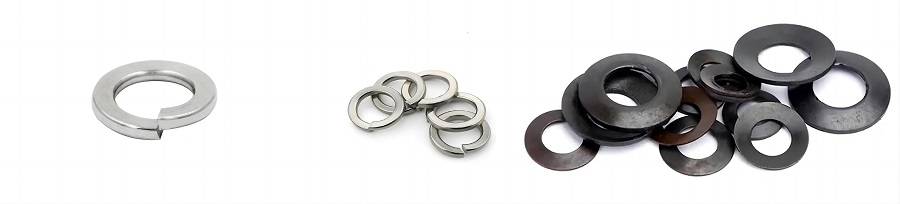
WG Type and WL Type Wave Washers: These open spring washers can be installed in tight spaces, making them ideal for applying prestress to bearings, reducing bearing noise, and enhancing operational accuracy and stability. They also find extensive use in electronic appliances. Materials commonly used include carbon steel, stainless steel, and copper alloys.
WN Type Wave Washer: This multi-layer wave crest overlapping spring washer is composed of multiple layers of material, designed for situations requiring substantial elastic force and uniform force release throughout the working stroke.
Disc Spring Washer
DIN6796 Disc Spring Washer: Compliant with DIN 6796 standards, this lock washer is used in medium to high-strength bolt and screw connections. It bears significant loads and possesses strong elastic recovery force, capable of withstanding wear, thermal expansion, contraction of wear parts, or seal compression. Disc spring washers can effectively replace ordinary spring washers but are not suitable for use in combination with wedge lock washers and flat washers.
Internal Tooth Spring Washer and External Tooth Spring Washer
These spring washers feature sharp, elastic teeth around their circumference, which press against bearing surfaces to prevent fastener loosening. The internal tooth elastic washer is used beneath screws with small head sizes, while external tooth spring washers are commonly placed under bolt heads and nuts. Toothed spring washers are smaller than conventional spring washers and evenly distribute stress on fasteners, ensuring reliable anti-loosening. However, they are not ideal for parts that require frequent disassembly.
Causes of Spring Washer Breakage
Several factors can contribute to the breakage of spring washers:
Expansion Ring: The spring washer's expansion ring experiences radial outward tension resulting from the axial clamping force generated by tightening torque.
External Chamfer: A nut-bearing surface's external chamfer can generate a radial component from the axial clamping force, causing the spring washer's opening to expand. Smaller chamfer diameters increase the likelihood of expansion ring occurrence.
Flat Washer: Placing a flat washer between the nut and spring washer can help prevent expansion ring formation. However, excessively thin or soft flat washers may not be effective.
Hydrogen Embrittlement: This issue typically arises due to an inadequate heat treatment process and the failure to conduct timely hydrogen removal treatment after zinc electroplating.
Conclusion
This article provides valuable insights into the world of spring washers, encompassing their primary functions, anti-loosening mechanisms, various types, and potential causes of breakage. Armed with this knowledge, individuals can harness the full potential of spring washers in their applications, ensuring optimal performance and reliability.
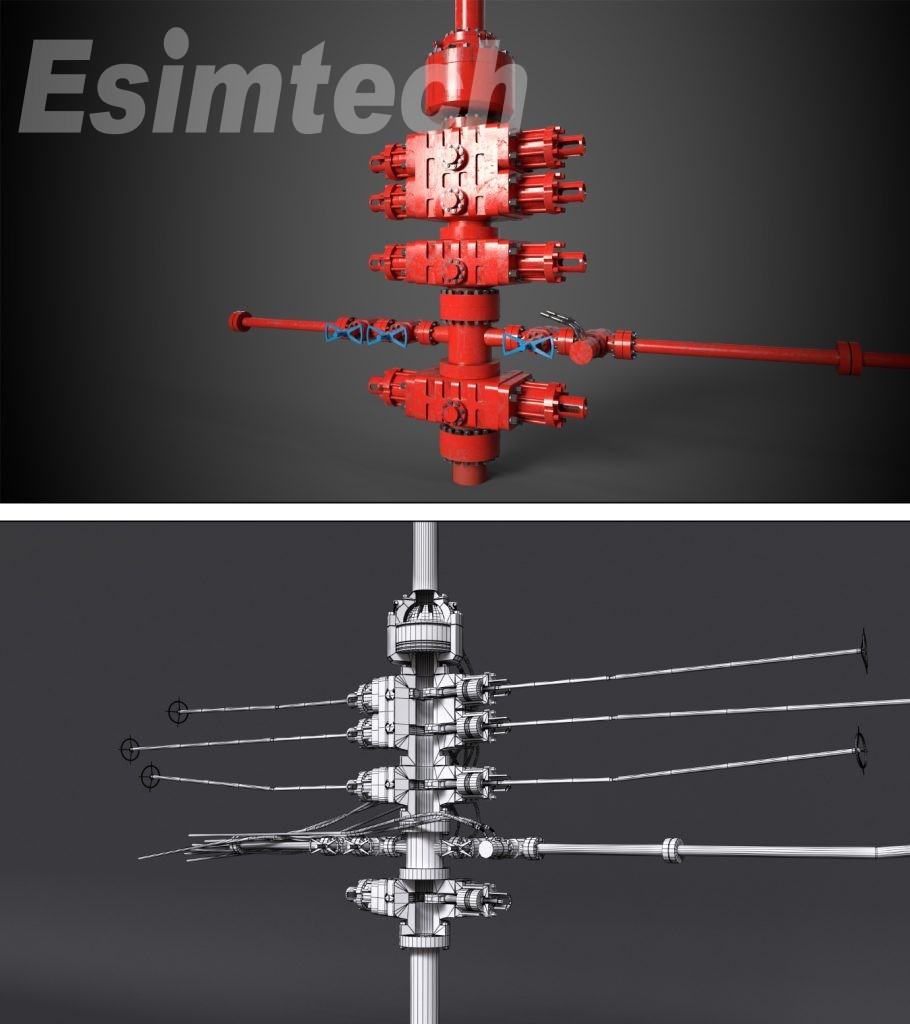
The realm of oil and gas has witnessed a transformative tool emerge in recent years – oil and gas animation. This innovative technology harnesses cutting-edge 3D modeling, rendering, and animation techniques to breathe life into intricate concepts, fostering seamless communication among a diverse range of stakeholders. Its impact extends from the initial phases of exploration and drilling to the intricacies of production and refining, with the potential to revolutionize the entire industry. In this article, we explore the world of oil and gas animation, examining its uses, benefits, and the game-changing potential it holds for the oil and gas sector.
The Power of Oil and Gas Animation
In an industry characterized by complexity and data intricacy, visualization has emerged as a potent means of conveying information. Oil and gas animation represents a fusion of advanced technology and visual storytelling, providing an engaging and dynamic medium to unravel the intricacies of the sector.
One of its paramount attributes lies in its ability to simplify convoluted concepts. By transforming abstract ideas into tangible representations, oil and gas animation enables stakeholders like engineers, investors, and legislators to gain a deeper comprehension of the industry's complexities. Whether depicting geological formations, drilling procedures, or refining processes, animation offers unparalleled clarity and insight into the industry's myriad challenges.
Applications of Oil and Gas Animation
Oil and gas animation finds utility across various stages of the industry's value chain. Here are some key areas where this innovative technology is making a significant impact:
1. Exploration and Reservoir Modeling
Geologists and geophysicists employ oil and gas animation to visualize subsurface features, reservoir models, and fluid flow dynamics. This visualization aids in informed decision-making regarding exploration targets, optimal drilling locations, and resource estimation by rendering seismic data and well logs in three-dimensional clarity.
2. Drilling and Production
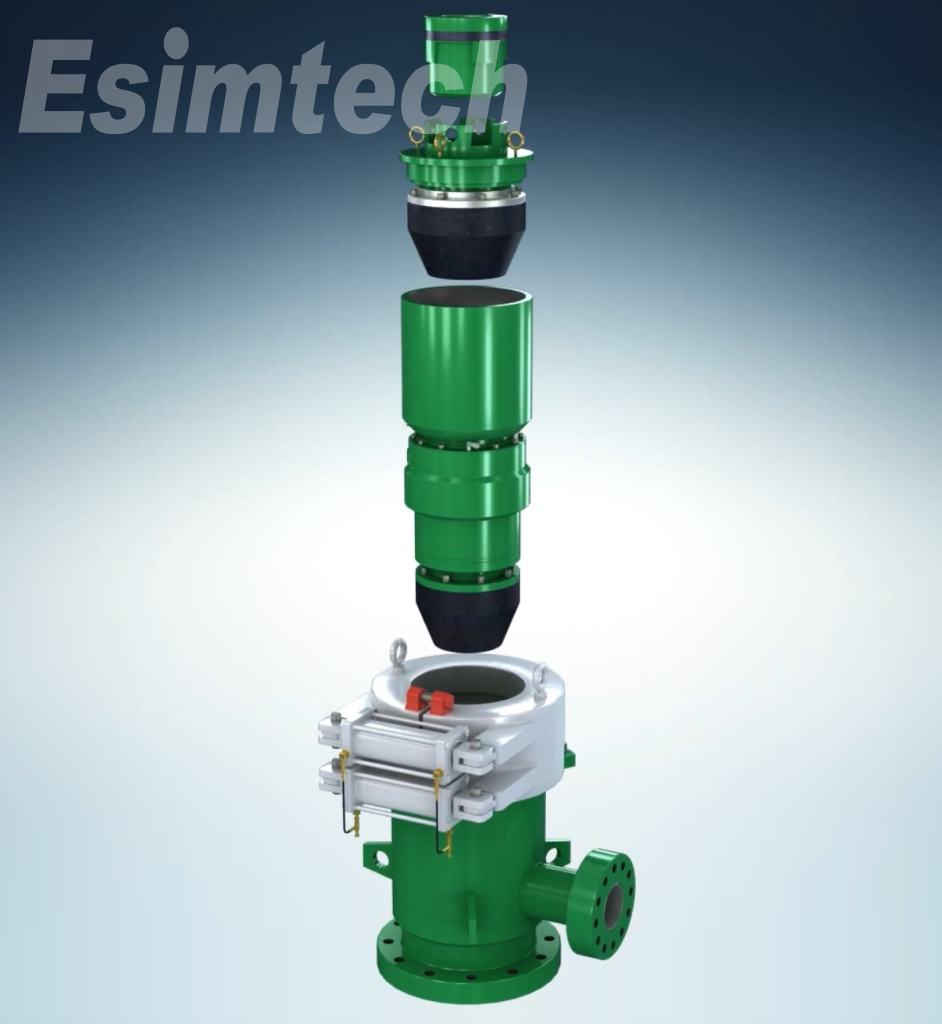
Oil and gas animation proves invaluable in enhancing drilling techniques, such as directional drilling and well completions. It vividly illustrates the positioning of drilling equipment, downhole tools, and the extraction of oil or gas from the reservoir. This, in turn, enhances safety awareness, operational efficiency, and field crew training.
3. Refining and Processing
Complex refining and processing procedures benefit immensely from oil and gas animation. From depicting distillation processes to elucidating catalytic cracking and blending activities, animation aids plant operators in monitoring plant performance, identifying bottlenecks, and optimizing equipment utilization. It also serves as an effective tool for conveying environmental and safety regulations in potentially hazardous work environments.
4. Offshore Operations
Offshore oil and gas operations entail intricate infrastructure, including platforms, pipelines, and subsea equipment. Animation plays a pivotal role in visualizing installation processes, maintenance activities, and emergency response protocols in these offshore scenarios. It enhances situational awareness, facilitates risk assessment, and empowers real-time decision-making.
Benefits of Oil and Gas Animation
The adoption of oil and gas animation offers numerous advantages to the industry:
1. Enhancing Communication and Stakeholder Engagement
Oil and gas animation bridges the gap between technical experts and non-technical stakeholders. It transforms complex data into visually compelling narratives that are easily comprehensible and engaging for a broad audience. This fosters improved communication, collaboration, and decision-making, from project planning to community engagement.
2. Training and Safety
As a training tool, animation allows personnel in the oil and gas industry to grasp equipment operation, emergency procedures, and safety protocols within a simulated environment. Immersing users in realistic scenarios enhances safety awareness and reduces risks during real-world operations. Furthermore, it enables the development of comprehensive training programs tailored to address specific challenges and requirements.
3. Cost and Time Efficiency
The adoption of oil and gas animation leads to optimized designs, reduced downtime, and improved project outcomes, resulting in substantial cost and time savings.
4. Data Integration and Real-time Visualization
Technological advancements have enabled the integration of real-time data into oil and gas animation. Operators can now link animation platforms to data sources such as sensors, SCADA systems, and IoT devices, enabling proactive decision-making, predictive maintenance, and continuous process optimization.
Future Outlook of Oil and Gas Animation
The future of oil and gas animation holds tremendous promise, with ongoing breakthroughs and innovations anticipated as technology evolves. Virtual reality (VR) and augmented reality (AR) technologies will enable users to virtually interact with oil and gas facilities. Real-time data integration will further improve, providing stakeholders with up-to-the-minute information crucial for decision-making.
Conclusion
In conclusion, oil and gas animation simplifies complex concepts, strengthens safety protocols, and enhances operational efficiency. Its ability to bridge communication gaps across a diverse range of stakeholders and streamline decision-making processes positions it as an indispensable tool in today's oil and gas landscape. As the industry increasingly embraces the benefits of animation, we can expect visualization to play a pivotal role in reshaping the future of the oil and gas sector.
Anaerobic bacteriology plays a pivotal role in understanding the delicate micro-ecological balance within our bodies. Remarkably, more than 99% of the microorganisms residing in our alimentary canal thrive in anaerobic conditions. Investigating these anaerobic microorganisms through isolation, culture, and screening offers an avenue to uncovering their beneficial functions and unraveling their complex relationship with host nutrition, immunity, and overall health.
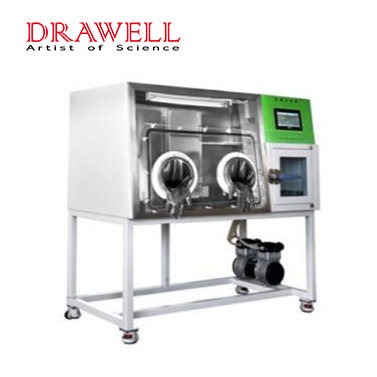
As our comprehension of anaerobic incubators deepens, researchers are increasingly focusing on anaerobic culture techniques. The selection of a high-performance anaerobic incubator has thus become a critical consideration within related fields. In this article, we will introduce several key criteria for choosing the most suitable anaerobic incubator.
1. Stable Anaerobic State
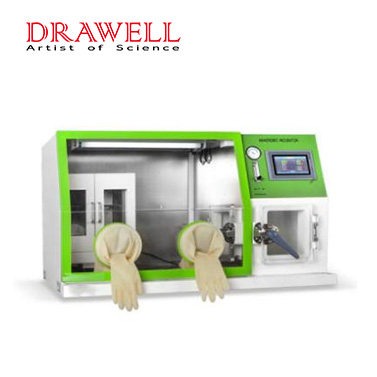
Excellent Air Tightness: A reliable anaerobic incubator should boast impeccable air-tightness. This ensures that the internal cavity remains consistently anaerobic during operation and maintenance.
Thoughtful Operation Hole Design: The incubator's design should feature a well-placed operation hole, making it convenient for operators to access the interior without compromising the anaerobic environment.
Efficient Transfer Chamber: A well-designed transfer chamber facilitates swift sample transfer while minimizing the risk of outside air infiltration, ensuring the inner cavity's stable anaerobic conditions during sample manipulation.
High-Quality Materials: An anaerobic incubator constructed from high-performance materials with robust anti-aging properties can reduce the risk of air leakage due to wall aging, maintaining anaerobic stability under normal conditions.
2. Temperature Stability
Anaerobic bacteria cultivation demands a consistent temperature environment. The temperature stability of the anaerobic incubator directly influences the reliability of cultivation results.
3. Humidity Control
Anaerobic bacteria flourish in a stable humidity environment. Excessive or insufficient humidity can lead to atypical bacterial characteristics, affecting the accuracy of identification results. Additionally, the closed nature of the incubator can cause medium water evaporation, resulting in condensation that may foster biological contamination or cause bacterial colonies to vanish, leading to culture failure.
4. Anti-Pollution Capability
Given the dual role of the anaerobic incubator for both operation and cultivation, maintaining a sterile interior is paramount to experiment success. Thus, the availability of features like ultraviolet disinfection and strong oxidant disinfection functions is crucial.
5. Biological Detoxification Function
All bacteria, including anaerobic varieties, generate metabolic waste during growth and reproduction. Some anaerobic bacteria even produce metabolic waste gases. Over time, the concentration of these waste products can rise within the closed incubator, inhibiting the growth of viable bacteria. Therefore, effective removal of metabolic waste gases, or biological detoxification, is essential to maintain optimal anaerobic bacterial growth conditions.
6. Ease of Use
Routine operations involving microorganisms, such as inoculation, seed transfer, and single colony picking, require precision. The incubator should be designed to support these fine motor skills, allowing users to work efficiently and effectively.
In conclusion, selecting the right anaerobic incubator is pivotal for researchers and laboratories engaged in anaerobic bacteriology. Ensuring a stable anaerobic state, temperature control, humidity stability, anti-pollution capabilities, biological detoxification functions, and user-friendly features are all essential considerations in choosing the most suitable incubator for your research needs.