
Coiled tubing, a flexible pipe wound on a massive reel, has become indispensable for well intervention and production enhancement in the oil and gas industry. However, the complexity of coiled tubing operations demands skilled professionals. To bridge the knowledge-practice gap, the full-size coiled tubing simulator has emerged as a transformative technology. In this article, we explore the significance of the full-size coiled tubing simulator and its impact on the oil and gas sector.
Description of the Full-Size Coiled Tubing Simulator:
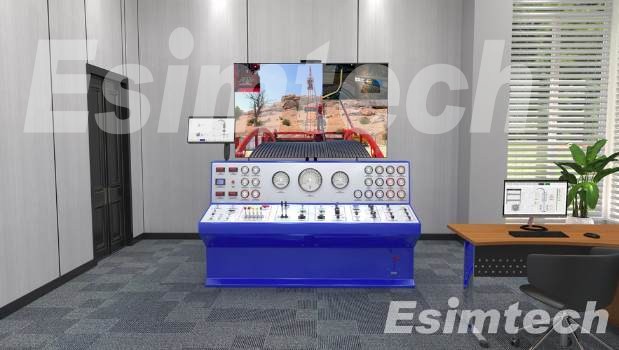
The full-size coiled tubing simulator is an advanced training system that replicates real-world coiled tubing activities within a controlled and immersive environment. It combines cutting-edge virtual reality technology, physics-based modeling, and interactive simulations to offer coiled tubing operators an authentic learning experience. The simulator recreates coiled tubing units, downhole instruments, and well conditions, allowing trainees to engage with physical replicas and gain hands-on experience that mirrors actual operations. It accurately replicates equipment functionalities, responses, and limitations, preparing operators for real-world scenarios.
Key Advantages of a Full-Size Coiled Tubing Simulator:
Realistic Training Scenarios:
The simulator provides a lifelike learning experience by faithfully reproducing the physical setup of coiled tubing units and well conditions. Trainees can practice coiled tubing operations in a realistic, controlled setting, enhancing their familiarity with equipment and functions.Safe Learning Environment:
Coiled tubing operations carry inherent risks, making on-the-job training perilous. The simulator offers a controlled environment for trainees to practice various coiled tubing interventions, including emergency responses, without real-world hazards.
Skill Development and Proficiency:
Operators can develop muscle memory and refine coiled tubing skills through hands-on practice, increasing their competence and efficiency. This prepares them to perform real-world coiled tubing operations with precision.
Cost-Effectiveness:
Traditional coiled tubing training involving field operations can be costly and time-consuming. The simulator eliminates the need for physical setups, reducing costs significantly. Trainees can repeat simulations without extra expenses, expediting learning and minimizing resource utilization.
Versatility and Customization:
Full-size coiled tubing simulators are highly adaptable. They can simulate specific well types, downhole conditions, and intervention scenarios, tailored to individual operational requirements.

Potential for Technological Developments:
Enhanced Realism:
Advancements in virtual reality technology used in oil and gas simulation, could provide even more immersive experiences, closely resembling actual coiled tubing operations.
Haptic Feedback System:
Incorporating haptic feedback devices could provide tactile sensations during virtual operations, increasing realism.
Interactive Downhole Conditions:
Future simulations could include dynamic downhole situations, simulating variations in pressure, temperature, and fluid behavior.
Artificial Intelligence Integration:
AI algorithms could enable dynamic responses based on student activities, offering tailored training experiences.
Performance Analytics:
Detailed data on trainee performance, efficiency, and decision-making could be collected and analyzed, providing feedback for improvement.
Multi-Player Training:
Multi-player scenarios could simulate real-world teaming scenarios, enhancing communication and cooperation among coiled tubing personnel.
Integration with Field Operations:
Integrating the simulator with field operations could enable real-time training based on current well conditions.
Remote Training:
Advancements in connectivity could facilitate remote training, allowing operators from different locations to access the simulator.
Conclusion:
The full-size coiled tubing simulator is revolutionizing coiled tubing training, offering a safe, cost-effective, and realistic learning experience. As technology advances, its potential for further development promises to shape the future of well intervention and production enhancement, ultimately contributing to the oil and gas industry's success.
Introduction:
Raman spectrometers, also known as Raman Spectrum Analyzers, have emerged as powerful tools for molecular structure determination. Leveraging the phenomenon of Raman shift, these devices enable both quantitative and qualitative analysis across a wide range of samples, including solids, liquids, gases, organic compounds, and polymers. With features like 100 SERS libraries, 3000 constant substance libraries, and cutting-edge technology, Raman spectrometers play a pivotal role in swiftly and accurately detecting illicit additives, chemical contaminants, and adulterants in everyday food items. This article explores the various facets of Raman spectrometers, their types, components, working principles, and diverse applications.

Types of Raman Spectrometers:
Presently, Raman spectrometers come in several varieties tailored to specific applications. These include Fourier Transform Raman spectrometers, confocal microscopic Raman spectrometers, and surface-enhanced laser Raman spectrometers.
Components of Raman Spectrometers:
While the specific composition of Raman spectrometers may vary, they typically consist of essential components that include a laser light source, sample device, optical filter, monochromator (or interferometer), and detector. Each component plays a crucial role in the instrument's functionality.
Optical Filter:
The laser's scattered light, or Rayleigh light, is significantly stronger than the Raman signal and must be filtered out before reaching the detector. Furthermore, to prevent external radiation from interfering with the sample, suitable filters or physical barriers are incorporated.
Monochromator and Michelson Interferometer:
These components come in various configurations such as single grating, double grating, or triple grating. The planar holographic grating interferometer, akin to those used in FTIR, is frequently employed. Various types of beam splitters, including multi-layer silicon-coated CaF2 and Fe2O3-coated CaF2, as well as quartz and extended-range KBr beamsplitters, are available.
Detector:
Traditionally, photomultiplier tubes were used, but modern Raman spectrometers primarily employ CCD detectors. Common detectors for FT-Raman include Ge and InGaAs detectors.
Excitation Light Source:
Several excitation light sources are utilized, including Ar ion lasers, Kr ion lasers, He-Ne lasers, Nd-YAG lasers, and diode lasers. These sources emit wavelengths ranging from 325nm (UV) to 1064nm (IR).
Sample Device:
Raman spectrometers provide various sample placement options, including direct optical interfaces, microscopes, fiber optic probes, and specialized sample holders.

Principle of Raman Spectrometers:
The functioning of Raman spectrometers, also known as the Raman spectroscopy principle, hinges on the concept of Raman shift. This shift refers to the frequency difference between scattered light and incident light, which is solely dependent on the molecular structure of the scattering substance. Raman scattering occurs due to changes in molecular polarizability, with Raman shift reflecting alterations in molecular vibrational energy levels. Different chemical bonds or groups possess characteristic molecular vibrations, leading to distinctive Raman shifts. This principle underpins the qualitative analysis of molecular structures using Raman spectroscopy.
Applications of Raman Spectrometers:
Raman spectrometers find widespread applications across diverse industries, including:
Biology: For detecting low concentrations of biohazardous substances and quantitatively assessing algal lipid content.
Forensic Authentication: In the identification of drug grids, explosives, fibers, hair, pigments, inks, and cyanotoxin solvents for fiber fabrics.
Homeland Security and Defense: For explosives detection, unknown substance identification, border patrol, and security inspections.
Geology: Enabling non-destructive identification of geological materials, gem certification, and origin determination of minerals and gems.
Pharmacy: In drug isoform/solvent detection, drug crystal identification, content analysis of pharmaceuticals, and quality control of ingredients.
Chemistry: For monitoring and confirming input/output substances, process analytical technology (PAT), and identifying resins, petrochemicals, and chemical crystals.
Food Safety and Agriculture: In inspections at ports of entry, pesticide and herbicide assessments, field audits, and bacterial contamination detection.
Semiconductors and Thin Films: For defect inspection of wafers, thin film coating, and quality control in the junction process.

Conclusion:
Raman spectrometers have revolutionized molecular analysis due to their versatility, accuracy, and non-destructive nature. With their ability to rapidly detect molecular structures and various contaminants, they have become indispensable tools in ensuring product safety, quality, and security across diverse fields.
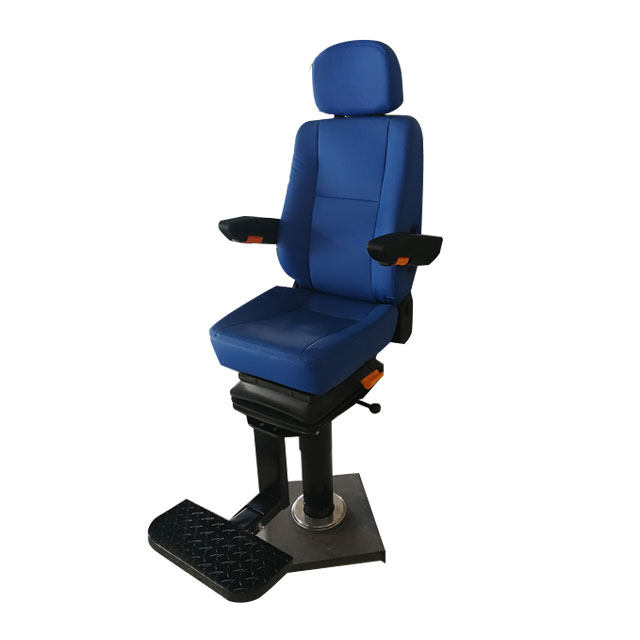
A marine captain's chair is a specially designed piece of furniture tailored for the captain or skipper of a maritime vessel. Positioned at the heart of command, marine captain seat offers a blend of comfort, functionality, and safety during extended journeys at sea. It has been meticulously crafted to withstand the harsh marine environment while providing top-notch performance and support.
Defining a Marine Captain's Chair
A marine captain's chair is an exclusive seating solution reserved for the captain or skipper of a ship. It assumes a central role in the bridge or helm area, affording the captain a commanding position to oversee vessel operations. Tailored for the maritime setting, this chair boasts attributes like durability, weather resistance, ergonomic design, and safety features. It serves as a comfortable and utilitarian seating choice, enabling the captain to efficiently maneuver, communicate, make informed decisions, and maintain control of the vessel.
Key Features of a Marine Captain's Chair
These critical features harmonize to ensure that a marine captain's chair delivers comfort, functionality, and safety for those on board a vessel.
Durability and Weather Resistance: Constructed from robust materials capable of withstanding the rigors of the sea, these chairs are designed to endure challenges like seawater corrosion, UV radiation, moisture, and other elements found at sea. Common materials include marine-grade stainless steel, aluminum, and weather-resistant upholstery.
Ergonomic Design: Catering to captains who spend extended periods seated, these chairs feature contoured seat and backrests. These contours provide essential lumbar support, reducing fatigue and preventing back discomfort even in turbulent sea conditions. High-density foam cushioning ensures a comfortable seating experience.
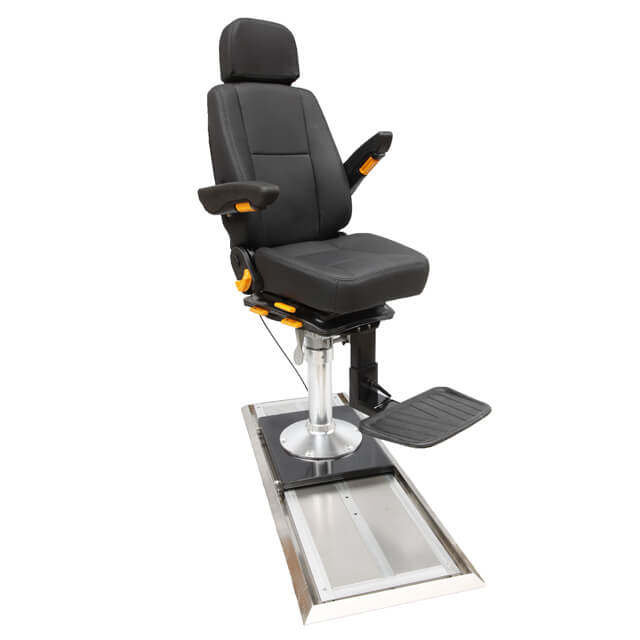
Adjustable Features: Many marine captain's chairs offer adjustability to accommodate various body types and preferences. Features such as height adjustment, tilt control, armrest adjustability, and swivel capabilities allow captains to select their preferred seating position, enhancing comfort and reducing stress during long sea voyages.
Stability and Safety: Stability is paramount on a marine vessel, and captain's chairs are engineered to provide a secure seating solution. They come with sturdy bases and pedestals that ensure stability, even in rough seas. Safety considerations may encompass non-slip surfaces, seat belts, and armrests with integrated hand grips, further enhancing stability and safety during navigation.
Aesthetic Appeal: These marine chairs are designed with an eye toward aesthetics, while maintaining stability. They feature strong bases and pedestals that keep them stable even in rough waves. Non-slip surfaces, seat belts, and armrests with integrated hand grips may be considered for added stability and safety during navigation.
Mounting Options: Marine captain's chairs can be installed in various configurations to suit the vessel's layout and space constraints. Options may include pedestal mounts, swivel mounts, or slide mounts, simplifying installation and adjustment.
Storage and Convenience: Some captain's chairs offer additional storage options, such as built-in compartments or pockets, allowing easy access to essential items like charts, navigational instruments, or personal belongings.
Upholstery and Easy Maintenance: The upholstery on these chairs is crafted for durability, ease of cleaning, and resistance to stains, mildew, and UV damage. It is typically composed of marine-grade vinyl or other weather-resistant materials that can withstand the sea's demands.
Benefits of a Marine Captain's Chair
Comfort: These chairs prioritize skipper comfort. Their ergonomic features, including contoured seats and backrests, padding, and adjustable settings, provide excellent support and reduce discomfort during long sea journeys. This enhances concentration, reduces fatigue, and promotes overall well-being.
Control and Visibility: Placed at a commanding height and equipped with customizable features, a marine captain's chair offers exceptional visibility and control. Captains can effectively monitor their surroundings, navigate obstacles, and make informed decisions with clear sightlines. This enhances situational awareness and enables safe and efficient vessel operation.
Authority and Professionalism: A captain's chair on the bridge or helm signifies the captain's authority and professionalism. It establishes their role as the vessel's captain, enhancing their overall image of competence and expertise. This fosters crew confidence, encourages effective communication, and promotes teamwork.
Operational Efficiency: A marine captain's chair contributes to operational efficiency by providing a comfortable and focused seating arrangement. Captains can maintain focus, make critical decisions promptly, and handle controls precisely. This ensures smooth navigation, clear communication with the crew, and efficient vessel operations.
In Conclusion
The marine captain's chair is a vital element of a skipper's comfort, safety, and performance when spending extended periods at sea. Its durable construction, ergonomic design, and aesthetic appeal enhance the entire voyage experience, making it an indispensable component of maritime seating.
Ensuring the quality and precision of printed materials is of paramount importance, be it for commercial packaging, marketing materials, or personal use. In this article, we will delve into the world of printing inspection systems, examining their roles and comparing their applications in digital and analog printing processes.

Distinguishing Digital and Analog Printing
Before we delve into the specifics of printing inspection systems, it's crucial to understand the fundamental disparities between digital and analog printing methods.
Digital Printing
Technology: Digital printing employs inkjet and laser technologies, directly applying ink or toner to the printing surface without the use of plates or cylinders.
Flexibility: Remarkably versatile, digital printing accommodates variable data printing, facilitating personalization for each printed piece.
Print Speed: Digital printers are capable of high-speed production, emphasizing the need for real-time inspection.
Analog Printing
Technology: Analog printing encompasses methods like offset, flexography, gravure, and letterpress, transferring ink onto the surface using plates, cylinders, or screens.
Standardization: Analog printing is less adaptable to variable data and is typically reserved for large print runs of identical items.
Setup: Analog printing requires more manual setup and calibration for color matching and registration.
The Vital Role of Printing Inspection Systems
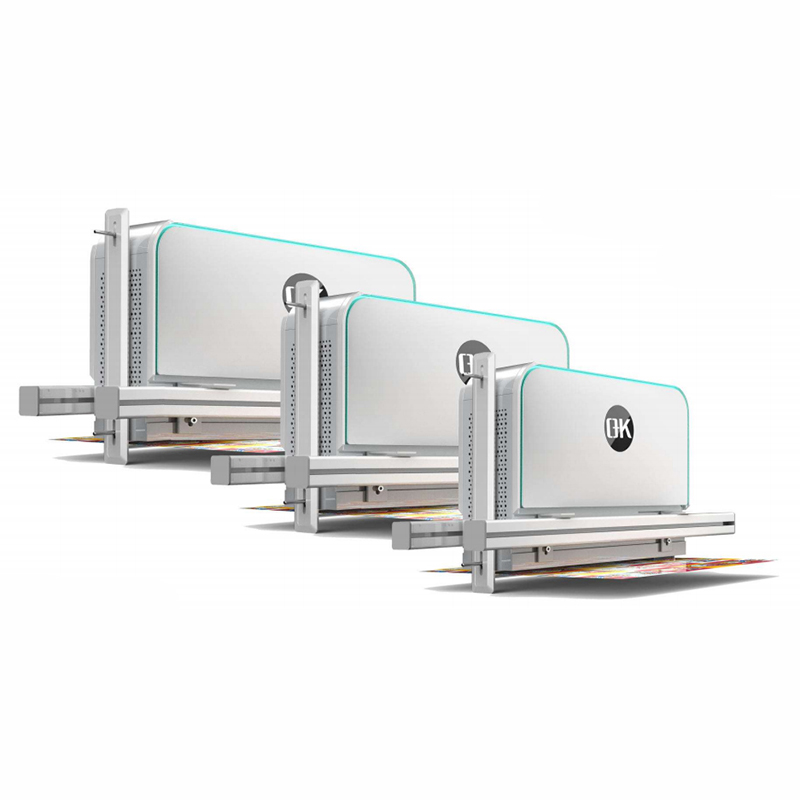
In today's printing industry, printing inspection systems serve as vigilant quality control monitors. They ensure the integrity of printed products, upholding stringent quality standards. These systems play a multifaceted role in guaranteeing that printed materials not only exhibit visual appeal but also provide reliable and consistent information, encompassing aspects from color accuracy to variable data verification.
Comparing Printing Inspection Systems in Digital and Analog Printing
The stark differences between these two printing processes significantly influence the design and functionality of the inspection systems employed. Let's compare the printing inspection methods in digital and analog printing processes:
1. Inspection Criteria
Digital Printing:
Digital printing inspection systems primarily focus on color accuracy, registration (alignment of different colors or parts), and print quality (identifying nozzle dropouts, streaks, or faults).
Analog Printing:Analog printing inspection systems also assess color accuracy and registration. However, they may need to address additional concerns such as plate wear, cylinder condition, and ink viscosity.
2. Variable Data Handling
Digital Printing:
Digital printing is ideally suited for variable data printing, necessitating inspection systems capable of handling variable data and ensuring each piece adheres to the intended design.
Analog Printing:
Analog printing processes are less flexible in handling variable data and are primarily utilized for high-volume print runs of identical materials.
3. Print Speed
Digital Printing:
Digital printers often operate at higher speeds than analog printing presses, making real-time inspection a critical aspect.
Analog Printing:
Analog printing presses may have slower production speeds, allowing more time for inspection during the printing process.
4. Setup and Calibration
Digital Printing:
Setting up inspection systems for digital printers is typically simpler and requires fewer manual adjustments due to built-in controls for color and registration.
Analog Printing:
Analog printing presses necessitate more manual setup and calibration of inspection systems to ensure precise color matching and registration.
5. Cost and Maintenance
Digital Printing:
Digital printing inspection systems, often integrated with the digital printer and featuring fewer moving parts, can be less expensive to set up and maintain.
Analog Printing:
Analog printing inspection systems may be more complex and costly due to additional components like web guide systems and tension control systems.
6. Waste Reduction
Digital Printing:
Digital printing inspection devices help minimize waste by detecting faults early in the printing process, reducing the need to discard misprinted materials.
Analog Printing:
Analog printing inspection systems also contribute to waste reduction but may not be as efficient as their digital counterparts.

In Conclusion
Printing inspection systems serve as diligent guardians of print quality, ensuring the final product meets or exceeds expectations. While these systems benefit both digital and analog printing processes, each comes with its own set of requisites and challenges.
Digital printing inspection systems excel in managing variable data, offer cost-effectiveness, and are well-suited for high-speed printing. On the other hand, analog printing inspection systems require more human calibration and may be better suited for high-volume, uniform print runs.
Ultimately, the choice of a printing inspection system should align with the specific demands of the printing process and the desired print quality. Whether digital or analog, the ultimate objective remains constant: delivering high-quality printed materials that leave a lasting impression.
Washers play a crucial role in bolted connections, but not all such connections necessitate their use. Bolted assemblies employ various types of washers, including flat washers, spring washers, or a combination of both. Let's delve into the distinct functions of these washers:
Flat Washers:
Protection of Substrate Surfaces
Bolts often have uneven surfaces on their heads, which can damage the substrate when tightly fastened. Flat washers come to the rescue by minimizing substrate surface damage caused by the bolt head. They act as a buffer between the bolt head and the substrate.
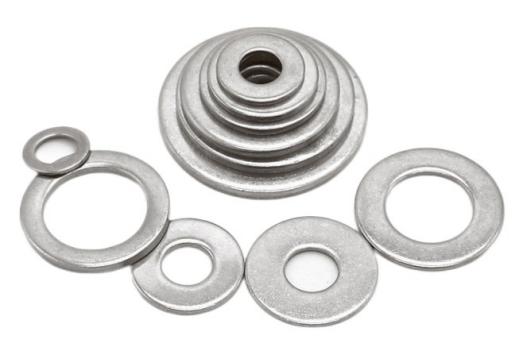
When frequent disassembly is required, flat washers protect the surfaces of connected components from scratches. Placing flat washers at the nut or bolt head can safeguard precision-machined surfaces from unwanted abrasions.
Precise Friction Coefficients:
In situations where precise friction coefficients are essential, bolt manufacturers provide bolts, nuts, and washers as a matched set. Manufacturers treat nuts and washers accordingly to maintain a consistent coefficient of friction between them. This ensures optimal performance and reliability in specific applications.
Prevention of Substrate Sinking:
When bolts are tightened, they generate axial forces. Excessive axial force, especially on soft and thin substrates, can lead to substrate sinking or deformation. Flat washers effectively reduce substrate sinking by distributing the load evenly.
The pressure transmission in bolted connections gradually expands like a trumpet, resulting in reduced compressive stress on the contact surface of connected parts. Adding a flat washer helps alleviate this compressive stress.
Spring Washers:
Increased Friction:
Spring washers primarily serve to provide extra force to the nut once it is tightened, enhancing friction between the nut and the bolt. This feature prevents the loosening of fastening bolts due to equipment vibrations during operation.
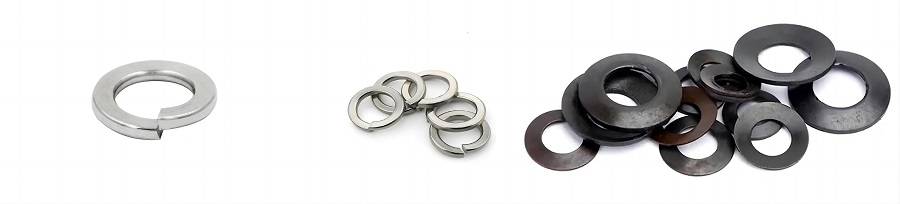
Prevent Loosening and Enhance Pre-Tightening Force:
Spring washers offer anti-loosening capabilities and increase pre-tightening force. However, flat washers do not possess this function. They are suitable for connections that rely on compression to generate friction for power transmission. Nevertheless, it's important to note that spring washers may not be effective in high-preload or critical connections.
For electrical connections, spring washers can still help prevent complete loosening, particularly when the connection has already started to come loose.
Compensating for Stress Relaxation:
In cases where bolt clamping length is limited, and bolt stress relaxation is a concern, spring washers can compensate for stress relaxation, helping maintain the desired clamping force.
When Can Washers Be Omitted:
Flange Face Nuts or Bolts:
When using flange face nuts or bolts, the larger contact area inherently increases the contact surface and reduces compressive stress. In such scenarios, washers are typically unnecessary.
Shear Stress Bolts (Reamed Hole Bolts):
Shear stress bolts, which do not require high preload and do not bear axial forces during operation, typically do not require washers. The bolt holes are often small, and the nut or bolt head's bearing surface is generally ample to support the load without reducing compressive stress.
In conclusion, the choice of washer – flat, spring, or none – depends on the specific requirements of the bolted connection and the materials involved, ensuring that the connection functions reliably and safely.