
Hex bolts are a staple in the fastener industry, known for their high torque, simplicity, cost-effectiveness, and performance. Widely utilized in the automotive sector, these hexagon bolts come in two primary variants: outer hexagon bolts and inner hexagon bolts. Understanding the distinctions between these two types is crucial for selecting the most appropriate option for specific applications.
Structural Variances Between Outer and Inner Hexagon Bolts
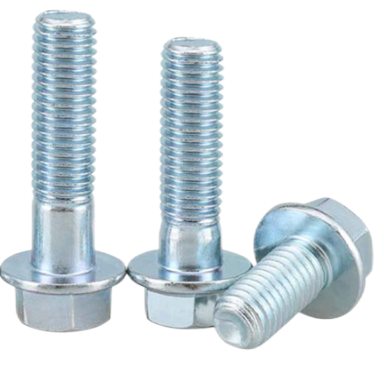
Structurally, distinguishing between outer and inner hexagon bolts is straightforward. The thread part remains largely uniform, while the outer hexagon features a hexagonal head without any depression. To enhance the pressure-bearing area of the head, outer hexagon flange bolts are also common. Conversely, inner hexagon bolts exhibit a round head with a concave hexagon in the middle. Different variations include cylindrical head, pan head, countersunk head, and flat head hexagon socket bolts.
Cost Disparities in Head Manufacturing
A significant difference lies in the manufacturing process of the head. Due to distinct head structures, varying molds and processes are required. Consequently, the head manufacturing cost for hexagonal socket bolts is higher than that of outer hexagon bolts.
Varied Tightening Tools for Different Bolts
In practical assembly scenarios, inner hexagon bolts typically use an "L"-shaped wrench, where one side is longer for ease of use. On the other hand, outer hexagon bolts are tightened with a wrench shaped like an equilateral hexagon.
For production assembly, adherence to tightening quality and automation necessitates the use of constant torque wrenches and high-precision tightening guns. Matching corresponding tightening sleeves becomes crucial in this context, with outer hexagon bolts requiring concave hexagon sleeves and inner hexagon bolts necessitating convex hexagon sleeves.

Advantages and Disadvantages of Outer and Inner Hexagon Bolts
Outer Hexagon Bolts:
Advantages:
Good self-locking capabilities.
Large pre-tightening contact area and force.
Wider range of full thread lengths.
Suitable for reamed holes, fixing part positions, and withstanding shear forces.
Disadvantages:
Takes up more space and isn't ideal for delicate applications.
Not suitable for countersunk heads.
Inner Hexagon Bolts:
Advantages:
Easy to fasten.
Difficult to disassemble.
Ideal for small spaces.
Can be countersunk for a more aesthetic appearance.
Disadvantages:
Small contact area and pre-tightening force.
Limited full thread length.
Fastening tools may be challenging to match and replace.
Requires a professional wrench for disassembly, making it less convenient.

Choosing Between Outer and Inner Hexagon Bolts in Different Applications
The selection between outer and inner hexagon bolts depends on the application's specific requirements. If a large axial force is needed, and external space permits, outer hexagon bolts are preferable. Conversely, for applications with limited space, aesthetic considerations, and lower axial force requirements, inner hexagon bolts are more suitable.
Consider a car's subframe-to-body connection as an example. Here, outer hexagon bolts are chosen due to the ample space, high axial force, and torque requirements. Conversely, in visible areas with aesthetic requirements, such as interior trim parts, inner hexagon bolts are the ideal choice.
Conclusion
In conclusion, how to choose between outer and inner hexagon bolts involves understanding their structural differences, cost implications, advantages, and disadvantages. Manufacturers should carefully assess specific application requirements to make informed decisions that align with efficiency, aesthetics, and functionality.
A microplate reader is a vital tool in various fields, including clinical research, biology, agriculture, and food safety monitoring. To ensure the accurate and efficient functioning of this equipment, proper maintenance and usage precautions are essential. This article provides 10 valuable tips for maintaining your microplate reader and outlines precautions to optimize its performance and lifespan.

10 Tips for Maintaining the Microplate Reader:
Stable Environment:
Place the microplate reader in an environment with no magnetic field or interference voltage, lower than 40 decibels, to ensure a stable table without strong vibrations.
Avoid Sunlight Exposure:
Prevent direct sunlight exposure to avoid premature aging of the microplate reader.
Optimal Operating Conditions:
Maintain an ambient temperature between 15°C and 40°C and humidity between 15% and 85% during operation.
Stable Voltage:
Ensure a stable operating voltage to prevent fluctuations during use.
Clean Operating Environment:
Operate in a clean environment, free from water vapor and smoke.
Clean and Level Workspace:
Keep a dry, clean, and level work surface with sufficient operating space.
Regular Cleaning:
Keep the surface and interior of the microplate reader clean. Clean up any spilled samples or reagents promptly.
Avoid Power Interruption:
Do not turn off the power during the detection process.
Timely Shutdown:
Turn off the microplate reader after use and cover it with the dust cover.
Technical Support:
In case of technical failure, contact the microplate reader manufacturer for assistance. Do not disassemble the equipment without authorization.

10 Precautions for Using the Microplate Reader:
No Mixing of Dosing Heads:
If using a dosing device, ensure dosing heads are not mixed.
Thorough Plate Washing:
Wash the microplate thoroughly, preferably with a plate washer, to prevent cross-contamination.
Follow Kit Instructions:
Operate according to kit instructions, ensuring accurate reaction times.
Avoid Contact during Self-Inspection:
During self-inspection, do not touch the loading platform or microplate to prevent accidents.
Prevent Contamination:
Avoid spills on the microplate reader, and wash hands after operations.
Handling Hazardous Materials:
Follow kit instructions for handling polluting, toxic, or biologically hazardous samples to protect operators.
Clean and Disinfect if Contacted:
If the microplate reader contacts polluted or infectious items, clean and disinfect it.
Avoid Power Interruption:
Do not turn off the power during the detection process.
Modify Parameters if Necessary:
Adjust parameters promptly in case of measurement result deviations due to kit issues.
Technical Support:
In case of technical failure, contact the microplate reader manufacturer for assistance. Do not disassemble the equipment without authorization.
Conclusion:
Proper maintenance and adherence to usage precautions are essential for maximizing the performance, accuracy, and longevity of your microplate reader. Following these 10 maintenance tips and precautions will contribute to a reliable and efficient operation, ensuring that your microplate reader continues to be a valuable asset in your laboratory or research facility. If challenges persist, seeking assistance from the manufacturer is recommended for timely and effective resolution.
Inflatable life rafts stand as vital components of maritime safety, serving as reliable means of survival during emergencies at sea. As technology and engineering progress, various types of inflatable life rafts have emerged, each tailored to specific needs and scenarios. This article explores the diverse world of inflatable life rafts, examining their types, features, and key considerations for selecting the most suitable option to enhance maritime safety.

Common Types of Inflatable Life Rafts
Throw-Overboard Inflatable Life Rafts
Design: Designed to be thrown into the water by hand.
Activation: Automatically inflates upon immersion or can be manually activated.
Use: Common on smaller vessels with limited deck space.
Davit-Launched Inflatable Life Rafts
Design: Installed on the ship’s deck in a cradle and launched using davit systems.
Activation: Can be launched manually or hydrostatically.
Use: Davit launched inflatable life rafts commonly used on larger vessels where deck space is at a premium or for vessels adhering to specific safety regulations.

Canister-Packed Inflatable Life Rafts
Design: Housed in a rigid canister, secured on the ship’s deck or deckhouse.
Activation: Released and inflated manually or automatically upon immersion.
Use: Versatile and suitable for various vessel types, providing protection from environmental elements during inflation.
Valise-Packed Inflatable Life Rafts
Design: Compact and versatile, comes in a soft valise for easy storage.
Activation: Manually launched and inflated upon immersion.
Use: Lightweight and easily deployable, ideal for vessels with limited storage space.
Reversible Inflatable Life Rafts
Design: Opens at the top, allowing for easy boarding from the water.
Capacity: Allows for a larger number of people, facilitating faster and more efficient evacuation.
Use: Suitable for calm sea conditions and scenarios requiring rapid deployment.

Self-Righting Inflatable Life Rafts
Design: Includes a self-righting mechanism to keep the raft upright in the water.
Stability: Increased stability in rough seas, lowering the risk of capsize.
Use: Ideal for vessels navigating in unpredictable and difficult waters.
Aviation Inflatable Life Rafts
Design: Specifically designed for aircraft emergencies over water, compact and lightweight.
Portability: Easily stowed on aircraft and inflated manually or automatically upon ditching.
Use: Essential for flights over water bodies, ensuring the safety of passengers and crew in aviation emergencies.
Offshore Inflatable Life Rafts
Design: Designed for extended survival at sea, often equipped with additional features for long-term use.
Capacity: Typically larger and capable of sustaining occupants for an extended duration.
Use: Ideal for offshore vessels and long-distance voyages where rescue may take more time.
Coastal Inflatable Life Rafts
Design: Suitable for coastal waters and shorter voyages.
Compact: Generally smaller and more compact than offshore rafts.
Use: Designed for vessels operating in areas with easy access to rescue services.
Inflatable Life Rafts with Canopy
Design: Equipped with a canopy or cover to provide protection from the elements.
Shelter: Enhances survival chances in adverse weather conditions.
Use: Recommended for vessels operating in regions with unpredictable weather.

Key Factors for Choosing a Suitable Inflatable Life Raft
Selecting the right inflatable life raft is a critical decision with a significant impact on maritime safety. Consider the following factors to ensure the chosen life raft is well-suited to the vessel’s specific needs:
Vessel Type and Size:
Consider the vessel’s size, type, and stability to determine the most suitable life raft type.
Occupancy Capacity:
Determine the number of people the life raft must accommodate, considering both passengers and crew.
Operating Environment:
Evaluate typical sea conditions and climate to choose a life raft that can withstand the vessel’s operating environment.
Regulatory Compliance:
Verify that the selected life raft complies with international maritime safety regulations and standards.
Deployment Method:
Evaluate the deployment method that best suits the vessel’s needs and available equipment.
Stowage Space:
Consider the available space for stowing the life raft on the vessel.
Inflation Mechanism:
Examine the inflation mechanism, whether automatic or manual, and its reliability.
Additional Features:
Explore features such as canopies, survival equipment, and signaling devices to enhance the life raft’s functionality.
Maintenance and Inspection:
Consider the maintenance and inspection requirements to ensure the life raft’s proper operation.
Training and Familiarization:
Ascertain that the vessel’s crew is adequately trained in the deployment and use of the chosen life raft.
Conclusion
As inflatable life rafts continue to evolve, the maritime industry benefits from improved safety standards. The selection of the best inflatable life raft requires a thoughtful analysis of vessel specifications, operating conditions, and safety regulations. Embracing technological advancements in inflatable life raft design enhances the chances of survival during emergency situations at sea, contributing to a safer maritime environment for all.
The landscape of the energy industry is undergoing a significant transformation, driven by the integration of sophisticated oil and gas software. These advanced programs and technologies are reshaping how businesses engage in exploration, extraction, management, and optimization. In this article, we delve into the pivotal aspects of oil and gas software and its profound impact on the energy sector.
Key Aspects of Oil and Gas Software
Oil and gas software encompasses a diverse range of solutions tailored to address the unique challenges of the industry. From exploration and drilling to manufacturing, transportation, and distribution, these applications streamline complex processes and enhance decision-making.
Exploration and Reservoir Modeling
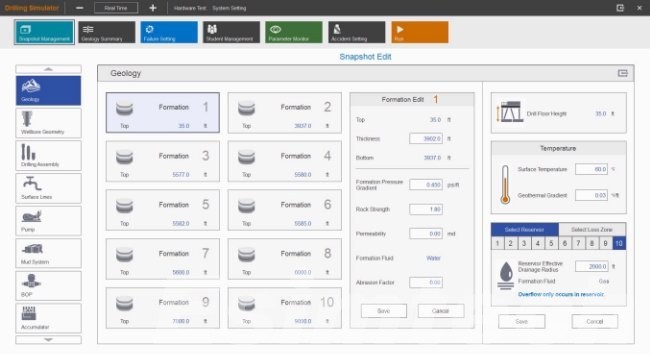
Cutting-edge software empowers geologists and geophysicists to analyze seismic data, construct 3D reservoir models, and simulate various drilling scenarios. This predictive capability aids in identifying potential reserves, estimating production rates, and optimizing drilling strategies.
Drilling and Well Management
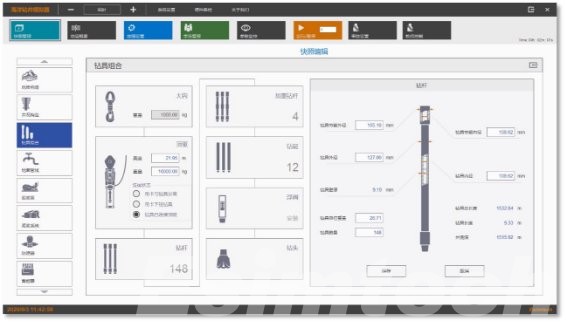
Drilling software assists engineers in meticulous planning and execution of drilling operations. Real-time data on well conditions enables on-the-fly modifications to maximize drilling efficiency and well integrity.
Production Optimization
Production management software monitors well and facility operations, facilitating early anomaly detection and predictive maintenance. This results in reduced downtime and enhanced overall operational efficiency.
Data Analytics and Integration
Big data and analytics software processes vast operational datasets, providing insights that inform decision-making. Integration of data from multiple sources enhances visibility across the value chain, from discovery to distribution.
Environmental and Regulatory Compliance
Regulatory compliance software ensures adherence to environmental and safety regulations, monitoring emissions, waste disposal, and other compliance-related elements to minimize the industry's environmental impact.

Advantages of Oil and Gas Software
The adoption of oil and gas software yields numerous benefits, influencing industry efficiency, safety, and sustainability.
Efficiency and Cost Savings
Automation and workflow optimization increase efficiency, reduce operational costs, and expedite decision-making. Predictive analytics prevent equipment failures, minimizing downtime.
Safety Enhancement
Real-time monitoring and data analysis enhance safety by detecting potential threats, enabling swift intervention and reducing the risk of accidents, ensuring worker safety.
Environmental Stewardship
Software tools for environmental monitoring and compliance help companies minimize their environmental footprint, promoting a more sustainable approach to energy extraction and production.
Decision-Making Precision
Access to precise, real-time data empowers decision-makers to respond quickly to changing situations, improving overall operational efficiency.
Collaboration and Communication
Collaboration software fosters effective teamwork and knowledge exchange by facilitating seamless communication and information sharing across teams, departments, and partner businesses.
Challenges and Future Directions
As the oil and gas industry undergoes a digital transition, challenges and future directions emerge.
Challenges in Oil and Gas Software Implementation
Integration Complexity
Integrating new software with existing infrastructure poses challenges, requiring careful planning to ensure compatibility and data consistency.
Data Management
Effectively managing, storing, and analyzing vast amounts of data from various sources, including sensors and drilling operations, is a critical challenge.
Data Security
The growing risk of cyberattacks necessitates robust measures to protect sensitive operational and proprietary data.
Change Management
Introducing new software requires a cultural shift within organizations, demanding effective change management practices to facilitate smooth transitions.
Future Directions in Oil and Gas Software
Advanced Data Analytics
Real-time data processed by predictive analytics and machine learning algorithms will optimize drilling operations and enhance overall efficiency.
Cloud Computing and IoT
Cloud-based solutions and the Internet of Things (IoT) will play a crucial role in improving decision-making and operational agility.
Digital Twin Technology
Virtual oil and gas simulation of physical assets using digital twin technology enables accurate predictions regarding equipment behavior and performance.
Automation and Robotics
Automation and robotics, including autonomous drilling rigs and robotic pipeline inspection, enhance safety and efficiency.
Blockchain Applications
Blockchain technology improves transparency, traceability, and security in the oil and gas supply chain.
Virtual Reality (VR) and Augmented Reality (AR)
VR and AR have the potential to transform training, maintenance, and remote assistance in the industry.
Conclusion
Oil and gas software has become integral to energy industry innovation, playing a vital role in creating a more efficient, safe, and sustainable energy future. As technology advances, the incorporation of modern software will likely be a critical factor in determining the success of energy companies globally.
In recent years, rivet nuts have emerged as revolutionary fasteners, designed to address the challenges associated with welding nuts for thin metal sheets and pipes. Developed to combat issues such as melting during welding and slipping internal threads, rivet nuts offer a practical and efficient solution. This article provides an in-depth exploration of rivet nuts, covering types, advantages, and essential precautions for their effective use.

Types of Rivet Nuts:
Rivet nuts are diverse, classified based on material, head type, column, and hole type:
Material:
316 Stainless Steel
316L Stainless Steel
v304 Stainless SteelCarbon Steel (08A)
Aluminum
Copper
Head Types:
Flat Head
Countersunk Head
Small Countersunk Head
Flat Head Hexagon
Countersunk Hexagon
Column Types:
Common Round Type
Knurled Round Type
Full Hexagon Type
Semi-Hexagon Type
Hole Types:
Open Type
Closed Type

Advantages of Using Rivet Nuts:
Rivet nuts offer numerous advantages, making them indispensable in various industries:
Versatile Connection:
Ideal for connecting non-structural load-bearing bolts, especially in applications like interior trim parts in railway passenger cars and highway passenger cars.
Surface Coating Compatibility:
Rivet nuts and studs can be installed at any production stage, even on coated or painted surfaces, without the need for additional surface treatment.
Temperature Resistance:
Rivet nuts and studs are not affected by high temperatures during installation, ensuring no damage to components.
Safety and Environmental Benefits:
No harmful gas emission or fire hazard, ensuring a safe working environment and guaranteeing the safety of manufacturers.
Economic Advantages:
Rivet nuts boast economic advantages, requiring less time for production, low costs, and offering overall cost-effectiveness.
Precautions for Using Rivet Nuts:
While rivet nuts offer a seamless solution, attention to certain precautions is crucial during their use:
Equipment Assembly:
Ensure correct assembly of the equipment's mouth screw. Select the appropriate equipment head and rivet bolt based on the dimensions of the rivet nut, verifying the firm connection of connecting parts.
Deformation and Adjustment:
Pay attention to the deformation length or displacement of the riveted nut and adjust the operating lever angle accordingly.
Scale Ring Adjustment:
Use the scale ring to adjust the rivet stroke during operation. When adjusting the length of the rivet bolt, open two handles and adjust the equipment head sleeve for optimal length.
Proper Assembly Sequence:
Follow a specific sequence during assembly, ensuring the nut is squeezed firmly onto the rivet bolt and properly inserted into the pre-drilled hole.
Equipment Maintenance:
Regularly check for loose caps during the operation of manual rivet nut equipment. Tighten them promptly and protect equipment head bolts from damage after use.

Summary:
In summary, rivet nuts offer unparalleled convenience in the assembly of sheet parts without the need for heavy installation tools. Beyond their ease of use, the repetitive connection of rivet nuts and studs without affecting performance establishes them as essential components in modern fastening solutions.