
The global energy landscape relies heavily on the oil and gas industry, with drilling standing as a pivotal process in extracting hydrocarbon resources from beneath the Earth’s surface. In the pursuit of increased operational efficiency, cost reduction, and minimized environmental impact, the industry has turned to advanced technology. This article explores the transformative impact of simulation-driven drilling system optimization on the oil and gas sector.
Unpacking Drilling System Optimization:
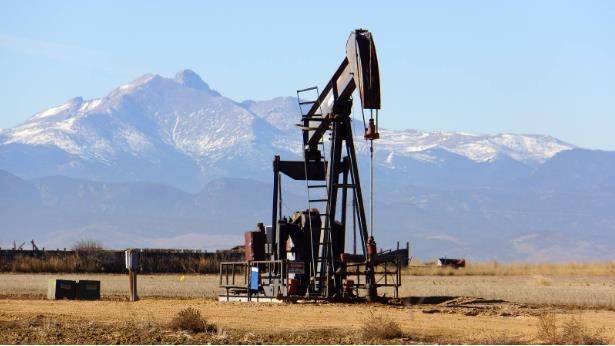
Drilling operations are complex endeavors, involving numerous parameters such as drill bit type, rotational speed, mud properties, and downhole conditions. Traditionally, the trial-and-error approach to finding the optimal combination of these parameters has been both time-consuming and costly. Drilling system optimization addresses this challenge by strategically adjusting various factors to achieve the best outcomes during operations.
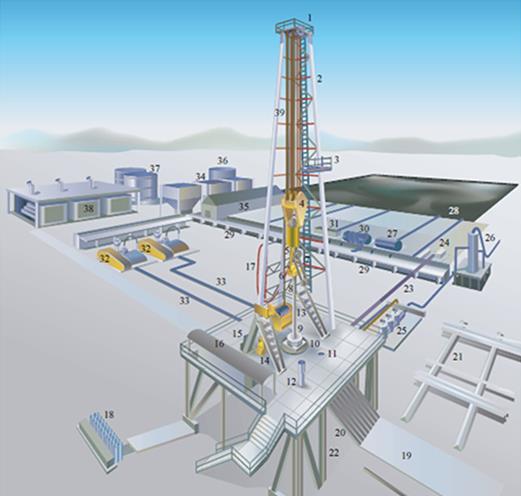
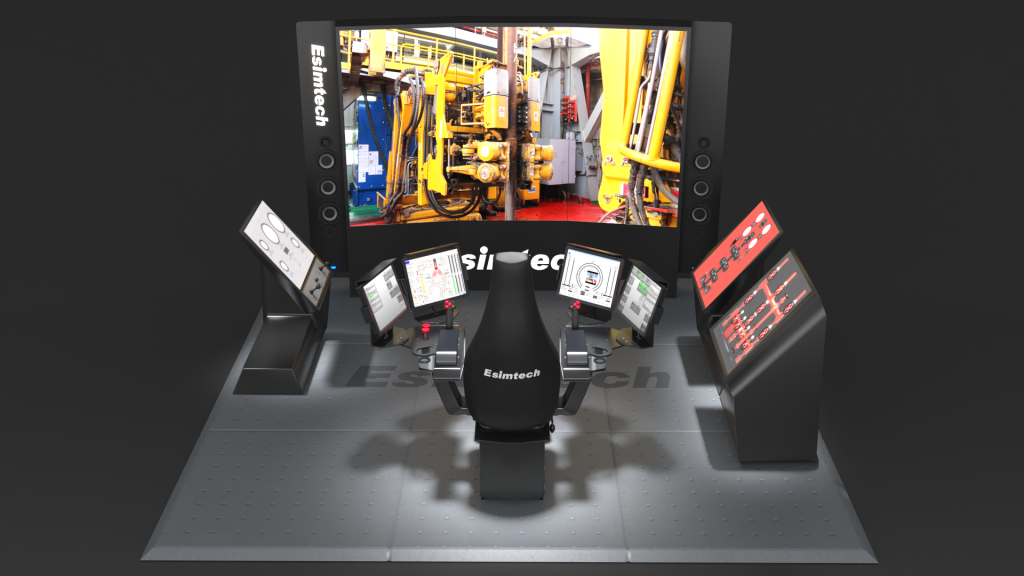
This process goes beyond mere speed; it considers drilling efficiency, equipment longevity, energy consumption, and environmental impact. Simulation tools have become instrumental in this optimization journey, allowing engineers to create virtual models of drilling systems, test scenarios, and identify optimal configurations before real-world execution.
Crucial Aspects of Drilling System Optimization:
Drilling Rate and Bit Life:
Optimization aims to maximize the drilling rate while preserving the drill bit's longevity. Simulations help identify the optimal combination of parameters for higher penetration rates without excessive wear.
Energy Efficiency:
Simulations analyze energy requirements, aiding in minimizing consumption while maintaining productivity—a significant cost factor in drilling operations.
Hole Cleaning and Cuttings Transport:Effective hole cleaning is essential for efficient drilling. Simulations model drilling fluid flow, optimizing fluid properties and flow rates for proper cuttings transport.
Wellbore Stability:
Predicting wellbore stability issues is crucial. Simulations anticipate potential problems, enabling proactive measures to ensure wellbore integrity and prevent collapse.
Cost Estimation:
Simulations provide accurate cost estimations based on different scenarios, aiding operators in making informed decisions aligned with budget constraints.
Simulation as the Driving Force for Optimization:
Modern drilling operations are characterized by complexity, with intricate technologies and interdependent factors shaping project outcomes. Simulation technology addresses these challenges by constructing detailed digital models mirroring real-world conditions. These models encompass a wide array of parameters, offering a comprehensive overview for meticulous analysis and informed decision-making.
Simulation tools eliminate the need for exhaustive physical trials, allowing engineers to experiment with scenarios systematically. This conserves time and resources, and as simulation tools advance, the potential for enhancing drilling operations and achieving unparalleled efficiency and cost-effectiveness expands.
Benefits of Simulation-Driven Optimization:
Enhanced Efficiency:
Optimized drilling systems achieve higher penetration rates, reducing the time required to reach target depths—particularly valuable in remote or challenging locations.
Extended Tool Life:
Real-time data from drilling simulators enables precise adjustments, reducing wear on drill bits and equipment, leading to longer tool life and reduced replacement costs.
Minimized Downtime:
Optimization reduces unplanned downtime by preventing issues such as stuck pipes, wellbore instability, or drilling fluid problems.
Safety Improvement:
Well-designed drilling systems with optimized parameters inherently minimize risks associated with high-pressure blowouts, equipment failures, and other operational hazards.
Cost Savings:
Optimization directly contributes to cost savings by reducing operational expenditures, optimizing resource utilization, and minimizing costly failures.
Challenges and Considerations:
While simulation-driven optimization offers numerous benefits, challenges include model accuracy, data integration, and model validation against real-world data. Ensuring accurate representation of real-world conditions is crucial for reliable results.
Conclusion:
Simulation techniques are reshaping drilling operations by creating virtual environments that closely replicate real-world conditions. The integration of innovation and optimization paves the way for a more efficient, sustainable, and productive drilling landscape. As technology advances, simulation-driven drilling system optimization is set to become even more integral in shaping the future of drilling operations across industries.
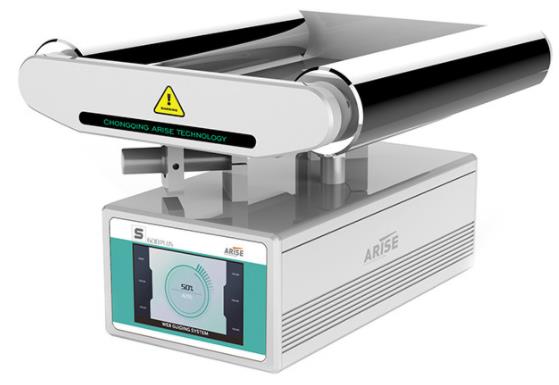
Efficiency is a paramount consideration for ensuring production and profitability in the manufacturing industry, with web directing processes standing out as a critical area. Web guiding technologies play a pivotal role in enabling precise control and alignment of webs or materials during manufacturing, leading to optimal quality and reduced waste. The advancement of these technologies has transformed the manufacturing landscape, contributing significantly to enhanced efficiency across various industries. This article delves into the ways in which web guiding technologies elevate efficiency in manufacturing industry.
Precise Control and Alignment Enabled by Web Guiding Technologies
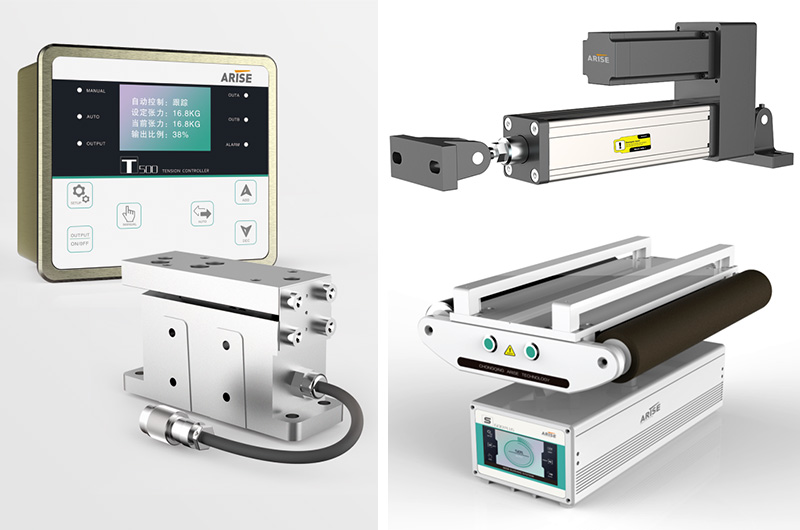
Web guiding facilitates meticulous control and alignment throughout production processes, surpassing the limitations of traditional manual or mechanical guiding methods in terms of precision and speed. Advanced web directing technologies, including vision-based systems, edge sensors, and laser guiding, offer unparalleled precision.
Vision-Based Systems:
Cameras and image recognition algorithms in vision-based systems detect and track the web’s edges or specific markers, ensuring precise alignment even for intricate designs or irregularly shaped materials.
Edge Sensors:
Utilizing infrared or ultrasonic technology, edge guide sensors detect the web’s edges, providing real-time feedback for precise control and alignment.
Laser Guiding:
Laser beams establish reference lines on the surface, serving as visual guides for operators and ensuring accurate positioning and alignment.
Reduced Downtime and Waste Facilitated by Web Guiding Technologies
Advanced web guiding technologies significantly reduce downtime and waste in manufacturing processes, enhancing production efficiency by boosting accuracy and minimizing errors.
Faster Setup and Changeovers:
Web guides with automated calibration and setup capabilities streamline transitions between different materials or product requirements, minimizing downtime associated with manual changes.
Continuous Alignment and Correction:
Real-time data from web guide systems allows continuous alignment and adjustment throughout manufacturing, promptly identifying and repairing deviations or misalignments, thereby reducing waste.
Increasing Speed and Productivity:
The precise control offered by web guiding systems enables manufacturers to run production lines at higher speeds without compromising quality, leading to increased productivity and throughput.
Enhancing Quality and Consistency Through Web Guiding Technologies
Advanced web guiding technologies elevate the overall quality and uniformity of products by eliminating variances and errors caused by human or mechanical guiding methods.
Accurate Printing and Coating:
In industries such as printing and coating, precise web guiding is crucial for accurate registration, color constancy, and uniform coverage, ensuring high-quality and visually appealing end results.
Reduction in Defects and Rework:
Advanced web guiding methods minimize the need for rework or discarding materials, leading to improved overall product quality.
Consistent Material Tension:
Maintaining consistent tension in the web throughout the production process is crucial for preventing wrinkles, creases, or stretching, and advanced web guiding technologies enable precise tension control.
Integration of Web Guiding Technologies with Automation and Industry 4.0
Web guiding technologies seamlessly integrate with automation systems and Industry 4.0 initiatives, enhancing industrial process efficiency.
Integration with Automation:
Web guiding technologies can be effortlessly connected with automation systems, including robotic arms and material handling equipment, ensuring seamless coordination and synchronization while reducing manual involvement.
Data Collection and Analysis:
Advanced web guiding control technologies collect real-time data on material alignment, tension, and manufacturing parameters, enabling continuous efficiency and quality improvement through trend analysis and proactive issue resolution.
Predictive Maintenance:
Web guide systems with predictive maintenance features monitor performance, detect problems, and plan repair actions proactively, reducing unexpected issues, downtime, and maintenance expenses.
Summary:
Advanced web guiding technologies offer substantial benefits to manufacturers seeking to enhance the efficiency of their operations. By incorporating these technologies, manufacturers can expect increased efficiency, improved product quality, and a competitive edge in the evolving production landscape.
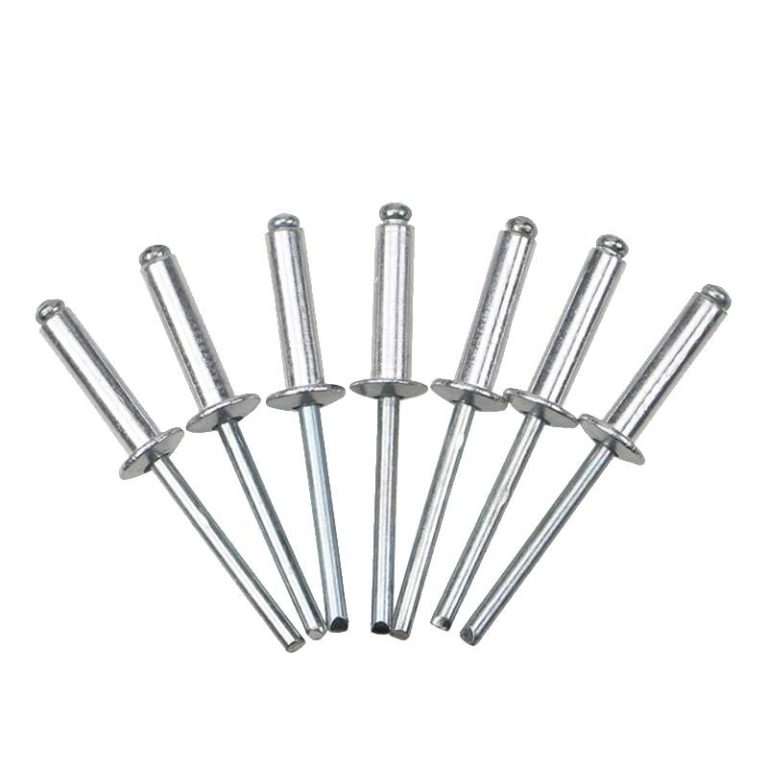
Blind rivets, also known as pop rivets, designed for single-sided riveting, require a specialized riveting gun, available in manual, electric, pneumatic, and automatic variants. These rivets find extensive use in construction, automobiles, ships, aircraft, electrical appliances, and the metal industry, particularly in situations where conventional riveting from both sides is inconvenient.

Categories of Blind Rivets:
Ordinary Open End Blind Rivets:
Featuring open-type countersunk or flat heads.
Closed End Blind Rivets:
Also known as waterproof rivets, with closed countersunk heads.
Materials commonly used include aluminum, iron, stainless steel, and copper.
Structural Rivets:
Distinguished by high strength and a unique feature—the mandrel locks in the riveting body post-riveting. Structural rivets are crucial in industries such as automobiles, railways, and aviation. Types include open-type pull rivets, single grip rivets, double grip rivets, and hem-fix rivets.
Advantages of Blind Rivets:
Single-side construction
Wide range of riveting applications
Quick installation
Large clamping force with good shock resistance
Smooth rivet fracture and strong lock cylinder
Applications of Blind Rivets:
Round Head Rivets:
Widely used for riveting under large lateral loads.
Cone Head Rivets:
Corrosion-resistant, suitable for highly corrosive environments like ship hulls and boiler water tanks.
Countersunk Head and Semi-Sunk Head Rivets:
Used for smooth surfaces and low-load riveting.
Flat Head Rivets:
Flat head rivets are general purpose rivets for various load requirements.
Flat Round Head Rivets:
Ideal for non-metallic materials such as leather, canvas, wood, or metal sheets.
Large Flat Head Rivets:
Used in riveting non-metallic materials.
Semi-Tubular Rivets:
Suitable for low-load riveting.
Headless Rivets:
Designed for non-metallic material riveting.
Hollow Rivets:
Lightweight with a small nail head, used for low-load riveting of non-metallic materials.
Tubular Rivets:
Employed in non-metallic material riveting without significant loads.
Inspection of Blind Rivets:
When inspecting finished blind rivets, considerations include diameter, length of the rivet body and rod, cap thickness, cap diameter, total core length, exposed core size, cap size, and outer diameter after assembly. Tensile strength and shearing resistance are crucial parameters in the inspection process.
Summary:
Blind rivets simplify single-sided operations, improving work efficiency. With various types catering to diverse applications and materials, coupled with advantages like quick installation and stability, blind rivets play a crucial role in the manufacturing industry. Inspection parameters ensure the quality and reliability of these rivets, contributing to their widespread use in diverse industries.
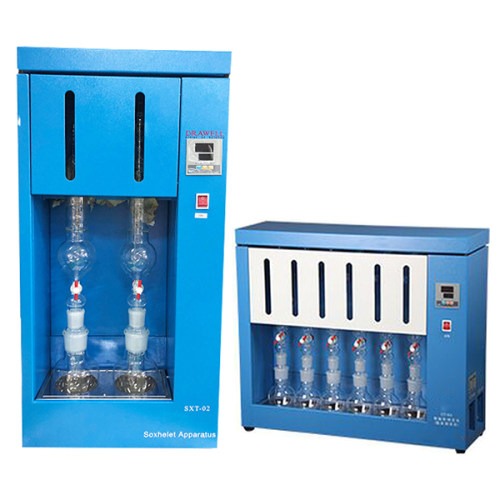
The soxhlet extractor is a versatile apparatus widely employed in pharmaceutical, biological, food, and environmental analysis, featuring distinct components—condenser, extraction cylinder, and a flask. During material extraction, the extraction barrel holds the material powder, while the flask contains the solvent. Upon heating, the solvent evaporates, travels through the extraction barrel's side tube to the condenser, and then drips onto the material. The solvent overflow is collected through a siphon, enabling solvent recycling until complete extraction is achieved.
Advantages of Soxhlet Extractor:
Dynamic Extraction:
The Soxhlet extractor excels in dynamic extraction, maintaining a constant concentration difference between the material and solvent. This dynamic process enhances extraction efficiency compared to static devices.
Continuous Reflux:
Utilizing a siphon, the Soxhlet extractor facilitates automatic reflux. Excess extraction liquid flows back to the flask through the siphon, eliminating the need for additional power, thus streamlining the extraction process.
Reduced Solvent Consumption:
By recycling the condensed solvent, the Soxhlet extractor achieves solvent efficiency without requiring additional solvent. This significantly reduces solvent consumption, contributing to cost-effectiveness.

Disadvantages of Soxhlet Extractor:
Low Extraction Temperature:
Due to reliance on recycled solvent from the extraction solution's heated evaporation, the Soxhlet extractor is ideal for components with good thermal stability. For those requiring higher extraction temperatures, alternative methods may be more suitable.
Extended Cycle Time with Siphon Dependence:
The siphon-dependent cycle introduces delays as the extraction cylinder empties, and condensate slowly drips down, causing intermittent boiling. This extended cycle time may impact efficiency.
Incompatibility with High Boiling Point Solvents:
Components easily decomposed or discolored when heated and solvents with high boiling points are not ideal for Soxhlet extraction. Slow reflux speed and prolonged extraction times can affect efficiency.
Inconvenient Solvent Recovery:
Solvent recovery in Soxhlet extraction can be inconvenient, requiring the removal of the apparatus. This may pose environmental and health risks, and excess solvent in the residue can complicate further treatment.
Understanding the Soxhlet extractor's advantages and disadvantages allows researchers to make informed choices when selecting extraction methods for specific applications.
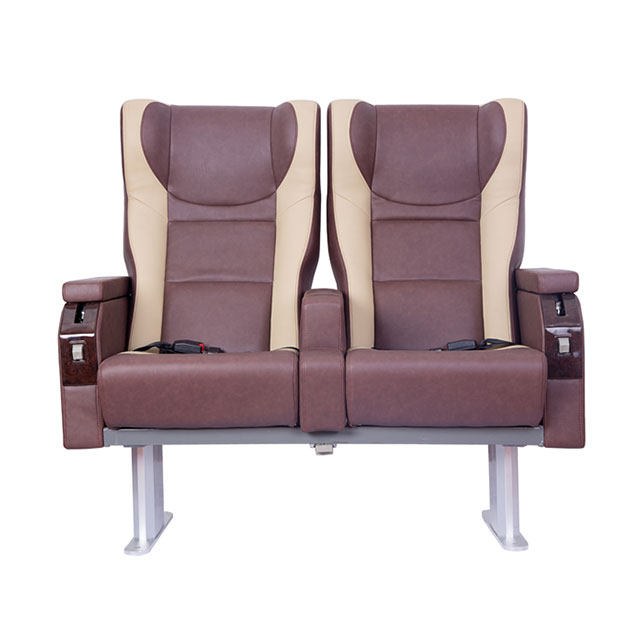
Marine passenger seats stand as crucial components in waterborne vessels, contributing to the comfort, safety, and satisfaction of passengers during their maritime journeys. The design and functionality of passenger seats, whether on ferries, cruise ships, or recreational boats, significantly impact the overall maritime experience. This article takes a closer look at the various types of marine passenger seats available and outlines key considerations for selecting the right type of passenger chairs tailored to different vessels.
Common Types of Marine Passenger Seats:
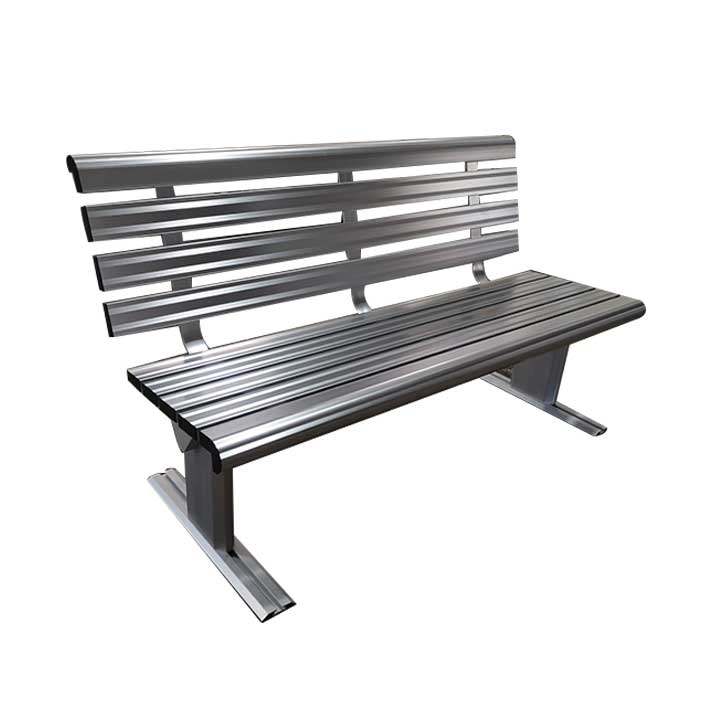
Bench Seats:
Design and Configuration: Space-efficient seating arranged in rows, common on ferries and larger vessels.
Materials: Typically made of high-grade plastics or marine-grade upholstery for durability.
Bucket Seats:
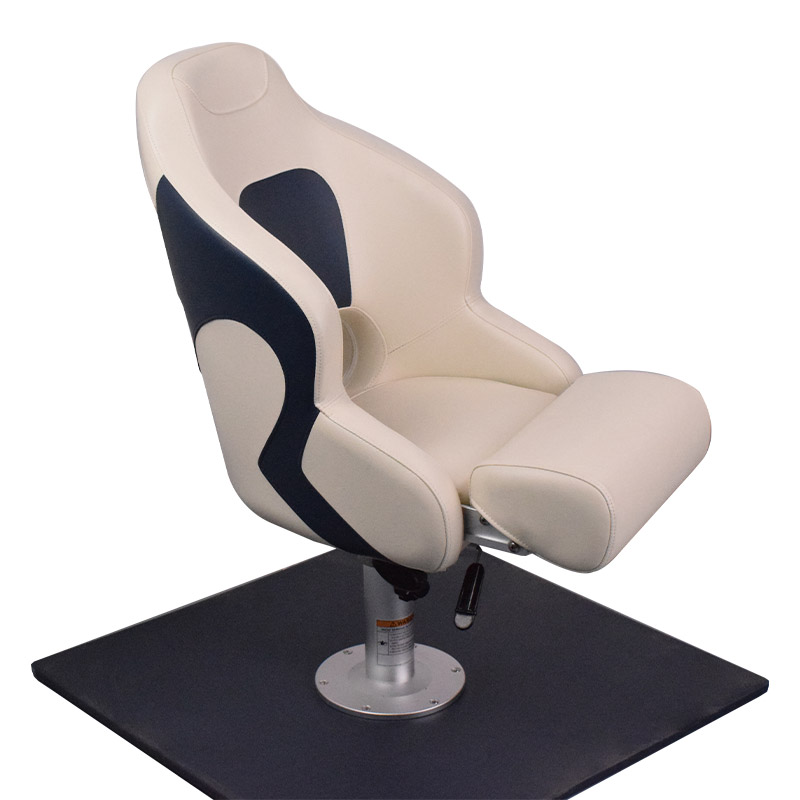
Design and Configuration: Ergonomic, contoured seats for individual passengers, commonly found on smaller boats and recreational vessels.
Features: Some include swivel mechanisms, adjustable heights, and additional padding for extended comfort.
Helm Seats:
Design and Configuration: Specialized seats for the captain or operator, strategically placed at the helm for optimal control.
Features: Armrests, adjustable heights, and 360-degree swivel capabilities for comfort and control.
Flip-Up Seats:
Design and Configuration: Versatile, space-saving seats often used in multipurpose vessels, can be folded or flipped up when not in use.
Applications: Ideal for vessels requiring flexible seating arrangements for different activities.
Jockey Seats:
Design and Configuration: Low-profile seats commonly found on high-speed boats, offering stability in rough waters.
Safety Features: High backrests and side supports ensure passenger safety during high-speed maneuvers.
Sofa and Lounge Seats:
Design and Configuration: Found on luxury yachts and cruise ships, providing relaxed and social seating for groups.
Amenities: Some include integrated tables, cup holders, and charging ports for enhanced passenger experience.
Fold-Down Seats:
Design and Configuration: Compact and space-saving seats, suitable for vessels with limited deck space.
Applications: Common in smaller boats and recreational vessels requiring adaptability and compact storage.
Key Factors for Choosing Marine Passenger Seats:
Vessel Type and Purpose:
Align the seat type with the vessel's specific needs and functions.
Passenger Comfort:
Consider ergonomic designs, additional padding, and adjustable features for longer journeys.
Space Utilization:
Efficiently use available deck space while allowing for easy movement and accessibility.
Seating Capacity:
Accommodate the expected number of passengers while adhering to safety regulations.
Durability and Materials:
Choose corrosion-resistant materials such as marine-grade plastics or stainless steel.
Weather Resistance:
Ensure seats are resistant to UV rays, moisture, and environmental factors.
Safety Features:
Prioritize high backrests, armrests, and secure mounting mechanisms for passenger safety.
Regulatory Compliance:
Confirm adherence to relevant maritime safety regulations and standards.
Maintenance Requirements:
Opt for seats that are easy to clean and maintain for overall cleanliness.
Aesthetics and Design:
Consider the overall visual appeal of seats, especially for luxury yachts or cruise ships.
Budget Considerations:
Evaluate seats that align with the allocated budget while prioritizing quality and safety.
Customization Options:
Explore customization options for specific design preferences or functional requirements.
Conclusion:
Selecting the right type of marine passenger seat is a pivotal decision, influencing passenger comfort, safety, and overall vessel functionality. From the practicality of bench seats to the luxury of sofa-style seating, the diverse array of options caters to the unique needs of each maritime setting. By aligning seat choices with vessel purposes, considering passenger comfort, and factoring in environmental conditions, operators can ensure a safe, comfortable, and enjoyable experience for passengers on board. The evolution of marine passenger seat design continues to enhance maritime journeys across different vessels.