
Oil rigs, towering structures that extract valuable resources from the ocean floor, embody human ingenuity and the pursuit of energy independence. However, the very technologies driving progress also bring the risk of catastrophic events. The threat of an oil rig explosion underscores the importance of robust safety procedures and continuous vigilance. This article explores the causes, consequences, and preventive measures associated with oil rig explosions.
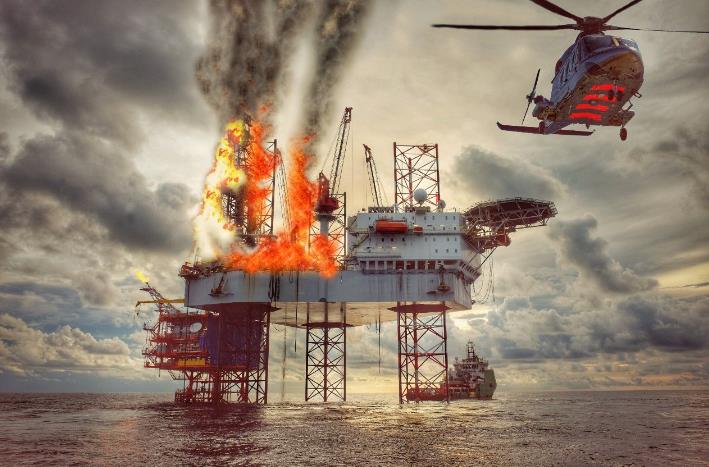
Causes of Oil Rig Explosions
Oil rig explosions result from a complex interplay of factors, with several key contributors:
Ignition Sources:
Electrical systems, machinery, and welding activities on oil rigs can produce sparks or excessive heat. A spark in the presence of flammable gases can trigger a chain reaction leading to an explosion.
Gas Leaks:
Hydrocarbon gases may escape from pressurized systems due to equipment failures, corrosion, or poor maintenance. When mixed with air in the right concentrations, these gases become explosive. Ignition Sources from Outside:
External factors like lightning strikes, static energy, and outside heat sources can ignite flammable chemicals, resulting in an explosion.
Human Error:
Operations mistakes, insufficient training, poor communication, and failure to follow safety regulations can contribute to conditions that lead to an explosion.
Impacts of Oil Rig Explosions
Oil rig explosions have severe and far-reaching consequences:
Loss of Life:
The most tragic consequence is the loss of human life, endangering workers on the rig and those involved in rescue and recovery activities.
Environmental Disaster:
Oil spills resulting from rig explosions harm marine habitats and threaten aquatic life, causing lasting environmental damage.
Property Damage:
Explosions can destroy the rig, neighboring structures, and boats, leading to substantial financial losses.
Economic Disruption:
Production disruptions can cause supply shortages and price fluctuations in the global oil market, affecting sectors and economies worldwide.
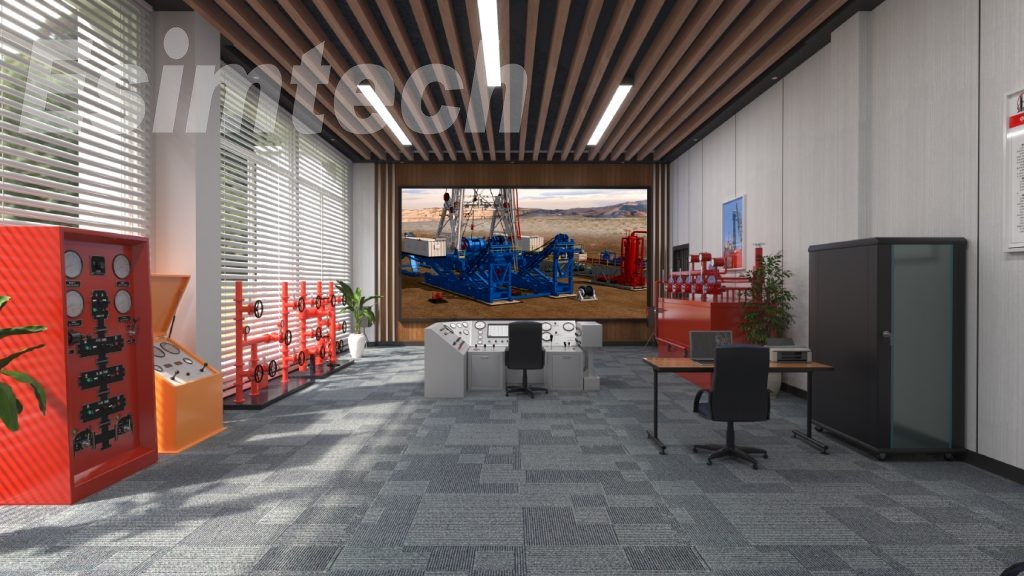
Essential Safety Measures and Mitigation Strategies
To prevent oil rig explosions, a comprehensive approach emphasizing safety, readiness, and continual improvement is essential:
Rigorous Risk Assessment:
Identify potential risks, analyze their likelihood, and calculate their potential impact through a thorough risk assessment.
Stringent Safety Protocols:
Strictly follow safety rules and guidelines, covering personal protective equipment (PPE) and emergency response techniques. Regular training sessions ensure readiness.
Robust Equipment Inspection and Maintenance:
Regularly examine, maintain, and test equipment to prevent unforeseen breakdowns and ensure everything is in good operating order.
Advanced Monitoring and Early Warning Systems:
Utilize monitoring and early warning systems, such as sensors and real-time data analysis, to detect anomalies and potential threats.
Comprehensive Training Programs:
Conduct regular emergency response simulation training programs covering safety protocols, emergency response methods, and the use of safety equipment.
Contingency and Emergency Response Plans:
Develop well-defined emergency and contingency plans detailing evacuation methods, communication protocols, medical response, and cooperation with relevant authorities.
Continuous Improvement and Learning:
Foster a culture of continual development, learning from mishaps and near misses, and regularly reviewing safety measures and technology.
Strong Leadership and Safety Culture:
Leadership plays a crucial role in establishing a strong safety culture. Emphasize the importance of safety and lead by example.
Conclusion
The looming possibility of an oil rig explosion emphasizes the inherent dangers of extracting energy resources. By understanding the causes, impacts, and preventive measures associated with oil rigs, the oil and gas industry can work towards a safer and more sustainable future. Prioritizing worker well-being, environmental protection, and a commitment to safety ensures a responsible and resilient energy extraction industry.
In the realm of CNC turning, the Lathe tool stands as an indispensable instrument, wielding a cutting part that shapes the landscape of various materials. Widely utilized in CNC milling, the Lathe tool plays a pivotal role in generating and treating chips, ensuring precision and efficiency in the manufacturing process. This article explores the diverse types of CNC Lathe tools and sheds light on essential considerations for their selection.
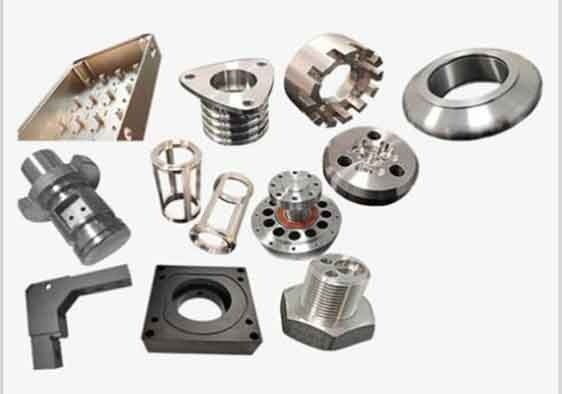
Types of CNC Lathe Tools
1. Turning Tool
Rough Turning Tool: Designed to swiftly remove large amounts of metal, this tool boasts a clear cutting angle, capable of withstanding maximum cutting force.
Finishing Tool: Used for precision, this tool delicately removes small amounts of metal, ensuring a smooth and precise surface.
2. Boring Tool
Boring Bar: Enlarges existing holes, facilitating the drilling and increasing the diameter of drilled holes for proper component installation.
3. Facing Tool
Face Cutter: Cuts a plane perpendicular to the axis of rotation, reducing the length of the workpiece by providing a perpendicular cut to the lathe’s axis.
4. Chamfering Tool
Chamfering Tool: Shapes bevels or grooves in bolts, specifically designed for chamfering corners of the workpiece.
5. Knurling Tool
Knurling Tool: Creates surface textures or non-slip surfaces, adding aesthetic and functional elements to the machined product.
6. Parting Tool
Parting Tool: Includes various cutting tools for high carbon steel and tool steel, facilitating precise cutting.
7. Thread Cutting Tool
External Thread Tool: Processes external threads on a workpiece.
Internal Thread Tool: Processes internal threads within the workpiece.
8. Grooving Tool
Grooving Tool: Creates narrow cavities of specific depths on different surfaces, offering versatility in machining.
9. Forming Tool
Forming Tool: Utilized to craft diverse workpiece shapes, using special lids or brackets to hold the tool in place.
How to Select CNC Lathe Tools
Choosing the right lathe tools involves a careful consideration of several factors:
– Type of Material
The material being worked on dictates the choice of lathe tool, considering attributes like hardness, wear resistance, toughness, and stiffness.
– Tool Shape
The shape of the lathe tool, including the position of the cutting edge, determines the cutting direction (right-hand, left-hand, or round head tool).
– Machined Shape
Each type of lathe tool produces a specified shape, and the desired outcome must align with the tool’s capabilities.
KENENG Providing CNC Machining Service With the Right CNC Lathe Tool
KENENG boasts a professional technology research and development team, offering customized CNC machining services and CNC parts. Their experienced machining team selects the appropriate CNC lathe tools based on material and processing requirements. With years of CNC lathe expertise and sophisticated production equipment, KENENG ensures both efficiency and quality in parts production. Choosing KENENG is synonymous with choosing quality and peace of mind in the world of CNC machining.
High-temperature muffle furnaces have become indispensable tools in laboratories, facilitating a wide range of applications. This article aims to provide insights into the crucial considerations when selecting a high-temperature muffle furnace and outlines essential precautions for their safe and efficient use.
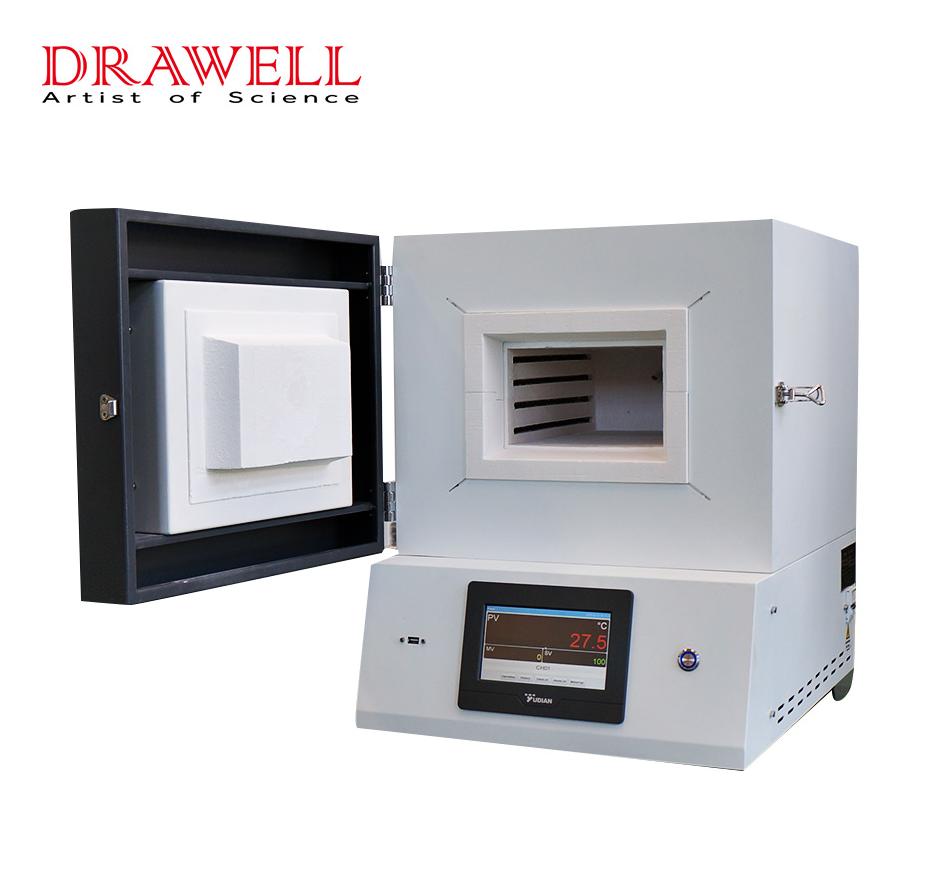
Factors to be Considered for Choosing High-Temperature Muffle Furnace
1. Temperature
Selecting the appropriate high-temperature muffle furnaces involves choosing a model with a maximum temperature (Z high temperature) that exceeds the intended operating temperature by 100°C-200°C. This ensures optimal performance and longevity.
2. Size
The furnace size should be determined based on the weight and volume of the sample to be burned. As a general guideline, the furnace volume should be at least three times the total volume of the sample to ensure uniform heating.
3. Power Supply Voltage
Before purchasing, confirm whether the muffle furnace operates on 380V or 220V to prevent any compatibility issues.
4. Price
Consider the price of the furnace in relation to your budget, ensuring that it aligns with the required specifications and quality standards. Value for money should be balanced with meeting application needs.
5. Furnace Material
Choose between fiber and refractory brick materials. Fiber materials offer lightness, soft texture, and good insulation, while refractory brick materials are heavier with a hard texture but provide general insulation.
6. Heating Element
Select the heating element based on sample burning requirements: resistance wire for temperatures below 1200°C, silicon carbide rod for 1300°C-1400°C, and silicon molybdenum rod for 1400°C-1700°C.
Precautions for the Use of High-Temperature Muffle Furnace
1. Initial Drying
When starting to use or after a long shutdown, dry the furnace at 200°C to 200°C for four hours. Avoid exceeding the rated temperature during use to prevent damage to the electric heating element.
2. Operating Environment
Ensure the muffle furnace and furnace controller work in environments with humidity below 85% and without conductive dust, explosive gas, or corrosive gas. Sealing containers during heating prevents damage to electric heating elements.
3. Heating Element Lifespan
The heating element’s lifespan depends on its oxide layer. Avoid shutdowns immediately after startup to prevent damage to the oxide layer.
4. Controller Usage Limits
Limit the use of the furnace controller within the ambient temperature range of 0°C-40°C. Avoid sudden thermocouple removal at high temperatures to prevent jacket explosions.
5. Safety and Heat Dissipation
Keep the muffle furnace away from inflammable materials, and ensure proper heat dissipation. Frequent monitoring is essential to prevent accidents caused by control failures.
6. Post-Use Cooling
After use, cut off the power supply, let the furnace cool naturally, and avoid opening the furnace door until the temperature drops below 200°C.
7. Regular Maintenance
Regularly check the wiring and controller, ensuring they are in good condition. Calibrate the instrument to account for potential errors caused by various factors.

In conclusion, selecting the right high-temperature muffle furnace is crucial for achieving accurate and repeatable results. Following these guidelines and precautions ensures not only optimal performance but also safety in laboratory environments. High-temperature muffle furnaces, when chosen and operated correctly, prove to be valuable assets across various scientific and industrial applications.
In an era marked by a surge in counterfeiting and fraudulent activities, the significance of security features in printed materials cannot be overstated. From currency and passports to identification cards and important documents, ensuring authenticity is paramount. This article explores the pivotal role of advanced printing inspection systems in verifying security features, discussing their importance in preventing unauthorized replication.

Why Choose Printing Inspection Systems Integrated in Security Feature Verification
The Evolution of Security Features
Traditionally, security features relied on intricate designs, watermarks, and specialized inks. However, technology advances have given rise to highly sophisticated security measures, including invisible elements such as holograms, microprinting, UV inks, and color-shifting inks. To combat the evolving methods of counterfeiters, printing technology has adapted, incorporating these advanced security features.
The Challenge of Counterfeiting
Counterfeiters continually seek ways to replicate these advanced security measures, posing a significant challenge to authorities and organizations tasked with safeguarding printed materials. In this landscape, printing inspection systems become indispensable, providing a reliable means of verifying the presence and correct implementation of intricate security measures.
The Role of Printing Inspection Systems
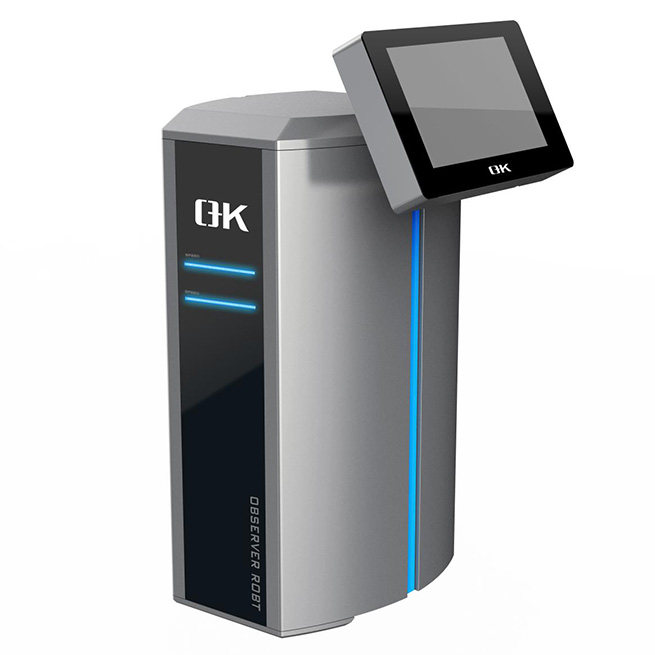
Printing inspection systems are sophisticated technologies designed to inspect printed materials with extreme precision. Employing optical, mechanical, and electronic components, these systems play a crucial role in ensuring the authenticity of security features through:
Detection of Defects: Identifying flaws, irregularities, or deviations from the intended design, including missing or incorrectly placed security elements.
Verification of Security Features: Detecting the presence of specific security features and ensuring accurate reproduction by comparing printed materials to predefined standards.
Authentication of Color and Inks: Assessing color accuracy and the authenticity of inks, especially crucial for anti-counterfeit features relying on color-shifting or UV-responsive inks.
Fine Detail Inspection: Excelling at inspecting intricate details, including complex patterns, watermarks, or hidden images that are difficult to assess with the naked eye.
Real-time Monitoring: Offering real-time monitoring during the printing process, enabling immediate identification and correction of issues to reduce the likelihood of compromised materials entering circulation.
Key Benefits of Printing Inspection Systems in Security Feature Verification
Reduced Risk of Unauthorized Replication: Scrutinizing printed materials for adherence to specific security standards reduces the risk of unauthorized replication, ensuring document integrity.
Prevention of Security Feature Omissions: Preventing unintentional omissions of security features, guaranteeing that every printed item contains the necessary security elements.
Consistent Quality Control: Maintaining a consistent level of quality control in security printing by ensuring security features meet predefined standards across all printed materials.
Adherence to Industry Standards and Regulations: Ensuring compliance in industries where specific security printing standards are mandated, especially crucial for government-issued documents.
Minimized Risk of Fraud: Accurate verification of security features minimizes the risk of fraudulent activities, including attempts to alter or replicate documents for unauthorized purposes.
Increased Trust in Document Integrity: Instilling confidence in the integrity of printed materials for institutions, businesses, and government entities, crucial for maintaining public trust.
Efficient Resolution of Printing Issues: Real-time monitoring facilitates the immediate identification and resolution of security feature issues, minimizing potential impacts on overall document authenticity.
Protection Against Document Tampering: Contributing to protection against document tampering by ensuring tamper-evident elements and security features are intact and correctly implemented.
Enhanced Overall Security: Elevating the overall security of printed materials, making it more challenging for individuals or entities to compromise document authenticity through unauthorized replication or alteration.
Conclusion
In the dynamic landscape of security printing, the role of printing inspection systems is critical. These cutting-edge technologies not only confirm the presence and accuracy of security features but also contribute to ongoing efforts to ensure the authenticity of printed materials. The collaboration of innovative security features and advanced inspection systems remains essential in staying ahead of counterfeiters, safeguarding the integrity of critical documents and valuable items.
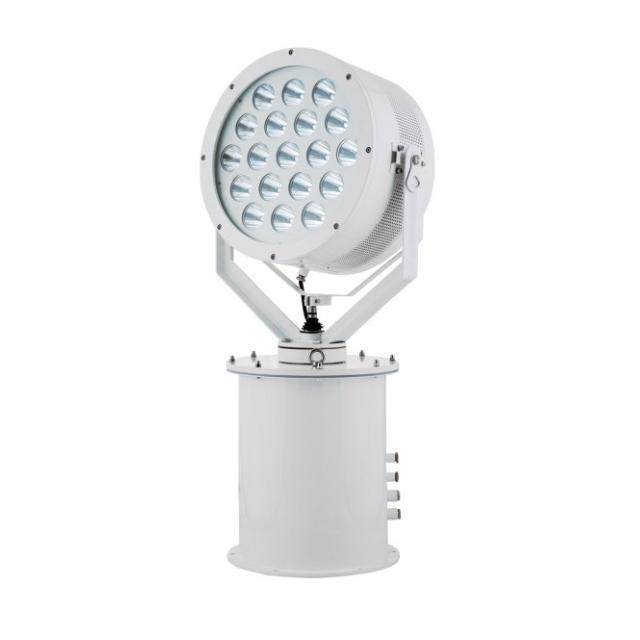
The open seas demand precision, safety, and reliable equipment, and among the essential tools for maritime exploration, marine searchlights stand as beacons, piercing through darkness and adverse weather conditions. This article explores the diverse types of marine searchlights, shedding light on their roles in maritime operations and offering guidance on selecting the appropriate type of ship search lights.
Diverse Types of Marine Searchlights:
Spotlights for Precision:
Description: Concentrated, high-intensity lights projecting a beam over a long distance.
Applications: Navigation through intricate channels, aiding in search and rescue operations.
Floodlights for Broad Illumination:
Description: Emitting a broad, even beam, essential for illuminating large areas.
Applications: Deck lighting, emergency response, and night operations in poorly lit areas.
Rotating or Pan-and-Tilt Searchlights:
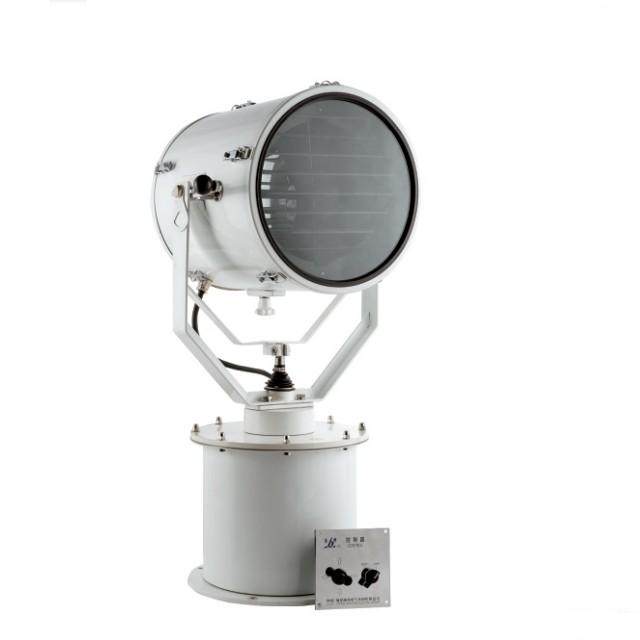
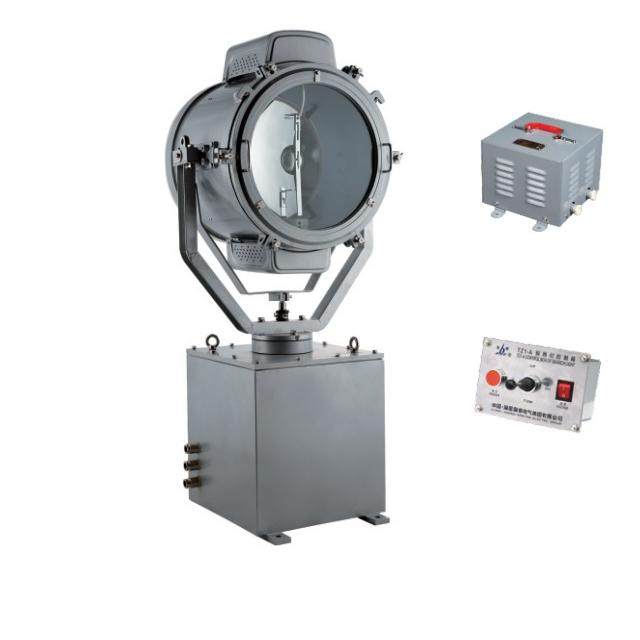
Description: Dynamic lights with horizontal rotation and vertical tilt for enhanced versatility.
Applications: Surveillance, security patrols, and monitoring specific areas.
Remote-Controlled Searchlights:
Description: Operated from a distance, allowing flexible light direction adjustments.
Applications: Bridge lighting, integration with automated navigation systems.
Infrared (IR) and Thermal Imaging Searchlights:
Description: Operating beyond the visible light spectrum, effective in low-light conditions.
Applications: Night vision capabilities for security, surveillance in areas without visible light.
LED Technology in Marine Searchlights:
Description: Energy-efficient, durable, and long-lasting illumination.
Applications: Contributing to energy savings, extended lifespan reducing maintenance requirements.
Choosing the Suitable Type of Marine Searchlights:
Purpose and Application:
Navigation: Spotlights with a focused beam for intricate channels.
Security and Surveillance: Pan-and-tilt or remote-controlled options for monitoring.
Emergency Response: Versatile floodlights and IR searchlights for visibility.
Visibility Requirements:
Consider range and coverage based on vessel size, intended routes, and operational environment.
Spotlights for long-range visibility, floodlights for broader coverage.
Light Source and Technology:
LED vs. Traditional Bulbs: Consider energy efficiency and lifespan advantages of LED technology.
Infrared and Thermal Imaging: Enhance visibility in low-light conditions for nighttime operations.
Movement and Control:
Rotating or Pan-and-Tilt: Dynamic movement for surveillance or targeted illumination.
Remote-Controlled: Convenience and flexibility for adjusting light direction from a distance.
Durability and Resistance:
Weather Resistance: Choose lights resistant to saltwater corrosion, UV exposure, and extreme weather.
Vibration and Shock Resistance: Ensure operational stability during rough sea conditions.
Regulatory Compliance:
Ensure compliance with maritime regulations and international standards, especially for vessels in international waters.
Power Consumption:
Evaluate power consumption, with LED searchlights known for energy efficiency.
Integration with Navigation Systems:
Choose lights that integrate seamlessly with vessel navigation systems for automated control.
Ease of Maintenance:
Select lights with accessible components for routine inspections and repairs.
LED searchlights may reduce maintenance frequency due to longer lifespans.
Budget Considerations:
Create a budget, balancing cost with required features and functionalities.
Consider long-term costs such as energy efficiency and maintenance requirements.
Conclusion:
Selecting the right type of marine searchlights is paramount for ship operators, given their critical roles in navigation, safety, and emergency response at sea. By considering the vessel's needs, operational nature, and environmental conditions, operators can ensure they have the appropriate searchlights to guide them through the vast and unpredictable maritime environment.