
In the oil and gas drilling industry, ensuring safety and environmental protection is paramount. The blowout preventer (BOP) stands as a critical component, shielding drilling operations from catastrophic accidents. The Deepwater Horizon incident in 2010 underscored the significance of robust blowout preventers in averting environmental and economic disasters. This article explores the key functions, components, challenges, and innovative technologies driving the evolution of blowout preventers in the oil and gas sector.
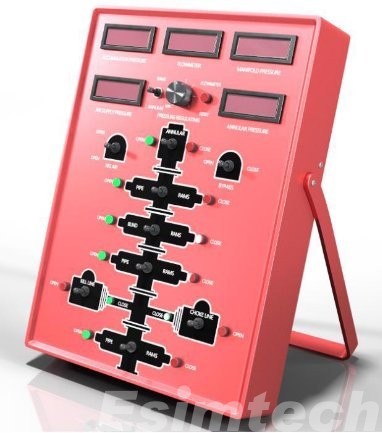
The Key Functions and Importance of Blowout Preventers:
1. Emergency Shut-off:
In response to sudden pressure surges or loss of control, a blowout preventer can be activated to swiftly seal around the wellbore, cutting off fluid flow and preventing a blowout.
2. Well Control:
Throughout drilling and completion processes, the BOP maintains the well's pressure balance, ensuring appropriate drilling mud circulation and overall well stability.
3. Environmental Protection:
Blowout preventers play a crucial role in averting oil spills and reducing their environmental impact by closing the wellbore and restricting the uncontrolled flow of hydrocarbons.
The Key Components of Blowout Preventers:
1. Annular Preventers:
Doughnut-shaped devices encircling drill pipes, casing, or open holes, equipped with rubber or metal sealing devices for a versatile and adaptable seal against fluid flow.
2. Ram Preventers:
Hydraulic devices closing around drill pipes, casing, or open holes, classified into blind rams, pipe rams, and shear rams, each serving specific applications during well control scenarios.
3. Hydraulic Systems:
Powering the movement of various components within the blowout preventer, ensuring quick and precise activation even under high pressures and dynamic conditions.
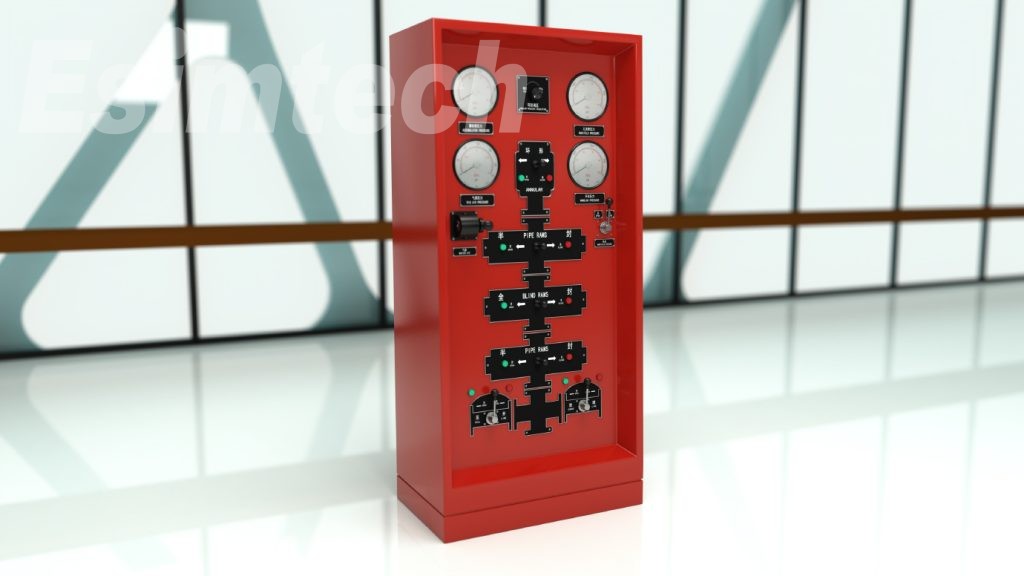
4. Control Systems:
Modern blowout preventers incorporate extensive control systems for remote monitoring and activation, offering operators precise control over the wellbore's pressure and component movements.
5. Choke and Kill Lines:
Pipelines connected to the BOP stack for controlling fluid flow from the wellbore, with choke lines regulating flow rates and kill lines used for adding fluids or chemicals to regain control of well pressure.
6. Manifold:
A collection of valves and pipelines connecting choke and kill lines to the drilling rig and surface equipment, facilitating fluid flow adjustments during routine operations and emergencies.
7. Accumulator System:
Stores hydraulic fluid under pressure, ensuring that even in the event of a primary hydraulic power source failure, the BOP can function effectively.
8. Sealing Elements and Gaskets:
Various sealing devices and gaskets ensuring tight seals between components, preventing fluid leaks and maintaining wellbore integrity.

Challenges and Innovations for Blowout Preventers:
Challenges:
Complexity and Maintenance: Regular inspection and maintenance of complex components.
Extreme Operating Conditions: Resistance to high pressures, temperatures, corrosive fluids, and abrasive materials.
Human Error and Training: Adequate training to prevent delays and errors during emergencies.
Real-time Monitoring and Data Analysis: Challenges in analyzing vast data generated by BOPs.
Deepwater and Subsea Challenges: Addressing unique challenges in deepwater and subsea environments.
Innovations:
Remote Operation and Automation: Minimizing human intervention for remote monitoring and control.
Digital Twin Technology: Virtual replicas for real-time simulations and testing.
Condition Monitoring and Predictive Analytics: Sensors and analytics for predicting breakdowns.
Material Improvements: Development of durable and corrosion-resistant materials.
Redundancy and Redundant Systems: Implementing backup systems for added security.
Real-time Training Simulators: Simulation for operators to practice emergency scenarios.
Standardization and Regulation: Industry-wide standards for consistent quality and performance.
Improved Emergency Response Plans: Thorough plans for precise procedures in well control scenarios.
Conclusion:
Blowout preventers in the oil and gas industry are at the forefront of technological innovation, ensuring safety, integrity, and environmental protection. From real-time monitoring to material advancements and automation, the industry is committed to enhancing the reliability and effectiveness of blowout preventers. As technology continues to evolve, these guardians at drilling sites remain crucial in guaranteeing responsible exploration and extraction of oil and gas resources while safeguarding the environment and human lives.
Bolts are essential components in construction, and their failure can lead to serious consequences. Many instances of bolt failure are related to installation and construction issues. This article provides insights into common forms of bolt failure, analyzing their causes and providing precautions to prevent such failures.
1. Fracture Causes Bolt Failure
Overload Fracture
Cause Analysis:
Overload fracture occurs when a bolt, installed in a manner deviating significantly from the axis, faces serious interference between the screw hole and light hole. Attempting to tighten the bolt under such conditions results in a combination of overload tension, pulling torque, and interference shearing, ultimately leading to bolt fracture.
Precautions:
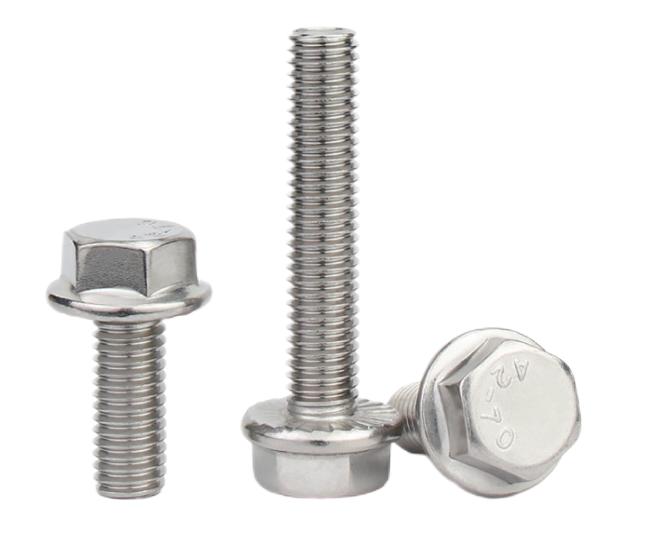
To prevent overload fractures, flange hexagon bolts should be tightened in multiple steps using a cross-method to minimize cumulative errors in the coaxiality of screw holes and light holes.
Fatigue Fracture
Cause Analysis:
Fatigue fractures exhibit striations in flat areas with dimple morphology at a 45° angle to the bolt axis. These fractures are associated with factors like preload, bolt loosening, vibration, load changes, impact, low preload during installation, lack of proper anti-loosening measures, and improper assembly.
Precautions:
Preventing fatigue fractures involves strictly adhering to installation specifications and ensuring proper preload during bolt installation.
2. Thread Stripping Causes Bolt Failure
Cause Analysis:
Thread decarburization historically led to bolt slippage. However, advancements in fastener technology, especially in the last two decades, have addressed this issue. Presently, bolt slippage is primarily related to installation and construction practices.
Precautions:
Manufacturers should prevent thread decarburization through heat treatment and atmosphere protection. Users should strictly follow installation and construction specifications and enhance on-site bolt protection.
Shrinkage Fracture
Cause Analysis:
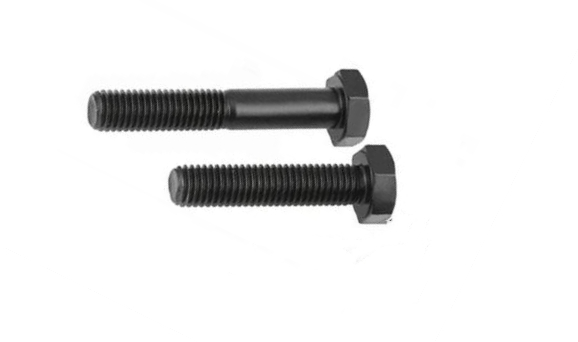
Insufficient and uneven annealing of raw materials, combined with high strength and hardness, leads to shrinkage fractures. During diameter reduction, large deformation stress generates microcracks. Subsequent quenching treatment exacerbates these microcracks.
Precautions:
Preventive measures include changing diameter reduction to turning, strengthening control of raw material annealing processes, and ensuring sufficient and uniform annealing.
3. Thread Seizure Causes Bolt Failure
Cause Analysis:
Rapid preloading and disassembly leading to high temperatures on screw teeth cause adhesive wear on stainless steel screw teeth surfaces. Accumulated abrasive debris hinders screwing processes, resulting in thread seizure.
Precautions:
Reducing pre-tightening and disassembly speeds can lower thread temperatures, reducing adhesive wear and the likelihood of stainless steel thread seizure. Coating the threads can further reduce friction coefficients, preventing thread seizure.
Summary
This comprehensive analysis covers design, materials, bolt manufacturing processes, installation, and construction practices. It aims to assist both bolt manufacturers and bolt failure analysts in understanding the intricacies of bolt failure, ultimately contributing to enhanced bolt quality and reliability in construction applications.
Producing nonwoven fabric is a complex undertaking that demands precision and unwavering consistency. Central to achieving the desired quality and efficiency in nonwoven production is the implementation of effective web tension control. Web tension controllers play a vital role in maintaining optimal material tension throughout the production process. In this article, we will explore the significance of web tension controllers in the nonwoven manufacturing process
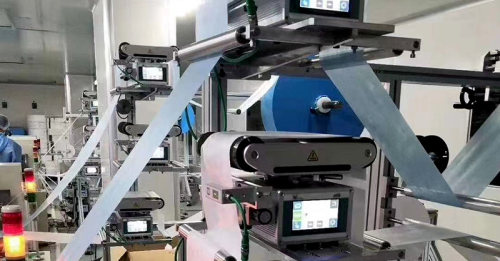
Key Roles and Significance of Web Tension Controllers in Nonwoven Production Process
Web Formation and Fiber Laying
At the onset of nonwoven manufacturing, the creation of a loose web of fibers sets the stage. Continuous fiber deposition onto a conveyor belt or a revolving drum is the initial step. To ensure a uniform web, web tension controllers prove indispensable.
Tension Regulation: Web tension controllers facilitate the regulation of conveyor belt or drum speed, ensuring a consistent laydown of fibers. This controlled strain prevents overstretching or drooping, guaranteeing an even web formation.
Web Bonding and Consolidation
Following web generation, the fibers undergo a bonding process to consolidate and form a cohesive fabric. Techniques like needle punching, thermal bonding, or chemical bonding are employed, making proper web tension control crucial.
Uniform Bonding: Consistent web tension ensures uniform bonding of fibers during the bonding process, be it through mechanical needles, heat, or chemicals. This uniformity is essential for the overall quality and strength of the fabric.
Preventing Breaks: Web tension control helps prevent material disturbances or breaks during bonding, averting disruptions to the process and safeguarding the fabric's integrity.
Web Finishing and Additional Processes
Post-bonding, nonwoven fabrics undergo treatments such as calendering, drying, coating, or other finishing procedures. Web tension control remains pivotal during these stages.
Quality Enhancement: Web tension controllers ensure even processing of the fabric at the correct tension during finishing processes, elevating the quality of the final product with consistent characteristics.
Preventing Defects: Proper tension control helps prevent defects like wrinkles, creases, or uneven coating during finishing, reducing waste and enhancing production efficiency.
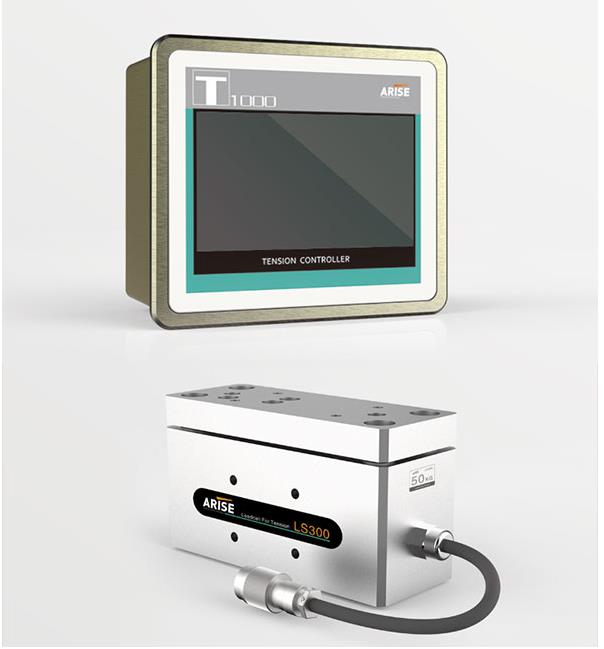
Advantages of Web Tension Controllers in Nonwoven Production Process
Quality Control
Maintaining consistent web tension is crucial for producing high-quality nonwoven materials, ensuring uniform qualities like thickness and strength along the entire length.
Efficiency
Web tension controllers prevent material waste due to wrinkles, creases, or flaws, leading to more effective manufacturing processes and cost savings.
Reduced Downtime
Effective web tension control minimizes the risk of breaks or tears, reducing downtime for repairs and adjustments.
Product Variety
Web tension controllers allow for easy adjustments to accommodate different materials and production requirements, enabling the production of a range of nonwoven products.
Safety
Consistent tension control enhances workplace safety by minimizing the risk of accidents caused by sudden material movements or breaks.
Conclusion
In nonwoven manufacturing processes, tension control is paramount. Web tension controllers emerge as critical elements, ensuring the quality, efficiency, and safety of nonwoven fabric production. As the demand for nonwoven items continues to rise across various industries, the role of web tension controllers becomes increasingly pivotal in meeting these demands while upholding high-quality standards.
Polymerase Chain Reaction (PCR) technology stands as a cornerstone in molecular biology, particularly in the realm of forensic science, where it plays a pivotal role in amplifying specific DNA regions for analysis. This article delves into the advantages, limitations, and diverse applications of PCR in forensic investigations.
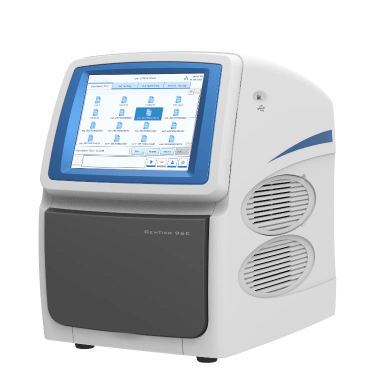
Advantages of PCR in Forensic Investigations
PCR boasts several attributes that render it well-suited for forensic applications:
High Sensitivity and Specificity:
PCR is highly sensitive and specific, enabling the accurate detection and amplification of even minute DNA amounts.
Versatility with Sample Types:
It can effectively work with small or degraded samples, such as those derived from hair, bones, or aged bloodstains.
Simultaneous Analysis of Multiple Samples:
The technology's capability to analyze multiple samples simultaneously enhances forensic scientists' efficiency in processing large sample numbers.
Types of PCR Assays Used in Forensics
Various PCR instruments used to meet the diverse needs of forensic investigations:
Short Tandem Repeat (STR) Analysis:
A common approach, STR analysis compares specific DNA regions to create unique profiles for individuals, facilitating the matching of DNA evidence to suspects or victims.
Single Nucleotide Polymorphism (SNP) Analysis:
This assay examines single nucleotide differences in DNA, aiding in determining relationships between individuals.
Mitochondrial DNA (mtDNA) Analysis:
Ideal for analyzing highly degraded samples, such as those from ancient bones or teeth.

Applications of PCR in Criminal Investigations
PCR finds widespread applications in criminal investigations, including:
Identification of Suspects or Victims:
Forensic scientists utilize PCR to identify perpetrators in cases like sexual assaults, based on DNA evidence left at crime scenes.
Exoneration of Wrongfully Accused Individuals:
PCR can prove the innocence of those wrongly accused by demonstrating a lack of match between their DNA and that found at the crime scene.
Limitations and Challenges of PCR in Forensics
Despite its advantages, PCR encounters limitations and challenges in forensic applications:
Contamination Concerns:
Potential contamination from the environment or other samples requires meticulous handling and the implementation of controls for result accuracy.
Interpretation of Complex DNA Mixtures:
Complex DNA mixtures, such as those from multiple individuals or degraded samples, pose challenges in interpretation, spurring the development of new technologies to enhance result reliability.
Future Developments in Forensic PCR
The future of forensic PCR holds promising developments:
Next-Generation Sequencing:
This technology enables the analysis of more complex DNA samples, providing detailed information about an individual's DNA profile.
DNA Databasing and Bioinformatics:
Advancements in DNA databasing and bioinformatics support the analysis of vast datasets, fostering connections between different cases.
Conclusion
PCR technology has transformed forensic science, providing investigators with a potent tool for individual identification and DNA analysis. Despite existing limitations and challenges, ongoing advancements, particularly in next-generation sequencing and bioinformatics, promise a bright future for PCR in forensic investigations. By continually refining and improving PCR technology, forensic scientists contribute to ensuring justice is served and holding the guilty accountable for their actions.
Lifeboats, crucial elements of maritime safety equipment, play a pivotal role in ensuring the well-being of individuals at sea during emergencies. Over the years, various types of lifeboats have been developed to meet diverse maritime needs, offering solutions for evacuating and safeguarding crew and passengers. This article delves into the different categories of lifeboats, exploring their designs, specific applications in maritime safety, and key considerations for selecting the most suitable lifeboat.
Diverse Types of Lifeboats
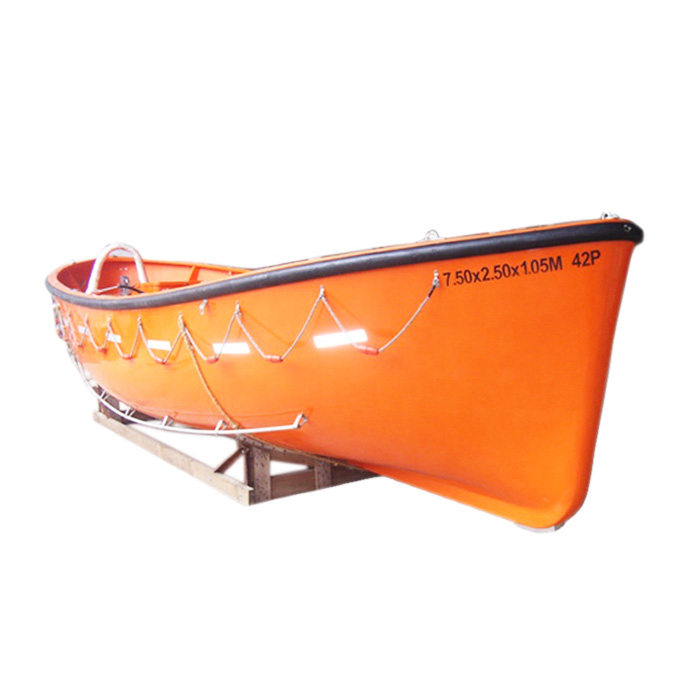
Open Lifeboats:
Simple and traditional, often constructed with durable materials like fiberglass. Suitable for quick boarding, manually propelled by oars or a small outboard motor. Common on smaller vessels.
Enclosed Lifeboats:
Equipped with a protective canopy or roof for added shelter against the elements. Appropriate for various vessels, including cargo ships, passenger ships, and offshore platforms. Often equipped with survival gear and communication systems.
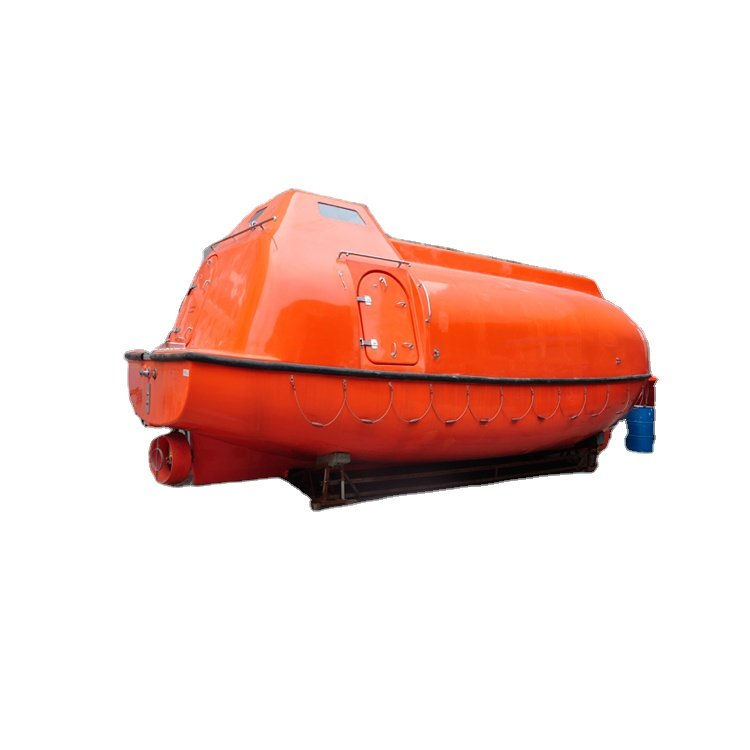
Freefall Lifeboats:
Specifically designed for rapid deployment, launched by freefall from an elevated position on the ship. Freefall lifeboats ensure quick and efficient entry into the water during emergencies.

Fast Rescue Craft:
Small and agile vessels for rapid response and rescue operations. Found on larger vessels like passenger ferries, cruise ships, and offshore installations. Designed for quick maneuverability in emergencies.
Davit-Launched Lifeboats:
Launched using mechanical davits, commonly used on ships and offshore platforms. Versatile, available in open or enclosed designs, known for their reliability and ease of use.
Inflatable Lifeboats:
Featuring inflatable tubes for buoyancy and stability. Lightweight and easy to store, commonly used on smaller vessels like yachts and offshore installations. Available in open or enclosed designs.
Combination Lifeboats:
Combine features from various types to provide a comprehensive solution. For example, a combination lifeboat may have an enclosed design with inflatable elements, aiming to enhance safety and versatility.
Key Considerations for Selection
Vessel Type and Size:
Consider the size and type of the vessel to determine lifeboat capacity and necessary features.
Occupancy Capacity:
Evaluate the maximum number of people the lifeboat must accommodate during emergencies.
Operational Environment:
Assess typical operating conditions to choose a lifeboat designed to withstand specific sea conditions.
Launch and Recovery Method:
Consider the vessel’s layout and evacuation speed when selecting between davit-launched or freefall lifeboats.
Survivability Features:
Evaluate stability, self-righting capabilities, and the ability to withstand extreme weather conditions.
Accessibility and Ease of Boarding:
Consider features like ladders or platforms to ensure quick and easy boarding, especially in challenging conditions.
Special Requirements:
Determine any specific requirements based on the vessel’s operations, such as the need for rapid evacuation or additional safety measures.
Regulatory Compliance:
Ensure the selected lifeboat complies with international and national regulations and standards.
Training and Familiarization:
Consider training requirements to ensure crew members are adept at operating the selected lifeboat during emergencies.
Maintenance and Inspection:
Assess the ease of maintenance and inspection to ensure the lifeboat remains in optimal condition.
Cost Considerations:
Balance safety considerations with overall costs, including purchase, installation, training, and ongoing maintenance.
Conclusion
The diversity in lifeboat designs reflects the evolving challenges of maritime safety. Each type of lifeboat serves a specific purpose, and selecting the right one requires a thorough examination of vessel characteristics, operational environments, and safety requirements. By carefully considering these factors, vessel operators can ensure that the chosen lifeboat is well-suited to handle emergencies, playing a critical role in maritime safety and evacuation procedures.