
In the expansive realm of the open sea, colossal structures known as oil rigs emerge from the depths, seemingly defying physics as they majestically float on the water's surface. The intriguing question often arises: Do oil rigs truly float? The answer delves into the fascinating and complex interplay of buoyancy, engineering marvels, and the indispensable role of drilling simulators. This article takes you on a journey to unravel the truth behind the floating oil rigs and explores how simulators contribute to their innovation and efficiency.
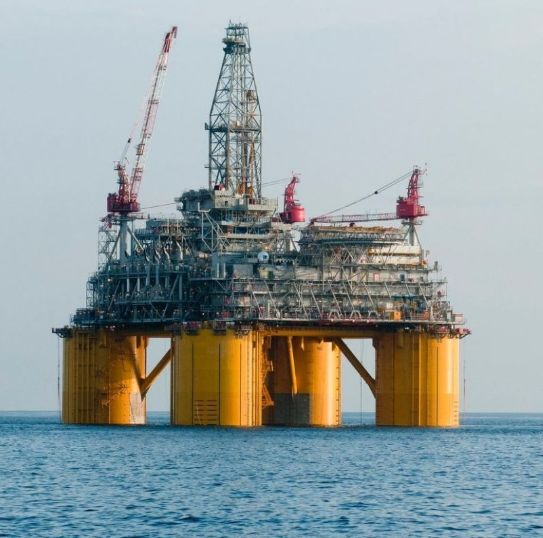
The Physics Behind Floating Oil Rigs
Buoyancy:
Buoyancy, a fundamental principle involving the upward force exerted by a fluid (seawater) on an immersed object, is crucial for floating oil rigs. These structures are designed to displace a volume of water equal to or greater than their own weight, allowing them to stay afloat.
Stability:
To withstand forces such as waves, currents, wind, and the weight of equipment, floating oil rigs need stability. Achieved through strategically placed ballast (heavy materials), the distribution of weight and ballast ensures a low center of gravity, preventing tilting or capsizing.
Hydrostatics:
Hydrostatics, dealing with fluid behavior at rest, plays a role in determining the equilibrium of the platform. Pressure differences exerted by surrounding water contribute to the buoyant force, maintaining the rig's afloat status.
Types of Floating Oil Rigs
Various designs and considerations apply to different types of floating oil rigs:
Semi-Submersibles:
Columns or pontoons submerged underwater provide stability by utilizing buoyant force to counteract weight, connected to a deck holding drilling equipment.
Drillships:
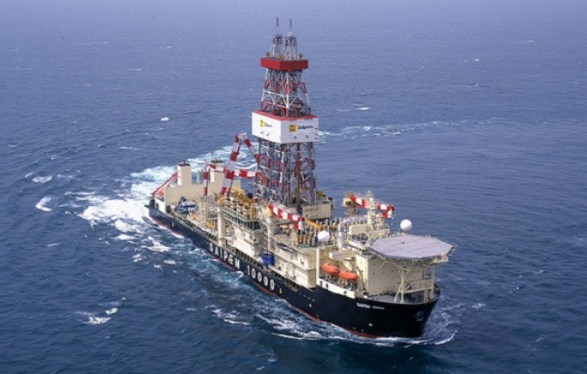
Ships with drilling equipment, featuring a deep hull for buoyancy and stability. Dynamic positioning systems maintain the ship's position over the drilling site.
Tension Leg Platforms (TLPs):
Vertical tethers or tension legs anchor the platform to the seabed, limiting lateral movement while allowing vertical movement in response to waves.
Spar Platforms:
Cylindrical structures extending above and below the water's surface, utilizing buoyancy from the submerged section and housing drilling equipment and living quarters above water.
FPSOs (Floating Production Storage and Offloading):
Used for production and storage, FPSOs are moored to the seabed, achieving buoyancy and stability through hull design and ballast systems.
In summary, the physics of floating oil rigs involve principles of buoyancy, stability, and hydrostatics, ensuring their operation in the challenging offshore environment.
Simulation of Offshore Oil Rigs
Rig Design and Construction:
Simulation is utilized during the design phase to create virtual prototypes, allowing engineers to test different configurations for safety and efficiency.
Buoyancy and Stability:
Simulation aids in understanding how rigs maintain buoyancy and stability in various sea conditions, optimizing the rig's structure and ballast systems.
Drilling Processes:
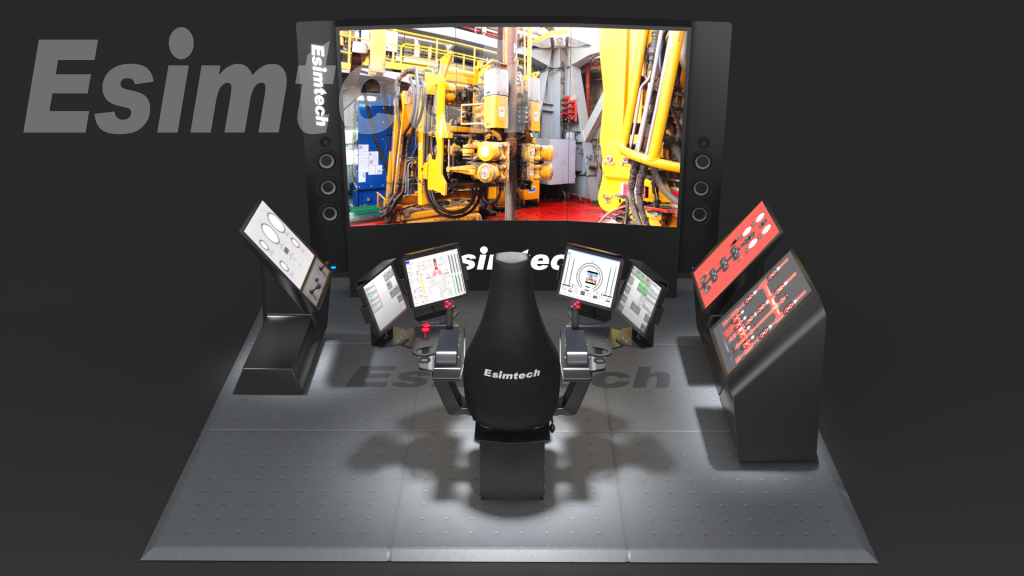
Drilling simulations enable practice and optimization of procedures in a virtual environment, including well control and actual drilling operations.
Dynamic Responses:
Simulations replicate responses to external factors like waves and wind, predicting their effects on stability, motion, and performance.
Emergency Scenarios:
Simulators train personnel in responding to emergencies, allowing practice of evacuation procedures and safety protocols.
Crew Training:
Simulation is essential for training rig personnel, providing familiarity with operations, equipment handling, and safety procedures.
Equipment Testing:
Simulation allows testing and optimizing the performance of drilling equipment and machinery, identifying potential issues before actual rig deployment.
Data Integration:
Platforms can be connected to real-time data feeds, enabling decision-making based on actual data and responding to changing conditions.
Optimization and Efficiency:
Engineers analyze different scenarios to identify opportunities for improving operational efficiency.
Risk Mitigation:
Simulations help identify potential risks and challenges, allowing operators to develop strategies to enhance safety measures.
Research and Development:
Simulation is a valuable tool for testing new technologies, accelerating innovation, and reducing risks associated with new solutions.
Incorporating simulation enhances safety, reduces downtime, improves efficiency, and prepares personnel for various scenarios, contributing to a safer and more sustainable offshore industry.
Conclusion
Oil rigs do indeed float, showcasing the remarkable synergy between physics, engineering, and innovative technology. Buoyancy, a timeless principle, continues to shape modern oil rig design and operation. Leveraging advanced simulators ensures stability, safety, and efficiency in the unpredictable marine environment. As our understanding of physics and technology advances, oil rigs will remain steadfast on the water's surface, symbolizing human achievement in overcoming nature's challenges.
Remaining competitive in the ever-evolving manufacturing sector requires a proactive embrace of technological advancements that enhance precision, efficiency, and overall production quality. This case study examines the triumph of ABC Manufacturing, a forward-thinking industry player that significantly improved its production processes by adopting web guiding systems. This exploration delves into the challenges faced, the chosen solutions, and the tangible benefits realized.
Why ABC Manufacturing Opted for Web Guiding Systems
Background:
Specializing in flexible packaging materials for diverse industries such as food and beverage, pharmaceuticals, and consumer goods, ABC Manufacturing recognized the imperative to enhance the precision of its manufacturing processes, particularly web alignment, to meet growing demands for quality and efficiency.
Challenges Faced:
Inconsistent Web Alignment:
Dealing with issues related to inconsistent web alignment, ABC Manufacturing experienced product defects and increased waste due to manual adjustments causing production delays.
Downtime and Productivity Loss:
The manual alignment process led to frequent downtime, adversely impacting overall productivity. An automated solution was deemed necessary to minimize disruptions.
Quality Control Concerns:
Variations in web alignment raised quality control concerns in an industry where precision is paramount. ABC Manufacturing aimed for greater consistency to meet stringent quality standards.
Selected Solution: Web Guiding Systems Implementation
After a thorough evaluation of potential solutions, ABC Manufacturing decided to implement state-of-the-art web guiding systems tailored to the unique requirements of their production line.
How ABC Manufacturing Successfully Implemented Web Guiding Systems
Key Components of the Implemented Web Guiding System:
High-Resolution Optical Sensors:
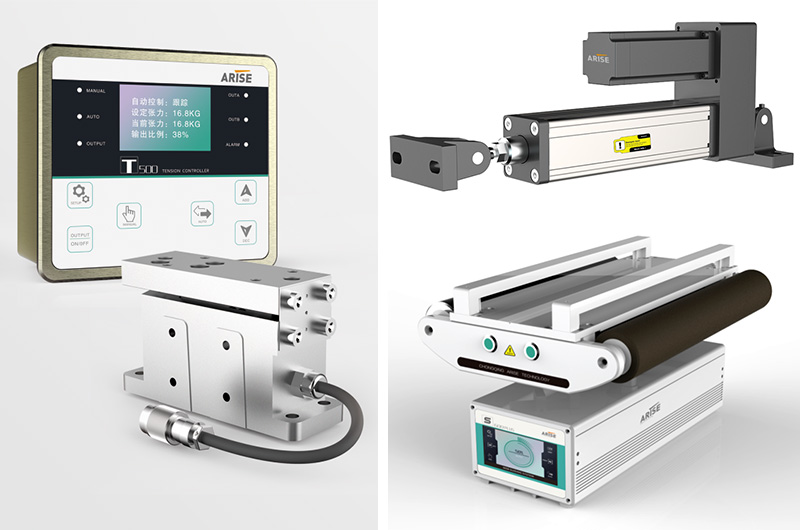
Opting for web-guiding systems with high-resolution optical sensors provided precise real-time feedback on material position, ensuring accurate alignment.
Advanced Actuators:
The chosen systems featured advanced web guide actuators, combining servomotors and pneumatic cylinders for quick and precise adjustments to ensure optimal web alignment.
User-Friendly Controller with Programmability:
Integration with a programmable, user-friendly web guide controller allowed operators to set parameters, fine-tune adjustments, and adapt the system to various materials and production needs.

Steps for Successful Implementation:
Assessment of Requirements:
Conduct a thorough assessment of the manufacturing process to identify specific web guiding requirements, considering material type, width, and processing speed.
Selection of Appropriate System:
Choose a web guide system that aligns with identified requirements, considering sensor technology, controller capabilities, and compatibility with existing machinery.
Integration with Existing Equipment:
Ensure seamless integration with the existing production line, collaborating with the system provider to adapt the solution to the facility's unique characteristics.
Operator Training:
Train operators on the proper use and maintenance of the web guiding system, familiarizing them with the user interface and troubleshooting procedures to minimize downtime.
Performance Monitoring:
Implement a monitoring system to track the performance of the web guiding system, regularly reviewing data to identify areas for optimization and preventive maintenance.
Continuous Improvement:
Embrace a culture of continuous improvement, regularly evaluating the system's effectiveness and exploring opportunities for enhancements or upgrades.
Benefits of Successfully Implementing Web Guiding Systems at ABC Manufacturing
Precision and Consistency:
The implementation resulted in a significant improvement in web alignment precision, enhancing the consistency of the production line and reducing variations in the final product.
Dramatic Reduction in Waste:
ABC Manufacturing experienced a substantial reduction in material waste due to the automated adjustments provided by the web guiding system, aligning with the company’s commitment to sustainability.
Enhanced Productivity:
Virtually eliminating downtime from manual adjustments, the web guiding system significantly increased overall productivity, enabling ABC Manufacturing to meet production targets more efficiently.
Quality Assurance and Customer Satisfaction:
The increased precision directly influenced product quality, allowing ABC Manufacturing to confidently meet and exceed clients’ stringent quality standards, enhancing overall customer satisfaction.
Adaptability to Changing Requirements:
The web guiding system's programmability enabled ABC Manufacturing to quickly adapt to changing production requirements, proving invaluable when dealing with a wide range of materials and product specifications.
Conclusion
The successful integration of web guiding systems showcases the transformative impact of advanced manufacturing technologies. By addressing issues of inconsistent web alignment, downtime, and quality control, ABC Manufacturing not only optimized its production processes but also established itself as a precision manufacturing leader. This case study underscores the importance of strategic technology adoption in remaining competitive and meeting the dynamic demands of the modern manufacturing landscape.
Lifeboats, integral components of maritime safety equipment, play a vital role in ensuring the well-being of individuals at sea during emergencies. Over the years, various types of lifeboats have been developed to address diverse maritime needs, offering solutions for evacuating and safeguarding crew and passengers. This article explores the different types of lifeboats, their designs, specific applications in maritime safety, and key considerations for selecting the most suitable lifeboat.
Common Types of Lifeboats:
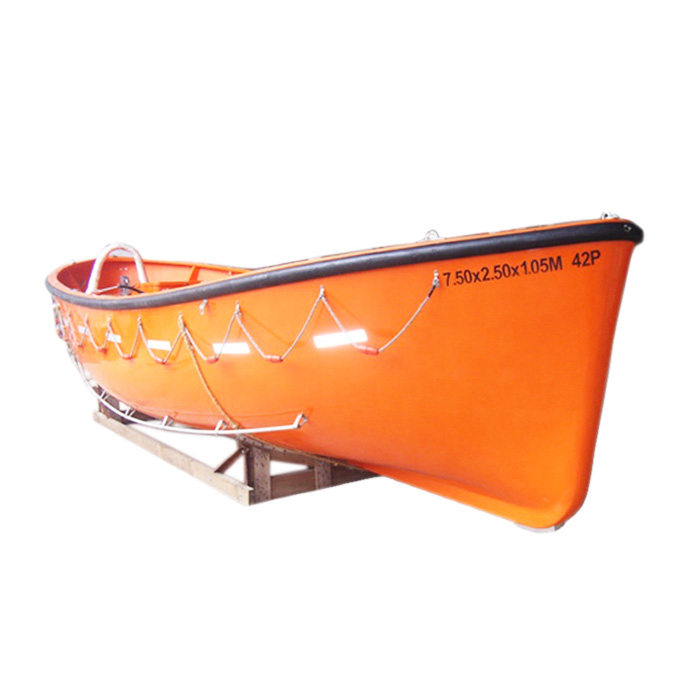
Open Lifeboats:
Open lifeboats, with their simple and traditional design, have stood the test of time. Constructed from materials like wood, fiberglass, or reinforced plastic, these boats lack a roof, allowing for quick and easy boarding. Found on smaller vessels, they are manually propelled using oars or a small outboard motor.
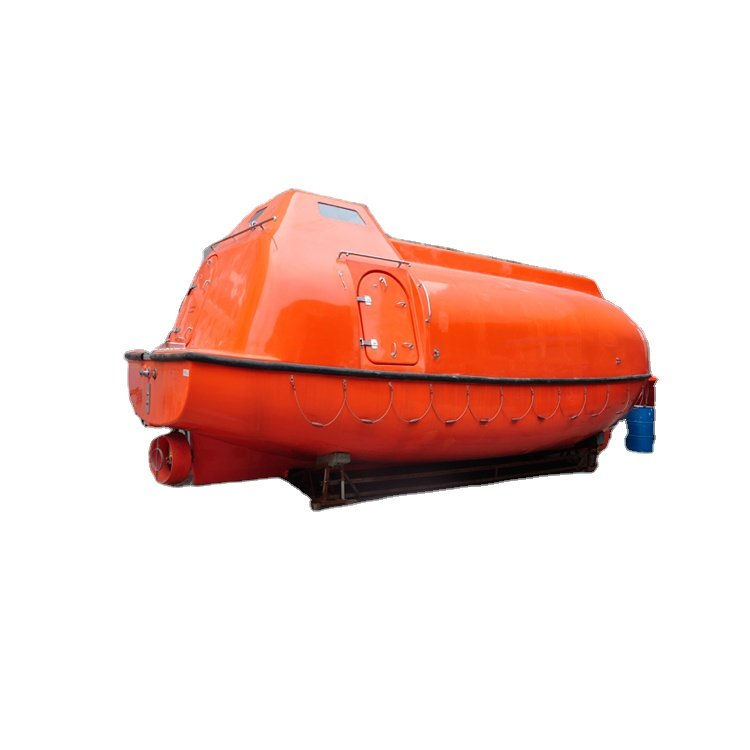
Enclosed Lifeboats:
Enclosed lifeboats feature a protective canopy or roof, offering additional protection against adverse weather conditions. These lifeboats often come equipped with survival equipment, communication systems, and emergency supplies. Suitable for various vessels, including cargo and passenger ships, they provide a sheltered environment for occupants.
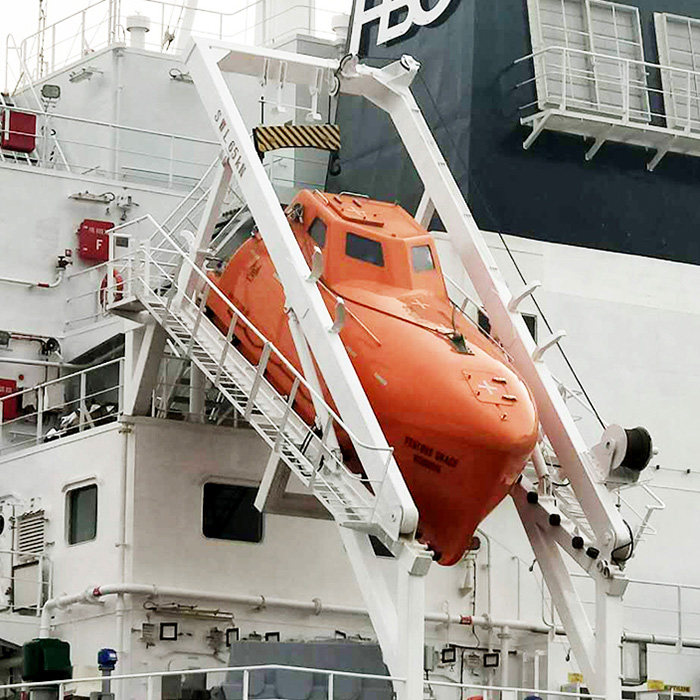
Freefall Lifeboats:
Specifically designed for rapid deployment, freefall lifeboats are launched from an elevated position on a ship's deck. Their freefall descent enables quick entry into the water, ensuring timely evacuation during critical situations.
Fast Rescue Craft (FRC):
Fast rescue craft (FRCs) are agile, smaller vessels designed for rapid response and rescue operations. Deployed on larger vessels like passenger ferries and offshore installations, FRCs offer quick maneuverability and can swiftly reach locations for emergency assistance.
Davit-Launched Lifeboats:
Davit-launched lifeboats are commonly used on ships and offshore platforms. Launched using mechanical davits, these lifeboats can be open or enclosed, providing versatility in their application. Known for their dependability and ease of use, davit-launched lifeboats are integral to maritime safety.
Inflatable Lifeboats:
Inflatable lifeboats utilize inflatable tubes for buoyancy and stability. Lightweight and easy to store and deploy, these lifeboats are commonly used on smaller vessels such as yachts and offshore installations. They offer design flexibility, with options for open or enclosed configurations.
Combination Lifeboats:
Combining features from various types, combination lifeboats aim to provide a comprehensive solution. For instance, a combination lifeboat may feature an enclosed design with inflatable elements, combining the strengths of different designs to enhance safety and versatility.
Key Considerations to Select the Most Appropriate Type of Lifeboats:
Vessel Type and Size:
Consider the size and type of the vessel, as larger vessels may require lifeboats with greater capacity and additional features.
Occupancy Capacity:
Evaluate the maximum number of people the lifeboat needs to accommodate during emergencies.
Operational Environment:
Assess the typical operating conditions and environmental factors where the vessel operates, ensuring the lifeboat can withstand specific sea conditions.
Launch and Recovery Method:
Consider the method of launching and recovering the lifeboat based on the vessel's layout and evacuation speed requirements.
Survivability Features:
Evaluate features such as stability, self-righting capabilities, and the ability to withstand extreme weather conditions.
Accessibility and Ease of Boarding:
Consider how easy it is to board the lifeboat, especially in challenging conditions.
Special Requirements:
Determine any special requirements based on the vessel's operations, such as the need for rapid evacuation or additional safety measures.
Regulatory Compliance:
Ensure that the selected lifeboat complies with international and national regulations and standards.
Training and Familiarization:
Consider the training requirements for operating the lifeboat and ensure crew members are familiar with its features.
Maintenance and Inspection:
Assess the ease of maintenance and inspection for the chosen lifeboat to ensure ongoing reliability.
Cost Considerations:
Balance budgetary concerns with the need for a dependable and efficient lifeboat, considering overall lifecycle costs.
Conclusion:
Selecting the right type of lifeboat is a critical decision for maritime safety, involving a thorough examination of the vessel's characteristics, operational environment, and safety requirements. By carefully considering these factors, vessel operators can ensure that the chosen lifeboat is well-suited to handle emergency situations, serving as a crucial component in maritime safety and evacuation procedures.
In an era where environmental consciousness is at the forefront of industrial evolution, the printing industry is experiencing a transformative shift towards sustainable processes. Central to this green revolution is the integration of printing quality inspection systems, which play a pivotal role in supporting eco-friendly and resource-efficient printing. This article delves into the critical contributions of printing inspection systems to sustainability, exploring how printing inspection system enhance printing processes while minimizing environmental impact.
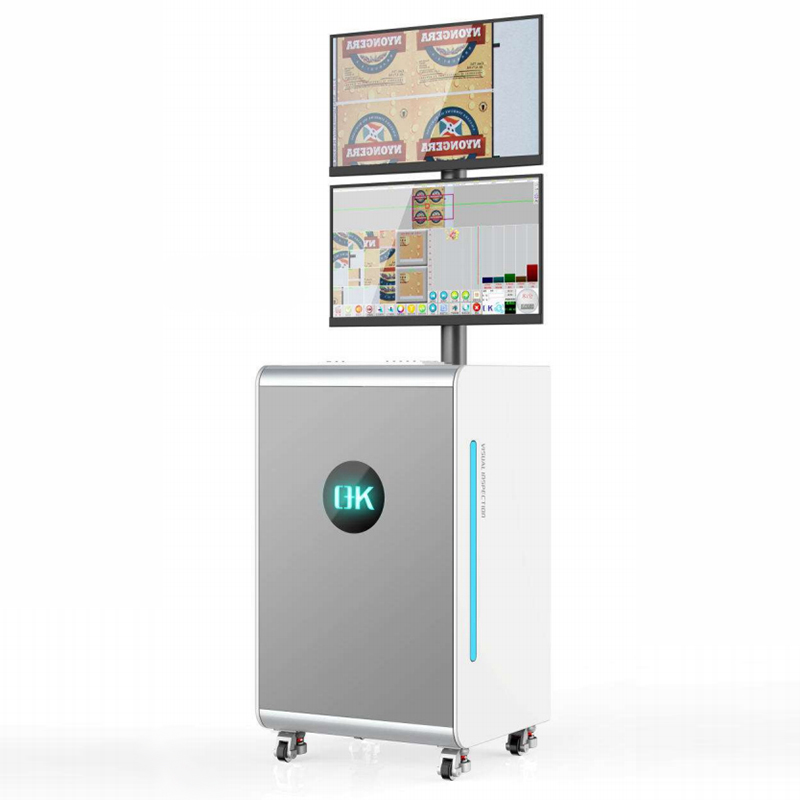
Understanding Printing Inspection Systems:
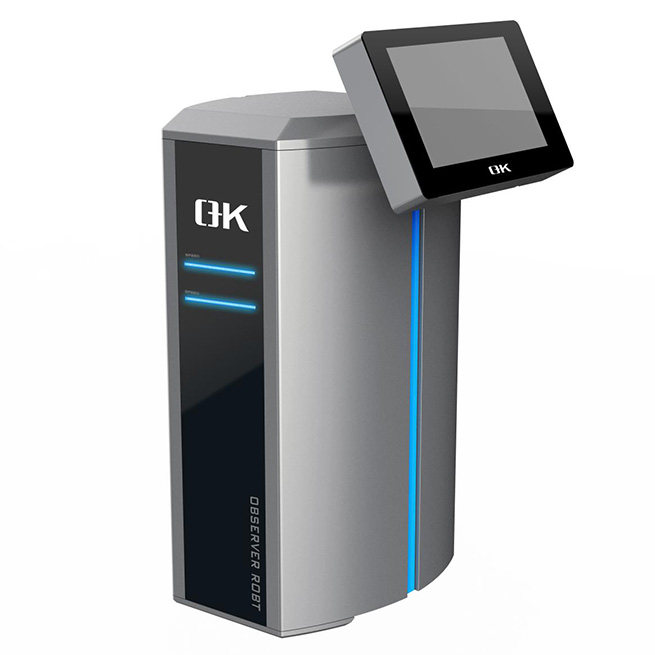
Printing quality inspection systems leverage advanced technologies to identify errors, validate print quality, and maintain uniformity throughout the production process. Web inspection machines, a key component of these systems, are designed to detect and rectify flaws in printed documents, ensuring the final product meets stringent quality standards. Comprising cameras and sensors, lighting systems, and processing units, these inspection systems contribute to the overall precision and efficiency of the printing process.
Key Components of Printing Inspection Systems:
Cameras and Sensors:
High-resolution cameras capture detailed photographs of printed materials.
Sensors detect color, registration, and other crucial properties for comprehensive inspection.
Lighting Systems:
Specialized lighting enhances image capturing accuracy by highlighting specific features for examination.
Processing Units:
Advanced processors and software analyze collected images, comparing them to established standards and identifying deviations.
Key Aspects Contributing to Eco-friendly Printing Processes:
Reducing Waste through Precise Defect Detection:
Printing inspection systems identify and rectify faults in real time, reducing the need for reprints and minimizing the volume of wasted materials.
Optimizing Energy Consumption:
Energy-efficient components, such as low-energy LED lights and CPUs, contribute to minimizing the environmental impact of printing operations.
Utilizing Recyclable and Sustainable Materials:
Many inspection methods are designed to function with recyclable and sustainable materials, supporting responsible sourcing and production.
Digitalization for Paperless Workflows:
Digital workflows reduce reliance on physical documentation, conserving paper, and increasing operational efficiency.
Lifecycle Assessment and Responsible Disposal:
Printing inspection systems undergo comprehensive lifecycle assessments, focusing on recyclability and responsible disposal practices.
Remote Monitoring and Predictive Maintenance:
Remote monitoring and predictive maintenance reduce emergency repairs and downtime, promoting a sustainable use of resources.
Employee Training for Sustainable Practices:
Training programs focus on sustainable methods, waste reduction, and energy efficiency, ensuring a collective effort towards environmental responsibility.
Certifications and Adherence to Standards:
Integration with industry requirements and environmental certifications, such as FSC certification, showcases a commitment to responsible material sourcing and sustainable practices.
Conclusion:
As the printing industry strives towards sustainability, printing inspection systems emerge as catalysts for environmentally responsible practices. These systems not only enhance the quality and efficiency of printing processes but also position the industry as a steward of resources committed to a greener and more sustainable future. Embracing eco-friendly printing practices is not merely an option but a strategic imperative for the printing sector, aligning with the global call for responsible and sustainable industrial practices.
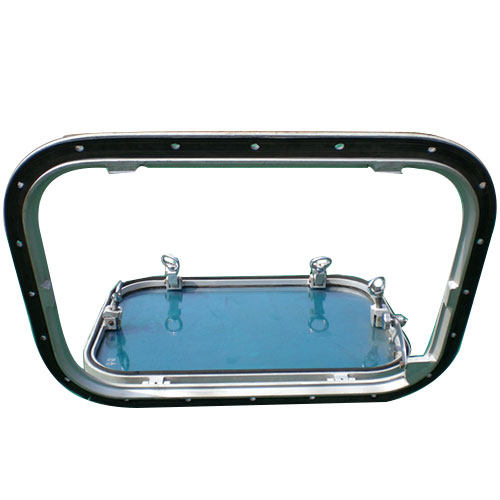
Marine windows, commonly referred to as ship windows or portholes, play a vital role in the design and functionality of marine vessels. As integral components of ship architecture, these windows serve essential functions such as providing natural illumination, supporting visibility, enabling ventilation, and ensuring emergency access. However, their unique exposure to harsh environmental conditions, including water pressure, saltwater corrosion, and impact from waves and debris, poses distinctive challenges. In this article, we will delve into the world of marine windows, exploring their importance, design considerations, materials, and various types employed in maritime applications.
Importance of Marine Windows:
Natural Lighting:
Marine windows facilitate the entry of natural light into interior spaces, reducing the reliance on artificial lighting during the day and enhancing the comfort of passengers and crew members.
Visibility and Navigation:
Clear marine windows provide an unobstructed line of sight for crew members, aiding navigation, situational awareness, and overall safety during maneuvers.
Ventilation:
Hinged marine windows can be opened to offer ventilation, promoting improved air circulation and ensuring the comfort of passengers and crew.
Emergency Access:
In emergency situations, marine windows can serve as alternative escape routes, enhancing safety measures for evacuations.
Aesthetics:
Well-designed marine windows contribute to the overall aesthetics of a vessel, increasing its visual appeal and charm.
Design Considerations for Marine Windows:
Shape and Size:
Marine windows come in various shapes and sizes, with portholes being common on smaller vessels and circular, rectangular, or oval windows on larger ships, dictated by the vessel's type and purpose.
Materials:
Materials such as tempered glass, laminated glass, acrylic (PMMA), and polycarbonate are employed to ensure durability and safety, each offering unique characteristics such as strength, impact resistance, and lightweight properties.
Framing:
Frames made of stainless steel, aluminum, or marine-grade brass provide structural stability, watertightness, and corrosion protection in the challenging marine environment.
Watertightness:
Maintaining watertightness is crucial to prevent water ingress during severe sea conditions, and the sealing mechanisms of both windows and frames play a pivotal role in achieving this.
Double Glazing: Many modern marine windows feature double glazing, enhancing insulation and preventing condensation, thereby regulating interior temperature and minimizing heat transfer.Hinged or Fixed:
Marine windows can be either fixed or hinged, with hinged windows providing the added functionality of ventilation.
Materials Used in Marine Windows:
Tempered Glass:
Known for its strength and safety features, tempered glass shatters into small, less harmful fragments upon breakage.
Laminated Glass:
Comprising multiple layers with an interlayer substance, laminated glass remains intact even if fractured, offering enhanced strength and safety.
Acrylic (PMMA):
A lightweight and impact-resistant alternative to glass, acrylic offers clarity and UV protection but may require more frequent maintenance.
Polycarbonate:
Another lightweight and impact-resistant material suitable for marine windows, polycarbonate boasts high tensile strength and clarity, making it ideal for rough sea conditions.
Common Types of Marine Windows:
Portholes:
Small circular side scuttle porthole windows, popular on smaller ships, boats, and historic vessels, are often retained for their aesthetic appeal.

Fixed Windows:
Non-operable windows securely sealed shut, commonly found in areas where ventilation is not a primary concern.
Sliding Windows:
Aluminum sliding windows with panels that slide horizontally or vertically, offering ventilation options while maintaining a secure seal when closed.

Hinged Windows:
Windows with panels that pivot on one side, allowing for outward opening to facilitate ventilation, commonly used in cabins and crew quarters.
Windows with Storm Shutters:
Some marine windows come equipped with storm shutters or covers for additional protection against adverse weather conditions.
Conclusion:
Marine windows are indispensable components of maritime vessels, providing essential services such as natural illumination, visibility, ventilation, and safety. Their design and construction must withstand the extreme conditions of the marine environment. With advancements in materials and construction processes, modern marine windows offer enhanced durability, safety, and aesthetics, contributing to the efficiency and comfort of maritime operations. As the maritime industry continues to evolve, further advancements in marine window design and technology are anticipated to meet the sector's ever-growing demands.