
In the ever-evolving landscape of printing, where quality is paramount, web inspection systems play a pivotal role in ensuring the final output meets the highest standards. Tailored for scrutinizing every detail of the printing process, these systems identify faults and anomalies that could compromise overall quality. This article delves into the essential components of a web inspection system designed for printing quality, shedding light on the intricate elements that contribute to achieving printing perfection.

Principles of Operation for Web Inspection Systems
A web inspection system for printing quality operates on the real-time capture, analysis, and categorization of images from the printed web. This technology aims to detect and identify printing faults or inconsistencies, ensuring the final printed content adheres to stringent quality standards.

Critical Components of a Web Inspection System for Printing Quality
Camera Systems:
High-resolution camera systems serve as the core of a web inspection system, capturing detailed photographs of the printed material in real time. To achieve precise and comprehensive image capture, modern systems often integrate advanced camera technologies, including high-speed line scan cameras or high-resolution area scan cameras.
Illumination Systems:
Accurate fault detection requires proper lighting. Illumination systems in web inspection are meticulously designed lighting settings that illuminate the surface of the printed web, aiding in revealing flaws such as color fluctuations, misregistration, or substrate problems.
Conveyor System:
A robust conveyor system moves the web of printed material at a predetermined speed through the inspection zone. Consistent and precise web movement is crucial for reliable examination.
Image Processing Software:
Captured images undergo processing using sophisticated image processing software. This software utilizes algorithms to analyze the images, identify defects, and categorize them based on predefined criteria. Machine learning and artificial intelligence may be integrated for adaptive defect recognition.
Defect Classification Algorithms:
Defect classification algorithms are vital for distinguishing acceptable variations from actual defects. Trained to recognize patterns associated with common printing defects, these algorithms identify issues such as misprints, color deviations, streaks, or registration errors.
User Interface and Control System:
The user interface acts as the bridge between the operator and the inspection system, displaying real-time photos and allowing operators to customize inspection parameters. The control system enables operators to start, stop, or modify the inspection process as needed.
Defect Marking System:
Identified defects are marked using a defect marking system, highlighting or marking defective areas. This aids operators in pinpointing and addressing specific issues during the printing process, with some systems offering automatic defect marking for increased efficiency.
Integration with Printing Press:
Seamless integration with the printing press is crucial for the web inspection system to operate smoothly. This ensures synchronized control, allowing the inspection system to adjust to variations in printing speed, modify lighting conditions, and stay in sync with the printing process.
Data Logging and Reporting:
Comprehensive data logging capabilities record inspection results, including defect types, frequencies, and locations. Reporting tools enable operators to generate detailed reports for analysis and quality control purposes.
Remote Monitoring and Control:
Advanced web inspection systems offer remote monitoring and control capabilities, allowing personnel to oversee and adjust the inspection process from a remote location, enhancing operational flexibility.
In Conclusion
A web inspection system significantly contributes to the overall quality and consistency of printed material by combining advanced imaging technology, intelligent software algorithms, and real-time monitoring. Its ability to detect flaws swiftly enables prompt corrective actions, reducing waste and ensuring the final output meets stringent quality standards.
In the realm of offshore exploration and resource extraction,drillships have emerged as cutting-edge vessels, amalgamating advanced technology, engineering prowess, and simulation capabilities to tackle the complexities of offshore drilling. These adaptable vessels represent a pinnacle of human innovation, granting access to valuable reserves beneath the ocean's depths. This article delves into the captivating universe of drillships, unraveling their extraordinary attributes and highlighting the pivotal role that simulation technology plays in their operational achievements.
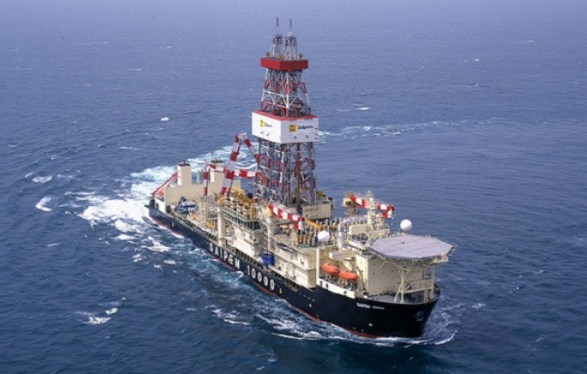
The Genesis of Drillships
Drillships stand as meticulously crafted maritime vessels designed to delve into the seabed for the extraction of oil and gas reservoirs. These remarkable entities combine the characteristics of both ships and oil rigs, featuring advanced drilling apparatus, living accommodations for crew members, and state-of-the-art technology that grants them autonomous functionality even in remote and challenging landscapes.
The concept of drillships emerged as the imperative to explore and exploit resources from increasingly profound waters gained prominence. In contrast to conventional fixed oil rigs rooted to the ocean bed, drillships offer the agility to relocate to diverse locales, aligning adeptly with the ever-shifting demands of exploration. This mobility provides drillships access to previously inaccessible regions, unveiling untapped reserves concealed beneath the ocean's expanse.
Anatomy of a Drillship
A drillship is a specialized offshore drilling rig crafted for deep-sea exploration and extraction of oil and gas resources from beneath the ocean floor. Its key components include:
Hull and Structure:
Hull: Double-hulled for added safety, designed to withstand harsh marine conditions.
Mooring System: Equipped with anchors and chains or dynamic positioning (DP) system for precise positioning.
Drilling Equipment:
Derrick: Vertical structure supporting the drill string and drilling equipment.
Drillstring: Connects the drill bit to the surface equipment, allowing power and rotation transfer.
Top Drive: Motorized device providing rotational force for efficient drilling.
Blowout Preventer (BOP): Critical safety device on the seafloor to control well pressure.
Living Quarters and Facilities:
Accommodation: Living quarters for the crew.
Mess Rooms and Recreation Areas: Facilities for meals, relaxation, and recreation.
Control Rooms: Houses equipment for monitoring and controlling operations.
Power and Propulsion:
Engines and Generators: Provide electrical power for all onboard systems.
Thrusters: Enable precise maneuvering and positioning in dynamic environments.
Helipad: Facilitates crew changes, supply deliveries, and emergency evacuations.
The Role of Simulation in Drillships
The operation of a drillship involves complex tasks demanding accuracy, precision, and adherence to safety protocols. Drilling simulation technology serves as a guiding beacon, replicating real-world scenarios in a controlled environment. Its purposes include:
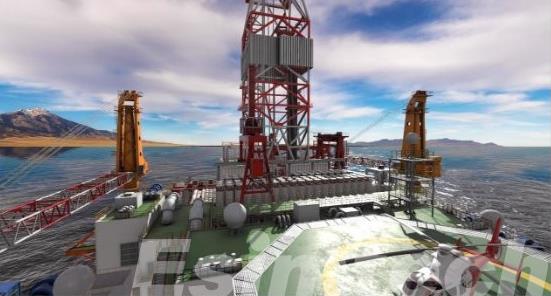
Crew Training:
Allows crew members to practice tasks and emergency responses in a safe environment.
Navigational Excellence:
Enables navigation officers to practice positioning the vessel accurately under various conditions.
Drilling Procedures:
Assists drill operators in practicing drilling procedures to optimize efficiency and reduce accidents.
Emergency Preparedness:
Facilitates emergency drills for swift and effective responses to various scenarios.
Advanced Simulations
Contemporary simulation technology offers high-fidelity, lifelike experiences, integrating dynamic variables like weather patterns and equipment reactions. As technology advances, the potential of drillship simulators will progress, incorporating artificial intelligence and machine learning for adaptable scenarios.
In Conclusion
The drillship stands as a testament to human inventiveness, exploring new horizons by tapping into resources beneath the ocean floor. Its transformative feat is achieved through the fusion of leading-edge technology, inventive thinking, and simulation prowess. As drillships navigate the challenging waters of resource extraction, simulation technology will remain a steadfast companion, equipping crews, refining operations, and pushing the boundaries of achievement. Through the drillship, we witness the potency of human potential heightened by the tools of the digital era, propelling us deeper into the uncharted recesses of discovery.
Ship windows, commonly referred to as marine windows or portholes, play a pivotal role in the design and operation of maritime vessels. These windows are integral components of ship architecture, serving essential functions such as providing natural illumination, facilitating vision, and enabling ventilation. However, they face unique challenges due to exposure to extreme environmental conditions, including water pressure, saltwater corrosion, and impact from waves and debris. This article delves into the realm of marine windows, exploring their significance, design considerations, materials, and various types utilized in maritime applications.
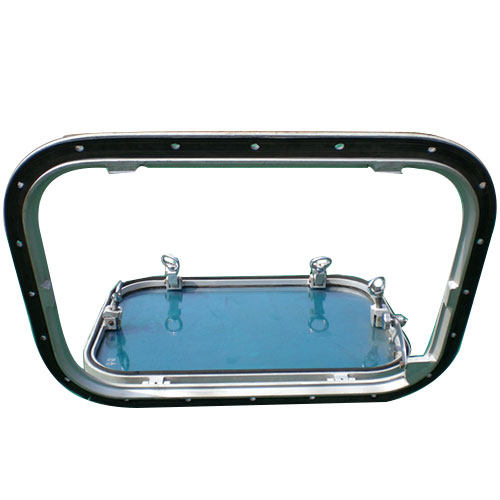
Significance of Marine Windows
Marine windows serve a multitude of crucial functions aboard ships and vessels.
Natural Lighting:
Natural light streaming through marine windows eliminates the need for artificial lighting during daylight hours, creating a more comfortable environment for both passengers and crew members.
Visibility and Navigation:
Clear marine windows provide crew members with an unobstructed view, aiding in navigation, situational awareness, and ensuring safety during maneuvers.
Ventilation:
Hinged marine windows can be opened to provide ventilation, enhancing air circulation and contributing to the comfort of passengers and crew.
Emergency Access:
In emergency situations, marine windows can serve as alternate escape routes, offering additional safety measures for evacuations.
Aesthetics:
Well-designed marine windows enhance the visual appeal of the vessel, contributing to its overall aesthetics.
Design Considerations for Marine Windows
Several factors are taken into account when designing marine windows.
Shape and Size:
Marine windows come in various shapes and sizes, depending on the type and purpose of the vessel. Circular portholes are common in smaller vessels, while larger ships typically feature rectangular or oval windows.
Materials:
The choice of materials is crucial for durability and safety. Common materials include tempered glass, laminated glass, acrylic (PMMA), and polycarbonate.
Framing:
Frames, typically made of stainless steel, aluminum, or marine-grade brass, provide structural stability, watertightness, and corrosion protection in the marine environment.
Watertightness:
Maintaining watertight seals is crucial to prevent water ingress during severe seas. The sealing mechanisms of both windows and frames play a critical role in ensuring water resistance.
Double Glazing:
Many modern marine windows incorporate double glazing to improve insulation, prevent condensation, and regulate interior temperatures.
Hinged or Fixed:
Marine windows can be either fixed or hinged, with hinged windows offering the option of ventilation.
Materials Used in Marine Windows
Choosing the right materials is essential for durability and performance.
Tempered Glass:
Known for its strength and safety characteristics, tempered glass shatters into less dangerous fragments upon breaking.
Laminated Glass:
Comprising two or more layers with an interlayer substance, laminated glass remains intact even if fractured, enhancing safety.
Acrylic (PMMA):
A lightweight and impact-resistant alternative, acrylic offers clarity and UV protection but may require more frequent maintenance.
Polycarbonate:
Another lightweight and impact-resistant material suitable for rough sea conditions due to its high tensile strength and clarity.
Common Types of Marine Windows
Portholes:
Small side scuttle porthole windows are popular on smaller ships and boats, providing ventilation and lighting with a classic nautical appearance.
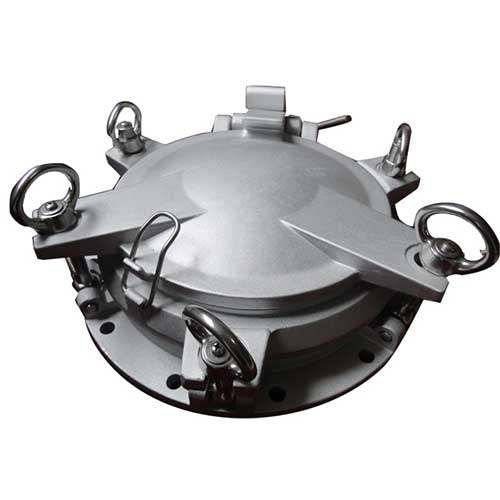
Fixed Windows:
Non-operable windows securely sealed shut, commonly found in areas where ventilation is not a primary concern.
Sliding Windows:
Aluminum sliding windows with panels that can slide horizontally or vertically, offering ventilation options while maintaining a secure seal.

Hinged Windows:
Windows with panels that pivot on one side, allowing for outward opening, commonly used in cabins and areas where controlled airflow is desired.
Windows with Storm Shutters:
Some marine windows come equipped with storm shutters or covers for additional protection during adverse weather conditions.
Conclusion
Marine windows play a vital role in maritime vessels, providing essential services such as illumination, visibility, ventilation, and safety. Their design and construction must withstand the harsh marine environment. Advancements in materials and construction processes have led to modern marine windows offering enhanced durability, safety, and aesthetics, contributing to the efficiency and comfort of maritime operations. As the maritime industry continues to evolve, marine window design and technology are likely to witness further advancements to meet the sector's ever-growing demands.
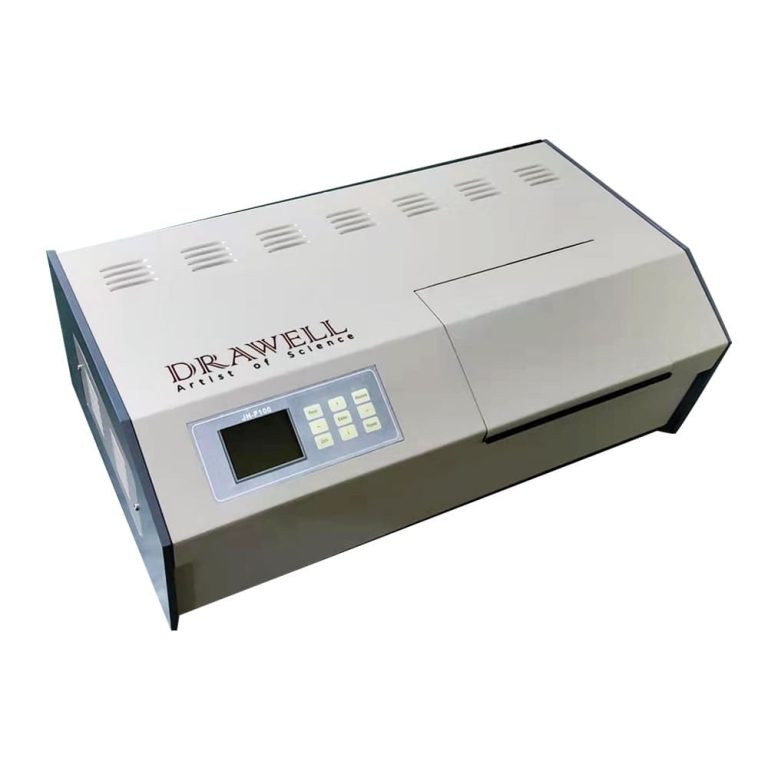
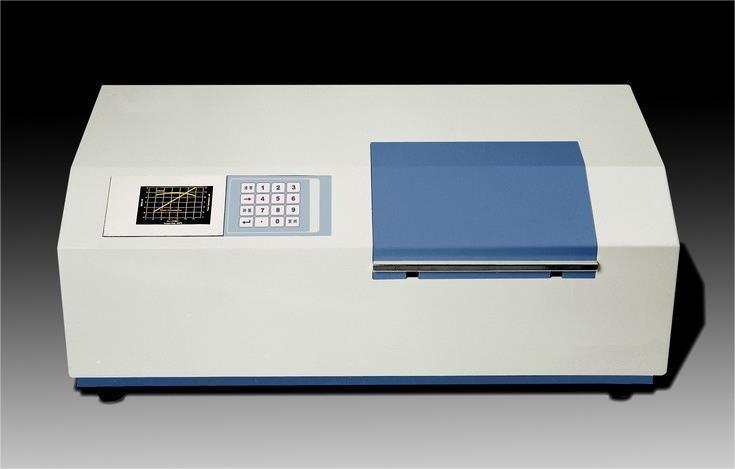
Polarimetry, a technique measuring the rotation of polarized light passing through a sample, finds applications across diverse industries. This article delves into the principles governing polarimetry, its widespread applications, and the dynamic trends shaping the industry.
Principles of Polarimetry:
Polarimetry operates on optical principles and the interaction between light and matter. A typical polarimeter comprises a light source, polarizer, sample holder, and analyzer. The polarizer and analyzer, perpendicular to each other, sandwich the sample. As polarized light traverses the sample, its plane of polarization undergoes rotation, the extent of which is proportional to the substance concentration and sample holder length.
Applications of Polarimetry:
Polarimetry serves various purposes across different fields:
Chemical Analysis and Quality Control:
Measures optical rotation of chiral molecules for pharmaceutical and agrochemical development.
Determines enantiomeric purity crucial for product quality.
Pharmaceutical Industry:
Assesses optical rotation of drug molecules for quality control.
Measures enantiomeric purity, vital for chiral drug development.
Sugar Industry:
Measures sugar content in fruit juices for quality control and desired sweetness.
Food and Beverage Industry:
Conducts quality control and authenticity testing for products like honey, wine, and fruit juices.
Identifies adulteration or dilution with water.
Biomedical Research:
Studies biomolecule structure and properties, aiding drug discovery.
Examines protein folding and conformational changes for understanding functionality.
Tips for Using a Polarimeter:
To ensure accurate results, follow these tips:
Regular calibration for precision.
Careful sample preparation to eliminate impurities.
Diligent data analysis, considering factors like solvent effects and instrument drift.
Polarimetry and the Industry Trends:
Industry trends in polarimetry include:
Advances in Technology:
Ongoing advancements in automation and miniaturization enhance speed and ease of measurements.
Development of sophisticated polarimeters with heightened sensitivity and precision.
High-Throughput Screening:
Rising demand for high-throughput screening leads to polarimeters measuring multiple samples simultaneously.
Accelerates analysis and enhances laboratory efficiency.
Sustainability:
Growing emphasis on sustainability in chemical and pharmaceutical industries.
Polarimetry contributes by reducing reliance on costly and environmentally harmful separation techniques.
Measurement of enantiomeric purity aids waste reduction and process efficiency.
Automation and Data Analysis:
Increasing importance of automation and data analysis in polarimetry.
Automated sample handling boosts throughput and minimizes human error.
Advanced data analysis tools offer more accurate and reliable results.
Conclusion:
Polarimetry stands as a robust analytical technique with widespread applications. By adhering to best practices and staying abreast of evolving trends and technologies, researchers and industry professionals can unlock the full potential of polarimetry, contributing to advancements in various sectors.
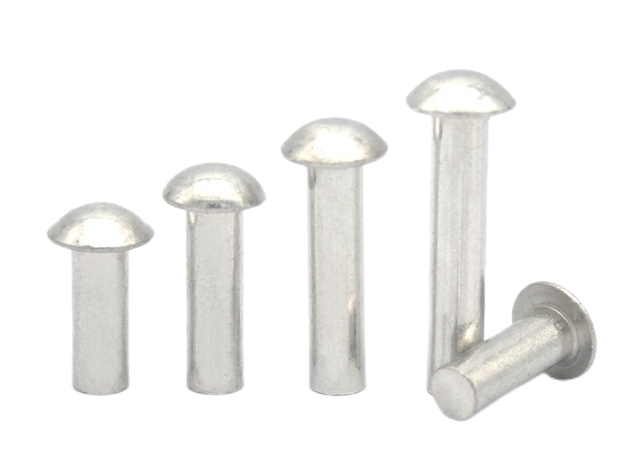
A rivet serves as a crucial fastening element, featuring a capped end for connecting various parts through deformation or interference. Diverse materials are employed in rivet manufacturing, with iron, aluminum, stainless steel, alloy, and nylon being common choices. Stainless steel and aluminum rivets, in particular, differ in material, performance, usage, and price.
Differences Between Stainless Steel and Aluminum Rivets:
Material:
Stainless steel rivets are crafted from stainless steel, while aluminum rivets are made of aluminum. Variations include all-aluminum, all-stainless steel, aluminum-steel, and aluminum-stainless steel rivets.
Performance:
aluminum rivets exhibit greater tensile and shear resistance compared to stainless steel rivets, thanks to the higher hardness of stainless steel.
Usage:
Stainless steel rivets are well-suited for applications requiring high fastening strength, whereas aluminum rivets are predominantly used for civilian workpieces.
Price:
Due to higher production costs, stainless steel rivets tend to be more expensive than aluminum rivets of similar specifications.
Choosing Between Aluminum and Stainless Steel Rivets:
Selecting Aluminum Rivets:
In aviation, aluminum rivets find widespread use due to their versatility.
Solid rivets made of aluminum or aluminum alloys are suitable for non-structural or lightly-loaded structural parts.
Blind rivets like aluminum 5050 and 5056 are common in daily applications, including structural and closed blind rivets for specific requirements.
Note: When riveting aluminum plates, it is crucial to avoid stainless steel rivets to prevent chemical reactions and corrosion; aluminum rivets are the appropriate choice.
Selecting Stainless Steel Rivets:
Stainless steel rivets are ideal for fastening high-strength workpieces.
Half-round head rivets handle lateral loads well.
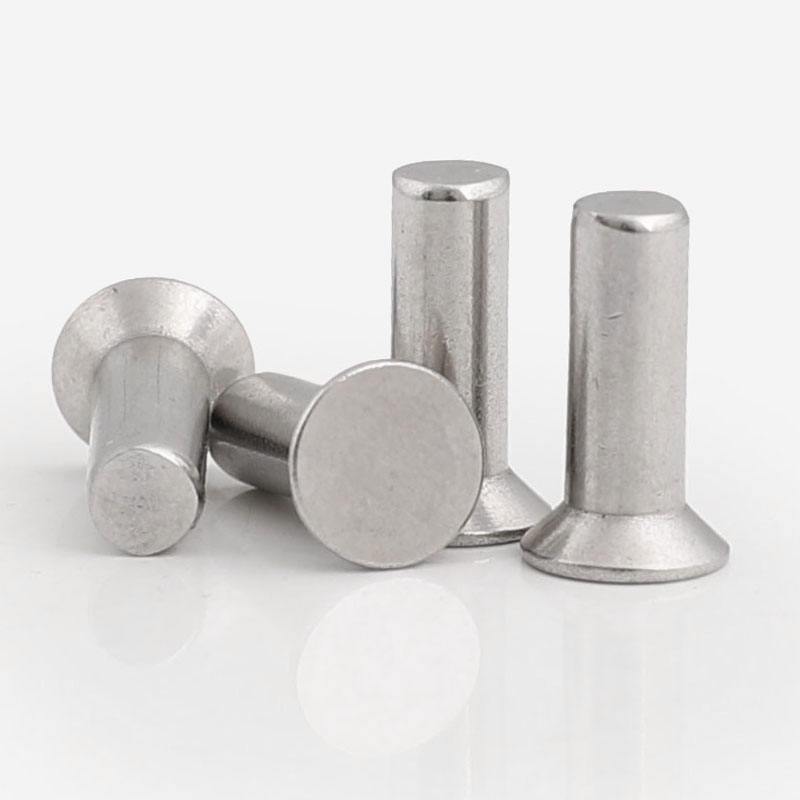
Flat cone head rivets, resistant to corrosion, are suitable for environments like ship hulls and boiler water tanks.
Flat-head rivets work well for ordinary loads.
Flat head and oblate head rivets are designed for metal sheets or non-metallic materials like leather, canvas, and wood.
Note: Semi-hollow stainless steel rivets, featuring a processed-sinking cylindrical part, are specifically used in riveting applications.
Conclusion:
When choosing between aluminum and stainless steel rivets, it is crucial to consider the specific requirements of the application. Each type of rivet has its advantages, making it essential to select the appropriate one based on factors such as material compatibility, strength requirements, and environmental conditions.