
Beneath the Earth's surface, a complex system of components collaborates to create the essential structure of an oil well, a vital source of energy that powers our modern world. The intricate processes involved in extracting oil from the Earth are nothing short of remarkable. This article explores the workings of an oil well, examining its fundamental components and the detailed processes that drive its functionality.
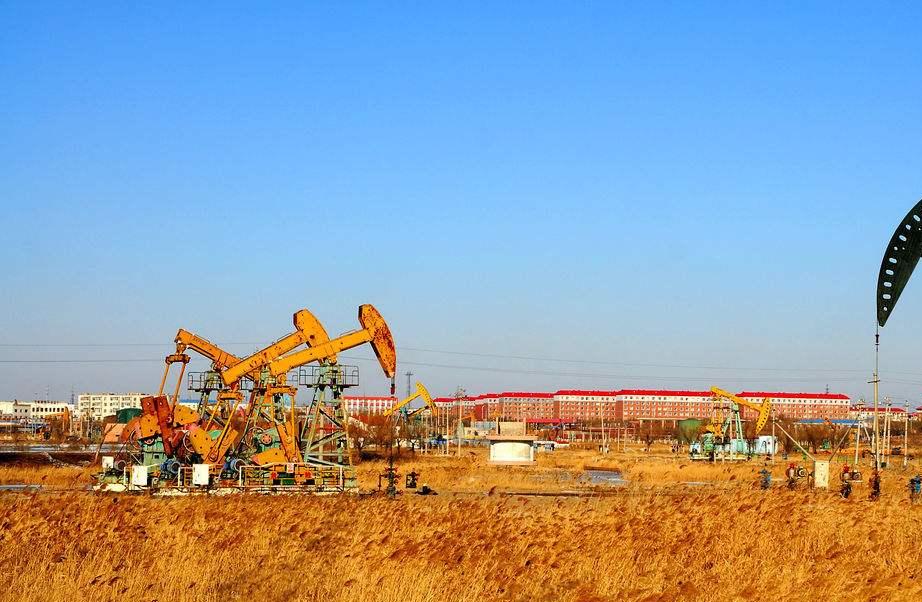
Fundamental Components of an Oil Well:
Wellhead:
Description: The topmost portion serving as the fluid's entry and exit point, consisting of valves, fittings, and equipment regulating oil, gas, and fluid flow.
Casing:
Description: A network of steel pipes lining the wellbore for structural integrity, preventing collapse, and isolating distinct formations.
Cementing:
Description: The injection of cement between casing and wellbore to form a barrier, preventing fluid migration and stabilizing the well.
Tubing:
Description: A smaller pipe inside the casing allowing oil and gas movement, also housing industrial instruments like sensors and control devices.
Christmas Tree:
Description: A collection of valves and fittings regulating fluid flow, including production and injection valves, chokes, and pressure gauges.
Pumping Units:
Description: Devices like beam pumps or submersible pumps used for artificial lift methods to boost oil and gas flow.
Production Tubing:
Description: The conduit for oil and gas from reservoir to surface, typically made of corrosion-resistant materials.
Perforations:
Description: Punctures in casing and cement allowing oil and gas flow into the wellbore, often created with perforating guns.
Reservoir:
Description: The underground rock formation holding oil and gas, composed of porous and permeable rocks.
Reservoir Fluids:
Description: Oil, natural gas, and water existing in various proportions within the reservoir and extracted during production.
Wellbore:
Description: The hole bored into the ground during drilling, serving as a conduit for fluids from the reservoir to the surface.
Bottomhole Assembly (BHA):
Description: Instruments, sensors, and gadgets at the drillstring's bottom for reservoir information, drilling control, and downhole activities.
Blowout Preventer (BOP):
Description: A safety device blocking the wellbore in case of a blowout, crucial for accident prevention and well integrity.
Detailed Working Process of an Oil Well:
Exploration and Site Selection:
Geologists and engineers use seismic surveys, mapping, and technology to locate potential oil reserves. The well's location is chosen based on geological data.
Drilling:
A drilling rig with a revolving drill bit is used to dig a hole, supported by steel casing.
Drilling mud is used to cool the drill bit and transport rock fragments.
Well Completion:
Wellheads, valves, and casing are placed to ensure a safe extraction environment. Cementing is done to form a barrier between the well and surrounding rocks.
Extraction:
Oil naturally rises through porous rock formations due to reservoir pressure. Artificial means may be used to improve oil recovery if reservoir pressure is insufficient.
Primary Recovery:
Natural reservoir pressure forces oil to the surface during this phase, which can last a long time but gradually slows down as pressure declines.
Secondary Recovery:
Water or gas is injected into the reservoir to drive residual oil into the wellbore, preserving reservoir pressure and increasing recovery rates.
Tertiary Recovery (Enhanced Oil Recovery):
Advanced processes, such as chemical, steam, or CO2 injection into the reservoir, are used to extract difficult-to-reach oil.
Production and Processing:
Extracted oil is pumped to the surface, processed to remove contaminants, and transferred to storage tanks or processing plants.
Transport and Distribution:
Processed oil is transferred to refineries via pipelines, tankers, or vehicles for refining into various petroleum products.
Maintenance and Monitoring:
Continuous maintenance and monitoring ensure safe and effective operations, including inspections, well tests, and compliance with environmental rules.
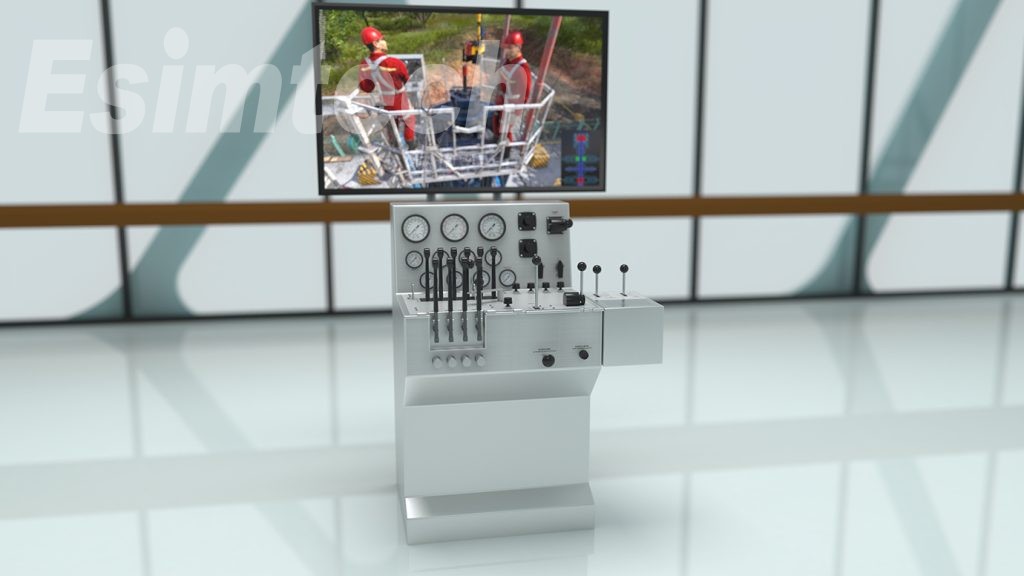
Choosing Well Intervention Simulators for Efficiency Improvement:
Well intervention simulators are specialized software or physical models simulating various well intervention procedures during an oil well's lifecycle. Operations like wireline, coiled tubing, hydraulic workover, snubbing, and fishing can be replicated.
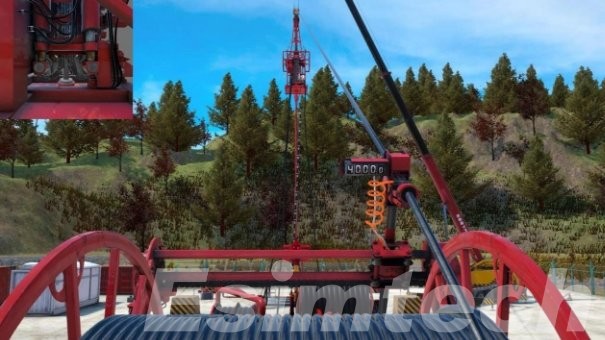
Advantages of Well Intervention Simulators:
Minimize accident risk
Improve operation efficiency
Enhance the quality of well intervention operations
Optimize operations by identifying potential difficulties and analyzing intervention options before implementation.
Conclusion:
From exploration to extraction, the intricate journey of an oil well stands as a testament to human ingenuity and technical innovation. Oil wells play a crucial role in meeting global energy demands, shaping economies, and fostering growth. Understanding the workings of an oil well offers insight into the complex mechanisms powering our modern world, underscoring the importance of responsible extraction and environmental management.
In the dynamic world of converting machinery, where raw materials are transformed into final products, web tension control plays a pivotal role in ensuring the quality and precision of the production process. Whether creating flexible packaging, paper, textiles, or other converted products, maintaining proper tension in the continuous material being processed (the web) is paramount. This article explores the significance of web tension control in converting machinery, delving into the challenges faced and the diverse methods employed to achieve consistent and high-quality outcomes.
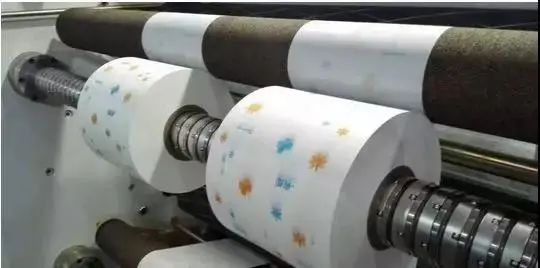
The Importance of Web Tension Control in Converting Machinery:
Web tension, the force applied to the material as it traverses converting machinery, is a critical parameter for several reasons:
Quality Assurance: Consistent web tension is imperative for producing high-quality final products, preventing issues like wrinkles, folds, or misalignments in the completed material.
Productivity: Precise tension control enhances the efficiency of the converting process, allowing for higher production speeds, reduced downtime due to web breaks, and ensuring a smoother workflow.
Material Savings: Accurate tension control minimizes material waste by preventing overstretching or sagging of the web, particularly important in industries where raw materials are expensive.
Challenges of Web Tension Control in Converting Machinery:
Variability in Material Properties: Processing a range of materials with different elasticity, thickness, and mechanical properties poses challenges in maintaining consistent tension.
Speed Changes: Fluctuations in tension levels occur during changes in production speed, impacting the system's ability to maintain consistent tension.
Web Slippage: Inconsistent tension can lead to web slippage, causing faults and disturbances in the manufacturing process.
Roll Diameter Changes: The changing diameter of the roll as it unwinds affects tension, presenting challenges in managing tension with different roll diameters.
Web Splicing: Splicing two webs together may result in abrupt tension shifts if not properly regulated.
Environmental Factors: Changes in humidity, temperature, or other external factors can impact material qualities and tension control requirements.
Mechanical Wear and Tear: Components such as rollers, bearings, and brakes may wear over time, affecting performance and tension control.
Complex Machine Configurations: Converting machinery with complex configurations may pose challenges in maintaining uniform tension across the entire process.
Common Methods of Web Tension Control in Converting Machinery:
Open-Loop Tension Control:
Description: Manual setting and adjustment of tension levels based on operator judgment and experience.
Application: Suitable for simple processes with minimal tension variations but lacks precision.
Closed-Loop Tension Control:
Description: Involves feedback systems to continuously monitor and adjust tension levels based on real-time data.
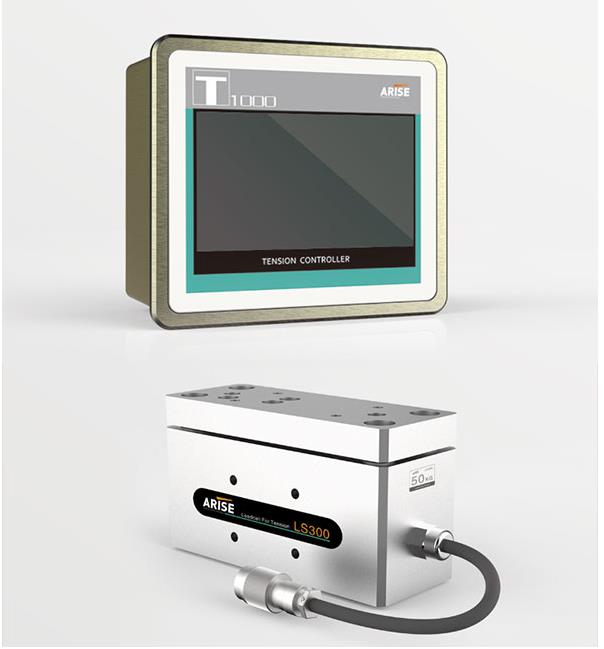
Application: closed-loop tension contollers Ideal for processes requiring precise tension control, offering automated adjustments for optimal tension levels.

Dancer Systems:
Description: Use rollers or arms to accumulate and release web material, creating a buffer to absorb tension variations.
Application: Effective for low to moderate tension applications, providing mechanical tension control.
Load Cells and Tension Sensors:
Description: Measure the force applied to the web at various points in the machinery.
Application: Data from load cells and sensors are used to adjust torque or braking force, ensuring consistent tension levels.
Pneumatic and Hydraulic Systems:
Description: Use air pressure or hydraulic force to apply tension to the web.
Application: Suitable for high-tension applications, offering precise tension control but can be more complex and expensive.
Motorized Unwind/Rewind Systems:
Description: Use motors to control the speed of unwinding and rewinding rolls, thereby controlling tension.
Application: Effective for processes with varying material properties, adjusting speed to maintain consistent tension.
Brakes and Clutches:
Description: Control tension by applying resistance to the material as it moves through the machinery.
Application: Cost-effective and suitable for applications where precise tension control is not as critical.
Tension-Controlled Accumulators:
Description: Accumulate and release material in reaction to tension changes, assisting in maintaining a steady flow.
Application: Useful in processes where tension variations need to be minimized, such as in the production of sensitive materials.
Conclusion:
Web tension control in converting machinery is indispensable for ensuring the quality, productivity, and efficiency of the production process. As technology advances, the industry continues to explore innovative ways to overcome challenges and improve tension control systems. From open-loop to closed-loop control, and mechanical to electronic systems, manufacturers invest in technologies that assure reliable and consistent material processing. Web tension control remains a key topic for optimizing converting machinery processes across various industries, emphasizing the importance of precision in manufacturing.
Anchors play a pivotal role in ensuring the stability and safety of vessels at sea, making them indispensable tools in the maritime industry. Among the various types of anchors, high holding power anchors stand out for their superior grip in challenging conditions. This article explores the diverse world of high holding power anchors, delving into their designs, features, applications, and how to choose the most suitable type for specific uses.

Types of High Holding Power Anchors:
Fluke-Type Anchors:
Design: Lightweight and featuring a crown stock with two curved, pointed flukes.
Applications: Ideal for small to medium-sized vessels, popular in recreational boating and light-duty applications.
Plow-Type Anchors:
Design: Resembling traditional plows with a single broad fluke for adaptability.
Applications: Widely used in various vessels, suitable for both temporary and long-term mooring.
Delta-Type Anchors:
Design: Triangular shape with a wide, flat surface and a weighted tip.
Applications: Effective in sandy and muddy bottoms, popular in recreational and commercial maritime settings.
Design: Two long, sharp flukes at a 90-degree angle, known for lightweight construction.
Applications: Commonly used in small to medium-sized vessels, excelling in sand and mud.

Bruce-Type Anchors:
Design: Three curved flukes, designed to pivot for quick and secure anchoring.
Applications: Widely used in commercial and recreational vessels, effective in various seabed conditions, including rocky bottoms.
Mushroom-Type Anchors:
Design: Distinctive mushroom cap shape, burying themselves in the seabed.
Applications: Commonly used in permanent moorings and for securing floating docks, effective in areas with silt and mud.
Choosing the Suitable High Holding Power Anchor:
Understand Your Vessel:
Consider size, weight, and type to match the anchor's holding power with the vessel's requirements.
Know the Seabed Conditions:Consider predominant seabed types (sandy, muddy, rocky) to choose an anchor suitable for the conditions.
Research Anchor Types:Learn about fluke-type, plow-type, delta-type, Danforth-type, Bruce-type, and mushroom-type anchors and their strengths.
Consider Holding Power:
Evaluate each anchor's holding power to ensure it meets the vessel's size and expected weather conditions.
Think about Versatility:
Opt for versatile anchors, such as plow-type anchors, if anchoring in different locations with varying seabed conditions.
Examine Retrieval Ease:
Consider how easy it is to retrieve and stow the anchor, with some types like Danforth anchors known for quick retrieval.
Account for Weight and Storage:
Evaluate the weight and storage requirements to ensure manageability on the vessel.
Check Anchor Material and Construction:
Consider high-quality materials like galvanized steel or stainless steel for durability and corrosion resistance.
Consult with Experts:
Seek advice from marine experts or professionals for customized recommendations based on specific requirements.
Factor in Budget:
Balance safety and cost, considering that high holding power anchors are available at various price points.
Conclusion:
With various designs catering to different seabed conditions and vessel sizes, high holding power anchors are indispensable for the safety and stability of vessels at anchor. They provide maritime enthusiasts and professionals with reliable options for secure mooring.Bolts and screws are common connection fasteners with similar threads, widely employed in various fields and equipment for connecting and fastening. The resemblance in their threads often leads customers to mix them up during purchases. To assist in making the right choice, let's explore the key differences between bolts and screws.
Understanding Bolts and Screws
Bolts:
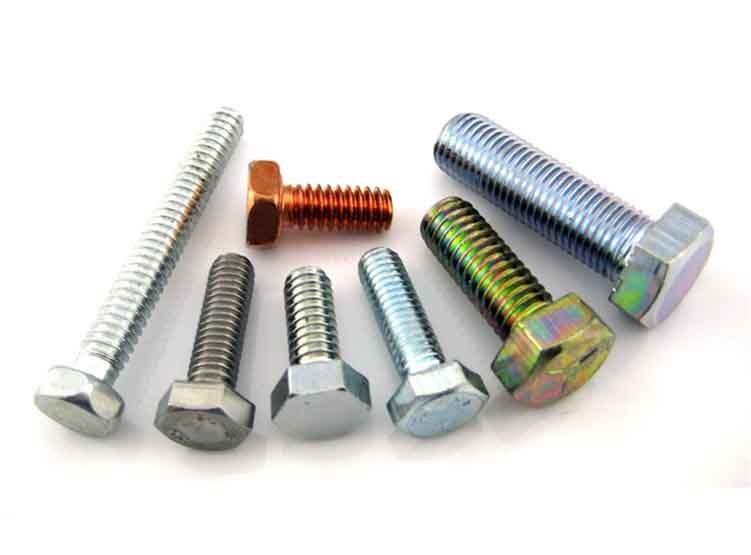
A bolt is a fastener consisting of a head and a screw (referring to the threaded part). When fastening two parts with through holes, it requires a nut to form a secure connection. This type of connection is known as a bolted connection, allowing for detachment by unscrewing the nut.
Screws:
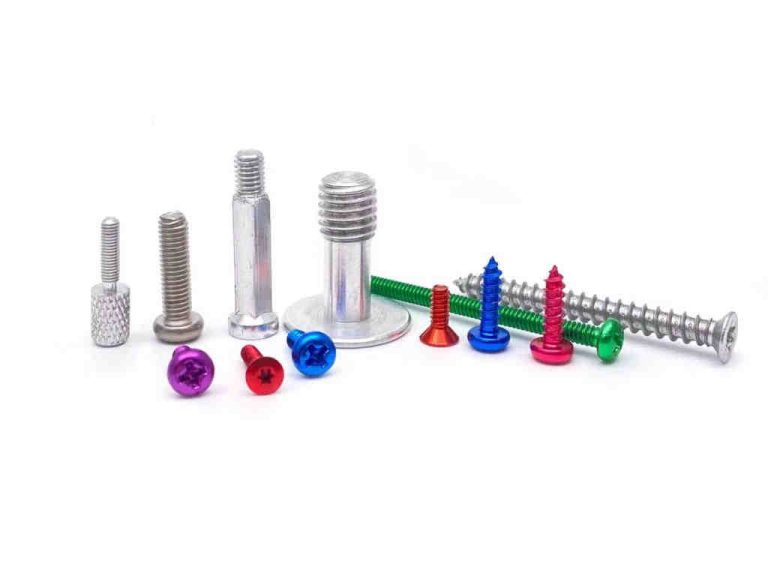
Screws, on the other hand, are fasteners composed of a head and a screw, divided into three types based on usage: machine screws, set screws, and special-purpose screws. Unlike bolts, screws directly combine with two objects without the need for a nut. The connection relies on the circular rotation and friction of the objects, forming a threaded hold on the connected part.
4 Key Differences Between Bolts and Screws
1. Connection Principle:
Bolts use a nut for fastening, creating a detachable bolted connection.
Screws directly combine with objects, utilizing bevel circular rotation and friction for a non-detachable connection.
2. Structure:
Both have various "head" styles, but screw heads often have fastening grooves, hex shapes, etc.
Bolt heads are typically hexagonal and are larger to accommodate the tools used for tightening.
3. Tools for Tightening:
Bolts are tightened with a spanner.
Screws are usually tightened with a screwdriver.
4. Usage Occasion:
Bolts are widely used for their convenient disassembly and lower processing accuracy.
Screws, with a relatively tight fit, are less often disassembled and are not suitable for bearing large forces.
Summary
When selecting fasteners, it's crucial to understand their specifications and standards. This knowledge helps differentiate between bolts and screws, considering factors such as size, application, and the specific demands of the project. By being aware of these distinctions, you can make informed choices and ensure the correct use of bolts and screws for your needs.
Ultra-low temperature freezers, also known as ULT freezers, play a crucial role in scientific research by providing a reliable and consistent storage solution for samples at extremely low temperatures. These specialized refrigeration systems are designed with a focus on achieving and maintaining temperatures as low as -86°C. The construction of ultra-low temperature freezers involves heavy-duty insulation, high-quality materials, and advanced refrigeration systems, with the cascade refrigeration system being the most commonly used for achieving ultra-low temperatures.
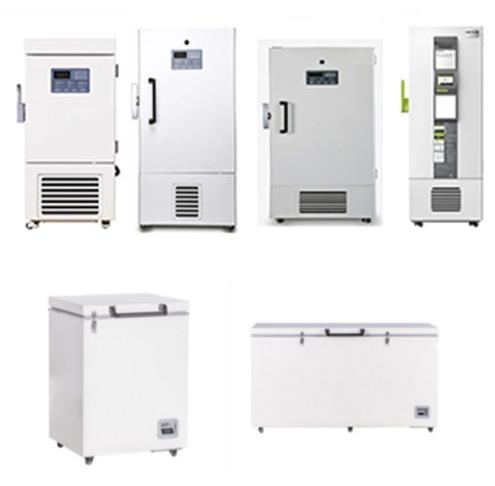
These freezers are essential for various applications in scientific and research contexts, including biomedical research, pharmaceuticals, clinical laboratories, forensics, and environmental research. In biomedical research, ULT freezers preserve biological samples such as tissues, cells, blood, and plasma. In the pharmaceutical industry, they are critical for storing sensitive medications and vaccines. Clinical laboratories use these freezers to store patient samples for diagnostic tests, while in forensics, they are employed to keep biological evidence intact for DNA profiling and other forensic studies. ULT freezers also contribute to environmental research by preserving samples like soil, water, and air for long-term analysis.
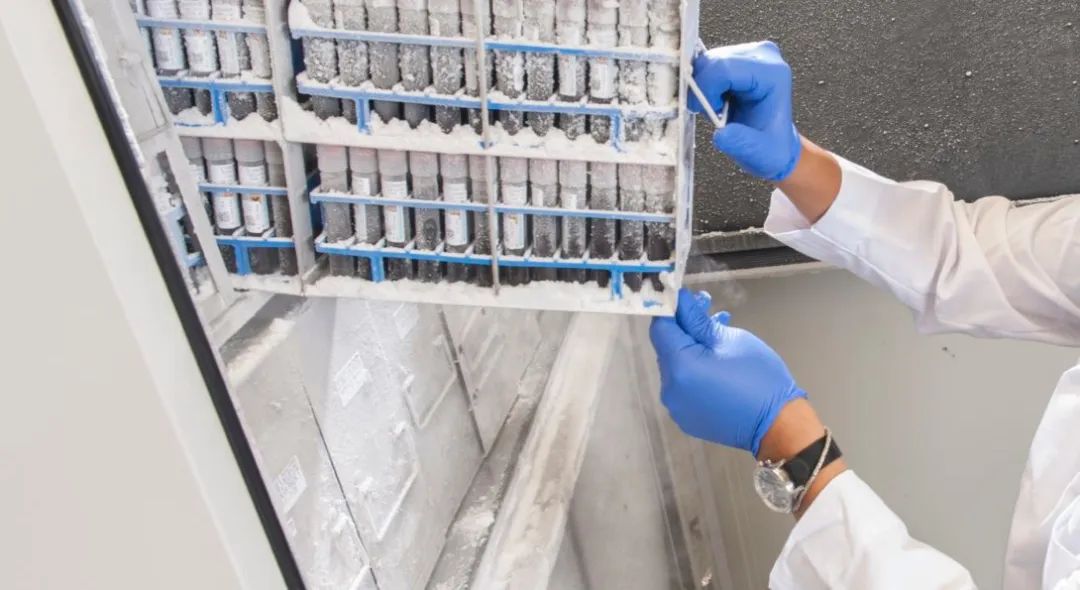
The advantages of ultra-low temperature freezers include their ability to preserve samples for extended periods without degradation, their reliability with superior temperature control systems, and their adaptability to hold various sample types and sizes. Energy efficiency is addressed through features like high-efficiency compressors, improved insulation, and LED lighting. Additionally, advanced features such as touch-screen interfaces, remote monitoring, and backup power supply options enhance convenience and ease of use.
When choosing ultra-low temperature laboratory freezers, researchers need to consider factors like cost, energy consumption, space requirements, and maintenance. Prices can vary, and researchers must evaluate their budget and funding availability. Energy consumption is a significant consideration due to operational costs, and researchers should opt for energy-efficient models when possible. The physical space available in the laboratory must be assessed for proper installation and ventilation. Regular maintenance, including defrosting, cleaning, and temperature sensor calibration, is necessary for ensuring optimal operation and accurate temperature management.
In summary, ultra-low temperature freezers which provide the necessary conditions for the consistent and dependable storage of samples at ultra-cold temperatures, are indispensable tools in contemporary scientific research.