
Centrifuges are indispensable laboratory tools utilized for a myriad of separation and purification tasks. They vary in types, sizes, and capacities, yet all serve the fundamental function of segregating materials based on their densities. Like any equipment, the lifespan of a centrifuge hinges upon meticulous maintenance and attentive care. In this discourse, we'll delve into some precautions and invaluable tips when operating a centrifuge.

Prioritizing Safety:
Utilize Appropriate Personal Protective Equipment (PPE):
Equip yourself with suitable PPE such as gloves, lab coats, safety glasses or goggles, and closed-toe shoes to safeguard against potential hazards.
Balance the Rotor:
Ensure the rotor is adequately balanced prior to initiating the centrifuge. An imbalanced rotor may lead to vibration or even structural failure, posing serious risks.
Adhere to Recommended Speed and Time Settings:
Operate the centrifuge at the prescribed speed and duration suitable for the samples being processed. Overexertion can cause overheating or catastrophic failure.
Employ Proper Containers and Adapters:
Utilize designated containers and adapters tailored to the samples at hand. Ill-fitting or incorrectly sized accessories can result in spillage or malfunction.
Refrain from Opening During Operation:
Resist the temptation to open the centrifuge while in operation. Wait until it comes to a complete stop before accessing its contents to avert potential accidents.
Avoid Utilizing Damaged Equipment:
Refrain from employing damaged or worn-out components such as rotors, adapters, or centrifuge tubes. Such negligence can jeopardize safety and lead to malfunction.
Be Cognizant of Chemical Hazards:
Familiarize yourself with any chemical hazards associated with the samples under examination. Take appropriate precautions, such as working in well-ventilated areas or employing a fume hood, to mitigate risks.

Troubleshooting Common Problems:
Vibrations or Shaking:
Ensure proper rotor balancing and even loading of sample tubes. If issues persist, inspect for potential rotor damage or enlist professional servicing.
Noise:
Unusual or excessive noise may signal motor or bearing issues. Check for loose components or signs of wear and enlist professional assistance if necessary.
Failure to Start or Spin:
Verify power connectivity and switch operation. If problems persist, motor or centrifuge servicing may be warranted.
Temperature Irregularities:
Confirm ambient temperature falls within recommended parameters and check ventilation systems. If problems persist, thermostat or temperature control systems may require attention.
Leaks or Spills:
Confirm proper sealing of sample tubes and ensure centrifuge levelness. Continued issues may necessitate rotor or chamber inspection.
Error Messages:
Refer to the manual of the centrifuge manufacturer for guidance on addressing error messages or codes. For unresolved issues, contact the manufacturer or qualified technicians.
Maintenance and Cleaning Protocols:
Regularly clean the centrifuge exterior using mild detergent and a soft cloth, avoiding abrasive materials.
Inspect rotors and buckets for wear or damage, replacing defective parts promptly.
Lubricate moving components as per manufacturer's recommendations, avoiding over-lubrication.
Regularly scrutinize seals and gaskets for integrity, replacing as needed.
Clean rotor and buckets post-use with mild detergent and warm water, ensuring thorough drying before reassembly.
Conduct periodic self-diagnostic tests according to manufacturer instructions to ensure optimal performance.
Store the centrifuge in a clean, dry environment, shielded from extreme temperatures and humidity.
In summary, meticulous maintenance and adherence to safety protocols are imperative for prolonging the lifespan of a centrifuge and ensuring reliable results. Regular inspections, cleaning, and calibration uphold performance standards and mitigate the risk of malfunction or injury.
A well blowout, characterized by the uncontrolled release of oil, gas, or fluids from a wellbore, represents a catastrophic event with far-reaching consequences. This article delves into the causes, repercussions, and proactive prevention strategies associated with well blowouts.

Causes of Well Blowouts:
High Reservoir Pressure:
Excessive pressure within hydrocarbon reservoirs can lead to a forceful expulsion of fluids if it surpasses the pressure exerted by drilling mud, destabilizing the well.
Fluids:
Variable pressures and compositions of fluids within distinct rock formations can result in unexpected high-pressure encounters, contributing to a blowout.
Inadequate Well Design:
Poorly constructed wells lacking appropriate safety elements are susceptible to blowouts, especially when unprepared for sudden pressure changes.
Faulty Equipment:
Malfunctions in critical equipment, such as blowout preventers (BOPs), increase the risk of a blowout by compromising the ability to control the well.

Drilling Mud Management:
Improper control of drilling mud parameters can lead to an insufficient pressure balance within the wellbore, increasing the risk of a blowout.
Human Error:
Mistakes during drilling operations, including incorrect pressure calculations or misinterpretation of data, can contribute to blowouts.
Kick Detection Failure:
Failure to detect and manage kicks – the influx of reservoir fluids into the wellbore – can escalate into a blowout.
Lack of Training:
Inadequate training on well control techniques may result in inappropriate responses during critical situations.
Natural Factors:
Seismic activity or other natural occurrences can induce geological changes, altering reservoir pressure and posing blowout risks.
Neglecting Safety Protocols:
Violating safety protocols to expedite drilling or cut costs raises the likelihood of a blowout.
Equipment Wear and Tear:
Old or poorly maintained equipment increases the risk of equipment failure, elevating the danger of a blowout.
Consequences of Well Blowouts:
Environmental Impact:
Oil spills from blowouts can wreak havoc on marine and coastal ecosystems, causing widespread environmental damage.
Health:
Vapors emitted during a blowout can negatively impact human health, leading to respiratory problems and other ailments.
Economic Loss:
The costs of containment, cleanup activities, and potential revenue loss from uncontrolled material discharge are substantial.
Reputation Damage:
Blowouts can significantly damage the reputation of the oil and gas industry, attracting public outcry, media attention, and regulatory inquiries.
Preventive Measures to Avoid Well Blowouts:
Well Design and Construction:
Employ skilled engineers and geologists to construct wells capable of resisting reservoir pressures.
Use strong casing and cementing procedures to prevent fluid migration and fortify the wellbore.
Advanced Technology and Monitoring:
Utilize cutting-edge monitoring equipment to track well conditions, pressures, and temperatures in real time.
Install automated systems for detecting pressure anomalies and unexpected changes in drilling conditions.
Blowout Preventers (BOPs):
Install high-quality, well-maintained BOPs as the first line of defense against uncontrolled releases.
Regularly inspect, test, and certify BOPs to ensure proper operation.
Well Control Training:
Provide thorough well control training for all staff involved in drilling and well operations.
Conduct regular drilling and well control simulations to ensure preparedness for blowout scenarios.

Regulations and Compliance:
Adhere to industry norms and standards set by competent authorities to meet specified safety and operational criteria.
Risk Assessments:
thorough risk assessments before drilling to identify potential hazards and plan mitigation strategies.
Emergency Response Plans:
Develop comprehensive emergency response plans outlining step-by-step methods for dealing with blowouts.
Ensure all workers are familiar with these strategies.
Safety Culture:
Foster a robust safety culture where employees are empowered to raise concerns and report potential dangers without fear of retaliation.
Regular Inspections and Maintenance:
Regularly inspect equipment, machinery, and safety systems to identify and address potential problems.
Communication and Collaboration:
Maintain open communication and collaboration among team members, contractors, and service providers to ensure adherence to safety guidelines.
Environmental Considerations:
Implement methods to reduce the environmental impact of blowouts, such as the use of containment booms and oil spill-mitigation equipment.
Continuous Improvement:
Encourage a culture of continuous improvement, applying lessons from prior incidents to enhance preventive measures and response tactics.
Industry Research and Innovation:
Invest in research and development to explore new technologies and approaches that can improve blowout prevention and response capabilities.
Conclusion:
The oil and gas industry faces the constant threat of well blowouts, demanding a proactive approach to mitigate the occurrence and impact of such events. Through technological advancements, comprehensive training, adherence to regulations, and effective emergency response planning, the industry can work towards safer and more responsible extraction procedures, ensuring the well-being of employees, protecting the environment, and maintaining operational integrity.
The evolution of real-time video analysis has emerged as a pivotal tool in web inspection systems, revolutionizing product quality assurance, minimizing faults, and enhancing overall manufacturing efficiency. This article delves into the importance of real-time video analysis in web inspection systems, its impact on quality control, and the anticipated future developments that will shape its role in modern industrial processes.

Understanding Web Inspection Systems:
Web inspection systems are integral to various industrial sectors, including printing, packaging, textiles, and paper manufacturing. These systems track and analyze materials, commonly referred to as the "web," as they progress through the manufacturing process. Traditional manual inspection methods were not only time-consuming but also susceptible to human error. Real-time video analysis in web inspection systems has overcome these challenges by providing automated, swift, and accurate inspection capabilities.
Future Trends and Developments in Real-Time Video Analysis for Web Inspection Systems:
Advancements in Artificial Intelligence (AI) and Machine Learning (ML):
The future of real-time video analysis lies in the refinement of AI and machine learning algorithms. This progress will significantly enhance defect detection accuracy and efficiency as these algorithms become more sophisticated and adaptable. Continuous learning capabilities and adaptability to evolving production environments will be key focus areas.
Integration with Industry 4.0 and Smart Manufacturing:
Anticipated seamless integration with Industry 4.0 initiatives and smart manufacturing concepts will enable real-time communication between web inspection systems and other components of the manufacturing process. This interconnectedness will foster a more responsive and integrated production ecosystem.
Edge Computing for Enhanced Speed and Efficiency:
The adoption of edge computing will become more widespread, allowing real-time data processing and analysis directly on the production line. This shift towards edge computing will minimize latency, facilitating quicker decision-making and immediate corrective actions in response to detected defects.
IoT Connectivity for Comprehensive Monitoring:
The Internet of Things (IoT) will continue to play a pivotal role in web inspection systems. Increased connectivity with IoT devices will provide comprehensive monitoring capabilities, enabling manufacturers to collect and analyze data from various points in the production process. This data-driven approach will contribute to predictive maintenance and proactive quality control measures.
Enhanced Imaging Technologies:
Continuous advancements in imaging technologies, including high-resolution cameras and hyperspectral imaging, will enhance the ability of real-time video analysis to gather detailed and nuanced information. This will be particularly crucial in industries with stringent quality standards, such as pharmaceutical and electronics production.
Augmented Reality (AR) for Maintenance and Training:
The utilization of augmented reality will extend beyond the production line to maintenance and training. AR interfaces can offer real-time information to maintenance personnel, such as equipment health status and troubleshooting guides. Additionally, AR can be leveraged for training purposes, providing immersive and interactive experiences for operators.

Cloud-Based Solutions for Scalability:
Cloud-based solutions will enhance scalability and accessibility. Manufacturers can utilize cloud computing to store and analyze vast amounts of data generated by online inspection systems, enabling centralized management, remote monitoring, and data-driven insights.
Robotic Integration for Automated Handling:
Integration with robotic systems will facilitate the automated processing of items identified as problematic by web inspection tools. This seamless synchronization of inspection and handling procedures will enhance efficiency and reduce dependence on manual intervention.
Cybersecurity Measures:
As web video inspection systems become increasingly interconnected, robust cybersecurity measures will be imperative. In the face of emerging cyber risks, safeguarding sensitive production data from unauthorized access and maintaining the integrity of the inspection process will be crucial.
Conclusion:
Real-time video analysis has not only transformed web inspection systems but has also provided manufacturers with an effective tool for ensuring product quality, improving efficiency, and minimizing defects. As technology advances, the integration of real-time video analysis with other cutting-edge technologies will further enhance the capabilities of web inspection systems, shaping modern production processes. Embracing these advancements will be paramount for organizations seeking to remain competitive and deliver high-quality products in today's dynamic industrial landscape.
The maritime industry is in a constant state of expansion, marked by the increasing size and sophistication of vessels. This growth presents a myriad of challenges for port infrastructure, particularly in the realm of rubber fenders. This article explores the critical role of rubber fenders in maritime operations, focusing on the implications of vessel size on the design considerations and requirements for these essential components.
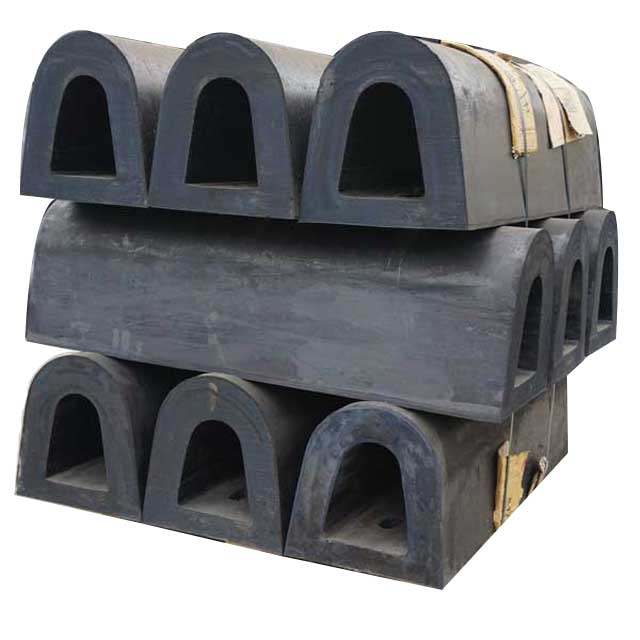
The Crucial Role of Rubber Fenders in Maritime Operations:
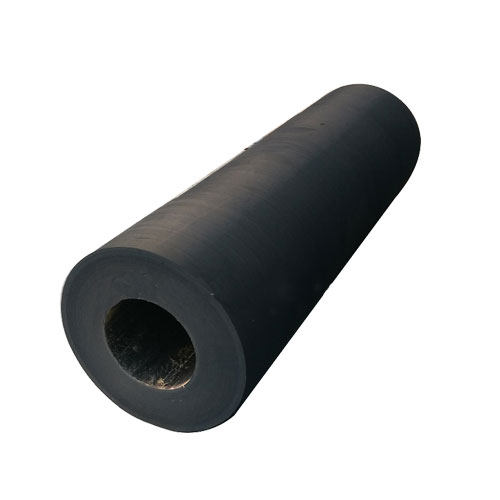
Rubber fenders serve as pivotal shock absorbers during berthing and mooring activities, adapting to various vessel specifications and port environmental conditions. Their primary function is to absorb kinetic energy, minimizing impact forces and safeguarding both the vessel and the berthing structure.
Factors Influencing Rubber Fenders Based on Vessel Size:
Vessel Size's Impact on Rubber Fenders:
The size of a vessel plays a decisive role in determining the type, size, and arrangement of rubber fenders necessary for a specific berthing facility. Larger vessels, with their increased mass and kinetic energy, demand robust and strategically positioned fender systems capable of absorbing and distributing the substantial stresses generated during berthing.
Key Design Considerations and Requirements for Rubber Fenders Catering to Large Vessels:
Arrangement and Spacing:
Tandem and Triple Fender Systems: Larger vessels often utilize tandem or triple fender systems to evenly distribute impact forces and mitigate localized structural stress.
Fender Piles and Frames: The arrangement of fender piles and frames must be customized to match the size and berthing characteristics of larger vessels, requiring high-quality rubber compounds to resist repeated collisions and ensure an extended service life.
Material Considerations:
Quality and Durability: The greater mass and force of larger vessels necessitate high-quality rubber compounds for fenders, ensuring durability against repeated impacts and an extended service life.
Reinforcement: Designs may incorporate reinforced steel frames or other materials to enhance fender strength and durability when subjected to the substantial forces exerted by large vessels.
Environmental Conditions:
Harbor Dynamics: A comprehensive understanding of harbor conditions, including currents, wind, and wave patterns, is essential for designing fenders that can perform effectively under varying circumstances.
Corrosion Resistance: Fenders for large vessels in ports exposed to corrosive environments must incorporate materials resistant to corrosion to maintain structural integrity.
Port Infrastructure Upgrades:
Dredging and Deepening: Ports accommodating larger vessels may require dredging and deepening projects to maintain sufficient water depth for berthing and prevent hull damage from shallow waters.
Structural Enhancements: Berthing structures may need reinforcement and adjustments to accommodate the increased forces exerted by larger vessels.
Conclusion:
As the maritime industry grapples with the growing size and capabilities of vessels, a careful assessment of the impact of vessel sizes on rubber fender requirements is imperative. Engineering solutions must evolve to meet the demands of larger vessels, ensuring maritime safety, preventing structural damage, and contributing to the overall efficiency and sustainability of port infrastructure. In the face of continued vessel expansion, the innovation and adaptation of rubber fender technologies remain indispensable to the future of maritime infrastructure.
Laboratory balances are indispensable tools in scientific settings, facilitating accurate and precise weighing for a multitude of applications. However, maintaining their accuracy and reliability requires diligent care and adherence to proper usage practices. This article addresses common questions frequently posed by laboratory balance users, offering insights to enhance their understanding and ensure optimal performance.

How Often Should I Calibrate My Laboratory Balance?
The calibration frequency of a laboratory balance depends on factors such as manufacturer recommendations, usage frequency, and environmental conditions. In general, it is advisable to calibrate the balance at least once a year, or more frequently for heavy usage. Harsh environmental conditions, exposure to vibrations, or shocks may necessitate more frequent calibration to preserve accuracy.
How Do I Clean and Maintain My Laboratory Balance?
Regular cleaning and maintenance are crucial for sustaining the accuracy and longevity of a laboratory balance. Use a soft, lint-free cloth for wiping down the balance after each use, avoiding harsh chemicals that may damage it. Preventing the accumulation of dust, debris, and contaminants is essential. Periodic maintenance tasks, such as replacing worn-out parts and lubricating moving components, contribute to prolonging the balance's lifespan.
What Is the Difference Between a Precision Balance and an Analytical Balance?
Distinguishing between precision balances and analytical balances is vital for selecting the appropriate tool for specific tasks. Precision balances typically have a higher weight capacity and are suited for measuring larger quantities with lower precision. On the other hand, analytical balances offer highly precise measurements for weighing minute amounts. Analytical balances are enclosed to prevent drafts, featuring small, polished pans, while precision balances have larger, open pans.

How Can I Prevent Electrostatic Interference When Using a Laboratory Balance?
Electrostatic interference can compromise measurement accuracy, necessitating preventive measures. Grounding the balance using a grounding wire or connecting it to a grounded surface is one effective approach. Additionally, anti-static solutions like ionizers or mats can mitigate static charge buildup on both the balance and the sample, reducing the risk of errors.
How Do I Handle Samples When Weighing Them on a Laboratory Balance?
Proper handling of samples is crucial for accurate measurements. Utilize clean, dry containers, and avoid direct contact between your hands and the sample. Allow the sample to acclimate to the room temperature before weighing to ensure accuracy. Distribute the sample evenly on the weighing pan to prevent clumps or air pockets that could impact measurement precision.
Conclusion:
By addressing these common questions, laboratory balance users can optimize their instrument's accuracy and effectiveness. Adhering to proper care, maintenance, and usage guidelines ensures reliable results and extends the lifespan of laboratory balances, contributing to the success of scientific endeavors.