
In the ever-evolving landscape of research, technology, and healthcare, numerous instruments and technologies have emerged to drive progress and tackle complex challenges. Among these remarkable innovations, incubators stand out as versatile machines with a myriad of applications. In this article, we delve into the diverse uses of incubators across industries such as healthcare, scientific research, agriculture, entrepreneurship, and environmental sciences, highlighting their transformative impact on various facets of our lives.

Incubators in the Medical Industry:
Incubators play a crucial role in healthcare, particularly in neonatal care units. These medical marvels provide a regulated environment for the care and development of preterm or critically ill newborns. By creating a warm, stable, and sanitary environment that controls temperature, humidity, and oxygen levels, medical incubators ensure optimal conditions for infant well-being and growth. Equipped with monitoring devices, medical incubators enable healthcare personnel to closely monitor vital signs and respond promptly to abnormalities, thereby increasing the chances of survival for vulnerable infants.
Laboratory Incubators:
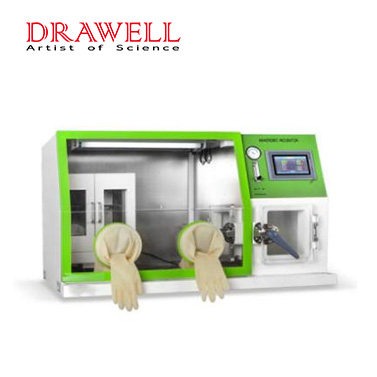
In scientific research, laboratory incubators serve as nurturing environments for various live organisms. These devices provide controlled conditions of temperature, humidity, and nutrient availability to support the growth and reproduction of cells, bacteria, fungi, and other microorganisms. Laboratory incubators facilitate the investigation of biological processes, experimentation, and drug development by replicating natural settings. They play a vital role in advancing fields such as medicine, biotechnology, and microbiology, contributing to breakthroughs in cellular activity research and genetic engineering techniques.
Incubators in Agriculture and Animal Husbandry:
Egg incubators are indispensable in agriculture and animal husbandry, facilitating the hatching and rearing of various species. By mimicking ideal conditions for egg development, including temperature, humidity, and ventilation, these incubators significantly increase the chances of successful hatching and higher survival rates. Used by poultry farmers, reptile breeders, and bird enthusiasts, egg incubators ensure the continuity and sustainability of species. Additionally, specialized egg incubators can manipulate parameters such as temperature and humidity to modify the gender ratio of certain reptiles, aiding conservation efforts.
Entrepreneurship and Business Incubators:
Beyond healthcare and scientific research, the concept of incubators has found its place in the entrepreneurial and business landscape. Startup incubators support early-stage businesses by providing essential tools, mentorship, office space, and networking opportunities. By nurturing entrepreneurial talent and fostering creativity, startup incubators play a critical role in driving economic growth and transforming innovative ideas into successful enterprises. They provide invaluable assistance to budding entrepreneurs in navigating the challenges of business development.
Environmental Incubators:
Environmental incubators are specialized equipment used in ecological research and testing. These devices allow scientists to create controlled environments that mimic specific ecosystems or microhabitats, facilitating the study of environmental variables' impact on organisms and their interactions. Environmental incubators contribute to understanding climate change, biodiversity trends, plant development dynamics, and the effects of pollutants on living organisms. Such research informs conservation efforts, ecosystem management, and the development of sustainable practices.
In Conclusion:
Incubators are versatile tools with boundless potential, providing controlled settings for a wide range of applications. From nurturing premature infants to driving scientific discoveries, from fostering agricultural growth to supporting entrepreneurship and environmental research, incubators have transformed numerous disciplines. As technology advances, incubators will continue to push the boundaries of innovation, opening new avenues and providing crucial support in our pursuit of growth and understanding. With each application, incubators showcase their revolutionary capabilities and solidify their position as indispensable assets in shaping a better future for humanity.
Ensuring safe and efficient drilling operations while minimizing risks in the oil and gas industry hinges on effective well control techniques. Among these, the drillers method, also known as the "wait and weight" approach, stands out as a cornerstone practice for maintaining pressure equilibrium and averting uncontrolled wellbore flows. Let's delve into the intricacies of the drillers method, encompassing its principles, procedures, and the pivotal role of training in its execution.

Principles Underpinning the Drillers Method
The drillers method operates on a set of fundamental principles aimed at promptly regaining control of a well following the detection of formation fluid influx.
Influx Detection: Early identification of influxes, whether oil, gas, or water, is paramount. Drilling parameters like fluid returns, pit gain, and mud logger data are meticulously monitored for any deviations indicative of an influx.
Well Closure: Upon confirming or suspecting an influx, immediate closure of the well is initiated. Blowout preventers (BOPs) are activated to seal the wellbore, curtailing further influx and safeguarding the rig crew.
Kill Weight Calculation: Calculating the requisite kill weight of drilling mud becomes imperative. This weight is tailored to counterbalance formation pressure and halt the influx, factoring in formation type, depth, and mud characteristics.
Mud Weight Adjustment: Dense additives such as barite or calcium carbonate are introduced to boost mud density, offsetting formation pressure. Precise adjustment is crucial to maintain effective control without exacerbating issues.
Controlled Pumping: Pumping of weighted mud ensues in a controlled manner, managing pump rates to forestall abrupt pressure spikes and ensure a safe, regulated process.
Continuous Pressure Monitoring: Real-time pressure monitoring via gauges and equipment is upheld throughout the procedure. This data aids in assessing kill weight performance and facilitating timely adjustments for sustained control.
Resuming Drilling: With the well stabilized and influx managed, drilling operations cautiously recommence, emphasizing the need to maintain mud weight at levels conducive to continued control.
Training and Preparation: Pillars of Success
The efficacy of the drillers method hinges on comprehensive training and thorough preparation. Here's why:
Safety: Rig crew safety is paramount. Adequate training empowers personnel to respond swiftly and effectively to well control challenges, mitigating the risk of accidents or blowouts.
Quick Decision-Making: Time sensitivity demands swift decision-making. Training equips drillers with the acumen to assess situations, calculate kill weights, and take decisive action under pressure.
Risk Mitigation: Thorough training minimizes errors, thereby mitigating the potentially catastrophic consequences of well control incidents.
Efficiency: Well-trained drillers execute operations with precision, minimizing downtime and equipment damage, translating into tangible cost savings.
Adaptability: Varied well conditions necessitate adaptability. Training ensures drillers grasp the method's concepts, enabling adept application across diverse scenarios.
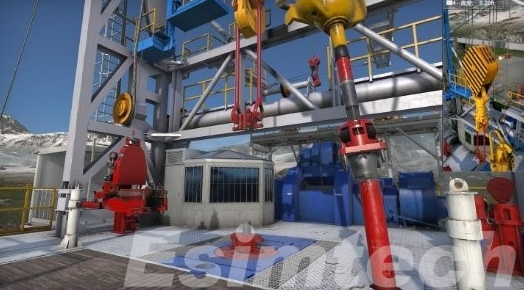
Realistic Simulations: drilling and well control simulators provide invaluable hands-on experience, fostering confidence and competence in handling real-world contingencies.
Team Coordination: Effective communication and coordination are fostered through training, enhancing teamwork during critical moments.
Regulatory Compliance: Adherence to regulatory mandates underscores the importance of ongoing training to uphold industry standards and reputation.
Continuous Improvement: Regular training keeps drillers abreast of evolving practices and technologies, facilitating adept responses to emerging challenges.
Confidence and Competence: Proper training instills confidence and competence, vital attributes for navigating high-pressure situations with composure and proficiency.
In essence, training and preparation are indispensable components of well control, particularly when employing the drillers method. Investment in robust training programs ensures that drilling operations uphold safety standards, protect personnel and the environment, and maintain operational integrity.
Conclusion
In the realm of oil and gas exploration, mastery of well control techniques like the drillers method is imperative. Its systematic approach underscores the importance of proactive measures in upholding pressure equilibrium and averting wellbore influxes. By prioritizing training and preparedness, drilling enterprises can fortify their workforce against well control emergencies, safeguard lives, assets, and the environment, while upholding the integrity of drilling operations.
In the dynamic landscape of industrial manufacturing, the pursuit of precision and adaptability has spurred the development of innovative technologies. Among these advancements, web guide systems emerge as vital components, ensuring accurate material alignment and management throughout diverse manufacturing processes. This article delves into the significance of customization and adaptability in web guide systems, examining how these features are revolutionizing industries and optimizing manufacturing operations.

Tailored Solutions for Varied Applications:
Customization lies at the core of effective web guide systems. Industries handling diverse materials, such as paper, film, textiles, and metal, require tailored solutions to address specific challenges. Customizable web guide systems empower manufacturers to adapt technology to the unique requirements of different applications, ensuring optimal performance across various materials and production scenarios.
Flexibility to Accommodate Changing Production Parameters:
Industries operate in a state of constant flux, with evolving production requirements and dynamic variables. Web guide systems equipped with adaptive features can effortlessly accommodate fluctuations in material thickness, width, or tension. This flexibility is invaluable in environments where production conditions frequently change, enabling swift adjustments without compromising precision.
Integration of Advanced Sensors and Controls:
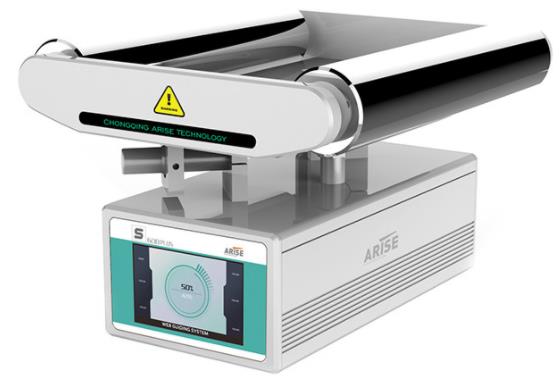
Customized web guide systems often incorporate advanced sensors and controls, enhancing their versatility. Web guide sensors detect changes in web alignment or stress, triggering real-time adjustments to maintain material alignment. Intelligent control systems allow for parameter modifications and fine-tuning based on unique production conditions, optimizing performance.
Remote Monitoring and Control:
The digital era has ushered in remote connectivity and monitoring capabilities for web guide systems. Customizable solutions empower operators to remotely monitor and control web guide systems, facilitating real-time adjustments without physical presence. This enhances convenience and responsiveness, fostering a more efficient production environment.
Precision in Printing and Converting Processes:
Precision is paramount in printing and converting industries. Customized web guide systems ensure accurate registration, minimizing waste and enhancing the quality of printed materials. Whether in flexographic printing, gravure printing, or laminating processes, adaptable web guide systems play a pivotal role in maintaining alignment and registration.
Safety and Reliability Enhancements:
Customization extends beyond performance to include safety features. Industries with stringent safety requirements can tailor web guide systems to incorporate additional safety mechanisms, such as emergency stop functions and redundant sensors. This ensures not only precision but also a high level of reliability and compliance with safety standards.
Energy-Efficient and Sustainable Solutions:
Customized web guide systems increasingly integrate energy-efficient technologies, promoting sustainability. Variable frequency drives, low-energy components, and sophisticated power management systems are combined to deliver personalized solutions that align with the growing emphasis on environmentally friendly practices in modern enterprises.
Conclusion:
The customization and adaptability of web guide systems are pivotal in meeting the evolving needs of industries seeking precision, efficiency, and flexibility. From printing and converting to packaging and textiles, tailored web guide systems have a transformative impact across diverse sectors. As industries embrace customization, the future holds even more innovative solutions that will revolutionize how materials are handled and processed, ushering in a new era of industrial efficiency and reliability.
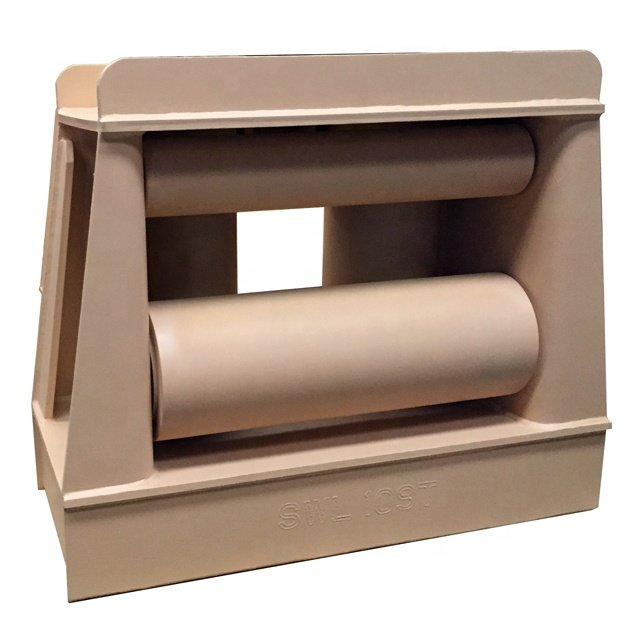
Roller fairleads, crucial components in maritime operations, play a pivotal role in guiding cables and lines with minimal friction, ensuring safe and efficient vessel operations. Recent strides in material science have revolutionized roller fairlead design, introducing stronger, more durable, and efficient components. This article explores the impact of advanced materials on roller fairlead construction and the myriad benefits they offer to the maritime industry.
Stainless Steel Alloys for Enhanced Durability:
Traditional materials are being replaced with high-strength stainless steel and aluminum alloys, extending service life and reducing maintenance needs.
Increased tensile strength and corrosion resistance make these alloys ideal for harsh maritime conditions, enhancing overall performance and longevity.
Lightweight Aluminum Alloys for Efficiency:
Roller fairleads made from advanced aluminum alloys prioritize fuel efficiency and operational performance.
Lightweight construction facilitates easier installation and handling, contributing to improved vessel efficiency and reduced environmental impact.
Composite Materials for Weight Reduction:
Carbon fiber-reinforced polymers and advanced thermoplastics offer significant weight reduction in roller fairlead construction.
Lightweight materials enhance fuel efficiency and ease of handling, benefiting vessel performance and environmental sustainability.
Polymer Coatings for Corrosion Resistance:
Advanced polymer coatings like polyurethane and epoxy provide additional corrosion protection to roller fairleads.
These coatings prolong fairlead lifespan by safeguarding against corrosive marine environments, ensuring structural integrity over time.
Carbon Fiber-Reinforced Polymers for Strength:
Integration of carbon fiber-reinforced polymers enhances roller fairlead durability and resilience.
These materials offer an optimal balance of strength and lightness, resulting in improved performance and extended service life.
Ceramic Components for Wear Resistance:
Incorporating ceramic-coated rollers or bearings enhances wear resistance and reduces friction in roller fairleads.
This results in smoother cable guidance and prolonged fairlead lifespan, contributing to operational efficiency and reliability.
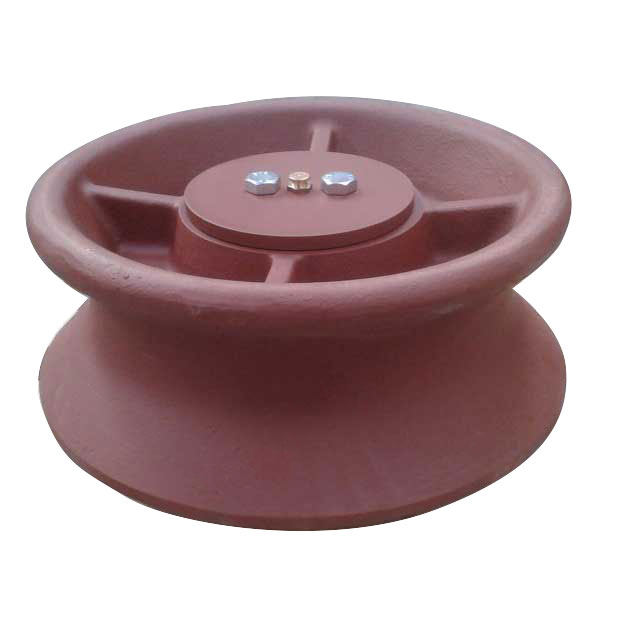
Titanium Alloys for Strength and Corrosion Resistance:
Titanium alloys offer exceptional strength-to-weight ratio and corrosion resistance, making them ideal for demanding marine applications.
Roller fairleads constructed with titanium alloys ensure longevity and reliability in harsh marine conditions.
Self-Lubricating Materials for Reduced Maintenance:Innovative self-lubricating materials minimize friction and wear in roller fairleads, reducing the need for frequent maintenance.
These materials enhance operational efficiency and decrease downtime, contributing to overall cost savings.
Nanotechnology-Driven Surface Treatments:
Nanotechnology advancements enable better surface treatments for roller fairleads, enhancing wear, corrosion, and fouling resistance.
Nano-coatings improve overall performance and durability, ensuring reliable operation in harsh marine environments.
Conclusion
The incorporation of advanced materials in roller fairlead construction signifies a significant advancement in maritime technology. High-strength alloys, lightweight composites, corrosion-resistant coatings, ceramic components, titanium alloys, self-lubricating materials, and nanotechnology-driven surface treatments collectively enhance fairlead longevity, efficiency, and dependability. As vessel designs evolve and operational demands increase, ongoing research in advanced materials promises to further elevate roller fairlead performance, fostering safer and more efficient maritime operations.
Spring, a fundamental component, boasts numerous invaluable properties, rendering it indispensable across various industries such as automobiles, tractors, instruments, and textiles.
However, the occurrence of fatigue fracture accidents in critical springs during operation can result in substantial economic losses and pose threats to worker safety. To mitigate such risks, understanding the factors influencing the fatigue strength of springs is imperative.
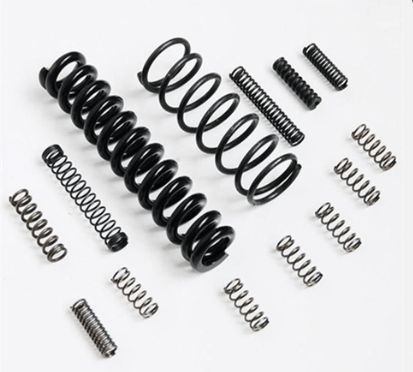
Factor 1: Yield Strength
The fatigue limit of materials exhibits a correlation with their yield strength. Generally, higher yield strength correlates with enhanced fatigue strength. Thus, improving the yield strength of spring materials or opting for materials with a high yield strength-to-tensile strength ratio can elevate the fatigue strength of springs. Fine-grain structures tend to exhibit higher yield strength compared to coarse ones.
Factor 2: Surface State
Given that maximum stress primarily concentrates on the surface, the surface quality significantly impacts fatigue strength. Fatigue fractures often stem from defects like cracks, scars, and imperfections incurred during rolling, drawing, and coiling processes.
Reducing surface roughness minimizes stress concentration and elevates fatigue strength. Methods such as grinding, pressing, shot blasting, and rolling enhance surface quality, thus improving fatigue strength.
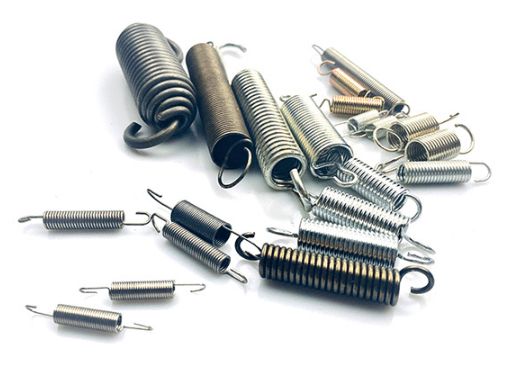
Factor 3: Size Effect
Larger material sizes are prone to defects from cold and hot working processes, escalating the likelihood of surface imperfections and compromising fatigue performance. Hence, size effects should be factored into fatigue strength calculations.
Factor 4: Metallurgical Defects
Metallurgical defects such as non-metallic inclusions and element segregation serve as stress concentration points, fostering premature fatigue cracks. Employing measures like vacuum smelting and casting enhances steel quality, mitigating metallurgical defects.
High-Fatigue-Strength Springs – KENENG Spring
KENENG specializes in R&D and production of diverse springs, leveraging advanced industry technology to craft products with superior fatigue strength. With a production capacity spanning from Φ0.01 to Φ100, KENENG springs find applications across scientific research, military, nuclear, chemical, petroleum, and machinery sectors.
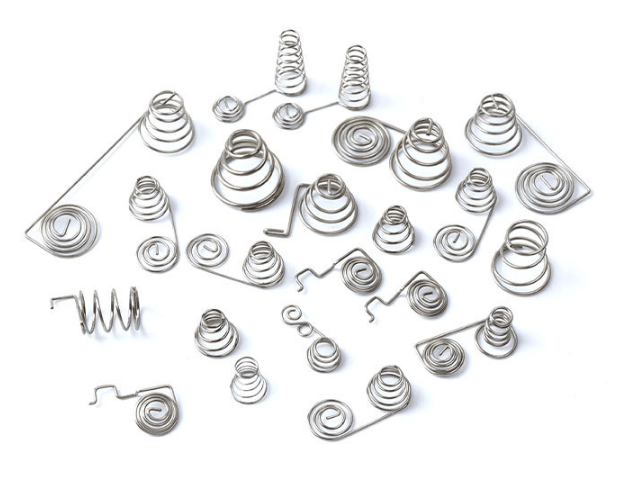
Customization options cater to specific installation requirements, pressure dimensions, material selection, wire diameter, size, and specialized processing techniques. As a professional spring manufacturer, KENENG prioritizes quality, striving to meet diverse customer demands with precision-engineered solutions.