
In various industrial sectors like automotive, aerospace, construction, and manufacturing, the significance of heat treatment in the production of bolts cannot be overstated. By undergoing a carefully regulated heat treatment process, bolts can significantly enhance their mechanical properties to meet specific criteria, ensuring reliability and performance in diverse applications.
Heat treated bolts are the result of a controlled heat treatment technique designed to alter their microstructure, thereby improving their mechanical characteristics. This crucial manufacturing step greatly influences the performance and durability of bolts, making them indispensable in various industries.
The process involves subjecting the bolts to high temperatures followed by rapid or gradual cooling, depending on the desired properties. This manipulation of temperature and cooling rate can enhance crucial qualities such as strength, ductility, toughness, wear resistance, and corrosion resistance.
One of the primary advantages of heat treated bolts lies in their increased strength. Through heat treatment, bolts can exhibit heightened hardness, toughness, and wear resistance, making them suitable for demanding applications that require superior load-bearing capacity, such as heavy machinery and structural components.
Furthermore, heat treatment process improves the ductility of bolts, reducing the likelihood of brittle fracture or failure. This increased ductility ensures that bolts can flex under stress without breaking, enhancing their dependability and safety, particularly in harsh operating conditions.

Corrosion resistance is another key benefit of heat treated bolts. By undergoing heat treatment, bolts can better withstand rust, oxidation, and other forms of corrosion, making them ideal for applications exposed to extreme environmental conditions or chemicals, as seen in marine, automotive, and aerospace industries.
Moreover, heat treatment enhances the fatigue resistance of bolts, crucial for withstanding repeated or cyclic stress. Bolts treated through this process exhibit improved fatigue strength, enabling them to endure multiple stress and load cycles without fracturing or failing, essential for applications subject to dynamic or variable loads.
Various heat treatment methods are employed in the production of bolts, including quenching, tempering, annealing, and normalizing, each offering distinct advantages in enhancing bolt properties.
Quenching involves rapid cooling of heated bolts in a quenching liquid to increase hardness and wear resistance, although it may lead to brittleness, often mitigated through subsequent tempering.
Tempering, on the other hand, involves controlled reheating and cooling to improve ductility and toughness, striking a balance between strength and flexibility.
Annealing entails slow cooling of bolts after heating to relieve internal stresses, enhance machinability, and reduce hardness, ideal for applications requiring ductile and durable bolts.
Normalizing, similar to annealing but with air cooling, refines grain structure to enhance strength and fatigue resistance, commonly used in heavy machinery and structural components.

In summary, heat treated bolts play a crucial role in various industries, offering superior strength, corrosion resistance, and fatigue resistance. Understanding the principles and methods of heat treatment is essential for ensuring optimal bolt performance across diverse applications, contributing to the reliability and safety of industrial systems.
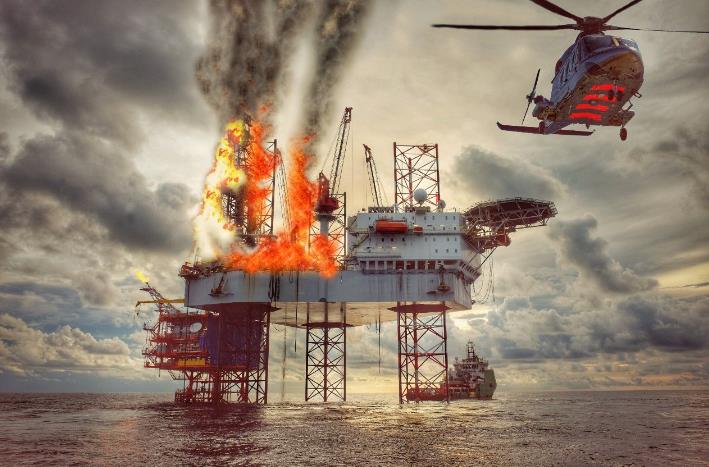
Oil and gas drilling operations are intricate, involving heavy machinery and high-pressure environments that harbor significant risks for both workers and the environment. Hence, prioritizing safety measures within this industry is paramount. This article explores various pivotal aspects of safety in oil and gas drilling, delving into the risks involved, safety measures employed, and the role of technology in enhancing safety protocols.
Understanding the Risks:
Oil and gas drilling inherently carries substantial risks owing to the nature of the work and the environments in which it occurs. It is imperative to grasp these risks comprehensively to underscore the importance of safety measures. Some of the primary risks include:
Well Blowouts: These catastrophic events result from uncontrolled releases of oil and gas from wells due to various factors, posing threats such as loss of life, environmental damage, and economic losses.
Equipment Failures: Malfunctions in the complex machinery utilized in drilling operations can lead to accidents, downtime, and environmental hazards.
Fires and Explosions: Presence of flammable substances heightens the risk of fires and explosions, causing fatalities, asset damage, and environmental repercussions.
Hazardous Substances: Handling toxic chemicals and gases during drilling activities poses risks such as chemical exposure, toxic releases, and adverse health effects.
Environmental Impact: Drilling operations can disrupt habitats, contaminate water sources, and contribute to climate change, amplifying environmental concerns.
Regulatory Compliance: Non-compliance with safety regulations can result in legal and financial consequences, necessitating adherence to industry standards.
Economic and Financial Risks: Unexpected incidents during drilling operations can incur significant financial losses, encompassing cleanup costs and revenue loss.

Implementing Safety Measures:
To mitigate these risks, the oil and gas industry has instituted various safety measures, including:
Safety Training: Comprehensive programs ensuring personnel are well-versed in safety procedures and emergency response protocols.
Personal Protective Equipment (PPE): Mandatory use of appropriate gear to safeguard workers from hazards.
Well Control Procedures: Strict protocols to prevent blowouts and uncontrolled releases.
Regular Equipment Inspections: Routine checks to identify and rectify potential issues promptly.
Emergency Response Plans: Detailed strategies outlining actions in case of emergencies.
Environmental Compliance: Adherence to stringent regulations to minimize environmental impact.
Safety Audits and Inspections: Regular evaluations to ensure compliance and address deficiencies.
Behavior-Based Safety: Encouraging a culture where workers report unsafe behaviors, fostering a proactive safety approach.
Role of Technology in Safety:
Technological advancements have significantly contributed to enhancing safety measures in oil and gas drilling, including:
Real-Time Monitoring: Sensors and monitoring systems for early anomaly detection.
Automation: Automated systems reducing worker exposure to risks.
Remote Operation: Remote control options minimizing on-site hazards.
Data Analytics: Utilization of analytics for proactive safety measures.
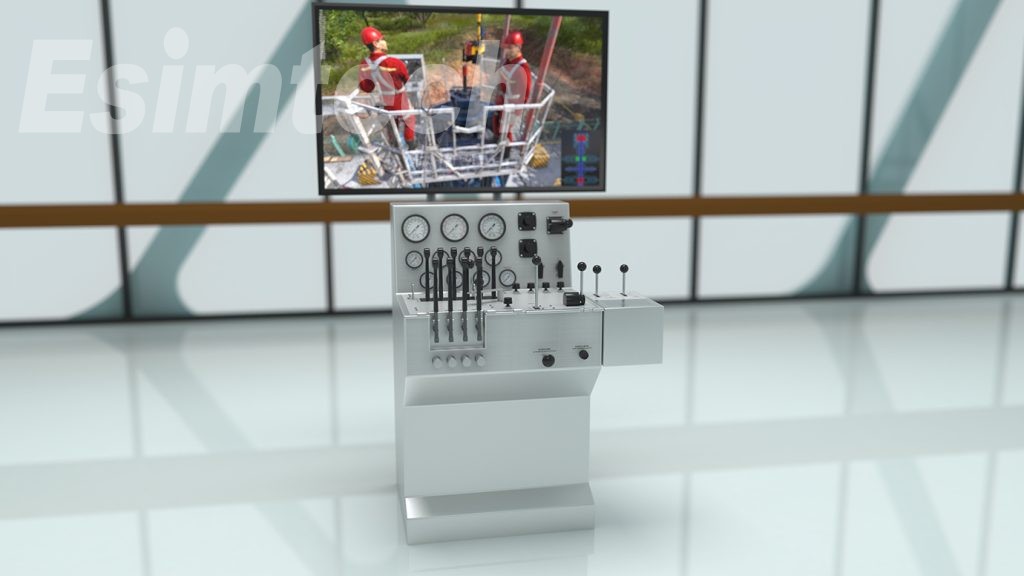
Safety Simulations: Virtual reality and simulation technology for realistic training environments.
Simulation in Drilling Operations: Customized simulation environments, integration with real-time data, and continuous training and assessment bolster safety preparedness in drilling activities.
Conclusion:
Ensuring safety in oil and gas drilling necessitates a multifaceted approach encompassing training, equipment, procedures, technology, and a robust safety culture. With ongoing technological advancements and unwavering commitment to safety, the industry can strive to minimize accidents, protect the environment, and safeguard its workforce. Ultimately, safety must remain paramount in meeting global energy demands.
The marine industry, which is constantly evolving and technologically advanced, has seen substantial innovation in recent years, particularly in the design of mooring chocks. These inconspicuous components are important to guaranteeing vessel safety and stability during mooring operations. This article explores the cutting-edge innovations in mooring chock design, highlighting how these advancements are transforming the landscape of maritime safety and efficiency.
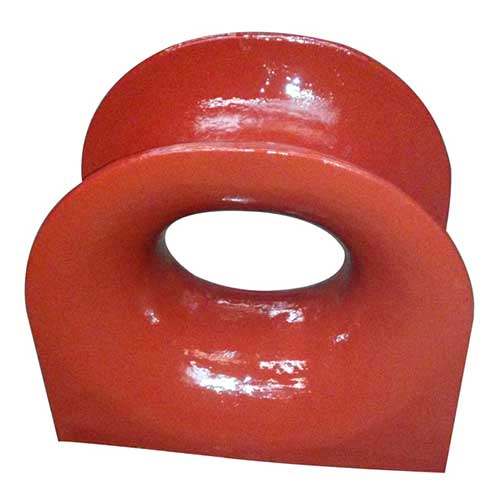
The Significance of Innovations in Mooring Chock Design
Traditional Challenges in Mooring Operations
Marine mooring chocks have traditionally been an essential tool for mooring vessels during port calls. Traditional systems, on the other hand, encountered issues such as wear and tear, corrosion, and difficulty accommodating different rope diameters and angles. Innovators in the maritime industry have responded to these issues by developing cutting-edge solutions that exceed the constraints of traditional chock designs.
Innovations in marine chock design are driven by the need to enhance performance, durability, and adaptability to diverse maritime conditions.
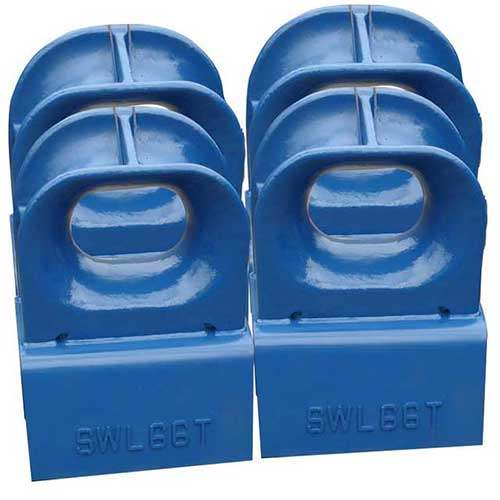
Advancements in Mooring Chock Design
1. Advanced Materials for Increased Durability
Mooring chocks, which were traditionally made of metals such as steel, are now benefiting from the development of new materials. High-strength metals, stainless steel, and corrosion-resistant composites are being used to improve the durability and service life of chocks. These materials provide improved resilience to hostile marine environments, lowering maintenance requirements and increasing overall durability.
2. Streamlined Shapes for Reduced Wear and Tear
Innovations in mooring chock design include streamlined forms that save wear and strain on both the chocks and the mooring lines. These aerodynamic designs reduce friction and stress points, resulting in longer-lasting chocks and increased safety during mooring operations. Reduced wear also leads to cheaper maintenance expenses for vessel operators.
3. Adjustable and Modular Configurations
Recognizing the range of vessel types and mooring setups, designers are including customizable and modular features into chocks. Adjustable marine mooring chock designs accommodate various rope sizes and angles, providing flexibility during mooring operations. This adaptability ensures a secure and tailored fit for different vessels, contributing to improved efficiency and safety.
4. Integrated Load Monitoring Systems
Marine mooring chocks are evolving into smart components with the integration of load monitoring systems. These systems use sensors to measure the tension and strain on mooring lines in real-time. The data provided by these sensors enables ship operators to monitor the forces acting on the chocks, allowing for proactive maintenance and ensuring the structural integrity of the mooring system.
5. Automated Tensioning and Release Mechanisms
Automation is making an impact on mooring chock design by including automated tensioning and release systems. These devices provide exact control over mooring line tension, which streamlines the mooring operation. Automated release devices enable rapid and controlled disengagement, increasing safety during vessel departure.
6. Energy Absorption Capabilities
In response to the dynamic forces experienced during mooring events, some innovative chock designs incorporate energy-absorbing features. These chocks act as shock absorbers, dissipating and managing the energy generated by sudden vessel movements. The result is a safer and more controlled mooring operation, reducing the risk of damage to both vessels and infrastructure.
7. Environmentally Friendly Chock Designs
Sustainability is becoming more prominent in marine activities, and mooring chock design is no exception. Eco-friendly materials and production techniques are among the innovations, which coincide with the industry’s goal to minimize its environmental footprint. Sustainable chock designs help to promote responsible and environmentally conscientious nautical activities.
Conclusion
Innovations in mooring chock design are transforming how vessels are secured in ports and anchorages. The use of sophisticated materials, streamlined shapes, adaptability, and smart technologies improves the safety, efficiency, and sustainability of maritime operations. As these innovations continue to evolve, marine mooring chocks are set to play an increasingly sophisticated role in ensuring the smooth and secure mooring of vessels in the dynamic world of maritime commerce.
In the realm of industrial processes, the evolution of web guide system technology has been nothing short of revolutionary. Over the years, significant strides have been made in advancing these systems, resulting in heightened efficiency, precision, and flexibility in various manufacturing operations.

Exploring the Landscape of Innovative Technologies
Automation and Precision
a. Sensor Technologies
Modern web guide systems leverage state-of-the-art sensor technologies such as ultrasonic sensors, infrared sensors, and line lasers. These advanced sensors facilitate real-time and precise detection of web edges, enabling impeccable alignment.
b. Closed-Loop Control
Through the integration of closed-loop control systems, web guide systems undergo continuous monitoring and automatic correction, minimizing the need for manual intervention and reducing errors. Real-time adjustments ensure seamless web handling during production.
Integration with Industry 4.0
a. IoT Connectivity
Web guide systems are increasingly becoming integral components of Industry 4.0 initiatives, offering connectivity through the Internet of Things (IoT). This enables remote monitoring, data analytics, and predictive maintenance, thereby optimizing operational efficiency.
b. Data Exchange
Seamless integration with Manufacturing Execution Systems (MES) facilitates effective data sharing, enhancing coordination across various stages of the production process. Real-time reporting capabilities provide heightened visibility into production data, supporting proactive decision-making.
Advanced Control Algorithms
a. Adaptive Control
Employing adaptive control algorithms allows web guide systems to continuously optimize parameters based on real-time conditions, ensuring optimal performance in diverse environments. These self-optimizing systems adjust to material variations and operating conditions.
b. Predictive Algorithms
Predictive algorithms analyze historical data to anticipate potential issues, enabling proactive adjustments before deviations impact alignment. This contributes to preventive maintenance strategies, minimizing downtime and extending system lifespan.
Improved Material Handling
a. Variable Web Width Handling
Advanced systems can handle variations in web width without manual adjustments, promoting seamless transitions between different products or specifications and enhancing manufacturing flexibility.
b. Tension Control
Powerful tension control system features guarantee consistent tension levels throughout the production process, enhancing product quality by preventing wrinkling and stretching.

Enhanced User Interfaces
a. Touchscreen Controls
User interfaces now feature intuitive touchscreen controls, simplifying setup processes and enabling real-time monitoring and adjustment. Visual representations aid operators in assessing alignment with ease.
b. Remote Accessibility
Remote accessibility allows for centralized monitoring and control, facilitating faster troubleshooting and minimizing downtime through remote interventions.
Future Trends in Advanced Web Guide Systems
Integration with Artificial Intelligence (AI)
Integration with AI algorithms enables predictive analytics to anticipate and prevent alignment concerns, leading to reduced downtime and improved performance. Self-optimizing systems continuously learn from data to enhance precision.
Evolution of Sensor Technologies
Advancements in nanotechnology will lead to the development of high-precision sensors capable of even more accurate web edge detection, while the integration of multiple sensor types will enable comprehensive data fusion for enhanced understanding.
Continued Sensor and Software Innovations
Edge computing technologies will drive further advancements in web edge detection, while ongoing improvements in software solutions will enhance overall system performance and capabilities.
In Conclusion
The advancements in web guide system technology have revolutionized production processes across various industries. Through a combination of automation, accuracy, and connectivity, these systems have significantly enhanced efficiency, quality, and sustainability. The future promises a convergence of cutting-edge technologies, ushering in an era of heightened intelligence and innovation in web guide systems.
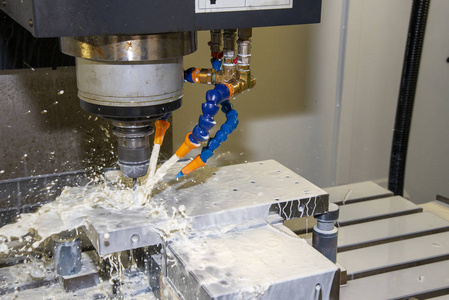
CNC machining, utilizing computer software pre-programmed to control the movement of tools and equipment, has become increasingly vital in modern manufacturing. Its rising prominence can be attributed to its efficiency, accuracy, and flexibility, which have revolutionized manufacturing processes. Here, we explore why CNC machining is gaining importance and the main processes involved in this innovative manufacturing technique.
Why CNC Machining Is Essential?
CNC machining's popularity stems from its ability to produce complex parts with exceptional precision, consistency, and repeatability. This capability has transformed manufacturing processes, enabling the production of parts that were previously difficult or impossible to manufacture using traditional methods.
Main Processes of CNC Machining:
The CNC machining process typically involves several key stages:
Computer-Aided Design (CAD):
CAD software is used to create a 3D model of the part to be manufactured, serving as a blueprint for the machining process.
Computer-Aided Manufacturing (CAM):
CAM software translates the CAD model into machine instructions, generating a program that guides the CNC machine in cutting and shaping the material to create the desired parts.
Material Selection:
The choice of material depends on the application and desired properties of the finished part. Common materials include metals (e.g., aluminum, steel, titanium), plastics, and composites.
Cutting and Shaping:
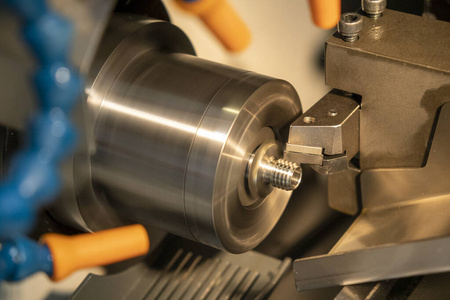
Using tools such as drills, lathes, mills, and routers, the CNC machine cuts and shapes the material according to the instructions generated by the CAM software. This stage ensures precise cuts and shapes with high repeatability and accuracy.
Finishing:
After cutting and shaping, the part may undergo additional finishing processes such as sanding, polishing, or coating to achieve the desired surface finish and properties.
Applications of CNC Machining:
CNC machining finds widespread applications across various industries, including:
Aerospace: Producing aircraft and spacecraft components like engine parts, structural elements, and landing gear.
Automotive: Manufacturing vehicle parts such as engine components, transmission parts, and suspension components.
Medical Equipment: Fabricating parts for medical devices like prosthetics, implants, and surgical tools.
Electronics: Manufacturing components for electrical devices such as computer parts, smartphones, and circuit boards.
Industrial Machinery: Creating parts for heavy machinery, tools, and equipment used in manufacturing and construction.
Factors to Consider When Choosing a CNC Machining Service Provider:
When selecting a CNC machining service provider, several factors should be taken into account:
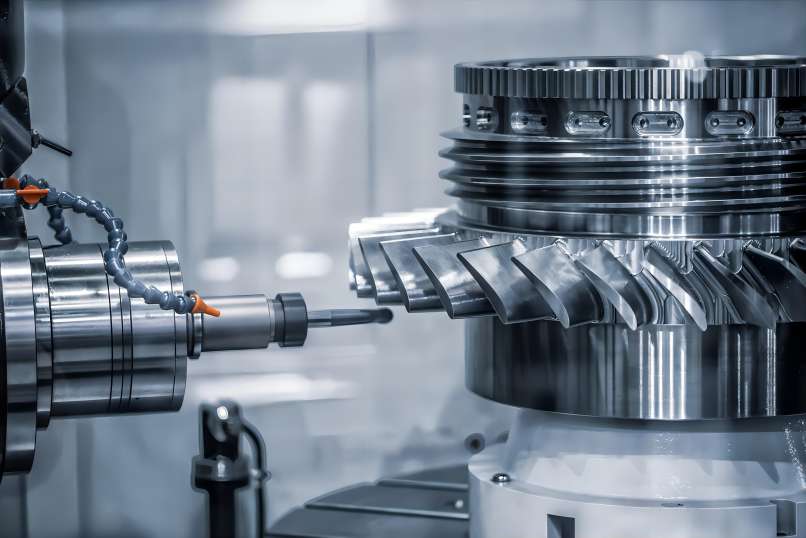
Quality Assurance Procedures: Ensure the provider has stringent quality control measures in place to meet required specifications and standards.
Customer Care: Look for excellent customer service, responsiveness, and the ability to resolve issues promptly.
Pricing and Timeliness: Compare pricing and turnaround times to find the best value without compromising quality.
Experience and Expertise: Choose a provider with extensive experience and expertise in your industry and specific requirements.
In Summary:
CNC machining offers high precision and consistency with minimal human intervention, making it indispensable across various industries. As technology continues to advance, CNC machining will continue to play a crucial role in driving innovation and efficiency in manufacturing processes.