
This comprehensive guide provides valuable insights into the diverse world of washers, encompassing their types, dimensions, and finishing options. Let's summarize the key points highlighted:

1. Types of Washers:
Spring washers, wave washers, Belleville washers: Designed for preload force and tension maintenance.
Flat washers, plain washers, conical washers, square washers: General-purpose washers for load distribution and surface protection.
Lock washers, tab washers: Preventing loosening of nuts and bolts due to vibration.
Thrust washers: Distributing axial loads in machine assemblies.

2. Dimensions of Washers:
Outer Diameter (OD), Inner Diameter (ID), Thickness: Basic measurements for sizing washers.
Bolt Size: Selection based on corresponding inside diameter.
ANSI Standard Size: Conforming to ANSI standards for specifying washer sizes.
3. Finishing Types of Washers:
Plain finished washers: Simple finish for applications where appearance is not critical.
Zinc plated washers: Coating for corrosion protection, available in different thicknesses.
Black oxide washers: Chemical treatment for aesthetic purposes or corrosion prevention.
Nickel plated washers: Durable and corrosion-resistant finish, available in various thicknesses.
Chrome finishing washers: Decorative, shiny surface for aesthetic purposes.
Galvanized finishing washers: Zinc coating for rust and corrosion protection, suitable for outdoor use.
Powder coating washers: Durable, customizable finish available in different colors and textures.
Conclusion:
Washers, despite their simple appearance, are essential components with significant roles in various applications across industries. Understanding the types, dimensions, and finishing options of washers enables informed decision-making for selecting the most suitable components for specific applications. Proper measurement, selection, and installation ensure optimal performance, safety, and efficiency in projects. With this comprehensive knowledge, individuals can confidently tackle projects involving washers, ensuring their effectiveness and longevity.
By incorporating this knowledge into practice, individuals can ensure optimal performance, safety, and efficiency in projects involving washers. Whether it's selecting the appropriate type and size of washers or choosing the right finishing option for a specific application, informed decisions are key to achieving successful outcomes.
Comfort, safety, and aesthetics are paramount in the design of marine passenger seats, shaping the onboard experience across various vessels from luxurious cruise liners to efficient ferries. This article explores the latest trends and advancements in marine passenger seat design, focusing on innovative designs and cushioning materials that are revolutionizing travel on the high seas.

Emphasis on Ergonomics
Modern marine passenger chairs prioritize ergonomic design to enhance comfort during long journeys. These seats offer proper lumbar support, promote good posture, and alleviate fatigue. Features such as adjustable headrests, armrests, and seat recline provide passengers with personalized comfort options to suit their preferences.
Enhanced Durability in Harsh Conditions
Marine environments pose unique challenges like saltwater exposure and adverse weather conditions. Innovative seat designs integrate materials resistant to corrosion, fading, and wear. Utilizing high-quality marine-grade upholstery fabrics, reinforced frames, and corrosion-resistant components ensures longevity, reducing maintenance costs and ensuring reliability over time.
Adoption of Lightweight Materials
Advancements in lightweight materials contribute to fuel efficiency and carbon emissions reduction in marine transportation. Innovative seat designs utilize lightweight yet robust materials such as aluminum alloys and composite polymers, achieving a balance between durability and weight savings. Lightweight seats also facilitate easier installation and reconfiguration, offering operational flexibility to vessel operators.
Space Optimization Solutions
Maximizing space is crucial in marine passenger seating design, especially on vessels with limited real estate. Foldable and stackable seat designs optimize cabin space, enabling flexible seating arrangements and efficient use of onboard areas. Smart mechanisms allow seats to be easily stowed away when not in use, creating versatile passenger environments.
Customization for Diverse Needs
Passenger preferences vary widely, necessitating customizable seating solutions. Innovative seat designs offer options for seat width, cushion firmness, upholstery color, and configuration layouts. Modular seating arrangements accommodate varying passenger capacities and spatial constraints, ensuring flexibility and adaptability.

Integration of Shock-Mitigating Technology
In vessels navigating rough seas, shock-absorbing seating arrangements are essential for passenger safety and comfort. Advanced shock-absorbing materials and suspension systems are integrated into maritime passenger seats to minimize wave-induced vibrations and vessel motion impacts, reducing the risk of passenger injuries and enhancing ride comfort.
Implementation of Fire Retardant Materials
Safety is paramount in marine transportation, particularly concerning fire prevention measures. Innovative seat designs incorporate fire-retardant materials and fabrics compliant with international safety standards. Fire-resistant foams, upholstery fabrics treated with flame-retardant coatings, and self-extinguishing cushioning materials enhance passenger safety and ensure regulatory compliance.
Adoption of Sustainable Materials
There is a growing focus on sustainability in marine passenger seat design. Innovative seating solutions utilize eco-friendly materials such as recycled plastics, bio-based foams, and low-impact upholstery fabrics. Sustainable seat designs aim to minimize carbon footprint, reduce waste generation, and promote environmental stewardship in the maritime sector.

Integration of Amenities
To enhance the passenger experience, modern marine passenger seats feature integrated amenities and connectivity features. USB charging ports, adjustable reading lights, foldable tray tables, and personal entertainment systems are seamlessly integrated into seat designs, providing convenience and entertainment options during voyages.
Aesthetic Considerations
Aesthetic appeal is given importance alongside comfort and utility in modern maritime passenger seats. Sleek lines, contemporary finishes, and customizable color options result in visually appealing seating solutions, elevating the ambiance of onboard spaces. Innovative seat designs combine style with substance, enhancing the overall passenger experience.
In conclusion, Seat designs are important for the passenger experience in maritime travel. By prioritizing comfort, safety, and aesthetics, modern marine passenger seats offer a delightful journey for travelers. With the integration of lightweight materials, customizable features, and sustainable solutions, vessel operators can enhance operational efficiency while providing passengers with a comfortable and enjoyable sea voyage.
Offshore oil rigs stand as iconic symbols in the global energy sector, strategically positioned miles from shorelines, and have long been essential contributors to meeting the world’s energy needs. These colossal installations represent a fusion of engineering brilliance, innovative solutions, and a commitment to environmental responsibility.
This comprehensive article delves into the intricate world of offshore oil rigs, shedding light on their architectural and operational complexities, environmental implications, and their profound significance in the energy landscape. Additionally, we explore the crucial role of simulation technology in training personnel for the demanding operations conducted on these offshore installations.
The Evolution of Offshore Oil Rigs
The history of offshore oil exploration traces back to the early 20th century, driven by the depletion of onshore reserves and the quest for new hydrocarbon sources in oceanic realms. A significant milestone occurred in 1896 along the California coast with the emergence of the first offshore drilling platform, constructed from wood. This pioneering structure contrasts sharply with the sophisticated rigs dominating today's offshore landscapes.
Over time, offshore drilling has undergone remarkable evolution, propelled by cutting-edge technologies and a deeper understanding of the challenges posed by marine environments. The escalating demand for offshore drilling stems from the discovery of extensive, untapped oil and gas reservoirs beneath the ocean floor.
Operational Dynamics of Offshore Oil Rigs
Offshore oil rigs showcase human ingenuity and engineering prowess through intricate processes facilitating the extraction, processing, and transportation of hydrocarbons from deep seabeds to onshore facilities. Here's an overview of their operational mechanisms:
Exploration and Drilling: Seismic surveys identify potential reserves, followed by drilling of exploration wells to confirm hydrocarbon presence. Successful sites lead to drilling of production wells for resource extraction.
Production: Oil and gas are extracted through production wells, employing drilling rigs and wellheads on fixed platforms, or flexible risers/pipelines on floating systems.
Processing: Extracted fluids undergo separation and processing to remove impurities, separate oil and gas, and compress gas for transportation.
Storage: Oil is stored in tanks on FPSOs or floating platforms, awaiting offloading onto shuttle tankers. Gas may be reinjected, flared, or transported via pipelines.
Environmental Protection: Rig installations feature measures like oil spill containment, gas emission control, and adherence to safety protocols to mitigate environmental impact.
Types of Offshore Oil Rigs
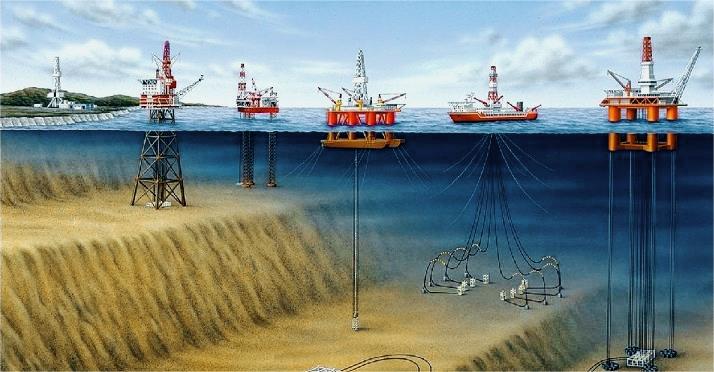
Fixed Platforms: These structures, anchored to the seabed, include Jacket, Caisson, and Concrete Gravity platforms, suitable for various seabed conditions and depths.
Compliant Towers: Designed for deepwater drilling in challenging marine environments, these towers offer flexibility and structural integrity against high waves and currents.
Spar Platforms: Similar to compliant towers, spars excel in deepwater drilling, providing stability and safety in extreme conditions.
Tension-Leg Platforms (TLPs): Specialized for deepwater operations, TLPs ensure stability through tensioned tendons securing them to the seabed.
Floating Production, Storage, and Offloading (FPSO) Vessels: These floating facilities combine drilling, processing, storage, and offloading capabilities, crucial for deepwater extraction.
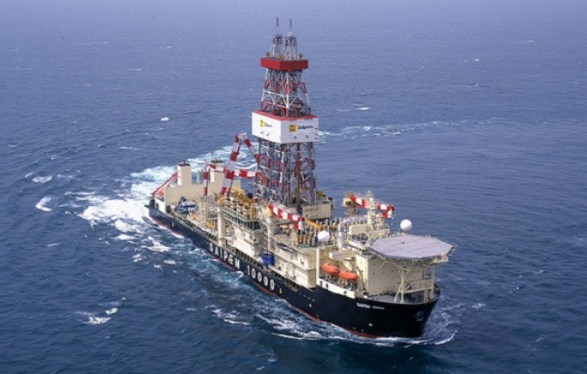
Drillships: Highly specialized vessels for deepwater drilling, equipped with advanced technology for mobility and exploration in remote offshore areas.
Semi-Submersibles: Buoyant rigs with water ballast tanks for stability, commonly used in deepwater and harsh sea conditions.
Simulation Technology in Offshore Operations
Simulation technology plays a pivotal role in training personnel for offshore rig operations:
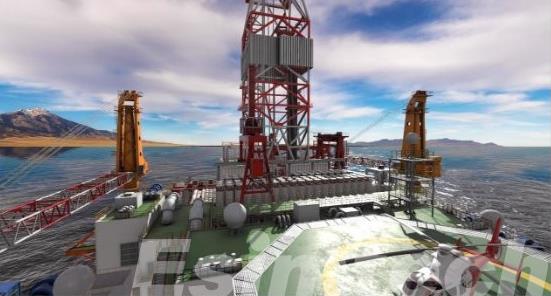
Immersive Training: Simulators replicate real-world offshore environments, enabling trainees to tackle various challenges securely.
Skill Refinement: Trainees practice essential tasks like drilling and emergency responses until proficiency is attained.
Safety Training: Simulators facilitate comprehensive safety drills, ensuring personnel are prepared for critical situations.
Operational Efficiency:Simulated drilling scenarios enhance decision-making skills and response times, improving overall efficiency.
Cost Savings: Simulator-based training reduces expenses associated with conventional training methods, making it both cost-effective and resource-efficient.
Conclusion
Offshore oil rigs, remarkable feats of engineering, have played a significant role in global energy production. However, as we navigate towards a sustainable energy future, they face increased scrutiny for their environmental impact. Whether they continue as energy hubs or adapt to new roles, their importance in the energy industry remains undeniable.
Furthermore, the integration of simulation technology is vital for ensuring the safety and efficiency of offshore operations. By preparing the workforce for the complexities of offshore drilling, these simulations contribute to the ongoing success of offshore endeavors, underlining human innovation in the pursuit of energy resources.
In today's printing industry, maintaining consistent print quality is paramount for meeting customer expectations and adhering to regulatory standards. A significant advancement in achieving this consistency comes from Automated Printing Quality Inspection Systems, revolutionizing the way print quality is monitored and ensured. This article explores the components, benefits, applications, and latest advancements of Automated Printing Quality Inspection System, underscoring their pivotal role in modern printing practices.

Evolution of Automated Printing Quality Inspection Systems
Traditionally, print quality inspection relied heavily on manual techniques, prone to errors and time-consuming processes. However, the evolution of technology paved the way for Automated Printing Quality Inspection Systems, enabling real-time monitoring, analysis, and rectification of print issues.
How Automated Printing Quality Inspection Systems Work
Utilizing sensors, cameras, and sophisticated algorithms, Automated Printing Quality Inspection Systems scrutinize printed materials for defects like misprints, color discrepancies, streaks, and registration errors with exceptional precision.

Advancements and Trends
Integration of Artificial Intelligence (AI) and Machine Learning (ML): AI and ML algorithms are reshaping automated inspection systems, empowering them to analyze vast amounts of data, anticipate issues, and adjust to changing printing conditions, thereby enhancing accuracy and efficiency.
Real-Time Defect Classification and Correction: Modern systems classify defects promptly, enabling immediate corrective actions. By adjusting printing settings on the fly, such as ink levels and registration, these systems minimize waste and ensure uniform print quality.
Multi-Modal Inspection Capabilities: To cater to diverse printing requirements, systems now incorporate multi-modal inspection capabilities, utilizing various imaging technologies for comprehensive defect detection across different materials and substrates.
Enhanced Color Management and Calibration: Automated inspection systems offer advanced color management features, ensuring precise color reproduction across different substrates. They detect color variations, match predefined standards, and adjust color profiles in real-time.
Cloud-Based Solutions for Remote Monitoring and Analytics: Cloud-based systems enable remote monitoring, data storage, and analytics, facilitating real-time access to inspection results and insights into production performance from anywhere.
Integration with Industry 4.0 Technologies: Automated inspection systems are increasingly integrated with Industry 4.0 technologies like IoT and robotics, enabling seamless data exchange and predictive maintenance for optimized production processes.
Conclusion
Automated Printing Quality Inspection Systems represent a significant innovation in the printing industry, offering unparalleled precision, efficiency, and control. As technology continues to advance, these systems will be instrumental in driving innovation and maintaining consistent quality across diverse printing applications. Embracing automated inspection technology isn't just advantageous—it's imperative for printers striving to thrive in today's competitive landscape.
Polymerase Chain Reaction (PCR) stands as a pivotal technique in molecular biology, revolutionizing genetics and biotechnology. This method facilitates the amplification of specific segments of DNA, offering a wide array of applications ranging from genetic testing to DNA sequencing. Delving into the intricacies of PCR, let's explore its fundamental working principles and various adaptations.
Fundamental Working Principles of PCR:
PCR entails a series of heating and cooling cycles to multiply a specific DNA segment, meticulously following the principles of natural DNA replication in a controlled manner.
Three Fundamental Working Steps of PCR:
Denaturation:
Heat is applied, typically around 94-98 degrees Celsius (201-208 degrees Fahrenheit), causing the DNA double helix to unwind and separate into single strands.
Annealing:
Temperature reduction to approximately 50-65 degrees Celsius (122-149 degrees Fahrenheit), allowing short DNA sequences called primers to bind to their complementary sequences on single-stranded DNA.
Extension/Elongation:
Elevation of temperature to about 72 degrees Celsius (162 degrees Fahrenheit), facilitating the synthesis of new DNA strands by a heat-resistant DNA polymerase enzyme.
Cycles and Amplification of PCR:
PCR cycles involve repeated processes of denaturation, annealing, and extension, resulting in exponential amplification of the target DNA sequence.
Each cycle doubles the amount of DNA, ultimately yielding a significant quantity of the target DNA from a minimal starting material.
Variants and Modifications of PCR:
Reverse Transcription PCR (RT-PCR):
Amplifies RNA molecules post-conversion into complementary DNA (cDNA) using reverse transcriptase enzyme, essential for examining gene expression and RNA-based activities.
Real-Time PCR:
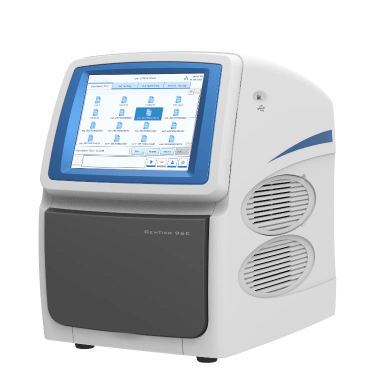
Also known as quantitative PCR (qPCR), enables detection and quantification of DNA or RNA during amplification, facilitating precise quantification and real-time monitoring.
Nested PCR:
Utilizes two sets of primers to improve specificity and sensitivity, especially beneficial in scenarios involving low amounts of target DNA or complex DNA mixes.
Multiplex PCR:
Allows simultaneous amplification of multiple target DNA sequences using distinct primer sets, useful in genotyping, disease detection, and forensic analysis.
Hot Start PCR:
Incorporates modifications to enhance reaction specificity and prevent non-specific amplification by utilizing specific DNA polymerase or modified primers.
Digital PCR (dPCR):
Divides PCR reaction into numerous separate reactions, enabling absolute quantification of target DNA without external standards, particularly useful for detecting low-abundance targets.
Inverse PCR:
Amplifies DNA segments with known flanking sequences but an unknown sequence in between, facilitating gene cloning and discovery of unknown DNA sequences.
In Summary:
PCR, with its ability to exponentially amplify DNA, has emerged as a cornerstone in molecular biology, unlocking a plethora of applications across various disciplines. By comprehending the principles and variants of PCR, researchers have propelled advancements in genetic testing, forensics, disease diagnosis, and beyond, reshaping the landscape of science and medicine.