
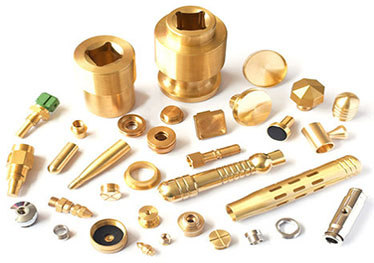
CNC marine parts constitute crucial components in the fabrication of marine vessels, encompassing boats, ships, and various watercraft. Leveraging CNC machining, these parts are meticulously crafted according to pre-programmed instructions to achieve precise shapes and dimensions.

Diverse Types of CNC Marine Parts:
Propellers: Customized propellers, vital for propelling boats, are meticulously crafted using CNC machining, ensuring optimal performance tailored to the vessel's specifications.
Hulls: CNC machining facilitates the creation of intricate hull designs, optimizing hydrodynamics and enhancing vessel performance.
Deck Fittings: Components like cleats and bollards, affixed to the deck, are precision-engineered through CNC machining to withstand marine conditions.
Rudder Assemblies: Steering mechanisms, including rudder blades, are crafted with CNC machining for enhanced maneuverability.
Engine Components: Various engine parts, such as cylinder heads and pistons, are CNC machined to withstand marine environments and optimize performance.
Advantages of CNC Marine Parts:
Precision and Accuracy: CNC machining ensures parts adhere to exact specifications, enhancing vessel performance and minimizing equipment failure risks.
Durability and Reliability: Crafted from robust materials like stainless steel and aluminum alloys, CNC marine parts endure harsh marine conditions, ensuring longevity and reliability.
Efficiency and Performance: Optimized designs through CNC machining improve vessel efficiency, reducing fuel consumption and enhancing overall performance.
Safety: CNC machined parts contribute to vessel safety by minimizing the likelihood of component failure, thereby reducing accidents.
Common Materials for CNC Marine Parts:
Stainless Steel: Known for corrosion resistance and strength, ideal for critical components like propellers.
Aluminum Alloys: Lightweight and corrosion-resistant, commonly used in hulls and superstructures.
Bronze: Offers strength and corrosion resistance, suitable for propellers and rudder assemblies.
High-Density Plastics: Lightweight and corrosion-resistant, utilized for non-critical components such as fittings.
Titanium: Known for excellent corrosion resistance and strength, ideal for shafts and fasteners.
Carbon Fiber: Lightweight and strong, used in critical components like hulls for performance enhancement.
In conclusion, CNC machining revolutionizes marine vessel manufacturing, ensuring precision, durability, and performance. KENENG offers exceptional CNC machining services, providing the optimal solution for marine part fabrication. For further inquiries, please contact us.
In the realm of oil and gas drilling, safety takes precedence above all else, and at the heart of safety measures lies the Blowout Preventer (BOP). This critical equipment acts as a safeguard against the potentially disastrous consequences of uncontrolled oil or gas releases, known as blowouts. Among the various types of BOPs, two primary categories find extensive use: annular BOPs and ram BOPs. This article delves into the nuances of these two BOP types, shedding light on their distinct characteristics and the scenarios where their application is most fitting.
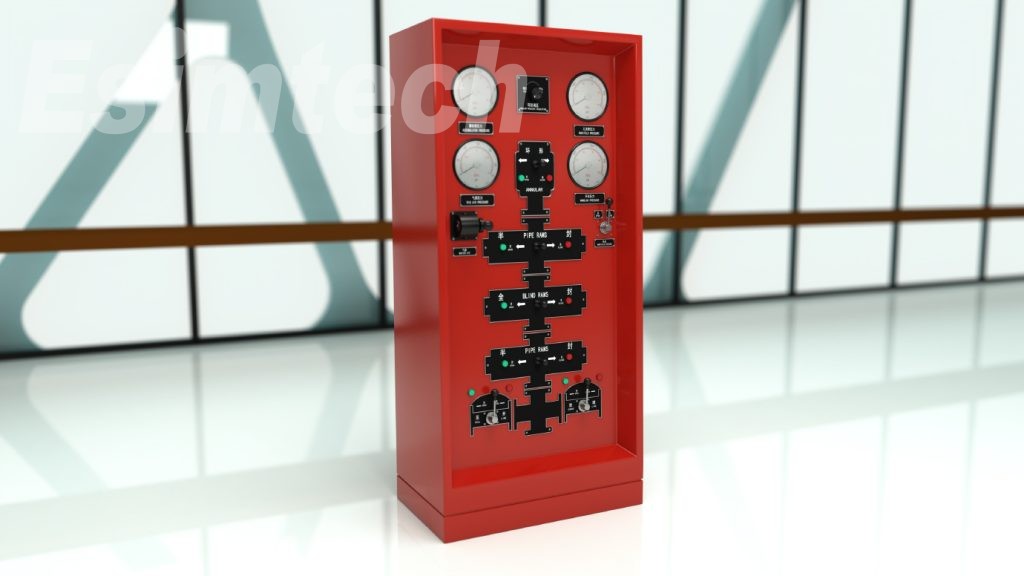
Functions of Annular BOP and Ram BOP:
Annular BOP:
Annular Blowout Preventers, commonly referred to as annular BOPs, derive their name from their sealing method, which operates within the annular space between the wellbore and the drill pipe or casing. These BOPs offer a versatile well control solution, thanks to their ability to adapt to various pipe sizes and irregular wellbore shapes.
Key Features of Annular BOPs:
Flexible Sealing Element:
Annular BOPs feature a flexible rubber element, known as the packing unit, which forms a tight seal around the drill pipe or casing when activated. This flexibility allows annular BOPs to effectively seal around pipes of different sizes.
Adaptability:
Annular BOPs excel in situations where the wellbore geometry is irregular or when drilling through formations with varying shapes. The flexibility of the sealing element enables them to create reliable seals even in non-standard wellbore conditions.
Ease of Maintenance:
Maintenance of annular BOPs is generally straightforward compared to ram BOPs. The rubber packing unit can be replaced or repaired relatively easily, reducing downtime and operational costs.
Applications of Annular BOPs:
Drilling Operations:
Annular BOPs are commonly used during drilling operations to control wellbore pressure and provide a seal around the drill pipe.
Well Control:
They play a crucial role in well control systems, acting as a backup measure to prevent blowouts.
Circulation:
Annular BOPs facilitate wellbore fluid circulation, allowing mud and other fluids to be circulated down the drill pipe and back up the annulus.
Ram BOP:
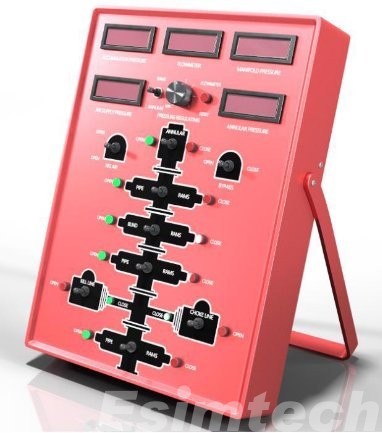
Ram Blowout Preventers, also known as ram BOPs, utilize metal blades or rams to establish a tight seal around the drill pipe or casing. Unlike annular BOPs, ram BOPs excel in delivering precise sealing and are often employed as a secondary well control safeguard, particularly during critical situations.
Key Features of Ram BOPs:
Sealing Mechanism:
Ram BOPs use metal rams to create a seal around the pipe. These rams can be configured for different purposes, such as sealing around the drill pipe or casing, cutting and sealing the pipe in emergencies, or creating a complete seal when no pipe is present.
Specialized Configurations:
Ram BOPs come in several specialized configurations, including blind rams, pipe rams, shear rams, and variable rams, providing versatility in addressing various well control scenarios.
Reliability:
Ram BOPs are known for their reliability and are often used as the last line of defense in a well-control system, providing a robust and immediate seal, especially in emergencies.
Applications of Ram BOPs:
Emergency Well Control:
Ram BOPs are often considered the last line of defense in well control systems, deployed in emergencies to quickly and precisely seal off the wellbore.
Deepwater Drilling:
In deepwater drilling operations where the consequences of a blowout can be catastrophic, ram BOPs, including shear rams, are crucial for maintaining control over the well.
Ensuring Well Integrity:
Ram BOPs play a critical role in ensuring the integrity of the well, especially when dealing with challenging formations or high-pressure zones.
Comparison Between Annular BOP and Ram BOP:
While both BOP types serve the fundamental purpose of well control, they differ in design, function, and applications. Here’s a comparison between annular and ram BOPs:
Design and Function:
Annular BOP:
Circular, doughnut-shaped rubber component.
Adaptable for various pipe sizes and irregular wellbore shapes.
Ram BOP:
Metal plates (rams) that create a hermetic seal.
Designed for precise sealing, particularly in critical situations.
Sealing Mechanism:
Annular BOP:
Flexible rubber element provides dynamic sealing.
Accommodates variations in pipe size and shape.
Ram BOP:
Rigid steel plates (rams) provide a fixed seal.
Generally more reliable for high-pressure and high-temperature conditions.
Applications:
Annular BOP:
Primary safeguard in drilling operations and well control.
Well testing and wireline operations.
Ram BOP:
Secondary or contingency BOP in emergencies.
Shearing or cutting the drill pipe.
Maintenance:
Annular BOP:
Generally easier to maintain and repair.
Elastomeric seals may require periodic replacement.
Ram BOP:
More complex maintenance due to mechanical components.
Cost:
Annular BOP:
Often less expensive.
Cost-effective choice for certain drilling situations.
Ram BOP:
Typically more expensive due to precision engineering.
Advantages of Using Annular BOP and Ram BOP in Simulation:
Performance Analysis:
Simulations enable performance analysis across diverse drilling scenarios, assessing sealing effectiveness and pressure-holding capacities.

Pressure and Flow Modeling:
Precisely replicate pressure dynamics to determine the appropriate BOP system for anticipated conditions.
BOP Compatibility:
Assess compatibility with wellbore design and drilling equipment to ensure effective well sealing.
Dynamic Drilling Scenarios:
Replicate well kicks and pressure surges to evaluate BOP responses during emergencies.
Training and Preparedness:
Use simulations for training drilling crews in proper BOP operation and response procedures.
Risk Assessment:
Evaluate risks associated with BOP choice and potential consequences of failure.
Conclusion:
Annular and ram BOPs play vital roles in ensuring the safety and integrity of oil and gas drilling operations. The choice between them depends on specific drilling conditions, wellbore geometry, and safety requirements. Utilizing simulations helps in selecting appropriate BOPs by analyzing performance, pressure dynamics, compatibility, and risk factors. Regardless of the choice, BOPs remain essential frontline defenses, safeguarding personnel and the environment in the oil and gas industry.
In the era of Industry 4.0, where intelligent technologies are reshaping manufacturing processes, web video inspection machine have emerged as indispensable assets. These systems not only align with but also reinforce the key principles of Industry 4.0, contributing to its advancement. Let's delve into how web video inspection systems harmonize with and bolster the core tenets of Industry 4.0.

Impact of Web Video Inspection Systems on Industry 4.0 Principles:
Real-Time Data and Connectivity
Contribution: Web video inspection systems continuously generate real-time data, offering immediate insights into industrial operations. This mirrors Industry 4.0's emphasis on real-time connectivity, empowering operators to monitor and respond to dynamic conditions promptly.
Benefits:
Swift decision-making facilitated by live data.
Timely response to anomalies or defects.
Enhanced overall operational efficiency.
Interoperability and Integration
Contribution: These systems seamlessly integrate with various digital platforms and control systems, epitomizing Industry 4.0's principle of interoperability. They become pivotal components within a connected network of smart devices.
Benefits:
Comprehensive data exchange across the manufacturing ecosystem.
Integration with IoT devices for a cohesive approach.
Streamlined communication among diverse manufacturing components.
Predictive Maintenance and Analytics
Contribution: Web inspection systems, particularly those incorporating AI and machine learning, contribute to predictive maintenance by analyzing historical data and forecasting potential issues proactively.
Benefits:
Proactive maintenance strategies to mitigate downtime.
Prolonged equipment lifespan through predictive analytics.
Data-driven insights for continuous process enhancement.
Enhanced Efficiency and Resource Management
Contribution: Web video inspection systems elevate process efficiency by offering real-time monitoring, prompt defect detection, and streamlined decision-making, aligning with Industry 4.0's focus on efficiency and resource optimization.
Benefits:
Optimization of resource allocation.
Waste reduction through immediate defect identification.
Improved production outcomes via streamlined processes.
Cyber-Physical Systems
Contribution: These systems contribute to realizing cyber-physical systems by providing a digital replica of the physical production process. This digital twin enables comprehensive monitoring, analysis, and optimization.
Benefits:
Digital representation facilitating in-depth analysis.
Synergistic relationship between the physical and digital realms.
Informed decision-making empowered by a digital twin.
Conclusion:
Web video inspection systems serve as catalysts for Industry 4.0, embracing its core concepts and driving the evolution of smart manufacturing. They exemplify the transformative potential of technology in today's manufacturing landscape by delivering real-time data, enabling automation, supporting predictive maintenance, and fostering interconnectivity across industrial processes. As companies embrace Industry 4.0, web inspection systems will continue to shape the future of manufacturing through innovation, efficiency, and connectivity.
Marine anchors stand as the steadfast connection between vessels and the ocean floor, offering stability and security amidst the unpredictable and sometimes hostile marine environment. Achieving optimal performance, reliability, and longevity requires meticulous attention to both material selection and manufacturing processes. In recent times, significant strides in material science and manufacturing techniques have reshaped the landscape of marine anchor production, paving the way for more efficient, durable, and sustainable solutions.

Material Innovations Transforming Marine Anchor Production:
Next-Generation Alloys:
Traditionally, marine anchors were predominantly crafted from high-strength steel for its robustness and endurance. However, breakthroughs in metallurgy have birthed high-performance alloys boasting superior attributes like heightened strength, corrosion resistance, and fatigue resilience. Among these alloys are duplex stainless steels and high-strength aluminum alloys, increasingly favored in marine anchor construction for enhanced performance and longevity.
Duplex stainless steels blend the strength of martensitic steels with the corrosion resistance of austenitic steels, rendering them ideal for marine applications demanding both robustness and corrosion protection. Similarly, high-strength aluminum alloys offer substantial weight reduction without compromising strength, making them ideal for crafting lightweight anchor designs.
Composite Materials:
Composite materials, such as fiber-reinforced polymers (FRPs), have garnered attention in marine anchor design owing to their remarkable strength-to-weight ratio and corrosion resistance. FRP anchors typically incorporate high-strength fibers, such as carbon or glass fibers, within a polymer matrix, yielding anchors that are lightweight, sturdy, and resistant to corrosion.
A primary advantage of composite anchors lies in their ability to withstand galvanic corrosion, a common occurrence when dissimilar metals interact in hostile environments. This makes composite anchors well-suited for saltwater applications where galvanic corrosion poses a significant threat. Furthermore, the flexibility of composite materials allows for tailoring anchor properties to specific requirements through variations in fiber type and orientation, enhancing performance and durability.

Innovative Manufacturing Techniques Revolutionizing Marine Anchor Production:
Precision CNC Machining:
Computer Numerical Control (CNC) machining has revolutionized marine anchor fabrication by enabling precise and automated machining of anchor components. By leveraging computer-aided design (CAD) software, CNC machines generate toolpaths to guide cutting tools with unparalleled accuracy, facilitating the production of intricate anchor shapes with tight tolerances and impeccable surface finishes.
Compared to traditional machining methods, CNC machining offers heightened productivity, shorter lead times, and superior reproducibility. By minimizing manual intervention, CNC machining mitigates the risk of human error and ensures consistent quality across large-scale production runs. Additionally, CNC machining facilitates rapid prototyping and customization, enabling manufacturers to swiftly iterate on anchor designs to meet specific customer needs.
Additive Manufacturing (3D Printing):
Additive manufacturing, or 3D printing, has emerged as a disruptive force in marine anchor production. Unlike conventional subtractive manufacturing processes that entail material removal from solid blocks, additive manufacturing builds up parts layer by layer from digital designs. This capability allows for the creation of highly intricate anchor geometries that are challenging or impossible to achieve using traditional methods.
Additive manufacturing offers myriad benefits for marine anchor production, including reduced material wastage, shorter lead times, and enhanced design flexibility. By directly translating digital designs into physical objects, marine anchor manufacturers eliminate the need for costly tooling and machining operations, resulting in significant cost savings. Moreover, additive manufacturing enables on-demand production of anchors, reducing inventory costs and enhancing supply chain efficiency.
Advanced Casting Techniques:
Recent advancements in casting technology have ushered in a new era of precision, efficiency, and quality in marine anchor production. Computer simulation software is employed to optimize casting processes and anticipate defects, enabling manufacturers to fine-tune parameters and minimize flaws such as porosity and shrinkage.
Another breakthrough is the utilization of rapid prototyping technologies, such as 3D sand printing, to create intricate sand molds directly from digital designs. This facilitates the swift production of prototype castings for testing new anchor designs prior to full-scale manufacturing.
Innovative Coatings:
In addition to advanced alloys and composites, innovative coatings have emerged as a pivotal focus area in marine anchor development. These coatings are applied to the anchor surface to enhance protection against corrosion, abrasion, and fouling, thereby extending anchor lifespan and reducing maintenance needs.
Ceramic-metallic composite coatings, for instance, combine ceramic corrosion resistance with metal durability, forming a protective barrier against corrosion and erosion in harsh marine environments. Other novel coatings, such as self-healing and nanocomposite coatings, offer added benefits such as increased durability and resistance to fouling.
Conclusion:
The convergence of advanced materials and manufacturing technologies heralds a new era of innovation in marine anchor production. These advancements empower manufacturers to create anchors that are lighter, stronger, more durable, and environmentally sustainable than ever before. As the industry continues to evolve, the quest for excellence in marine anchor design and fabrication remains relentless, driven by a commitment to enhancing maritime safety and efficiency.
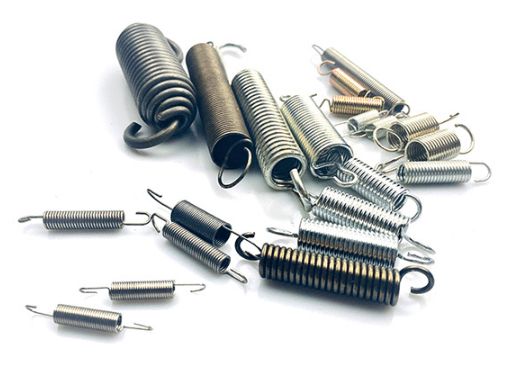
Tension springs serve as indispensable components in various mechanical systems, absorbing and storing energy to facilitate movement control. Achieving optimal and reliable performance hinges on meticulous tension spring design. This article delves into the critical factors, calculations, considerations, and testing procedures pivotal in crafting effective tension spring designs.
Key Factors in Tension Spring Design
Material Selection:
The chosen material must withstand anticipated loads, considering factors like temperature range, corrosion resistance, and fatigue life.
Wire Size:
Wire diameter determines spring force. Thicker wires yield stronger springs with higher spring rates.
Coil Diameter:
The outer diameter affects coil count necessary to achieve desired length and load.
Pitch:
Closer coils produce stronger springs with higher spring rates.
Number of Coils:
Depends on desired spring length and load, calculated using spring rate and deflection.
Initial Tension:
Force required for initial compression or extension, calculated using spring rate and coil count.
Calculations in Tension Spring Design
Spring Rate Calculation:
Determined by the formula: Spring Rate = (G x d^4) / (8 x D^3 x n)
Maximum Load Calculation:
Derived from: Maximum Load = (G x d^4 x L) / (8 x D^3 x n^3)
Maximum Deflection Calculation:
Computed by: Maximum Deflection = (8 x F x L^3) / (G x d^4 x π^3 x n^3)
Stress Calculation:
Expressed as: Stress = (F x D) / (8 x d^3 x n)
Additional Considerations in Tension Spring Design
End Type Selection:
Varies with application; options include closed ends, open ends, hooks, and tangs.
Bend Radii:
Must be adequate to prevent stress concentrations and premature failure.
Surface Finish:
Smooth finish reduces friction, enhancing spring longevity.
Shot Peening:
Improves fatigue life by inducing compressive stresses, mitigating damage from cyclic loading.
Stress Relief:
Heat treatment process reduces residual stresses, forestalling premature failure.

Prototyping and Testing in Tension Spring Design
Importance of Prototyping:
Critical for evaluating design and identifying unforeseen issues, aiding in the troubleshooting of tension spring manufacturing.
Testing Methods:
Include compression, tension, fatigue, and load deflection tests to assess real-world performance.
Evaluation of Results:
Testing outcomes scrutinized to ensure compliance with performance criteria, prompting design modifications as necessary.
Iterative Design Process:
Often entails multiple rounds of prototyping and testing to refine design and meet performance benchmarks.
Conclusion
Crafting tension spring designs demands meticulous attention to factors, calculations, considerations, and testing. By adhering to these guidelines, designers can ensure optimal, reliable performance, culminating in successful mechanical systems.