
CO2 incubators represent indispensable equipment within laboratory settings across various scientific domains, spanning cell culture, microbiology, and molecular biology. These incubators offer a meticulously controlled environment indispensable for the cultivation and upkeep of cells and organisms. While theefficiency and reliability of CO2 incubators are unquestionable, adherence to specific precautions is imperative to guarantee their safe and effective utilization.

General Guidelines
Begin by acquainting yourself with the user manual and the manufacturer’s instructions, as nuances in features and operational guidelines may vary among different incubator models. Proper installation and routine maintenance are pivotal to ensuring optimal functionality and averting malfunctions. Moreover, embracing fundamental laboratory safety practices, including the utilization of personal protective equipment (PPE), is indispensable to safeguard oneself and uphold a secure working milieu.
Safety Measures
Ventilation: Ensuring adequate ventilation in the incubator room is crucial to prevent the accumulation of CO2 and other gases, thereby upholding a safe working environment.
Gas Supply: Regular inspection and maintenance of the gas supply lines are imperative to forestall leaks or contamination. Promptly address any signs of damage or deterioration and adhere to proper gas handling procedures and cylinder usage.
Alarm System: Installing a backup alarm system capable of detecting deviations in temperature, CO2 levels, or power failures is advisable. This redundancy facilitates the timely detection of anomalies, enabling swift corrective action.
Cleanliness: Maintaining the incubator's cleanliness and free from debris or spills is paramount to prevent contamination or damage. Regularly clean and disinfect interior surfaces in line with the manufacturer’s recommendations.
Hazardous Substances: Exercise caution when handling hazardous substances or samples within the incubator. Adhere to safety protocols, including the use of containment systems and appropriate PPE, to mitigate the risk of exposure or accidents.
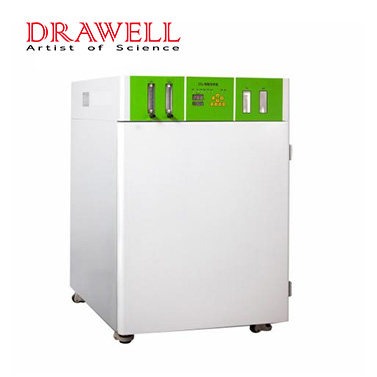
Operational Precautions
Operating Conditions: Adhere to recommended operating conditions, encompassing temperature and humidity settings, to ensure optimal growth and viability of cells or organisms.
Calibration and Validation: Periodically calibrate and validate the incubator’s sensors and controllers to ensure accurate readings and dependable operation, following the manufacturer’s guidelines for frequency and procedure.
Avoid Overcrowding: Avoid overcrowding the incubator to facilitate proper air circulation, pivotal for maintaining a stable and uniform environment. Ensure samples and containers are adequately spaced to allow for sufficient airflow.
Minimize Door Openings: Limit the frequency and duration of door openings to prevent fluctuations in temperature and CO2 levels, which can disrupt internal conditions and compromise cultures' growth and integrity.
Water Pan/Humidity System: If applicable, regularly inspect and maintain the water pan or humidity system to ensure proper functionality. Monitor water levels and clean or replace water as needed to maintain desired humidity levels.
Sample Handling Precautions
Containers and Labeling: Utilize appropriate containers and vessels to prevent sample leakage or contamination. Ensure all containers are tightly sealed to prevent gas exchange and accurately label samples to avoid confusion or cross-contamination.
Hazardous Samples: When handling hazardous or volatile samples, employ suitable secondary containment systems to minimize the risk of exposure or release. Adhere to proper decontamination procedures before removing samples to prevent external contamination.
Emergency Preparedness
Emergency Shutdown: Familiarize yourself with the emergency shutdown procedure and the location of safety equipment, such as fire extinguishers or emergency exits, ensuring swift and safe response in critical situations.
Contact Numbers: Keep emergency contact numbers easily accessible near the incubator, including those for maintenance personnel, laboratory management, and relevant safety personnel.
Backup Power: Establish a backup power source or contingency plan to maintain critical incubator conditions during power outages. Utilize uninterruptible power supply (UPS) systems or generators to ensure uninterrupted operation and prevent experiment disruption.
Regular Testing: Routinely test and maintain backup systems, including gas supply, alarms, and temperature monitoring, to ensure operational readiness when required.
Training and Documentation
Personnel Training: Ensure all personnel using the incubator receive adequate training encompassing its operation, maintenance, and safety protocols. This training should encompass proper usage, emergency procedures, and routine maintenance.
Logbook: Maintain a comprehensive logbook documenting regular checks, maintenance activities, and any incidents or deviations observed. This logbook serves as a valuable resource for tracking performance and identifying trends or issues necessitating attention.
Periodic Reviews: Conduct periodic reviews and audits of incubator usage and safety protocols to identify areas for improvement and update protocols accordingly, ensuring ongoing safety and reliability.
In Conclusion
Adhering to requisite precautions when utilizing a CO2 incubator is paramount to ensuring laboratory personnel safety and experiment integrity. By adhering to these guidelines, potential risks can be mitigated, fostering an optimal environment for cell culture and other research endeavors. Continuous monitoring, routine maintenance, and ongoing training are pivotal to maximizing the incubator's performance and longevity.
Offshore construction is an indispensable and intricate aspect of the global energy landscape, particularly within the oil and gas sector. It encompasses a range of activities spanning from preparation and design to transportation and installation of various offshore structures and facilities. These constructions, including oil rigs, drilling platforms, and production facilities, are essential for accessing and harnessing hydrocarbon resources from beneath the seabed. In this article, we'll explore the significance of offshore construction in the oil and gas industry, delve into its key components, address the challenges it faces, and highlight recent advancements in the field.
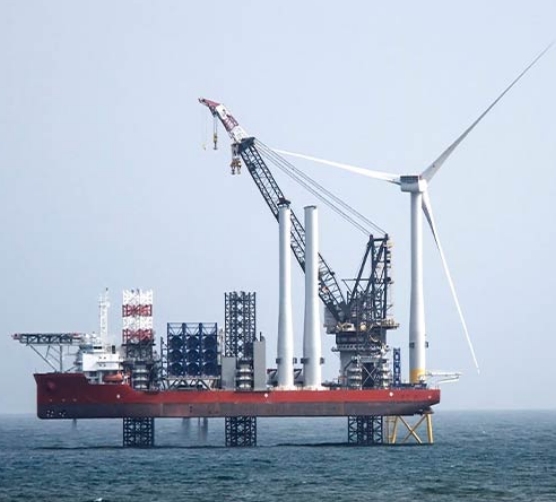
Significance of Offshore Construction
Offshore construction holds immense importance within the oil and gas industry for several reasons:
Resource Extraction: Offshore installations enable access to oil and natural gas reserves located beneath the seabed, significantly contributing to the global energy supply. They provide access to resources that are often inaccessible through onshore drilling methods.
Economic Contribution: Offshore oil and gas production generate substantial economic benefits, including job creation, revenue generation, and investment opportunities. It supports various industries, including engineering, construction, logistics, and maintenance.
Enhanced Energy Security: By diversifying oil and gas sources through offshore production, energy security is bolstered. This diversification reduces reliance on land-based reserves and helps meet the increasing energy demands of society.
Key Components of Offshore Construction
Offshore construction encompasses a multitude of crucial activities, including:
Offshore Platform Construction: Platforms serve as central hubs for drilling, production, and processing activities. These platforms, including fixed and floating variants, are tailored for specific offshore conditions.
Offshore Oil Rig Construction: Building offshore oil rigs involves meticulous planning, fabrication, transportation, and installation. These rigs are vital for exploration and extraction activities beneath the seabed.
Subsea Installations: Subsea infrastructure, including wellheads, pipelines, and flowlines, are essential for hydrocarbon extraction. Remote operation and advanced technologies like ROVs play a pivotal role in subsea installations.
Pipelines Construction: Pipelines are crucial for transporting offshore-produced oil and gas to onshore facilities. Design, materials, laying techniques, and maintenance are vital considerations in pipeline construction.
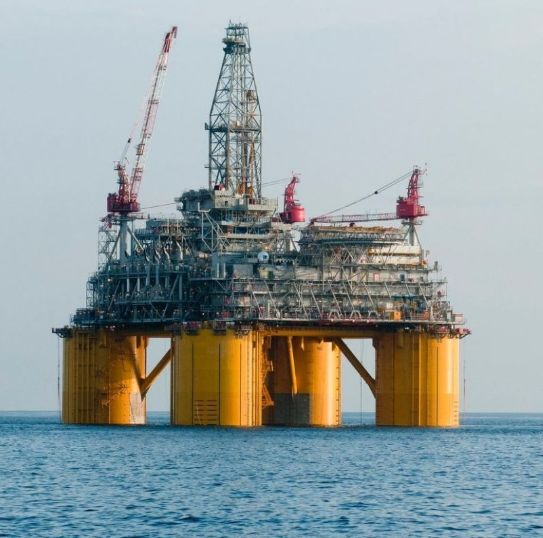
Challenges in Offshore Construction
Offshore construction faces various challenges, including harsh environmental conditions, logistical complexities, safety concerns, and environmental impacts. These challenges necessitate rigorous safety protocols, advanced technologies, and responsible practices to mitigate risks and ensure sustainability.
Recent Developments and Innovations
Recent advancements in offshore construction include digitalization, environmentally friendly practices, equipment testing, training using virtual reality, and cost optimization measures. These innovations improve operational efficiency, reliability, safety, and environmental sustainability within the offshore construction sector.
Conclusion
Offshore construction is a cornerstone of the energy industry, facilitating the extraction of vital resources from beneath the seabed. It requires precision, innovation, and a steadfast commitment to safety and environmental responsibility. By addressing challenges and embracing advancements, the offshore construction sector continues to drive progress and contribute significantly to global energy production.
Accurate alignment and registration of substrates are paramount in wide-format printing, crucial for achieving high-quality prints while minimizing wastage. However, this precision presents unique challenges in web guiding for wide-format printing. Let's delve into these challenges and explore innovative solutions to overcome them, ensuring optimal performance and efficiency in the printing process.
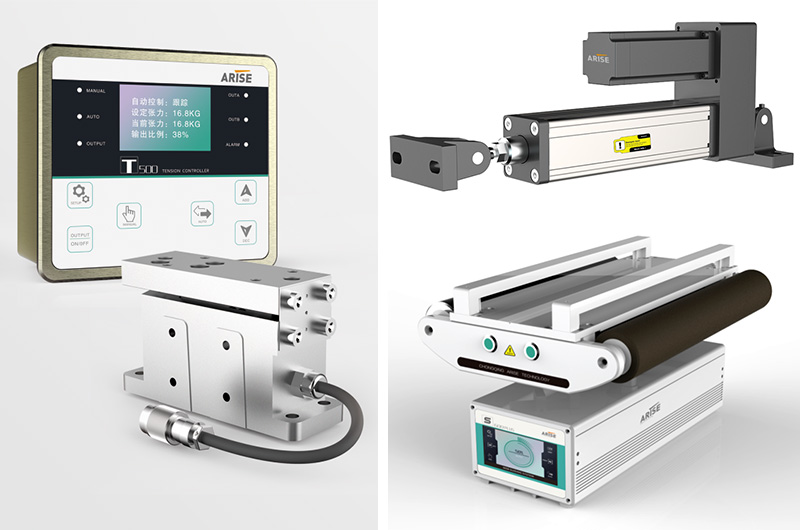
1. Substrate Variability: Wide-format printing involves a range of substrates, each with distinct characteristics like thickness, texture, and elasticity. This variability complicates maintaining consistent tension and alignment during printing.
Solution: Advanced sensor technologies such as laser sensors and vision systems offer real-time feedback on substrate position, aiding in precise adjustments despite substrate variations.
2. Dynamic Environmental Conditions: Fluctuations in temperature, humidity, and airflow can affect substrate stability, leading to misregistration and print flaws.
Solution: Implementing active web tension control mechanisms like pneumatic brakes or servo-driven systems helps reduce web flutter and vibration, ensuring stable substrate movement despite environmental changes.
3. Web Flutter and Vibration: High-speed printing and substrate movement can induce web flutter and vibration, particularly with lightweight materials, causing inaccurate registration.
Solution: Mechanical stabilization techniques like tension rollers and web spreaders help mitigate web flutter and maintain consistent substrate tension during printing.
4. Edge Detection and Tracking: Accurate edge detection is crucial for effective web guiding systems, but factors like substrate transparency and irregular edges pose challenges for sensors.
Solution: Utilizing advanced sensor technologies improves edge detection and tracking accuracy, enhancing the reliability of web guiding systems.

5. Integration with Printing Equipment: Seamless communication and synchronization between web guiding systems and printing equipment are essential for uninterrupted operation.
Solution: Enhancing integration and automation streamlines operations, minimizing disruptions and improving overall efficiency.
6. Maintenance and Calibration: Regular maintenance and calibration are necessary to ensure optimal performance of web guide system, but scheduling these operations can be challenging and may lead to downtime.
Solution: Instituting a proactive maintenance program and calibration procedure minimizes downtime and improves guiding accuracy over time.
Conclusion
Addressing the challenges in web guiding for wide-format printing through innovative solutions enhances performance, efficiency, and reliability. By implementing these solutions, printers can achieve optimal print quality and productivity, paving the way for innovation and growth in the industry.
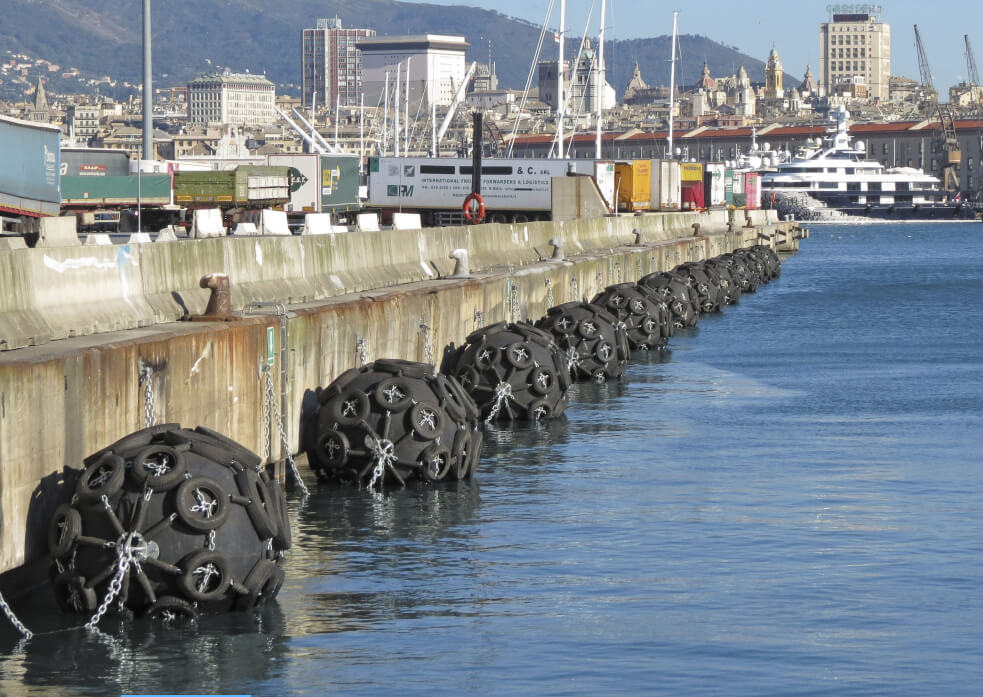
Yokohama Pneumatic Rubber Fenders (YPRFs) have emerged as revolutionary technologies reshaping vessel handling and protection in ports and harbors worldwide. Engineered with advanced designs and durable materials, these fenders offer unmatched performance and reliability across diverse maritime applications. This article explores the extensive applications and myriad benefits that Yokohama Pneumatic Rubber Fenders bring to the maritime industry.
Applications of Yokohama Pneumatic Rubber Fenders
Yokohama Pneumatic Rubber Fenders find application across various sectors of the maritime industry owing to their unique design and resilient construction.
Commercial Ports: These fenders are integral to berthing and mooring operations in commercial ports, strategically placed along quaysides to absorb kinetic energy during vessel impacts. From small fishing boats to massive container ships and oil tankers, these fenders accommodate vessels of all sizes and types.
Oil and Gas Terminals: Yokohama Rubber Fenders excel in challenging conditions at oil and gas terminals, providing reliable protection during loading and unloading activities, thus ensuring the safety and integrity of vital installations.
LNG Terminals: Specifically designed for LNG terminals, Yokohama Pneumatic Rubber Fenders offer excellent shock absorption and durability, critical for safe handling of LNG carriers during berthing and cargo transfer.
Offshore Platforms: These fenders ensure the safety of vessels during crew transfers and supply operations in offshore installations, enduring severe seas and impacts to protect both personnel and equipment.
Ship-to-Ship Transfer Operations: Facilitating safe and efficient ship-to-ship transfers, Yokohama Pneumatic Fenders ensure smooth vessel positioning even in adverse weather conditions, minimizing accidents and environmental risks.
Floating Docks and Pontoons: Used in floating docks and pontoons, these fenders protect vessels during mooring and docking, minimizing damage risks to both vessels and structures.

Benefits of Yokohama Pneumatic Rubber Fenders
Exceptional Shock Absorption: Designed to absorb kinetic energy, these fenders minimize impact forces, reducing damage to vessels and infrastructure, thus lowering repair costs and downtime.
Versatility and Customization: Available in various sizes, diameters, and lengths, Yokohama Pneumatic Rubber Fenders can be customized to meet specific port requirements and accommodate diverse vessels, ensuring suitability across different maritime sectors.
Low Maintenance: With minimal maintenance requirements compared to traditional systems, these fenders offer long-term reliability and cost savings for port operators due to their durable rubber construction and resistance to corrosion and UV degradation.
Quick and Easy Installation: Featuring a modular design, installation of pneumatic rubber fenders is swift, minimizing downtime and disruptions to port operations, contributing to overall efficiency.
Proven Reliability: Yokohama Rubber Fenders undergo rigorous testing and quality control measures, ensuring compliance with international standards and instilling confidence in port operators and vessel owners alike.
Buoyancy and Stability: Providing buoyancy and stability during berthing and mooring, these fenders mitigate risks and ensure the safety of crew and cargo, maintaining a stable environment for vessel operations.
Environmental Friendliness: Made from environmentally sustainable materials, Yokohama Pneumatic Fenders align with industry initiatives for sustainability, offering a low environmental impact option for maritime infrastructure projects.
Conclusion
Yokohama Pneumatic Rubber Fenders have transformed maritime safety and efficiency, playing a vital role in safeguarding vessels, personnel, and critical infrastructure worldwide. With their innovative design and unparalleled reliability, these fenders continue to redefine standards in the maritime industry, ensuring safer and more efficient operations in ports, terminals, and offshore installations.
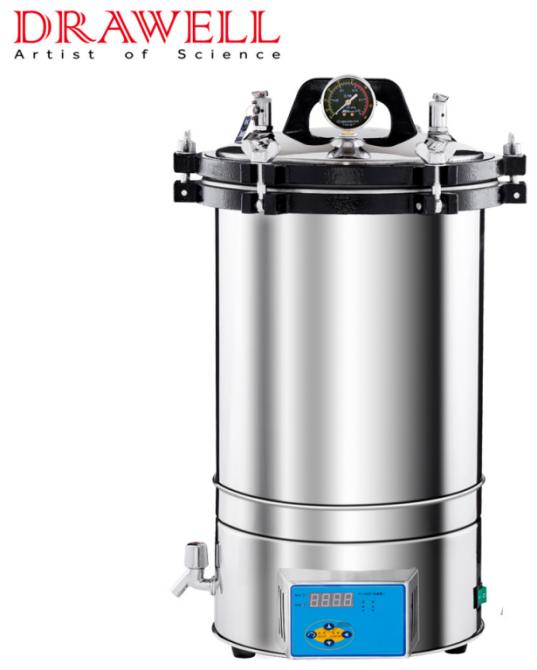
Autoclaves serve as indispensable tools across various industries, including healthcare, laboratories, and industrial settings, ensuring the sterilization of equipment and materials. To maintain optimal performance, prevent contamination, and prolong their lifespan, regular cleaning and maintenance are imperative. This comprehensive guide will delve into the step-by-step process of cleaning an autoclave, covering essential procedures and best practices.
Step 1: Preparing for Cleaning an Autoclave
Before commencing the cleaning process, it's crucial to take specific precautions and gather necessary supplies:
Precautions: Ensure the autoclave is powered off and unplugged. Wear appropriate personal protective equipment (PPE), including gloves, goggles, and a lab coat.
Gather Cleaning Products: Collect required cleaning supplies such as mild detergent or autoclave cleanser, water, a soft cloth or sponge, a brush or pipe cleaner for challenging areas, and a clean towel for drying.
Step 2: Routine Cleaning an Autoclave
Routine cleaning is essential for maintaining cleanliness and efficiency:
External Surfaces: Wipe external surfaces with a moist cloth or sponge dipped in a mild detergent solution. Pay attention to spill-prone areas like the door handle, control panel, and gasket. Rinse with water and dry thoroughly.
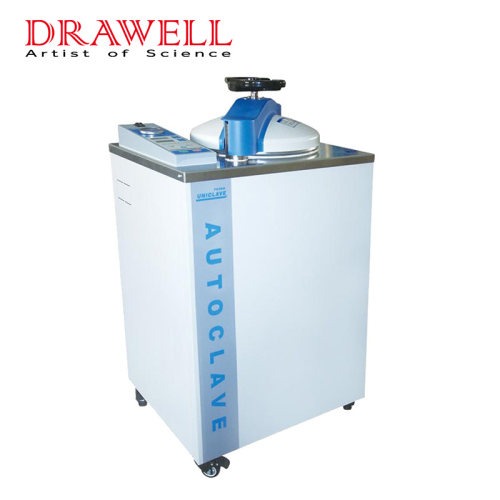
Inner Chamber: Clean the inner chamber using a soft cloth or sponge soaked in a mild detergent solution. Gently wipe surfaces to remove residue, stains, or debris. Stubborn stains or mineral deposits can be addressed with a water and vinegar solution.
Step 3: Deep Cleaning an Autoclave
Deep cleaning tackles persistent stains and buildup:
Cleaning Removable Parts: Clean removable parts separately with the same cleaning chemicals. Rinse and dry them before reinstalling.
Descaling the Chamber: Prepare a descaling solution and pour it into the chamber to address mineral deposits. Scrub the walls and bottom with a brush or pipe cleaner, then rinse thoroughly.
Cleaning the Gasket: Wipe the autoclave door gasket with a soft cloth or sponge and a light detergent solution. Rinse and dry meticulously.
Step 4: Maintenance Tips After Cleaning an Autoclave
Regular maintenance is crucial for optimal performance:
Examine and Clean Filters: Regularly inspect and clean filters to maintain proper airflow and prevent blockage.
Seals and Gaskets: Check seals and gaskets for wear or damage and replace if necessary to ensure an airtight seal.
Calibrate and Validate: Follow specifications for calibration and validation procedures of autoclave manufacturer to ensure accurate temperature and pressure readings and verify sterilization effectiveness.
Summary
Regular cleaning and maintenance are essential for the effective sterilization and prolonged lifespan of autoclaves. By following these procedures and prioritizing safety, you can establish a regular cleaning regimen, undertake deep cleaning as needed, and keep your autoclave in optimal working condition. Refer to the manufacturer's instructions for specific guidelines tailored to your autoclave type to ensure reliable and safe sterilization operations.