
Analytical balances stand as indispensable tools in laboratories, research institutions, and businesses where precision and accuracy are paramount. These highly sensitive instruments are engineered to measure mass with exceptional precision. Precision in analytical balances refers to the instrument's ability to consistently reproduce the same measurement result under identical conditions, reflecting its dependability and repeatability. In this article, we delve into the significance of precision in analytical balances, exploring its importance in reliable measurement, factors influencing precision, and methods of evaluating precision.

Importance of Precision in Analytical Balances:
Accurate Measurements:
Precision measurements are imperative for producing precise findings. In analytical applications, even minor changes in mass can significantly impact experimental or study results. Precise measurements reduce uncertainties and errors, ensuring researchers obtain reliable data critical for making informed decisions and drawing valid conclusions.
Quality Control:
Industries such as pharmaceuticals, food processing, and chemical manufacturing rely heavily on analytical balances for quality control. Precise measurements are essential to ensure consistency, uniformity, and adherence to specifications, enabling businesses to monitor product quality effectively and take corrective actions as needed.
Regulatory Compliance:
Tight regulatory frameworks in various industries specify specific measuring standards to assure consumer safety and product quality. High-precision analytical balances are crucial for compliance with these rules, providing accurate and precise measurements essential for verifying compliance and avoiding legal and financial ramifications.
Process Optimization:
Precision measurements contribute to process optimization in manufacturing and research settings. By accurately estimating and managing the mass of raw materials, intermediates, and finished goods, companies can optimize manufacturing processes, reduce waste, and enhance efficiency, leading to cost savings and improved productivity.
Research and Development:
Precision in analytical measures is fundamental for scientific research and development activities. It enables scientists to examine complex phenomena, test hypotheses, and develop new materials or technologies. Precise measurements lay the foundation for experimental data, facilitating reproducibility and validation of conclusions.
Data Integrity and Reproducibility:
Precise measurements are essential for ensuring data integrity and reproducibility. High-precision analytical balances produce consistent results that can be replicated consistently by other researchers or in multiple laboratories, enhancing scientific discoveries and promoting trust in research results.

Factors Affecting the Precision of Analytical Balances:
Instrument Quality:
The quality and design of analytical balance significantly influence its precision. High-quality balances utilize precision components and innovative technology to minimize measurement variability, ensuring greater measurement precision.
Environmental Conditions:
Fluctuations in temperature, humidity, air currents, and vibrations can affect the stability and measurement precision of an analytical balance. Establishing a stable and controlled environment in the weighing area is crucial to reduce the influence of these factors.
Calibration:
Regular calibration is essential for ensuring the accuracy and precision of an analytical balance. Failure to calibrate the balance at regular intervals may result in decreased precision and erroneous results.
Sample Handling:
Proper sample management techniques are essential for precision measurements. Static electricity, moisture content, and sample positioning on the weighing pan can impact measurement precision.
Operator Technique:
The operator's expertise and technique significantly impact measurement precision. Adequate training and adherence to suitable weighing practices can help minimize the effects of operator error on measurement precision.
Methods of Evaluating the Precision of Analytical Balances:
Repeatability:
Repeatability measures the agreement between repeated measurements of the same sample under identical conditions. Lower standard deviation (SD) or relative standard deviation (RSD) values indicate better repeatability and precision.
Reproducibility:
Reproducibility evaluates the agreement between measurements conducted by various operators or using different balances in different places. Lower SD or RSD values indicate better reproducibility and precision.
Control Charts:
Control charts aid in identifying variations and patterns in measurement data across time, helping assess the precision and stability of an analytical balance.
Interlaboratory Comparisons:
Interlaboratory comparisons involve measuring the same sample with various balances in separate laboratories to assess the agreement of measurements taken by different operators and instruments.
Proficiency Testing Programs:
External proficiency testing programs evaluate the measuring capabilities and precision of analytical balances, enabling users to compare their results to set standards and identify areas for improvement.
In conclusion, precision in analytical balances is crucial for producing high-quality data, meeting regulatory criteria, and driving advancements in various scientific and industrial disciplines. By understanding factors influencing precision and utilizing appropriate evaluation methods, users can ensure accurate and reliable measurement results.
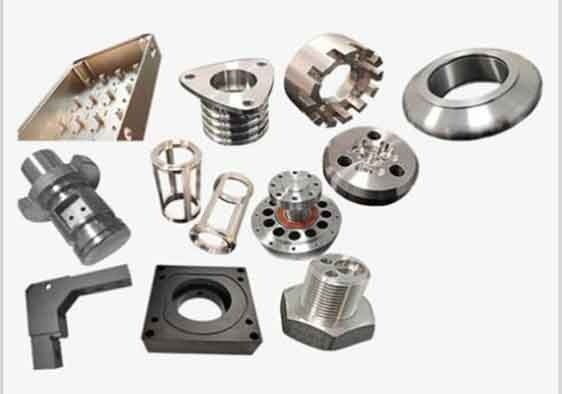
CNC machining, an integral part of modern manufacturing, employs computerized controls to operate cutting and shaping machinery. Vital across diverse industries such as aerospace, automotive, and medical devices, CNC cutting machines deliver intricate and precise parts. This article explores the CNC machining parts manufacturing process, highlighting its phases and the precision it offers.
Design and Programming Phase:
The journey of CNC machining parts begins with design and programming. This phase entails creating CAD models and CNC programs to guide the cutting machines. Crucial decisions on materials and machining operations influence process efficiency and final product quality. CNC programming defines tool paths and cutting parameters, with verification and optimization using simulation software ensuring accuracy and efficiency.
Setup and Machining Phase:
Following program creation and verification, the setup and machining phase commences. Here, the workpiece is installed in the CNC cutting machine, and appropriate cutting tools are selected and calibrated. The machine executes the CNC program with exceptional precision, monitoring operations and adjusting parameters to maintain quality and efficiency.
Inspection, Quality Control, and Finishing Phase:
Post-machining, parts undergo inspection using precision measuring tools, ensuring adherence to CAD model specifications. Quality control procedures identify defects, if any, and ensure parts meet required standards. The finishing phase involves deburring, surface finishing, final inspection, and packaging. Deburring removes rough edges, while surface finishing enhances aesthetics and durability. Final inspection guarantees parts meet specifications and are defect-free.

The Power of Precision:
The manufacturing of CNC machining parts offers numerous advantages. Its high accuracy, repeatability, and fast production cater to high-volume runs. The technology excels in complex cutting operations, vital for industries like aerospace, automotive, and medical devices, requiring intricate and precise components.
Conclusion:
In conclusion, CNC machining parts manufacturing stands as a highly precise and efficient method. With its ability to produce complex and precise parts across various industries, it surpasses traditional machining processes. As CNC machining technology advances further, we anticipate even greater precision and efficiency, solidifying its role as a cornerstone in modern manufacturing.
Offshore drilling, a topic wrought with contention, offers promises of vast energy resources and economic prosperity alongside significant environmental and safety concerns. This article delves into the intricacies of offshore drilling, exploring its benefits and risks while proposing effective strategies to strike a balance between the two.

Exploring the Benefits
Resource Accessibility:
Offshore drilling unlocks previously inaccessible hydrocarbon reserves beneath the seabed, crucial for meeting global energy demands.
Economic Growth:
The industry serves as an economic powerhouse, generating employment opportunities, stimulating local economies, and attracting substantial investments.
Energy Security:
By tapping into offshore resources, nations can reduce dependence on foreign energy sources, enhancing energy security and mitigating geopolitical risks.
Environmental Stewardship:
Modern drilling practices prioritize environmental responsibility through stringent regulations and innovative spill prevention measures.
Revenue Generation:
Governments benefit from offshore activities through taxation, royalties, and lease agreements, funding public services and infrastructure projects.
Technological Innovation:
Offshore drilling drives advancements in drilling technologies and safety practices, fostering broader technological progress.
Diversification of Energy Sources:
Accessing offshore reserves allows countries to diversify energy portfolios, reducing reliance on single energy sources and facilitating a transition to cleaner alternatives.
Increased Energy Supply:
Offshore drilling contributes significantly to global energy supply, meeting the growing demands of populations, industries, and economies.

Examining the Risks
Environmental Concerns:
Oil Spills: Pose catastrophic risks to marine ecosystems, coastal communities, and tourism sectors.
Habitat Disruption: Offshore activities can disrupt fragile marine environments, leading to lasting ecological consequences.
Pollution: Routine procedures introduce pollutants into the marine environment, impacting marine life and water quality.
Safety Hazards:
Accidents and Blowouts: High-pressure conditions can lead to well blowouts, explosions, and fires, endangering workers and the environment.
Infrastructure Failures: Aging infrastructure and inadequate maintenance can result in equipment failures, leaks, and structural issues.
Human Error: Mistakes during operations underscore the importance of comprehensive training and safety protocols.
Economic Vulnerability:
Market Volatility: Fluctuations in oil and gas prices can render offshore projects economically unviable, leading to financial losses and job cuts.
Investment Risks: Uncertainty in project outcomes and long lead times pose financial risks for investors and companies.
Regulatory and Legal Hurdles:
Multifaceted Regulations: Navigating complex regulatory frameworks requires compliance to avoid penalties and legal obligations.
Legal Disputes: Accidents may lead to protracted legal battles, damage claims, and extensive cleanup operations.
Balancing Benefits and Risks
Achieving a balance necessitates a multifaceted approach, including:
Technological Advancements:
Invest in research for safer drilling techniques, utilizing drilling simulation technology for testing and optimization.
Drilling Simulation:
Enhance safety through realistic simulations, enabling personnel to practice emergency response procedures and safety protocols.

Stringent Regulations:
Enforce strict regulations to guarantee safety and environmental protection, with drilling simulations aiding in personnel training.
Investment in Clean Energy:
Mitigate risks by investing in renewable energy sources, utilizing drilling simulations for safety training in renewables.
Environmental Impact Assessments:
Conduct comprehensive assessments before drilling, utilizing simulations to model potential impacts and inform decision-making.
Monitoring and Transparency:
Maintain regular monitoring of activities and promote transparency through accurate reporting, with drilling simulations providing real-time insights.
Conclusion
Offshore drilling presents both rewards and risks, necessitating a balanced approach that prioritizes environmental stewardship, equitable distribution of benefits, and risk reduction. The future of offshore drilling hinges on a multidimensional strategy that embraces sustainability and ensures responsible practices.
Web handling, a crucial aspect of manufacturing processes, hinges on the effective management of tension throughout its various stages. Maintaining proper tension is paramount to prevent defects like wrinkles, tears, and misalignment, ensuring the integrity of the final product. This article delves into the significance of tension control in web handling and explores a range of techniques and technologies employed to achieve optimal tension levels.
Understanding Tension Control
Tension control involves regulating the force applied to a material web as it progresses through different production phases. The objective is to uphold a consistent level of tension to prevent sagging or excessive stretching, ensuring uniform speed and alignment. This uniformity is vital for processes such as printing, coating, laminating, slitting, and winding.

Techniques for Effective Tension Control
Various strategies empower manufacturers to regulate tension in web handling systems, thereby guaranteeing consistent product quality, enhanced production efficiency, and heightened equipment reliability.
Manual Tension Control:
Operators manually adjust tension using mechanical devices like brakes, clutches, or dancer rollers based on visual observations or feedback from tension indicators. This method suits straightforward web handling processes where quick tension adjustments are feasible.
Closed-Loop Tension Control:
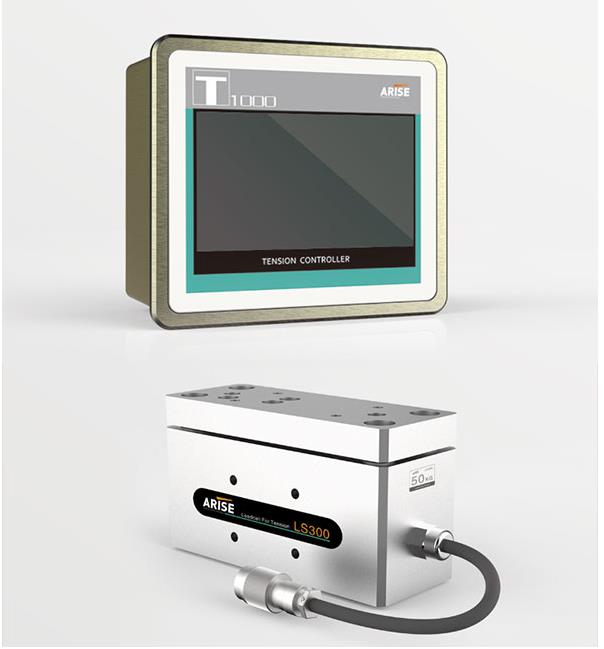
Automated systems employ feedback from tension sensors positioned along the web path to dynamically adjust tension in real-time. This tension controller ensures precise tension regulation, regardless of material characteristics, speed variations, or environmental factors, making it suitable for complex web handling operations.
Tension Zones:
Dividing the web handling system into multiple tension zones enables independent tension control at different process stages. This setup proves advantageous for tasks requiring varying tension levels across distinct sections, such as multi-stage printing or coating operations.
Load Cells and Tension Sensors:
Load cells and tension sensors measure the force exerted on the web, furnishing data for feedback control systems to make accurate tension adjustments. They play a pivotal role in closed-loop tension control systems, facilitating precise tension monitoring and adjustment capabilities.
Inertia Compensation:
Advanced tension control systems integrate algorithms to compensate for the inertia of moving components, ensuring swift responses to changes in tension requirements. This feature is indispensable for high-speed web handling processes where rapid adjustments are necessary to maintain consistent tension levels.
Web Accumulators:
Web accumulators temporarily store excess web material during tension fluctuations, releasing or absorbing material as needed to uphold consistent tension. They are particularly useful in intermittent web handling processes or during equipment start-up, stoppage, or speed changes.
Pneumatic Tension Control:
Pneumatic tension control systems utilize air pressure to regulate tension, typically employing pneumatic brakes or clutches. This method is suitable for applications demanding precise tension regulation, such as film or foil processing.
Electromagnetic Particle Brakes and Clutches:
Electromagnetic particle brakes and clutches adjust tension by modulating the friction between rotating components, varying the strength of the magnetic field. They offer precise and responsive tension control, making them well-suited for high-precision web handling tasks like printing and laminating.
In Conclusion
Tension control stands as a critical element in web handling during manufacturing processes, profoundly impacting product quality, operational efficiency, and overall performance. By implementing effective tension control techniques and embracing cutting-edge technologies, manufacturers can elevate the performance of their web handling systems, ensuring superior outcomes and sustained competitiveness.
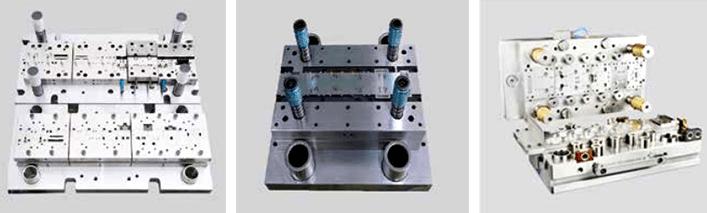
A sheet metal stamping die, also referred to as a tool or mold in the metalworking industry, plays a crucial role in shaping and forming sheet metal into precise configurations. In this article, we delve into the process of designing, preparing materials, constructing, and testing a sheet metal stamping die.
Designing the Stamping Die:
Before embarking on the manufacturing process, understanding the sheet metal part to be created is paramount. This involves comprehending its size, thickness, desired shape, and specific attributes.
Once the sheet metal part is understood, a design concept is formulated. This concept encompasses the overall layout, structure of the die, selection of punches, dies, and other essential components.
Choosing the appropriate material for the die is critical for its durability under high pressures and strains. Common materials include tool steel, carbide, and hardened steel.
Designing the structure and components of the die follows the established concept. Determining the size, shape, and arrangement of punches, dies, and blank holders is crucial at this stage.
Creating a die layout is the next step, defining the arrangement of components within the die, operational sequence, and required clearances between components.
Selecting Material and Preparing for Stamping:
Selecting the right sheet metal is essential for quality stamped parts. The metal's quality, constant thickness, and suitability for the intended application are key considerations.
Preparing the sheet metal involves cleaning it thoroughly to remove any debris and flattening it to ensure a smooth surface.
Cutting the sheet metal to the required size is done using various cutting equipment such as shears, plasma cutters, or laser cutters.
Cleaning the sheet metal again after cutting eliminates sharp edges or burrs, ensuring proper fit within the stamping die.
Making the Stamping Die:
Machining the die components to precise specifications is done using CNC machining techniques.
Heat treating the machined components strengthens them for longevity by heating them to high temperatures and rapidly cooling them.
Assembling the die involves integrating machined and heat-treated components using bolts and fasteners.
Testing and Troubleshooting:
Initial testing involves running sample stampings to ensure accurate and consistent results.
Troubleshooting is necessary if any issues arise, involving thorough inspection and adjustments to components or settings.
Fine-tuning the die may be required to optimize the metal stamping process based on troubleshooting results.
Re-testing after fine-tuning confirms improvements and ensures the die meets required standards.
In summary, following these steps meticulously ensures the creation of a high-quality sheet metal stamping die capable of producing precise and consistent stamped parts for various applications, including automotive, household appliances, and electronics manufacturing.