
Whether navigating trade routes or exploring coastal waters, the risk of maritime emergencies emphasizes the crucial role of life-saving equipment. From traditional lifebuoys to state-of-the-art distress beacons, marine life-saving gear is instrumental in protecting lives at sea. This article delves into the realm of marine life-saving equipment, shedding light on its vital types, recent innovations, prevalent challenges, and the ongoing pursuit of enhanced safety at sea.

Evolution of Life-saving Equipment
The development of life-saving equipment has been propelled by a relentless pursuit of innovation and effectiveness throughout history. Early civilizations crafted basic flotation devices from natural materials like wood and animal hides. Advancements such as cork life jackets and lifeboats marked significant milestones, revolutionizing maritime safety by offering improved buoyancy and survivability in emergencies.
Crucial Categories of Marine Life-saving Equipment
To mitigate the inherent risks of maritime activities, various types of life-saving equipment are indispensable onboard:
Life Jackets: These buoyant garments, also known as personal flotation devices (PFDs), are fundamental to maritime safety. Modern marine life jackets come in inflatable and foam-filled variants, offering different levels of buoyancy and comfort to both swimmers and non-swimmers, ensuring vital support in emergencies.

Lifebuoys and Ring Buoys: These throwable flotation devices, equipped with ropes, are crucial for rescuing individuals who have fallen overboard, providing them with something to hold onto while awaiting rescue.

Life Rafts: Inflatable life rafts are designed to offer temporary shelter and flotation for individuals in distress, equipped with essentials such as survival supplies and signaling devices, ensuring protection from the elements.
Life Boat: Specialized vessels equipped with buoyant compartments, seating, and survival supplies, serving as safe refuges for individuals in distress at sea, facilitating evacuation and survival during emergencies such as shipwrecks or fires.
Distress Signaling Devices: These devices, including visual and audible signals, are crucial for alerting rescuers to the location of individuals or vessels in distress, incorporating modern technology such as GPS-enabled distress beacons for precise location tracking.
Immersion Suits: Also known as survival or anti-exposure suits, these specialized garments offer thermal protection and buoyancy, essential for personnel operating in cold water environments.
Rescue Platforms and Recovery Systems: Specialized equipment facilitating the safe recovery of individuals from the water, including man-overboard recovery systems and rescue ladders.
Technologies and Innovations in Marine Life Saving Equipment
Technological advancements have significantly enhanced safety at sea through innovations in marine life-saving equipment:
GPS-Enabled Distress Beacons: Precise location tracking enabled by GPS technology drastically reduces response times and improves the chances of timely rescue.
Automatic Identification System (AIS): Integration of AIS technology into distress beacons and life-saving equipment enhances visibility and identification of individuals in distress by nearby vessels and rescue authorities.
Inflatable Life Jackets with Automatic Inflation: Sensors detecting immersion in water or wearer activation ensure rapid deployment of life-saving equipment in emergencies.
Remote-Controlled Lifebuoys and Drones: Innovative tools for swift water rescue operations, reaching individuals in distress quickly and providing flotation support.
Multi-Function Rescue Platforms: Featuring ergonomic designs and integrated safety features, these platforms facilitate efficient recovery of individuals from the water.
Smart Wearable Technologies: Integration of smart devices enhances the safety and situational awareness of maritime personnel, allowing for prompt response to emergencies.
Biodegradable and Eco-Friendly Materials: Exploration of sustainable materials for minimizing environmental impact.
Challenges and Future Directions in Marine Life Saving Equipment
Despite significant advancements, challenges persist, offering opportunities for future improvements:
Accessibility and Affordability: Ensuring widespread availability of life-saving equipment, particularly in developing maritime regions, by reducing manufacturing costs and streamlining distribution channels.
User Training and Education: Comprehensive training programs and certification requirements for maritime personnel to maximize the effectiveness of life-saving equipment during emergencies.
Integration of Emerging Technologies: Leveraging emerging technologies such as AI and blockchain for enhanced safety and maintenance of equipment.
Environmental Sustainability: Development of eco-friendly materials and processes to minimize environmental impact.
Global Standardization and Regulation: Harmonization of international standards and regulatory compliance to ensure the quality and reliability of life-saving equipment.
Research and Development: Investment in research to drive innovation and address current challenges in maritime safety.
Collaboration and Partnerships: Cross-sector collaboration to foster progress and knowledge sharing in maritime safety globally.
Conclusion
Marine life-saving equipment stands as a cornerstone of safety and survival in the unpredictable marine environment. Sustained investment in research, innovation, and international cooperation is essential to ensure the safety and well-being of all who embark upon the high seas. Customized solutions tailored to the specific needs of various industries involved in maritime activities play a pivotal role in advancing safety measures and safeguarding lives at sea.
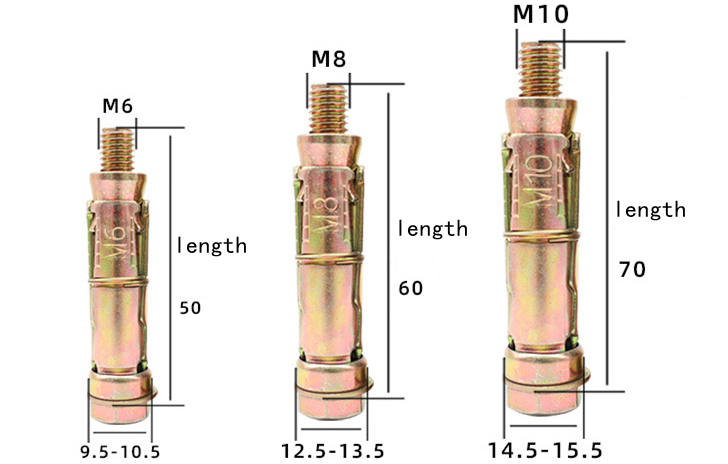
Anchor bolts are indispensable fasteners used to secure items to concrete, masonry, or other structural materials, ensuring structural integrity and safety in various construction, engineering, and industrial applications. In this article, we'll delve into the essential steps of anchor bolt installation, focusing on pre-installation preparation, drilling, placement, and securing.
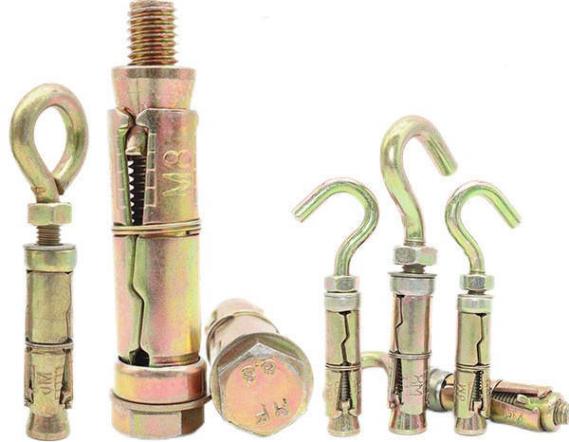
Pre-Installation Preparation:
Before installing anchor bolts, several preparatory steps are crucial:
Determine Anchor Bolt Requirements: Consult building plans or engineering drawings to identify the type and size of anchor bolts needed, considering load capacity, environmental factors, and material compatibility.
Select Materials and Equipment: Choose anchor bolts made of suitable materials like carbon steel, stainless steel, or galvanized steel, ensuring adequate strength and corrosion resistance. Gather essential tools and equipment, including drills, torque wrenches, washers, nuts, and safety gear.
Review Construction Plans: Familiarize yourself with construction plans or specifications detailing anchor bolt placement and installation requirements, ensuring compliance with design criteria.
Marking and Layout: Accurately mark anchor bolt positions on the construction site using precise measurements and layout tools. Pay attention to specified hole sizes, depths, and spacing.
Obtain Approvals and Safety Gear: Obtain necessary approvals or permits before installation and ensure compliance with safety regulations. Wear appropriate personal protective equipment (PPE) such as safety glasses, gloves, and hard hats.
Drilling Process:
Drilling precise holes is crucial for proper anchor bolt installation:
Gather Equipment: Assemble drilling equipment including drills, appropriate drill bits, and safety gear.
Select Drill Bit: Choose a drill bit matching the diameter and type of anchor bolts. Ensure it's designed for drilling into concrete or masonry.
Prepare Drill and Mark Depth: Secure the drill bit in the chuck and set the drill to the correct mode. Mark the desired drilling depth on the bit using tape or a permanent marker.
Safety Precautions: Wear PPE and use dust masks or respirators to protect against airborne particles.
Start Drilling: Drill perpendicular to the surface at marked anchor bolt positions, applying consistent pressure and speed. Clear debris periodically and monitor drilling depth.
Repeat for Additional Holes: Repeat the drilling process for each anchor bolt location, ensuring uniform depth and precision.
Placements During Installation:
Proper placement ensures accurate alignment and stability:
Prepare Anchor Bolts: Ensure anchor bolts are clean and free of debris, removing any protective caps or coatings.
Insert Anchor Bolts: Carefully insert each anchor bolt into its corresponding drilled hole, applying downward pressure for secure placement.
Verify Alignment: Check bolt alignment and use a level or plumb line for vertical positioning. Readjust if necessary to ensure proper alignment and depth.
Clean Surrounding Area: Remove debris around anchor bolts for a secure fit, ensuring no obstructions hinder installation.
Securing the Anchor Bolts:
Securely fasten anchor bolts to ensure stability and load-bearing capacity:
Place Washers and Nuts: Position washers on anchor bolts and hand-tighten nuts, ensuring proper alignment.
Use Torque Wrench: Use a torque wrench to tighten nuts to the specified torque value, gradually increasing torque in a cross-pattern tightening sequence.
Recheck Alignment: Double-check bolt alignment after tightening to confirm proper placement and make adjustments if needed.
Final Torque Check: Perform a final torque check to ensure uniform tightening and secure attachment. Trim excess bolt length if necessary.
By following these essential procedures, you can ensure successful anchor bolt installation, contributing to structural stability, safety, and durability for your project.
A fume hood is a critical component of laboratory safety, providing researchers with a controlled environment to handle potentially hazardous compounds. These specialized ventilation devices are designed to manage and eliminate toxic fumes, gases, vapors, and particulate matter produced during laboratory processes. In this article, we'll delve into the purpose of a fume hood, exploring its versatility and significance in ensuring a safe laboratory environment.
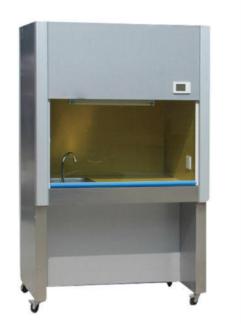
Purpose of a Fume Hood:
Protection of Personnel: The primary purpose of a fume hood is to safeguard laboratory staff from exposure to harmful substances. Fumes and vapors produced by chemicals or volatile substances can pose significant health risks if inhaled or come into contact with the skin or eyes. Fume hoods create a physical barrier between workers and hazardous materials, minimizing the risk of direct exposure and ensuring the safety of laboratory personnel.
Containment of Hazardous Substances: Fume hoods are essential for containing hazardous pollutants within the laboratory environment. They provide a safe workspace for conducting chemical reactions, sample preparations, and other laboratory activities involving volatile or caustic compounds. By utilizing a clear sash or sliding door, fume hoods prevent the escape of fumes, gases, or particulate matter, ensuring containment and safety.
Ventilation and Exhaust: Fume hoods utilize a ventilation system to maintain controlled airflow within the workspace. Air from the laboratory is drawn into the hood, capturing and trapping hazardous gases and chemicals. The trapped fumes are then safely expelled to the outside environment through a duct system by the ventilation system. This continuous airflow minimizes the accumulation of harmful substances in the workspace, promoting a safe working environment for laboratory personnel.
Environmental Protection: In addition to protecting workers, fume hoods play a crucial role in environmental protection. The exhaust system of a fume hood ensures that harmful vapors and substances are safely removed from the laboratory and released outside the building. This helps maintain air quality and reduces the risk of contamination or pollution by preventing the release of hazardous compounds into the environment.
Compliance with Safety Regulations: Fume hoods assist laboratories in meeting regulatory requirements and standards for occupational health and safety, environmental protection, and laboratory operations. Regulatory authorities and organizations have specific criteria and rules for fume hood design, installation, operation, and maintenance. Compliance with these regulations ensures that laboratories maintain a safe working environment and adhere to best practices when handling dangerous compounds.
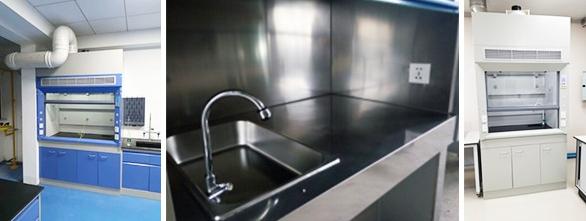
Applications and Versatility of a Fume Hood:
Chemical Handling and Analysis: Fume hoods are commonly used for chemical handling and analysis in laboratories. They provide a safe environment for working with volatile, poisonous, or caustic substances, ensuring that reagents, solvents, acids, bases, and other chemical compounds are handled safely.
Biological Safety: In biosafety applications, fume hoods with adequate filters or ventilation systems are utilized. These hoods provide a controlled environment for working with infectious materials, biological agents, or genetically modified organisms (GMOs), safeguarding researchers from biological hazards.
Pharmaceuticals and Drug Development: Fume hoods play a crucial role in pharmaceutical research and development, providing a secure environment for working with active pharmaceutical ingredients (APIs), powerful chemicals, and pharmaceutical formulations.
Industrial Research and Development: Fume hoods are utilized in industrial research and development settings across various industries, including chemical manufacture, materials science, and product development. They enable scientists to work safely with hazardous materials, conduct experiments, and optimize processes.
Research Laboratories: Fume hoods are essential in research laboratories across scientific disciplines such as chemistry, biochemistry, molecular biology, and environmental science. They offer a flexible and adaptable workspace for conducting experiments, handling samples, and operating with hazardous substances.
Education and Training: In educational institutions, fume hoods are used for teaching and training purposes during laboratory experiments and demonstrations. They ensure the safety of students and teachers, allowing hands-on experience with chemicals and hazardous materials while adhering to safety protocols.
Specialty Applications: Fume hoods find applications in various specialty fields and research areas, providing a safe environment for conducting specialized experiments and handling specific types of hazardous substances.
In summary, fume hoods are indispensable tools in laboratory safety, offering protection for personnel, containment of hazardous substances, ventilation, environmental protection, and regulatory compliance. Their versatility and significance extend across a wide range of applications, ensuring a safe and secure working environment in laboratories worldwide.
Marine installations, from ships to offshore platforms, rely heavily on lighting systems to ensure safety, navigation, and operational efficiency amidst the harsh conditions of the open seas. Crafting effective solutions for marine lighting demands a unique blend of considerations and innovative designs.
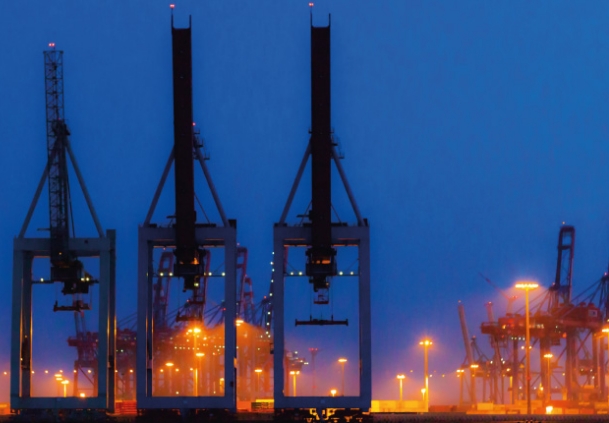
1. Safety at Sea: Lighting serves as a beacon of safety in maritime operations. Navigation lights guide vessels through hazardous waters, marking safe passage and warning nearby ships of their presence. This is particularly critical in low visibility conditions like fog or darkness, where lights on lighthouses, buoys, and beacons help prevent collisions and groundings.
2. Navigation and Positioning: Marine lighting aids navigation by providing visual cues for determining a vessel's position, course, and heading. From channel markers to port lights, these aids guide ships into harbors and through narrow channels, ensuring safe passage and smooth maritime traffic flow.
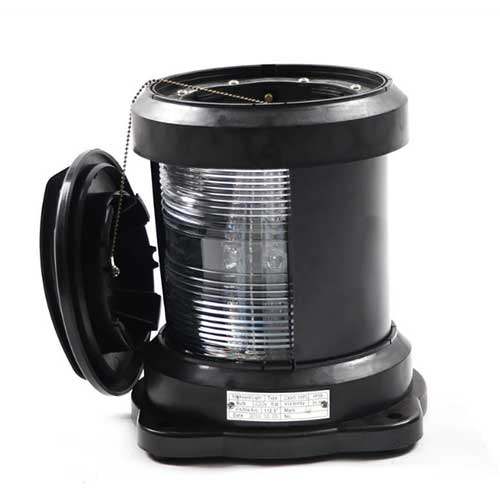
3. Operational Efficiency: Well-lit cargo handling areas, container terminals, and dockyards are essential for efficient loading and unloading operations in ports and shipyards. Additionally, illuminated workspaces and equipment on ships and offshore facilities enhance productivity and safety for crew members performing maintenance, repair, and inspection tasks.
4. Emergency Preparedness: Lighting systems play a crucial role in signaling for help and guiding rescue efforts during emergencies at sea. Emergency lighting, including distress signals and illuminated escape routes, provides vital visibility and guidance during power outages, fires, or other onboard crises, ensuring the safety of passengers and crew.
5. Crew Comfort and Well-being: Adequate illumination in living quarters, mess halls, and recreational areas contributes to the comfort and well-being of crew members onboard ships and marine installations. Additionally, lighting that mimics natural daylight cycles helps regulate circadian rhythms, improve sleep patterns, and reduce fatigue among crew members, promoting overall health and productivity.
Challenges of Lighting in Marine Installations:
Corrosion and Saltwater Exposure: Lighting fixtures in marine environments are prone to corrosion due to exposure to saltwater and saline air. Corrosion-resistant materials and coatings are essential to prolonging the lifespan of fixtures and maintaining functionality in corrosive conditions.
Vibration and Shock: Constant motion, vibration, and shock from waves and engine operations can compromise the stability and integrity of lighting fixtures. Shock-resistant designs and secure mounting mechanisms help mitigate the effects of motion and ensure reliability onboard vessels and marine structures.
Regulatory Compliance: Marine lighting must comply with stringent regulations and standards established by maritime organizations and national authorities. Meeting regulatory requirements entails thorough testing, certification, and adherence to specific guidelines, adding complexity to the design and implementation of lighting systems.
Harsh Environmental Conditions: Extreme weather conditions, including high winds, temperature fluctuations, salt spray, and UV radiation, pose challenges for lighting fixtures in marine environments. Weatherproof designs and UV-resistant coatings protect fixtures from environmental damage and ensure reliable operation in challenging conditions.
Maintenance and Accessibility: Maintenance of lighting systems in remote marine installations can be challenging due to limited access and logistical constraints. Designing systems with modular components and remote monitoring capabilities facilitates maintenance tasks and minimizes downtime.
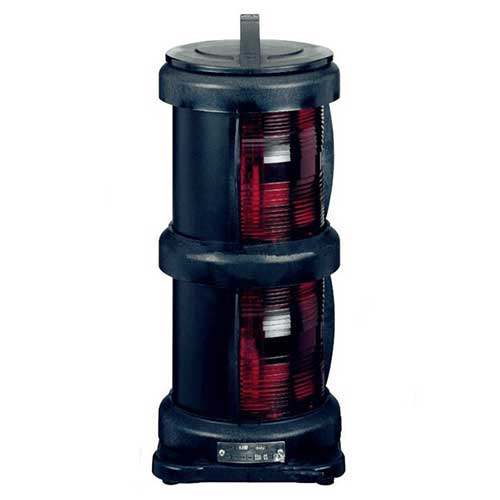
Innovative Solutions for Lighting in Marine Installations:
LED Technology: LED lighting offers energy efficiency, durability, and resistance to shock and vibration, making it ideal for marine applications.
Modular and Adaptive Designs: Modular lighting systems with interchangeable components and adaptive controls optimize energy usage and facilitate maintenance in marine environments.
Corrosion-Resistant Materials: Utilizing corrosion-resistant materials and coatings extends the lifespan of lighting fixtures in corrosive marine environments.
Solar-Powered Lighting: Solar-powered lighting solutions provide sustainable illumination for remote or off-grid marine installations, reducing reliance on fossil fuels.
Smart Lighting Controls: Integration of smart controls enables real-time monitoring, scheduling, and optimization of lighting systems in marine installations.
Future Trends of Lighting in Marine Installations:
Integration of Renewable Energy: Solar and wind-powered lighting solutions offer sustainable alternatives for remote marine installations.
Advanced Materials and Coatings: Innovations in materials science continue to enhance durability and resistance to corrosion in marine lighting fixtures.
Human-Centric Lighting Design: Human-centric lighting design improves crew well-being and productivity through dynamic lighting controls.
Artificial Intelligence and IoT Integration: AI and IoT technologies enable intelligent monitoring, control, and optimization of lighting systems in marine installations.
In conclusion, lighting plays a vital role in ensuring safety, efficiency, and comfort in marine environments. By addressing the challenges and embracing innovative solutions, the future of lighting in marine installations holds promise for safer, more efficient, and sustainable maritime operations.
In the realm of oil and gas drilling, ensuring safety stands as the utmost priority. Among the critical components safeguarding drilling operations is the Blowout Preventer (BOP), playing a pivotal role in averting uncontrolled hydrocarbon releases from the wellbore, which could lead to catastrophic blowouts. Engineered to swiftly shut down wells during emergencies, BOPs are indispensable elements of drilling equipment.
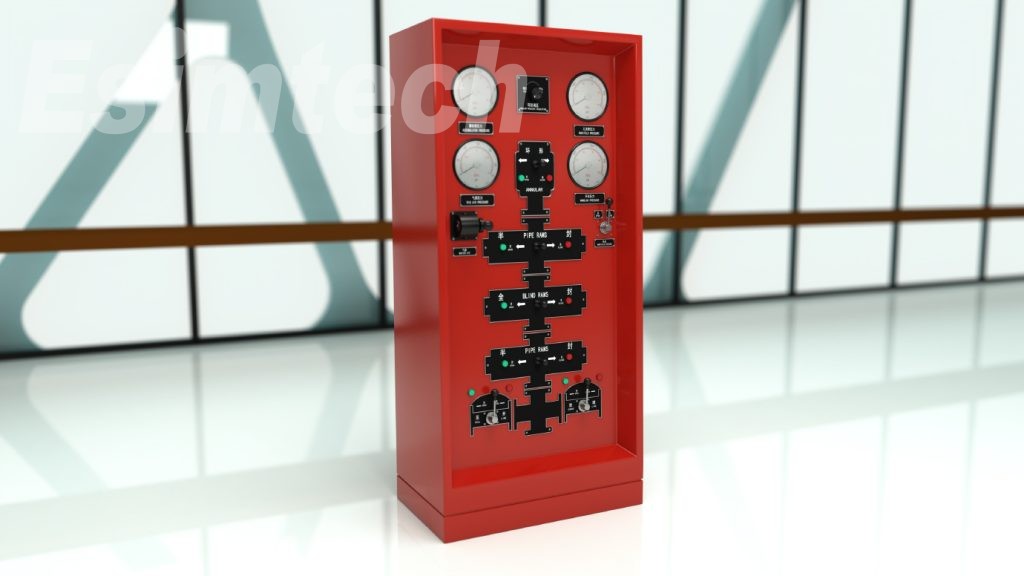
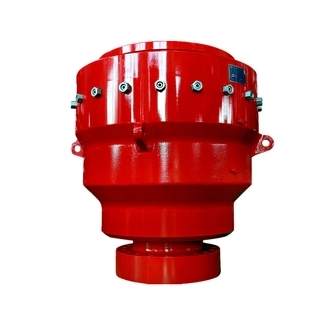
1. Annular BOP:
The Annular Blowout Preventer, or simply the "annular," assumes the form of a flexible, donut-shaped apparatus capable of sealing around diverse pipe sizes to uphold wellbore integrity. Typically stationed atop the BOP stack, its adaptability in accommodating various pipe sizes renders it suitable for diverse drilling operations.
Function:
Annular BOPs seal around drill pipes, casings, or other tubular components, preventing pressurized fluid leaks.
They play a crucial role in controlling well operations during drilling, tripping, and intervention tasks.
Design:
Comprised of a reinforced rubber element ensconced within a steel structure.
Hydraulic pressure is applied to compress the rubber element, effectuating a seal.
Applications:
Frequently employed as a secondary BOP on drilling rigs.
Critical for maintaining pressure control during well control operations.
2. Ram BOP:
Ram Blowout Preventers are robust, hydraulically-operated mechanisms devised to seal the wellbore using pairs of opposing steel rams, capable of enclosing around the pipe, ensuring a secure seal.
Function:
Ram BOPs employ two sets of opposing rams: annular and pipe rams.
Annular rams seal around irregular shapes, while pipe rams seal around the drill pipe or casing.
Design:
Fashioned from high-strength materials capable of withstanding extreme pressures and temperatures.
Hydraulic systems govern ram operation, facilitating rapid responses in emergencies.
Applications:
Typically situated beneath the annular BOP in the BOP stack.
Vital for wellbore shutdown during kicks or blowouts.
Types of Ram BOPs:
Ram BOPs can be further categorized into blind rams and pipe rams.
1. Blind Rams:
Engineered to completely seal the wellbore when no tubulars are present, utilized during drilling or maintenance activities.
2. Shear Rams:
Equipped with sharp blades capable of cutting through the drill pipe or casing, employed as a last resort in blowout control scenarios, severing the pipe to enable well sealing.
Blind Shear Ram BOP:
These specialized ram BOPs boast a unique purpose: to sever the drill pipe or casing when conventional sealing methods fail to control a blowout.
Function:
Employ cutting blades to shear through the drill pipe or casing, isolating the wellbore.
Serve as a last-resort safety measure to prevent uncontrolled blowouts.
Design:
Engineered with robust shearing mechanisms capable of cutting through thick steel.
Applications:
Typically installed as the last ram in the BOP stack.
Rarely used but critical for extreme well control situations.
Hinged Gate BOP:
Hinged Gate BOPs find utility in workover and well intervention operations, offering a more accessible means of well control for maintenance and repair endeavors.
Function:
Utilize a pair of hinged gates that swing open and close around the pipe.
Provide a quick and reliable method to secure the wellbore during intervention operations.
Design:
Boast a simple, compact design for ease of installation and operation.
Applications:
Commonly employed during workover operations to maintain well control during servicing.
Subsea BOP:
Specially designed for offshore drilling operations, Subsea Blowout Preventers are positioned on the seabed, crucial for preventing blowouts in underwater wells.
Function:
Perform similar functions as surface BOPs but adapted for subsea conditions.
Maintain wellbore integrity and prevent hydrocarbon release into the ocean.
Design:
Built to withstand high pressures, corrosive seawater, and extreme depths.
Remotely operated and connected to the surface by hydraulic control systems.
Applications:
Exclusively utilized in offshore drilling, forming a critical component of deepwater drilling rigs.
Significance of BOPs in Drilling:
The importance of blowout preventers in drilling operations cannot be overstated:
Safety: BOPs safeguard the lives of rig workers, the environment, and valuable drilling equipment, serving as the primary defense against blowouts.
Environmental Protection: Prevents the release of harmful substances into the environment, minimizing ecological damage.
Asset Protection: Safeguards expensive drilling rigs and equipment from damage during blowouts.
Regulatory Compliance: Ensures adherence to strict well control regulations, avoiding legal and financial penalties.
Reputation Management: Demonstrates a commitment to safety and responsible drilling practices, preserving a company's reputation.
Conclusion:
Blowout Preventers are indispensable guardians in drilling, ensuring safety and environmental protection. With various types catering to diverse drilling needs, they offer versatility and reliability. From annular and ram BOPs to blind shear ram, hinged gate, and subsea BOPs, their applications span drilling, well intervention, and workover operations. Their collective objective remains consistent: preventing uncontrolled hydrocarbon releases, maintaining wellbore integrity, and safeguarding workers and the environment.
Esimtech specializes in manufacturing oil and gas simulator equipment, including simulation training equipment for Blowout Preventers (BOP). Should you require such equipment, please don’t hesitate to get in touch with us.