
In the dynamic landscape of the printing industry, maintaining impeccable product quality is non-negotiable. Every flaw, no matter how small, can reverberate into significant consequences. This is where printing inspection steps in as the sentinel of quality, enabling businesses to identify and rectify errors before they reach consumers' hands. From packaging materials to labels and printed electronics, the meticulousness of inspection processes is paramount. In this comprehensive discourse, we navigate through the importance of printing inspection, its methodologies, challenges, innovative technologies, and its pivotal role in upholding quality assurance standards across various industries.

Significance of Printing Inspection Across Different Sectors:
Printing inspection holds undeniable significance across diverse industries where printed materials serve indispensable functions. Whether it's packaging for consumer goods, labels for pharmaceutical products, or informational brochures, the quality and precision of printed materials directly influence brand reputation, consumer safety, and adherence to regulatory standards.
Ensuring Quality and Consistency:
Industries like consumer packaged goods (CPG), cosmetics, and food and beverage rely on packaging for brand identity and product presentation. Printing inspection ensures that packaging materials meet stringent quality standards, including color accuracy, print clarity, and overall aesthetics, fostering consumer trust and confidence.
Compliance with Regulatory Standards:
In regulated sectors such as pharmaceuticals and food packaging, printing inspection is imperative for compliance with strict regulatory requirements. Printed materials often convey critical information like dosage instructions and safety warnings. Any inaccuracies or defects in printing could lead to severe consequences, including regulatory penalties and compromised consumer safety.
Brand Protection and Reputation Management:
Across all industries, safeguarding brand integrity is paramount. Printing inspection plays a pivotal role in upholding brand reputation by ensuring that printed materials adhere to brand guidelines and quality standards. Consistent high-quality printing reflects positively on the brand, reinforcing its image as trustworthy and reliable.
Waste Reduction and Cost Savings:
Printing defects can result in substantial material wastage and production inefficiencies. Inspection systems help minimize waste, reduce rework, and optimize resource utilization by detecting errors early in the printing process, leading to significant cost savings for manufacturers and bolstering operational efficiency.
Enhancing Consumer Experience:
Printed materials serve as a conduit of communication between businesses and consumers. Clear, accurate printing enhances the consumer experience by ensuring that information is legible, coherent, and error-free, thereby fostering better understanding and usability of the product.
Supporting Sustainable Practices:
Printing inspection contributes to environmentally responsible practices by minimizing printing defects and waste. By ensuring compliance with labeling regulations, inspection systems promote transparency and accountability in product information, catering to the preferences of environmentally conscious consumers.

Commonly Used Methods in Printing Inspection:
Printing inspection employs a repertoire of methods and technologies to uphold the quality and accuracy of printed materials.
Visual Inspection:
Manual Visual Inspection: Trained personnel visually scrutinize printed materials to identify defects such as misprints, smudges, and color inconsistencies.
Automated Inspection Systems: Machine vision printing inspection systems utilize high-speed cameras, image processing algorithms, and pattern recognition techniques to detect defects with precision and efficiency.

Digital Printing Inspection:
Real-Time Inspection: Inline inspection systems integrated into digital printing presses enable immediate feedback and adjustment during the printing process.
Post-Printing Inspection: Offline inspection systems analyze printed output after the printing process for defects or inconsistencies, facilitating batch-level quality control.
Statistical Process Control (SPC):
Data Analysis: Statistical methods are employed to analyze printing process data and identify trends, variations, or abnormalities.
Control Charts: Monitoring key process parameters over time and setting control limits ensures that printing processes remain within acceptable bounds.
Challenges and Considerations in Printing Inspection:
Addressing challenges in printing inspection requires a multifaceted approach encompassing technological innovation, operational optimization, and organizational readiness.
Complexity of Print Processes:
Variability in Printing Technologies: Different printing technologies pose unique challenges for inspection systems, necessitating adaptable solutions tailored to specific processes.
Diverse Substrates and Materials: Printing on various substrates requires inspection systems to accommodate diverse surface properties and printing challenges.
Defect Detection and Classification:
Detection of Subtle Defects: Some printing defects are elusive and require advanced inspection technologies with high sensitivity and specificity.
Defect Classification and Prioritization: Accurately categorizing and prioritizing defects based on severity is crucial for effective corrective action.
Speed and Throughput:
High-Speed Production Environments: Inspection systems must operate at high throughput rates to keep pace with production without causing bottlenecks.
Real-Time Inspection Requirements: Real-time inspection is essential for inline printing processes to detect defects promptly and enable immediate corrective action.
Integration with Production Workflow:
Compatibility with Equipment and Software: Seamless integration of inspection systems into existing workflows requires coordination and collaboration across different stakeholders.
Training and Expertise:
Operator Training: Adequate training ensures that operators can effectively utilize and interpret inspection systems to maximize their utility.
Technical Expertise: Maintenance and troubleshooting of inspection systems demand technical proficiency across various domains.
Cost and ROI:
Initial Investment: Implementing inspection systems entails significant upfront costs, including equipment acquisition and integration expenses.
Return on Investment (ROI): Demonstrating the ROI of inspection systems necessitates quantifying the value of improved product quality and operational efficiency over time.
Innovative Technologies to Address Challenges:
Advanced Machine Vision Systems:
Deep Learning and AI: Leveraging deep learning algorithms enhances defect detection capabilities, enabling the identification of subtle anomalies with exceptional accuracy.
Convolutional Neural Networks (CNNs): CNNs automatically learn features from printed images, facilitating defect classification and analysis.
Real-Time Monitoring and Control:
IoT-enabled Sensors: Embedded sensors monitor key process parameters in real-time, optimizing printing conditions and preempting defects.
Closed-Loop Control Systems: Feedback from sensors triggers dynamic adjustments to printing parameters, ensuring optimal print quality.
Multi-Sensor Fusion:
Integration of Multiple Inspection Techniques: Combining diverse inspection methods provides comprehensive defect detection and characterization.
Data Fusion Algorithms: Advanced algorithms analyze and correlate data from multiple sensors, enhancing the accuracy and reliability of defect detection.
Augmented Reality (AR) and Virtual Reality (VR):
AR-assisted Inspection: Overlaying digital information onto real-world views assists operators in visual inspection tasks, enhancing accuracy and efficiency.
VR-based Training Simulations: VR simulations provide immersive training experiences, enabling operators to hone their inspection skills in virtual environments.
Blockchain for Traceability and Authentication:
Blockchain Technology: Blockchain-based solutions ensure the integrity and authenticity of printing processes, fostering transparency and accountability throughout the supply chain.
Conclusion:
In the dynamic landscape of the printing industry, inspection serves as the bedrock of quality assurance, regulatory compliance, and brand integrity. By leveraging innovative technologies, addressing operational challenges, and fostering a culture of continuous improvement, businesses can navigate the complexities of printing inspection with confidence. As the industry evolves, embracing cutting-edge solutions and best practices will be instrumental in driving sustained growth and competitiveness in the global market.
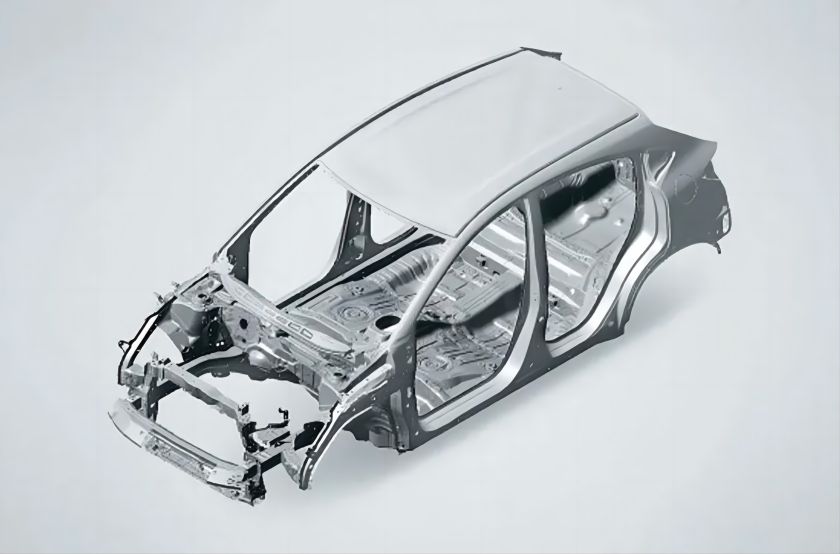
In the dynamic realm of automotive manufacturing, metal stamping parts have emerged as the preferred solution for producing a diverse array of components and parts. Metal stamping, a process utilizing specialized machinery and dies to shape and form metal sheets, offers precise, complex, and durable automotive parts. This article delves into the myriad advantages metal stamping offers the automotive industry, including cost-effectiveness, design flexibility, material strength, production efficiency, weight reduction, and supply chain benefits.
Cost-effectiveness in Automotive Manufacturing with Metal Stamping Parts
Metal stamping parts deliver significant cost advantages to automotive manufacturers. With high production volumes and economies of scale, metal stamping enables cost savings through efficient mass production. Moreover, compared to alternative manufacturing processes, metal stamping incurs lower tooling costs, making it an attractive option for automotive manufacturers. Additionally, metal stamping minimizes material waste through efficient nesting techniques, reducing costs associated with material usage. Furthermore, metal stamping parts often require less assembly and integration, leading to reduced labor costs and improved overall production efficiency.
Design Flexibility Empowered by Metal Stamping Parts
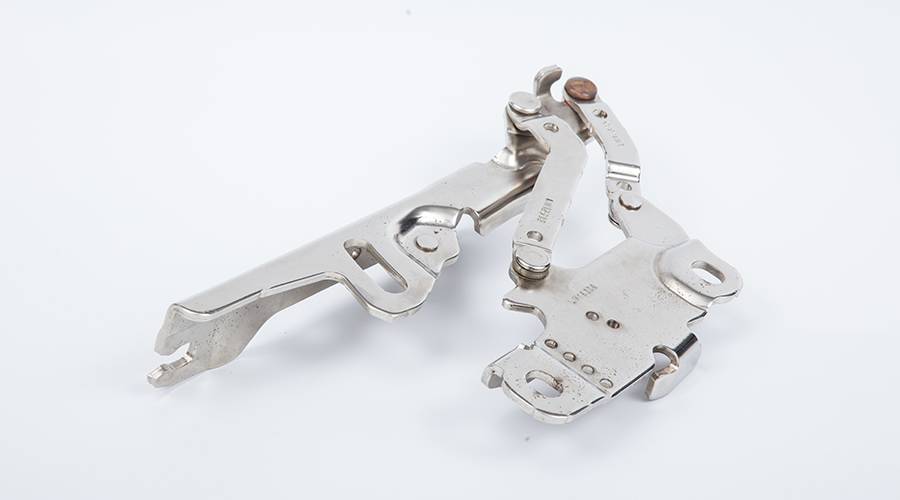
Metal stamping provides unparalleled design flexibility in the automotive industry. It allows for the creation of complex shapes and intricate details crucial for producing automotive components. With consistent precision in manufacturing, metal stamping ensures the highest quality and reliability of the parts. Its versatility permits the production of various components and parts, accommodating diverse design requirements. Furthermore, metal stamping parts seamlessly integrate with other assembly processes, facilitating efficient manufacturing in the automotive production line.
Material Strength and Durability for Automotive Components
Automotive components demand strength and durability, and metal stamping excels in delivering these qualities. Employing high-quality metals, metal stamping offers enhanced structural integrity and impressive load-bearing capabilities. Stamped metal parts are resistant to corrosion, heat, and wear, contributing to their longevity and reliability. Utilizing robust automotive stamping parts, vehicles achieve improved safety standards, providing customers with peace of mind and enhancing brand reputation.
Production Efficiency Driven by Metal Stamping Parts
Efficiency is paramount in automotive manufacturing, and metal stamping delivers on this front. Rapid production cycles and quick turnaround times enable manufacturers to meet demanding production schedules. Advanced stamping machines operate at high speeds, maximizing productivity and output. Automation ensures consistent quality and precision while minimizing errors and rework. The precise nature of the process reduces the likelihood of mistakes, resulting in time and cost savings during production.
Weight Reduction and Fuel Efficiency Advantages with Metal Stamping Parts
With the focus on fuel efficiency and environmental sustainability, weight reduction has become a priority in automotive design. Metal stamping supports this goal by utilizing lightweight materials such as aluminum or advanced high-strength steels. Lighter vehicles achieve improved fuel economy and reduced emissions, aligning with stricter environmental regulations and meeting customer demands for greener transportation. Additionally, weight reduction through metal stamping enhances vehicle performance, agility, and handling, elevating the overall driving experience for customers.
Conclusion: Metal Stamping Parts - Driving Innovation in the Automotive Industry
Metal stamping parts have revolutionized the automotive industry by offering numerous advantages that contribute to cost-effectiveness, design flexibility, material strength, production efficiency, weight reduction, and supply chain benefits. The cost advantages, design versatility, and durability of metal stamping parts make them an essential choice for automotive manufacturers. Furthermore, the production efficiency and fuel-saving capabilities offered by metal stamping help manufacturers meet market demands while complying with environmental regulations. As the automotive industry continues to evolve, metal stamping will undoubtedly play a crucial role in driving innovation and success.
Contact KENENG: As a leading hardware manufacturer, KENENG provides a comprehensive range of metal stamping products. Contact us now to access any type of hardware you require for your automotive manufacturing needs.
Laboratory freeze dryers, also known as lyophilizers, play a crucial role in preserving biological materials by removing water under a vacuum, a process known as freeze-drying. This method safeguards delicate structures and cells by preventing the formation of damaging ice crystals.
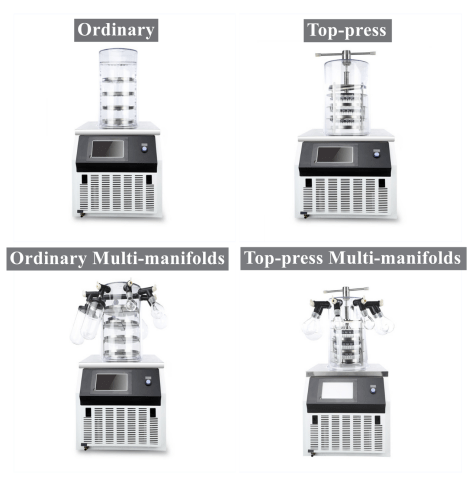
Various sizes and configurations in laboratory freeze dryers can cater to diverse needs, from small-scale benchtop units to larger floor-standing models. The price of these units varies depending on factors such as size, capacity, features, and brand.
Types of Laboratory Freeze Dryers
Benchtop Freeze Dryers:
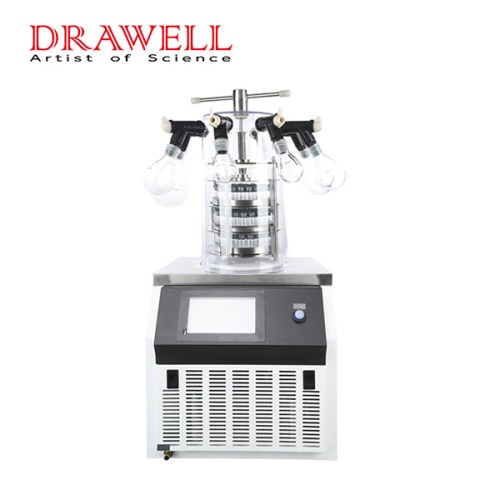
Compact and space-efficient, benchtop freeze dryer units are ideal for laboratories with limited space. With capacities ranging from 1 to 5 liters, they suit freeze-drying small samples efficiently.
Floor-Standing Freeze Dryers:
Designed for larger-scale operations, floor-standing units offer increased capacity and enhanced features. They are suitable for freeze-drying larger samples or applications requiring precise control over the process.
Automated Freeze Dryers:
Equipped with computerized controls, automated units streamline the freeze-drying process. These systems are particularly advantageous for laboratories handling large sample volumes or requiring high precision.
Applications of Laboratory Freeze Dryers
Laboratory freeze dryers find application across various industries:
Food Preservation: Freeze-dried foods boast a lightweight and extended shelf life, making them ideal for space travel, camping, and situations where storage space is limited.
Pharmaceutical Manufacturing: Freeze-drying preserves vaccines, antibiotics, and other pharmaceutical products, ensuring their stability and efficacy.
Biomedical Research: Researchers use freeze-drying to preserve cells, tissues, and other biological samples for experimentation and analysis.
Other Applications: Freeze-drying is also employed in preserving cosmetics, flowers, and delicate materials for various purposes.
Factors Affecting Price
Several factors influence the cost of laboratory freeze dryers:
Size and Capacity: Larger units with higher capacities tend to be more expensive.
Features: Units with advanced features like automated controls command higher prices.
Brand: Brand reputation and quality can affect pricing.
Materials and Labor Costs: The cost of materials, labor, and manufacturing processes contribute to the final price.
Shipping Costs: Shipping expenses add to the overall cost, particularly for large units.
Tips for Finding a Good Deal
To secure a cost-effective laboratory freeze dryer:
Shop Around: Compare prices from different vendors to identify the best deals.
Consider Used Units: Used equipment can offer substantial savings without compromising performance.
Look for Discounts: Some vendors offer discounts for bulk purchases or to specific customer segments.
Subscribe to Newsletters: Stay informed about special offers and promotions by subscribing to vendor newsletters.
Conclusion
Lab freeze dryers are invaluable tools across industries, with prices varying based on specific requirements and features. By leveraging these tips and conducting thorough research, laboratories can find a freeze dryer that meets their needs and budget, ensuring optimal value for their investment.
Oil and gas drilling, a cornerstone of the global energy economy, involves extracting valuable hydrocarbon resources from beneath the Earth's surface to satisfy growing energy needs worldwide. In this article, we'll delve into the fascinating realm of oil and gas drilling, examining its methods, technologies, challenges, and pivotal role in fueling our contemporary world.

The Significance of Oil and Gas Drilling
Oil and gas drilling is indispensable to both the global economy and modern civilization. This industry serves diverse functions beyond merely meeting daily energy requirements:
Energy Production: Oil and natural gas are versatile energy sources utilized for electricity generation, heating, transportation, and industrial processes. They are essential for sustaining our energy-dependent lifestyles.
Economic Driver: The oil and gas sector significantly contributes to the global economy, generating substantial revenue, creating jobs, and fostering economic development, particularly in regions rich in hydrocarbon reserves.
Infrastructure Development: Drilling operations necessitate the construction of extensive infrastructure, including drilling rigs, pipelines, refineries, and distribution networks, which not only support the industry but also spur growth in surrounding areas.
Global Trade: Hydrocarbon exports and imports are vital for many nations, driving international trade and influencing geopolitical dynamics on a global scale.
Government Revenue: Oil and gas activities generate substantial revenue for governments through taxes, royalties, and licensing fees, which fund public services and infrastructure projects.
Energy Security: Access to domestic hydrocarbon reserves enhances a nation's energy security by reducing reliance on foreign sources, mitigating risks during geopolitical instabilities or supply disruptions.
Chemical Industry: Petrochemicals derived from oil and gas serve as feedstocks for various products, including plastics, chemicals, fertilizers, and pharmaceuticals, supporting numerous industries.
Transportation: Oil and gas power the transportation sector, driving automobiles, trucks, ships, and airplanes, facilitating global commerce, trade, and tourism.
Resource Exploration: Oil and gas drilling is essential for discovering new hydrocarbon deposits, ensuring a stable and sustainable energy supply as existing sources deplete.
Balancing Energy Mix: While transitioning to cleaner energy sources, oil and gas play a crucial role in providing reliable power and backup during intermittent renewable energy generation, contributing to a balanced energy mix.
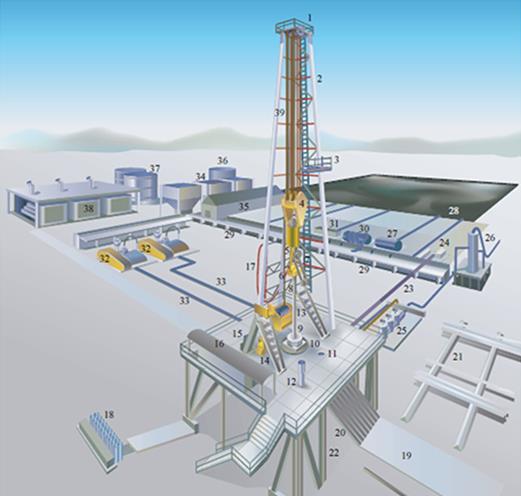
The Oil and Gas Drilling Process
Oil and gas drilling involves a complex, multi-stage process, encompassing:
Exploration: Geological surveys and seismic research locate potential hydrocarbon-bearing formations, followed by exploratory drilling to confirm their presence.
Well Planning: Engineers and geologists meticulously design the well, considering factors such as depth, geology, and potential challenges.
Drilling: Massive drilling rigs penetrate the Earth's crust using rotary drilling methods, aided by drilling mud to cool the drill bit and carry cuttings to the surface.
Casing and Cementing: Steel casing pipes stabilize the wellbore, and cement seals the space between the casing and the rock, preventing hydrocarbon migration.
Completion: Installation of equipment like wellheads and production tubing allows hydrocarbon extraction from the reservoir.
Production: Hydrocarbons flow from the reservoir through the wellbore to the surface, where they undergo processing, refining, and distribution.
Challenges and Innovations in Oil and Gas Drilling
The oil and gas industry faces various challenges, spurring innovations to address them:
Deepwater Exploration: Innovations like dynamically positioned drillships and subsea production systems enable drilling in challenging deepwater environments.
Unconventional Reservoirs: Advancements in fracking technologies, including horizontal drilling, have unlocked vast unconventional reserves.
Environmental Concerns: Innovations like closed-loop drilling systems and advanced monitoring technologies mitigate environmental impacts.
Safety and Well Control: Advanced blowout preventers and real-time monitoring systems provided by drilling and well control simulators enhance operational safety.

Efficiency and Cost Control: Automation and digital technologies improve operational efficiency and cost-effectiveness.
Energy Transition: The industry explores carbon capture, hydrogen production, and renewable energy investments to adapt to a shifting energy landscape.
Exploration in Extreme Conditions: Specialized equipment facilitates exploration in remote and extreme environments.
Sustainable Practices: Adoption of biofuels, offshore wind, and environmentally friendly methods align with sustainability goals.
Conclusion
Oil and gas drilling remains crucial for meeting global energy needs, driving economic growth, and supporting modern lifestyles. Despite challenges, the industry continues to innovate, striving for efficiency, safety, and environmental sustainability. Understanding the complexities of drilling operations underscores the significance of the energy sector in powering our modern society.
The utilization of flexible packaging materials, including plastic films, laminates, and pouches, has proliferated due to their versatility, cost-effectiveness, and sustainability. However, maintaining the integrity and quality of these materials is paramount to prevent defects that could compromise product safety and brand reputation. In response to this challenge, web inspection systems have emerged as indispensable tools, offering comprehensive inspection capabilities throughout the production process.
Understanding Web Inspection Systems
Web inspection systems are sophisticated equipment deployed along production lines to continuously inspect materials. These systems utilize cameras, sensors, illumination, and software algorithms to scrutinize various characteristics of the material, including flaws, pollutants, print quality, and structural integrity. By promptly identifying and resolving errors, web inspection solutions ensure that only high-quality items reach the market.
Web Inspection Systems Applied in the Context of Flexible Packaging
Printing Inspection: These systems scrutinize printed flexible packaging materials for inspecting defects such as misprints, color variations, streaks, and missing graphics. High-resolution cameras and advanced algorithms detect imperfections precisely, ensuring compliance with brand standards and regulatory requirements.
Lamination and Coating Inspection: During lamination and coating processes, web inspection systems assess layer integrity, detecting defects like delamination, bubbles, wrinkles, and uneven coating. Early identification of flaws prevents material waste and ensures packaging structural integrity.
Substrate Inspection: Multiple substrates in flexible packaging are examined for defects like tears, scratches, and foreign particles. Maintaining substrate quality upholds overall packaging integrity, safeguarding products during storage and transportation.
Slitting and Rewinding Inspection: These systems monitor slitting and rewinding processes for defects such as edge irregularities and uneven tension. Real-time defect detection ensures consistency in final packaging products.
Barriers and Seals Inspection: Inspection of seals for defects like leaks and wrinkles is crucial for preserving product freshness, particularly in food and pharmaceutical industries.
Regulatory Compliance: Web inspection systems help comply with regulatory standards and industry-specific guidelines, mitigating the risk of recalls and reputational damage.
Data Analytics and Process Optimization: Beyond defect detection, these systems collect production metrics and defect rates for process optimization and waste reduction.

Future Innovations in Web Inspection Systems Applied in Flexible Packaging
3D Imaging and Analysis: Integration of 3D imaging technologies for enhanced defect detection accuracy.
Nanotechnology-enabled Inspection: Utilization of nanotechnology for detecting ultra-fine defects and contaminants.
Flexible Sensor Integration: Integration of stretchable sensors for real-time monitoring of packaging performance.
Augmented Reality (AR) Inspection Interfaces: AR-enabled interfaces for intuitive defect identification and troubleshooting.
Autonomous Inspection Systems: AI-driven autonomous systems for end-to-end inspection tasks.
vBlockchain-enabled Traceability and Authentication: Integration of blockchain for end-to-end traceability and anti-counterfeiting measures.Quantum Sensing and Computing: Utilization of quantum sensing technologies for rapid and accurate defect identification.
Self-healing Materials and Packaging: Incorporation of self-healing properties into packaging materials.
Predictive Maintenance and Reliability Engineering: Advanced analytics for predictive maintenance and reliability optimization.
Conclusion
Web inspection systems play a vital role in ensuring the quality, safety, and compliance of flexible packaging materials. As technology continues to advance, these systems will drive innovation and excellence in the packaging industry, enhancing quality assurance and operational efficiency.