
Tension control systems stand as linchpins in ensuring seamless material movement through labeling and packaging machinery, catering to a spectrum of industries. With the ability to maintain uniform tension, they safeguard against damage and uphold the quality of packaged goods. In this exploration, we unravel the intricacies of tension control systems, their critical importance, applications, and the transformative innovations driving the industry forward.
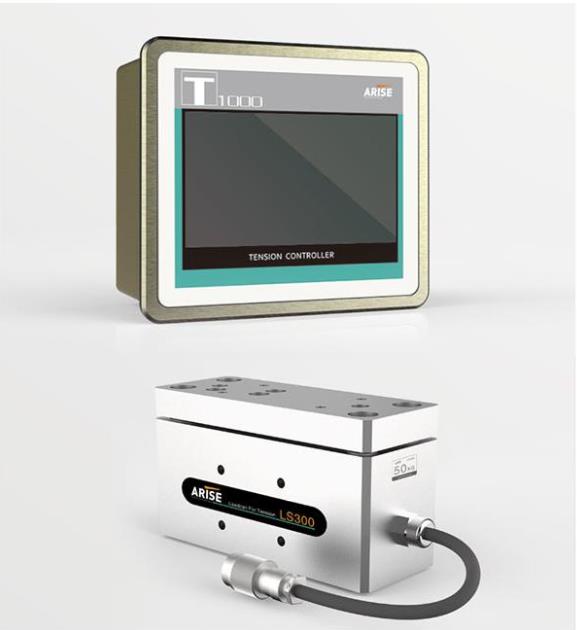
Deciphering Tension Control Systems
Mechanisms: Tension control systems are meticulously designed mechanisms tasked with regulating material tension during packaging. They meticulously manage speed and torque of crucial components like rollers, brakes, clutches, and motors, ensuring precise control over material handling.
Objective: The paramount objective of these systems lies in sustaining consistent tension levels throughout the packaging process, irrespective of material thickness, speed variations, or environmental factors. By upholding this uniformity, manufacturers circumvent issues like wrinkling, tearing, or label misalignment, thereby enhancing product quality and bolstering brand reputation.
Crucial Role in Labeling Machinery
1. Precision Label Placement: Tension control systems orchestrate labels' feeding at the precise speed and tension, facilitating accurate placement on products or packaging surfaces. This precision is instrumental in maintaining brand consistency and effectively conveying essential information.
2. Prevention of Label Damage: By exerting control over tension levels, these systems avert label stretching or distortion during application, preserving their integrity. This ensures labels adhere smoothly, devoid of wrinkles or creases, thereby enhancing product aesthetics.
3. Minimization of Production Waste: Consistent tension control curtails material waste by preventing misaligned or damaged labels. This reduction in rework mitigates production costs associated with discarded materials, driving overall efficiency and profitability.
4. Optimized Production Efficiency: With precise tension control, labeling machinery operates at optimal speeds without compromising label quality. This maximizes throughput, ensures a steady production flow, and augments overall efficiency and output.
5. Compliance and Regulatory Standards: Tension control systems facilitate adherence to regulatory standards and industry requirements, ensuring labels comply with labeling laws governing product information, safety warnings, and other mandatory elements.
6. Enhanced Brand Image: Consistently well-applied labels contribute to a positive brand image and consumer perception. Tension control systems play a pivotal role in maintaining label consistency and quality, fostering brand trust and loyalty.
Applications Across Packaging Machinery
1. Web Handling: Essential for guiding flexible materials (webs) through packaging machinery, tension control systems maintain consistent tension, averting wrinkles, tears, or misalignment.
2. Bagging and Pouching: These systems regulate packaging material tension during forming, filling, and sealing processes, crucial for achieving tight seals and preventing spillage or contamination.
3. Wrapping and Sealing: Vital in wrapping machines, tension control systems ensure even application of shrink films or stretch films around products, maintaining integrity during transportation and storage.
4. Cartoning: Employed to manage carton blanks or packaging materials' tension, these systems produce neatly folded and securely sealed cartons.
5. Case Packing and Palletizing: Tension control systems ensure packaging materials are applied with the right tension, maintaining product stability and integrity during transportation and storage.
6. Converting Processes: Utilized in various converting processes like slitting and cutting, these systems ensure precise control over material tension levels, minimizing waste and maintaining product quality.
Innovations Driving the Industry Forward
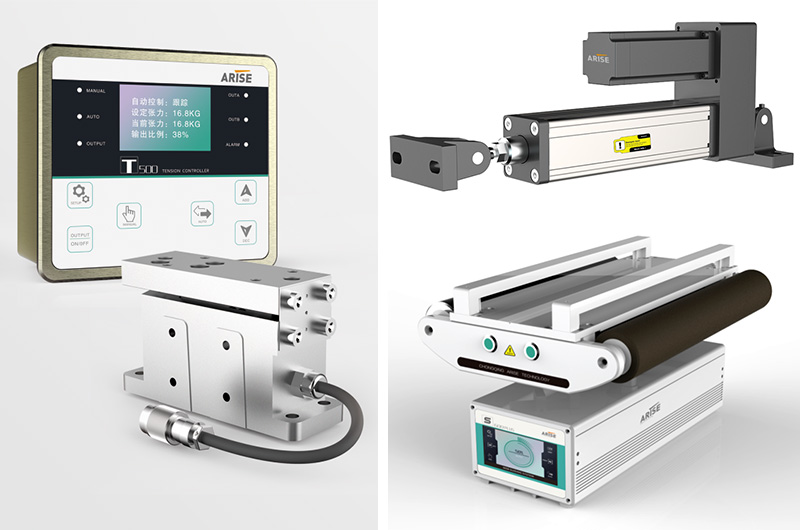
1. Advanced Sensor Technology: Incorporating real-time feedback tension sensors, modern tension control systems offer greater accuracy and sensitivity, allowing for finer adjustments and control over the packaging process.

2. Integrated Servo Drives: Revolutionizing tension control, integrated servo drives offer precise control over motor speed and torque, enabling synchronized operation and optimal tension management.
3. Intelligent Control Algorithms: Sophisticated algorithms optimize tension levels based on material properties, machine speed, and environmental conditions, minimizing errors and maximizing efficiency.
4. Web Guiding Systems: Utilizing sensors and actuators, web guiding systems detect and correct deviations in web alignment, preventing edge damage and ensuring precise tensioning.
5. Cloud-Based Connectivity and Data Analytics: Offering remote monitoring and analysis, cloud-based systems enable proactive maintenance, predictive analytics, and performance optimization.
6. User-Friendly Interfaces: Featuring intuitive controls and graphical displays, modern interfaces allow operators to monitor tension levels, adjust settings, and troubleshoot issues with ease.
In Conclusion
Tension control systems represent the backbone of the labeling and packaging industry, ensuring precision, efficiency, and reliability at every turn. As manufacturers navigate an evolving market landscape, embracing innovative tension control technologies becomes paramount. By harnessing these advancements, manufacturers can position themselves for success, delivering superior products and maintaining a competitive edge in the industry landscape.
Metal stamping stands as a cornerstone in manufacturing, transforming sheet metal into diverse shapes and forms with efficiency and cost-effectiveness. From automotive components to household appliances, its applications span across various industries. In this piece, we embark on a journey through the metal stamping process, exploring its key steps and techniques aimed at achieving precision and quality.
Unlocking the Metal Stamping Process
Material Preparation: Prior to stamping, meticulous material selection and sourcing are imperative. Various metals like steel, aluminum, and copper offer unique properties influencing the final product's characteristics. Once the suitable material is secured, it undergoes preparation in the form of coils or sheets, primed for the stamping press.
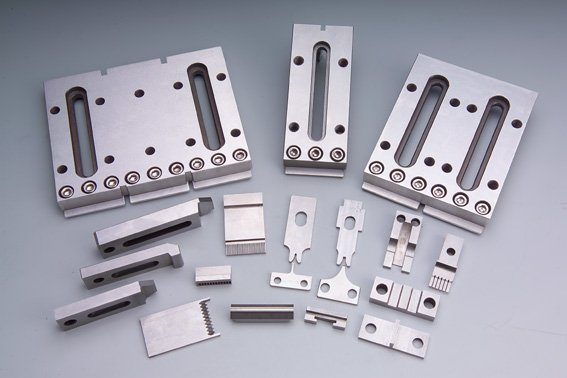
Tool and Die Setup: This pivotal step revolves around meticulous design and engineering. Skilled professionals craft dies, specialized tools essential for shaping the metal. These dies are meticulously tailored to match the desired product design, ensuring precision throughout the stamping process. Tooling preparation entails die assembly, alignment, and calibration to optimize performance.
Metal Stamping Operations: Metal stamping encompasses an array of operations shaping the material. Blanking cuts the outline of desired parts from the metal sheet, while piercing creates holes or perforations. Forming molds the metal into desired shapes, and bending achieves angled or curved features. Coining applies high pressure to create precise, intricate details, and deep drawing pulls the metal sheet into a die cavity to form complex, three-dimensional shapes.
Secondary Operations: Following primary stamping operations, secondary processes refine the parts further. Trimming removes excess material, deburring eliminates sharp edges or burrs, and hole punching or notching creates specific features required for the final product.
Inspection and Quality Control: To uphold integrity, inspection and quality control are paramount. Dimensional accuracy checks verify parts meet specified measurements, surface finish evaluation ensures desired texture, and defect detection eliminates any flawed parts, maintaining high quality standards.
Techniques Employed in Metal Stamping
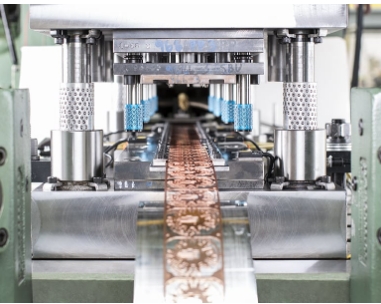
Progressive Stamping: This progressive die stamping technique, ideal for high-volume production, involves consecutive stamping operations performed in a progressive die. As the metal strip progresses through the die, each station performs a specific operation, gradually forming the desired shape. It offers cost-effectiveness, reduced material waste, and increased production speed.
Transfer Stamping: Suitable for complex parts or low- to medium-volume production, transfer stamping involves transferring individual metal blanks from one station to the next for various stamping operations. It allows flexibility in handling larger or thicker materials, enabling production of intricate parts.
Deep Drawing: Employed for cylindrical or box-shaped parts with significant depth, deep drawing pulls the metal sheet into a die cavity using a punch, shaping it into the desired form. It offers excellent material utilization, enabling creation of seamless, hollow structures.
Blanking and Piercing: These techniques focus on cutting shapes and creating holes in the metal sheet, respectively. Blanking removes desired shapes, while piercing creates openings or perforations, often utilized as primary operations before further forming or assembly processes.
Coining: Precisely creating intricate details, coining involves applying high pressure to the metal between specially designed dies, shaping the material with extreme accuracy. It is commonly used for precise embossing or decorative elements on products like jewelry or high-end consumer goods.
Troubleshooting in Metal Stamping
Despite meticulous planning, challenges may arise during stamping, such as material fractures or misalignment. A systematic approach to troubleshooting is crucial, identifying root causes for effective solutions. Techniques like adjusting press settings or optimizing material properties can resolve many stamping issues, enhancing production efficiency.
In Conclusion
Mastering the metal stamping process demands a comprehensive understanding of its steps and techniques. From material preparation to tool setup and stamping operations, each stage plays a crucial role in achieving precise and high-quality parts. Techniques like progressive stamping, transfer stamping, deep drawing, blanking, piercing, and coining offer versatility and efficiency, shaping the future of product development and innovation across industries. With meticulous quality control and problem-solving approaches, manufacturers can overcome challenges and enhance their stamping operations, ensuring continued reliability and cost-effectiveness in manufacturing.
Sterilization stands as a cornerstone in healthcare, safeguarding patients and professionals by thwarting the spread of infections. Among the array of sterilization methods, autoclaving shines as a widely embraced technology, thanks to its proven efficacy in eradicating bacteria. In this discourse, we embark on a journey through the realm of autoclave sterilization, deciphering its process intricacies, extolling its virtues, and unraveling the pivotal considerations for optimal outcomes.

Decoding the Autoclave Sterilization Process
Autoclave sterilization entails subjecting instruments, equipment, and supplies to high-pressure steam at temperatures surpassing the boiling point. This formidable mix of heat and moisture creates an environment hostile to microorganisms, effectively neutralizing bacteria, viruses, fungi, and spores. This method finds its niche in sterilizing heat-resistant medical apparatus like surgical tools, dental gear, and laboratory glassware.
The sterilization cycle typically commences with pre-vacuuming, eliminating air to enhance steam penetration. Subsequently, the autoclave elevates the temperature to the requisite range, typically between 121 and 134 degrees Celsius (250 and 273 degrees Fahrenheit), while maintaining pressure between 15 and 30 pounds per square inch (psi). The duration of exposure varies based on instrument type, load size, and sterilization goals. Upon cycle completion, the autoclave gradually depressurizes, allowing instruments to cool before safe retrieval.
Embracing the Advantages of Autoclave Sterilization
Autoclave sterilization emerges as a champion in destroying an array of microorganisms, including notoriously resilient bacterial spores. By harnessing the trifecta of heat, pressure, and steam, even the hardiest pathogens meet their demise, mitigating the risk of healthcare-associated infections.
For healthcare facilities, autoclaving presents a cost-effective alternative. Once the initial investment in autoclave equipment is made, operational expenses remain modest compared to other sterilization methods, such as chemical sterilization. Autoclaves boast a generous instrument load capacity, facilitating efficient processing of multiple items simultaneously, thereby saving time and resources.
Moreover, autoclave sterilization champions environmental sustainability. Eschewing harsh chemicals and toxic byproducts, this method aligns with sustainable practices. The use of steam and heat obviates the need for packaging, curbing waste generation in healthcare establishments.

Navigating Critical Considerations for Optimal Autoclave Sterilization
To realize optimal autoclave sterilization outcomes, adherence to specific rules and best practices is paramount.
Proper Instrument Preparation: Thorough cleaning and decontamination of instruments precede autoclaving. Removal of organic debris is imperative for effective steam penetration. Instruments should be disassembled as per manufacturer guidelines.
Load Configuration: Prudent placement of instruments within the autoclave chamber is essential. Overcrowding stifles steam circulation, imperiling sterilization. Ample spacing ensures steam access to all surfaces, particularly crucial for devices with lumens or intricate forms.
Packaging Considerations: Some instruments may necessitate post-autoclaving packaging to preserve sterility. Selection of sterilization pouches or wraps should consider compatibility with autoclave processes and instrument types. Proper sealing guards against recontamination during storage and transit.
Cycle Selection and Validation: Autoclaves offer diverse sterilization cycles tailored to instrument types, load sizes, and sterilization levels. Validation of chosen cycles ensures compliance with sterilization parameters and regulatory standards.
Monitoring and Documentation: Regular monitoring of autoclave performance is imperative for consistent sterilization outcomes. Biological indicators gauge sterilization process efficiency, while physical indicators verify time, temperature, and pressure. Comprehensive documentation ensures traceability and quality assurance.
In Conclusion
Autoclave sterilization stands as the bedrock of a safe, infection-free healthcare milieu. Its efficacy, cost-effectiveness, and environmental friendliness render it indispensable in healthcare facilities. By adhering to meticulous protocols, healthcare establishments uphold the highest standards of infection control and patient safety, ensuring the reliability and efficacy of autoclave sterilization processes.
Die casting is a metal casting process characterized by the use of a mold cavity to apply high pressure to melted metal. Molds are usually machined with higher strength alloys, in a process somewhat similar to injection molding. Most die casting castings are iron-free, such as zinc, copper, aluminum, magnesium, lead, tin, and lead-tin alloys and their alloys. Depending on the type of die casting, either a cold chamber die casting machine or a hot chamber die casting machine is required.
The cost of casting equipment and molds is high, so the die casting process is generally only used to mass-produce a large number of products. It is relatively easy to manufacture die-cast parts, which generally requires only four major steps and a low individual cost increment. Die casting is particularly suitable for manufacturing a large number of small and medium-sized castings, so die casting is one of the most widely used in various casting processes. Compared to other casting technologies, die casting has a flatter surface and a higher dimensional consistency.
On the basis of the traditional die casting process, several improved processes have been born, including the non-porous die casting process to reduce the casting defect exclusion porosity. Mainly used for processing zinc, which can reduce waste and increase the yield of direct injection process. There are also new die-casting processes such as precision and close die-casting technology and semi-solid die-casting invented by Lori.
Oil rigs, also known as drilling platforms or offshore platforms, stand as testament to human engineering prowess, facilitating the extraction of valuable hydrocarbon resources from beneath the ocean floor. These structures are pivotal to the global oil and gas industry, enabling the extraction of crude oil and natural gas from offshore reserves. In this comprehensive guide, we explore the diverse types of oil rigs tailored to unique offshore environments and drilling demands, alongside considerations for selecting the optimal rig for your project.
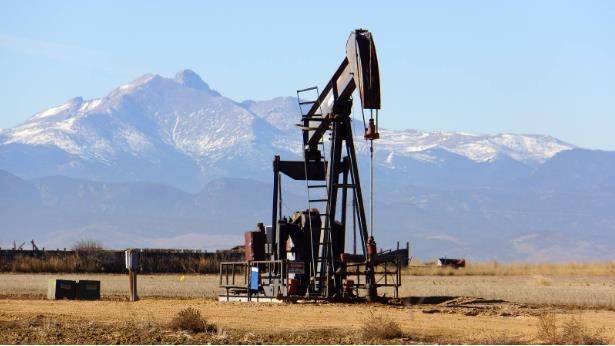
Exploring the Spectrum of Oil Rigs:
Fixed Platform Rigs:
Fixed platform rigs are stalwart fixtures, firmly anchored to the ocean floor. They come in various configurations, including:
Jack-up Platforms: Deployed in shallow waters, supported by adjustable legs.
Conductor Support Platforms: Designed for deep-water drilling, supported by vertical conductors.
Caisson Platforms: Massive hollow structures, utilized in shallow to ultra-deep waters.
Semi-Submersible Rigs:
Semi-submersible rigs offer versatility, partially submerged and regulated by ballast systems. Renowned for their stability, they operate effectively in various water depths and adverse weather conditions.
Drillship Rigs:
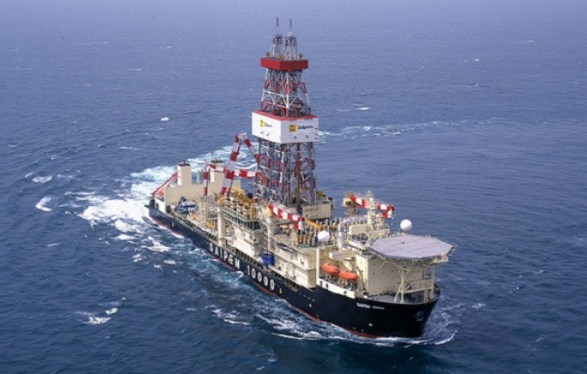
Drillship rigs, resembling mobile vessels, boast agility and mobility for deepwater and ultra-deepwater drilling. Ideal for exploratory drilling in remote offshore locations.
Tension Leg Platform (TLP) Rigs:
TLP rigs excel in deepwater drilling projects, anchored to the seabed with tension-maintaining tethers or tendons, ensuring stability amid significant wave motion.
Floating Production Storage and Offloading (FPSO) Rigs:
FPSO rigs serve a dual purpose, not only drilling but also processing and storing crude oil. Positioned above offshore fields, they oversee oil processing until tanker ships transport it ashore.
Compliant Tower Rigs:
Compliant tower rigs, tailored for water depths of 300 to 2,000 feet, feature slender towers anchored to the seabed. Their design enables them to sway with natural waves, ensuring operational stability.
Subsea Rigs:
A cutting-edge innovation, subsea rigs eliminate the need for conventional above-water platforms, conducting drilling operations directly from the seabed. Ideal for ultra-deepwater drilling, they offer remote operability from surface vessels.
Articulated Column Rigs:
Articulated column rigs are specialized for Arctic conditions, anchored by a single vertical column that pivots to maintain stability amidst ice movements and severe weather.
Mini Rigs:
Mini rigs, compact and portable, cater to shallow water or near-shore drilling projects. Easily transported by truck, they offer swift deployment for minor drilling endeavors.
Selecting the Right Oil Rig: Considerations and Guidelines:
Drilling Location:
Pinpoint the drilling site's specifics, considering geographical factors, proximity to shore, and water depth.
Water Depth Assessment:
Different rigs are suited to varying water depths. Match the rig type to the depth range of the drilling location.
Drilling Objectives Clarification:
Define the purpose of drilling—exploration, production, or maintenance—to align rig selection with project goals.
Environmental Conditions Evaluation:
Assess environmental factors like weather patterns and currents to choose a rig capable of withstanding local conditions.
Mobilization and Demobilization:
Consider ease of rig transportation and deployment, balancing mobility with operational requirements.
Budgetary and Cost Constraints:
Evaluate project budget and operational costs to select a rig that aligns with financial parameters.
Regulatory Compliance and Permitting:
Ensure adherence to regulatory standards and obtain necessary permits for drilling activities.
Safety and Risk Assessment:
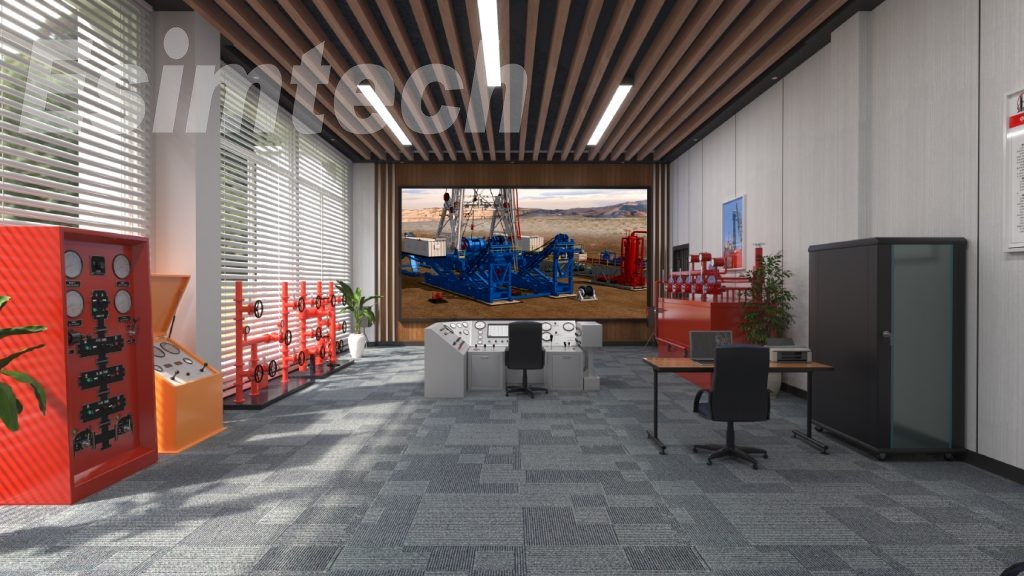
Prioritize rig safety features and emergency response capabilities, conducting thorough risk evaluations. The drilling simulation training system can be of great assistance in assessing safety and risk in oil rigs. It is specifically designed for training individuals on all aspects of safe and effective drilling rig operations, using a display screen, the 3D animation depicting the working conditions, while sound effects imitating a real rig floor create a fully engaging and immersive training environment.
Consultation and Expert Advice:
Seek guidance from drilling professionals and industry experts to inform rig selection decisions.
Flexibility and Adaptability:
Opt for rigs that offer flexibility to operate in diverse conditions and adapt to changing project requirements.
Maintenance and Availability Considerations:
Assess rig availability and maintenance schedules to ensure timely project execution.
Environmental Impact Mitigation:
Choose environmentally conscious rig options to minimize ecological harm from drilling activities.
Conclusion:
Oil rigs represent the pinnacle of human innovation and engineering prowess, facilitating the extraction of invaluable energy resources from beneath the ocean's depths. Selecting the right rig entails a meticulous evaluation of project requirements, environmental factors, regulatory compliance, and budgetary considerations. By aligning rig selection with project objectives and operational realities, stakeholders can navigate the complexities of offshore drilling with confidence and efficiency, ensuring the sustainable extraction of Earth's precious energy reserves.