
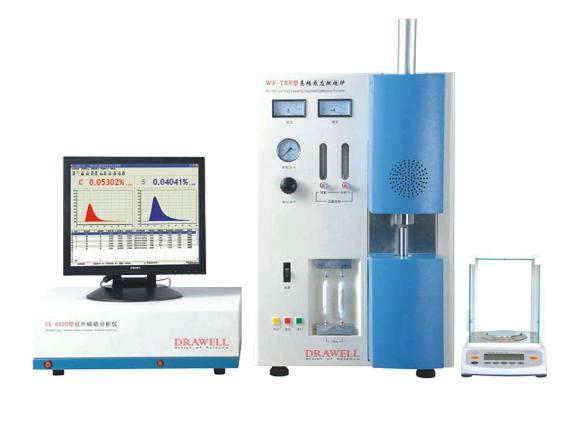
Analyzing carbon and sulfur content in various materials is critical across industries like steel, petroleum, environmental monitoring, and research. Carbon Sulfur Analyzers are specialized instruments facilitating accurate measurements, essential for quality control, process optimization, and regulatory compliance. This article explores the features and applications of Carbon Sulfur Analyzers, showcasing their significance in diverse industries.
Features of Carbon Sulfur Analyzers
Carbon Sulfur Analyzers may vary in features based on models and manufacturers, yet common attributes include:
High Sensitivity and Accuracy: Designed for precise carbon and sulfur measurement, these analyzers detect trace amounts of elements, ensuring accurate analysis results.
Wide Analytical Range: With a broad range, they analyze samples with varied carbon and sulfur concentrations, accommodating diverse sample types.
Rapid Analysis: Many offer fast analysis times, crucial for efficient sample throughput and productivity, especially in manufacturing and quality control.
Sample Flexibility: Capable of handling solids, liquids, and gases, these analyzers provide flexibility in sample size and form, facilitating analysis of a wide range of materials.
Automation and Software Integration: Advanced models automate sample handling, analysis, and data processing, reducing human error. Integration with software platforms enhances data management and analysis efficiency.
Applications of Carbon Sulfur Analyzers
Carbon Sulfur Analyzers find diverse applications across industries:
Steel and Metal Industry: Crucial for monitoring carbon and sulfur content in raw materials, alloys, and finished products, ensuring quality and process optimization.
Petroleum and Petrochemical Industry: Used to assess carbon and sulfur content in crude oil, refined products, and catalysts, aiding quality control and regulatory compliance.
Environmental Monitoring: Employed to measure emissions from industrial processes, aiding pollution control, regulatory compliance, and air quality evaluation.
Research and Development: Utilized in labs to study material properties, effects of carbon and sulfur content on characteristics and reactivity.
Geological and Mining Applications: Determine carbon and sulfur content in rocks, ores, and minerals, aiding exploration and extraction.
Chemical and Pharmaceutical Industries: Ensure purity and safety standards compliance in raw materials and final products.
Energy Sector: Analyze fuel carbon and sulfur content, optimizing combustion processes and evaluating fuel quality.
Manufacturing and Quality Control: Employed across industries to ensure product quality and compliance with specifications.
Conclusion
Carbon Sulfur Analyzers, with their sensitivity, wide range, rapid analysis, and automation capabilities, serve as indispensable tools in various industries. Their applications encompass quality control, process optimization, environmental monitoring, and compliance. As technology advances, these analyzers will continue enhancing efficiency, accuracy, and sustainability in industrial processes. With their indispensable features and broad applications, Carbon Sulfur Analyzers are vital for precise carbon and sulfur analysis in modern industries.
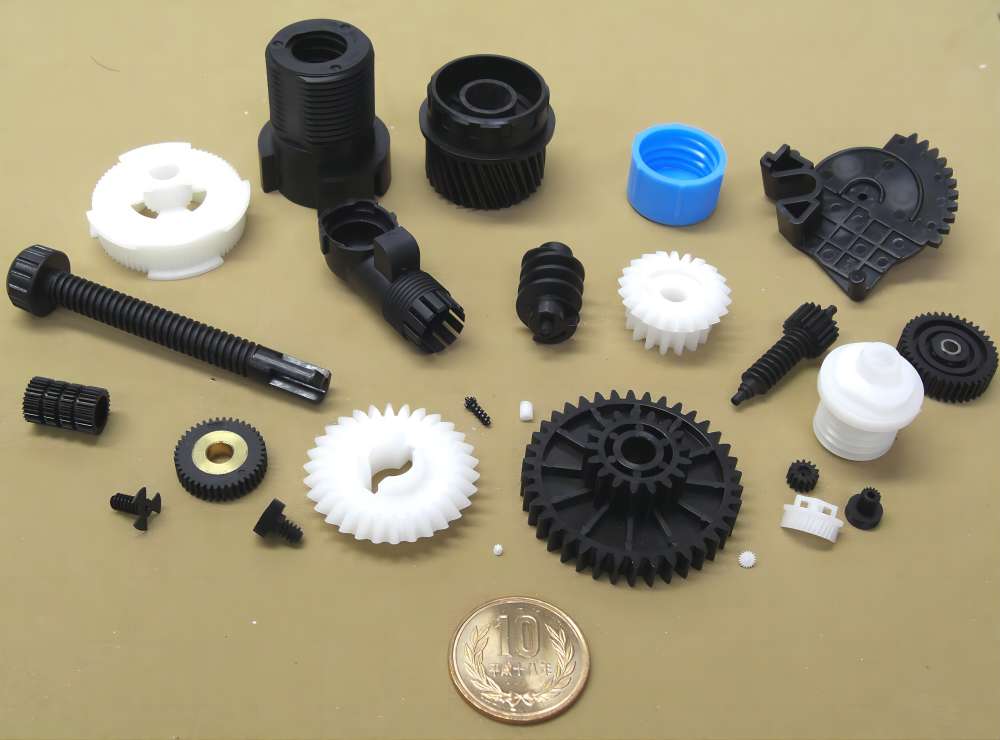
Injection molding stands as a prevalent manufacturing process renowned for its ability to fabricate intricate and precise structures by injecting molten plastic into a mold cavity. This method deposits polymer into a mold where it cools and solidifies, culminating in the production of the final item. The injection molding technique bears significant influence on the quality of the end product.
Material Selection in Injection Molding
Selecting the appropriate material for injection molding is paramount to attaining a high-quality end result. Materials with a higher melt flow index (MFI) or viscosity often yield superior part quality, while those with a lower MFI or viscosity may lead to defects such as warping, sink marks, or flash. The MFI denotes the rate at which a material flows through the mold, thus opting for a material with a high MFI ensures thorough and consistent mold filling.
Temperature Control in Injection Molding
Temperature regulation of the molten plastic holds paramount importance in the injection molding process. Excessive temperatures can cause plastic degradation, resulting in flaws such as discoloration or bubble formation. Conversely, insufficient temperatures may lead to uneven plastic flow, resulting in incomplete mold filling or voids in the finished product. The appropriate temperature range is typically specified by the material supplier, emphasizing the necessity of injecting plastic at the prescribed temperature.
Pressure Management in Injection Molding
Injection pressure plays a pivotal role in determining the quality of the final product. High-pressure injection often yields superior component quality and surface finish, while low-pressure injection may result in incomplete mold filling, voids, or sink marks. The injection pressure is contingent upon the size, intricacy of the item, and the properties of the plastic utilized.
Cooling Dynamics in Injection Molding
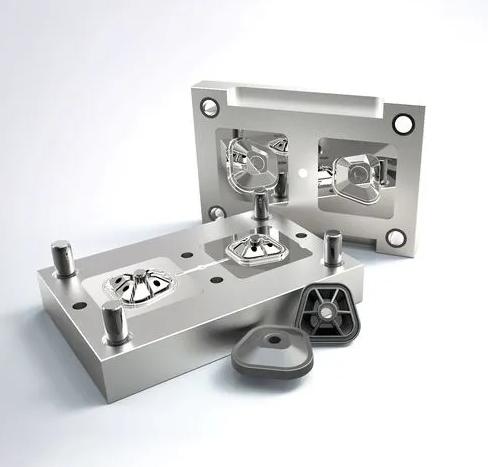
The cooling rate of the plastic post-injection significantly impacts the final product's quality. Gradual cooling may result in warping or other defects, whereas rapid cooling can enhance product quality and reduce errors. Mold design and the arrangement of cooling channels within it often dictate the cooling rate, necessitating consistent cooling throughout the part to mitigate stress-induced defects.
Mold Design Considerations
Well-designed molds facilitate even filling and prevent faults such as sink marks and warping. Mold design is influenced by factors like the component's size, intricacy, and the plastic's properties. It's imperative to construct molds accounting for plastic shrinkage during cooling and solidification.
Additional Factors Affecting Product Quality
Beyond the aforementioned aspects, various other factors can impact the final product's quality. Contaminants or impurities in the plastic, additives or fillers, injection speed, and duration are among these variables. Rigorous control of these factors is essential to ensure the production of high-quality, defect-free products.
Conclusion
The injection molding process significantly shapes the quality of the end product. Material selection, temperature control, pressure management, cooling dynamics, and mold design are all critical facets that demand meticulous attention to achieve high-quality, defect-free products.
Crafting effective explosion-proof lighting systems necessitates a meticulous approach encompassing various elements, from the classification of hazardous zones to the careful selection of fixtures and installation procedures. This article delves into the crucial design considerations for explosion-proof lighting, shedding light on the fundamental principles and methodologies that uphold safety standards in perilous environments.
Understanding Hazardous Area Classification for Designing Explosion-proof Lighting
Classifications: Hazardous areas are categorized based on the presence and concentration of flammable substances, coupled with the likelihood of ignition. The classifications typically include Class I (gas), Class II (dust), and Class III (fibers and flyings), each with subdivisions delineating the nature and extent of the hazard.
Zone Classification: Further delineating the level of risk within hazardous areas, zone classifications range from Zone 0 (high risk) to Zone 2 (low risk) for gases, and Zone 20 (high risk) to Zone 22 (low risk) for dust.
Fixture Selection and Certification in Explosion-Proof Lighting
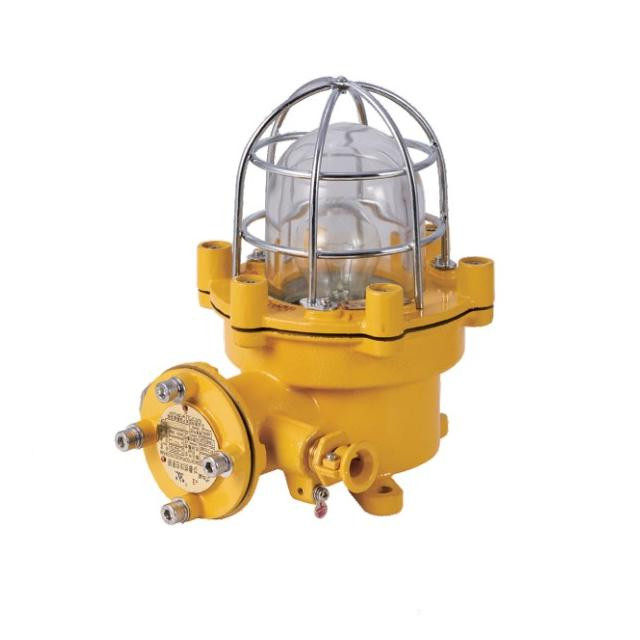
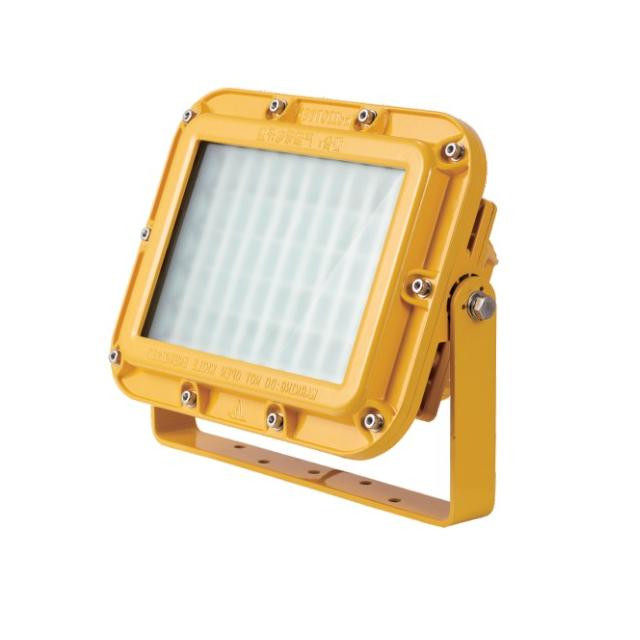
Explosion-Proof Fixture Design: Specially engineered to prevent the ignition of flammable substances, these fixtures boast robust construction and sealed enclosures that withstand internal pressures generated by explosions without propagating ignition beyond the enclosure.
Materials and Construction: Typically crafted from durable materials like cast aluminum, stainless steel, or fiberglass-reinforced plastic, fixture materials are chosen based on environmental corrosiveness, ambient temperature, and mechanical stress factors.
Enclosure Ratings and Certifications: Lighting fixtures must meet stringent certification standards to ensure safety and regulatory compliance. Common certifications include ATEX (European Union), UL (Underwriters Laboratories), and IECEx (International Electrotechnical Commission Explosive Atmospheres), each indicating rigorous testing and adherence to safety protocols.
Choosing the Right Fixture Type: Fixture selection hinges on specific hazardous area requirements, such as the presence of gases, vapors, or dust. Enclosed fixtures, explosion-proof floodlights, LED fixtures, and emergency lighting fixtures are among the common types tailored to various needs.
Optimal Lighting Design in Explosion-Proof Lighting
Task Requirements and Illumination Levels: Tailor lighting design to meet specific tasks and required illumination levels, ensuring safe working conditions without over-illumination.
Uniformity of Illumination: Aim for consistent light distribution to minimize shadows and ensure visibility across the workspace.
Fixture Placement and Spacing: Strategically position fixtures to achieve optimal coverage while avoiding excessive overlap, optimizing energy efficiency and uniformity.
Lighting Control and Flexibility: Incorporate dimming controls and emergency lighting systems to adjust illumination levels and ensure continuous operation during power outages or emergencies.
Glare Control: Employ fixtures with appropriate shielding or diffusers to minimize glare, enhancing visual comfort and safety.
Color Rendering and Temperature: Consider the color rendering index (CRI) and temperature of fixtures to ensure accurate color perception and task performance alignment.

Maintenance and Inspection in Explosion-Proof Lighting
Scheduled Maintenance Routine: Establish routine inspection, testing, and servicing intervals based on environmental factors and regulatory requirements.
Visual and Electrical Inspection: Conduct regular visual and electrical inspections to identify damage, corrosion, or electrical faults, ensuring fixture integrity and safety.
Lamp Replacement: Replace lamps as recommended, following proper procedures to maintain safety and performance standards.
Seal Integrity and Cleaning: Check seals for integrity and cleanliness, and develop cleaning procedures to remove contaminants and maintain fixture performance.
Documentation and Record-Keeping: Maintain detailed records of maintenance activities to ensure compliance and accountability.
Conclusion
Explosion-proof lighting systems serve as vital safety mechanisms in hazardous environments, guiding personnel and illuminating workspaces while mitigating explosion risks. Effective design hinges on a comprehensive understanding of hazardous area classifications, meticulous fixture selection, optimal lighting design, and diligent maintenance practices, ensuring continued safety and compliance in high-risk settings.
Marine lifebuoys represent a beacon of hope amidst the unpredictability of the open sea, serving as indispensable tools for ensuring survival during emergencies. In this exploration, we uncover the significance of marine lifebuoys and their pivotal role in maritime safety.
A Brief Evolution
The concept of buoyant devices aiding water rescues traces back centuries. Initially simple rings crafted from wood, lifebuoys have evolved significantly with advancements in materials and technology. Today, they stand as highly efficient and standardized marine lifesaving devices.
Design and Composition
Buoyancy Material: Marine lifebuoys are crafted from buoyant materials like high-density polyethylene or foam-filled plastics, ensuring they remain afloat even in harsh marine conditions.
Shape and Size: Traditionally circular, lifebuoys offer stability and ease of handling. Standard sizes range between 24 to 30 inches in diameter, providing ample buoyancy for individuals in distress.
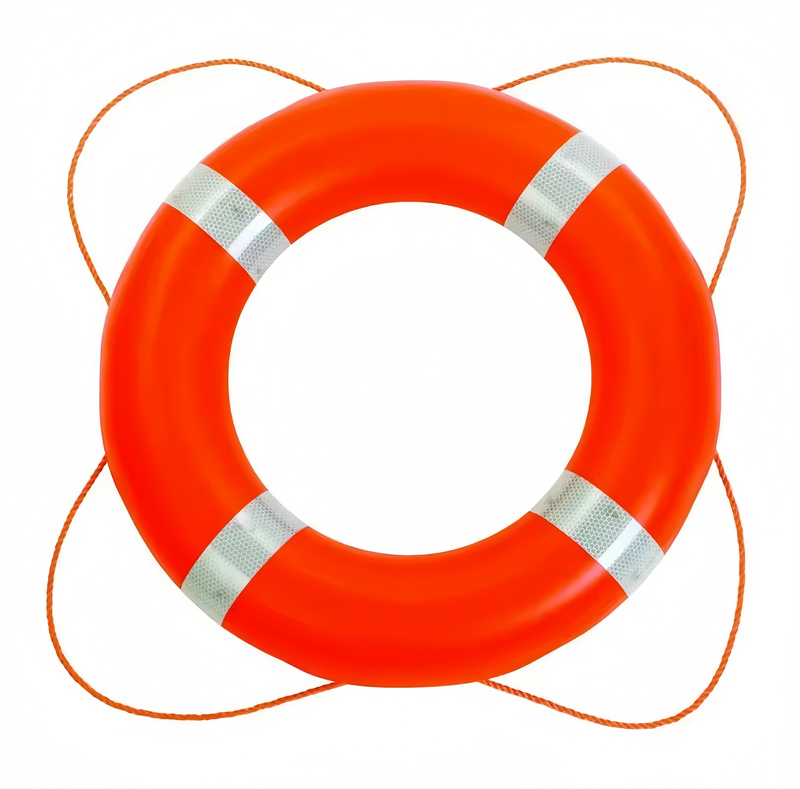
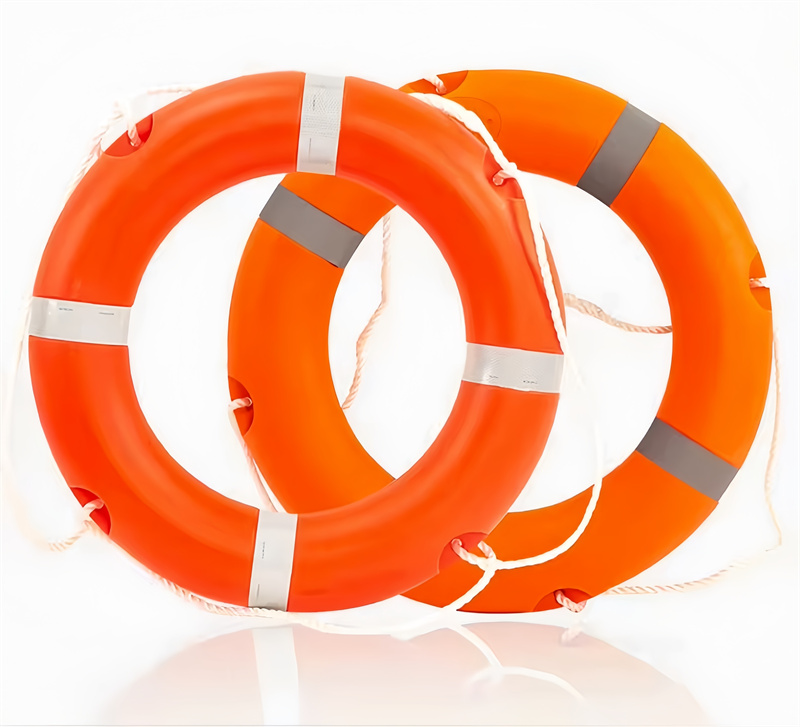
Visibility Features: Bright colors such as orange, yellow, or red coupled with reflective strips enhance visibility, crucial for quick retrieval during emergencies.
Attachment Points: Equipped with fixtures for rope attachment, lifebuoys facilitate securing to the individual in distress or other rescue equipment.
Grab Lines or Ropes: Some feature grab lines aiding both individuals in distress to hold on and rescuers to pull them to safety.
Durability and Resistance: Constructed with materials resilient to saltwater, UV radiation, and rough handling, ensuring longevity and effectiveness.
Compliance with Regulations: Governed by international maritime regulations, lifebuoys adhere to standards ensuring consistency and effectiveness across maritime operations.
Functionality
Buoyancy and Floatation: Providing immediate buoyancy, lifebuoys offer stability and support to individuals in distress.
Aid in Water Rescue: Deployed swiftly during emergencies, lifebuoys assist individuals until rescue personnel arrive, allowing them to hold on while awaiting assistance.
Marking and Signaling: Highly visible, lifebuoys act as markers during search and rescue operations, aiding in locating individuals in low-light conditions or rough seas.
Assistance in Retrieval: Featuring grab lines, lifebuoys enable rescuers to pull individuals to safety, guiding them back to the vessel or another secure location.
Emergency Preparedness: Strategically positioned for quick access, lifebuoys are integral to emergency preparedness, ensuring readiness for swift deployment.
Innovative Utilization
From recreational water safety to industrial applications, lifebuoys find versatile use:
Recreational Water Safety: Lifeguards employ lifebuoys at beaches and pools for swift water rescues.
Waterfront Safety and Rescue Operations: Positioned along waterfronts, lifebuoys aid in emergencies, ensuring rapid assistance.
Waterfront Public Safety Campaigns: Symbols of water safety, lifebuoys feature in campaigns advocating drowning prevention.
Flood and Swift Water Rescue: During floods, lifebuoys assist in rescuing individuals trapped in fast-moving water.
Ice Rescue Operations: Essential in regions with frozen bodies of water, lifebuoys aid in ice rescue operations.
Waterfront Security and Surveillance: Equipped with monitoring devices, lifebuoys enhance waterfront security.
Industrial and Commercial Applications: Integrated into safety protocols, lifebuoys offer emergency flotation assistance.
Water-based Events and Competitions: Deployed along race courses, lifebuoys ensure participant safety during events.
Personal Watercraft Safety: Enthusiasts carry compact inflatable lifebuoys for personal safety during water activities.
Training and Preparedness
Proficient utilization hinges on proper training among crew members and passengers, ensuring swift and coordinated responses during emergencies. Regular drills and exercises instill proficiency in deploying lifesaving equipment, bolstering safety measures at sea.
Conclusion
In the realm of maritime safety, the marine lifebuoy remains an emblem of preparedness and resilience. Its evolution, stringent standards, and versatile applications underscore its indispensable role in safeguarding lives amidst the vastness of the open sea.
The offshore oil and gas industry stands as a cornerstone of the global energy supply chain, yet it harbors inherent dangers. Oil rig accidents can unleash severe consequences, from injuries to environmental calamities and economic losses. In this piece, we delve into the various types of various types of oil rig accidents and the injuries they can inflict upon workers, shedding light on critical safety concerns in this high-stakes industry.
Types of Oil Rig Accidents
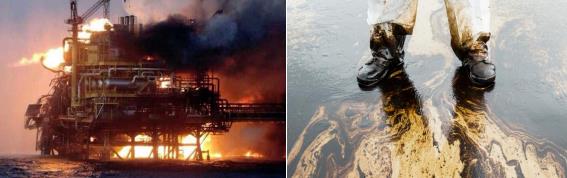
Blowouts: A blowout, the stuff of nightmares in the offshore oil industry, occurs when high-pressure oil or gas erupts uncontrollably from the well. Triggered by equipment failures, human error, or a blend of factors, blowouts often lead to catastrophic explosions. Resulting injuries can include severe burns, traumatic injuries, exposure to toxic gases, and psychological trauma.
Fires and Explosions: These incidents, stemming from equipment malfunctions, electrical faults, or human error, pose significant risks. Fires and explosions can cause extensive damage, including rig destruction, and result in severe burns, smoke inhalation, and traumatic injuries to workers.
Falls and Falling Objects: Given the towering structures of oil rigs, workers are susceptible to falls from heights or being struck by falling objects. These accidents can cause broken bones, head injuries, spinal cord damage, and lacerations, emphasizing the importance of stringent safety measures.
Weather-Related Incidents: Offshore rigs are at the mercy of adverse weather conditions, such as storms and hurricanes, which can lead to rig movements, damage, or topples. Workers may suffer traumatic injuries or drowning, emphasizing the need for proactive safety measures and emergency response plans.
Collisions and Groundings: Collisions between vessels and oil rigs or groundings of rigs can result in structural damage, oil spills, and environmental damage. Injuries may include traumatic injuries, drowning, and environmental impact, highlighting the importance of navigational vigilance and equipment maintenance.
Role of Simulation Training
Simulation technology emerges as a crucial tool in preventing oil rig accidents and injuries, offering several benefits:
Realistic Scenario Practice: Workers can simulate realistic accident scenarios, enhancing their understanding of emergency dynamics and response strategies.
Preventative Measures: Simulation training aids in hazard recognition, empowering workers to proactively identify and mitigate risks.
Response Preparedness: Emergency training simulation prepares workers for swift and effective responses in emergencies, guiding them through assessments, task prioritization, and necessary actions.
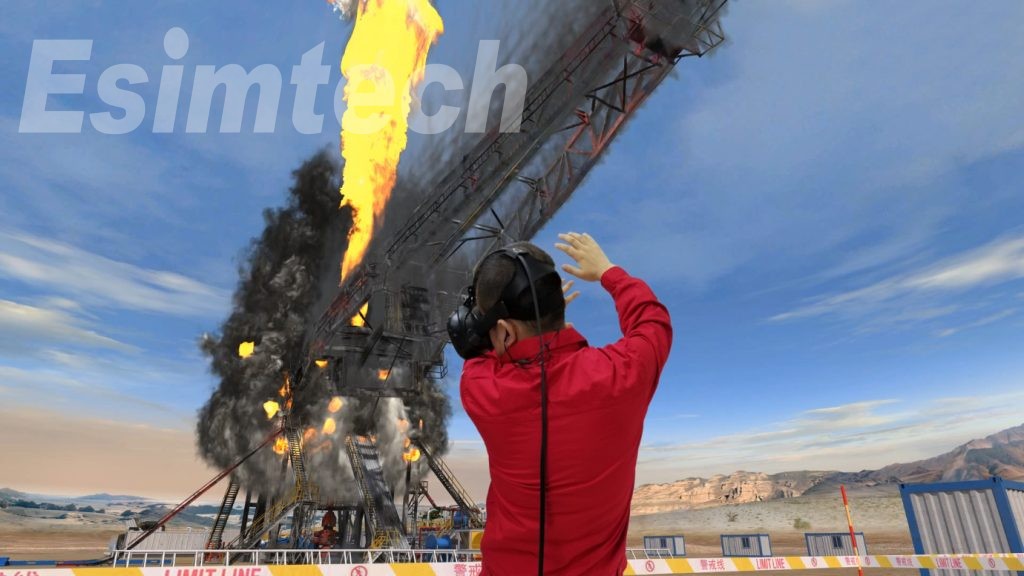
Hands-On Experience: Simulation training provides practical experience, boosting confidence and competence in operating equipment, using safety gear, and applying protocols.
Environmental Protection: Simulation training extends to minimizing environmental damage, ensuring workers can contain pollutants and protect the ecosystem in case of accidents.
Conclusion
In conclusion, while the offshore oil and gas industry is vital for global energy needs, it is not without peril. Understanding and addressing these risks demand concerted efforts from rig operators, workers, and regulatory bodies. By prioritizing safety, leveraging advanced technologies like simulation training, and fostering collaboration, the industry can mitigate risks and safeguard lives, the environment, and its own sustainability.