
In the expansive blue embrace of our oceans and waterways, prioritizing safety is paramount. Amidst any maritime endeavor, one of the most crucial pieces of marine life-saving equipment remains the humble yet indispensable life jacket
.
Evolution of Marine Life Jackets
Life jackets boast a historical lineage spanning centuries, with various flotation devices aiding waterborne survival. However, the modern marine life jacket, as we recognize it today, has evolved significantly in design and technology.
Among the earliest recognizable life jackets is the cork vest, popularized in the late 19th century. These vests comprised buoyant cork pieces sewn into fabric pockets, offering rudimentary flotation. Over time, materials like kapok and foam gained prominence for their superior buoyancy and durability.
Present-day marine life jackets stand as testaments to decades of innovation and refinement. Available in diverse styles, from traditional foam-filled jackets to inflatable models enhancing comfort and mobility, these advancements have not only bolstered safety but also improved accessibility and comfort for users of all ages and sizes.

Types and Varieties of Marine Life Jackets
Designed to uphold individuals' safety and buoyancy during emergencies, marine life jackets come in various types and styles, catering to diverse activities, preferences, and environments.
Foam-Filled Life Jackets
These traditional life jackets, familiar to many, feature layers of foam padding encased in durable fabric. Inherently buoyant, they offer reliable flotation without inflation mechanisms. They come in different styles, including:
Vest-style Jackets: Sleeveless, wrapping around the torso and fastening securely with buckles or zippers, offering freedom of movement for recreational boating and water sports.
Jackets with Collars: Featuring a collar providing additional support to the head and neck, ideal for activities carrying risks of unconsciousness or injury, such as offshore sailing.
Full-body Suits: Encompassing the entire body, providing flotation for commercial maritime settings or extreme water sports, especially in cold water immersion scenarios.
Inflatable Life Jackets
Gaining popularity for their lightweight and low-profile design, inflatable life jackets offer enhanced comfort and mobility. They rely on inflation mechanisms for buoyancy, categorized as:
Automatic Inflatable Jackets: Automatically inflate upon immersion in water, ideal for activities necessitating rapid flotation, like offshore fishing or sailing.
Manual Inflatable Jackets: Require wearers to pull a cord to activate inflation manually, offering more control over inflation timing and preferred by some boaters for versatility.
Hybrid Life Jackets
Combining elements of foam-filled and inflatable designs, hybrid life jackets offer the benefits of both types in one garment. Typically featuring foam padding for buoyancy supplemented by inflatable chambers, they provide added flotation and flexibility, gaining popularity among boaters valuing versatility and performance.
Specialized Life Jackets
Beyond general-purpose life jackets, specialized models cater to specific activities and environments:
High-Visibility Jackets: Featuring bright colors and reflective strips for enhanced visibility in low-light conditions or high-traffic areas.
Child-Sized Jackets: Scaled-down versions of adult life jackets, ensuring proper flotation and safety for children.
Floatation Aid Vests: Tailored for activities like snorkeling, paddleboarding, or kayaking, offering buoyancy without traditional life jacket bulkiness.

Why Proper Fit and Selection of Marine Life Jackets are Crucial
Personalized Protection
Life jackets must fit properly as no two bodies are identical. Ill-fitting jackets risk slipping off or restricting movement and breathing. Appropriately fitted life jackets keep the wearer's head above water, supporting the torso and neck to mitigate drowning risks.
Comfort and Mobility
Comfort is paramount for prolonged life jacket wear. A well-fitted life jacket should feel snug yet unrestricted, enabling comfortable movement devoid of chafing or irritation. Especially crucial during activities like boating, fishing, or watersports, overly bulky or restrictive jackets can impede performance and detract from overall enjoyment.
Activity-Specific Design
Diverse activities demand tailored life jackets. Offshore sailing may necessitate robust jackets with added flotation and insulation, while kayaking or paddleboarding thrive on lightweight and streamlined designs. Understanding activity demands and selecting accordingly ensures optimal safety and performance on water.
Compliance with Regulations
Numerous jurisdictions mandate life jacket usage on water, especially for children and non-swimmers. Non-compliance invites fines and compromises onboard safety. Selecting compliant life jackets meeting safety standards and ensuring appropriate wear is crucial for legal adherence and peace of mind.
Regular Inspection and Maintenance
Even the best-fitted life jackets prove ineffective if damaged or inadequately maintained. Regular inspections for wear, tear, or deterioration—checking straps, flotation material, and hardware—are essential. Inflatable jackets demand leak inspections and timely CO2 cartridge replacements.
Conclusion
Marine life jackets are essential tools for life preservation and tragedy prevention on water. Whether cruising leisurely or embarking on deep-sea fishing, wearing properly fitted and maintained life jackets is non-negotiable. By grasping life jackets' significance and embracing best practices, we foster safer and more enjoyable maritime experiences for all.
Selecting the appropriate screws for metal studs is paramount for ensuring structural integrity, longevity, and safety in construction projects. Unlike wood studs, metal studs demand specialized screws tailored to provide maximum strength and stability. This article delves into the types of screws commonly used for metal studs and offers comprehensive guidance on choosing the right screws for various applications.

Importance of Choosing the Right Screws for Metal Studs:
Structural Integrity:
Utilizing the correct screws is crucial for maintaining the structural integrity of metal stud frameworks. Properly fastened studs ensure sturdy connections, safeguarding the overall stability and safety of the structure.
Load-Bearing Capacity:
Metal studs often bear significant loads, such as drywall or fixtures. The right screws offer the necessary strength and gripping force to support these loads, preventing sagging, shifting, or collapse.
Prevention of Damage:
Using screws designed for wood on metal studs can cause damage such as thread peeling, hole widening, or stud deformation. Choosing the wrong screws jeopardizes stud integrity and may necessitate costly repairs or replacements.
Compatibility:
Metal studs come in various gauges, thicknesses, and materials. Using screws specifically designed for metal studs ensures a proper fit and secure attachment, avoiding issues related to size or material incompatibility.
Time and Cost Efficiency:
Selecting the right screws saves time and money in the long run. Properly chosen screws are easier to install, require fewer reworks or repairs, and provide a reliable fastening system, eliminating the need for future adjustments or replacements.
Commonly Used Screws for Metal Studs:
Self-Drilling Screws:
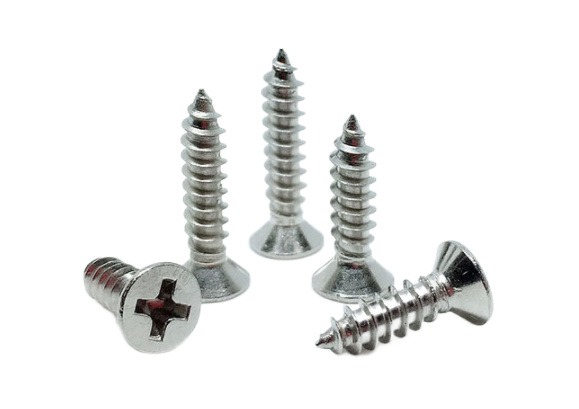
Equipped with a drill bit at the tip, self-drilling screws create their own pilot holes as they are driven into metal. These hardened steel screws with sharp tips are ideal for connecting metal studs or attaching materials like drywall or sheathing.
Self-Tapping Screws:
Similar to self-drilling screws, socket self-tapping screws have a sharp point but require a pre-drilled pilot hole. Widely used for connecting accessories, brackets, or fixtures to metal studs, they can form their own threads when driven into metal.
Fine-Thread Screws:
Fine-thread screws feature tightly spaced threads that offer excellent holding power, especially in thinner gauge metal studs. They distribute the load evenly, reducing the risk of stud breakage or screw stripping, and are available in various lengths and thread patterns.
Coarse-Thread Screws:
Designed for heavy-duty applications and larger metal studs, coarse-thread screws have wider-spaced threads that provide enhanced grip and resistance to pull-out. They are suitable for high-strength operations like connecting large fixtures or equipment to metal studs.
Factors to Consider for Choosing the Right Screws for Metal Studs:
Corrosion Resistance:
Opt for screws made of corrosion-resistant materials like stainless steel or coated screws to prevent rusting, especially in environments prone to moisture or other corrosive elements.
Screw Length and Diameter:
Ensure the screw length is sufficient to penetrate the metal stud and secure the material without protruding excessively. Match the screw diameter to the size of the pre-drilled hole or the self-drilling capacity of the screw for proper installation.
Conclusion:
Choosing the appropriate screws for metal studs is paramount for ensuring the strength, stability, and longevity of construction or remodeling projects. By selecting screws that offer secure fastening, corrosion resistance, and compatibility with metal stud requirements, you can save time, money, and ensure the long-term success of any building endeavor.
In laboratory settings, the vortex mixer stands as a versatile tool, efficiently blending, mixing, and agitating liquid samples through its distinctive swirling action. This article presents a detailed step-by-step guide on harnessing the full potential of a vortex mixer, ensuring impeccable results in laboratory experiments and processes.
Step 1: Get Acquainted with the Vortex Mixer
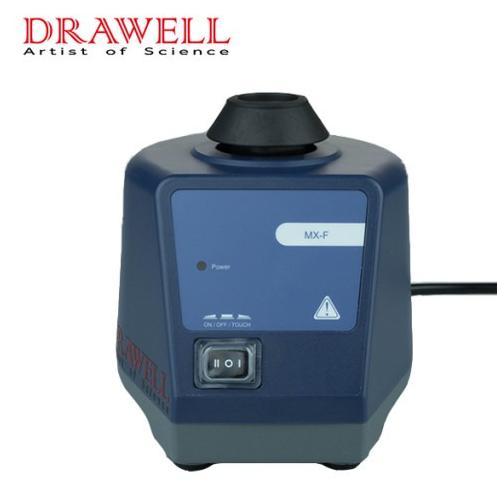
Before diving into operation, familiarize yourself with the different types of vortex mixers as well as its components functionalities, and safety precautions. Understanding its control settings and stability characteristics lays a solid foundation for effective usage.
Step 2: Setup Procedures
Ensure the vortex mixer sits on a stable, level surface, and inspect attachments for any debris that might impede mixing. Customize the setup with suitable foam inserts to accommodate various sample container sizes.
Step 3: Sample Preparation
Prepare your sample adequately, including adding reagents or diluents, and ensure secure closure to prevent spillage during mixing.
Step 4: Proper Sample Positioning
Positioning the sample correctly is crucial for efficient mixing:
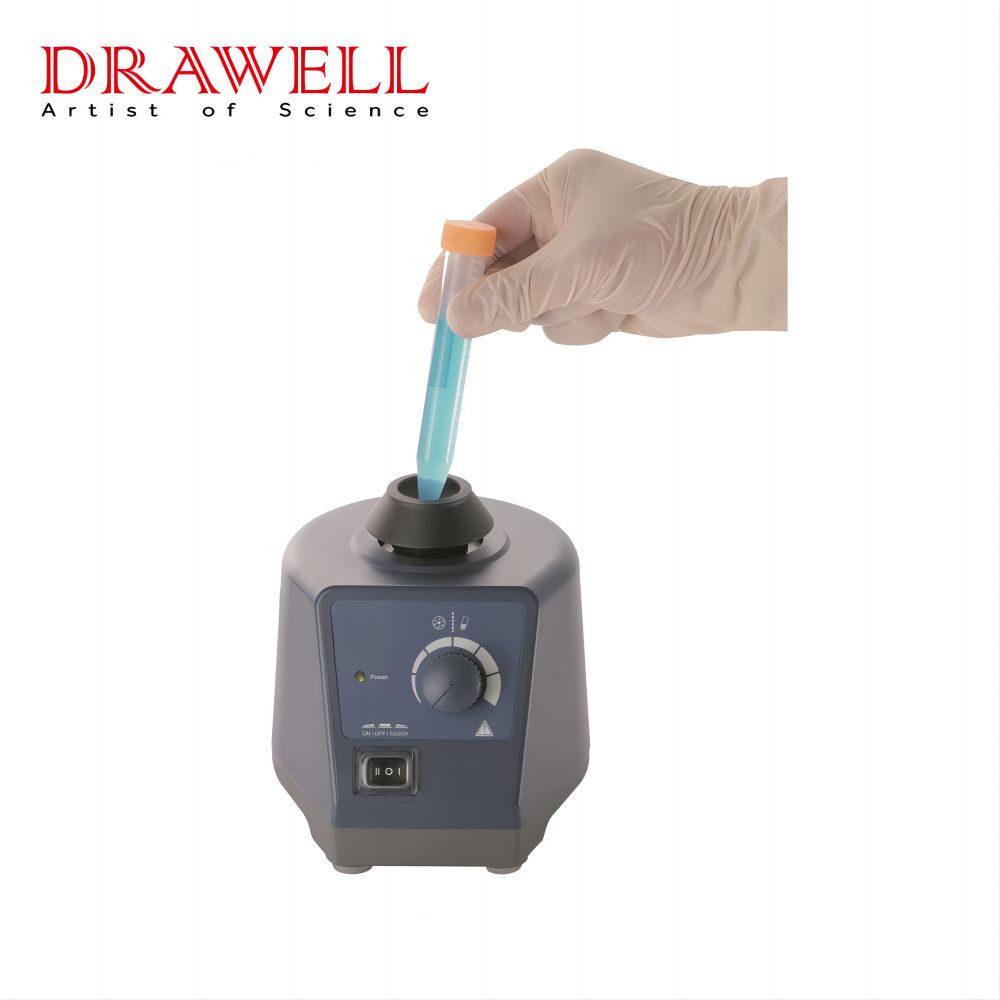
Select the appropriate container and ensure cleanliness and closure.
Adjust container size and secure it firmly in place.
Position the container on the mixer's platform, aligning smaller tubes centrally and larger containers slightly off-center.
Verify stability, clearance, batch size, and load balance to avoid interference and maintain stability.
Step 5: Speed and Mixing Time Adjustment
Fine-tune the vortex mixer's speed and mixing duration:
Start at a low speed to prevent splashing.
Gradually increase speed for optimal mixing, observing vortex formation.
Consider sample sensitivity and adjust speed and mixing time accordingly.
Monitor progress, consider intermittent mixing, and prioritize safety at all times.
Step 6: Cleaning and Maintenance
After usage, clean the attachment or platform according to manufacturer guidelines to ensure longevity and optimal performance.
Conclusion:
Mastering the utilization of a vortex mixer is paramount for achieving consistent and effective sample mixing in laboratory settings. By following this comprehensive guide, you can seamlessly blend and agitate your liquid samples, ensuring precise and reliable results every time.
Horizontal oil drilling stands as a pioneering innovation within the oil and gas industry, revolutionizing the accessibility and production of hydrocarbon resources. In this exploration, we delve into the intricacies of horizontal oil drilling, its associated advantages, challenges, environmental considerations, and the indispensable role played by simulation technology in this transformative process.
The Process of Horizontal Oil Drilling
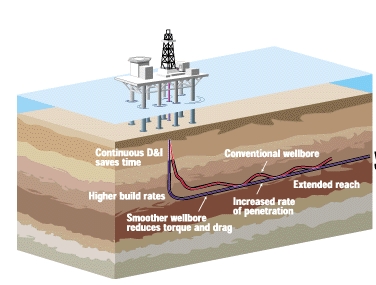
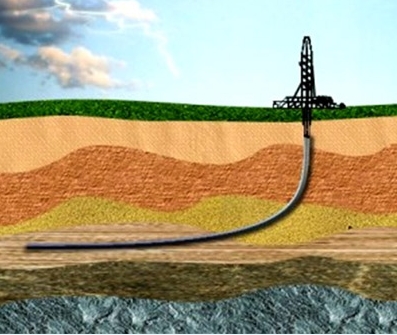
Horizontal drilling, also known as directional drilling, involves drilling a wellbore at an angle to access oil or gas reservoirs beneath the Earth's surface. Here's a breakdown of the process:
Vertical Drilling: Initially, a wellbore is drilled vertically from the surface to a certain depth.
Build Section: At a specified depth, the drilling direction is altered, curving the wellbore to create a "build section."
Horizontal Drilling: Following the curve, the wellbore extends horizontally through the oil or gas reservoir.
Well Completion: Once the desired horizontal length is achieved, the well is completed with casing and cement to facilitate production.
Advantages of Horizontal Oil Drilling
Increased Reservoir Access: Horizontal drilling allows access to previously inaccessible reserves, enhancing the amount of recoverable oil and gas.
Enhanced Recovery Rates: The horizontal portion of a well provides increased contact with the reservoir, leading to higher recovery rates.
Reduced Environmental Impact: Operators can minimize surface footprint and environmental damage by accessing reservoirs from a single drilling location.
Improved Well Economics: Horizontal drilling offers commercial appeal with higher recovery rates and lower drilling costs.
Enhanced Well Control: By controlling the trajectory, operators can avoid geological complications and drilling issues.
Challenges and Environmental Considerations
Challenges:
Technical Complexity: Horizontal drilling requires sophisticated equipment and expertise, making it more technically demanding than vertical drilling.
Increased Costs: The technology and expertise involved in horizontal drilling may lead to higher initial expenses.
Regulatory Compliance: Strict adherence to regulations is crucial for safe and environmentally responsible drilling.
Wellbore Integrity: Maintaining wellbore integrity is essential to prevent accidents and ensure long-term productivity.
Environmental Considerations:
Reduced Surface Impact: Horizontal drilling minimizes surface disruption, particularly beneficial in ecologically sensitive areas.
Risk of Contamination: Careful management is required to prevent groundwater contamination from drilling fluids and hydrocarbon migration.
Spill Prevention: Comprehensive spill prevention plans are essential to address environmental risks effectively.
Habitat Protection: Operators must consider the impact on local wildlife habitats and ecosystems.
The Vital Role of Simulation Technology
Simulation technology plays a crucial role in optimizing horizontal drilling operations:
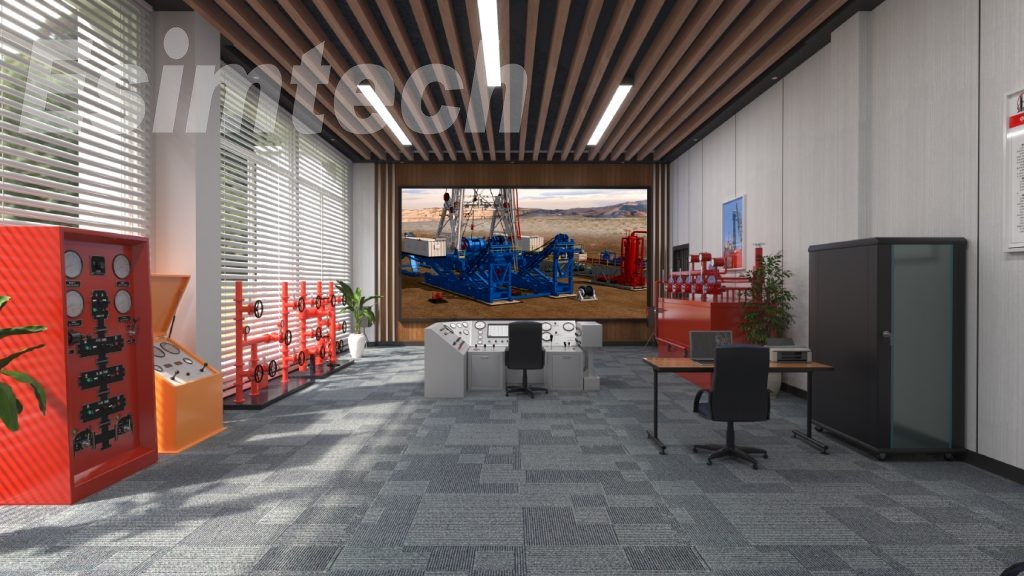
Geosteering: Drilling simulators utilizes 3D models of the subsurface to guide the drill bit precisely within the reservoir in real-time.
Drilling Trajectory Planning: Designs the ideal well path, considering geological data, wellbore stability, and reservoir parameters.
Wellbore Stability Analysis: Predicts mechanical behavior, evaluates strains and pressures, and forecasts potential issues like wellbore collapse or fluid ingress.
Real-time Monitoring and Adjustments: Provides immediate feedback for drillers to make adjustments to drilling parameters during the operation.
Benefits of Simulation in Horizontal Drilling
Precision and Accuracy: Simulation ensures precise wellbore placement, minimizing deviation and intercepting the most productive reservoir areas.
Enhanced Efficiency: Optimizes trajectories and parameters, reducing drilling time, operational costs, and complications.
Risk Mitigation: Identifies potential challenges in advance, enabling proactive risk management and stability assurance.
Improved Recovery Rates: Accurate placement maximizes recovery, leading to higher production rates and profitability.
Safety and Environmental Protection: Virtual emergency simulation Prevents safety risks and environmental concerns by avoiding issues like instability and fluid influx.
Conclusion
Horizontal oil drilling has reshaped the oil and gas industry, unlocking previously inaccessible resources and increasing recovery rates. Simulation technology ensures that drilling operations are optimized for maximum recovery and safety. As the industry continues to evolve, horizontal drilling will play a pivotal role in meeting energy demands sustainably while safeguarding the environment.
Ensuring the quality of printed materials is paramount across various industries, where defects can compromise both aesthetics and functionality. Modern technology has introduced sophisticated solutions to tackle this challenge, offering comprehensive methods for defect detection and categorization in printed materials.
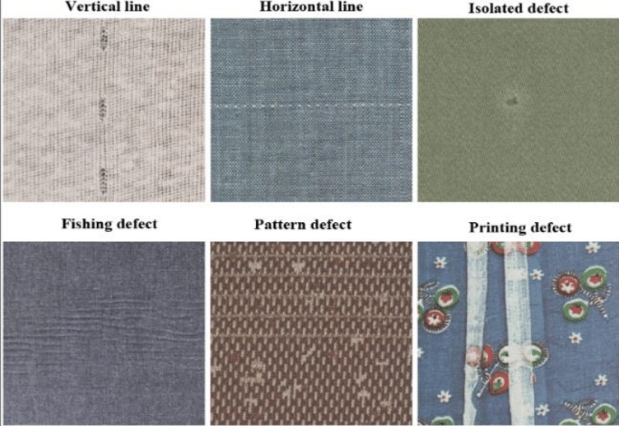
The Significance of Quality Assurance in Printed Materials
Whether it's packaging, labels, newspapers, or industrial components, defects in printed materials can have severe consequences. Even minor imperfections can render products unsellable or compromise their performance. Therefore, robust quality assurance processes are essential to identify and rectify defects in the printing industry.
Common Detection Techniques
Visual Inspection
Human Visual Inspection: Trained operators visually inspect printed materials for visible defects like misprints, smudges, and color inconsistencies.
Automated Optical Inspection (AOI)
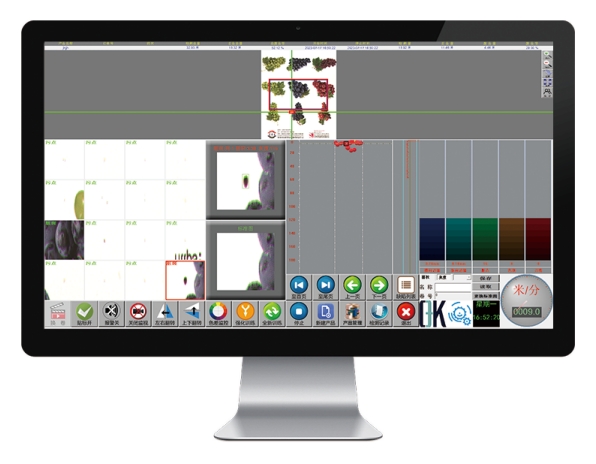
Automated vision print inspection system utilizes high-resolution cameras and advanced image processing algorithms for rapid and automated defect detection.

Machine Vision Systems
Equipped with cameras and sensors, coupled with image analysis software to identify defects such as misprints, color variations, and scratches.
UV Inspection
Illuminates printed materials with ultraviolet light to reveal defects like ink splatters, stains, and contamination that may not be visible under normal lighting.
Spectrophotometry
Measures color properties to ensure consistency and detect color inconsistencies across printed materials.
Dimensional Measurement
Uses tools like calipers and micrometers to ensure printed materials meet specified dimensional tolerances.
Barcodes and QR Codes Inspection
Verifies the accuracy and readability of printed codes for product identification and inventory management.
Surface Inspection Technologies
Employs microscopy techniques to identify surface defects like scratches, abrasions, and printing artifacts.
Categorization Methods for Printed Materials
Defects are categorized based on type, severity level, location, frequency, root cause, impact on functionality, customer impact, and corrective action required.
Technological Advancements
Real-Time Monitoring and Feedback Systems
Provides continuous monitoring, immediate feedback, and data analytics for proactive quality management.
Artificial Intelligence (AI) and Machine Learning
Utilizes advanced algorithms for automated defect categorization and continuous improvement in detection accuracy.
Remote Inspection Technologies
Enables real-time monitoring and collaboration from remote locations through cloud-based solutions and collaborative tools.
Integration with Industry 4.0 and IoT
Enhances connectivity, data exchange, and smart manufacturing practices for improved efficiency and quality in printing operations.
Conclusion
Detecting and categorizing defects in printed materials are critical processes for maintaining quality standards and customer satisfaction in the printing industry. Leveraging advanced inspection technologies, automated systems, and collaborative approaches ensures efficient defect detection and categorization, ultimately contributing to the success of printing operations. Continuous improvement driven by technological advancements further enhances the effectiveness of quality assurance processes in printed materials.