
Maintaining the quality of printed materials is essential to uphold brand reputation, ensure customer satisfaction, and meet industry standards. Surface inspection systems are instrumental in identifying and rectifying defects, ensuring that printed materials adhere to stringent quality requirements. This article delves into the significance of surface inspection in printed materials, exploring various techniques, advancements in inspection technologies, and their applications across diverse industries.
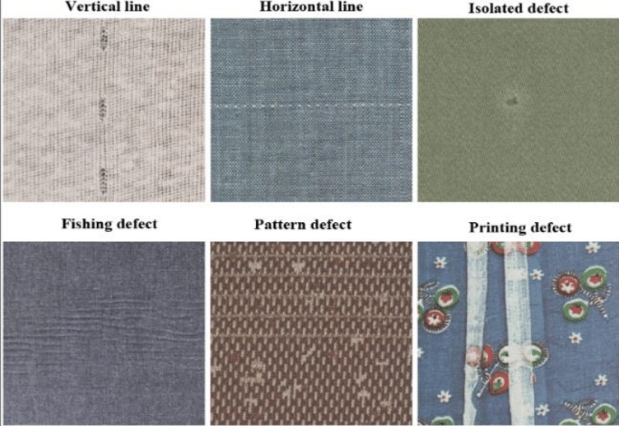
Importance of Surface Inspection in Printed Materials:
Quality Assurance:
Detects and rectifies defects like misprints, color inconsistencies, and registration errors, maintaining high-quality standards crucial for customer satisfaction and brand reputation.
Compliance and Consistency:
Ensures adherence to regulatory requirements and brand consistency across batches, especially vital in packaging and labeling industries.
Waste Minimization:
Early defect detection minimizes material waste and rework, reducing production downtime and cost overruns associated with remanufacturing.
Preventing Defective Products:
Prevents distribution of defective products, averting customer complaints, returns, and damage to brand reputation.
Optimizing Production Efficiency:
Provides real-time feedback to operators, allowing for immediate adjustments and corrections, thereby optimizing production efficiency.
Ensuring Print Accuracy:
Verifies print accuracy, readability, and alignment, essential for maintaining visual appeal and usability of printed materials.
Security and Authenticity:
Helps ensure authenticity and integrity of printed security features, crucial in security printing applications.
Customer Satisfaction:
Contributes to positive customer experiences by delivering high-quality printed materials that meet or exceed expectations.
Techniques and Technologies Used in Surface Inspection of Printed Materials:
Automated Optical Inspection (AOI):
Automated printing quality inspection system utilizes high-resolution cameras and advanced image processing algorithms for high-speed defect detection, commonly used in packaging, labels, newspapers, and commercial printing.

Spectrophotometry:
Measures color accuracy and consistency by analyzing spectral characteristics, ensuring compliance with color standards across batches.
3D Surface Profiling:
Employs laser or optical sensors to create detailed three-dimensional maps of printed surfaces, detecting defects such as embossing errors and print thickness variations.
Artificial Intelligence (AI) and Machine Learning:
Utilizes machine learning algorithms to analyze images and recognize defect patterns, enhancing defect detection accuracy and efficiency.
Real-time Monitoring and Control:
Provides real-time feedback during printing, enabling proactive quality control measures and minimizing production downtime.
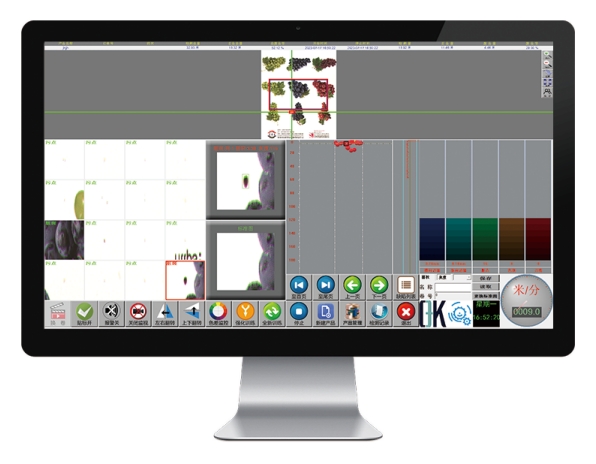
Applications of Surface Inspection in Printed Materials:
Packaging Industry:
Quality control, barcodes and labels verification.
Labeling and Branding:
Brand consistency, security features verification.
Publishing and Printing:
Print quality, color consistency verification.
Commercial Printing:
Marketing collaterals, proofing and prototyping.
Security Printing:
Currency and identification documents, secure labels and packaging.
Conclusion:
Surface inspection is indispensable in ensuring the quality and integrity of printed materials across various industries. Advancements in inspection technologies have significantly improved efficiency and accuracy, enabling early defect detection and rectification. By minimizing waste, optimizing production efficiency, and maintaining customer satisfaction, surface inspection systems play a pivotal role in enhancing the overall quality control process in the printing industry.
Benchtop centrifuges are indispensable tools in laboratories across various scientific and medical fields. These compact instruments utilize centrifugal force to separate substances of different densities within a sample, enabling a wide range of applications from cell culture to clinical diagnostics. In this comprehensive guide, we delve into the types, principles, applications, and pros & cons of benchtop centrifuges, shedding light on their significance in modern research and industry.
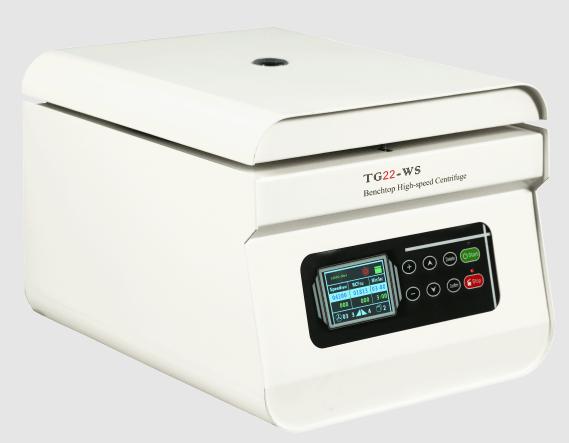
Types of Benchtop Centrifuges:
Fixed-angle centrifuge: Ideal for pelleting or separating dense particles, with a fixed rotor angle of approximately 45 degrees.
Swing-out centrifuge: Features a rotor that swings outward during operation, suitable for separating components with varying densities or collecting samples from tube bottoms.
Microcentrifuge: Compact units designed for small volume samples in microcentrifuge tubes, commonly used in molecular biology and biochemistry.
Refrigerated benchtop centrifuge: Equipped with cooling systems to maintain low temperatures during operation, crucial for temperature-sensitive samples.
High-speed benchtop centrifuge: Designed to achieve very high rotational speeds, above 10,000 rpm, for efficient separation and pelleting.
Principle of Benchtop Centrifuges:
Benchtop centrifuges utilize centrifugal force generated by high-speed rotation to separate and sediment particles in a sample. Heavier particles migrate outward, while lighter components remain closer to the center, enabling isolation and analysis.
Parts of Benchtop Centrifuges:
Rotor: Holds sample tubes or containers and rotates at high speeds.
Motor: Drives rotor rotation and controls speed and duration.
Control Panel: Allows setting and adjustment of parameters like speed, time, and temperature.
Lid and Safety Features: Ensures safe operation with lid-locking mechanisms and rotor imbalance detection.
Display: Provides real-time information on centrifuge parameters.
Centrifuge Tubes or Carriers: Hold samples during centrifugation.
Cooling System (in refrigerated centrifuges): Maintains low temperatures for sensitive samples.

Applications of Benchtop Centrifuges:
Cell and Tissue Culture
Clinical Diagnostics
Molecular Biology and Genetics
Microbiology
Biochemistry and Proteomics
Pharmaceutical Research
Environmental Science
Quality Control and Industrial Applications
Pros & Cons of Benchtop Centrifuges:
Pros:
Compact and Portable
Cost-effective
Versatile
Fast Operation
Ease of Use

Cons:
Limited Capacity
Lower Maximum Speed
Lack of Advanced Features
Noise and Vibrations
Limited Cooling Options
Conclusion:
Benchtop centrifuges are versatile and essential tools in laboratory settings, enabling a wide array of research and diagnostic applications. Understanding their types, principles, applications, and pros & cons is crucial for maximizing their utility while addressing potential limitations. As technology advances, benchtop centrifuges continue to evolve, offering enhanced performance and capabilities to meet the ever-changing demands of modern science and industry.
Ensuring the quality and reliability of coated screws is paramount across various industries and applications. Coating not only enhances their appearance but also shields against corrosion, bolstering durability. To guarantee adherence to desired standards, rigorous inspection methods are indispensable. Here's a detailed exploration of these methods:
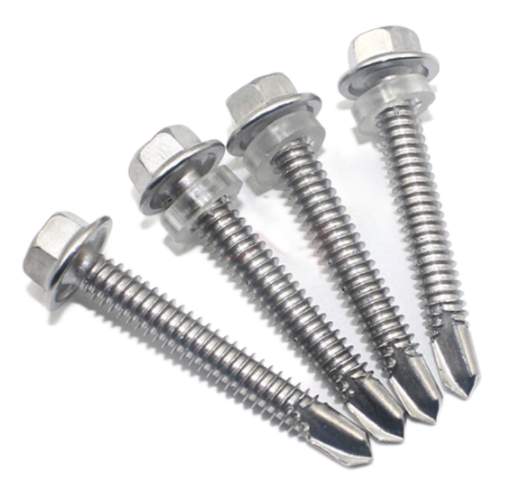
Cosmetic Inspection:
A visual assessment ensures even coating distribution without irregularities like bubbles or discoloration. This sustains aesthetic appeal and assures consistent quality.
Coating Thickness Inspection:
Measuring Tool Method: Utilizes precision tools like micrometers to gauge coating thickness.
Magnetic Method: Employs magnetic induction to measure non-magnetic coating thickness on ferrous substrates.
Microscopy: Examines screws under a microscope for precise measurement, especially useful for thin coatings.
Chronometric Flow Method: Utilizes a stopwatch to measure coating material flow time, correlating with thickness.

Adhesion Strength Inspection:
Friction Polishing Test: Subjects screws to friction against a hard surface to assess resistance to coating removal.
File Method Test: Uses a file to scrape coating surface, evaluating resistance to removal.
Scratch Method: Involves making a scratch to assess detachment; minimal or no detachment indicates strong adhesion.
Bending Test: Evaluates flexibility and adhesion by controlled bending; intact coating signifies good adhesion.
Thermal Shock Test: Exposes screws to rapid temperature changes to assess adhesion; minimal coating damage indicates strong adhesion.
Squeeze Method: Applies pressure to assess adhesion; intact coating under pressure indicates good adhesion.
Corrosion Resistance Inspection:
Atmospheric Explosion Test: Exposes screws to corrosive atmosphere to simulate real-world conditions.
Neutral Salt Spray Test (NSS Test): Evaluates corrosion resistance by exposing screws to salt spray environment.
Acetate Spray Test (ASS Test) and Copper Accelerated Acetate Spray Test (CASS Test): Assess corrosion resistance under rigorous conditions.
Corrosion Paste Corrosion Test (CORR Test) and Solution Droplet Corrosion Test: Directly apply corrosive substances to assess corrosion.
Immersion Test, Inter-Immersion Corrosion Test, etc.: Immerse screws in corrosive solutions to simulate various environments.
In conclusion, these inspection methods ensure quality, reliability, and performance of coated screws. Establishing partnerships with reputable manufacturers is crucial. Through meticulous research, evaluation of track records, consideration of quality assurance, and assessing customer support, businesses can forge successful collaborations meeting industry demands.
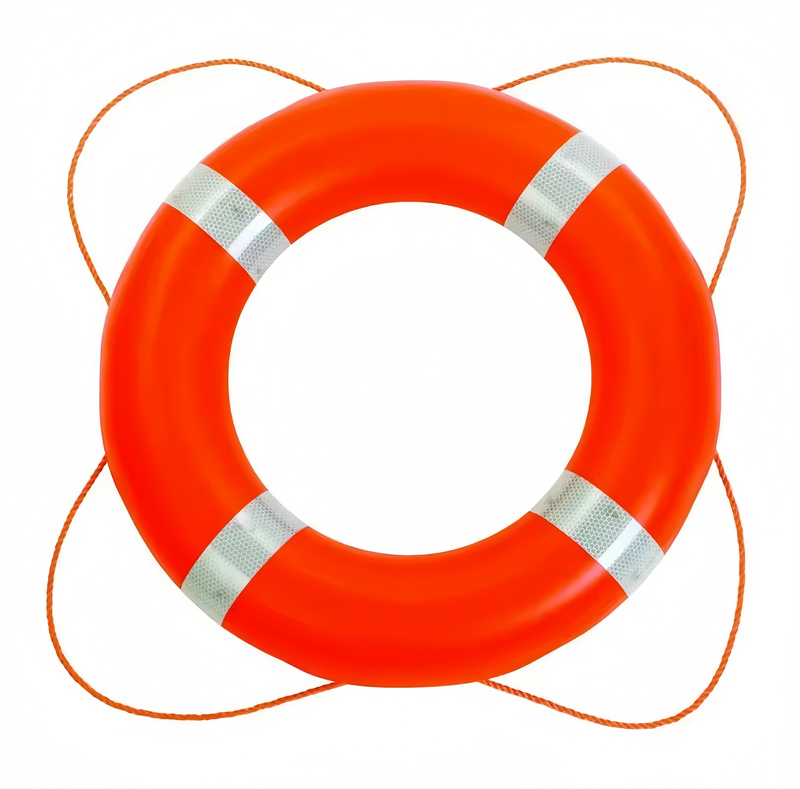
Maritime safety relies heavily on life-saving equipment designed to mitigate risks and ensure the safety of individuals navigating the waters. In this guide, we'll explore the various types of marine life-saving equipment and provide insight into selecting the appropriate gear for your specific needs.
Types of Marine Life-saving Equipment
Personal Flotation Devices (PFDs)
PFDs, such as life jackets or vests, offer reliable flotation without inflation, making them essential for water activities.
Inflatable vests provide a comfortable fit, while hybrid designs combine buoyancy with inflation convenience.

Life Rafts
Serve as floating sanctuaries in emergencies, providing shelter, buoyancy, and essential supplies.
Types include throw-overboard life rafts for smaller vessels, davit-launched rafts for commercial shipping, and helicopter-deployable rafts for swift aerial deployment.
Emergency Position Indicating Radio Beacons (EPIRBs) and Personal Locator Beacons (PLBs)
Transmit distress signals via satellite to aid search and rescue authorities during emergencies.
Equipped with GPS technology for accurate location determination, even in remote areas.
Fire Suppression Systems
Crucial for containing and extinguishing fires onboard vessels.
Include portable fire extinguishers, fixed firefighting systems, and automatic sprinkler systems.
First Aid Kits and Medical Equipment
Essential for addressing medical emergencies during maritime operations.
Stocked with bandages, antiseptics, medications, and medical instruments, with advanced equipment like defibrillators for comprehensive care.

Selecting the Right Type of Marine Life-saving Equipment: A Step-by-step Guide
Assess Your Needs
Consider vessel type, activities, and weather conditions to determine equipment requirements.
Understand Regulations
Familiarize yourself with maritime safety regulations and ensure selected equipment meets or exceeds standards.
Identify Essential Equipment
Determine appropriate PFDs, life rafts, signaling devices, fire suppression systems, and medical equipment based on vessel size, crew capacity, and operational environment.
Consider Additional Safety Measures
Explore additional safety equipment like man-overboard recovery systems and emergency lighting.
Regular Maintenance and Inspection
Ensure all equipment is properly maintained and inspected according to guidelines and regulations of life-saving equipment manufacturer.
Stay Informed and Prepared
Stay updated on weather conditions, hazards, and emergency procedures relevant to your area of operation.
Conclusion
Selecting the right marine life-saving equipment is vital for ensuring safety at sea. By investing in high-quality gear, staying informed, and prioritizing preparedness, you can navigate waters confidently, equipped to handle emergencies effectively.
Coastal drilling and offshore drilling are often discussed interchangeably, yet they represent distinct methods of extracting hydrocarbon resources from beneath the seabed. Both are essential for meeting global energy needs, but they differ significantly in location, depth, and environmental impact. In this piece, we'll explore the disparities between coastal drilling and offshore drilling, shedding light on their complexities.

Definition of Coastal Drilling and Offshore Drilling
Coastal Drilling
Coastal drilling involves extracting oil or gas located beneath the seabed relatively close to the shoreline. Operations are conducted in shallower waters and may utilize structures fixed to the seabed, subject to specific environmental regulations.
Offshore Drilling
Offshore drilling, however, entails extracting oil or gas from reservoirs situated beneath the seabed, typically at a distance from the coastline. It includes shallow-water, deepwater, and ultra-deepwater drilling, employing floating or fixed platforms anchored to the seabed.
Key Differences Between Coastal Drilling and Offshore Drilling
Location
Coastal Drilling: Conducted near the shoreline or in shallow waters.
Offshore Drilling: Occurs at varying distances from the coastline, including shallow, deep, and ultra-deep waters.
Water Depth
Coastal Drilling: Typically in waters less than 200 meters deep.
Offshore Drilling: Can occur in shallow, deep, and ultra-deep waters, depending on the location.
Environmental Impact
Coastal Drilling: Immediate impact on nearshore environments, posing risks to coastal ecosystems and communities.
Offshore Drilling: May have a lower immediate impact but can still affect marine life and ecosystems, especially in the event of oil spills.
Logistical Complexity
Coastal Drilling: Generally less complex due to proximity to infrastructure on land.
Offshore Drilling: More complex, requiring specialized equipment and facing transportation challenges.
Regulations and Permitting
Coastal Drilling: Subject to specific regulations related to coastal activities.
Offshore Drilling: Governed by extensive regulations and international treaties, especially in deep waters.
Distance to Reserves
Coastal Drilling: Targets reservoirs relatively close to the shoreline.
Offshore Drilling: Targets reservoirs at varying distances from the coastline, necessitating specialized platforms.
Safety and Environmental Considerations
Coastal drilling poses immediate risks to populated areas and ecosystems, necessitating stringent safety protocols and regulatory oversight. Offshore drilling, while more remote, demands preparedness for technical challenges and environmental protection, as evidenced by events like the Deepwater Horizon disaster.
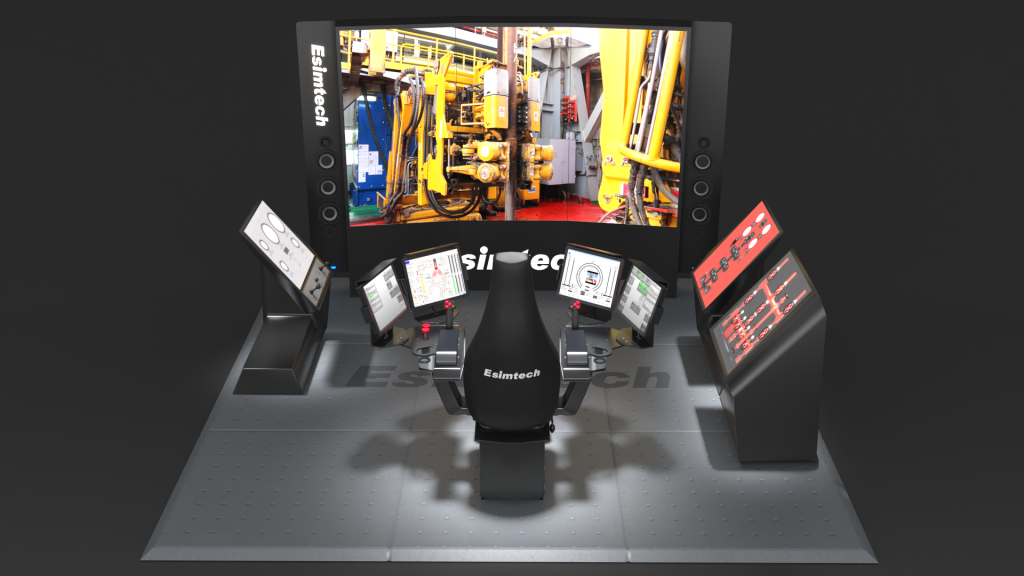
Esimtech provides cutting-edge oil and gas simulation tools designed to manage hazardous situations effectively. These innovative tools enable companies to simulate realistic scenarios, practice safety protocols, and train personnel without exposing them to the risks inherent in real-life exercises. By integrating this technology into safety plans, drilling operations can be made safer, and the overall safety performance of the industry can be significantly enhanced.
Conclusion
Coastal drilling and offshore drilling are distinct methods crucial for meeting global energy demands. Understanding their disparities is essential for implementing appropriate safety measures and environmental protections for each operation.