
The oil and gas industry operates within a complex network of equipment designed to extract, process, and transport hydrocarbons efficiently and safely. This article provides insight into the vital role of oil and gas equipment and emphasizes the applications of simulation technology within the industry.
Key Categories of Oil and Gas Equipment
Exploration and Drilling Equipment
The journey begins with exploration, where seismic sensors, geophysical instruments, and advanced imaging technologies locate potential reserves. Drilling equipment, including drill bits and mud pumps, is then deployed to tap into these reservoirs, showcasing engineering marvels capable of withstanding extreme conditions.
Production and Extraction
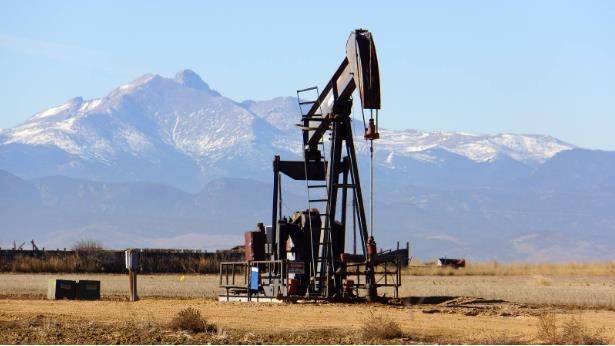
Following successful drilling, the production phase commences. Extraction equipment such as pumps, separators, and wellheads collaborate to bring hydrocarbons to the surface while ensuring safety and environmental protection.
Processing and Refining
Raw crude oil and natural gas undergo processing and refining to remove impurities and convert them into usable products. Equipment such as distillation towers and catalytic converters play crucial roles in this conversion process.
Transportation
Efficient and safe transportation of processed products is facilitated by pipelines, tankers, and railcars. Stringent safety and environmental standards are adhered to, mitigating the risk of accidents and oil spills.
Storage and Distribution
Storage tanks regulate the flow of oil and gas products, ensuring a steady supply to meet market demands. Distribution equipment, including loading racks and metering systems, facilitates the final leg of the journey to consumers.
Safety and Environmental Protection
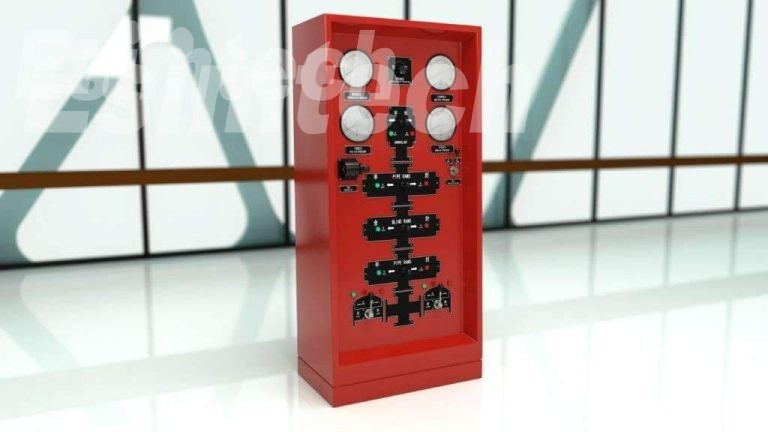
Blowout preventers, flame arrestors, and safety valves are deployed to prevent accidents and minimize equipment failures. Extensive monitoring systems detect potential issues, ensuring responsible industry operations.
The Vital Role of Simulation in Oil and Gas Equipment
Oil and gas simulation technology is indispensable in high-risk environments. Advantages of simulation include risk reduction, cost savings, efficiency improvement, environmental responsibility, knowledge transfer, and operational flexibility.

Conclusion
Oil and gas equipment is essential for meeting global energy demands. Simulation technology enhances industry operations, ensuring efficiency, safety, and environmental stewardship. As the industry evolves, simulation becomes increasingly vital in driving responsible and sustainable energy solutions.
High-performance batteries are increasingly sought after in electric vehicles, consumer electronics, and renewable energy storage, propelling the need for advanced manufacturing processes. Central to ensuring the quality and consistency of battery components are web guide systems. This article dives into the pivotal role web guide systems play in battery manufacturing, elucidating their functionalities and their contribution to crafting dependable, high-performance batteries.
Battery manufacturing entails intricate processes where precise alignment and tension control are paramount for producing top-notch battery components. Any deviation in alignment or tension can result in defects, compromised performance, and even safety hazards in the final product. Web guide systems mitigate these challenges by furnishing precise control over material positioning, alignment, and tension throughout the manufacturing journey, thereby ensuring uniformity and consistency.
Key Functions of Web Guide Systems in Battery Manufacturing:
Alignment and Positioning: Web guide systems ensure accurate alignment and positioning of battery materials, like electrode foils, separators, and electrolytes, as they progress through various manufacturing stages. This precision is indispensable for upholding uniformity and consistency in battery cell construction, thereby minimizing defects and optimizing battery performance.
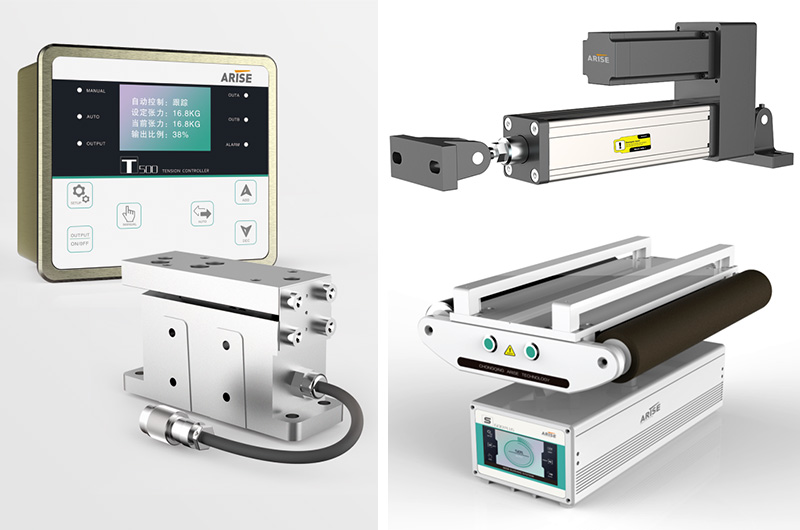
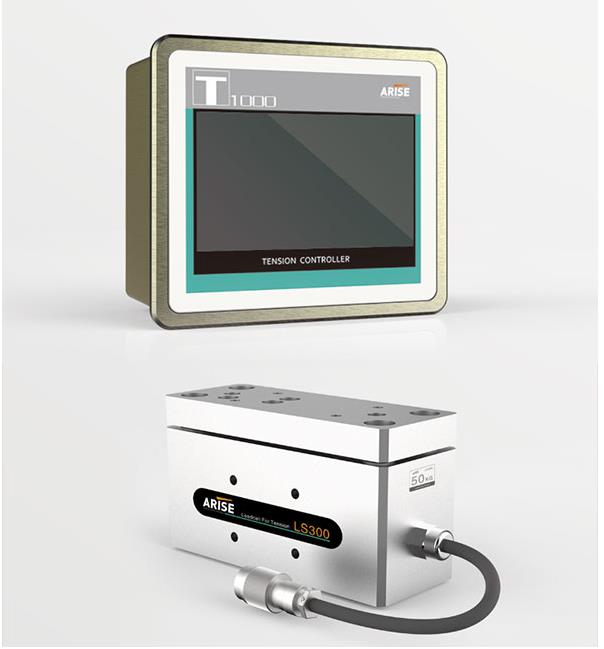
Tension Control: Precise tension control is imperative for averting wrinkles, creases, and tears in battery materials during processing. Web guide systems diligently monitor and adjust tension levels to ensure smooth and stable material movement, culminating in high-quality battery components boasting optimal mechanical properties.
Edge and Center Guiding: These systems can guide materials along their edges or centers, contingent on the manufacturing process's specific requirements. This flexibility affords precise control over material alignment and tracking, thereby curbing waste and maximizing efficiency.
Slitting and Cutting: Besides alignment and tension control, web guide systems can execute slitting and cutting operations to customize the widths and lengths of battery materials. This capability empowers manufacturers to tailor battery components to meet specific design and performance criteria, thereby enhancing product versatility and flexibility.
Material Handling and Tracking: Facilitating smooth and continuous material movement along the production line, web guide systems ensure efficient processing while minimizing downtime. By tracking material position and movement, these systems enable real-time adjustments and optimization of manufacturing parameters.
Advanced Features and Technologies in Web Guide Systems:
Innovations in web guide systems have transformed material handling and processing across various industries, including printing, packaging, and manufacturing, enhancing accuracy, efficiency, and reliability. Noteworthy advancements include:
High-Resolution Sensors: Cutting-edge sensors like ultrasonic sensors, line scan cameras, and laser sensors deliver precise measurement and detection of material position, alignment, and defects, even at high speeds and under challenging conditions.
Servo-Driven Actuators: These actuators provide precise and responsive control over web guiding movements, leveraging feedback mechanisms to adjust position, tension, and alignment in real-time, thus ensuring optimal performance and minimal errors.
Closed-Loop Control Systems: Continuously monitoring sensor feedback, these systems automatically adjust to maintain desired web alignment and tension, employing feedback control algorithms to optimize performance and ensure consistent and reliable operation.
Integration with Automation Systems: Seamless integration with automation systems such as PLCs and SCADA systems enables centralized control, real-time monitoring, and data logging, thereby enhancing efficiency and productivity.
Web Inspection and Defect Detection: Some advanced systems integrate web inspection and defect detection capabilities, leveraging web inspection vision systems to identify defects like wrinkles, tears, or misalignment, facilitating immediate corrective action and reducing waste.

Remote Monitoring and Diagnostics: Equipped with remote monitoring and diagnostics capabilities, these systems allow operators to oversee system performance and troubleshoot issues from a remote location, enabling proactive maintenance and minimizing downtime.
Adaptive Control Algorithms: These algorithms continuously adapt system parameters based on changing operating conditions, optimizing performance and minimizing errors, thereby ensuring consistent operation under varying conditions.
Safety Features: Incorporating built-in safety features such as overload protection and emergency stop mechanisms, advanced web guide systems prioritize safe operation, safeguarding equipment and personnel from potential hazards.
Data Logging and Analytics: These systems collect and analyze data on material position, tension, and alignment over time, furnishing valuable insights into system performance, identifying trends, and optimizing operating parameters for enhanced efficiency and productivity.
In Conclusion:
By furnishing accurate alignment, tension control, and material handling capabilities, web guide systems play a pivotal role in producing high-quality batteries boasting superior performance and safety characteristics. As the demand for advanced batteries continues to surge, the significance of web guide systems in battery manufacturing will only intensify, fostering further innovation and optimization in this indispensable industry.
FTIR (Fourier Transform Infrared) spectrophotometers represent potent analytical instruments utilized across scientific and industrial realms, furnishing invaluable insights into diverse materials' composition, structure, and properties. This comprehensive discourse embarks on unraveling the operational framework of FTIR spectrophotometers, scrutinizing their cost dynamics, and providing a meticulous guide for selecting the most apt instrument.

Understanding FTIR Spectrophotometers:
FTIR spectrophotometers emerge as sophisticated apparatuses instrumental in dissecting materials' composition and attributes via infrared radiation absorption measurements. They have seamlessly integrated into various scientific domains encompassing chemistry, materials science, pharmaceuticals, environmental science, and forensic analysis. A profound comprehension of FTIR spectrophotometers' operational paradigm is indispensable for effectively harnessing their prowess.
Operational Mechanisms of FTIR Spectrophotometers:
This segment delves into elucidating the foundational principles underpinning FTIR spectrophotometry, encapsulating Fourier Transform Infrared spectroscopy, interferometry, and the intricacies of sample analysis and data processing. Key terminologies like absorption, transmittance, and wavenumber are meticulously expounded upon.
Fourier Transform Infrared Spectroscopy:
The nucleus of FTIR spectrophotometers lies in Fourier Transform Infrared spectroscopy, a technique leveraging the unique interaction between infrared radiation and matter to unearth crucial insights into a sample's chemical composition and molecular structure. Upon exposure to infrared radiation, specific chemical bonds within molecules absorb energy at distinctive frequencies, engendering the generation of an absorption spectrum.

Interferometry and Fourier Transform:
Interferometry assumes a pivotal role in FTIR spectrophotometers for procuring high-resolution spectral data. This entails splitting incoming infrared radiation via a beam splitter into two trajectories - a reference beam and a sample beam. While the sample beam traverses through the specimen, the reference beam circumvents it. Subsequently, the amalgamation of these beams engenders an interference pattern termed an interferogram. Through an apparatus termed an interferometer, the interferogram undergoes Fourier Transform, transitioning from the time domain to the frequency domain, ultimately materializing as a spectrum illustrating infrared radiation absorption by the sample across wavelength or wavenumber.
Sample Analysis and Data Processing:
Following Fourier Transform, the ensuing spectrum delineates infrared absorption intensity against wavenumber. This spectrum harbors peaks corresponding to specific molecular vibrations within the sample. By juxtaposing these peaks with reference spectra or leveraging spectral databases, researchers discern the sample's functional groups, deducing its chemical composition. Data processing techniques like baseline correction, noise reduction, and spectral subtraction are routinely employed to augment the quality and accuracy of FTIR spectra. Advanced data analysis methodologies including peak fitting, spectral deconvolution, and multivariate analysis unravel deeper insights into complex samples. The resultant spectral data, visualized via plots, graphs, or tables, facilitate both qualitative and quantitative analyses, facilitated by a plethora of software packages tailored for processing, analyzing, and interpreting FTIR spectra.
A profound understanding of FTIR spectrophotometers' operational dynamics lays a sturdy foundation for their efficacious utilization across a gamut of applications. Subsequent sections delve into the cost considerations of FTIR spectrophotometers, coupled with a detailed analysis of the Nicolet FTIR spectrophotometer.
Pop rivets, also known as blind rivets, stand as versatile fasteners widely employed across various industries for their ease of installation and dependable performance in joining diverse materials. Understanding the applications and characteristics of different types of pop rivets is imperative for selecting the optimal fastening solution tailored to specific needs.

Applications and Types of Pop Rivets
Dome Head Rivets: These rivets boast a rounded, domed head, offering a tidy and polished appearance. Ideal for joining metal, plastic, or composite materials in applications such as automotive, construction, and fabrication projects.
Countersunk Head Rivets: Featuring a flat head that sits flush with the material surface upon installation, these rivets are favored in sheet metal applications where a seamless finish is essential. Commonly utilized in automotive body panels, aircraft panels, and interior design elements.
Large Flange Rivets: Characterized by a larger flange or head diameter, these rivets offer an increased load-bearing surface area, enhancing grip range and pull-through resistance. Widely deployed in structural steel, heavy machinery, and equipment assembly.
Multi-Grip Rivets: Tailored to accommodate a range of material thicknesses, these rivets feature multiple grooves along the rivet body, effectively gripping varying thicknesses. Ideal for applications such as HVAC systems, enclosures, and appliances where material thicknesses may vary.
Peel Rivets: Designed for single-sided joint access, these rivets feature a mandrel that splits into several legs upon pulling, creating a wide grip on the material. Frequently utilized in assembly of plastic components, electrical enclosures, and signage.
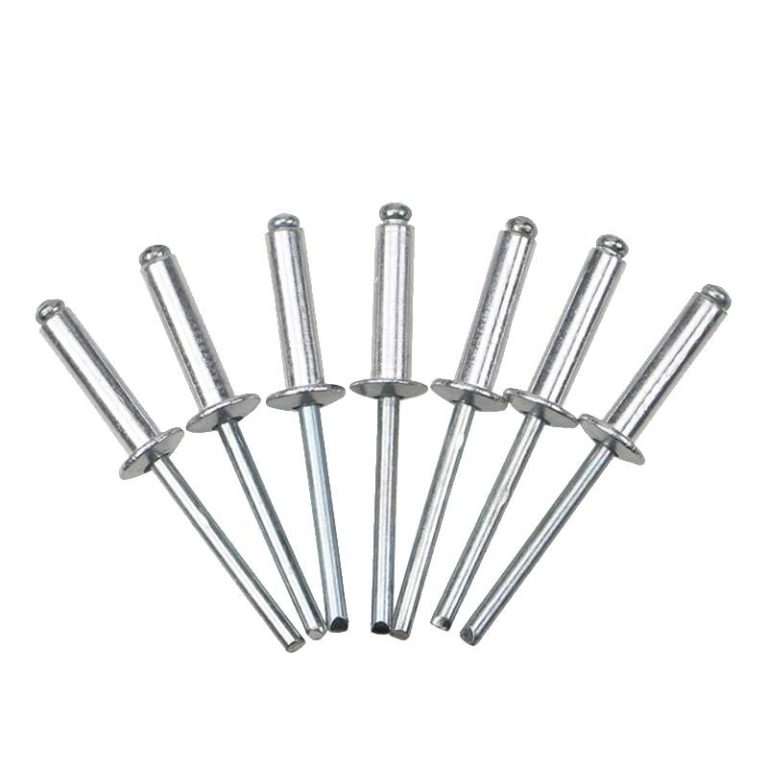
How Pop Rivets Can Be Used to Join Different Materials
Joining Metal: Drill holes through the metal pieces to be joined, insert the rivet from one side, place the rivet body against the surface, and use a rivet tool to pull the mandrel through, creating a secure joint.
Joining Plastic: Use plastic-friendly pop rivets with larger flanges or broader load-bearing surfaces to distribute the load evenly. Employ lower installation forces or slower pull speeds to minimize stress on the plastic.
Joining Composite Materials: Drill holes through the composite layers, insert the rivets, and install as with metal. Take care to prevent delamination or splintering by using appropriate drill bits and following guidelines of the pop rivet manufacturer.
Conclusion
In summary, pop rivets offer a versatile and reliable solution for joining different materials across various industries. Understanding the diverse types of pop rivets available, their applications, and the proper installation techniques is essential for achieving secure and dependable joints. For optimal results, always choose a reputable rivet manufacturer and adhere to recommended guidelines during installation.
Offshore oil rig work presents a unique blend of financial rewards and challenges, underscored by the need to navigate a remote and demanding environment. This article provides a comprehensive exploration of the multifaceted risks associated with offshore oil rig employment and outlines strategies to effectively manage and mitigate these challenges.

Main Risks of Offshore Oil Rig Work
1. Environmental Challenges:
Offshore oil rigs operate in harsh and unpredictable environments, subjecting workers to extreme weather conditions and slippery surfaces.
The risk of falling overboard due to challenging sea conditions necessitates strict adherence to safety protocols and personal protective equipment.
2. Health and Safety Hazards:
The complex machinery, high-pressure systems, and handling of flammable materials pose various health and safety risks, including slips, trips, falls, and more severe threats like oil explosions and chemical exposure.
Rig employees undergo rigorous training to adhere to strict safety protocols and utilize personal protective equipment effectively.
3. Emergency Situations:
Offshore oil rigs are equipped with safety measures and emergency response plans to address contingencies, though isolation challenges may hinder prompt responses to critical incidents.
Workers must be well-versed in emergency procedures, evacuation protocols, and the use of safety equipment.
4. Limited Medical Facilities:
While offshore rigs have medical facilities and trained personnel, the distance from comprehensive medical care poses challenges in cases of severe injuries or illnesses.
Remote locations may impede timely access to advanced medical facilities, potentially impacting the outcome of medical emergencies.
5. Transportation Risks:
Transporting workers via helicopters or boats carries inherent risks, including accidents during take-off and landing and challenges posed by rough seas.
Rig workers undergo specialized training to mitigate transportation risks and ensure safe travel to and from offshore platforms.

Safety Measures for Offshore Oil Rig Work
To mitigate risks and ensure the safety of workers, offshore oil rig operations implement a range of safety measures, including:
Personal Protective Equipment (PPE) such as hard hats, safety glasses, ear protection, flame-resistant clothing, and steel-toed boots.
Fall prevention measures including guardrails, safety nets, and fall arrest systems.
Well-defined emergency response plans, regular drills, and training for all personnel.
Fire safety protocols including fire-resistant materials, firefighting equipment, and regular fire drills.
Confined space entry protocols, hazardous materials handling procedures, and safe lifting and handling practices.
Regular maintenance and inspection of tools and equipment, along with proper usage and storage procedures.
Simulation Technology in Offshore Oil Rig Operations
Oil and gas simulation technology plays a crucial role in enhancing safety, efficiency, and environmental protection in offshore rig operations by:

Providing a controlled environment for training and skill development without exposure to real risks.
Improving operational efficiency through hands-on experience with complex equipment and procedures.
Supporting environmental protection efforts through oil spill response training and environmental monitoring simulations.
Facilitating cost reduction, technology integration, research and development, risk assessment, and operational flexibility.
Conclusion
While working on an offshore oil rig presents inherent risks, rigorous safety measures, ongoing training, and a commitment to continuous improvement are paramount to mitigating these challenges. The oil industry recognizes the importance of prioritizing safety and sustainability to protect the well-being of its workforce and the environment, ensuring a safer and more efficient future for offshore oil rig work.