
Flange bolts stand as indispensable components across various industries, offering secure and dependable connections crucial for myriad applications. From flange head bolts to hex flange bolts, these fasteners come in diverse types tailored to specific needs. This article delves into the materials utilized in flange bolts, their durability, and their wide-ranging applications across industries.
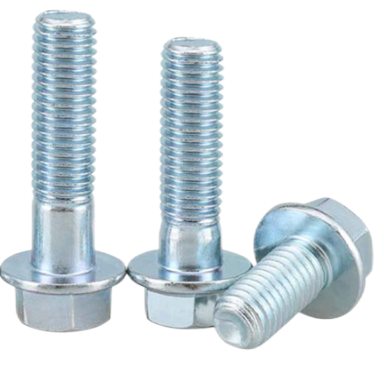
Materials Utilized in Flange Bolts
Flange bolts are crafted from an array of materials, each boasting distinct properties and advantages:
Steel: Renowned for its strength and cost-effectiveness, steel is a popular choice for flange bolts, offering reliability across many applications.
Stainless Steel: With exceptional corrosion resistance, stainless steel flange bolts excel in harsh environments, maintaining both strength and appearance over time. Grades like 304 and 316 cater to various corrosion challenges.
Alloy Steel: Alloy steel flange bolts elevate strength and durability, often heat-treated to meet stringent requirements in high-stress applications.
Titanium: Titanium flange bolts boast an unparalleled strength-to-weight ratio, ideal for aerospace and other industries requiring lightweight yet robust fasteners.
Brass: Primarily valued for electrical conductivity, brass flange bolts find their niche in electrical and electronic equipment, offering moderate strength alongside conductivity.

Lifetime and Durability of Flange Bolts
Several factors influence the longevity and durability of flange bolts, including:
Material Strength and Fatigue Resistance: Proper material selection ensures bolts can withstand cyclic loading without failure.
Corrosion Protection Measures: Coatings and platings like zinc plating, galvanizing, and organic coatings enhance corrosion resistance, critical for longevity.
Proper Installation and Torquing: Correct installation practices, including precise torque application, are vital to prevent loosening and maintain connection integrity.
Maintenance and Inspection Practices: Regular inspection helps identify wear, damage, or loose connections, ensuring timely replacements to uphold system integrity.
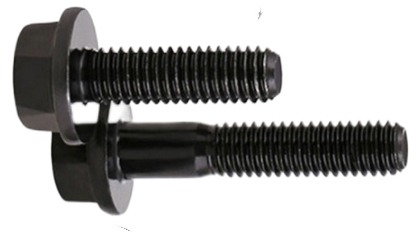
Corrosion Protection for Flange Bolts
Corrosion resistance is paramount for flange bolts, especially in corrosive environments:
Importance of Corrosion Resistance: Corrosion weakens bolts and compromises structural integrity, necessitating effective protection measures.
Coating and Plating Options: Zinc plating, galvanizing, organic coatings, electroless nickel plating, and specialized coatings offer varied levels of corrosion protection.
Stainless Steel as a Corrosion-Resistant Material: Stainless steel, available in grades like 304 and 316, stands out for its inherent corrosion resistance, making it a top choice for flange bolts.
Conclusion
Flange bolts play a pivotal role in diverse industries, offering secure and reliable connections vital for operational success. Material selection, corrosion protection measures, and adherence to maintenance practices are key factors for flange bolts for flange bolts influencing their longevity and reliability. With proper consideration of materials, effective corrosion protection, and diligent maintenance, the durability and integrity of flange bolts can be ensured across a wide spectrum of applications.
Vertical drilling stands as the bedrock method for tapping into the vast reservoirs of hydrocarbons buried beneath the Earth's surface, marking a crucial stage in the quest for energy resources. Often referred to as "vertical well drilling," this technique involves piercing the Earth's crust vertically, providing access to lucrative oil and natural gas deposits. In this comprehensive overview, we'll delve into the principles, key techniques, applications, and the pivotal role of simulation technology in vertical drilling operations within the oil and gas sector.

Principles of Vertical Drilling
Direct Descent: As the name suggests, vertical drilling entails creating a wellbore that descends straight into the ground, perpendicular to the surface. This contrasts with directional drilling, where the trajectory may deviate to reach specific targets.
Drilling Rig: Central to vertical drilling is the drilling rig, a sophisticated piece of equipment engineered to bore through various subterranean materials. Equipped with a drilling bit, drill pipe, and essential tools, the drilling rig facilitates the drilling process with precision and efficiency.
Mud Circulation: Specialized drilling fluid, known as "mud," is crucial in vertical drilling. It serves multiple functions, including cooling and lubricating the drill bit, stabilizing the wellbore, and transporting cuttings to the surface for analysis.
Key Techniques in Vertical Drilling
Spudding: This initial step involves using a specialized spud bit to drill a shallow starting hole or "spud" at the surface, ensuring stability for subsequent drilling operations.
Rotary Drilling: The most common technique, rotary drilling employs a spinning drill bit attached to a drill pipe. As the bit cuts into the subsurface material, circulating drilling fluid ("drilling mud") transports cuttings to the surface, making it effective across various geological formations.

Percussion Drilling: Also known as cable tool drilling, this method involves repeatedly raising and dropping a heavy chisel-like bit to break rock formations. Although less prevalent, it finds application in drilling through hard rock.
Air Rotary Drilling: Compressed air is utilized to remove cuttings and cool the drill bit in this technique, particularly effective in unconsolidated or loosely consolidated formations like sands and gravels.
Coring: This method involves taking a cylindrical core sample from the subsurface, providing crucial geological information for mineral exploration, environmental assessment, and geotechnical studies.
Reverse Circulation Drilling, Auger Drilling, Diamond Drilling, Direct Push Drilling, and Geothermal Drilling: These techniques cater to specific drilling needs, from obtaining large-diameter core samples to minimal disturbance drilling in environmental and geotechnical applications.
Applications of Vertical Drilling in the Oil and Gas Industry
Exploration and Production: Vertical drilling serves as the primary method for accessing deep hydrocarbon sources, laying the groundwork for subsequent extraction operations.
Reservoir Characterization: Crucial in understanding oil and gas reserves, vertical drilling provides insights into the composition, porosity, and permeability of subsurface strata, aiding in reservoir assessment.
Workover Operations: Vertical drilling plays a role in maintaining, repairing, or enhancing existing wells, allowing access to different reservoir zones and stimulating production.
Secondary and Tertiary Recovery: Employed in enhanced oil recovery methods, vertical drilling facilitates the introduction of fluids into reservoirs to maximize hydrocarbon recovery.
The Significance of Simulation Technology in Vertical Drilling
Simulation technology replicates real-world drilling scenarios in a virtual environment, offering invaluable benefits:
Risk Mitigation: Detect potential obstacles and hazards associated with drilling operations, allowing engineers to devise mitigation techniques and reduce the likelihood of setbacks.
Optimized Drilling Parameters: Fine-tune drilling parameters to maximize penetration rates while minimizing equipment wear and tear, leading to cost savings and enhanced efficiency.
Training and Skill Development: Provide a safe environment for drillers and engineers to develop their skills and gain hands-on experience before operating real drilling rigs, improving safety and reducing the learning curve.
Wellbore Stability Analysis: Predict potential wellbore instability issues and design solutions to prevent them, ensuring safe and successful drilling operations.
Economic Feasibility: Assess the economic viability of drilling projects by modeling different scenarios, aiding in decision-making and resource allocation.

Conclusion
Vertical drilling remains a cornerstone technology in the oil and gas industry, enabling access to vital energy resources buried deep beneath the Earth's surface. The integration of simulation technology enhances drilling operations, making them more efficient, cost-effective, and environmentally responsible. As technology continues to evolve, the role of vertical drilling, coupled with simulation advancements, will remain indispensable in meeting global energy demands while ensuring sustainable resource utilization for generations to come.
In industries spanning printing, packaging, textiles, and manufacturing, the presence of defects in materials poses not only financial losses but also reputational risks. Enter web inspection systems, pivotal tools dedicated to identifying defects in continuous materials like paper, textiles, and films. Among the most groundbreaking advancements in these systems is the integration of automated defect detection, heralding improvements in accuracy, efficiency, and overall production quality.

Understanding Web Inspection Systems:
Web inspection systems serve as specialized machinery deployed to scrutinize continuous materials, or "webs," for defects during manufacturing processes. These flaws can range from minor imperfections to critical errors rendering the product unfit for use. Traditionally, visual inspections by operators were the norm, but this method is susceptible to human fatigue and subjectivity, proving inefficient for high-speed production lines. Enter web inspection systems, armed with various technologies like cameras, sensors, and image processing algorithms, capable of accurately and swiftly detecting defects.
Automated Defect Detection: A Game-Changing Innovation
Automated defect detection marks a monumental stride forward in quality assurance within web inspection systems. Harnessing the prowess of artificial intelligence, machine learning, and computer vision, these systems swiftly and accurately identify defects in real-time, curtailing production downtime and waste.
Benefits of Automated Defect Detection in Web Inspection Systems:
Improved Accuracy: Automated defect detection systems utilize advanced algorithms and machine learning techniques to pinpoint defects with unparalleled precision. This precision ensures the detection of even the most minor imperfections, often overlooked by human inspectors, leading to the production of higher-quality goods.
Enhanced Efficiency: Unlike manual inspection methods, which are labor-intensive and time-consuming, automated defect detection systems can inspect materials at high speeds without compromising accuracy. This capability enables manufacturers to maintain efficient production rates and meet stringent deadlines while upholding rigorous quality standards.
Consistency: Automated systems offer consistent performance over extended durations, eliminating the variability inherent in human inspectors. This consistency guarantees uniform quality across all production batches, mitigating the risk of defects slipping through the cracks and reaching consumers.
Cost Savings: Early detection of defects in the production process translates to reduced waste, rework, and scrap costs. Moreover, preventing defective products from entering the market minimizes the potential for expensive recalls, warranty claims, and damage to brand reputation.
Real-time Monitoring: Automated defect detection systems provide real-time feedback on material quality, empowering manufacturers to promptly identify and rectify issues. This proactive approach averts defects from snowballing into larger problems, thereby minimizing production downtime and maximizing yield.
Data Insights: These systems generate invaluable data insights that can be leveraged to optimize production processes and bolster overall quality. By analyzing patterns and trends in defect occurrence, manufacturers can pinpoint areas for improvement, refine product designs, and enhance manufacturing practices.
Adaptability: Automated defect detection systems boast easy configurability and adaptability to accommodate diverse materials, production environments, and inspection requirements. This flexibility ensures effective defect detection across a broad spectrum of products and applications without necessitating extensive reprogramming or reconfiguration.
Technologies Underpinning Automated Defect Detection in Web Inspection Systems:
Automated defect detection relies on a synergy of cutting-edge technologies to accurately identify and analyze defects in continuous materials:
Machine Vision: Cameras, sensors, and optics capture high-resolution images or videos of the material under inspection, which are then processed using specialized software algorithms to detect defects like surface irregularities and color variations.

Artificial Intelligence (AI) and Machine Learning: AI algorithms, particularly those underpinned by machine learning techniques such as neural networks, analyze vast datasets containing examples of defects and non-defective materials to recognize patterns and anomalies indicative of defects.
Deep Learning: Deep neural networks, a subset of machine learning, automatically extract features from images and learn hierarchical representations of defects, enabling the detection of defects with exceptional accuracy across diverse materials and production environments.
Image Processing Algorithm: These algorithms extract relevant information from captured images, enhancing defect visibility by isolating defects from background noise or variations in lighting conditions.
Sensor Integration: In addition to visual inspection, web inspection systems may incorporate various sensors to detect defects based on physical properties like thickness, color, or chemical composition, enhancing defect detection capabilities.
Data Fusion: Data fusion techniques integrate information from multiple sensors and sources to improve defect detection reliability and accuracy, overcoming limitations associated with individual sensing modalities.
Connectivity and Integration: Modern web inspection systems feature connectivity features facilitating seamless integration with other manufacturing equipment and enterprise systems, enhancing workflow automation and decision support.
Challenges and Solutions in Automated Defect Detection:
Variability in Defect Types: Diverse printing processes and materials yield a broad spectrum of defect types and characteristics, necessitating the development of universal detection algorithms.
High-Speed Inspection Requirements: Web printing processes operate at high speeds, demanding defect detection algorithms capable of swift and accurate processing.
Complex Backgrounds and Patterns: Complex backgrounds and patterns in printed materials can confound defect detection, requiring advanced image processing techniques to distinguish defects from background noise.
Variations in Lighting and Contrast: Inconsistent lighting conditions and contrast across the web can obscure defect visibility, necessitating adaptive imaging techniques to enhance defect detection.
Large Data Volumes and Storage: Web inspection systems generate vast amounts of image data, posing challenges for data storage, management, and processing.
Defect Classification and Prioritization: Not all detected defects are equally critical, necessitating the development of classification algorithms to prioritize defects based on severity and impact.
Integration with Production Workflow: Seamless integration into existing production workflows and control systems is vital for real-time defect detection and process optimization.

In Conclusion:
Automated defect detection stands as a revolutionary force in quality control across manufacturing industries reliant on continuous materials, empowering manufacturers to deliver products of unparalleled quality and reliability. As the industry embraces automation and digitalization, automated defect detection will play an increasingly vital role in ensuring excellence across all facets of manufacturing.
Laboratory centrifuges stand as indispensable tools in scientific and medical laboratories worldwide, facilitating the separation of substances based on density or particle size within sample mixtures. Harnessing the power of centrifugal force, these devices swiftly spin sample, causing heavier components to migrate towards the outer edges while lighter substances collect at the center. This segregation paves the way for further analysis and study of isolated components, making centrifuges a cornerstone in a myriad of applications across various fields. Here, we delve into the common applications, proper installation, and safe operation of laboratory centrifuges.

Common Applications of Laboratory Centrifuges:
Laboratory centrifuges find extensive utility in scientific and medical research, offering a wide array of applications:
Blood Component Separation: In clinical settings, centrifuges are pivotal for separating red blood cells, white blood cells, and plasma, enabling crucial diagnostic procedures such as blood cell counting, plasma protein analysis, and blood typing.
DNA and RNA Research: Centrifuges play a critical role in DNA and RNA extraction, purification, and isolation, aiding in the separation of nucleic acids from other cellular components for subsequent analysis and study.
Cell Culture and Microbiology: These devices are instrumental in cell culture laboratories, facilitating the separation of cells from growth media, the harvest of cell pellets, and the isolation of subcellular components. Moreover, in microbiology, centrifuges are employed to concentrate microbial cells or segregate different types of microorganisms.
Protein Purification: Centrifugation techniques are indispensable for separating proteins from cell lysates or other mixtures, enabling the purification and analysis of specific proteins crucial for biochemistry and biotechnology research.
Environmental Analysis: Centrifuges play a vital role in environmental analysis, aiding in the separation and concentration of target analytes from environmental samples such as soil, water, and air, thereby facilitating their further characterization and measurement.
Pharmaceutical Research and Development: In pharmaceutical research, centrifuges are employed for the separation and purification of active pharmaceutical ingredients (APIs) and for studying pharmaceutics formulations.
Industrial Applications: Centrifugation finds applications across various industries, including food and beverage, oil and gas, chemical engineering, and wastewater treatment, where it is utilized for separation, clarification, and purification processes.
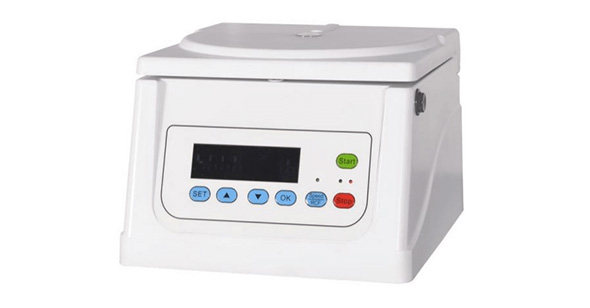
Proper Installation of Laboratory Centrifuges:
Proper installation of laboratory centrifuges is paramount to ensuring their safe and effective operation. Here are some general guidelines:
Location: Select a suitable location for the centrifuge that meets recommended environmental conditions, ensuring adequate ventilation, stability, and minimal exposure to vibrations or temperature fluctuations.
Power Supply: Verify that the power supply meets the electrical requirements of the centrifuge, utilizing a grounded electrical outlet and avoiding the use of extension cords or power strips whenever possible.
Leveling: Place the centrifuge on a stable and level surface, utilizing a spirit level to ensure proper balance and minimize vibrations during operation.
Clearance: Provide sufficient clearance around the centrifuge for ventilation and maintenance access, adhering to the manufacturer's recommendations regarding minimum clearance distances.
Rotor Installation: Install the appropriate rotor and any necessary adapters or buckets according to the centrifuge's specifications, ensuring secure seating and proper balance.
Lid and Safety Precautions: Attach and secure the lid or cover of the centrifuge properly, ensuring that all safety features such as interlocks are functioning correctly. Familiarize yourself with the safety precautions and operating instructions provided by the manufacturer.
Operational Verification: Before use, perform an operational verification check as outlined in the user manual, verifying display, control settings, and any alarms or safety features.
Safe Operation of Laboratory Centrifuges:
Operating laboratory centrifuges safely is paramount to protecting oneself and others from potential hazards. Here are some guidelines:
Read the Manual: Familiarize yourself with the manufacturer's instructions, user manual, and safety guidelines specific to the centrifuge model being used, and be aware of any limitations, precautions, or potential hazards associated with the device.
Personal Protective Equipment (PPE): Always wear appropriate PPE, including lab coats, gloves, and safety goggles or glasses, when working with the centrifuge, adhering to the requirements set by your laboratory or institution.
Training and Competence: Ensure that you receive adequate training on centrifuge operation before using it independently, seeking guidance from experienced personnel or supervisors and familiarizing yourself with specific protocols and procedures established in your laboratory.
Safe Sample Handling: Handle all samples and materials with care, using properly sealed, labeled, and leak-proof containers suitable for centrifugation. Follow guidelines for proper preparation, loading, and balancing of samples in accordance with centrifuge and rotor specifications.
Load Balancing: Ensure equal weight distribution within the rotor to prevent imbalance and minimize the risk of accidents or damage. Use complementary tube or vial pairs, or balance the rotor with empty containers or counterweights as recommended by the manufacturer.
Secure the Lid: Always close and latch the centrifuge lid securely before initiating a run, ensuring that it is designed to contain samples and protect against rotor failure. Do not override or disable any lid interlocks.
Speed and Time Settings: Set centrifugation parameters such as speed, time, and temperature (if applicable) based on specific experiment or protocol requirements, following manufacturer's instructions and respecting rotor and centrifuge limitations.
Avoid Overloading: Do not exceed the maximum load capacity specified by the manufacturer, as overloading a centrifuge can cause imbalance, rotor failure, or compromise safety.
Monitoring the Run: Stay nearby and monitor the centrifuge closely during operation, remaining attentive to unusual noises, vibrations, or signs of malfunction. If an abnormality is detected, immediately stop the centrifuge, allowing it to come to a complete stop before investigating the cause.
Post-run Precautions: After completing a centrifugation run, ensure the rotor has come to a complete stop before opening the lid, handling samples and rotors with caution and following any necessary safety protocols or biohazard containment procedures if applicable.

Conclusion:
Laboratory centrifuges are indispensable tools in scientific and medical research, offering versatile applications across various fields. Proper installation, operation, and maintenance of centrifuges are crucial to ensure their safe and effective use, protecting operators and maintaining experimental integrity. By adhering to established guidelines, protocols, and safety precautions, researchers can harness the power of centrifugation techniques to advance knowledge, drive innovation, and address pressing challenges in science and medicine.
In the ever-evolving global industrial landscape, combating component loosening and theft is paramount to ensure financial stability and safety integrity. Enter advanced anti-theft nuts, offering practical solutions to fortify mechanical connections. This article delves into the diverse array of anti-theft nuts, elucidating their types, operational principles, physical attributes, and the pivotal importance of their ethical application.

Overview of Anti-Theft Nut Types
Anti-theft nuts span a spectrum of designs tailored for specific applications. The spiral wedge anti-loss anti-theft nut, distinguished by its hexagonal shape, serves as a cornerstone component across multiple industries. Similarly, the twist-proof anti-theft nut, also hexagonal, delivers robust security measures. The roller needle anti-theft nut, with its hexagonal profile, provides heightened protection. Furthermore, the ball anti-theft nut, available in hexagonal and pentagonal shapes, offers versatility, including a unique twelve-point variant.
Working Principle of Anti-Theft Nuts
Operating on a straightforward yet efficient principle, anti-theft nuts ensure tightened security. Clockwise tightening prompts smooth rolling of the additional balls within the arc-shaped blind groove, causing automatic detachment of the nut's plastic liner. Conversely, counterclockwise loosening poses increasing challenges due to gradual radial dimension reduction. The trapped ball within the threads effectively prevents nut loosening. These user-friendly and secure features characterize anti-theft nuts, earning them widespread recognition.
Physical Characteristics of Anti-Theft Nuts
Predominantly hexagonal in shape across all types, anti-theft nuts boast compatibility with standard fasteners. From the spiral wedge anti-loss and twist-proof variants to the roller needle and ball designs, this shape remains consistent. Additionally, these nuts undergo a one-time cold-forming process during manufacturing, eliminating the need for further machining. Surface treatments such as hot-dip galvanizing further enhance durability and corrosion resistance.

Security and Responsible Usage of Anti-Theft Nuts
While anti-theft nuts offer heightened security, addressing potential misuse risks is imperative. Unethical individuals may attempt theft and engage in illegal selling practices, warranting strict legal repercussions. Responsible usage entails ethical application, contributing to a culture of trust within the industry and ensuring security effectiveness. Upholding ethical standards not only mitigates risks but also fosters a safer working environment.
Conclusion
Anti-theft nuts stand as indispensable assets in the global fight against component loosening and theft. With their diverse nut types catering to varied needs, businesses can fortify their security infrastructure effectively. Understanding the operational principles and physical attributes empowers informed decision-making and ensures optimal utilization. By embracing anti-theft nuts responsibly, individuals pave the way for a secure and prosperous industrial future, safeguarding assets and fostering trust within the community.