
Stud bolts stand as pivotal components in industrial applications, serving as the backbone of robust and dependable connections between large objects or structures. From construction to manufacturing, these fasteners are indispensable tools across diverse industrial sectors.

Understanding Stud Bolts
Stud bolts, threaded fasteners by design, typically feature threading on both ends. One end is intended for screwing into a tapped hole, while the other receives a nut. Paired stud bolts are often employed, with one bolt securing into one structure and the counterpart into the opposing structure, creating a firm bolted joint capable of withstanding high tension, compression, and shear forces.
Materials such as carbon steel, alloy steel, and stainless steel are commonly used in stud bolt manufacturing, offering versatility to meet various application and joint requirements. They come in different sizes and thread types, with bolt diameter typically specified in inches or millimeters, and thread types varying depending on application needs, including UNC, UNF, and metric threads. Stud bolts can be fully threaded or partially threaded, tailored to specific joint requirements.
Functions of Stud Bolts
The primary function of stud bolts is to establish a stable and reliable connection between two large objects or structures. By threading one end into a tapped hole and securing a nut onto the other end, the joint is compressed, providing clamping force to hold the objects together. Stud bolts excel in situations requiring high strength and longevity, enduring severe tension, compression, and shear stresses common in heavy-duty industrial environments.
Creating a Strong Joint: Stud bolts securely connect two structures, forming a resistant junction against loosening, vibration, and fatigue.
Distributing Loads Evenly: The threaded design ensures even load distribution throughout the joint, reducing stress concentrations and enhancing connection strength.
Ease of Installation and Removal: Stud bolts are favored for applications requiring frequent maintenance or disassembly due to their straightforward installation and removal process.
Corrosion Resistance: Depending on the material used, stud bolts can offer corrosion resistance, making them suitable for environments prone to moisture or corrosive chemicals.
Installation and Maintenance

Proper installation and maintenance are crucial for ensuring the reliability and longevity of stud bolt connections:
Installation:
Confirm bolt size, length, and thread type suitability for the application.
Clean and inspect the tapped hole for debris or damage.
Hand-tighten the stud bolt into the tapped hole, then place and hand-tighten a nut on the exposed end.
Using a torque wrench, tighten the nut to the recommended torque value, ensuring incremental tightening and alternating between joint sides.
Inspect the joint post-tightening to ensure proper alignment and seating.

Maintenance:
Regularly inspect the joint to verify correct tightening and identify signs of wear or corrosion.
Increase inspection frequency for joints exposed to harsh conditions.
Promptly replace loose or damaged stud bolts.
Ensure adequate lubrication of nut and bolt threads during maintenance procedures.
In Summary
Stud bolts play a vital role in establishing secure and reliable connections across a wide array of heavy-duty industrial applications. Their versatility and robustness make them indispensable components, ensuring the integrity and safety of industrial structures and equipment.
Drilling operations in the oil and gas industry demand meticulous safety measures and precise control mechanisms to mitigate risks effectively. Among these critical safety components, the Annular Blowout Preventer (BOP) stands out as a fundamental safeguard in well control. This article explores the vthe versatile design and pivotal role of annular BOPs in ensuring the safety of personnel and the integrity of drilling operations.
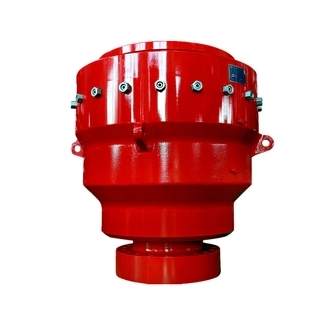
What is an Annular Blowout Preventer?
An Annular Blowout Preventer (BOP) is a pivotal safety device employed in oil and gas drilling operations. It serves as a crucial barrier against uncontrolled fluid releases from a well. This specialized component comprises a circular, rubberized sealing element, often resembling a donut, which can be activated hydraulically to envelop the drill pipe or casing within the wellbore. During routine operations, the annular BOP remains open, allowing the drill string to move freely. However, in emergencies such as well control issues or blowouts, it swiftly closes, creating a seal to prevent the escape of fluids under high pressure. This flexibility in accommodating various pipe sizes and shapes makes the annular BOP a versatile safety measure.
Annular Blowout Preventer vs RAM Blowout Preventer:
An Annular BOP uses a flexible, donut-shaped rubber element that adapts to different pipe sizes, offering versatility in accommodating variable sizes and shapes within the wellbore. Conversely, a Ram BOP employs steel rams that move horizontally or vertically to seal the wellbore, providing a more rigid and direct closure around specific pipe sizes and types. While Annular BOPs excel in adaptability, enabling them to handle diverse pressure conditions and different pipe dimensions, Ram BOPs offer a more precise and robust closure for specific pipes.

Applications Across Industries:
Annular Blowout Preventers find applications across various industries such as automotive, aerospace, construction, manufacturing, oil and gas, marine/maritime, rail/transportation, and others. These applications range from securing critical components in vehicles and aircraft to ensuring the structural integrity of buildings and infrastructure projects.
Conclusion:
In summary, Annular Blowout Preventers play a pivotal role in preventing uncontrolled fluid releases during drilling operations. Their adaptable design accommodates various pipe sizes, ensuring versatile safety measures. Incorporating advanced drilling simulation tools allows drilling teams to master the operation of Annular BOPs in different scenarios, enhancing safety standards in drilling operations. Through simulations, personnel can refine their skills, ensuring efficient deployment of these critical safety devices for optimal well control and heightened safety standards in drilling operations.
In today's industrial landscape, advanced imaging technologies have emerged as indispensable tools within web inspection systems, reshaping quality control processes across diverse industries. From defect detection to process optimization, these systems are pivotal in enhancing efficiency and minimizing waste. In this article, we explore the significance of advanced imaging technologies within web inspection systems and their transformative influence on various sectors.

The Evolution of Web Inspection Systems
Over the years, web inspection systems have undergone significant evolution, fueled by advancements in imaging technology and automation. Traditionally reliant on manual inspection methods—tedious, labor-intensive, and error-prone—these systems have witnessed a remarkable transformation with the advent of advanced imaging technologies. High-resolution cameras, sensors, and artificial intelligence (AI) have propelled web inspection systems into realms of sophistication and efficiency previously unimaginable.
Key Components of Advanced Imaging Technologies in Web Inspection Systems
High-Resolution Cameras:
At the heart of advanced imaging systems in web inspection lie high-resolution cameras. These cameras capture intricate images of the entire web surface with unparalleled clarity and precision, boasting high pixel counts and sophisticated optics for accurate material representation.
Line Scan Cameras:
Specialized line scan cameras are engineered to capture images of moving webs or materials. Unlike conventional cameras that capture entire images at once, line scan cameras meticulously capture images line by line, facilitating continuous inspection of the entire web width without distortion or blurring, even at high speeds.
Spectral Imaging Systems:
Spectral imaging systems operate across multiple wavelengths of the electromagnetic spectrum, furnishing valuable spectral data. This data aids in identifying subtle color variations, detecting defects, and analyzing material properties imperceptible to the naked eye or conventional imaging systems.
UV and Infrared Imaging:
UV and infrared imaging technologies play pivotal roles in detecting defects and anomalies invisible under normal lighting conditions. UV imaging unveils fluorescent substances or coatings, while infrared imaging detects temperature variations and structural irregularities in materials.
Machine Vision and AI Algorithms:
Web inspection vision machines harness algorithms and AI to analyze captured images, automating defect detection, classification, and quantification processes. Trained on extensive datasets, these algorithms swiftly and accurately identify defects based on predefined criteria, obviating the need for human intervention.
Illumination Systems:
Illumination systems provide requisite lighting to enhance contrast and visibility in captured images. Employing diverse lighting techniques—diffuse lighting, backlighting, strobe lighting—these systems cater to specific inspection requirements and material characteristics.
Optical Filters:
Optical filters selectively transmit or block specific wavelengths of light, facilitating targeted imaging and defect detection. These filters enhance contrast, eliminate background noise, and isolate features of interest in captured images.
Image Processing Software:
Image processing software serves to analyze and manipulate captured images, extracting pertinent features, and executing defect detection and classification tasks. Equipped with advanced algorithms and statistical analysis tools, these software solutions aid in defect analysis and decision-making processes.
Applications Across Industries of Advanced Imaging Technologies in Web Inspection Systems
Printing and Packaging Industry:
Defect Detection
Color Consistency
Barcode Verification
Flexible Packaging and Converting:
Material Inspection
Coating Quality
Textile Manufacturing:
Fabric Inspection
Print Quality
Nonwoven Industry:
Nonwoven Material Inspection
Fiber Orientation
Paper and Pulp Manufacturing:
Paper Quality Control
Coating Inspection
Food and Beverage Packaging:
Food Safety Assurance
Label Verification
Medical Device Manufacturing:
Quality Assurance
Barcoding and Serialization
Conclusion
Advanced imaging technologies have ushered in a new era of quality assurance across industries, with web inspection systems serving as frontline guardians of quality control. Their unparalleled capabilities in defect detection, process optimization, and cost reduction have rendered them indispensable assets in modern manufacturing and production. As technology continues to advance, these systems will play an increasingly vital role in upholding standards of quality and efficiency across diverse sectors.
In the realm of analytical chemistry, atomic absorption spectrophotometry (AAS) stands as a powerful technique, facilitating the qualitative and quantitative analysis of elements across a diverse array of samples. Central to this analytical prowess is the atomic absorption spectrophotometer (AAS), an instrumental marvel that enables precise measurements. This article endeavors to provide a comprehensive insight into atomic absorption spectrophotometers, encompassing their operational principles, applications, pricing dynamics, and technological advancements.

Decoding the Atomic Absorption Spectrophotometer
An Overview:
An Atomic Absorption Spectrophotometer (AAS) emerges as a stalwart analytical instrument, wielding the ability to discern the concentration of elements in a sample by scrutinizing light absorption. Widely embraced across scientific and industrial domains, AAS finds utility in environmental monitoring, pharmaceutical analysis, food and beverage testing, and metal analysis, among others.
Principle of Operation:
The bedrock of atomic absorption spectroscopy lies in the absorption of light by atoms in their ground state. Upon introduction of a sample harboring the element of interest into the spectrophotometer, atomization ensues, converting the sample into free atoms. Subsequently, these atoms encounter a light source, typically a hollow cathode lamp or an electrodeless discharge lamp, emitting light at predetermined wavelengths aligning with the absorption lines of the target element.
The sample's atoms selectively absorb light at these specific wavelengths, commensurate with their electronic energy transitions. The spectrophotometer quantifies the absorbed light, directly correlating it with the element's concentration in the sample. By juxtaposing the absorption against a calibration curve crafted using standards of known concentrations, the element's concentration in the sample is elucidated.
Applications and Capabilities:
Atomic absorption spectrophotometers proffer unparalleled sensitivity and selectivity, facilitating the analysis of trace elements amidst complex matrices. These instruments can concurrently or sequentially analyze multiple elements, a feat achieved by modulating the light source's wavelength. Furnishing quantitative data, they enable precise measurements of elemental concentrations, reaching down to parts per million (ppm) or even parts per billion (ppb).

Navigating Atomic Absorption Spectrophotometer Pricing
Unveiling Price Dynamics:
The pricing landscape of atomic absorption spectrophotometers is multifaceted, contingent upon variables such as brand, model, specifications, and additional features. As such, pinpointing an exact price sans specific details poses a challenge.
Typically residing in the realm of high-end instrumentation, atomic absorption spectrophotometers command a premium vis-à-vis other laboratory equipment. Their price spectrum spans from tens of thousands to several hundred thousand dollars.
Seeking Pricing Insights:
For an accurate appraisal of a particular atomic absorption spectrophotometer model, direct engagement with manufacturers, distributors, or suppliers is advised. These stakeholders furnish detailed insights into pricing tailored to individual requirements and specifications.
Unveiling the Operational Mechanisms of Atomic Absorption Spectrophotometers
Delving into Operational Facets:
vAn atomic absorption spectrophotometer (AAS) operates on the bedrock of absorption spectroscopy. Here's a sequential delineation of its modus operandi:Atomization: The sample, harboring the element of interest, undergoes introduction into the AAS instrument. Atomization, the process of converting the sample into free atoms, is achieved through varied techniques like flame atomization, graphite furnace atomization, or cold vapor atomization.
Light Source: A specific light wavelength is imperative for exciting the atoms of the target element. Commonly employed as the light source are hollow cathode lamps or electrodeless discharge lamps, emitting light at the characteristic absorption lines of the element.
Monochromator: The emitted light encompasses a spectrum of wavelengths. The monochromator selects a specific wavelength, sieving out unwanted wavelengths to ensure solely the desired wavelength, aligning with the element's absorption line, traverses through.
Sample Cell: The chosen wavelength of light traverses through the sample cell, housing the atomized sample. Fashioned from transparent materials like quartz, the sample cell facilitates light passage.
Absorption Measurement: As the light permeates the sample cell, the element's atoms therein absorb light at the specific wavelength corresponding to their electronic energy transitions. The spectrophotometer gauges the absorbed light's intensity, directly proportional to the element's concentration in the sample.
Detector and Data Analysis: A detector within the instrument measures the intensity of the absorbed light, translating it into an electrical signal. Subsequent electronic processing, encompassing amplification and signal processing, culminates in the display or recording of the processed signal.
Calibration and Quantification: To ascertain the element's concentration in the sample, a calibration curve is charted employing standard solutions of known concentrations. The instrument juxtaposes the sample's absorption against this calibration curve, thereby computing the element's concentration.
In Conclusion
Atomic absorption spectrophotometers wield a transformative influence in analytical chemistry, epitomizing precision and efficacy in elemental analysis. Their elucidation of operational nuances, coupled with insights into pricing dynamics and technological advancements, underscores their indelible imprint on scientific and industrial landscapes.
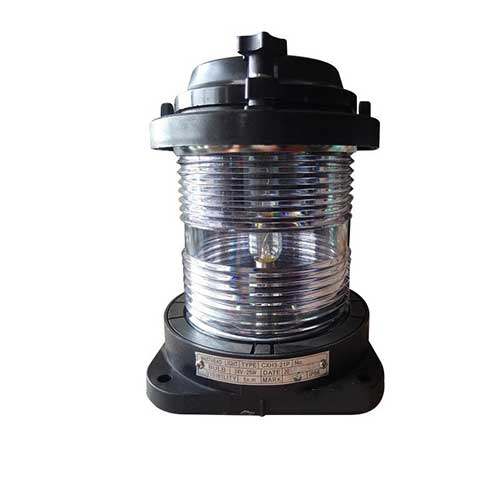
In the vast expanses of our oceans, navigation lighting stands as the silent sentinel of maritime safety, guiding ships through darkness and ensuring smooth passage. Yet, the effectiveness of this lighting hinges crucially on adherence to regulations and compliance with international standards. In this article, we delve into the pivotal significance of regulations governing navigation lighting, explore the primary standards vessels must adhere to, and shed light on the implications of compliance for maritime operations worldwide.
The Vital Role of Navigation Lighting Regulations
Navigation lighting regulations form the bedrock of maritime safety, offering clear directives on the types, colors, and placements of lights necessary for vessels traversing the seas. These regulations are indispensable for instilling order amidst the maritime bustle, mitigating collision risks, and safeguarding the lives of seafarers. Compliance with these regulations transcends mere legal obligation—it is a moral imperative, ensuring the safety and security of all who voyage our oceans.
Key Standards and Regulations Steering Navigation Lighting
International Regulations for Preventing Collisions at Sea (COLREGs):
Established by the International Maritime Organization (IMO), the COLREGs serve as primary international regulations governing navigation lighting.
They delineate the types, colors, and placements of lights requisite for vessels of varying sizes and types to signal their status, directional movement, and relative positions to other vessels.
Additionally, the COLREGs delineate visibility arcs for navigation lights and stipulate requisites for special lights used by specific vessels like fishing vessels, towing vessels, and pilot vessels.
International Association of Marine Aids to Navigation and Lighthouse Authorities (IALA) Standards:
IALA standards complement the COLREGs by furnishing detailed specifications for the design, performance, and upkeep of navigation lights, alongside other navigation aids like buoys and beacons.
These standards ensure that navigation lights are conspicuous, recognizable, and efficacious in guiding vessels safely through waterways, harbors, and channels.
National and Regional Regulations:
Many nations and regions augment international standards with additional regulations tailored to address distinct navigational challenges and local conditions.
Such regulations might mandate supplementary navigation lights, such as those for vessels navigating inland waterways, rivers, or confined waters.
International Maritime Organization (IMO) Resolutions:
Periodic adoption of resolutions and guidelines by the IMO addresses navigation lighting and other safety measures, tackling emerging issues and technological advancements.
These resolutions furnish guidance on implementing navigation lighting regulations, as well as recommendations for enhancing safety standards and practices in maritime operations.
Classification Society Rules:
Classification societies like Lloyd’s Register, DNV GL, and Bureau Veritas formulate rules and standards for ships' construction, equipment, and operation.
These rules often encompass requirements for marine navigation lighting systems, encompassing design, installation, and testing to ensure adherence to international regulations and industry best practices.
Implications of Regulations and Compliance in Navigation Lighting
Compliance with navigation lighting regulations carries profound implications, transcending mere legal obligations to significantly impact maritime safety, operational efficiency, legal liability, and stakeholders' overall reputation.
Safety at Sea:
Compliance enhances safety at sea by ensuring vessels remain visible, particularly during low visibility conditions or night navigation, thereby mitigating collision risks.
Effective compliance enables vessels to communicate their status, direction, and size to others, facilitating safe navigation and maneuvering in congested waterways and shipping lanes.
Legal Compliance:
Compliance with regulations is a legal requisite enforced by maritime authorities globally, with non-compliance inviting penalties, fines, or even criminal liability in maritime incidents.
Vessel operators bear responsibility for equipping vessels with appropriate navigation lights prescribed by conventions like the COLREGs and ensuring their operation aligns with regulatory mandates.
Insurance and Liability:
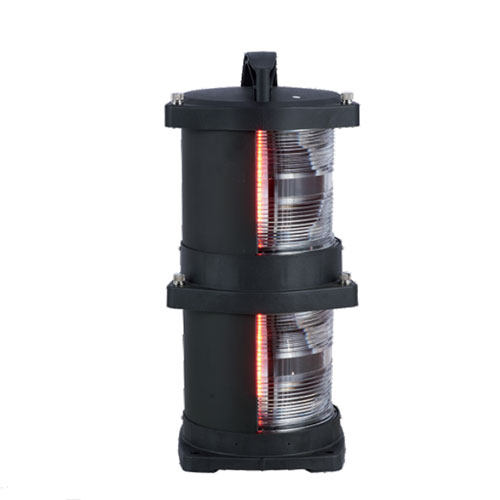
Compliance influences insurance coverage and liability, with insurers considering safety regulations when underwriting marine policies.
Non-compliance may impact vessel insurability or result in higher premiums, while liability in maritime incidents may also hinge on adherence to navigation lighting regulations.
Operational Efficiency:
Compliance enhances operational efficiency by curbing navigational errors, delays, and accidents, thereby facilitating smoother vessel traffic flow in busy waterways.
It minimizes operational disruptions stemming from regulatory inspections, fines, or legal proceedings arising from non-compliance.
Reputation and Trust:
Maintaining a safety-conscious, compliant reputation is pivotal for maritime stakeholders, bolstering trust among stakeholders, customers, and regulatory bodies.
Compliance signals a commitment to safety, professionalism, and responsible navigation, fortifying stakeholders' reputation and credibility within the maritime sphere.
Conclusion
Navigation lighting standards and regulations underpin maritime safety, offering standardized directives to mitigate collision risks, protect lives and property, and uphold the maritime industry's integrity. Compliance with these regulations isn't merely a legal duty—it's a moral imperative, embodying a steadfast commitment to safety, professionalism, and responsible navigation on the high seas.