
Whipstock drilling is a directional drilling technique used to alter the trajectory of an existing wellbore. This approach is commonly employed to sidetrack from an established wellbore, allowing for the creation of a new path from the same wellhead. This technique serves various purposes, such as accessing multiple reservoirs from a single well or re-entering a well that has been previously plugged and abandoned.

History of Whipstock Drilling
The origins of whipstock drilling can be traced back to the early days of oil exploration. The first whipstocks were simple wooden devices that were lowered into the wellbore and oriented in the desired direction. These whipstocks were anchored in place using wooden wedges driven between the whipstock and the casing. However, this early method was not very effective, often resulting in crooked and difficult-to-control sidetracks.
Improvements in Whipstock Drilling
By the 1940s, significant improvements were made in whipstock technology. Steel whipstocks were introduced, providing greater stability and ease of control. Initially, these steel whipstocks were still anchored using wooden wedges, but later designs incorporated cement as an anchoring method. This advancement greatly improved the accuracy and reliability of sidetracks, reducing the likelihood of collapse.
Modern Whipstock Drilling
Although whipstock drilling has been largely replaced by more sophisticated directional drilling techniques, it remains a valuable tool for certain applications. Today, whipstock drilling is still used when drilling through formations with high fracture gradients or in scenarios where other directional drilling methods may not be suitable.
Key Milestones in Whipstock Drilling
1930s: Introduction of the first whipstocks.
1940s: Development of steel whipstocks.
1950s: Adoption of cement for anchoring whipstocks.
1960s: Emergence of advanced directional drilling techniques.
1970s-present: Continued use of whipstock drilling in specialized applications.
Principles of Whipstock Drilling
The whipstock is the primary component of a whipstock drilling system. It is a wedge-shaped device made of steel or another durable material, with a sloping face designed to deflect the drill bit in the desired direction. The whipstock is securely anchored in place within the wellbore using cement.
Steps in Whipstock Drilling
Setting the Whipstock: The process begins by lowering the whipstock into the wellbore and positioning it at the desired depth. Once in place, the whipstock is anchored using cement to ensure stability.
Initiating the Sidetrack: After the whipstock is secured, a directional drilling tool is used to initiate the sidetrack. This specialized tool follows the sloping face of the whipstock, guiding the drill bit in the intended direction.
Drilling the Sidetrack: The sidetrack is then drilled to the desired depth using conventional drilling equipment.
Completing the Sidetrack: Once drilling is complete, the sidetrack may be finished by running casing, installing a liner, or completing the well.

Applications of Whipstock Drilling
Whipstock drilling is a versatile and effective technique that has been in use for over 90 years. It is employed in various wellbore conditions to create sidetracks for multiple purposes:
Accessing Multiple Reservoirs: By creating a sidetrack from an existing wellbore, operators can tap into multiple reservoirs without the need for additional wells, saving time, money, and reducing environmental impact.
Re-entering Plugged and Abandoned Wells: Whipstock drilling enables the safe and efficient re-entry of wells that have been previously plugged and abandoned, allowing for additional resource extraction.
Drilling Through Obstructions: When faced with an obstruction in the wellbore, such as equipment debris or a collapsed casing, whipstock drilling can be used to bypass the obstacle and continue drilling.
Advantages and Disadvantages of Whipstock Drilling
Whipstock drilling offers several advantages in various drilling scenarios, but it also comes with certain drawbacks that must be considered.
Advantages:
Simplicity and Cost-Effectiveness: Whipstock drilling is a relatively straightforward and economical directional drilling technique. It requires less specialized equipment and expertise, reducing overall operational costs.
Versatility: This technique can be adapted to a wide range of wellbore conditions, making it suitable for diverse drilling environments.
Resource Optimization: Whipstock drilling allows for the exploration and production of multiple reservoirs from a single wellbore, enhancing resource recovery.
Disadvantages:
Directional Control Challenges: Maintaining precise control over the direction of the sidetrack can be difficult, especially in formations with varying hardness or fractured zones. Deviations from the intended path can lead to complications.
Safety Concerns: In certain scenarios, such as drilling through formations with high fracture gradients, whipstock drilling may pose safety risks. Inadequate precautions can result in wellbore instability, equipment failure, or environmental hazards.
Limitations in Specialized Applications: Whipstock drilling may not be the best choice for highly deviated or horizontal wells, where more advanced directional drilling techniques are required.

Conclusion
Whipstock drilling is a versatile and effective technique for addressing various wellbore challenges. However, it can be difficult to control and carries risks in certain situations. Therefore, it is crucial that the drilling crew possesses the necessary skills, making drilling simulation training a valuable consideration. Simulation-based training tools offer operators a safe and realistic environment to practice and prepare for diverse operational scenarios. By simulating emergency situations and complex procedures, operators can gain the knowledge and experience needed to manage real-world challenges effectively.
A well-designed package does more than just protect a product; it communicates quality, builds trust, and reinforces brand identity. However, even the most visually appealing packaging can be compromised by defects or inconsistencies, which is why printed packaging inspection is essential. This process plays a vital role in maintaining high standards, ensuring regulatory compliance, and safeguarding brand reputation.

The Importance of Printed Packaging Inspection
Quality Assurance: Ensuring that printed packaging meets required standards is crucial for maintaining the overall quality of the product. Printing errors such as color variations, smudges, or misaligned text and images can negatively impact the perceived quality of the product and the brand.
Regulatory Compliance: Industries like food, pharmaceuticals, and cosmetics must adhere to strict packaging regulations. Printed packaging must display specific information, such as ingredients, usage instructions, and safety warnings, all of which need to be legible and accurate to meet regulatory requirements.
Brand Integrity: Consistency in packaging design is key to maintaining brand identity. Any deviation in color, font, or layout can weaken brand recognition and erode consumer trust. Regular inspection helps ensure uniformity across all printed materials, preserving brand integrity.
Cost Efficiency: Early detection and correction of errors during production can save significant costs. Discovering packaging defects after production can lead to waste, recalls, and added expenses, making inspection a cost-effective quality control measure.
Technologies Used in Printed Packaging Inspection
Printed packaging inspection relies on various advanced technologies to ensure quality, accuracy, and compliance:
Machine Vision Systems
Description: These systems use cameras and image processing software to inspect printed packaging.
Benefits: They detect defects like misprints, color variations, and alignment issues with high precision.
Applications: Used for real-time visual printing quality inspection on production lines.

Automated Optical Inspection (AOI)
Description: AOI systems offer high-speed inspection capabilities using automated technology.
Benefits: Ideal for inspecting printed elements for defects, ensuring high throughput and accuracy.
Applications: Commonly used in electronics and packaging industries.
Spectrophotometers and Colorimeters
Description: Instruments used to measure color accuracy and consistency.
Benefits: Ensure that printed colors match specified standards across production batches.
Applications: Essential for maintaining brand consistency and meeting customer expectations.
Barcode and QR Code Scanners
Description: Devices that read and verify barcodes and QR codes on packaging.
Benefits: Ensure accurate scanning and readability throughout the supply chain.
Applications: Critical for product tracking, inventory management, and consumer engagement.
Optical Character Recognition (OCR) Technology
Description: Software that recognizes and interprets printed text.
Benefits: Verifies the accuracy and legibility of text on packaging, including legal and safety information.
Applications: Used for reading and validating printed text across various packaging formats.
Artificial Intelligence (AI) and Machine Learning
Description: Algorithms that enhance inspection capabilities through pattern recognition and data analysis.
Benefits: Improve defect detection accuracy, predictive maintenance, and process optimization.
Applications: Used for advanced analytics, anomaly detection, and continuous improvement in inspection processes.
Challenges and Future Directions in Printed Packaging Inspection
Integration with Production Lines
Challenge: Seamless integration of inspection systems without disrupting production flow.
Impact: Misalignment can cause delays and inefficiencies.
Adaptability to Diverse Packaging Types
Challenge: Effectively handling various packaging materials and designs.
Impact: Poor adaptability can compromise inspection accuracy.
Real-Time Data Handling
Challenge: Managing and processing large volumes of real-time inspection data.
Impact: Delays in data analysis can hinder timely decision-making.
Complexity of Defect Detection
Challenge: Detecting subtle defects that are not easily visible.
Impact: Missed defects can affect product quality and consumer perception.
Cost of Implementation and Maintenance
Challenge: High initial investment and ongoing maintenance costs for advanced inspection technologies.
Impact: High costs may limit adoption, especially for smaller manufacturers.

Future Directions
Automation and Robotics
Direction: Increased use of automation for faster and more precise inspections.
Impact: Reduces human error and improves throughput.
IoT and Connectivity
Direction: Leveraging IoT for interconnected inspection systems and real-time monitoring.
Impact: Enhances data collection, analysis, and remote diagnostics.
Advanced Analytics and Visualization
Direction: Development of tools for better data interpretation.
Impact: Provides insights into production trends and quality metrics.
Sustainability and Eco-Friendly Solutions
Direction: Integrating sustainability practices into inspection processes.
Impact: Helps comply with environmental regulations and reduces carbon footprint.
User Interface and Training
Direction: Improved user interfaces and comprehensive training programs.
Impact: Enhances usability and operator proficiency.
Conclusion
Printed packaging inspection is a crucial component of the manufacturing process, ensuring that products meet the highest standards of quality and consistency. As technology continues to advance, inspection systems will become more sophisticated, helping manufacturers maintain brand integrity, comply with regulations, and reduce costs.
Compression springs are helical springs specifically designed to resist compressive forces. They are one of the most commonly used types of springs and find application in various industries, including automotive, machinery, and medical devices.

Properties of Compression Springs
The properties of a compression springs are influenced by several factors:
Material: The material of the spring is the most critical factor, as it determines the spring's strength and stiffness. Common materials include stainless steel, alloy steel, and non-ferrous metals.
Wire Diameter: The diameter of the wire used to form the spring affects its strength, size, and weight. A thicker wire typically results in a stronger spring but also increases its size and weight.
Number of Coils: The number of coils in a spring determines the force the spring can exert. More coils generally lead to a softer spring with less force per unit of compression.
Pitch: The pitch refers to the distance between the coils. It affects the free length of the spring and plays a role in determining the spring’s stiffness.
One of the most important properties of a compression spring is its spring constant (also known as stiffness). The spring constant is the force required to compress the spring by a unit distance and is inversely proportional to the spring's free length. This property is crucial for determining how the spring will perform under load.

Design Considerations for Compression Springs
When designing a compression spring, the following factors must be carefully considered:
Application: The specific application of the spring will determine the load it must bear, the number of cycles it will endure, and any space constraints. For example, a compression spring used in an automotive suspension system will need to handle much higher loads and more cycles than a spring used in a pen.
Load: The load is the force that the spring will be subjected to. This factor directly influences the spring's size, strength, and cost. Proper load calculation ensures that the spring can perform its intended function without failure.
Number of Cycles: The expected number of cycles, or the number of times the spring will be compressed and decompressed, affects the spring’s fatigue life. High-cycle applications require materials and designs that can withstand repeated use without degrading.
Space Constraints: The available space for the spring in the application is a critical design consideration. The spring must fit within the designated space while still providing the necessary force and durability.
Cost: The cost of the spring is influenced by the material, wire diameter, and number of coils. Designers must balance performance requirements with budget constraints to create a cost-effective solution.
Additionally, the environment in which the spring will be used must be considered. The spring material must be compatible with the operating environment, particularly if it involves exposure to corrosive substances or extreme temperatures. Protective coatings or materials that resist corrosion may be necessary in such cases.
Tips for Designing Compression Springs
Use Spring Design Software: Specialized software can assist in calculating the spring's properties and optimizing the design.
Consult with Manufacturers: Spring manufacturers can provide valuable insights and recommendations based on their experience and expertise.
Prototype and Test: Creating a prototype and testing it under actual conditions ensures that the spring meets the design requirements before full-scale production.

Conclusion
Compression springs are essential components in many mechanical systems, and understanding the properties and design considerations of compression springs is crucial for successful application. By carefully considering factors such as material, load, and environmental conditions, designers can create compression springs that are both effective and durable.
For further information on compression springs, numerous resources are available online and in technical libraries, offering detailed guidance and advanced design techniques for engineers and designers.
Centrifugation is a vital process in laboratories and industries for separating components of a mixture based on their densities. By applying centrifugal force, particles are effectively separated from liquids or solutions. Centrifuges are available in various types, with low speed and high speed centrifuges being two primary categories. Understanding the differences, advantages, and disadvantages of these centrifuges is essential for selecting the right equipment for specific applications. This article provides a comparative analysis of low speed and high speed centrifuges and explains why Drawell centrifuges are an excellent choice.
Low Speed Centrifuge
A low speed centrifuge operates at speeds typically ranging from 300 to 6,000 revolutions per minute (rpm). These centrifuges are ideal for applications requiring moderate centrifugal forces, making them suitable for separating larger particles or cells. They are commonly used in clinical labs for blood separation, sedimentation of urine samples, and other routine laboratory tasks.

Advantages of Low Speed Centrifuge:
Simplicity and Ease of Use: Low speed centrifuges are straightforward to operate, requiring minimal user training. Their simple design makes them accessible for routine laboratory tasks.
Cost-Effectiveness: These benchtop low speed centrifuges are generally less expensive to purchase and maintain compared to high speed models, making them a budget-friendly option for many laboratories.
Sample Integrity: The moderate speeds reduce the risk of damaging delicate samples, such as cells or large biological molecules, making them ideal for applications where sample integrity is crucial.
Versatility in Routine Applications: Low speed centrifuges are well-suited for common laboratory procedures, including blood separation and sedimentation of urine samples.
Lower Risk of Heat Generation: The lower rotational speeds generate less heat, minimizing the risk of heat-induced sample degradation.
Disadvantages of Low Speed Centrifuge:
Limited Speed and RCF: The lower speed and relative centrifugal force (RCF) limit the range of applications, making them unsuitable for separating smaller particles or molecules that require higher centrifugal forces, such as viruses, proteins, or subcellular organelles.
Longer Processing Time: The lower centrifugal force often requires longer run times to achieve the desired separation, which can be a drawback when quick processing is needed.
Lower Throughput: Low speed centrifuges may have limited capacity and throughput, making them less suitable for high-volume processing or large-scale applications.
Less Advanced Features: These centrifuges might lack some advanced features found in high speed models, such as precise temperature control, advanced rotor options, and more sophisticated programming capabilities.
In summary, while low speed centrifuges offer advantages like simplicity, cost-effectiveness, and sample preservation, they also have limitations in speed, application range, and throughput. These factors should be carefully considered when selecting a centrifuge for specific laboratory needs.
High Speed Centrifuge
High speed centrifuges can reach speeds ranging from 10,000 to 30,000 rpm, generating significantly higher centrifugal forces. These centrifuges are designed for more demanding applications, such as isolating smaller particles, pelleting microorganisms, and separating cellular organelles.

Advantages of High Speed Centrifuge:
Higher Speed and RCF: High speed centrifuges achieve much higher speeds (10,000 to 30,000 rpm) and greater centrifugal forces, making them suitable for separating smaller particles like subcellular components, proteins, and viruses.
Versatility: These centrifuges can handle a wide range of sample types, including complex mixtures and small particles, making them ideal for various applications in molecular biology, biochemistry, and pharmaceutical research.
Improved Separation Efficiency: The higher centrifugal force allows for faster and more efficient separation, reducing processing time, which is particularly beneficial for high-throughput laboratories and time-sensitive applications.
Advanced Features: High speed refrigerated centrifuges often come with sophisticated features like precise temperature control, programmable settings, and multiple rotor options, enhancing usability and providing greater control over the centrifugation process.
Enhanced Sample Capacity: They often have larger rotor capacities, allowing for the processing of more samples in a single run, increasing efficiency and throughput in busy laboratories.
Disadvantages of High Speed Centrifuge:
Higher Cost: High speed centrifuges are more expensive due to their advanced capabilities and complex design. Maintenance and operational costs are also higher, representing a significant investment for some laboratories.
Complexity: These centrifuges require more training to operate safely and effectively, and the advanced features and settings can be overwhelming for inexperienced users.
Potential Sample Damage: The high centrifugal forces can damage sensitive or fragile samples if not handled properly. Care must be taken to optimize centrifugation conditions to prevent sample degradation.
Increased Risk of Heat Generation: High speed operation can generate significant heat, which may affect temperature-sensitive samples. Effective cooling systems are necessary to manage heat generation.
In summary, high speed centrifuges offer significant advantages in speed, versatility, and advanced features, making them ideal for complex and high-precision applications. However, they come with higher costs, complexity, and potential risks, which must be carefully managed to ensure safe and effective use.
Choosing the Right Centrifuge
Choosing between a low speed and high speed centrifuge depends on specific application needs, budget, and laboratory requirements.
Identify Your Application Needs: Determine the types of samples you will be working with and the specific separation tasks required.
Consider Speed and RCF Requirements: Assess whether your applications require moderate or high centrifugal forces.
Evaluate Budget Constraints: Consider both the initial purchase cost and ongoing maintenance expenses.
Assess Throughput Needs: Determine the volume of samples you need to process and choose a centrifuge with appropriate capacity.
Examine Feature Requirements: Identify any advanced features that may be necessary for your work, such as temperature control or programmable settings.
Safety and Training: Consider the level of training required and the safety features needed to operate the centrifuge effectively.
Why Choose Drawell Low Speed and High Speed Centrifuges?
Drawell offers a range of both low speed and high speed centrifuges designed to meet diverse laboratory needs. Here’s why Drawell centrifuges are an excellent choice:

Quality and Reliability: Drawell centrifuges are built with high-quality materials and advanced technology, ensuring reliable performance and longevity.
Advanced Features: Both low speed and high speed centrifuges from Drawell come with user-friendly interfaces, safety features, and customizable settings to suit various applications.
Comprehensive Support: Drawell provides excellent customer support, including training and maintenance services, ensuring that users can operate their equipment efficiently and safely.
Cost-Effectiveness: While offering advanced features and reliable performance, Drawell centrifuges are competitively priced, providing great value for investment.
In conclusion, selecting the right centrifuge depends on the specific requirements of your applications. Drawell’s range of centrifuges ensures that you can find the perfect fit for your laboratory needs, backed by quality, reliability, and excellent support.
Well control is a crucial component of oil and gas drilling operations, focusing on the ability to manage and halt the flow of hydrocarbons from a well during an uncontrolled release. Effective well control training is vital for ensuring the safety of personnel, protecting the environment, and avoiding costly accidents.
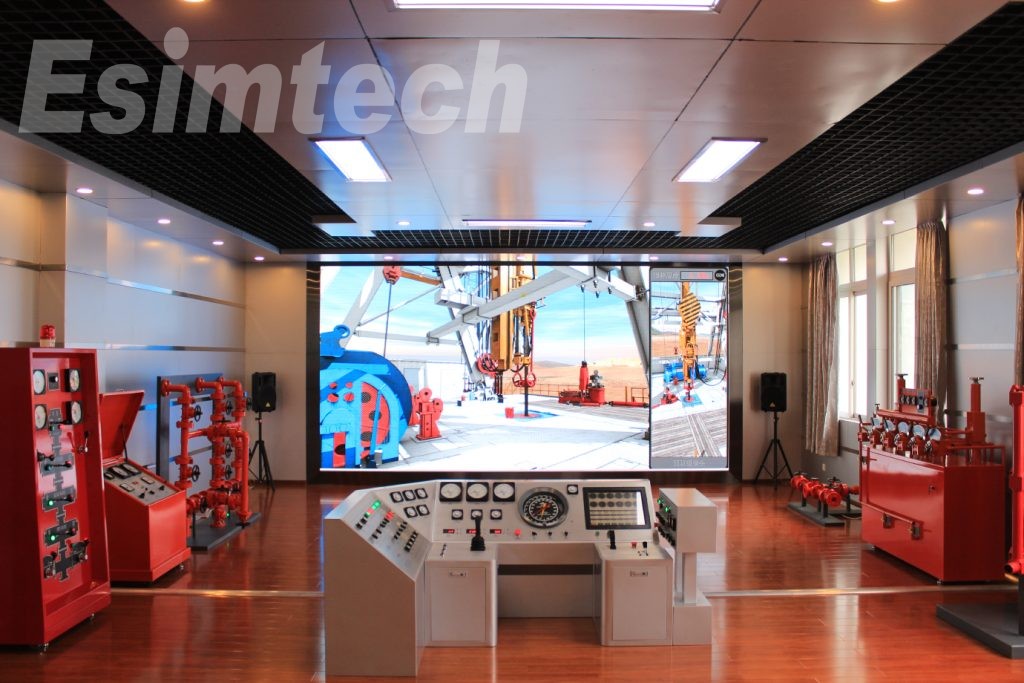
Traditionally, well control training has relied on classroom instruction and hands-on practice with well control simulators. However, these traditional methods may lack the realism and engagement necessary to fully prepare personnel for real-world scenarios. Modern advancements in simulation technology are changing this, offering more immersive and practical training experiences.
Simulations and Exercises in Well Control Training
Simulations provide a controlled environment where personnel can practice well control techniques and procedures. These simulations replicate various well control scenarios, from minor kicks to severe blowouts, allowing trainees to interact with realistic well control equipment and develop critical decision-making skills.
Well control exercises involve real-world scenarios and equipment, offering a more immersive training experience. Conducted on inactive wells or in dedicated training facilities, these exercises enable trainees to apply their knowledge and skills in a practical setting, better preparing them for actual well control incidents.
Types of Simulations and Exercises
Simulations:
Desktop Simulators:
A cost-effective and accessible option, desktop simulators allow trainees to interact with various well control scenarios via computer screens in a virtual learning environment.
Full-Scale Simulators:
These simulators replicate the physical environment of a drilling rig, complete with well control equipment. Trainees manipulate controls and receive real-time feedback, creating a highly immersive and realistic training experience.
Virtual Reality (VR) Simulators:
VR simulators take well control training to the next level, immersing trainees in a fully virtual 3D environment. This advanced technology provides an even more realistic and engaging learning experience.
Tabletop Exercises:
Involving role-playing and scenario discussion, tabletop exercises are valuable for training crew coordination, communication, and decision-making in well control situations.
Exercises:
Kick Control Exercises:
These focus on the practical application of kick detection, control, and kill procedures. Participants use well control equipment to manipulate valves and controls, practicing the steps necessary to safely manage a kick.
Blowout Control Exercises:
Simulating emergency responses to blowouts, these exercises involve coordinating actions, deploying equipment, and implementing blowout control strategies, familiarizing trainees with the complexities of managing uncontrolled fluid releases.
Lost Circulation Exercises:
Emphasizing the identification and prevention of lost circulation, participants practice techniques such as pumping lost circulation materials, using cement plugs, and employing specialized drilling fluids to regain circulation and maintain well control.
Emerging Technologies in Well Control Training
In addition to traditional methods, newer technologies are enhancing well control training:
Virtual Reality (VR) Simulators: Offer a more immersive experience than traditional simulators, allowing participants to interact with well control scenarios in ways previously impossible.
Augmented Reality (AR) Simulators: Overlay simulated well control information onto the real world, helping participants understand how well control procedures apply to specific wellbore situations.
Benefits of Simulations and Exercises
Using simulations and exercises in well control training offers several key benefits:
Increased Immersion and Engagement: These methods create more immersive and engaging learning experiences, helping trainees better understand and retain well control principles.
Safe and Controlled Practice: Trainees can practice well control procedures in a safe, controlled environment, which is crucial given the dangerous nature of real well control events.
Development of Skills and Knowledge: Simulations and exercises help trainees develop the skills and knowledge needed to effectively respond to well control events, including problem identification, quick decision-making, and appropriate action-taking.
Improved Teamwork and Communication: These training methods also enhance teamwork and communication, essential for coordinating responses during well control events.
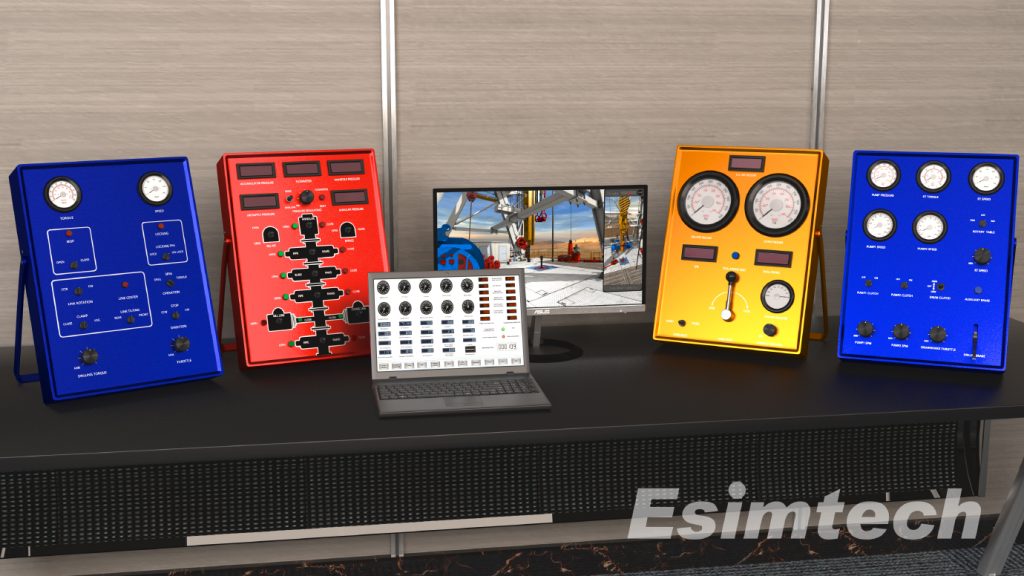
Conclusion
Simulations and exercises are vital in preparing oil and gas personnel for well control emergencies. By providing hands-on experience and fostering a strong safety culture, these training methods help prevent well control incidents, safeguarding both the environment and the workforce.