
Floor centrifuges are indispensable tools in laboratories, playing a pivotal role in applications ranging from cellular component separation to nucleic acid purification. Floor ultra capacity centrifuges can handle large volumes efficiently makes them invaluable in both research and clinical settings. However, to fully harness the potential of a floor centrifuge, maximizing sample throughput is essential. This article outlines key strategies to achieve optimal performance.

Strategies for Optimal Sample Preparation in Floor Centrifuges
Ensuring accurate results, minimizing processing time, and enhancing overall laboratory efficiency depend on optimizing sample preparation.
1. Sample Volume and Tube Selection
Sample Volume: Fill centrifuge tubes to at least 70% of their maximum capacity to avoid poor separation and sample loss.
Tube Selection: Choose tubes made from materials compatible with the sample and centrifugation speed. Polypropylene tubes are suitable for high-speed centrifugation, while glass tubes may be preferred for certain chemical protocols.
2. Balancing Samples
Weight Matching: Balance tubes by weight, not just by volume, to ensure effective centrifugation.
Symmetrical Loading: Load tubes symmetrically around the rotor. For an odd number of samples, use a balance tube with water or an inert substance.
3. Pre-labeling and Pre-weighing Tubes
Pre-labeling: Label tubes before adding samples to maintain traceability and avoid confusion. Use durable labels that withstand centrifugation.
Pre-weighing: Weigh empty tubes and record their mass to simplify the balancing process after adding samples.
4. Temperature Considerations
Pre-chilling: Pre-chill tubes and the rotor for temperature-sensitive samples to preserve integrity during centrifugation.
Centrifuge Temperature Settings: Utilize temperature control settings to maintain the required temperature throughout the run.
5. Centrifugation Parameters
Speed and Time: Adjust speed and time according to protocol requirements. Over-centrifugation can damage samples, while under-centrifugation may result in incomplete separation.
Acceleration and Deceleration: Use gradual settings to prevent pellet resuspension and ensure clear separation.
6. Sample Homogenization
Mechanical Homogenization: Use a mechanical homogenizer or vortex mixer to achieve uniformity in samples before centrifugation.
Sonication: For certain applications, sonication can break down complex samples and ensure a more uniform mixture.
7. Minimizing Cross-contamination
Dedicated Equipment: Use dedicated equipment for different sample types to avoid cross-contamination.
Sterilization: Regularly sterilize equipment and work surfaces, and change disposable gloves frequently.

Utilizing Automation in Floor Centrifuges
Automation in floor centrifuges has transformed laboratory workflows, increasing efficiency, accuracy, and consistency while reducing manual labor and human error.
1. Automated Sample Handling
Robotic Arms: Integrate robotic arms to load and unload samples, enhancing precision and reducing manual handling.
Barcode Scanning: Use barcode systems to track and manage samples automatically, reducing misidentification risks.
2. Pre-programmed Protocols
Protocol Libraries: Utilize centrifuges with built-in protocol libraries for common applications, ensuring consistency across runs.
Customizable Programs: Save and retrieve custom protocols for specific applications to minimize setup time.
3. Real-time Monitoring and Adjustments
Sensors and Feedback Systems: Implement real-time monitoring sensors for parameters like speed and temperature, with feedback systems for automatic adjustments.
Alerts and Notifications: Automated systems can notify personnel of deviations, enabling quick corrective actions.
4. Data Logging and Management
Electronic Records: Automate the recording of parameters and results to reduce manual data entry and enhance accuracy.
Integration with LIMS: Link centrifuges with Laboratory Information Management Systems (LIMS) for centralized data management.
5. Maintenance and Diagnostics
Predictive Maintenance: Use predictive algorithms to monitor centrifuge components, predicting maintenance needs and reducing downtime.
Self-diagnostics: Implement self-diagnostic features to identify issues and recommend corrective actions.
6. Enhanced Safety Features
Automated Balancing: Systems that detect and correct imbalances during loading can prevent damage.
Lid Lock Mechanisms: Automated lid locks ensure safety by preventing operation while the rotor is spinning.
7. Efficiency and Throughput
Continuous Operation: Automated systems support continuous operation, processing multiple batches without manual intervention.
Time Savings: Automation reduces time spent on sample handling and data entry, freeing personnel for other tasks.

Regular Maintenance and Calibration in Floor Centrifuges
Regular maintenance and calibration are vital for ensuring optimal performance, safety, and longevity.
1. Routine Cleaning and Inspection
Daily Cleaning: Wipe down centrifuge surfaces after each use to remove spills and dust.
Rotor Cleaning: Regularly clean rotors according to manufacturer instructions, checking for damage.
2. Scheduled Maintenance
Weekly Checks: Inspect the rotor chamber and clean it as needed.
Monthly Maintenance: Inspect safety features and lubricate moving parts as recommended.
Annual Service: Have the centrifuge serviced annually by a qualified technician.
3. Rotor Care and Management
Rotation Log: Track rotor usage to monitor lifespan and schedule replacements.
Storage: Store rotors in a dry, temperature-controlled environment.
Inspection: Regularly check rotors for wear, cracks, or corrosion.
4. Calibration
Speed Calibration: Use a tachometer to verify speed settings and adjust as necessary.
Temperature Calibration: Check temperature control accuracy with a calibrated thermometer.
Timer Calibration: Verify timer accuracy with a certified stopwatch.
5. Safety Checks
Lid Lock: Regularly test the lid lock mechanism.
Imbalance Detection: Ensure the imbalance detection system functions correctly.
Emergency Stop: Verify the emergency stop button’s functionality.
6. Documentation and Record-Keeping
Maintenance Log: Keep detailed records of all maintenance activities.
Calibration Records: Document calibration results and adjustments.
Service Reports: Maintain records of annual services and repairs.
Conclusion
Maximizing sample throughput in floor centrifuges requires a comprehensive approach. By implementing these strategies, laboratories can enhance productivity, achieve consistent results, and optimize their centrifuge investments. Staying updated with technological advancements and continuously refining processes will be crucial for maintaining high throughput and efficiency in the laboratory.
Oil and gas well drilling is a complex and dynamic process at the core of the energy industry. This intricate operation involves extracting hydrocarbons from beneath the Earth’s surface, playing a crucial role in meeting global energy demands. This article delves into the key components, techniques, challenges associated with oil and gas well drilling, and explores the various simulation technologies employed in the process.

The Process of Oil and Gas Well Drilling
1. Exploration and Site Selection
Before drilling begins, extensive geological surveys and analyses are conducted to identify potential reservoirs. Once a promising site is located, the drilling process commences.
2. Well Design
Engineers design the well, considering factors like depth, reservoir characteristics, and drilling conditions. The wellbore design includes casing and cementing plans to ensure structural integrity and prevent environmental contamination.
3. Site Preparation
Preparing the drilling site involves clearing the area and constructing a drilling pad. Essential infrastructure, such as access roads and wellhead facilities, is also established.
4. Drilling Rig Setup
Mobile drilling rigs, tailored to the project's needs, are transported to the site. These rigs can be either onshore or offshore, depending on the drilling location.
5. Spudding In
Drilling begins with "spudding in," where the drill bit is gradually lowered to the desired depth. This phase establishes the initial section of the wellbore.
6. Drilling Operations
The drilling process continues with a rotating drill bit attached to a drill string. Drilling mud, a mixture of fluid and additives, is circulated to cool the bit, transport cuttings to the surface, and control pressure.
7. Casing and Cementing
Steel casings are inserted into the wellbore to prevent collapse and protect groundwater. Cement is pumped into the annulus between the casing and the wellbore, securing the casing and isolating different geological formations.
8. Well Completion
Upon reaching the target depth, the well undergoes completion. This involves installing production tubing, perforating the well to access the reservoir, and sometimes hydraulic fracturing to enhance hydrocarbon recovery.
Challenges in Oil and Gas Well Drilling
1. Geological Complexity
Drilling through various geological formations, from hard rock to soft sediment, presents significant challenges, particularly in deepwater environments.
2. High Pressure and Temperature
Some reservoirs exhibit extreme pressure and temperature conditions, requiring specialized equipment and engineering to ensure the wellbore's safety and integrity.
3. Environmental Concerns
Minimizing environmental impact is critical. Proper well design, casing, and cementing are essential to prevent fluid and gas migration to the surface.
4. Technological Advancements
The industry continuously adopts new technologies, such as advanced drilling techniques, real-time data monitoring, and automation, to improve efficiency and reduce costs.
Simulation Technologies in Oil and Gas Well Drilling
The oil and gas industry has embraced technological advancements, particularly in simulation technology, which has significantly transformed well planning, execution, and optimization.
1. Drilling Simulators
Training and Skill Development: Drilling simulators create a realistic virtual environment for training rig operators and drilling crews, allowing them to practice different scenarios, equipment handling, and emergency procedures without risks.
Scenario-based Learning: Simulators can replicate various drilling scenarios, such as challenging geological formations, equipment failures, and adverse weather conditions, better preparing teams for real-world challenges.

2. Geosteering Simulations
Virtual Wellbore Navigation: Geosteering simulations enable real-time visualization of the subsurface, integrating geological data with drilling parameters to accurately navigate the wellbore through complex formations.
Risk Mitigation: By simulating different wellbore paths, these tools help identify potential hazards and optimize trajectories, maximizing hydrocarbon recovery while minimizing risks.
3. Reservoir Simulation
Understanding Reservoir Behavior: Reservoir simulations model the behavior of hydrocarbons within the reservoir, assisting in predicting performance, optimizing well placement, and estimating production rates.
Enhanced Recovery Strategies: Simulation tools evaluate Enhanced Oil Recovery (EOR) techniques, such as water flooding, gas injection, and chemical injection, helping operators devise strategies to maximize recovery.
4. Real-time Drilling Simulations
Data Integration: These systems integrate live data from the drilling process, creating a dynamic model that reflects current conditions and enhances decision-making.
Decision Support: Real-time simulations allow operators to test different parameters and make informed decisions quickly, optimizing drilling efficiency and reducing risks.
5. Well Control Simulations
Emergency Response Training: Well control simulators mimic emergencies like blowouts, enabling teams to practice response strategies and well control procedures, which are crucial for handling critical incidents.
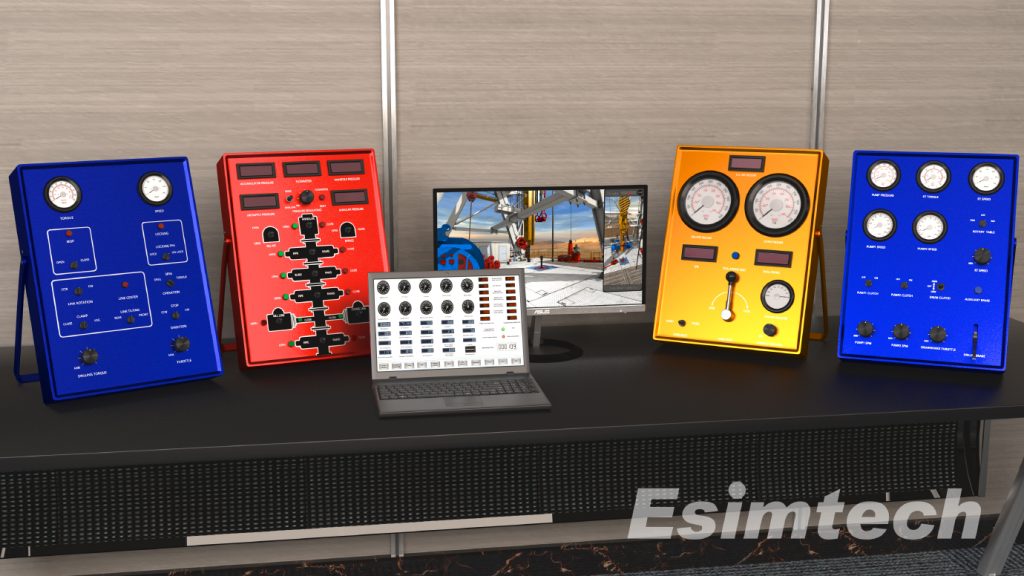
Regulatory Compliance: These simulations help demonstrate the efficacy of well control measures, ensuring operators meet regulatory requirements and can manage unexpected events safely.
Conclusion
Oil and gas well drilling is a multifaceted process that demands a balance of engineering expertise, advanced technology, and environmental responsibility. Simulation technologies significantly enhance the efficiency, safety, and performance of oil and gas well drilling, from training and skill development to real-time decision support and emergency preparedness. As the industry continues to evolve, the integration of these technologies will play an increasingly vital role in meeting global energy demands.
Web guide systems are essential in maintaining the alignment of materials like paper, film, textiles, and metals as they move through processing equipment. These systems are critical in ensuring precision and quality in various industrial applications. The advancements in material handling within web guide systems mark a significant leap forward, addressing traditional challenges while introducing innovations that optimize production processes. This article delves into these advancements and their impact on industrial efficiency and product quality.

The Critical Role of Material Handling in Web Guide Systems
Material handling in web guide systems is pivotal for ensuring that the material being processed remains accurately aligned, which is essential for preventing defects and minimizing waste. This precision is vital in industries such as printing, packaging, converting, and more, where accuracy is crucial. Enhanced material handling capabilities enable web guide systems to adapt to various materials, speeds, and operational conditions, ultimately leading to more consistent and higher-quality outputs.
Innovations in Material Handling for Web Guide Systems
1. Adaptive Control Systems
Real-Time Adjustment:
Modern web guide systems now incorporate adaptive control mechanisms that continuously monitor and adjust material alignment in real-time. These systems utilize feedback from sensors to dynamically respond to changes in material properties, speed variations, and environmental conditions. By optimizing tension and alignment parameters on the fly, adaptive control systems significantly reduce misalignments, thereby improving overall production quality.
Versatility:
Adaptive control systems empower web guide systems to handle a diverse range of materials, from thin films to thick substrates, without the need for manual recalibration. This versatility is crucial for industries that process a variety of materials on the same production line, reducing downtime and the costs associated with material changeovers.
2. Advanced Sensing Technologies
Laser and Ultrasonic Sensors:
State-of-the-art sensors, such as laser and ultrasonic technologies, offer precise edge detection capabilities even for transparent or reflective materials. Laser sensors provide high-resolution measurements to ensure accurate web positioning, while ultrasonic sensors excel in detecting edges without physical contact, reducing wear and tear.
Machine Vision Integration:
Integrating machine vision systems enhances the capabilities of web guide systems by providing visual feedback and analysis. Machine vision can detect subtle defects or deviations in material alignment that may be missed by traditional sensors. This technology is particularly beneficial for high-speed applications, where rapid adjustments are necessary to maintain quality and throughput.
3. Material Compatibility and Handling
Broad Range Handling:
Enhanced material handling systems are capable of managing a wide array of materials, including delicate films, flexible textiles, and high-strength composites. These systems incorporate adjustable rollers, pneumatic grippers, or adaptive conveyor belts to accommodate different material characteristics, ensuring damage-free processing.
Surface Sensitivity:
Innovations in material handling allow web guide systems to handle materials with varying surface textures, finishes, or coatings. Specialized handling mechanisms adjust automatically to maintain consistent contact and alignment, preserving material integrity and minimizing surface defects.
4. Energy Efficiency and Sustainability
Low-Power Electronics:
Advancements in low-power electronics and efficient actuators contribute to reduced energy consumption in web guide systems. These components support sustainable manufacturing practices by lowering operational costs and minimizing environmental impact.
Optimized Control Algorithms:
Sophisticated control algorithms optimize energy use within web guide systems, prioritizing efficient motor operation and minimizing idle power consumption. This optimization extends the equipment's lifespan and enhances overall system reliability.
5. Integration and Scalability
Modular Design:
Modern web guide systems feature modular designs that facilitate easy integration into existing production lines and scalability to accommodate future expansions or modifications. Modular components allow for customization based on specific industry requirements or production demands.
Digital Connectivity and IoT Integration:
Integration with digital platforms and IoT technologies enables remote monitoring, predictive maintenance, and data-driven insights. Web guide systems equipped with IoT capabilities can autonomously adjust settings based on real-time data, ensuring continuous operation and proactive maintenance scheduling.

Benefits of Enhanced Material Handling in Web Guide Systems
1. Improved Production Quality
Consistent Alignment:
Enhanced material handling ensures consistent material alignment, which is critical for maintaining high production quality. This consistency reduces the likelihood of defects and enhances the overall quality of the final product.
Reduced Waste:
By maintaining precise control over material handling, these systems minimize material waste, leading to cost savings and more sustainable operations.
2. Increased Efficiency
Higher Speeds:
Enhanced handling capabilities allow for higher production speeds without compromising alignment or quality, significantly boosting overall production efficiency.
Reduced Downtime:
With advanced sensing and adaptive control, web guide systems can quickly identify and correct misalignments, reducing downtime and keeping production lines running smoothly.
3. Operational Flexibility
Multi-Material Processing:
The ability to handle a wide range of materials means that a single web guide system can be used for multiple applications, reducing the need for specialized equipment.
Scalability:
Enhanced material handling systems are scalable and can be adjusted to meet the needs of different production volumes and complexities.
4. Cost Savings
Lower Operational Costs:
Energy-efficient components and reduced waste contribute to lower operational costs, making enhanced material handling systems a sound financial investment.
Maintenance and Longevity:
Improved handling reduces wear and tear on both the material and the equipment, leading to lower maintenance costs and longer system lifespans.

Conclusion
Advancements in material handling for web guide systems represent a significant step forward in industrial manufacturing, offering numerous benefits in quality, efficiency, flexibility, and cost savings. As industries continue to demand higher precision and faster production rates, innovations in material handling within web guide systems will play a crucial role in meeting these challenges. By adopting these advanced systems, manufacturers can produce superior products with greater efficiency and lower costs, ultimately achieving higher standards in industrial production.
Rivets are indispensable components in the automotive industry, ensuring secure and durable connections across a wide range of applications. From maintaining structural integrity to assembling body panels, installing interior trims, and supporting suspension systems, rivets play a key role in vehicle construction. This article explores the different types of rivets commonly used in automotive manufacturing and their specific applications. Understanding these rivet types and their uses highlights their importance in guaranteeing the safety, reliability, and performance of automobiles.

Solid Rivets in Automotive
Solid rivets are composed of a solid cylindrical shaft with a formed head on one end. They are installed by deforming the tail end using a rivet gun or hammer.

Uses: Solid rivets are employed in heavy-duty structural connections within the automotive industry. They are commonly found in frames, chassis, suspension components, and other areas where high strength and resistance to vibration are essential.
Blind Rivets (Pop Rivets) in Automotive
Blind rivets, also known as pop rivets, consist of a tubular body with a mandrel running through the center. During installation, the mandrel is pulled, causing the tubular body to deform and create a bulge on the blind side of the joint.

Uses: Blind rivets are widely used in automotive applications where access is available only from one side of the joint. They are typically utilized in body panels, trim pieces, interior components, and other areas that require a strong and secure connection.
Structural Rivets in Automotive
Structural rivets are designed specifically for high-strength applications, offering exceptional load-bearing capacity.
Uses: Structural rivets are critical in key areas of a vehicle, such as body panels, frame connections, suspension components, and other locations that demand superior strength and reliability.
Huck Bolts in Automotive
While Huck bolts are technically not rivets, they are frequently used in the automotive industry. They consist of a pin and collar assembly, with the collar swaged onto the pin to create a permanent connection.
Uses: Huck bolts are employed in automotive applications that require high shear and tensile strength. They are commonly found in heavy-duty truck frames, suspension systems, and other areas where exceptional strength is crucial.
Exploding Rivets in Automotive
Exploding rivets, also known as breakstem rivets, are similar to blind rivets but offer higher load-bearing capacity.
Uses: Exploding rivets are used in automotive applications that demand a strong and secure joint, such as attaching brackets, panels, or subassemblies.
Choosing the Right Rivet for Automotive Applications
Each type of rivet is selected based on factors such as the materials being joined, strength requirements, joint accessibility, and environmental conditions. By choosing the appropriate rivet type, the automotive industry ensures reliable connections that enhance the safety, durability, and performance of vehicles.
Conclusion
As the automotive industry continues to evolve, the importance of selecting the right type of rivet for each application becomes increasingly apparent. The diverse range of rivet options available—such as solid rivets, blind rivets, structural rivets, huck bolts, and exploding rivets—enables engineers and manufacturers to address specific needs with precision. Whether it’s providing strength and stability in structural connections, ensuring proper alignment and attachment of body panels, or securing interior trim components, rivets are vital. By harnessing the correct rivet for each application, the automotive industry can continue to deliver vehicles that meet stringent safety standards, provide optimal performance, and exceed customer expectations.
When it comes to elemental analysis across various fields, researchers and analysts often face a crucial decision: which analytical technique should they employ? Two common methods that come into consideration are Inductively Coupled Plasma Mass Spectrometry (ICP-MS) and Atomic Absorption Spectroscopy (AAS). Each technique has its unique strengths, limitations, and areas of application. This article explores both ICP-MS and AAS, providing insights to help you choose the right elemental analysis technique for your specific needs.

Understanding ICP-MS and AAS
What is ICP-MS?
Inductively Coupled Plasma Mass Spectrometry (ICP-MS) is a powerful and versatile analytical technique widely used for elemental analysis. The process involves several key steps:
Sample Introduction: The sample is typically introduced as an aerosol, which is then transported into the ICP.
Ionization: Within the ICP, the sample is exposed to extremely high temperatures (around 10,000°C), where it is ionized into charged particles (ions).
Mass Separation: The generated ions are separated based on their mass-to-charge ratios using a mass spectrometer.
Detection: The separated ions are detected, and their abundance is quantified.
What is AAS?
Atomic Absorption Spectroscopy (AAS) is another widely used technique for elemental analysis. The process follows these fundamental steps:
Sample Preparation: The sample is prepared by digesting or dissolving it in an appropriate solvent.
Atomization: The sample solution is introduced into a flame or graphite furnace, where it is atomized, converting the sample into individual ground-state atoms.
Absorption of Light: A hollow cathode lamp emits a characteristic wavelength of light specific to the element of interest. The atoms in the atomized sample absorb this light.
Detection: The amount of absorbed light is measured, and the concentration of the element is quantified based on the extent of absorption.
Advantages of ICP-MS and AAS
ICP-MS Advantages:
Wide Elemental Range: ICP-MS can simultaneously detect and quantify a broad range of elements, from low atomic mass elements like lithium (Li) to high atomic mass elements like uranium (U).
High Sensitivity: It offers exceptional sensitivity, with detection limits in the parts per trillion (ppt) to parts per quadrillion (ppq) range for some elements, making it suitable for trace element analysis.
Minimal Interference: ICP-MS is less prone to matrix effects compared to other techniques, as the plasma ionizes the entire sample, reducing interference from matrix components.
High Throughput: ICP-MS is efficient for high-throughput analysis, capable of analyzing multiple elements simultaneously in a single run.

AAS Advantages:
Quantitative Accuracy: AAS provides accurate quantitative results for individual elements, making it ideal for analyzing specific elements with high precision.
Simple Operation: AAS instruments are generally easier to operate and require less maintenance compared to ICP-MS systems.
Cost-Effective: AAS instruments are typically more affordable, making them accessible to a wide range of laboratories.
Choosing the Right Technique Between ICP-MS and AAS
The choice between ICP-MS and AAS largely depends on your analytical needs and the specific characteristics of your samples:
Elemental Range:
ICP-MS: Ideal for analyses involving a wide range of elements, especially trace and ultra-trace elements.
AAS: More suitable for applications focused on specific elements requiring high precision and accuracy.
Sample Complexity:
ICP-MS: Less affected by complex sample matrices, making it suitable for samples with various matrix components.
AAS: May require more extensive sample preparation to reduce interference from matrix components.
Sensitivity and Detection Limits:
ICP-MS: Offers superior sensitivity with detection limits in the ppt or lower range, ideal for trace analysis.
AAS: Provides good sensitivity but is generally less sensitive than ICP-MS.
Throughput and Speed:
ICP-MS: Preferred for high-throughput applications requiring the simultaneous analysis of multiple elements.
AAS: Suitable for applications with lower throughput requirements.
Cost and Maintenance:
ICP-MS: More expensive and requires skilled personnel for operation and maintenance.
AAS: Cost-effective, simpler to operate, and requires less maintenance.
Real-World Applications:
ICP-MS Applications: Widely used in environmental analysis, geochemistry, pharmaceuticals, and research fields where trace element analysis is crucial.
AAS Applications: Commonly employed in clinical laboratories, food and beverage analysis, and quality control in the metal industries.

Conclusion
In the realm of elemental analysis, choosing between ICP-MS and AAS depends on your specific analytical requirements, sample complexity, and budget considerations. ICP-MS offers versatility, high sensitivity, and the ability to handle complex matrices, making it the preferred choice for many applications. On the other hand, AAS is valued for its precision, ease of use, and cost-effectiveness, making it an excellent choice for targeted elemental analysis.
Understanding the strengths and limitations of ICP-MS and AAS is essential for selecting the right elemental analysis method, ensuring accurate and reliable results in your analytical endeavors.