
Marine searchlights and marine spotlights are essential tools in maritime navigation and safety, each serving unique functions. Although they are sometimes used interchangeably, their differences in design, functionality, and application mean they are suited for different maritime tasks. This article explores the key differences between marine searchlights and spotlights, their uses, and which situations benefit most from each type.

1. Primary Purpose and Function
Marine searchlights are primarily designed for long-range illumination are primarily designed for long-range illumination. They emit a powerful, narrow beam that can reach significant distances, allowing users to locate distant objects, hazards, or vessels. Their intense brightness and focus make them ideal for search-and-rescue operations and nighttime navigation in low-visibility conditions.
Marine spotlights, on the other hand, provide more localized, wider-angle illumination. They are often used for tasks within closer proximity to the vessel, such as docking, deck lighting, and illuminating specific areas on the boat. While they can provide concentrated light, they generally do not have the same reach or intensity as searchlights.
2. Beam Intensity and Range
Searchlights produce a narrow, intense beam that can extend hundreds to thousands of meters. This high-intensity beam is critical in identifying objects or landmarks far away from the vessel. The long range and focused light beam reduce glare and allow for precise illumination of targets at extended distances.
Spotlights typically produce a wider, less intense beam designed for short to medium distances. This makes them ideal for tasks around the boat where widespread illumination is needed but without the intense focus required for long-range tasks.
3. Design and Control Features
Searchlights often come with advanced features such as remote controls, motorized swiveling capabilities, and adjustable beam angles. These features allow operators to scan large areas from a safe distance and adjust the beam as needed, even from the helm.
Spotlights are generally simpler in design and operation, often manually adjustable or mounted in fixed positions. Some spotlights offer adjustable beam angles or brightness controls, but they typically lack the sophisticated remote-control features found in searchlights.
4. Energy Consumption and Efficiency
Searchlights require more power due to their intense output, which can be a consideration on vessels where energy efficiency is critical. The high wattage and focus of these lights make them efficient in terms of reaching long distances, but they consume more power than spotlights.
Spotlights are generally more energy-efficient, consuming less power due to their lower intensity and wider beams. This makes them more suitable for tasks where prolonged use is necessary without draining a vessel’s power supply.
5. Applications and Ideal Uses
Marine Searchlights are ideal for:
Search-and-rescue operations where long-range visibility is crucial.
Navigation through challenging or poorly lit waters.
Situations requiring the identification of objects or hazards at great distances.
Marine Spotlights are better suited for:
Docking maneuvers where precise lighting in a close area is necessary.
Deck illumination for crew activities or maintenance tasks.
Short-range tasks where broader light coverage is more beneficial than distance.
6. Cost and Maintenance Considerations
Searchlights tend to be more expensive due to their advanced features and powerful capabilities. They may also require more maintenance, as their high-intensity bulbs and motorized parts can wear out faster with frequent use.
Spotlights are generally more affordable and easier to maintain, with fewer moving parts and simpler designs. They often use LED or halogen bulbs that are durable and energy-efficient, reducing maintenance needs over time.
Comparison Between Marine Searchlights and Marine Spotlights
Marine searchlights and marine spotlights are essential tools in maritime navigation and safety, each serving unique functions. Although they are sometimes used interchangeably, their differences in design, functionality, and application mean they are suited for different maritime tasks. This article explores the key differences between marine searchlights and spotlights, their uses, and which situations benefit most from each type.
1. Primary Purpose and Function
Marine Searchlights are primarily designed for long-range illumination. They emit a powerful, narrow beam that can reach significant distances, allowing users to locate distant objects, hazards, or vessels. Their intense brightness and focus make them ideal for search-and-rescue operations and nighttime navigation in low-visibility conditions.
Marine spotlights, on the other hand, provide more localized, wider-angle illumination. They are often used for tasks within closer proximity to the vessel, such as docking, deck lighting, and illuminating specific areas on the boat. While they can provide concentrated light, they generally do not have the same reach or intensity as searchlights.

2. Beam Intensity and Range
Searchlights produce a narrow, intense beam that can extend hundreds to thousands of meters. This high-intensity beam is critical in identifying objects or landmarks far away from the vessel. The long range and focused light beam reduce glare and allow for precise illumination of targets at extended distances.
Spotlights typically produce a wider, less intense beam designed for short to medium distances. This makes them ideal for tasks around the boat where widespread illumination is needed but without the intense focus required for long-range tasks.
3. Design and Control Features
Searchlights often come with advanced features such as remote controls, motorized swiveling capabilities, and adjustable beam angles. These features allow operators to scan large areas from a safe distance and adjust the beam as needed, even from the helm.
Spotlights are generally simpler in design and operation, often manually adjustable or mounted in fixed positions. Some spotlights offer adjustable beam angles or brightness controls, but they typically lack the sophisticated remote-control features found in searchlights.
4. Energy Consumption and Efficiency
Searchlights require more power due to their intense output, which can be a consideration on vessels where energy efficiency is critical. The high wattage and focus of these lights make them efficient in terms of reaching long distances, but they consume more power than spotlights.
Spotlights are generally more energy-efficient, consuming less power due to their lower intensity and wider beams. This makes them more suitable for tasks where prolonged use is necessary without draining a vessel’s power supply.
5. Applications and Ideal Uses
Marine Searchlights are ideal for:
Search-and-rescue operations where long-range visibility is crucial.
Navigation through challenging or poorly lit waters.
Situations requiring the identification of objects or hazards at great distances.
Marine Spotlights are better suited for:
Docking maneuvers where precise lighting in a close area is necessary.
Deck illumination for crew activities or maintenance tasks.
Short-range tasks where broader light coverage is more beneficial than distance.
6. Cost and Maintenance Considerations
Searchlights tend to be more expensive due to their advanced features and powerful capabilities. They may also require more maintenance, as their high-intensity bulbs and motorized parts can wear out faster with frequent use.

Spotlights are generally more affordable and easier to maintain, with fewer moving parts and simpler designs. They often use LED or halogen bulbs that are durable and energy-efficient, reducing maintenance needs over time.
Choosing the Right Light for Your Vessel
When selecting between a marine searchlight and spotlight, it is important to consider the vessel’s primary usage, power capacity, and the nature of operations conducted at sea:
Searchlights are better for vessels engaged in open water navigation, long-distance visibility needs, or emergency operations.
Spotlights are practical for general lighting around the vessel and are essential for everyday tasks that require moderate lighting intensity within close range.
Both marine searchlights and spotlights play essential roles in maritime operations, enhancing safety and visibility in various conditions. Choosing the right one ultimately depends on the vessel's specific requirements, operating environment, and desired features.
Rivets are small, cylindrical mechanical fasteners with a head on one end and a tail on the other. When installed, they permanently join materials by forming a new head on the tail end, effectively "locking" the rivet in place. Rivets are among the oldest forms of fastening, dating back to ancient times, but they remain widely used today due to their reliability, strength, and ease of installation in various applications. This article explores the basics of rivets, their types, benefits, and applications across different industries.

How Rivets Work
Rivets work by forming a permanent bond between two or more materials, such as metal, plastic, or wood. The process involves inserting a rivet into pre-drilled holes in the materials to be joined. Once the rivet is in place, a tool (such as a rivet gun or hammer) is used to deform or "buck" the tail end, creating a new head and securing the rivet in place. This deformation locks the rivet tightly, ensuring it holds materials together even under stress.
Rivets come in various types, each suited to specific applications and environments. Some of the most common types include:
Solid Rivets: The simplest type, solid rivets are made from a single piece of metal and require access to both sides of the workpiece for installation. They are highly durable and are commonly used in structural applications like bridges, buildings, and aircraft.
Pop Rivets: Designed for applications where only one side of the workpiece is accessible, pop rivets are installed using a special tool that pulls a mandrel through the rivet, expanding and securing it. Blind rivets are widely used in manufacturing, automotive, and construction industries.

Tubular Rivets: These rivets have a partial hole in the tail end, making them easier to deform during installation. They are typically used in applications where a secure yet lightweight fastener is needed, such as in electronics, clothing, and light-duty assemblies.
Split Rivets: Split rivets feature a tail end that splits into two, spreading outwards when installed. This design provides additional grip and holding power, making them ideal for joining soft or brittle materials, such as leather, plastic, and certain textiles.
Drive Rivets: These rivets have a small mandrel that is driven into the rivet with a hammer, causing it to expand and grip the material. They are often used for quick, low-load applications where speed and simplicity are important.
Flush Rivets (Countersunk Rivets): Flush rivets are designed to sit flush with the surface of the material, minimizing drag and creating a smooth surface. They are commonly used in aerospace applications to improve aerodynamics.
Benefits of Using Rivets
Rivets offer several advantages as fasteners, including:
Strength and Durability: Rivets are strong and resistant to shear forces, making them suitable for applications where materials need to stay firmly joined under load or vibration.
Cost-Effectiveness: Rivets are generally inexpensive and offer an economical solution for permanent fastening, especially in mass production.
Corrosion Resistance: Many rivets are made from materials like aluminum, stainless steel, and copper, which resist rust and corrosion, making them ideal for outdoor or marine environments.
Versatility: With various types available, rivets can be used on a wide range of materials and applications, from heavy structural work to delicate fabric or electronic assemblies.
Quick Installation: Rivets are typically faster to install than other fasteners, such as bolts, which often require threading and tightening.
Applications of Rivets
Rivets are used across many industries due to their adaptability and strength. Some common applications include:
Construction: In buildings, bridges, and other structures, rivets are commonly used to join steel beams and structural components, offering long-lasting strength and resilience.
Aerospace: Rivets, particularly flush rivets, are critical in aerospace for constructing aircraft bodies. Their durability and smooth finish help improve aerodynamics and withstand high-altitude conditions.
Automotive: In the automotive industry, rivets are used in bodywork, interior assemblies, and even engine components where durability and a lightweight connection are needed.
Manufacturing: Blind rivets are widely used in manufacturing for quickly assembling metal sheets, plastic panels, and other components. Their speed of installation is an asset in high-volume production.
Electronics: Lightweight rivets like tubular rivets are used in electronics for joining components without adding bulk, allowing for compact device designs.
Textiles and Leather Goods: Split rivets are popular in the fashion industry, where they’re used to attach labels, decorative elements, and structural components in bags, belts, and shoes.

Choosing the Right Rivet for the Job
When selecting rivets, consider the following factors:
Material Compatibility: Rivet material should match or be compatible with the materials being joined to prevent corrosion or galvanic reactions.
Strength Requirements: Solid rivets provide maximum strength, while tubular or blind rivets are suitable for lighter applications where speed and accessibility are priorities.
Accessibility: For applications with access to only one side, blind rivets are ideal, whereas solid rivets require access to both sides of the material.
Environmental Conditions: In corrosive or high-temperature environments, materials like stainless steel or aluminum are recommended to ensure long-lasting durability.
In summary, Rivets are an essential fastener that provides strong, durable, and permanent connections across a wide range of industries. With various types available for different applications, they offer versatility and reliability. Whether in structural construction, automotive manufacturing, or aerospace, rivets play a critical role in creating robust, long-lasting assemblies. By selecting the right type of rivet and considering material compatibility, strength needs, and environmental conditions, manufacturers and builders can ensure the success and longevity of their projects.
Inflatable life rafts are crucial emergency devices designed to save lives during maritime emergencies. Their reliability is vital as they must deploy quickly, withstand harsh conditions, and provide essential protection for stranded passengers and crew until rescue. Over the years, advancements in materials, design, and maintenance practices have greatly improved the reliability of inflatable life rafts. This article explores the key areas of improvement, from modern materials to best maintenance practices, that enhance the performance and reliability of inflatable life rafts.
1. Advanced Materials and Durability
Modern inflatable life rafts are made from materials engineered for durability, flexibility, and resistance to extreme marine environments. Key material advancements include:
Hypalon and Neoprene Coatings: Many life rafts are now made with Hypalon or neoprene-coated fabrics, which are highly resistant to abrasion, UV exposure, and saltwater. This makes them durable enough to withstand prolonged exposure to sunlight, rough seas, and other challenging conditions without deteriorating.
Thermoplastic Polyurethane (TPU): TPU is a newer material used for high-performance life rafts. It offers excellent elasticity, puncture resistance, and resistance to cold temperatures, making it suitable for use in various climates and marine conditions.
Reinforced Seam Technologies: To prevent seam failure—a common vulnerability in inflatable products—manufacturers have introduced reinforced seams, double-stitching, and heat-welded seams. These improvements significantly enhance the structural integrity of the life raft and reduce the likelihood of leaks.
2. Improved Inflation Systems
Inflatable life rafts must deploy automatically and reliably when needed. Advances in inflation technology ensure faster, safer, and more reliable deployment:
Automated Inflation Mechanisms: Advanced self-inflating life rafts use automated inflation systems that activate when the raft is deployed in water, eliminating the need for manual activation. These systems utilize compressed gas cylinders, typically filled with CO₂, which are engineered to maintain optimal pressure and deploy rapidly when triggered.
Redundant Inflation Chambers: Many inflatable life rafts now feature multiple independent inflation chambers. If one chamber is punctured or fails, others remain functional, keeping the raft buoyant and safe.
Pressure Relief Valves: To prevent overinflation, which could lead to rupture, pressure relief valves are integrated into the inflation system. These valves release excess gas and maintain the raft's structural integrity in varying temperature conditions.

3. Enhanced Stability and Resilience
Stability is essential for life rafts, especially in rough seas. Modern life raft designs incorporate stability-enhancing features such as:
Ballast Bags: Ballast bags, or water pockets, are added to the bottom of life rafts to increase stability. These bags fill with seawater and help the raft resist capsizing by keeping its center of gravity low.
Canopy and Spray Shields: To protect occupants from waves, wind, and sunlight, life rafts are equipped with canopies and spray shields. Many newer models also feature built-in reflective materials to increase visibility for rescuers.
Insulation and Thermal Protection: In cold environments, hypothermia is a significant risk. Modern life rafts may include insulated floors and thermal protective covers, helping occupants maintain body temperature while awaiting rescue.

4. Improved Accessibility and Comfort Features
Making life rafts more accessible and comfortable is critical, especially when they are occupied for extended periods. Recent advancements include:
Ergonomic Design and Seating: Many life rafts are designed with ergonomic seating arrangements, which make them more comfortable and reduce fatigue among occupants.
Emergency Kits and Ration Storage: Inflatable life rafts come equipped with emergency kits containing essential survival supplies, such as water, food rations, first aid, signaling devices, and repair patches. In some cases, additional compartments are designed to protect these supplies from water and salt.
Efficient Ventilation and Moisture Control: Life rafts now often include ventilation ports to reduce condensation and improve air circulation, ensuring a healthier environment inside the raft.
5. Regular Maintenance and Inspection for Reliability
Routine inspection and maintenance are crucial for ensuring the reliability of inflatable life rafts. Following best practices for care and inspection minimizes the risk of malfunction:
Inspection and Servicing: Life rafts must be regularly inspected and serviced to ensure that the inflation system, seams, valves, and emergency kits are in good working order. These checks should follow manufacturer recommendations and international maritime safety standards.
Proper Storage and Environmental Control: When not in use, life rafts should be stored in a dry, temperature-controlled environment to prevent material degradation. Storing them in sealed containers helps protect them from sunlight, humidity, and contaminants.
Training and Familiarization: Crew members should be trained on proper deployment, handling, and maintenance procedures for life rafts. Familiarization with emergency procedures improves confidence and ensures that life rafts are deployed and used correctly in real emergencies.
6. Adherence to International Safety Standards
Ensuring that life rafts meet regulatory standards is essential for their reliability. Standards and certifications provide benchmarks for quality and performance, such as:
International Maritime Organization (IMO) Standards: The IMO sets safety and operational standards for life rafts through the Safety of Life at Sea (SOLAS) convention. Compliance with these standards ensures that life rafts are designed and tested to perform under various conditions.
ISO Certifications: ISO certifications, such as ISO 9650 for life-saving appliances, cover quality requirements for the materials, performance, and testing of inflatable life rafts. Manufacturers that follow these guidelines demonstrate a commitment to producing high-quality, reliable life rafts.

Overall, the reliability of inflatable life rafts has improved significantly due to advancements in materials, design, and automated inflation systems. Modern life rafts are built to withstand extreme conditions and offer stability, durability, and essential survival features to protect occupants in emergency situations. Regular inspection and adherence to safety standards are also key to ensuring that these life-saving devices remain dependable. With continued innovations and best practices in maintenance, inflatable life rafts will remain a critical tool for maritime safety, providing peace of mind to seafarers and passengers alike.
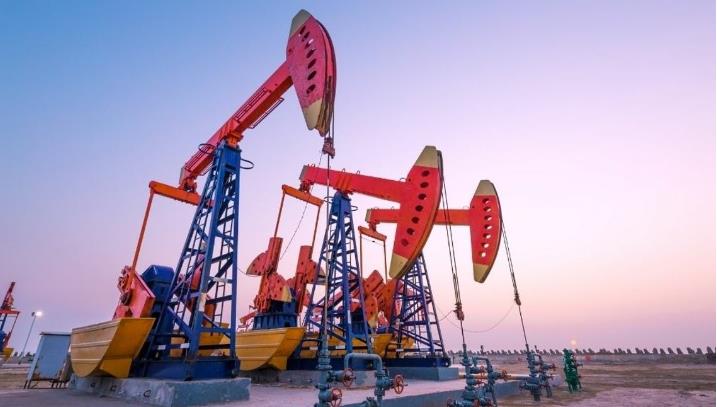
Drilling engineering is a specialized field within petroleum engineering that focuses on the planning, design, execution, and management of drilling operations. The primary goal of drilling engineering is to drill wells safely, efficiently, and cost-effectively to access hydrocarbons. This discipline is essential in oil and gas exploration, where it plays a critical role in optimizing the extraction of resources while minimizing environmental impact and ensuring operational safety.

Core Functions of Drilling Engineering
Drilling engineering covers several core functions that ensure the successful completion of a well. These include:
Well Planning and Design: This is the foundational step in which engineers decide on the well’s location, trajectory, and depth. During planning, engineers use geological and geophysical data to optimize well placement and maximize reservoir contact. They also consider factors like well integrity, cost constraints, and potential environmental hazards.
Drilling Fluid Management: Drilling fluids, also known as "drilling mud," are essential for maintaining well stability, cooling the drill bit, carrying cuttings to the surface, and balancing formation pressures. Engineers design these fluids based on the specific conditions of each well to ensure efficiency and safety.
Drilling Equipment Selection: Engineers select specialized equipment, such as drill bits, drill pipes, and bottom-hole assemblies, based on the formation's characteristics. Each piece of equipment must be compatible with the geological and operational conditions, as well as the desired trajectory of the well.
Pressure Control and Well Integrity: Pressure control is crucial in drilling operations to prevent incidents like blowouts. Engineers use blowout preventers (BOPs) and maintain well integrity through proper casing and cementing to prevent uncontrolled flow of fluids into the wellbore.
Drilling Techniques and Methods
Different drilling methods are employed based on the type of formation and the depth of the reservoir:
Rotary Drilling: The most commonly used method, rotary drilling employs a rotating drill bit to cut through rock formations. The rotation is achieved through a rotary table on the rig floor or a top drive, and drilling mud is circulated to cool the bit and carry rock cuttings to the surface.
Directional Drilling: This technique allows engineers to drill at angles rather than just vertically. Directional drilling is essential for accessing reservoirs that are not directly below the drilling site and is commonly used in offshore drilling.
Horizontal Drilling: Horizontal drilling is a form of directional drilling where the wellbore is turned horizontal to increase the surface area in contact with the reservoir. This method is highly effective in unconventional reservoirs, such as shale plays, where it enables greater access to hydrocarbon-rich zones.
Managed Pressure Drilling (MPD): MPD is a specialized technique that allows for better control over downhole pressures, reducing the risk of formation damage and blowouts. This method is especially useful in complex geological conditions.
Drilling Challenges and Solutions
Drilling operations come with a variety of challenges that require innovative solutions:
High-Temperature and High-Pressure (HTHP) Environments: Drilling in extreme environments requires advanced materials and equipment to withstand high temperatures and pressures without failure. HTHP wells often require specialized drilling fluids, advanced sensors, and enhanced drilling tools.
Unconventional Reservoirs: Extracting oil and gas from unconventional reservoirs, such as shale formations, requires complex drilling techniques like hydraulic fracturing combined with horizontal drilling. Engineers must manage wellbore stability, proppant placement, and pressure to ensure successful extraction.
Deepwater Drilling: In offshore drilling, deepwater and ultra-deepwater wells present logistical and technical challenges. Engineers use remotely operated vehicles (ROVs) and advanced monitoring systems to handle these operations, often deploying specialized rigs designed for deepwater conditions.
Environmental and Safety Concerns: Reducing the environmental impact and ensuring the safety of workers is a top priority. Drilling engineers are developing eco-friendly drilling fluids, implementing best practices in well control, and adhering to strict regulatory standards to mitigate environmental risks.
Innovations and Future Trends in Drilling Engineering
The future of drilling engineering is shaped by technological advancements that improve efficiency, safety, and environmental sustainability. Key trends include:
Automation and Digitalization: Automation is revolutionizing drilling operations by enabling real-time data collection, remote monitoring, and predictive maintenance. Digital twins—virtual models of the drilling process—allow engineers to simulate various scenarios and optimize drilling performance.
Enhanced Drilling Sensors: Modern wells use an array of sensors that monitor temperature, pressure, and vibration levels in real-time. Advanced measurement-while-drilling (MWD) and logging-while-drilling (LWD) technologies provide continuous data on subsurface conditions, allowing for better decision-making.
Top Drive Drilling Systems: These systems provide a safer and more efficient alternative to traditional rotary tables by directly rotating the drill string from the top. Top drive systems are particularly beneficial in complex wells, where they allow for easier control over drilling speed and torque.
Sustainable Drilling Practices: With the global push for sustainability, drilling engineering is focusing on minimizing emissions, reducing the use of non-recyclable materials, and implementing energy-efficient practices. For example, advanced water-based muds are being developed as eco-friendly alternatives to oil-based muds.
Advanced Geosteering Technologies: Geosteering is the process of adjusting the well trajectory in real-time based on geological data. Advanced geosteering technologies use seismic and LWD data to steer the drill bit more precisely, maximizing reservoir exposure.
Drilling Software: Drilling Software refers to specialized tools that streamline planning, monitoring, and optimizing drilling operations in industries like oil and gas. It enables engineers to design well trajectories, monitor real-time data, and simulate drilling parameters such as pressure and rate of penetration. With capabilities like geosteering, automated risk assessment, and performance analysis, drilling software enhances safety, reduces operational costs, and supports efficient, data-driven decision-making. Integrating advanced technologies such as AI and machine learning, drilling software is pivotal for achieving precision, safety, and sustainability in modern drilling projects.

Career and Industry Outlook
Drilling engineers are in demand globally, especially in regions with rich hydrocarbon reserves. As the industry evolves to meet environmental regulations and the demand for energy efficiency, there is a growing need for engineers skilled in emerging technologies like automation, data analysis, and sustainability-focused drilling methods. In addition to traditional oil and gas applications, drilling engineering skills are also valuable in geothermal energy extraction, water well drilling, and carbon capture and storage (CCS) projects.
In summary, drilling engineering is an essential field that combines engineering principles, geological knowledge, and technological innovation. From traditional drilling to advanced techniques, drilling engineers are instrumental in safely and efficiently tapping into the Earth’s energy resources. As the industry continues to evolve, innovations in automation, digitalization, and sustainability will redefine the future of drilling engineering, making it a dynamic and impactful career path for engineers passionate about the energy sector.
Retrofitting web guiding systems offers an effective way to enhance machine performance, precision, and reliability without the need for a full replacement of equipment. Web guiding systems are essential for industries relying on precise material alignment, such as printing, packaging, textiles, and converting. This article explores the benefits, types of retrofitting, and specific solutions to consider when updating these systems.

Benefits of Retrofitting Web Guiding Systems
Upgrading existing web guiding system equipment through retrofitting can provide numerous advantages, including:
Improved Accuracy: Modern sensor technology can significantly enhance tracking accuracy.
Cost-Effectiveness: Retrofitting is often more affordable than purchasing a new system, enabling companies to maximize their ROI.
Reduced Downtime: By upgrading components rather than replacing an entire system, retrofitting can reduce the time needed to get the system operational.
Enhanced System Integration: Modern controllers and digital components allow for better integration with other equipment, leading to a more unified workflow.
Extended Equipment Life: Retrofitting increases the lifespan of older equipment by replacing worn-out or outdated parts.
Types of Retrofit Solutions for Web Guiding Systems
Retrofit solutions vary based on the type of system in use and the specific requirements of the application. Here are some commonly implemented retrofit options:
Sensor Upgrades: Replacing older, less efficient sensors with modern, high-resolution options (e.g., ultrasonic or infrared) allows for better alignment, especially with transparent or reflective materials.
Controller Upgrades: Digital web guide controllers enable better calibration, more accurate positioning, and easier interfacing with other equipment in the production line.
Actuator Replacement: Hydraulic or pneumatic actuators can be replaced with advanced servo-driven actuators, which offer greater precision and are easier to maintain.
Software Integration: Adding or upgrading software modules can allow real-time monitoring and control, with options to log data, track web alignment, and implement predictive maintenance.
Operator Interface Improvements: Newer touch-screen panels and user-friendly interfaces can enhance operator control, making adjustments and troubleshooting simpler.

Steps for Implementing Retrofit Solutions
To ensure a successful retrofit, consider the following steps:
Assessment of Current System: Conduct a thorough analysis to understand the limitations and inefficiencies of the existing system. Determine which components can be reused and which need replacement.
Compatibility Check: Ensure that new parts and software are compatible with existing machinery to prevent integration issues.
Select Retrofitting Components: Choose reliable, durable parts that align with the production requirements and budget constraints.
Installation and Calibration: Install and calibrate new components, ensuring they work seamlessly with the older system. Testing is essential to verify alignment accuracy and system response.
Training for Operators: Provide training on new features to maximize the benefits of the retrofit. This helps operators understand the updated interface, troubleshoot, and maintain optimal performance.
Key Retrofit Components and Technologies
Advanced Edge Sensors: Ultrasonic, infrared, and CCD sensors offer high precision and are ideal for various materials. They improve detection accuracy and adjust to changes in material thickness or transparency.
Servo-Motor Actuators: These actuators provide responsive control, ensuring smoother and faster alignment, which is crucial for high-speed applications.
Programmable Logic Controllers (PLCs): PLCs are widely used in retrofits due to their versatility, reliability, and ability to handle complex control functions, including real-time monitoring.
Digital Operator Panels: Modern panels with intuitive touch interfaces allow for easy parameter setting, making adjustments quick and minimizing downtime.
Integrated Monitoring Software: Adding web monitoring software facilitates real-time tracking, enabling early detection of alignment issues and reducing material waste.

Considerations for Choosing Retrofit Solutions
When selecting components and solutions for retrofitting web guiding systems, consider:
Production Speed and Volume: High-speed applications benefit from advanced actuators and high-precision sensors.
Material Type: Transparent, opaque, or reflective materials may require specific types of sensors for optimal detection accuracy.
Budget Constraints: Calculate the ROI for each component and prioritize upgrades that offer the most significant impact.
Future Expansion: Choose components that can adapt to future production needs, allowing for scalability and additional upgrades if necessary.
Ovarall, retrofitting web guiding systems is an effective way to enhance operational efficiency, reduce waste, and extend the lifespan of existing equipment. With improvements in sensor technology, actuator precision, and software integration, retrofitting offers a practical and cost-effective alternative to full system replacement. By carefully assessing current needs and selecting appropriate retrofit components, companies can achieve better alignment, increased productivity, and greater adaptability in their production processes.