
Recent technical advancements in safety and emergency response systems on offshore oil rigs have significantly enhanced the ability to prevent, detect, and respond to incidents more effectively. These innovations focus on improving the efficiency, reliability, and overall safety of offshore operations. Below are some of the key advancements:

1. Advanced Fire and Gas Detection Systems
Multi-Sensor Detection: Modern fire and gas detection systems use a combination of sensors (e.g., infrared, optical, and ultrasonic) to identify various types of fires (e.g., hydrocarbon or electrical fires) and gas leaks (e.g., methane, hydrogen sulfide). These multi-sensor systems provide faster and more accurate detection, reducing false alarms and ensuring a rapid response.
Smart Fire Systems: Integration with artificial intelligence (AI) allows for predictive analytics, helping to anticipate potential fire hazards based on historical data and real-time monitoring, which enables proactive maintenance and adjustments.
Wireless Sensors: Wireless fire and gas detection systems allow for easier installation, flexible positioning, and faster deployment, improving the coverage and responsiveness of detection systems across the rig.
2. Blowout Preventer (BOP) Technology
Enhanced BOPs: Technological advancements in BOP design, including the introduction of hybrid BOP systems, have improved their ability to manage high-pressure wells and prevent blowouts. These systems are more reliable, with improved seal integrity and pressure capabilities.
Remote-Controlled BOPs: Some rigs now utilize remotely operated BOPs, allowing for better control during drilling operations, especially in remote or dangerous conditions. These systems can be operated from a distance, reducing the risk to personnel.
Real-Time Monitoring: The implementation of real-time data monitoring for BOP performance, including pressure, temperature, and equipment status, enhances the ability to detect anomalies early and take immediate corrective action.
3. Automation and Robotics
Robotic Arms and Drones: Drones and robotic arms are increasingly being used for routine inspections, maintenance, and emergency response tasks, such as searching for hazards or providing real-time video feeds during emergencies. This reduces the need for personnel to be exposed to dangerous situations.
Automated Evacuation Systems: Advances in automated evacuation technologies, such as self-evacuating lifeboats, have made offshore evacuation processes faster and more reliable. These lifeboats can automatically deploy, navigate to a safe distance, and communicate with onshore rescue teams.
Automated Emergency Shut-off Systems: These systems can autonomously shut down certain operations (e.g., drilling or pumping) in response to specific triggers, such as gas leaks or unsafe pressure levels, improving the speed and accuracy of emergency responses.
4. Enhanced Communication and Monitoring Systems
Integrated Communication Networks: New high-speed satellite communication technologies (e.g., 5G and satellite-based systems) enable faster, more reliable communication between offshore rigs and onshore teams, especially in remote locations. This integration allows for real-time data sharing and faster decision-making during emergencies.
Wearable Safety Technology: Smart helmets, body sensors, and personal gas monitors provide real-time data on the health and safety of workers. These wearables can detect falls, exposure to hazardous gases, and other risk factors, sending alerts to safety personnel and triggering automated emergency responses if needed.
Simulation Technology: By creating virtual environments that mimic real-life scenarios, simulation tools allow personnel to practice responding to a wide range of emergencies, such as fires, gas leaks, blowouts, and oil spills. These oil and gas simulations help workers develop their decision-making, coordination, and problem-solving skills without exposure to actual risks. Additionally, simulation technology enables testing and optimization of emergency response procedures, such as evacuation routes and equipment performance, ensuring that all systems are functioning effectively before a real emergency occurs.
Virtual Reality (VR) Training: Virtual reality(VR) is being used for more immersive and effective emergency response training. These technologies allow workers to simulate emergency scenarios and practice their responses in a controlled, virtual environment.

5. Oil Spill Prevention and Response
Advanced Spill Detection Systems: New sensor technologies, including fiber optic systems and underwater drones, enable real-time monitoring of potential oil spills and their spread. These systems can detect minute leaks and identify spill locations quickly, allowing for faster containment and mitigation.
Automated Spill Containment: Technological advancements in robotic systems for underwater spill containment, such as remotely operated vehicles (ROVs), have enhanced the ability to quickly deploy containment booms, skimmers, and oil-absorbing materials during an oil spill.
AI for Spill Modeling: Artificial intelligence (AI) and machine learning are being used to model the movement and impact of oil spills in real-time, allowing for more effective response strategies. These systems can predict how oil will move based on current weather and sea conditions, helping to optimize the deployment of response resources.
6. Health and Medical Response Technology
Telemedicine: Telemedicine systems on offshore rigs enable remote consultations with doctors or medical professionals onshore, allowing for better diagnosis and treatment of medical emergencies. This reduces the need for helicopter evacuations, which are costly and time-consuming.
Advanced Medical Kits: New medical kits now come equipped with diagnostic tools (e.g., portable ultrasound machines, blood gas analyzers) that allow offshore medical teams to perform more comprehensive assessments and treatments, increasing the chances of survival in emergencies.
AI-Assisted Medical Decision-Making: AI and machine learning are being incorporated into medical decision-making tools to assist offshore healthcare workers in diagnosing and treating a variety of medical conditions quickly and accurately.
7. Weather Prediction and Risk Management
Advanced Weather Forecasting: The use of big data analytics and AI for weather forecasting on offshore platforms has improved the accuracy and timeliness of predictions, allowing rigs to better prepare for storms, hurricanes, and other extreme weather events. This technology allows for more informed decision-making regarding evacuations and equipment shutdowns.
Real-Time Environmental Monitoring: Sophisticated environmental sensors now monitor not only weather conditions but also ocean currents, sea levels, and even air quality. This data helps anticipate environmental hazards and facilitates proactive risk management.
8. Integrated Safety Management Systems (SMS)
Digital Safety Management Platforms: Integrated digital platforms are enabling real-time tracking of safety protocols, incident management, and regulatory compliance. These platforms provide a centralized dashboard for monitoring risk factors, safety equipment status, personnel location, and training records, improving overall safety management.
Predictive Safety Analytics: Advanced analytics powered by AI are being used to predict potential safety hazards before they occur. By analyzing historical incident data, maintenance records, and environmental conditions, these systems can identify patterns and recommend preventive actions.
In summary, Technical advancements in safety and emergency response systems on offshore oil rigs are continuously evolving to improve the safety, efficiency, and effectiveness of operations. By integrating automation, real-time monitoring, AI, and improved communication, these innovations not only reduce risks but also enhance the ability to respond rapidly and effectively to emergencies, ultimately ensuring a safer environment for workers and minimizing environmental impact.
Using pop rivets (also known as blind rivets) is a straightforward process that involves a few basic tools and steps. Here’s a guide on how to use pop rivets effectively.

Tools Required:
Pop rivet gun (manual or pneumatic)
Drill and appropriate drill bit
Protective gear (e.g., safety glasses)
Step-by-Step Instructions:
Choose the Right Rivet:
Ensure the rivet size matches the thickness of the materials you’re joining. Pop rivets come in various types with different diameters and lengths to suit different applications.
Drill the Holes:
Align the materials to be joined and drill a hole through both pieces. The diameter of the hole should match the rivet’s size. A hole that is too large will lead to an unstable joint, while one that is too small won’t fit the rivet properly.
Insert the Rivet:
Place the pop rivet into the hole so that the mandrel (the thin pin) protrudes through the material. Ensure the head of the rivet is flush against the surface.
Use the Rivet Gun:
Insert the mandrel into the rivet gun. Make sure the rivet gun is securely attached to the mandrel.
Squeeze the handles of the rivet gun to pull the mandrel. This action expands the body of the rivet behind the material, creating a tight bond.
Continue squeezing until the mandrel snaps off, indicating that the rivet is properly installed.
Check the Rivet:
Inspect the installed rivet to ensure it is secure and tight against the surface. The tail end should be expanded properly to hold the materials firmly together.
Dispose of the Mandrel:
Remove the snapped-off mandrel from the rivet gun and dispose of it properly.

Tips for Best Results:
Use the Correct Rivet Material: Choose rivets made from the same material as the workpieces or materials that are compatible to prevent corrosion (e.g., aluminum rivets for aluminum parts).
Double-Check Alignment: Ensure the materials being joined are aligned before riveting, as adjustments can’t be made after the rivet is installed.
Practice First: If you're new to using pop rivets, practice on scrap material to get a feel for the process.
Pop rivets are a reliable solution for joining thin sheets of metal, plastic, or other materials where access to the back side is limited. Their simplicity and effectiveness make them a popular choice in automotive, construction, and DIY projects.
Creating custom stuffed animals of your pet can be a heartwarming way to celebrate your furry friend or remember them fondly. Whether you want to commemorate a pet that has passed or just have a fun replica to enjoy, these personalized plush toys are a popular and special keepsake. Here’s what you need to know about getting a custom stuffed animal made of your pet.

1. How Custom Pet Stuffed Animals Work
Custom stuffed animals are made by transforming photos of your pet into a 3D plush toy. Companies that specialize in this service typically use high-quality fabrics and detailed craftsmanship to mimic your pet’s fur color, texture, and unique markings.
2. Steps to Ordering a Custom Plush
Choose a Company: Look for a reputable company that specializes in custom stuffed animals. Popular ones include Cuddle Clones, Petsies, and Budsies.
Submit Photos: You'll need to provide clear, high-resolution images of your pet from different angles. The more details you can show, the more accurate the plush will be.
Customization Options: Some companies offer options to customize size, pose, and expression to make your stuffed animal even more lifelike.
Approve the Design: Depending on the company, you might receive a preview of your custom design for final approval before production begins.
3. Production and Delivery Time
Since these custom plush animals are handmade, production can take anywhere from 2 to 8 weeks. Expedited services might be available for an additional fee if you need your stuffed animal sooner.

4. Materials and Quality
Most custom pet replicas are made using high-quality, hypoallergenic plush fabric, with detailed embroidery for features like eyes and nose. The stitching and fabric choice ensure the stuffed animal is durable and captures your pet’s likeness as realistically as possible.
5. Why People Love Custom Pet Plush Toys
Keepsakes and Memorials: For pet owners who have lost a beloved animal, a custom stuffed animal can be a comforting keepsake.
Gifts: These plush replicas make thoughtful gifts for birthdays, holidays, or any occasion for pet lovers.
Decor and Collectibles: Some owners enjoy displaying custom plush toys as part of their home decor or as a collectible item.

6. Cost Considerations
The price for a custom stuffed animal of your pet can range from $100 to $300 or more, depending on factors such as size, customization level, and company reputation. While this can be a significant expense, the level of craftsmanship and personalization often justifies the cost for those seeking a unique tribute to their pet.
7. Tips for the Best Results
Choose High-Quality Photos: Make sure the photos you submit show your pet in natural light and from different angles for the most detailed replica.
Communicate Details: If your pet has specific features like scars, unique fur patterns, or a favorite pose, make sure to share these details with the company.
Review Company Policies: Always check the company’s return policy and read reviews to ensure you're getting the best service.
Custom stuffed animals of your pet are more than just plush toys; they’re sentimental representations of the pets we love. Whether for comfort, nostalgia, or fun, these custom creations make a perfect addition to any pet lover’s collection.
A closed-loop tension control system is a sophisticated approach to maintaining consistent tension in various industrial processes, such as in printing, packaging, textile manufacturing, and converting operations. Tension control is crucial in these processes as fluctuations can lead to product defects, machine malfunctions, and waste, ultimately affecting productivity and quality. In a closed-loop system, feedback mechanisms continuously monitor and adjust tension in real-time, allowing for precise control and adaptability to changing conditions. This article explores the working principles, benefits, applications, and advancements in closed-loop tension control systems.

How a Closed-Loop Tension Control System Works
In a closed-loop tension control system, sensors measure the actual tension in the material, providing real-time data to a controller. The controller compares this data with a pre-set desired tension and makes automatic adjustments as needed to maintain consistent tension. This closed-loop feedback process allows the system to respond quickly to changes in material properties, machine speed, and external forces, keeping tension stable throughout the operation.
Key Components of a Closed-Loop Tension Control System
Sensors: Sensors, such as load cells, dancer arms, or ultrasonic sensors, monitor the material's tension or position. These tension sensors provide accurate feedback to the controller.
Controller: The tension controller is the system's brain, receiving data from the sensors and calculating any deviation from the target tension. Based on this calculation, it sends commands to adjust tension accordingly.
Actuators: Actuators, such as brakes, clutches, or servo motors, make physical adjustments to maintain the correct tension by either increasing or decreasing the tension force.
Feedback Mechanism: This mechanism enables continuous monitoring and adjustment, creating a closed-loop system where the tension is constantly fine-tuned.
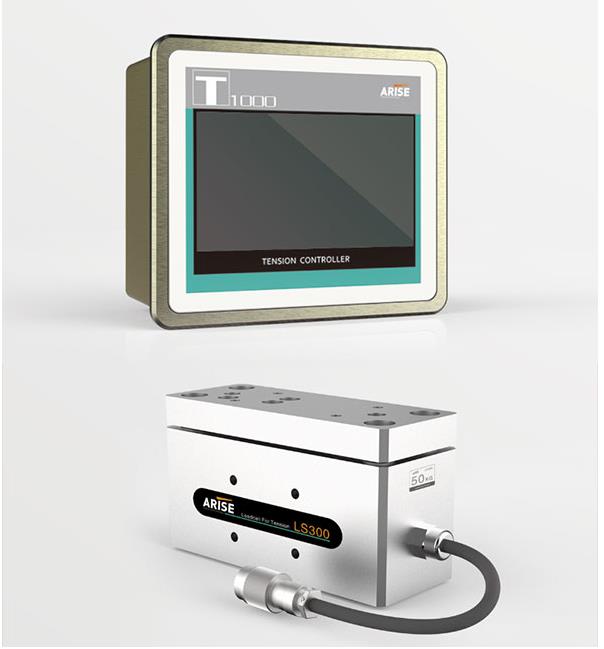
Benefits of Closed-Loop Tension Control
The precision offered by closed-loop tension control is essential in industries where maintaining consistent tension is critical to product quality and process efficiency. Key benefits include:
Enhanced Product Quality: By maintaining stable tension, closed-loop systems prevent issues such as wrinkling, stretching, and tearing of materials, resulting in high-quality finished products.
Reduced Waste: Fluctuating tension can lead to material damage and waste. Closed-loop control minimizes these issues, reducing waste and lowering costs.
Increased Efficiency: The system’s ability to respond to changes in real time reduces downtime due to manual adjustments or corrective actions.
Extended Equipment Life: Maintaining steady tension reduces mechanical wear and tear on equipment, extending its lifespan and lowering maintenance costs.
Versatility Across Materials: Closed-loop systems can be configured for various materials, from paper and film to fabric and metal, making them adaptable to different industrial applications.
Applications of Closed-Loop Tension Control Systems
Closed-loop tension control systems have become essential in industries where precise control over tension is required. Here are a few major applications:
Printing and Converting Industries: Tension control is crucial in printing to avoid misalignment and color overlap. Converting operations, such as cutting and laminating, also benefit from consistent tension to ensure precision.
Textile Manufacturing: Textile production processes, including weaving, knitting, and dyeing, require consistent tension to prevent fabric distortion and achieve uniform patterns and colors.
Packaging Industry: In packaging, particularly in flexible packaging and labeling, maintaining tension prevents material deformation and ensures precise placement.
Metal and Foil Processing: Metal sheets and foils require controlled tension during rolling, cutting, and coating to ensure accuracy and prevent damage.
Battery and Electronics Manufacturing: As industries like battery manufacturing use delicate films and foils, closed-loop tension control systems are essential to prevent tearing and wrinkling during the coating, cutting, and assembly stages.
Advanced Features in Modern Closed-Loop Tension Control Systems
With advancements in automation and digital technology, closed-loop tension control systems have evolved, offering enhanced features for precision and adaptability:
Automated Calibration: Modern systems include automated calibration routines, reducing setup time and ensuring consistent tension settings between production runs.
Adaptive Control Algorithms: Advanced algorithms can adjust tension control settings dynamically in response to changes in speed, temperature, and material properties. This is especially beneficial in industries where materials with varying elasticity are processed.
Data Logging and Analytics: Integration with data logging systems allows for monitoring and recording tension control performance. Analytics can provide insights into system efficiency, identify patterns, and support predictive maintenance.
Remote Monitoring and Control: Many closed-loop systems now support remote monitoring and adjustments via a centralized system. Operators can track system performance, adjust parameters, and troubleshoot issues without needing to be physically present.
Integration with Industry 4.0: Closed-loop systems that are Industry 4.0-compatible can be connected to a larger network, allowing for predictive maintenance, real-time monitoring across multiple production lines, and integration with other smart systems.

Choosing the Right Closed-Loop Tension Control System
When selecting a closed-loop tension control system, it is essential to consider:
Material Properties: Different materials have unique characteristics, such as elasticity and thickness, requiring different tension control approaches.
Process Speed and Variability: High-speed processes require fast-responding control systems with robust sensors and actuators to avoid lag in tension adjustments.
Environmental Factors: Temperature, humidity, and other environmental conditions can affect tension. Systems designed to compensate for these variables can provide more consistent results.
Integration Needs: Ensuring that the tension control system is compatible with existing production lines and can integrate with broader automation systems is critical for seamless operation.
Support and Maintenance: A reliable system provider with a good support network is essential for training, maintenance, and troubleshooting.
In summary, a closed-loop tension control system is a vital asset in any industry that relies on precise material handling. By continuously monitoring and adjusting tension in real-time, these systems provide unmatched control, ensuring quality, efficiency, and reduced waste. With advances in adaptive algorithms, automated calibration, and remote monitoring, closed-loop tension control systems are becoming increasingly sophisticated, meeting the growing demands of modern industrial processes. Whether in printing, packaging, textiles, or electronics, these systems are critical to achieving high standards of precision and reliability in production.
X-ray fluorescence (XRF) technology has become an essential analytical tool across numerous industries due to its versatility, accuracy, and ability to provide rapid, non-destructive elemental analysis. From mining and geology to environmental science and manufacturing, XRF has applications that drive critical insights, improve product quality, and support regulatory compliance. In this article, we explore the various applications of XRF and how it serves as an indispensable tool in modern industry.

1. Mining and Geology
XRF technology is widely used in the mining and geological sectors for on-site elemental analysis. Its ability to quickly identify the composition of minerals and ores makes it invaluable for:
Exploration and Prospecting: Portable XRF analyzers help geologists identify potential mineral deposits and assess ore quality. This rapid identification saves time and resources, allowing for quick decision-making in the field.
Ore Grade Control: XRF assists in evaluating ore composition to ensure quality and consistency, helping optimize extraction and processing.
Geochemical Mapping: By analyzing rock samples, XRF enables the mapping of geological formations, leading to a better understanding of mineral distribution and geological history.
2. Environmental Science and Conservation
Environmental scientists and regulatory bodies rely on XRF to monitor and assess soil, water, and air quality, as well as detect contamination and pollutants.
Soil Analysis: XRF identifies and quantifies heavy metals like lead, arsenic, and cadmium in soil, which is essential in assessing land pollution and determining remediation needs.
Airborne Particulate Analysis: Filters used in air monitoring systems can be analyzed with XRF to detect metals in airborne particles, helping assess air quality and pollution sources.
Water Quality Testing: Although primarily used for solid samples, XRF can analyze precipitates and sediments in water, providing insights into metal contamination levels in aquatic environments.
3. Metallurgy and Metal Manufacturing
In the metal industry, XRF is a powerful tool for quality control, materials sorting, and compliance with alloy standards.
Quality Assurance: XRF analyzes metal composition in real-time, ensuring that alloys meet precise specifications required for manufacturing applications.
Scrap Sorting and Recycling: Scrap metal yards and recycling facilities use XRF to sort and classify metals, making the recycling process more efficient and environmentally friendly.
Process Control: Manufacturers use XRF in process control applications to ensure material uniformity and quality throughout the production stages, reducing waste and rework.

4. Archaeology and Art Conservation
XRF plays a crucial role in archaeology, art conservation, and museum sciences by providing insights into the elemental composition of artifacts and artworks without damaging them.
Artifact Analysis: XRF allows archaeologists to identify materials, coatings, and pigments used in ancient artifacts, revealing information about historical and cultural practices.
Art Authentication: Conservators and art historians use XRF to examine paintings and sculptures, determining the age of materials and detecting forgeries.
Preservation Efforts: XRF helps in assessing deterioration in artifacts and artworks, enabling targeted restoration efforts with minimal risk to the original material.
5. Pharmaceutical and Food Safety
The pharmaceutical and food industries use XRF to ensure safety and quality, adhering to strict regulatory standards.
Pharmaceutical Analysis: XRF identifies and quantifies trace elements in drugs, ensuring purity and compliance with health standards.
Food Safety: XRF can detect contaminants and heavy metals in food products, ensuring compliance with food safety regulations and protecting public health.
Packaging Compliance: XRF also examines packaging materials for toxic elements like lead or cadmium, ensuring they are safe for contact with food and pharmaceuticals.
6. Electronics and Consumer Goods
X-Ray fluorescence spectrometer is extensively used in the electronics and consumer goods industries for component testing, safety compliance, and quality control.

RoHS Compliance: The Restriction of Hazardous Substances (RoHS) directive restricts the use of certain hazardous materials in electronics. XRF is used to test components and ensure compliance with these regulations.
Quality Control in Manufacturing: XRF helps manufacturers ensure the consistency and quality of electronic components, such as solder, batteries, and connectors, by verifying material composition.
Consumer Goods Testing: XRF is used to test products like toys, jewelry, and cosmetics for harmful metals, ensuring they meet safety standards.
7. Automotive and Aerospace Industries
The automotive and aerospace industries utilize XRF for material testing, quality control, and regulatory compliance, especially for critical components where material integrity is essential.
Alloy Verification: XRF is used to confirm that parts are made from the correct alloys, critical in applications where material properties directly impact safety.
Coating Thickness Measurement: XRF measures the thickness of coatings on parts, ensuring they meet specifications for corrosion resistance and durability.
Failure Analysis: XRF can help identify contaminants or structural issues in parts that may have contributed to failure, supporting improvements in design and manufacturing.To sum up, the versatility and efficiency of XRF make it a valuable analytical tool across a wide range of industries. With advancements in portable XRF technology, users can now perform rapid, on-site elemental analysis, reducing costs and time associated with traditional laboratory methods. The non-destructive nature, ease of use, and broad applicability of XRF continue to drive its adoption in new fields, enabling better decision-making, safety, and quality control across diverse applications. As industries continue to innovate and adopt stricter regulations, XRF technology is poised to play an even greater role in ensuring compliance, improving processes, and enhancing our understanding of materials.