
In today's competitive market, brands are constantly seeking unique ways to connect with their audiences and stand out. One increasingly popular approach is through custom plush toys, which offer a unique blend of charm, tangibility, and nostalgia. Custom plushies are not just cute products; they’re memorable brand ambassadors that strengthen emotional connections, enhance brand loyalty, and offer a fun, collectible item. From brand mascots to custom designs that reflect a company’s values, custom plush toys are proving to be a powerful tool for both branding and marketing.

1. Why Custom Plush?
Custom plush toys offer a level of personalization and warmth that few promotional items can match. Unlike typical branded merchandise, a plush toy appeals to all ages and provides brands with a medium that feels personal, playful, and genuine. For companies looking to humanize their brand, connect on a deeper level, and be a part of their customers' daily lives, custom plush is a highly effective option.
2. Branding Benefits of Custom Plush
Enhanced Emotional Connection: Plush toys evoke nostalgia, comfort, and joy, creating a positive emotional link to the brand. Consumers are more likely to remember and engage with a brand that offers such meaningful interactions.
Boosted Brand Loyalty: Providing customers with a custom plush toy can foster brand loyalty, as they view the brand more fondly. Plush toys often become cherished keepsakes, reinforcing the brand’s presence in the customer’s life over time.
Wider Audience Appeal: Plush toys transcend age and demographics. Children, teenagers, and adults alike find value in plush toys, making them ideal for broad appeal, whether in retail, giveaways, or as part of a promotional campaign.
Memorable Merchandise: A plush toy with a unique brand design is far more likely
3. Types of Custom Plush for Branding
Brands can choose from a variety of custom plush options to align with their brand message and goals:
Mascot Plush Toys: If a brand has a mascot, creating it as a plush toy is a natural way to extend its personality and presence. Mascots connect emotionally with consumers, and having a plush version can amplify this connection.
Product-Inspired Plushies: Some brands create plush toys that resemble their iconic products. For instance, a coffee brand might make a plush in the shape of a coffee cup, or a snack company might create plush versions of their most popular treats.
Seasonal or Limited Editions: Custom plush toys released seasonally or as limited editions create excitement and exclusivity, encouraging consumers to act quickly. Limited-edition plushies are also popular as collectibles, especially when brands introduce new designs over time.
Collaborative Plush Designs: Brands can also collaborate with influencers, celebrities, or other brands to create plush toys that leverage mutual fan bases and increase visibility. These partnerships add an extra layer of value and uniqueness to the plush toy.

4. How Brands Use Custom Plush in Marketing
Custom plush toys can serve multiple functions in a brand’s marketing strategy. Here’s how companies are leveraging them effectively:
Retail and Online Merchandise: Many brands add custom plush toys to their product lines, either as standalone items or as part of gift packages, appealing directly to consumers who enjoy collecting or gifting unique items.
Promotional Giveaways: Custom plushies make exceptional giveaways, whether at trade shows, events, or through online campaigns. People are more likely to engage with a brand’s promotion when they receive a high-quality, memorable item.
Corporate Gifting: Brands use custom plush toys as corporate gifts for employees and clients, providing a fun, friendly reminder of their relationship with the brand.
Cause Marketing and Charity Initiatives: Plush toys can be tied to cause-related campaigns. For instance, a percentage of the sales from a branded plush toy can be donated to a relevant charity, allowing the brand to support causes they care about while boosting their visibility.
5. Designing Custom Plush Toys: Key Considerations
Creating a custom plush toy involves more than just translating a design into a physical product. Here are key aspects that brands should consider:
Material Quality: The quality of fabric, stitching, and filling affects both the durability and perception of the plush. High-quality materials and soft textures are essential to ensure that the plush is appealing and long-lasting.
Size and Scale: Plush toys come in various sizes, and brands need to choose a scale that fits the purpose of the plush, be it for desktop display, collectible purposes, or as a cuddly companion.
Brand Identity Reflection: Whether through colors, logo placement, or distinct features, the plush toy should align with the brand's image and message. Unique elements, such as accessories or packaging, can also add to its appeal.
Safety Standards: Particularly when aimed at children, custom plush toys must meet safety regulations and standards, including non-toxic materials and secure stitching, to prevent small parts from detaching.
Eco-friendly Materials: For brands with sustainability goals, using eco-friendly, recycled, or biodegradable materials can reinforce a commitment to environmental responsibility and appeal to eco-conscious customers.

6. Success Stories: Brands Winning with Custom Plush
Several brands have successfully incorporated custom plush toys into their marketing and product offerings, building loyal followings and increased brand visibility:
Fast-Food Chains: Many fast-food chains have used custom plushies as part of limited-time promotions. These collectibles often attract large audiences, encouraging more frequent visits and increasing brand awareness.
Entertainment Brands: Animation studios, game developers, and other media companies often use custom plush versions of their characters. Fans love these items as they provide a tangible connection to beloved shows, games, or movies.
Nonprofits and Charities: Nonprofit organizations have effectively used custom plush toys in fundraising efforts, creating plush versions of animals or symbols that represent their mission. This strategy helps spread awareness and gives supporters a unique memento.
Custom plush toys are much more than a fun marketing tool; they represent a valuable investment in brand visibility, emotional connection, and customer loyalty. Whether a brand chooses to produce mascot plushies, product-inspired designs, or limited-edition collectibles, these plush toys can serve as an unforgettable brand touchpoint. With their broad appeal, longevity, and potential for storytelling, custom plush toys provide brands with a memorable, effective way to engage audiences, making them a highly versatile and powerful marketing asset.
Explosion-proof lighting is essential in marine environments where hazardous conditions, such as flammable gases and vapors, require safety measures to prevent accidental ignition. Traditionally, marine explosion-proof lights relied on incandescent or fluorescent technologies, but LED (Light Emitting Diode) lighting is now increasingly favored. This shift is driven by LED lighting’s efficiency, longevity, and performance advantages over traditional options. Here’s an an in-depth comparison of LED vs. traditional explosion-proof lighting for marine applications, analyzing factors such as energy efficiency, durability, light quality, and maintenance needs.

1. Energy Efficiency
LED Lights: LEDs are highly energy-efficient, converting up to 90% of their energy into light. This efficiency reduces power consumption, an important factor for vessels operating on limited power sources. LED explosion-proof lights, therefore, offer a sustainable choice by lowering fuel use, carbon emissions, and overall operational costs.
Traditional Lights: Traditional marine explosion-proof lights, including incandescent and fluorescent options, are less efficient, with a large portion of energy lost as heat. Incandescent lights, in particular, use significant power for minimal light output, making them an inefficient choice for energy-conscious marine operations.
Conclusion: LEDs have a significant edge in energy efficiency, contributing to cost savings and reduced environmental impact over time.
2. Durability and Lifespan
LED Lights: LEDs boast an impressive lifespan, often exceeding 50,000 hours of operation. They are also resilient to vibration and impact, making them ideal for marine environments that involve continuous movement, harsh weather, and heavy machinery.
Traditional Lights: Incandescent and fluorescent bulbs have a much shorter lifespan, typically between 1,000 and 15,000 hours, depending on the type. They are also more vulnerable to breakage under extreme conditions, leading to frequent replacements and potential downtimes in marine operations.
Conclusion: LED explosion-proof lights have a clear advantage in terms of durability and longevity, reducing the frequency of replacements and minimizing maintenance in hazardous marine settings.
3. Light Quality and Brightness
LED Lights: LEDs provide bright, clear light and offer customizable color temperatures, which enhance visibility and safety in marine operations. Additionally, LEDs reach full brightness instantly, essential for environments requiring immediate illumination without delay.
Traditional Lights: Incandescent lights provide warm but less intense illumination, while fluorescent lights can deliver bright light but often experience flickering. Both traditional options require warm-up time to reach full brightness, which can be a limitation in time-sensitive situations.
Conclusion: LEDs deliver superior light quality with options for customization, making them better suited for the high-visibility needs of marine environments.

4. Maintenance and Replacement
LED Lights: Due to their long lifespan and resilience, LEDs require minimal maintenance. They are often designed as integrated units, reducing the need for component replacements and simplifying upkeep. Additionally, the lower heat output of LEDs minimizes the risk of accidental burns during maintenance.
Traditional Lights: Traditional lights demand more frequent replacement and maintenance due to shorter lifespans and vulnerability to vibration damage. Incandescent and fluorescent bulbs can heat up considerably, increasing the risk for personnel during maintenance and raising the potential for fire hazards.
Conclusion: LED lighting significantly reduces maintenance frequency and costs, providing safer handling for maintenance personnel in hazardous marine environments.
5. Environmental Impact
LED Lights: LEDs are environmentally friendly, containing no harmful substances like mercury, and are easily recyclable. The reduced energy consumption of LEDs also contributes to lower greenhouse gas emissions, supporting eco-friendly practices in marine industries.
Traditional Lights: Fluorescent lights contain small amounts of mercury, making disposal challenging and potentially harmful to the environment. Incandescents also consume more energy, indirectly contributing to higher emissions.

Conclusion: LEDs offer an eco-friendly alternative to traditional lighting options, helping marine industries reduce their environmental impact.
6. Initial Cost vs. Long-Term Investment
LED Lights: The initial cost of LED explosion-proof lights is generally higher than traditional lighting options. However, the long lifespan, energy efficiency, and minimal maintenance required by LEDs make them a cost-effective investment over time.
Traditional Lights: Traditional lighting may offer a lower upfront cost, but higher operational costs, frequent replacements, and energy inefficiency drive up the total cost of ownership.
Conclusion: While LEDs involve a higher initial investment, their long-term savings in maintenance and energy costs make them a more economical choice for marine explosion-proof lighting.
Overall, LED explosion-proof lights are generally superior to traditional options for marine applications due to their energy efficiency, long lifespan, low maintenance needs, and environmental benefits. Although the initial cost of LEDs is higher, the return on investment quickly becomes evident through lower operational costs and reduced environmental impact. Traditional lighting may remain an option for low-cost or short-term needs, but for sustainable, safe, and efficient lighting in hazardous marine conditions, LEDs offer a compelling solution that supports modern energy and safety standards.
The oil and gas industry has been a cornerstone of global energy production for over a century, and advancements in drilling technology continue to shape its future. Innovations in drilling techniques have enabled the industry to access previously unreachable reservoirs, improve efficiency, reduce environmental impact, and increase safety.

Key Advancments in Drilling Techniques for the Oil and Gas Industry
1. Directional and Horizontal Drilling
What It Is: Directional drilling allows for drilling at various angles, enabling multiple wells to be drilled from a single location. Horizontal drilling is a form of directional drilling in which the wellbore turns horizontally within the reservoir.
Advantages:
Maximizes contact with oil- or gas-bearing formations, enhancing extraction.
Reduces surface footprint by enabling multiple wells from a single pad.
Increases the ability to extract hydrocarbons from challenging, unconventional reservoirs, such as shale formations.
Applications: Horizontal drilling has been essential in the success of shale gas and oil extraction, particularly in regions like the United States, which experienced a shale boom due to this innovation.
2. Managed Pressure Drilling (MPD)
What It Is: MPD is a technology that allows precise control over wellbore pressure, enabling operators to manage the pressure gradient effectively and respond to downhole conditions in real time.
Advantages:
Reduces the risks of blowouts, wellbore instability, and lost circulation.
Enhances safety and efficiency, especially in high-pressure, high-temperature (HPHT) environments.
Enables access to challenging reservoirs with narrow pressure margins.
Applications: MPD is widely used in deepwater and offshore drilling, where conventional pressure control methods are insufficient for complex and high-risk environments.
3. Extended Reach Drilling (ERD)
What It Is: ERD is a method of drilling wells with exceptionally long horizontal reach, allowing operators to tap into reservoirs located several kilometers away from the drill site.
Advantages:
Minimizes environmental impact by reducing the need for additional surface facilities.
Allows operators to access remote resources from land-based drilling pads or existing offshore platforms.
Provides cost savings by reducing the need for new infrastructure.
Applications: ERD is beneficial in offshore drilling, where rigs are strategically placed to reach distant, economically viable deposits while reducing the environmental footprint.
4. Rotary Steerable Systems (RSS)
What It Is: RSS is a system that enables precise directional control of the drill bit without stopping the rotation of the drill string, allowing for faster, more accurate drilling.
Advantages:
Provides greater control over the drilling trajectory, resulting in improved accuracy.
Increases the rate of penetration and reduces overall drilling time.
Reduces wear on equipment, extending the operational life of tools and drill bits.
Applications: RSS is widely used in complex well paths, such as those with multiple changes in direction, making it essential for drilling in unconventional reservoirs and tight formations.
5. Automated Drilling and Data-Driven Operations
What It Is: Automated drilling involves using advanced algorithms, real-time data, and machine learning to optimize drilling processes with minimal human intervention.
Advantages:
Increases efficiency by reducing downtime and optimizing drilling parameters.
Enhances safety by minimizing human exposure to hazardous drilling conditions.
Provides operators with real-time insights and predictive analytics for better decision-making.
Applications: Automation is applied in both onshore and offshore drilling operations, where real-time data is essential for continuous optimization, predictive maintenance, and identifying potential hazards.
6. Top Drive Drilling Technology
What It Is: Top drive systems replace traditional rotary tables, providing power and torque directly to the drill string, allowing for continuous rotation.
Advantages:
Increases drilling speed and efficiency by enabling continuous drilling without making connections.
Reduces wear and tear on the drill string and associated equipment.
Improves safety by reducing the need for manual handling of heavy equipment.
Applications: Top drive technology is widely used in both onshore and offshore drilling, particularly in deep wells where traditional rotary tables would face limitations.

7. Underbalanced Drilling (UBD)
What It Is: UBD is a technique where the pressure in the wellbore is intentionally kept lower than the formation pressure, allowing hydrocarbons to flow to the surface as drilling continues.
Advantages:
Minimizes formation damage, which can occur when drilling fluids invade the reservoir.
Reduces the risk of lost circulation, as fluid pressure is lower than the surrounding formation pressure.
Increases production rates and extends the productive life of the well.
Applications: UBD is effective in depleted reservoirs, mature fields, and formations where traditional drilling methods would reduce the reservoir’s productivity.
8. Dual Gradient Drilling (DGD)
What It Is: DGD is a type of drilling that uses two different drilling fluids or gradients to manage pressure more accurately, which is particularly beneficial in deepwater environments.
Advantages:
Helps maintain well control in challenging deepwater formations where conventional drilling gradients are insufficient.
Reduces the risk of blowouts by accurately balancing formation pressures.
Enhances safety and efficiency in ultra-deepwater drilling.
Applications: DGD is especially valuable in ultra-deepwater offshore projects where pressure control is critical, as it allows operators to balance formation pressures without excessive casing and cementing.
How Simulation Technology Contributes to the Innovations in Drilling Techniques
1. Enhanced Training and Skill Development
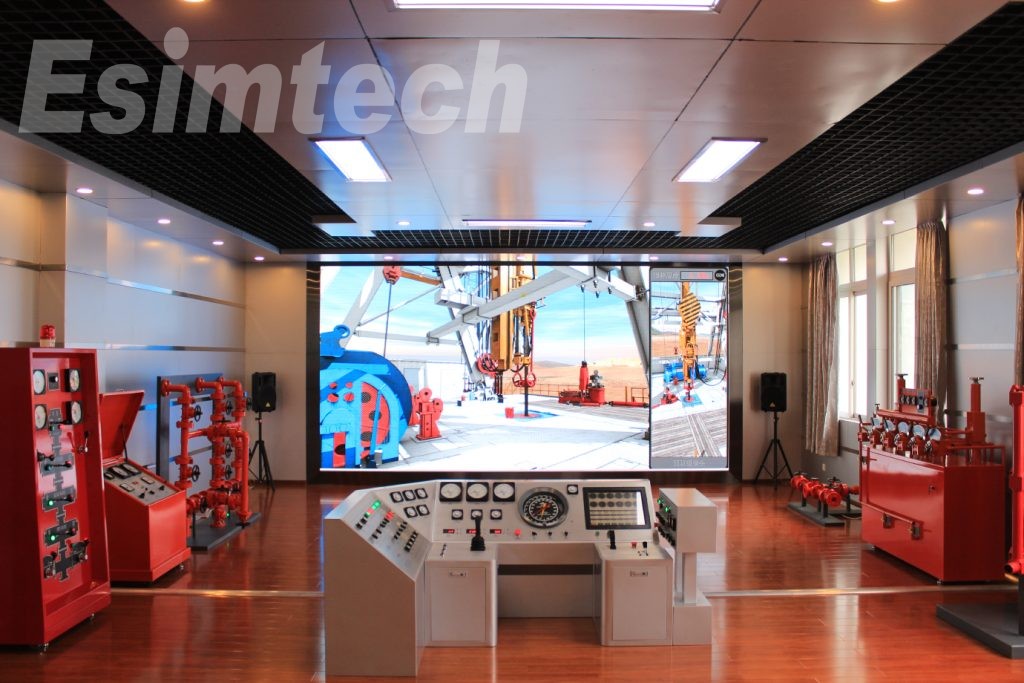
Realistic Drilling Environments: Simulation-based drilling training system allows operators to practice in highly realistic environments that mimic complex drilling scenarios, from routine operations to rare, high-risk situations.
Risk-Free Learning: Trainees can experience the impacts of their decisions in a virtual setting, building proficiency without the high costs or safety risks associated with real-life mistakes.
Continuous Learning: With advancements in simulation fidelity, trainees can stay updated on new techniques and technologies, ensuring they remain competent in the latest innovations like rotary steerable systems (RSS) and managed pressure drilling (MPD).
2. Optimizing Well Path and Trajectory Planning
Pre-Drilling Analysis: Simulations help engineers design the optimal well path, predicting subsurface conditions to navigate complex reservoirs effectively.
Collision Avoidance: In fields with multiple wells, simulation helps map out trajectories to prevent collisions, especially critical in directional and extended reach drilling operations.
Real-Time Adjustments: Simulations allow for real-time analysis of drilling conditionss, helping drillers make informed decisions on-the-fly, such as changes in trajectory or alterations in drilling parameters.
3. Managed Pressure and Underbalanced Drilling Simulations
Pressure Management: By simulating well pressure dynamics, operators can perfect their approach to MPD and underbalanced drilling (UBD) techniques. This reduces the likelihood of costly blowouts, formation damage, or lost circulation events.
Downhole Conditions Modeling: Advanced simulations allow for accurate modeling of downhole conditions, giving engineers the insights they need to control wellbore pressures more effectively and safely.
Optimized Fluid Selection: Simulations can test various fluid properties under different pressures and temperatures, guiding the selection of the best drilling fluid for complex environments.
4. Improving Efficiency and Rate of Penetration (ROP)
Data-Driven Optimization: Simulation tools use historical and real-time data to analyze optimal drilling parameters, such as rotation speed, weight on bit, and hydraulic power, improving ROP and reducing drilling time.
Reducing Downtime: Predictive maintenance simulations analyze wear and tear on drill bits and other equipment, helping to minimize unexpected downtime by planning maintenance and replacements in advance.
RSS and Top Drive Optimization: Simulation enables engineers to test different configurations and drilling parameters for RSS and top drive systems, refining settings that achieve the highest ROP and tool lifespan.
5. Predictive Analysis for Drilling Safety and Hazard Prevention
Blowout Prevention: With high-fidelity simulations, engineers can model extreme pressure conditions and test blowout preventer (BOP) responses, allowing drillers to design BOP stacks that will withstand specific well pressures.
Kick Detection and Response: Simulations model potential "kick" scenarios, enabling crews to develop a quick, practiced response to prevent kicks from escalating into blowouts.
Real-Time Hazard Monitoring: By integrating simulation models with real-time data, drillers can identify hazards like gas pockets or unstable formations before they cause safety issues.
6. Enhanced Offshore Drilling Capabilities
Dynamic Positioning Systems: Simulation tools for offshore rigs model environmental forces, such as ocean currents and wind, allowing for fine-tuning of dynamic positioning systems that keep rigs stable and precisely located.
Dual Gradient Drilling (DGD) Optimization: Offshore simulations assess pressure gradients and fluid properties to fine-tune DGD techniques, which help manage pressures in ultra-deepwater projects, reducing blowout risk.
Virtual Rig Design: Before offshore rigs are even deployed, simulation technology is used to model their interactions with seabed formations and pressure gradients, allowing engineers to design the best rig configuration for a given location.
7. Cost Reduction through Virtual Testing and Planning
Reduced Field Testing: Simulation reduces the need for expensive field tests by allowing engineers to virtually test various drilling scenarios and tools, cutting down on unnecessary costs.
Virtual Equipment Prototyping: New equipment designs, such as rotary steerable systems or specialized drill bits, can be virtually prototyped, reducing time and costs associated with physical prototypes.
Supply Chain Efficiency: Simulation-driven planning helps optimize supply chain and logistics by predicting equipment and material needs more accurately, minimizing delays and resource wastage.
8. Automated and Digital Drilling
Machine Learning and Predictive Analytics: Simulations are integrated with machine learning algorithms that analyze drilling data in real time, adjusting parameters automatically to enhance performance.
Digital Twins: By creating a “digital twin” of a drilling operation, operators can monitor a live model that reacts to real-time changes, allowing immediate adjustments and improvements based on simulation-predicted outcomes.
Remote Operations: Remote drilling operations are made possible through simulations that model field conditions, enabling remote teams to control and optimize drilling activities from centralized locations.
In summary, the advancements in drilling techniques for oil and gas have brought about a new era of efficiency, safety, and environmental responsibility. Simulation technology is central to driving innovation in oil and gas drilling, creating pathways to safer, more efficient, and environmentally responsible operations. As the industry faces the challenges of increasing energy demand, unconventional reservoirs, and stricter environmental regulations, these innovations will play a key role in its continued evolution and sustainability.
Stuffed animals hold a special place in our hearts, whether as cherished childhood memories or comforting collectibles. However, with time, these cuddly companions can accumulate dirt, dust, and even allergens. Properly cleaning a stuffed animal is essential to maintaining its softness, appearance, and longevity. This guide will walk you through the best practices for cleaning stuffed animals safely and effectively.

1. Check the Care Label
Most stuffed animals come with care labels that include specific cleaning instructions. Look for labels with indications like “machine washable” or “surface clean only” to ensure you use the appropriate cleaning method.
Following the recommendations of the stuffed animal manufacturer the is key to preserving the toy’s fabric, stuffing, and any unique features like sewn-on eyes, sequins, or other delicate decorations.
2. Surface Cleaning for Delicate or Non-Machine Washable Stuffed Animals
For stuffed animals that are delicate, have electronic components, or are labeled “surface clean only,” follow these steps:
Supplies Needed: Mild detergent, a small sponge or cloth, and a clean towel.
Steps:
Mix a small amount of mild detergent with water to create a gentle soapy solution.
Dampen the sponge or cloth, then gently blot and wipe the dirty areas on the stuffed animal.
Once cleaned, use a damp cloth with plain water to remove any soap residue.
Blot with a dry towel to remove excess moisture and allow the stuffed animal to air dry.
3. Machine Washing Sturdy Stuffed Animals
If the care label indicates that machine washing is safe, here’s how to wash your stuffed animal without damaging it:
Supplies Needed: Mesh laundry bag or pillowcase, mild laundry detergent, and a washing machine.
Steps:
Place the stuffed animal inside a mesh laundry bag or pillowcase to protect it from direct agitation during the wash cycle.
Use a mild, fragrance-free detergent to avoid irritating the toy’s fabric or causing allergic reactions.
Set the washing machine to a gentle cycle with cold water. Hot water can shrink or damage some stuffed animals, so cold is generally safest.
Once the cycle is complete, remove the stuffed animal and reshape it if necessary.

4. Drying the Stuffed Animal
Proper drying is essential to keep your stuffed animal looking its best:
Air Drying: The safest way to dry a stuffed animal is to air dry it. Place the toy on a clean, dry towel in a well-ventilated area, ideally with indirect sunlight to speed up drying. Flip and fluff the toy periodically to help it dry evenly.
Drying in a Machine: If the care label permits, place the stuffed animal in a dryer set to low or no heat. Add a few clean towels to the dryer to cushion and protect the toy during the cycle. Use a short, gentle cycle to avoid damaging delicate fibers.
Avoid Excessive Heat: High heat can damage the stuffing, fabric, or any plastic parts, so it’s best to keep drying temperatures low.
How to Clean Stuffed Animals: A Step-by-Step Guide
Stuffed animals hold a special place in our hearts, whether as cherished childhood memories or comforting collectibles. However, with time, these cuddly companions can accumulate dirt, dust, and even allergens. Properly cleaning a stuffed animal is essential to maintaining its softness, appearance, and longevity. This guide will walk you through the best practices for cleaning stuffed animals safely and effectively.
1. Check the Care Label
Most stuffed animals come with care labels that include specific cleaning instructions. Look for labels with indications like “machine washable” or “surface clean only” to ensure you use the appropriate cleaning method.
Following the manufacturer’s recommendations is key to preserving the toy’s fabric, stuffing, and any unique features like sewn-on eyes, sequins, or other delicate decorations.
2. Surface Cleaning for Delicate or Non-Machine Washable Stuffed Animals
For stuffed animals that are delicate, have electronic components, or are labeled “surface clean only,” follow these steps:
Supplies Needed: Mild detergent, a small sponge or cloth, and a clean towel.
Steps:
Mix a small amount of mild detergent with water to create a gentle soapy solution.
Dampen the sponge or cloth, then gently blot and wipe the dirty areas on the stuffed animal.
Once cleaned, use a damp cloth with plain water to remove any soap residue.
Blot with a dry towel to remove excess moisture and allow the stuffed animal to air dry.
3. Machine Washing Sturdy Stuffed Animals
If the care label indicates that machine washing is safe, here’s how to wash your stuffed animal without damaging it:
Supplies Needed: Mesh laundry bag or pillowcase, mild laundry detergent, and a washing machine.
Steps:
Place the stuffed animal inside a mesh laundry bag or pillowcase to protect it from direct agitation during the wash cycle.
Use a mild, fragrance-free detergent to avoid irritating the toy’s fabric or causing allergic reactions.
Set the washing machine to a gentle cycle with cold water. Hot water can shrink or damage some stuffed animals, so cold is generally safest.
Once the cycle is complete, remove the stuffed animal and reshape it if necessary.
4. Drying the Stuffed Animal
Proper drying is essential to keep your stuffed animal looking its best:
Air Drying: The safest way to dry a stuffed animal is to air dry it. Place the toy on a clean, dry towel in a well-ventilated area, ideally with indirect sunlight to speed up drying. Flip and fluff the toy periodically to help it dry evenly.
Drying in a Machine: If the care label permits, place the stuffed animal in a dryer set to low or no heat. Add a few clean towels to the dryer to cushion and protect the toy during the cycle. Use a short, gentle cycle to avoid damaging delicate fibers.
Avoid Excessive Heat: High heat can damage the stuffing, fabric, or any plastic parts, so it’s best to keep drying temperatures low.
5. Removing Odors
Over time, stuffed animals can absorb odors from their surroundings. Here’s a simple way to freshen them up:
Supplies Needed: Baking soda and a plastic bag.
Steps:
Place the stuffed animal in a plastic bag and sprinkle it with a generous amount of baking soda.
Seal the bag and shake gently so the baking soda covers the entire surface of the stuffed animal.
Let it sit for about 30 minutes to an hour, allowing the baking soda to absorb any odors.
Remove the stuffed animal and shake or brush off the baking soda residue.
6. Disinfecting Stuffed Animals
If you need to sanitize a stuffed animal due to illness or allergies, use these gentle disinfecting techniques:
Natural Sunlight: Place the stuffed animal in indirect sunlight for a few hours to help kill bacteria naturally.
Steam Cleaning: Use a handheld steam cleaner on a low setting to gently sanitize the toy. Be cautious not to over-saturate it with steam, as this can damage the stuffing.
Fabric Spray Sanitizer: Lightly mist the stuffed animal with a fabric-safe sanitizer or antibacterial spray. Allow it to dry fully before use.
7. Brushing and Fluffing
After washing and drying, some stuffed animals may need a little grooming to restore their original look:
Use a Soft Brush: For stuffed animals with fur, use a soft-bristle brush to fluff up the fibers and restore their appearance.
Re-Fluff the Filling: Gently squeeze and massage the toy to redistribute the stuffing and restore its shape.
Additional Tips
Spot Test First: Always spot test any cleaning product on a small, inconspicuous area of the stuffed animal to ensure it won’t discolor or damage the fabric.
Regular Maintenance: Lightly vacuum or brush your stuffed animals periodically to remove dust and reduce the frequency of deep cleaning.
Store Properly: Store stuffed animals in a cool, dry place when not in use to protect them from moisture, dust, and direct sunlight.
By following these steps, you can effectively clean, sanitize, and maintain your stuffed animals without compromising their quality or sentimental value.
Implementer specializes in creating customized, hypoallergenic, and easy-to-clean stuffed animals perfect for any brand, event, or personal need. Using premium, safe materials and meticulous craftsmanship, Implementer ensures each plush is not only unique but also designed for easy maintenance and long-lasting quality.

Ensuring safety on the water is essential for all maritime operators, from small boat owners to large shipping companies. The affordability of life-saving equipment is a critical concern, especially as advanced technology and materials become integral to modern maritime safety solutions. This article explores the factors affecting the affordability of key marine life-saving equipment, including lifeboats, personal flotation devices (PFDs), emergency position-indicating radio beacons (EPIRBs), and more, and examines ways to make these live-saving tools more accessible for various marine operation.

1. Lifeboats and Liferafts
Lifeboats and liferafts are fundamental to marine safety, providing a secure means of evacuation if a vessel becomes compromised. While mandatory for commercial vessels, they represent a significant investment. Several factors impact their affordability:
Construction Materials: Marine lifeboats are commonly made of durable, corrosion-resistant materials like fiberglass or reinforced steel, which increase their cost. However, manufacturers are exploring lighter composite materials that may reduce production costs without sacrificing durability.
Design and Features: Basic lifeboats are more affordable, but models with additional safety features like automated launching systems and self-righting capabilities can be costly. Affordable options can often be achieved by focusing on essential safety features rather than premium add-ons.
Manufacturing Innovations: Streamlining production techniques, such as modular design and 3D printing, is beginning to make lifeboats and liferafts more affordable. By standardizing certain design elements, manufacturers can reduce costs and pass these savings to the end user.

2. Personal Flotation Devices (PFDs)
PFDs, commonly known as lifejackets, are vital for every individual aboard a vessel, offering buoyancy and protection in emergencies. Advances in materials and design have made PFDs more effective, but affordability remains a priority.
Bulk Manufacturing: Due to high demand, many PFDs are manufactured in large quantities, which lowers the per-unit cost. Standard models with basic buoyancy functions are more affordable than advanced models with additional features, such as automatic inflation or thermal protection.
Regulatory Compliance: PFDs must meet safety standards set by international maritime organizations, which can add to their cost. However, manufacturers are developing compliant yet cost-effective materials that meet safety requirements without significantly raising prices.
Reusable Designs: Some PFDs now include reusable features, such as replaceable CO2 cartridges in inflatable models, which makes them more affordable over time as they reduce the need for frequent replacements.
3. Emergency Position-Indicating Radio Beacons (EPIRBs)
EPIRBs are critical in emergency situations, as they transmit distress signals to rescue authorities, helping to locate the vessel. Though EPIRBs were traditionally quite expensive, recent advances have improved affordability.
Miniaturization and Efficiency: Technological advancements have enabled manufacturers to create smaller, more efficient EPIRBs, which reduces the materials cost and overall price.
Extended Battery Life: Modern EPIRBs have long-lasting batteries, reducing the need for replacements and lowering lifetime ownership costs. Solar-powered options are also emerging, which can further reduce maintenance costs.
Subsidies and Financial Support: Some maritime safety organizations provide subsidies for EPIRBs, making them more accessible for smaller operators or individual boat owners. Additionally, governments in high-risk maritime regions often support EPIRB affordability programs to enhance overall maritime safety.
4. Fire Suppression Systems
Fire hazards pose a serious threat to vessels, making fire suppression systems essential. However, the price of these systems can be high due to their complexity.
Standardized Systems: Many manufacturers now produce standardized, scalable systems that fit a variety of vessel sizes and types, making fire suppression technology more affordable and accessible.
Affordable Refills and Maintenance: Fire suppression systems with easy-to-refill extinguishing agents and straightforward maintenance schedules reduce ongoing costs, making them more affordable over time.
Component Advancements: Improvements in materials and chemical agents for fire suppression systems have led to smaller, less complex systems that are still highly effective, allowing them to be priced lower without compromising safety.
5. First Aid and Medical Kits
No vessel should be without a first aid kit, yet these can be costly, especially for larger vessels that require more comprehensive kits.
Modular Kits: Many companies now offer modular first aid kits, allowing operators to purchase essential components and add on as needed, making it easier to invest in safety without a high upfront cost.
Bulk Purchase Options: For larger operators, bulk purchasing of standardized kits can significantly reduce costs, making it possible to equip multiple vessels affordably.
Making Life-Saving Equipment More Affordable: Industry and Policy Innovations
Ensuring that all vessels can access marine life-saving equipment regardless of budget is a key focus within the maritime industry. Some initiatives and approaches include:
Subsidies and Grants: Various organizations offer subsidies and grants to make life-saving equipment more affordable, especially for small businesses and individuals in high-risk areas.
Bulk and Cooperative Purchasing: Maritime cooperatives and industry groups often negotiate bulk purchasing agreements that reduce costs for members.
Buyback Programs: Some manufacturers and governments have implemented buyback programs for older safety equipment, enabling operators to trade in for newer, more affordable options.

Ovarall, the affordability of marine life-saving equipment is crucial to maritime safety. As technology advances and production methods improve, essential equipment like lifeboats, PFDs, EPIRBs, fire suppression systems, and medical kits are becoming more accessible. By focusing on affordability alongside effectiveness, manufacturers, policymakers, and maritime organizations can help ensure that vessels of all sizes and purposes are prepared for emergencies, enhancing overall safety across the industry.