
Flat spiral springs, with their unique design and functional characteristics, play a crucial role in numerous industries and devices. From electrical switches to surgical instruments, these springs offer versatile solutions for applications requiring controlled deflection, force generation, and energy storage. Understanding the working principles and exploring their wide-ranging applications can shed light on the significance of flat spiral springs in various fields. In this article, we delve into the working principles of flat spiral springs and highlight some key applications where these springs are commonly utilized, showcasing their versatility and value in modern engineering.

Working Principles of Flat Spiral Springs
The working principles of flat spiral springs are rooted in their unique design and structure. Here's how flat spiral springs function:
Structure
Flat spiral springs consist of a flat strip of material wound in a spiral shape. The strip is coiled tightly, with each turn adjacent to the previous one. This spiral configuration provides the spring with its characteristic flexibility and resilience.
Force Generation
Flat spiral springs generate force through their inherent tendency to resist deformation. When a load or force is applied to the spring, it undergoes deflection or deformation. The spiral shape allows the spring to absorb and store the energy exerted on it.
Elasticity and Restoring Force
Flat spiral springs are made from materials with high elasticity, such as steel or certain alloys. This elasticity enables the spring to deform when a force is applied and then return to its original shape when the force is removed. The restoring force is the force exerted by the spring to return to its original position.
Deflection and Load Distribution
When a force is applied to a flat spiral spring, it deflects or compresses along the spiral axis. The deflection can be linear or angular, depending on the spring’s design and application. Flat spiral springs distribute the load evenly across their coils, reducing stress concentration on specific points.
Energy Storage and Release
As the spring deflects, it stores potential energy within its structure. This energy is stored in the form of strain or deformation within the material. When the force is removed or reduced, the spring releases the stored energy, pushing or pulling back to its original shape.
Spring Rate and Stiffness
The spring rate or stiffness of a flat spiral spring refers to the amount of force required to deflect the spring by a certain distance. The spring rate depends on factors such as the material properties, dimensions, and coil geometry of the spring.
Resonance and Natural Frequency
Like common types of springs, flat spiral springs have a natural frequency at which they oscillate when excited. This natural frequency is determined by the spring’s physical characteristics and can have implications for certain applications, such as vibration isolation or timing mechanisms.
By leveraging these working principles, flat spiral springs are widely used in various applications where controlled deflection, energy storage, and force generation are required. Their unique design offers advantages such as compactness, high load capacity, and resistance to fatigue and relaxation.

Applications of Flat Spiral Springs
Flat spiral springs find applications in various industries and devices where their unique properties and characteristics are advantageous. Here are some common applications:
Electrical and Electronics
Switches and Electrical Contacts: Flat spiral springs provide reliable electrical contact and ensure proper switch operation.
Connectors and Terminals: They maintain electrical continuity in connectors and terminals, ensuring secure connections.
Automotive Industry
Fuel Injection Systems: Flat spiral springs control fuel flow and maintain proper pressure in fuel injectors.
Clutch Mechanisms: They provide engagement and disengagement forces in clutch systems.
Medical Devices
Surgical Instruments: Flat spiral springs enable precise movement and control in various surgical instruments.
Implantable Devices: They are found in medical implants such as cardiovascular devices and orthopedic implants.
Aerospace and Defense
Avionics and Navigation Systems: Flat spiral springs are utilized in control mechanisms and switches within aircraft and spacecraft.
Military Equipment: They find applications in firearms, ammunition, and various defense mechanisms.
Mechanical Engineering
Mechanical Seals: Flat spiral springs maintain proper sealing and prevent leakage in mechanical seals.
Locking Mechanisms: They provide tension and secure closure in locks, latches, and hinges.
Consumer Products
Writing Instruments: Flat spiral springs control the pen tip or lead in retractable pens and mechanical pencils.
Toys and Games: They are used in various toys and games that involve spring-loaded components.
Industrial Equipment
Timing Mechanisms: Flat spiral springs provide precise and consistent movement in clocks, watches, and timing devices.
Valve Systems: They control fluid flow and actuate valves in valve assemblies.
Automotive Suspension
Suspension Systems: Flat spiral springs can be employed as auxiliary springs or vibration dampers in automotive suspension systems.
These are just a few examples of the diverse range of applications where flat spiral springs are utilized. Their versatility, compact design, and ability to provide controlled force and deflection make them valuable components in numerous industries and devices.
Conclusion
Flat spiral springs are compact and resilient components that significantly impact numerous industries and devices. Their unique working principles, including their ability to generate force, distribute loads, and store energy, make them invaluable for applications requiring controlled motion and precise functionality. From electrical switches to medical instruments, and automotive systems to consumer products, flat spiral springs offer reliable and versatile solutions. As technology advances and new challenges emerge, the demand for these springs is likely to continue to grow, driving further innovation and refinement. With their remarkable characteristics and broad range of applications, flat spiral springs remain an essential element in modern engineering, ensuring efficient and reliable operation in countless devices and mechanisms.
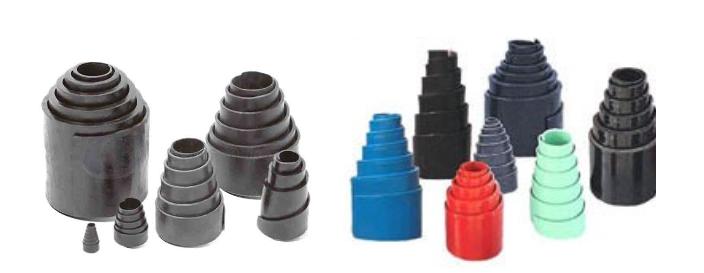
Volute springs, also known as conical springs or pagoda springs, are a specialized type of compression spring crafted from a flat strip of material wound into a conical shape. The overlapping coils provide stability against buckling, a feature not achievable with conventional compression springs. This design allows for shorter installation lengths, depending on the forces and dimensions involved.
Construction and Materials
Typically made from spring steel, stainless steel, or phosphor bronze, volute springs can vary in material thickness from less than 1 mm to approximately 32 mm. These springs can support significant loads, with larger variants capable of handling up to 500 kN.
Working Principle and Characteristics
Volute springs operate on the principle of compression. When a force is applied, the coils compress, shortening the spring. The force required for this compression is proportional to the spring’s stiffness, which is determined by its material, thickness, and dimensions. Key characteristics of volute springs include:
High Load Capacity: Capable of supporting substantial loads.
Short Installation Length: Efficient space utilization.
Resistance to Buckling: Enhanced stability under compression.
Low Friction: Suitable for high cycling frequencies due to minimal internal friction.
Applications of Volute Springs
Volute springs are versatile and used in various applications:
Suspension Systems
In automotive suspension systems, volute springs absorb road vibrations and shocks, enhancing passenger comfort in vehicles such as cars, trucks, and motorcycles.
Low-Load Positions
Used in hinges of doors and other automatic products, volute springs provide a gentle force to maintain the desired position of the product.
Comparison with Other Springs
Compared to helical and leaf springs, volute springs offer a balanced solution:
Helical Springs: More common but prone to buckling.
Leaf Springs: Resilient but bulky.
Volute Springs: Combines the benefits of both with added stability and compactness.
Selection Considerations
When selecting volute springs, consider load capacity, stiffness, and frictional characteristics. It is crucial to choose materials that are corrosion-resistant and have a long fatigue life for extended usage periods.
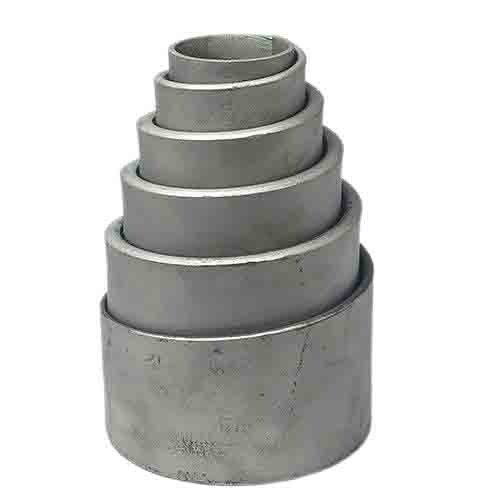
Functions of Volute Springs
Volute springs serve various functions, including:
Measurement
Used in coil spring scales where elongation or contraction measures applied force.
Compression
Improves contact in electrical switches, preventing increased resistance and heat generation. Also used in door hinges and automatic products.
Reset
Resets devices to their original state post-application of external force, useful in hinges and automatic products.
Driving
Acts as a driving mechanism in mechanical clocks and wind-up toys, storing and releasing elastic potential energy.
Cushioning
Cushions vibrations and shocks in vehicle suspension systems and machinery.
Vibration and Sound Generation
Generates vibration and sound in musical instruments and noisemakers.
Conclusion
Volute springs are versatile, high-performance components with significant applications across various industries, including automotive, aerospace, and manufacturing. Their high load capacity, short installation length, resistance to buckling, and low friction make them suitable for numerous functions. For business cooperation, KENENG is a reputable choice for high-quality volute springs.
Torsion springs are vital components found in a wide range of applications, from garage doors to industrial machinery. When these springs are wound or unwound, they exert a twisting force known as torque. Accurate measurement of torsion springs is critical to ensure proper fit, functioning, and safety in any application. In this article, we will explore how to measure torsion springs accurately with a step-by-step guide, including the necessary tools, techniques, and considerations.

Fundamentals of Torsion Springs
Torsion springs are helical in shape and made of tightly coiled wire or rod. When twisted, potential energy is stored in them. When the force is released, this energy causes the spring to unwind and exert torque. Torsion springs are characterized by several key parameters:
Wire Diameter: The thickness of the wire used to make the spring, measured in inches or millimeters.
Outer Diameter: The total diameter of the spring, including the wire thickness, measured in inches or millimeters.
Leg Length: The distance between the spring’s end and the first active coil, measured along the spring’s axis.
Number of Coils: The total number of active coils in the spring.
Pitch: The distance between neighboring coils, measured across the circumference.
Step-by-Step Guide to Measure Torsion Springs
Step 1: Gather the Required Tools
Before you begin measuring the torsion spring, ensure you have all the necessary tools:
Calipers: Digital or dial calipers are required for precisely measuring wire diameter, outer diameter, and leg length.
Ruler or Tape Measure: Used to determine the pitch, the spacing between neighboring coils.
Safety Equipment: Gloves and safety glasses to protect yourself during the measuring procedure.
Step 2: Determine the Wire Diameter
Measure the wire diameter with your calipers. Place the calipers on the wire and slowly close them until they fit snugly around it. Take the caliper reading and write it down. Because wire diameter can vary slightly, repeat this technique in several locations on the wire to ensure accuracy.
Step 3: Measure the Outer Diameter
Next, measure the outer diameter of the torsion spring. With the calipers perpendicular to the spring’s axis, measure the distance across the widest area of the spring, including the wire thickness. To ensure accuracy, take multiple measurements in different areas.
Step 4: Determine the Leg Length
The leg length is the distance between the spring’s end and the first active coil. Use the calipers to measure the distance along the spring’s axis. Place one caliper arm at the spring’s end and extend the other arm until it reaches the first active coil. Take the measurement and write it down.
Step 5: Calculate the Number of Coils
Count the total number of active coils in the spring. Active coils are those that engage in the twisting motion of the spring. Exclude the inactive or closed beginning coils towards the ends.
Step 6: Measure the Pitch
The pitch of a spring is the distance between neighboring coils around its circumference. Use a ruler or tape measure to measure this distance. Start at one point on a coil and measure to the corresponding point on the adjacent coil. Repeat this process at various points along the spring to ensure consistency.

Step 7: Record and Verify Measurements
Once you have obtained all the necessary measurements, record them accurately for reference. Double-check your measurements to ensure accuracy and cross-verify with any specifications or requirements provided by the manufacturer or application guidelines.
Additional Considerations
Wire Material: Torsion springs are made of various materials, including steel, stainless steel, and bronze. The material can influence the spring’s properties and behavior. Understand the material being used and its specific qualities.
Spring Ends: Torsion springs can have various ends, such as straight, hinged, or custom-designed ends. Consider the end type and how it affects the measurement procedure.
Tolerance and Variations: Torsion spring dimensions may be subject to tolerances. Keep these tolerances in mind and ensure your measurements fall within the allowable range.
Consult Manufacturer Guidelines: Refer to the manufacturer’s guidelines or specifications for reliable measurement procedures or particular instructions for custom torsion springs if available.
Summary
Accurate measurement of torsion springs is essential to ensure correct fit and operation in various applications. By following the step-by-step approach outlined in this article, manufacturers and technicians can obtain precise measurements of wire diameter, outer diameter, leg length, number of coils, and pitch. Adhering to these guidelines will help ensure optimal performance of torsion springs in their intended applications.
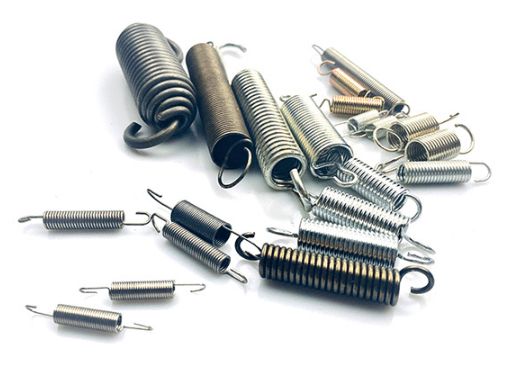
Tension springs serve as indispensable components in various mechanical systems, absorbing and storing energy to facilitate movement control. Achieving optimal and reliable performance hinges on meticulous tension spring design. This article delves into the critical factors, calculations, considerations, and testing procedures pivotal in crafting effective tension spring designs.
Key Factors in Tension Spring Design
Material Selection:
The chosen material must withstand anticipated loads, considering factors like temperature range, corrosion resistance, and fatigue life.
Wire Size:
Wire diameter determines spring force. Thicker wires yield stronger springs with higher spring rates.
Coil Diameter:
The outer diameter affects coil count necessary to achieve desired length and load.
Pitch:
Closer coils produce stronger springs with higher spring rates.
Number of Coils:
Depends on desired spring length and load, calculated using spring rate and deflection.
Initial Tension:
Force required for initial compression or extension, calculated using spring rate and coil count.
Calculations in Tension Spring Design
Spring Rate Calculation:
Determined by the formula: Spring Rate = (G x d^4) / (8 x D^3 x n)
Maximum Load Calculation:
Derived from: Maximum Load = (G x d^4 x L) / (8 x D^3 x n^3)
Maximum Deflection Calculation:
Computed by: Maximum Deflection = (8 x F x L^3) / (G x d^4 x π^3 x n^3)
Stress Calculation:
Expressed as: Stress = (F x D) / (8 x d^3 x n)
Additional Considerations in Tension Spring Design
End Type Selection:
Varies with application; options include closed ends, open ends, hooks, and tangs.
Bend Radii:
Must be adequate to prevent stress concentrations and premature failure.
Surface Finish:
Smooth finish reduces friction, enhancing spring longevity.
Shot Peening:
Improves fatigue life by inducing compressive stresses, mitigating damage from cyclic loading.
Stress Relief:
Heat treatment process reduces residual stresses, forestalling premature failure.

Prototyping and Testing in Tension Spring Design
Importance of Prototyping:
Critical for evaluating design and identifying unforeseen issues, aiding in the troubleshooting of tension spring manufacturing.
Testing Methods:
Include compression, tension, fatigue, and load deflection tests to assess real-world performance.
Evaluation of Results:
Testing outcomes scrutinized to ensure compliance with performance criteria, prompting design modifications as necessary.
Iterative Design Process:
Often entails multiple rounds of prototyping and testing to refine design and meet performance benchmarks.
Conclusion
Crafting tension spring designs demands meticulous attention to factors, calculations, considerations, and testing. By adhering to these guidelines, designers can ensure optimal, reliable performance, culminating in successful mechanical systems.
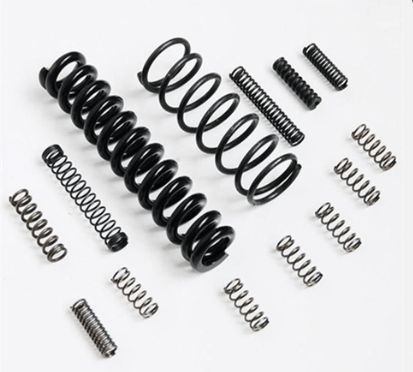
Spring, a fundamental component, boasts numerous invaluable properties, rendering it indispensable across various industries such as automobiles, tractors, instruments, and textiles.
However, the occurrence of fatigue fracture accidents in critical springs during operation can result in substantial economic losses and pose threats to worker safety. To mitigate such risks, understanding the factors influencing the fatigue strength of springs is imperative.
Factor 1: Yield Strength
The fatigue limit of materials exhibits a correlation with their yield strength. Generally, higher yield strength correlates with enhanced fatigue strength. Thus, improving the yield strength of spring materials or opting for materials with a high yield strength-to-tensile strength ratio can elevate the fatigue strength of springs. Fine-grain structures tend to exhibit higher yield strength compared to coarse ones.
Factor 2: Surface State
Given that maximum stress primarily concentrates on the surface, the surface quality significantly impacts fatigue strength. Fatigue fractures often stem from defects like cracks, scars, and imperfections incurred during rolling, drawing, and coiling processes.
Reducing surface roughness minimizes stress concentration and elevates fatigue strength. Methods such as grinding, pressing, shot blasting, and rolling enhance surface quality, thus improving fatigue strength.
Factor 3: Size Effect
Larger material sizes are prone to defects from cold and hot working processes, escalating the likelihood of surface imperfections and compromising fatigue performance. Hence, size effects should be factored into fatigue strength calculations.
Factor 4: Metallurgical Defects
Metallurgical defects such as non-metallic inclusions and element segregation serve as stress concentration points, fostering premature fatigue cracks. Employing measures like vacuum smelting and casting enhances steel quality, mitigating metallurgical defects.
High-Fatigue-Strength Springs – KENENG Spring
KENENG specializes in R&D and production of diverse springs, leveraging advanced industry technology to craft products with superior fatigue strength. With a production capacity spanning from Φ0.01 to Φ100, KENENG springs find applications across scientific research, military, nuclear, chemical, petroleum, and machinery sectors.
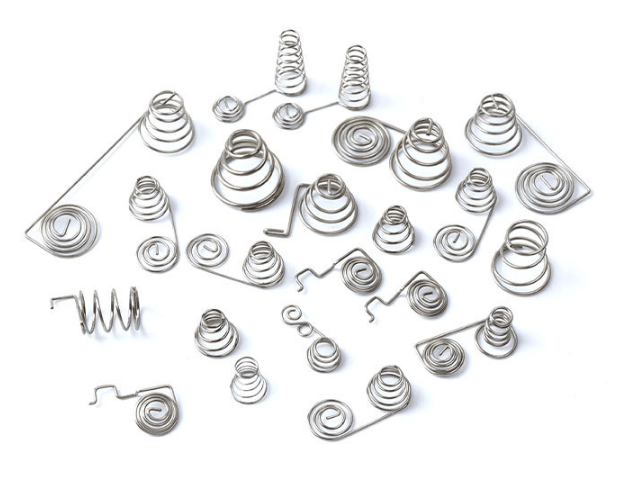
Customization options cater to specific installation requirements, pressure dimensions, material selection, wire diameter, size, and specialized processing techniques. As a professional spring manufacturer, KENENG prioritizes quality, striving to meet diverse customer demands with precision-engineered solutions.