
The oil and gas industry is one of the most important in the world, supplying transportation fuel and energy to industries. However, as oil and gas wells age, their output often decreases, necessitating maintenance or intervention to boost performance. This type of intervention or maintenance is referred to as a "workover" in the oil and gas sector. Workover is the process of increasing or restoring the productivity of an oil or gas well by maintenance, repair, or stimulation activities.
Oil and gas industry rely on advanced technologies such as Downhole Operation Simulator (DOS) software to undertake workover operations. DOS replicates downhole operations, allowing oil and gas engineers to test and optimize interventions before putting them into action in the field. This technology has become a must-have for oil and gas firms, assisting them in lowering the risks, costs, and downtime involved with workover operations.
In this article, we will explain the concept of workover in the oil and gas industry, why workover is required, and the advantages of employing a DOS for workover activities. We will also look at the many sorts of workover procedures and the approaches used to improve their efficiency. The goal of this paper is to provide a comprehensive understanding of workover in the oil and gas industry and the importance of downhole operation simulator for the workover.

Overview of Oil and Gas Workover
Workover Definition
Workover in the oil and gas industry refers to the process of performing maintenance, repairs, or stimulation on an existing wellbore in order to increase productivity or restore integrity. Workover operations are typically performed when a well's production is declining or mechanical difficulties require addressing.
Workover Process
A multitude of steps are involved in the workover process, including well evaluation, design, planning, execution, and evaluation. The well evaluation process entails examining the well's condition, identifying problems, and selecting the best way to remedy them. The design process entails creating a detailed plan for the workover operation, including the necessary equipment, supplies, and employees. The planning stage entails coordinating and scheduling the operation's resources. The execution step involves carrying out the workover operation, including the installation of new equipment, repairs, and maintenance. Finally, the evaluation step involves assessing the effectiveness of the workover operation and making any necessary adjustments.
Workover Types
There are three types of workover operations: remedial, completion, and recompletion. Remedial workovers are undertaken to restore the productivity of an existing wellbore that has had mechanical faults or other production challenges. Completion workovers are performed on newly drilled wells to ensure they are ready for production. Recompletion workovers entail modifying the completion design of an existing wellbore in order to increase its productivity.
Challenges of Oil and Gas Workover
Workover Difficulties and Risks
Workover operations can be dangerous and difficult due to a variety of reasons such as wellbore conditions, well pressure, equipment failure, and weather conditions. These factors can enhance the likelihood of an accident, which can result in personnel injury, equipment damage, or even death. Furthermore, workover procedures can be time-consuming and costly, resulting in lower profitability for operators.
Workover Costs and Productivity
Workover operations can be costly, particularly when dealing with complicated challenges that necessitate the use of specialized equipment and expert employees. Workover activities might incur costs such as equipment rental, personnel, and materials and supplies. Effective workover operations, on the other hand, can increase well productivity and extend the life of the well, resulting in higher profitability.
Workover Safety and Quality
Workover operations necessitate a high level of safety and quality control in order to be carried out appropriately and safely. To protect workers and equipment, operators must follow safety norms and standards. Furthermore, quality control methods must be in place to verify that the workover operation is carried out accurately and produces the required results.
Simulator Concept and Classification
Simulator technology involves the use of computer-based models to simulate real-world scenarios and predict their outcomes. In the oil and gas industry, simulators can be used to predict well performance, optimize drilling operations, and improve workover operations. Simulators can be classified into three main categories: physical simulators, mathematical simulators, and hybrid simulators.
Simulator Design and Development
Simulators are built using specialized software and hardware to imitate real-world circumstances and scenarios. Simulators employ computer languages such as Python and MATLAB, as well as hardware such as sensors, actuators, and controllers.
Applications and Benefits of Simulators
Simulators are used in the oil and gas industry for a variety of purposes, including well performance prediction, drilling optimization, and workover planning and execution. The benefits of employing simulators include lower costs, higher safety, efficiency, and better decision-making.
Downhole Operation Simulator
Components of the System and Functional Features
DOS systems are made up of numerous parts, including software, hardware, and sensors. DOS systems employ software to model the downhole environment and the behavior of fluids and materials within the wellbore. Sensors that measure pressure, temperature, and other downhole characteristics, as well as controllers that regulate equipment performance, are utilized in DOS systems. Downhole operation simulators provide the ability to simulate various wellbore scenarios, optimize workover operations, and provide real-time input on downhole conditions.
Case Studies and Effect Evaluation
DOS technology has been employed in a variety of oil and gas sector applications, including work planning and execution, failure diagnosis and management, and work optimization and improvement. DOS technology has been proved to increase the efficiency and efficacy of workover operations while also lowering costs and improving safety.

Applications of Downhole Operation Simulator in Oil and Gas Workover
Work Planning and Execution
DOS technology can be utilized to simulate multiple wellbore scenarios and optimize workover operations during workover planning and execution. Operators can detect possible issues and design more effective workover plans by mimicking the downhole environment. DOS technology can also be used to instruct workers on workover procedures and to improve their skills.
Failure Diagnosis and Handling
DOS technology can be utilized in failure diagnosis and handling to pinpoint the source of downhole problems and devise efficient solutions. Operators can discover the reason of a breakdown and develop a plan to rectify it by mimicking downhole circumstances. Furthermore, DOS technology can be used to monitor downhole conditions in real time and change equipment to alleviate problems as they emerge.
Work Optimization and Improvement
DOS technology can be used to optimize workover operations and improve well performance. By simulating different scenarios, operators can identify the most effective solutions to improve well productivity and extend the life of the well. Additionally, DOS technology can be used to monitor downhole conditions and make adjustments to equipment to optimize well performance.
Conclusion
Contributions and Research Findings
DOS technology has been proved through research to considerably improve the efficiency and efficacy of workover operations in the oil and gas industry. DOS technology has been proved to lower costs, increase safety, and boost worker productivity.
Limitations and deficiencies
One disadvantage of DOS technology is that it necessitates the use of professional staff who are familiar with the system's software and hardware. Furthermore, DOS technology can be costly to adopt, particularly for smaller businesses.
Directions for Future Development and Research
Future DOS technology research should concentrate on improving system usability and lowering expenses. Furthermore, research should concentrate on the development of new uses for DOS technology, such as wellbore stimulation and enhanced oil recovery.
In the oil and gas industry, well logging plays a crucial role in acquiring data from subsurface formations. This data helps determine the location, depth, and nature of hydrocarbon reserves. To achieve this, logging tools are employed to measure various physical and geological properties of formations, such as porosity, permeability, fluid saturation, and lithology. Nonetheless, interpreting the acquired data can be challenging, particularly in complex reservoirs. To address these challenges, the industry has turned to well logging simulators—computer programs designed to simulate logging data from specific formations and generate synthetic data for testing, training, and validation purposes. In this article, we will delve into the topic of why choose well Logging simulators in the oil and ga sindustry, exploring the benefits and applications of well logging simulators.
A Primer on Well Logging
Well logging is an indispensable aspect of oil and gas exploration and production. Logging tools are deployed downhole using a wireline or drill pipe, continuously or at intervals, to acquire data. This data is subsequently processed and interpreted to gain insights into reservoir characteristics. The interpretation of the data is critical for estimating reserves, planning field development, and optimizing production.
Logging tools can be classified based on the measurements they acquire. Resistivity tools measure the electrical resistivity of formations, which correlates with porosity, lithology, and fluid saturation. Gamma-ray tools measure the natural gamma radiation emitted by formations, providing information about lithology and mineralogy. Density tools gauge formation density, reflecting porosity and lithology. Sonic tools measure sound wave velocity in formations, which is related to compressibility and fluid saturation. Other logging tools include nuclear magnetic resonance (NMR) tools, pressure and temperature gauges, and imaging tools like borehole cameras.
Interpreting the acquired data is a complex process that necessitates expertise and experience. The data is calibrated, corrected for borehole effects, and transformed into meaningful parameters like porosity, permeability, and fluid saturation. This interpretation is vital for estimating reserves, planning field development, and optimizing production.
Understanding Well Logging Simulators
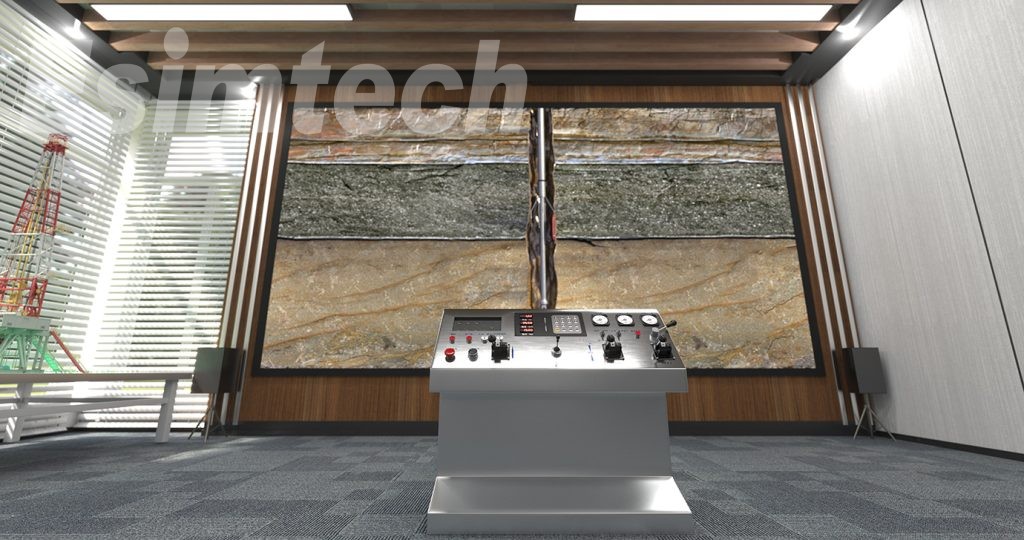
well logging simulators are computer programs that utilize mathematical models to simulate logging data from specific formations. They generate synthetic data for training and validation purposes. These simulators can mimic the physical and geological properties of formations, as well as the interactions between logging tools and formations. Simulated data can be employed to test and calibrate logging equipment, design logging programs, and train log analysts.
Well logging simulators have the capability to simulate various types of logging tools and measurements. They can replicate a logging tool's response to a given formation, taking into account the tool's geometry, measurement principles, and environmental factors. Additionally, they can simulate the effects of drilling mud, borehole size and shape, and other factors that influence logging data.
Moreover, well logging simulators can simulate the formation's response to the logging tool. They can replicate the physical and geological properties of the formation, including porosity, permeability, lithology, and fluid saturation. Furthermore, they can simulate the effects of stress, temperature, and other factors that impact the formation's properties.
The Benefits of Well Logging Simulators
Well logging simulators provide several advantages to the oil and gas industry, including:
Enhanced accuracy of logging data: By simulating different logging scenarios and considering various environmental factors, well logging simulators can improve the accuracy of acquired logging data. This allows for testing and calibrating logging equipment, resulting in more precise measurements.
Reduced risk and cost: Utilizing well logging simulators can mitigate the risk and cost associated with well logging operations. Simulating diverse logging scenarios helps identify potential issues before they arise, minimizing the likelihood of costly mistakes. Furthermore, simulating logging scenarios aids in optimizing the logging program, reducing the overall cost of data acquisition.
Training and education: Well logging simulators serve as effective tools for training and educating log analysts and other personnel involved in well logging operations. These simulators provide a realistic and safe training environment, minimizing the risk of accidents and expensive errors.
Improved understanding of subsurface formations: By simulating various scenarios and providing visual representations of formations, well logging simulators contribute to a better understanding of subsurface formations. This, in turn, aids in the interpretation of acquired data and enhances the accuracy of reserve estimates.
Applications of Well Logging Simulators
Well logging simulators find several applications within the oil and gas industry, including:
Testing and calibrating logging equipment: Well logging simulators enable the simulation of different logging scenarios, facilitating the testing and calibration of logging equipment before its deployment in the field. This ensures the accuracy of acquired logging data.
Designing logging programs: By simulating diverse scenarios, well logging simulators assist in designing logging programs. They help determine the most effective logging tools and techniques for a given formation, optimizing the entire logging process.
Training and education: Well logging simulators provide a practical and secure environment for training and educating log analysts and other personnel involved in well logging operations. They help minimize the risk of accidents and costly mistakes during training.
Interpreting logging data: Well logging simulators contribute to an improved understanding of subsurface formations by simulating various scenarios and visually representing the formations. This aids in the interpretation of acquired data and enhances the accuracy of reserve estimates.
As the oil and gas industry continues to evolve, well logging simulators will continue to play an essential role in the exploration and production of oil and gas. Their ability to generate synthetic data, test logging equipment, optimize logging programs, and provide realistic training environments makes them invaluable tools in the pursuit of efficient and effective well logging operations.
Artificial intelligence (AI) has become a game-changer in the oil and gas industry, revolutionizing exploration, production, and operational efficiencies. AI encompasses a range of technologies such as machine learning, deep learning, and neural networks, among others. Within this context, oil and gas simulators, computer programs capable of modeling complex systems within the industry, have emerged as a vital tool. Leveraging AI in these simulators enhances accuracy, efficiency, and effectiveness, leading to better decision-making. In this article, we will delve into the applications and advantages of AI in the oil and gas simulators.
Understanding Oil and Gas Simulators
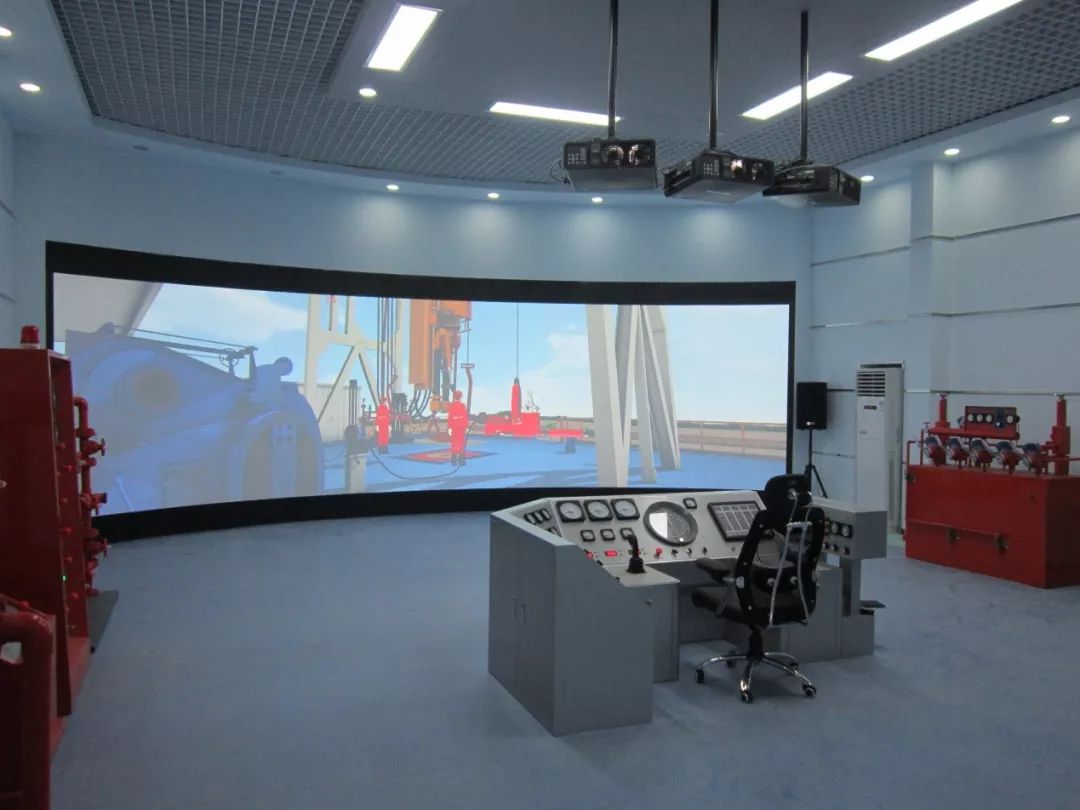
Oil and gas simulators are computer programs designed to replicate intricate systems within the industry. They simulate the behavior of reservoirs, drilling operations, production facilities, and transportation systems. Their purpose is to optimize production, reduce costs, and enhance safety.
These simulators utilize mathematical models to replicate the physical and chemical properties of the system being simulated. For instance, a reservoir simulator may employ a mathematical model to simulate fluid flow through the reservoir, accounting for its geology, fluid properties, and production history.
By generating data, simulators provide valuable insights for decision-making. For instance, a reservoir simulator can predict the production of a well over time, enabling operators to make informed decisions regarding production optimization.
The Benefits of Artificial Intelligence in Oil and Gas Simulators
AI contributes to the improvement of accuracy, efficiency, and effectiveness in oil and gas simulators. The advantages of employing AI in this context include:
Enhanced Accuracy: AI reduces uncertainties and errors in modeling by leveraging machine learning algorithms that learn from historical data, thereby enhancing the accuracy of predictions.
Reduced Computational Time: Simulators can be computationally intensive, resulting in lengthy simulation times. AI optimizes the simulation process, improving efficiency and reducing computational time.
Improved Decision-Making: AI enables real-time recommendations based on simulation results. For example, a production optimization simulator can utilize AI to suggest the most efficient production optimization approach based on current production data.
Enhanced Safety: AI identifies potential hazards within oil and gas simulators and provides real-time recommendations to prevent accidents, thereby improving safety.
Applications of Artificial Intelligence in Oil and Gas Simulators
Artificial intelligence finds various applications in oil and gas simulators, including:
Reservoir Modeling and Simulation: AI improves the accuracy and efficiency of reservoir modeling and simulation. Machine learning algorithms learn from historical data, refining predictions and enhancing the simulator's performance.
Production Optimization: AI aids production optimization simulators by suggesting the most efficient methods for production optimization based on real-time production data.
Drilling Optimization: AI optimizes drilling operations in drilling optimization simulators, reducing drilling time and improving efficiency.
Pipeline and Transportation Optimization: AI optimizes transportation routes and reduces transportation costs within pipeline and transportation optimization simulators.
Conclusion
Artificial intelligence is a transformative force in the oil and gas industry, driving advancements in exploration, production, and operational efficiencies. AI integration in oil and gas simulators improves accuracy, efficiency, and effectiveness. These advancements translate into enhanced decision-making, reduced computational time, and improved safety. AI applications within simulators encompass reservoir modeling and simulation, production optimization, drilling optimization, and pipeline and transportation optimization. As the industry continues to evolve, AI will increasingly play a crucial role in enhancing efficiency, reducing costs, and improving safety. The future of oil and gas simulators shines bright as AI transforms the industry and fosters innovation. With the power of AI, oil and gas companies can make better decisions, increase efficiency, and reduce costs, leading to more successful and sustainable operations.
Well intervention is an important aspect of the oil and gas industry and encompasses a wide range of techniques and technologies to optimize oil and gas well performance. From routine maintenance to major repairs and upgrades, well intervention plays a critical role in maximizing the production and profitability of oil and gas assets while ensuring safety and environmental sustainability.
However, well intervention is also a complex and constantly evolving field influenced by a variety of factors, including geology, reservoir characteristics, drilling and completion technologies, and regulatory requirements. Therefore, a multidisciplinary approach is required that combines technical, scientific, and operational expertise, as well as collaboration and communication among the various stakeholders.
In this article, we address the fundamentals of well intervention in the oil and gas industry and examine the various methods and tools used to diagnose, analyze, and resolve downhole issues. We also discuss the challenges and opportunities facing the industry, as well as the latest trends and innovations that will shape the future of well intervention. Whether you are a seasoned professional or a curious newcomer to the industry, we hope this article will provide you with valuable insight and inspiration for your work.
What is well intervention in the oil and gas industry?
Well intervention is a critical process in the oil and gas industry that involves various activities aimed at maintaining, improving and restoring oil and gas well productivity. This article provides an overview of well intervention, the different types of well intervention techniques, and their importance to the industry.
Well intervention can be divided into two broad categories:
Light interventions: These are generally less complex and low-cost techniques, such as slickline, coiled tubing, and wireline interventions. These methods use specialized tools and equipment to perform various tasks downhole.
Heavy intervention: these are typically more complex and expensive techniques, such as hydraulic workover rigs and snubbing units. These methods use heavy equipment to perform more extensive downhole operations, such as drilling or recompleting a wellbore.
Overview of downhole intervention techniques
There are several types of well intervention techniques that can be broadly categorized into two main groups: Workover and Stimulation. Workover refers to activities that restore the productivity of previously drilled wells, while stimulation refers to activities that increase the productivity of new and existing wells.
Common well intervention techniques include:
Slickline: This involves inserting a thin, flexible wire into the wellbore to perform various tasks such as setting or pulling out valves, gages, and plugs.
Coiled tubing: this involves inserting a long, continuous metal tube into the wellbore to perform various tasks such as cleaning, acidizing, and fracturing.
Wireline: This uses an electrical cable to perform various tasks such as logging, perforating, and sampling.
Hydraulic workover: Here, a hydraulic workover rig is used to perform various tasks such as drilling, completions, and workover operations.
Cut-off: This involves using a snubbing unit to perform various tasks, such as drilling, completions, or workover operations, under pressure.
The most common workover techniques include snubbing, coiled tubing and wireline. Stimulation techniques, on the other hand, include hydraulic fracturing, acid stimulation and sand control. Each of these techniques has its own advantages and disadvantages, and the choice of technique depends on the specific well conditions and desired outcome.
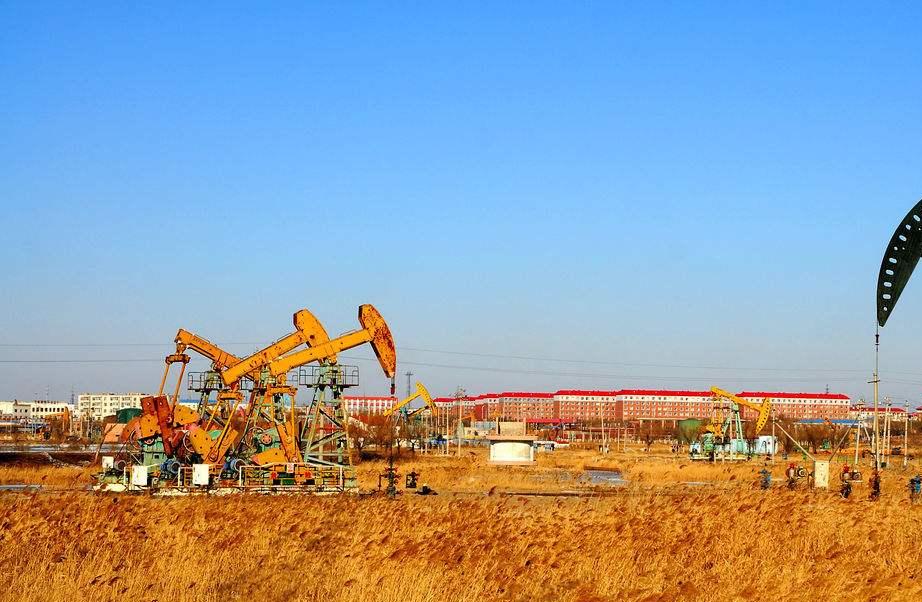
What equipment is used in borehole intervention?
Various equipment and tools are used in well intervention, depending on the particular technique and conditions of the well. Commonly used equipment in borehole intervention include:
Coiled tubing: a long, flexible metal tube used to pump fluids and chemicals into the wellbore or to retrieve wellbore debris.
Flushing unit: A hydraulic system that applies pressure to the coiled tubing to perform workovers, such as replacing damaged equipment or plugging wells.
Wireline tools: a set of tools that are lowered into the wellbore on a wireline to perform operations such as logging, perforating, and plug setting.
Hydraulic fracturing equipment: a set of pumps and tanks used to inject fluids and proppants into the formation to create fractures and stimulate oil and gas flow.
Sand control equipment: a set of screens and filters that prevent sand and other contaminants from entering the well and clogging production equipment.
Pressure control equipment: a series of valves, blowout preventers, and other devices used to regulate downhole pressure and fluid flow.
Wellhead equipment: a set of valves and fittings used to control the flow of fluid into and out of the wellbore.
Downhole tools: a set of tools lowered into the wellbore on a wireline or coil to perform operations such as perforating, logging, and cleaning.
The choice of equipment depends on the specific intervention technique and the conditions of the borehole. Downhole interventions are typically performed by a team of experienced personnel trained to use the equipment safely and effectively.
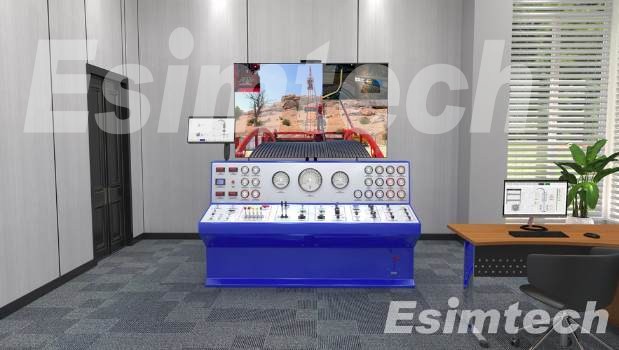
What are the methods of well activation?
Well activation is the process of starting or resuming production in a shut-in or temporarily abandoned well. There are several methods of well activation, depending on the particular situation and conditions of the well.
Common methods of well activation include:
Mechanical stimulation: mechanical stimulation uses tools such as downhole pumps, gas lift systems, and jet pumps to increase the flow of fluid from the wellbore. This technique is often used on wells that have low or declining flow rates due to blockages or damage in the wellbore.
Acid stimulation: acid stimulation involves injecting acid into the formation to dissolve or remove blockages and improve the permeability of the rock. This technique is commonly used in carbonate formations and can improve well productivity by increasing fluid flow into the well.
Hydraulic fracturing: hydraulic fracturing involves injecting fluids and proppants into the formation at high pressure to create fractures and stimulate oil and gas flow. This technique is commonly used in shale formations and can significantly increase well productivity.
Waterflooding: waterflooding involves injecting water into the formation to force oil to the production well. This technique is often used in mature oil fields and can increase production rates by improving reservoir efficiency.
Gas injection: gas, such as nitrogen or natural gas, is injected into the formation to reduce the viscosity of the oil and increase fluid flow. This technique is often used in wells with heavy oil or in reservoirs that are difficult to produce.
The choice of well activation method depends on the situation and the characteristics of the well and reservoir. Well activation is usually performed by a team of experienced personnel who are trained to use the equipment and techniques safely and effectively.
Why is well activation so important?
Well activation is critical to the oil and gas industry because it helps maintain the productivity of oil and gas wells, which are the main source of revenue for oil and gas companies. Neglecting wells can lead to a decline in production rates, which can ultimately result in financial losses for the company. Early intervention is therefore critical to ensure that wells are productive and profitable.
The benefits of early intervention include higher production rates, improved safety, and lower costs associated with deferred maintenance. Neglecting wells, on the other hand, can lead to an increased risk of equipment failure, which can be a safety hazard and result in costly repairs.
Cost-benefit analysis of well intervention
Well intervention is a costly process, and the costs associated with each technique depend on several factors such as the type of well, the depth of the well, and the technique used. The cost of well intervention can be significant, but it is important to consider the potential benefits in terms of increased production rates and revenue.
Factors influencing the decision to intervene in a well include the age of the well, the production history of the well, and the potential for increasing production rates. A cost-benefit analysis can help determine whether or not well intervention is a financially viable option.
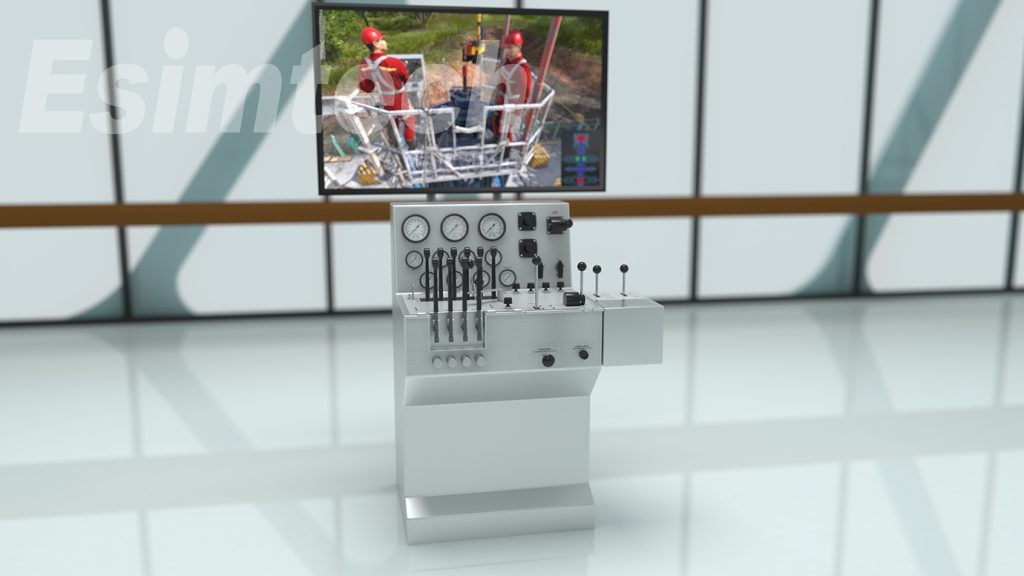
Case studies of successful well intervention
There are numerous examples of successful well interventions in the oil and gas industry. For example, a well intervention project in the North Sea helped increase production rates by 300%, while a project in the Gulf of Mexico resulted in a 20% increase in production rates.
The success of these projects can be attributed to the use of effective techniques and strategies, such as the use of innovative technologies, optimization of production processes and the deployment of experienced personnel.
Conclusion
Well rehabilitation is an important process in the oil and gas industry that helps to maintain well productivity and ensure the profitability of oil and gas companies. The choice of technology depends on several factors, including specific well conditions and the desired outcome. Emerging technologies such as robotics and artificial intelligence have the potential to improve the efficiency and effectiveness of well intervention techniques in the future. If you are looking for a professional well intervention training system, Esimtech can help.
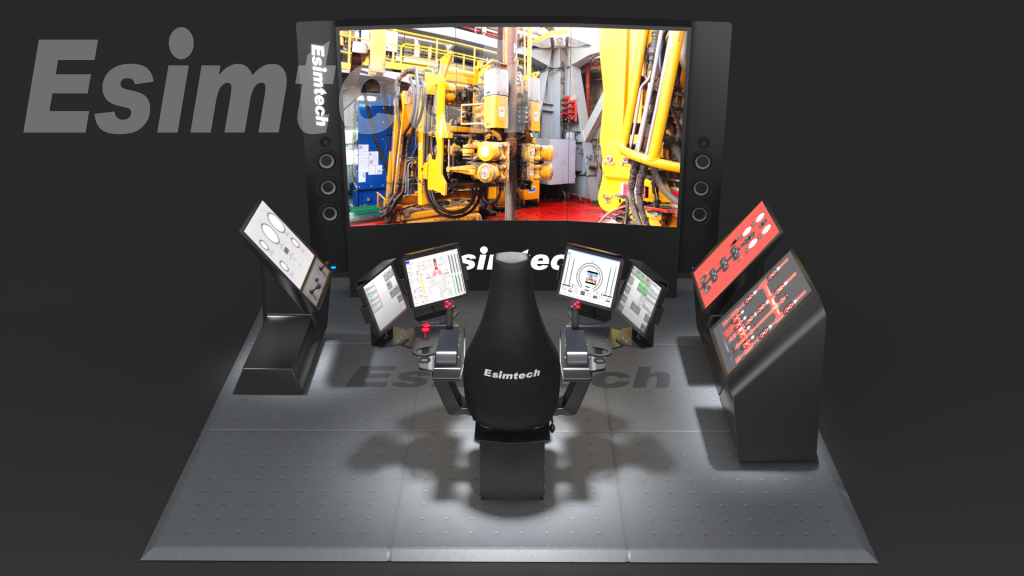
A petroleum simulation training system is a computer-based tool used to train employees in the petroleum industry on various scenarios that they may meet on the job. The system simulates a number of situations, including drilling, reservoir management, production operations, and refining, allowing trainees to practice their skills in a safe and regulated environment.
Advantages Of Petroleum Simulation Training System
A petroleum simulation training system is typically composed of a computer program that uses complex algorithms to model various physical and chemical processes that occur in the petroleum industry. The system is interacted with by the learner through a graphical user interface that depicts a simulated petroleum activity. Real-world scenarios including as drilling, well completion, reservoir management, production operations, and refining are simulated using advanced modeling and simulation approaches. To see how the system responds, the student can experiment with various factors such as flow rates, pressure, temperature, and chemical composition. He or she can also practice making decisions under various scenarios, learn how to detect and fix difficulties, and receive hands-on experience in a risk-free setting.
Using a petroleum simulation training system, trainees can gain hands-on experience and a better knowledge of the complicated processes involved in the petroleum industry. They can practice making judgments in various situations and learn how to solve potential challenges. This type of training has the potential to increase safety, reduce costs, and increase efficiency in the petroleum industry.

Petroleum Simulation Training System Used For Emergency Exercise
Simulation training systems are frequently used in the petroleum industry to train new employees, develop the abilities of experienced personnel, and test emergency response methods and equipment. Simulators can help improve safety, reduce expenses, and increase efficiency by providing a platform for continuing learning and improvement in emergency response planning and execution.
The emergency exercise simulator is a simulated environment in which trainees can practice emergency response skills and build experience in a controlled and safe environment. Using advanced modeling and simulation techniques, the simulator mimics the physical and chemical processes that occur during emergency scenarios, such as the spread of fire, the discharge of hazardous materials, and the reaction of various emergency systems.

Advanced 3D Animation Adopted In Petroleum Simulation Training System
Oil and gas animations span from simple diagrams to elaborate 3D animations that simulate fluid and equipment behavior. It can be used for a variety of reasons including training, marketing, and education.3D animation is used in petroleum simulation training systems to explain complex processes and concepts in a simple and easy-to-understand manner, making them an effective tool for teaching and training new employees as well as explaining technical concepts to non-technical audiences. Petroleum animations can also be utilized in marketing to promote industry products and services. They can highlight the advantages and features of new equipment or processes.
Summary
A petroleum simulation training system can help increase understanding, communication, and efficiency in the oil and gas industry by providing a visual representation of complex processes and equipment.