
The installation of oil rigs is a complex process that demands precision, efficiency, and adherence to strict safety and environmental standards. With advancements in technology and engineering, the oil and gas industry has embraced innovative techniques to streamline oil rig installations. These developments not only reduce installation time but also enhance operational safety and environmental sustainability. Below, we explore the key innovations reshaping oil rig installations.

1. Automated Installation Processes
Automation has significantly improved the efficiency of oil rig installations. Advanced robotic systems and automated tools are now used for tasks such as welding, pipe handling, and bolting, minimizing human intervention and reducing errors. These technologies ensure consistent quality and enhance worker safety in challenging offshore environments.
2. 3D Modeling and Simulation
3D modeling and simulation tools allow engineers to visualize and plan installations in a virtual environment before physical execution. These tools identify potential challenges, optimize resource allocation, and ensure that the rig’s design aligns with the seabed's topography. This proactive approach minimizes costly delays and modifications during installation.
3. Dynamic Positioning Systems (DPS)
Dynamic Positioning Systems (DPS) enable vessels to maintain precise positioning during oil rig installations without the need for anchoring. By using GPS and thrusters, DPS ensures stability and accuracy in positioning, even in harsh weather conditions, thereby reducing installation risks and environmental disturbances.
4. Pre-assembled Modular Components
The use of pre-assembled modular components has revolutionized the way oil rigs are installed. Modules such as living quarters, drilling decks, and processing units are fabricated onshore and transported to the installation site. This modular approach reduces on-site construction time and minimizes exposure to adverse offshore conditions.
5. Innovative Anchoring and Mooring Systems
Advancements in anchoring and mooring systems have enhanced the stability and durability of oil rigs. High-strength synthetic ropes, advanced mooring designs, and smart monitoring systems ensure that rigs remain secure even in extreme weather, reducing the risk of drifting and accidents.
6. Subsea Installation Technologies
advanced subsea technologies, such as remotely operated vehicles (ROVs) and autonomous underwater vehicles (AUVs), have become integral to oil rig installations. These systems perform inspections, assist in anchor placement, and monitor subsea infrastructure, reducing the need for divers and enhancing safety.
7. Green Energy Integration
Sustainability is a growing priority in the oil and gas sector. Innovations such as wind-assisted installation vessels and hybrid energy systems reduce the carbon footprint during installation. These technologies align with global efforts to make offshore operations more environmentally friendly.
8. Digital Twin Technology
Digital twin technology creates a real-time digital replica of the rig and its surrounding environment. This oil rig installation simulation allows for continuous monitoring and predictive maintenance during and after installation. It also provides valuable insights into performance, helping operators make informed decisions.

In summary, innovations in oil rig installation are transforming the industry by improving efficiency, safety, and sustainability. From automation and modular construction to digital technologies and green energy integration, these advancements are setting new benchmarks for offshore operations. As the demand for energy grows, further innovations will continue to drive progress, making oil rig installations safer, faster, and more environmentally responsible.
Extended Reach Drilling (ERD) is a groundbreaking technique in the oil and gas industry, enabling operators to drill longer horizontal wells from a single vertical access point. ERD has significantly advanced resource extraction by providing access to previously unreachable reservoirs while minimizing environmental impact. This article explores the latest advancements in Extended Reach Drilling technology, highlighting how these innovations are pushing the boundaries of well length, efficiency, and sustainability.

Overview of Extended Reach Drilling
ERD drilling is characterized by the drilling of wells with a high horizontal-to-vertical ratio. This technique is used in offshore and onshore fields where traditional vertical wells are impractical. The primary goals of ERD are to maximize reservoir contact, reduce infrastructure costs, and minimize the environmental footprint.
Challenges in Extended Reach Drilling
Torque and Drag: The increased well length results in higher frictional forces, posing challenges in well control.
Hole Cleaning: Removing cuttings from the wellbore becomes more difficult as the well extends horizontally.
Wellbore Stability: Maintaining the structural integrity of long wellbores in complex formations is critical.
Hydraulic Efficiency: Delivering sufficient power to the drill bit while maintaining optimal pressure is a technical hurdle.
Latest Technological Advancements in Extended Reach Drilling
1. Advanced Drill String Technologies
Rotary Steerable Systems (RSS): The latest RSS tools provide precise directional control, enabling operators to drill longer wells with higher accuracy.
High-Strength Drill Pipes: Improved metallurgy and advanced coatings reduce wear and fatigue, ensuring the durability of drill strings in extended wells.
2. Enhanced Hole Cleaning Techniques
Automated Monitoring Systems: Real-time sensors monitor cuttings transport and adjust drilling parameters to optimize hole cleaning.
Innovative Drilling Fluids: New fluid formulations with superior lubricating and cutting-carrying properties enhance efficiency.
3. Torque and Drag Management
Friction-Reduction Tools: Innovations like downhole friction-reduction tools and lubricants significantly decrease drag forces.
Rig Automation: Automated rig systems dynamically adjust torque and weight on bit (WOB), improving efficiency.
4. Extended Logging Capabilities
Wireless Measurement While Drilling (MWD): Wireless systems eliminate the need for cable-dependent telemetry, allowing deeper well monitoring.
Advanced Resistivity Logging: Tools with higher resolution provide accurate data for optimal well placement in extended reservoirs.
5. Real-Time Data Analytics and AI Integration
Predictive Analytics: Machine learning models analyze well conditions in real-time, predicting potential challenges such as pressure surges or equipment failure.
AI-Driven Optimization: AI algorithms adjust drilling parameters for optimal performance based on historical and real-time data.
6. High-Performance Downhole Motors
Improved motor designs with higher torque output are enabling efficient drilling in ultra-long horizontal wells.
7. Hydraulic Advancements
Dual Gradient Drilling (DGD): This technique balances wellbore pressures, reducing risks such as kicks and blowouts.
High-Pressure Pumps: Advanced pumps ensure consistent fluid delivery at extended depths, supporting longer drilling operations.

Sustainability in Extended Reach Drilling
Recent advancements also address the environmental impact of drilling:
Smaller Surface Footprint: ERD enables fewer surface wellheads by reaching multiple reservoirs from a single location.
Efficient Resource Extraction: Maximized reservoir contact minimizes the need for additional drilling operations.
Renewable Energy Integration: Some ERD drilling operations now incorporate renewable energy sources to power rigs, reducing carbon emissions.
Applications of Modern Extended Reach Drilling
Offshore Fields: Accessing remote reservoirs from existing platforms reduces the need for costly new installations.
Unconventional Reservoirs: ERD is crucial for shale gas and tight oil extraction, where horizontal well lengths are critical for economic viability.
Environmentally Sensitive Areas: By drilling longer wells from outside restricted zones, ERD minimizes ecological disturbances.
Future Trends in Extended Reach Drilling
Digital Twin Technology: Virtual drilling simulations will enable operators to model and optimize ERD projects before execution.
Carbon-Neutral Drilling Operations: Enhanced focus on low-carbon technologies and renewable-powered rigs will further improve sustainability.
Longer Horizontal Wells: With continuous advancements in materials and automation, horizontal well lengths are expected to increase significantly.

In summary, the latest advancements in extended reach drilling demonstrate the industry’s commitment to innovation and efficiency. By addressing technical challenges and incorporating cutting-edge technologies, ERD has become a key enabler of safe, efficient, and sustainable resource extraction. As the industry moves toward a more digital and environmentally conscious future, extended reach drilling will undoubtedly play an even greater role in unlocking new energy resources while minimizing the ecological footprint.
The offshore energy sector is continuously evolving, with the integration of innovative technologies to improve efficiency, sustainability, and adaptability. Hybrid rigs, a pioneering development in offshore energy exploration, represent a significant leap forward by blending traditional drilling systems with modern, eco-friendly technologies. These rigs not only address operational challenges but also align with global sustainability goals.

1. What Are Hybrid Rigs?
Hybrid rigs are offshore drilling platforms that combine conventional power systems with alternative energy sources such as batteries, renewable energy technologies, or advanced energy storage systems. They are designed to reduce reliance on diesel generators, minimize greenhouse gas emissions, and optimize energy consumption.
2. Key Features of Hybrid Rigs
Energy Storage Systems: Lithium-ion batteries or other advanced storage systems are integrated to provide power during peak load periods, reducing diesel generator usage.
Renewable Energy Integration: Some hybrid rigs incorporate solar panels or wind turbines to harness renewable energy, supplementing traditional power systems.
Energy Management Systems: Smart control systems optimize energy distribution and reduce wastage by managing power sources efficiently.
Noise Reduction: By reducing the need for continuous diesel generator operation, hybrid rigs significantly lower noise pollution, benefiting marine ecosystems.
3. Advantages of Hybrid Rigs
Environmental Sustainability: Reduced emissions and reliance on fossil fuels contribute to cleaner offshore operations, meeting stringent environmental regulations.
Cost Efficiency: Optimized fuel consumption and reduced maintenance requirements for generators result in long-term cost savings.
Operational Reliability: Energy storage systems provide backup power, enhancing the reliability of operations in remote locations.
Reduced Carbon Footprint: By leveraging renewable energy, hybrid rigs help companies align with carbon reduction commitments.
4. Challenges and Considerations
High Initial Investment: The upfront cost of integrating hybrid technologies can be significant, though long-term savings often offset this expense.
Technology Adaptation: Training personnel to operate and maintain advanced hybrid systems is crucial for maximizing efficiency.
Renewable Energy Dependency: Inconsistent availability of solar or wind energy in certain offshore environments requires robust backup systems.
5. Applications of Hybrid Rigs
Hybrid rigs are particularly suited for operations in sensitive marine environments where minimizing ecological impact is critical. They are also ideal for exploratory drilling in remote regions where logistical constraints make fuel supply challenging.
6. The Future of Hybrid Rigs
As the offshore energy sector transitions toward sustainability, hybrid rigs are poised to become a standard in exploration and production. Continued advancements in battery technology, renewable energy integration, and energy management systems will further enhance their viability. Additionally, hybrid rigs may pave the way for fully renewable-powered platforms, aligning with the industry's net-zero ambitions.

Simulations Used for Hybrid Rigs in Offshore Energy Exploration
The successful deployment and operation of hybrid rigs in offshore energy exploration rely heavily on advanced oil and gas simulations. These simulations play a crucial role in designing, optimizing, and evaluating hybrid systems under various conditions, ensuring both efficiency and reliability. By mimicking real-world scenarios, engineers and decision-makers can anticipate challenges, improve performance, and align with environmental standards.
Energy Management Simulations
These simulations analyze how energy flows within the hybrid rig, balancing power generation from diesel engines, batteries, and renewable sources. They help in:
Optimizing energy distribution.
Identifying potential energy losses.
Predicting energy storage performance during peak and off-peak demands.
Structural Simulations
Structural analysis tools evaluate the rig’s ability to handle dynamic loads caused by waves, winds, and operational activities. These simulations ensure the hybrid components, such as battery storage systems and renewable energy installations, are safely and efficiently integrated.
Environmental Impact Simulations
Hybrid rigs aim to minimize their ecological footprint. Environmental simulations model the rig's emissions, noise levels, and thermal output, assessing the potential impact on marine ecosystems. These tools also guide compliance with international environmental regulations.
Renewable Energy Integration Simulations
These focus on the performance of renewable energy systems (e.g., solar panels and wind turbines) under offshore conditions. Simulations help determine:
Feasibility and placement of renewable energy components.
Energy yield under varying weather conditions.
Durability of renewable systems against harsh marine environments.
Operational Scenarios and Risk Assessment Simulations
Hybrid rigs often face operational risks due to the complexity of integrating traditional and alternative energy sources. Simulations test:
Simulating emergency scenarios, such as power outages or extreme weather.
System responses to fluctuations in energy demand.
Safety protocols and backup system efficiency.

Lifecycle and Maintenance Simulations
Predictive maintenance simulations ensure the longevity of hybrid components by analyzing wear and tear patterns. They help schedule maintenance activities to reduce downtime and operational costs.
Conclusion
Hybrid rigs are a transformative innovation in offshore energy exploration, combining operational efficiency with environmental stewardship. By embracing these technologies, the industry can achieve a balance between meeting global energy demands and protecting marine ecosystems, ensuring a sustainable future for offshore exploration.
Simulations are indispensable for the successful implementation and operation of hybrid rigs. They provide a comprehensive framework for design, optimization, and risk mitigation, ensuring that hybrid rigs can meet the energy demands of tomorrow while minimizing environmental impact.
Oil and gas exploration in harsh environments is critical to meeting the world's growing energy demand. Harsh environments, such as deep-water regions, arctic areas, deserts, and high-pressure high-temperature (HPHT) reservoirs, present unique challenges for drilling operations. Addressing these obstacles is crucial for ensuring operational efficiency, safety, and environmental sustainability. Below are the primary challenges faced during oil and gas drilling in harsh environments
1. Extreme Temperatures
Drilling operations in arctic or desert regions encounter severe temperature extremes. In arctic regions, sub-zero temperatures can cause equipment failure due to freezing or brittleness of materials. Conversely, desert environments with extreme heat can degrade equipment and materials, affecting the integrity of drilling systems. These conditions require specialized materials and insulation technologies to withstand the temperature extremes.
2. High Pressure and High Temperature (HPHT) Reservoirs
HPHT wells pose significant risks due to the extreme conditions they generate. Pressures exceeding 10,000 psi and temperatures above 300°F challenge the durability of drilling equipment and the stability of drilling fluids. Advanced materials, innovative drilling fluids, and sophisticated pressure management systems are necessary to safely drill in these environments.
3. Remote Locations and Limited Infrastructure
Many harsh environments, such as deep oceans or arctic regions, are located far from established infrastructure. Logistics for transporting equipment, supplies, and personnel to these sites is complex and expensive. Limited availability of support facilities can delay operations, necessitating robust contingency planning and self-sustaining systems for extended periods.
4. Environmental Sensitivity
Harsh environments are often ecologically sensitive areas, such as the Arctic or offshore marine ecosystems. Drilling in these regions demands stringent environmental protections to minimize the risk of spills and habitat disruption. Regulatory compliance and the use of advanced containment and spill-response systems are vital to reducing environmental impact.
5. Technical and Operational Risks
Drilling in deep-water or ultradeep-water regions requires advanced technologies to overcome challenges such as strong underwater currents, complex seabed topography, and limited visibility. In addition, managing blowout risks becomes increasingly difficult as the depth and complexity of operations increase.
6. Cost Intensiveness
The combination of extreme conditions, advanced technologies, and remote locations significantly increases the cost of drilling operations. From specialized drilling rigs to robust maintenance programs, the financial burden of operating in harsh environments often requires substantial investment and careful cost management.
7. Health and Safety Concerns
Protecting personnel from the dangers posed by harsh environments is a primary concern. Harsh weather, toxic gases, and the physical and psychological stresses of remote operations can endanger the health and safety of workers. Strict adherence to health and safety protocols, as well as the provision of advanced personal protective equipment (PPE), is essential.
8. Technology Limitations
Although advancements in drilling technologies have made it possible to explore harsh environments, limitations still exist. Real-time monitoring, automated systems, and enhanced seismic imaging are crucial for improving efficiency and safety, but their implementation can be technically challenging in remote and extreme settings.
Innovations to Overcome Challenges
Efforts to address these challenges focus on several innovative approaches:
Material Science: Developing materials with enhanced resistance to extreme temperatures and pressures.
Automation: Utilizing remotely operated vehicles (ROVs) and automated systems to minimize human exposure to risks.
Advanced Drilling Fluids: Engineering fluids that remain stable under extreme conditions to enhance well control.
Renewable Energy Integration: Using renewable energy to power remote operations, reducing reliance on fossil fuels.
Simulations Used for Oil and Gas Drilling in Harsh Environments
To mitigate the challenges of oil and gas drilling in harsh environments and enhance operational efficiency, simulations play a vital role. Advanced simulation tools help engineers and operators model, predict, and optimize drilling processes under complex conditions. Here is an overview of key simulations used in the industry.
1. Reservoir Simulation
Reservoir simulation involves creating a detailed model of the subsurface reservoir to predict its behavior during extraction. It integrates geological, geophysical, and petrophysical data to assess reservoir performance. For harsh environments, simulations consider:
Complex Reservoir Conditions: Modeling HPHT and fractured reservoirs.
Flow Behavior: Simulating fluid flow under extreme pressure and temperature.
Production Optimization: Predicting how to maximize extraction while minimizing risks.
2. Drilling Simulation
Drilling simulations replicate the physical and mechanical aspects of the drilling process to enhance planning and execution. These simulations address:
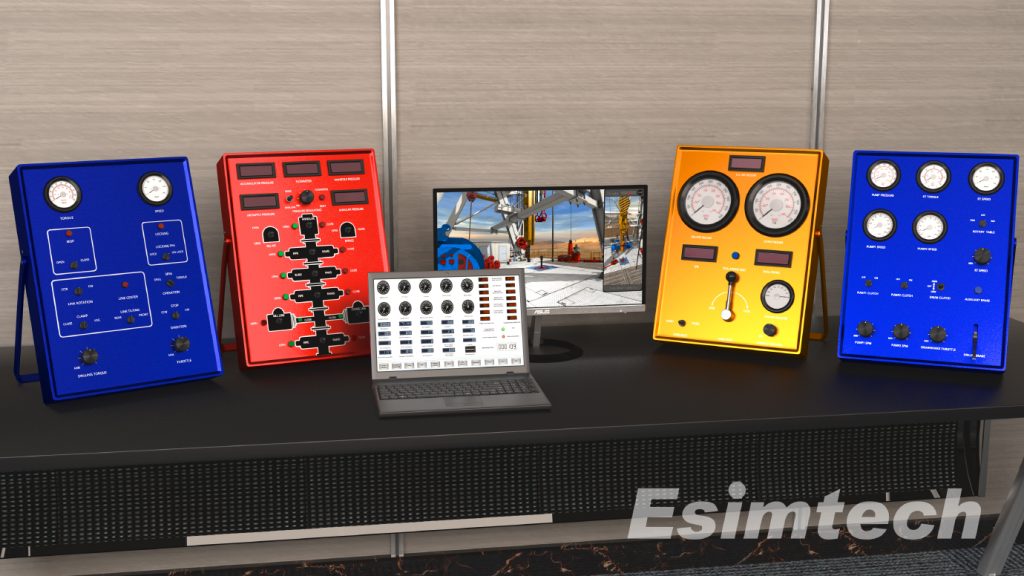
Drill String Dynamics: Predicting vibration, torsion, and buckling in deep and challenging wells.
Bit Performance: Simulating the wear and efficiency of drill bits in varying rock formations.
Wellbore Stability: Assessing risks such as borehole collapse or fluid loss in unstable formations.
3. Mud Circulation and Hydraulics Simulation
Effective drilling requires precise control of drilling fluids. Simulations help optimize mud properties and behavior in harsh environments:
Hydraulic Models: Evaluating fluid flow through the drill string and annulus.
Temperature Effects: Simulating thermal impacts on fluid viscosity and stability in HPHT wells.
Cuttings Transport: Predicting the removal efficiency of cuttings to prevent blockages.
4. Blowout and Well Control Simulation
Well control is critical, especially in high-risk environments. Blowout prevention simulations model scenarios to ensure safety:
Pressure Management: Simulating kick detection and the ability to control formation pressure.
Blowout Scenarios: Testing the effectiveness of blowout preventers (BOPs) and response protocols.
Gas Hydrate Formation: Predicting and managing hydrate-related risks in deep-water drilling.
5. Structural and Equipment Simulation
Structural integrity is vital for equipment exposed to extreme conditions. Simulations ensure that rigs, platforms, and equipment can withstand these environments:
Finite Element Analysis (FEA): Assessing the stress and deformation of components under pressure, temperature, and mechanical loads.
Fatigue Analysis: Modeling the lifecycle of equipment in harsh operational conditions.
Environmental Load Simulation: Testing platforms and rigs against wind, waves, and ice forces.
6. Seismic Simulation
Seismic simulations are used to explore and map complex subsurface structures in harsh environments:
Subsurface Imaging: Enhancing accuracy in identifying reservoir boundaries.
Wave Propagation Models: Accounting for the effect of ice layers, deep water, or high-density formations on seismic data.
Hazard Assessment: Identifying faults and fractures that could pose risks during drilling.
7. Thermal and Cryogenic Simulations
For arctic and HPHT drilling, thermal simulations are essential:
Thermal Stress Modeling: Predicting material behavior in extreme heat or cold.
Cryogenic Simulations: Addressing the impact of subzero temperatures on pipelines, fluids, and structural elements.
8. Integrated Well Planning Simulations
Integrated platforms combine various simulation types to create a comprehensive drilling plan. These simulations incorporate:
Real-Time Data: Integrating live feedback from sensors for dynamic updates.
Multi-Scenario Analysis: Evaluating multiple drilling strategies to choose the safest and most cost-effective option.
Risk Management: Modeling potential failures and contingency plans.
9. Human Factor and Training Simulations
Human expertise is critical for successful drilling operations. Simulation-based training enhances operator preparedness:
Virtual Reality (VR) Drilling Simulator: Providing immersive training for rig operators in handling emergencies.
Crew Collaboration Models: Enhancing team coordination in high-pressure scenarios.
Decision-Making Simulations: Training on critical decision points under simulated harsh environment conditions.

Summary
Drilling in harsh environments is fraught with challenges that test the limits of technology, human capability, and environmental stewardship. Addressing these challenges requires innovation, robust planning, and collaboration among industry stakeholders.
Simulations have become indispensable tools in addressing the challenges of oil and gas drilling in harsh environments. By leveraging advanced models and real-time data, operators can optimize drilling efficiency, ensure safety, and reduce environmental risks.
The oil and gas industry is characterized by complex operations, challenging environments, and the need for rigorous safety protocols. To meet these demands, companies are increasingly leveraging simulation tools with Virtual Reality (VR) and Augmented Reality(AR) technologies for oil and gas workforce training. These immersive tools are transforming traditional training approaches, offering significant advantages in safety, cost-efficiency, and knowledge retention.

Benefits of VR and AR in Oil and Gas Training
a. Enhanced Safety
Workers in the oil and gas sector often face hazardous scenarios, including extreme weather conditions, high-pressure systems, and flammable materials. VR and AR simulations allow trainees to experience these scenarios virtually, without any actual risk. For example, a VR module can simulate an oil rig fire, enabling workers to practice evacuation procedures safely.
b. Cost-Efficiency
Building and maintaining physical training setups, such as drilling rigs or pipelines, is expensive. VR and AR eliminate the need for these setups by replicating them digitally. Trainees can repeatedly practice complex tasks, reducing the cost of equipment wear and operational downtime.
c. Improved Knowledge Retention
Research shows that immersive experiences enhance memory and understanding. VR and AR training engage multiple senses, making the learning process more interactive and impactful. Workers trained with these tools often recall procedures more effectively than those trained using traditional methods.
d. Remote Accessibility
With VR and AR, trainees can access training modules from remote locations. This is particularly beneficial for offshore operations or regions with limited training infrastructure. Remote accessibility reduces travel costs and allows consistent training for a geographically dispersed workforce.
Applications of VR and AR in Oil and Gas Training
a. Rig Operations and Maintenance
VR simulations replicate the layout of rigs, enabling workers to practice equipment handling, maintenance, and troubleshooting. AR overlays can guide technicians on-site by displaying step-by-step instructions through smart glasses or tablets.
b. Emergency Response Training
In emergencies, every second counts. VR enables workers to rehearse responses to blowouts, chemical spills, and gas leaks. By repeatedly practicing in a virtual environment, workers develop confidence and quick decision-making skills.
c. Drilling and Exploration Training
Training modules can simulate the complexities of drilling operations, including top drive systems and mud circulation. These simulations provide insights into equipment behavior under various conditions, helping trainees anticipate and address challenges.
d. HSE (Health, Safety, and Environment) Protocols
Safety drills can be conducted in virtual environments, emphasizing hazard identification and risk mitigation. AR devices can also assist in real-time hazard detection, enhancing situational awareness during live operations.
Future Trends in VR and AR Training
a. Integration with AI
Combining VR and AR with Artificial Intelligence (AI) will enable personalized training experiences. AI algorithms can analyze a trainee’s performance, identify weaknesses, and suggest tailored training modules.
b. Use of Digital Twins
Digital twin technology, which creates virtual replicas of physical assets, can enhance training accuracy. Workers can interact with a virtual version of their specific equipment, making the training directly applicable to their job roles.
c. Real-Time Collaboration
Future developments in AR could facilitate real-time collaboration between on-site workers and remote experts. For example, an engineer on an offshore rig could use AR glasses to share their field of view with a specialist in another location, receiving instant guidance.
Challenges and Considerations
While VR and AR training offer numerous benefits, there are challenges to address:
High Initial Investment: Developing VR and AR infrastructure requires significant upfront costs.
Technology Adoption: Resistance to adopting new technologies may exist among the workforce, especially older employees.
Maintenance and Updates: VR and AR content must be regularly updated to reflect changing industry standards and equipment.
Bandwidth Requirements: Remote training may require high-speed internet, which is not always available in offshore or remote locations.
To sum up, VR and AR simulations are revolutionizing training in the oil and gas industry. By offering safe, immersive, and cost-effective learning experiences, these technologies prepare workers for the complexities of their roles while minimizing risks. As VR and AR continue to evolve, their integration with AI and digital twins will further enhance their utility, ensuring that the oil and gas workforce remains skilled and prepared for future challenges.