
Offshore oil and gas exploration presents unique challenges, particularly in deepwater and ultra-deepwater environments. Traditional drilling techniques often struggle to manage the complex pressure dynamics encountered at significant depths. Dual Gradient Drilling (DGD) has emerged as an innovative solution, offering enhanced control and efficiency in these demanding settings.

What is Dual Gradient Drilling?
Dual Gradient Drilling is a technique designed to address the limitations of conventional single-gradient drilling methods. In traditional drilling, the hydrostatic pressure of the drilling fluid in the wellbore increases with depth, creating a single pressure gradient. This approach can lead to complications such as:
Narrow pressure margins between formation pore pressure and fracture pressure.
Kick-loss scenarios, where the well experiences either fluid influx (kick) or loss of drilling fluid into the formation.
DGD overcomes these challenges by creating two distinct pressure gradients in the wellbore:
A lower gradient in the riser (closer to seawater density).
A higher gradient in the wellbore (tailored to manage subsurface pressures).
This separation allows for more precise pressure management, improving safety and efficiency.
Key Components of Dual Gradient Drilling Systems
DGD relies on specialized equipment and techniques to achieve its objectives. Some of the essential components include:
Mud Lift Pumps
Positioned on the seabed, these pumps transfer drilling fluids back to the surface, enabling the creation of the lower pressure gradient in the riser.
Riserless Pumping Systems
These systems eliminate the need for a full riser filled with high-density drilling fluid, reducing hydrostatic pressure on the seabed.
Subsea Rotating Devices
Essential for sealing and diverting drilling fluids during operations, these devices maintain wellbore integrity.
Advanced Sensors and Monitoring Systems
Real-time pressure monitoring is critical for DGD, ensuring accurate control over pressure gradients and responding to anomalies promptly.
Advantages of Dual Gradient Drilling
The adoption of DGD brings numerous benefits to offshore oil and gas operations, particularly in challenging environments. Key advantages include:
Enhanced Well Control
By creating two distinct pressure gradients, DGD provides better control over downhole pressures, reducing the risk of kicks and losses.
Wider Pressure Margins
DGD expands the operational window between pore pressure and fracture pressure, allowing safer drilling in narrow-margin environments.
Cost Efficiency
While the initial setup for DGD systems can be expensive, the technique reduces non-productive time (NPT), fluid losses, and risks associated with well control issues, leading to significant long-term savings.
Improved Safety
Precise pressure management reduces the likelihood of blowouts, one of the most catastrophic risks in offshore drilling.
Access to Complex Reservoirs
DGD enables drilling in formations with highly variable pressures, unlocking access to previously untapped reservoirs.
Challenges of Implementing Dual Gradient Drilling
Despite its advantages, DGD is not without challenges
:High Initial Investment
The cost of specialized equipment and training can be prohibitive, especially for smaller operators.
Operational Complexity
Managing dual pressure gradients requires advanced expertise and continuous monitoring, adding complexity to drilling operations.
Equipment Reliability
Subsea components, particularly mud lift pumps, operate in harsh conditions and must be highly reliable to prevent costly downtime.
Regulatory and Safety Considerations
Ensuring compliance with stringent offshore drilling regulations and safety standards requires thorough planning and execution.
Applications of Dual Gradient Drilling
DGD is particularly well-suited for the following scenarios:
Deepwater and Ultra-Deepwater Drilling
Managing extreme pressures and narrow margins is critical in these environments.
High-Pressure, High-Temperature (HPHT) Wells
DGD provides the precise control needed for these technically challenging HPHT wells.
Fractured and Depleted Reservoirs
The technique minimizes formation damage and fluid losses, improving recovery rates.
Exploratory Drilling
In areas where pressure gradients are uncertain, DGD offers a safer approach to initial drilling operations.
Future of Dual Gradient Drilling
As offshore exploration ventures into deeper waters and more complex geological formations, the demand for advanced drilling techniques like DGD will continue to grow. Innovations in automation, real-time monitoring, and subsea technologies are expected to make DGD more accessible and cost-effective.
Additionally, the integration of DGD with digital technologies, such as predictive analytics and artificial intelligence, will further enhance its efficiency and safety. This progress positions Dual Gradient Drilling as a cornerstone of sustainable and efficient offshore oil and gas operations.

Simulation Technologies are Used for Optimizing Dual Gradient Drilling
As this advanced drilling technique becomes more widespread, the integration of drilling simulation technologies is playing a vital role in optimizing DGD operations. These technologies offer a platform for modeling, testing, and refining drilling processes, ensuring maximum efficiency, safety, and cost-effectiveness.
Computational Fluid Dynamics (CFD)
Models the behavior of drilling fluids under dual-gradient conditions.
Optimizes fluid rheology, flow rates, and heat transfer in the wellbore.
Finite Element Analysis (FEA)
Used to analyze mechanical stresses on equipment and the wellbore during drilling operations.
Ensures that tools and structural components can withstand extreme conditions.
Dynamic Well Control Simulators
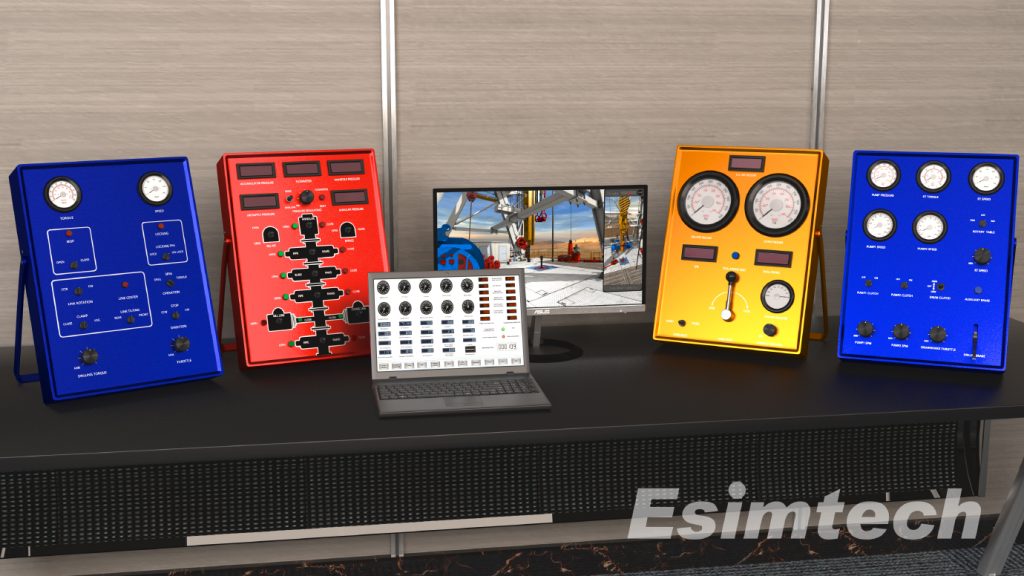
Simulates transient events, such as kicks and wellbore breathing, in real-time.
Helps develop effective strategies for managing well control incidents.
Geomechanical Modeling
Predicts formation behavior under the pressures and stresses imposed by DGD operations.
Reduces the risk of wellbore instability, formation collapse, or fracturing.
Integrated Reservoir Simulations
Combines geological, petrophysical, and drilling data to provide a holistic view of the reservoir.
Supports decision-making for optimal well placement and production strategies.
Conclusion
Dual Gradient Drilling represents a significant advancement in offshore oil and gas exploration. By addressing the limitations of traditional single-gradient techniques, DGD offers a safer, more efficient, and cost-effective solution for managing the complex pressures of deepwater drilling.
Simulation technologies are indispensable for optimizing Dual Gradient Drilling in offshore oil and gas operations. By enabling precise modeling of pressure dynamics, well designs, and equipment performance, these tools enhance safety, efficiency, and cost-effectiveness.
As the global demand for energy continues to rise, oil exploration ventures increasingly turn to subsea technologies to unlock resources in challenging offshore environments. Subsea technologies are critical for enabling efficient oil exploration in deep waters, where traditional methods are often impractical. This article explores key subsea technologies, their impact on efficiency, and future advancements shaping the industry.

Key Subsea Technologies
1. Subsea Wellheads and Trees
Subsea wellheads and trees are essential for managing the flow of oil and gas from reservoirs located beneath the seabed. These systems provide pressure control, monitoring, and safe extraction.
Impact: Advanced subsea wellheads can withstand extreme pressures and temperatures, enabling exploration in deep and ultra-deep waters.
Example: Horizontal subsea trees are increasingly used for high-pressure, high-temperature (HPHT) wells, offering enhanced flexibility and reliability.
2. Subsea Umbilicals and Flowlines
Umbilicals and flowlines connect subsea equipment to surface facilities or shore-based infrastructure. They deliver power, control signals, and chemicals necessary for operation.
Impact: Advanced materials and designs reduce installation time and improve resistance to harsh subsea conditions.
Example: Electrically heated flowlines mitigate hydrate formation, ensuring uninterrupted flow in cold, deep-water environments.
3. Subsea Boosting Systems
These systems include subsea pumps and compressors that enhance production by reducing backpressure on wells.
Impact: Boosting systems extend the economic life of reservoirs by enabling the recovery of resources from low-pressure zones.
Example: Subsea multiphase pumps can handle a mixture of oil, gas, and water, eliminating the need for separation at the seabed.
4. Subsea Robotics and Autonomous Vehicles
Remotely Operated Vehicles (ROVs) and Autonomous Underwater Vehicles (AUVs) perform inspections, maintenance, and repairs on subsea equipment.
Impact: Robotics improve operational safety and reduce costs associated with human divers in hazardous conditions.
Example: Advanced AUVs equipped with machine learning capabilities can autonomously survey and map complex subsea environments.
5. Subsea Processing Systems
These include subsea separators, compressors, and water reinjection systems that process hydrocarbons directly at the seabed.
Impact: Subsea processing minimizes the need for extensive topside facilities, reducing costs and environmental impact.
Example: Subsea water separation systems reinject water back into the reservoir, reducing transportation costs and increasing oil recovery.

Benefits of Subsea Technologies
Enhanced Resource Recovery
Subsea technologies enable access to previously untapped or uneconomical reserves, particularly in deep and ultra-deep waters.
Improved Safety
By reducing reliance on surface infrastructure, subsea systems mitigate risks associated with severe weather and accidents.
Cost Efficiency
Innovations in subsea equipment and installation techniques lower exploration and production costs.
Environmental Impact Reduction
Compact subsea processing units and advanced flowline technologies reduce the ecological footprint of offshore oil exploration.
Challenges and Solutions
Harsh Environmental Conditions
Extreme pressures, temperatures, and corrosive environments pose challenges to subsea equipment.
Solution: High-performance materials like super duplex stainless steel and composite polymers improve durability.
Installation Complexity
Deploying subsea systems requires specialized vessels and precise coordination.
Solution: Modular designs and advanced installation tools streamline deployment processes.
Monitoring and Maintenance
The remote nature of subsea engineering systems complicates inspection and repair tasks.
Solution: Real-time monitoring systems and predictive maintenance strategies, powered by IoT and AI, enhance equipment reliability.

Future Trends
Digitalization and Automation
Integration of oil and gas simulation technologies, AI, and IoT enables real-time monitoring and optimization of subsea operations.
Energy Transition
Hybrid systems that support oil and gas production while enabling carbon capture and storage are gaining traction.
Subsea-to-Shore Solutions
Elimination of surface facilities through direct subsea-to-shore processing reduces costs and environmental impact.
Advanced Materials
Development of materials with higher resistance to fatigue and corrosion will expand the operational lifespan of subsea equipment.
Conclusion
Subsea technologies are transforming the oil exploration landscape, enabling efficient extraction of resources from challenging offshore environments. By addressing operational challenges through innovation, these technologies are poised to play a pivotal role in meeting global energy demands while minimizing environmental impact. Continued investment in research and development will drive the evolution of subsea solutions, ensuring their relevance in a rapidly changing energy sector.
The oil and gas industry has always been a cornerstone of the global economy, fueling innovation to meet the challenges of energy demands, operational efficiency, and environmental stewardship. Drilling, a critical process in hydrocarbon extraction, has seen significant technological advancements in recent years. These innovations are transforming traditional practices, improving safety, reducing costs, and minimizing environmental impact. Below are some groundbreaking technologies transforming the future of oil and gas drilling.
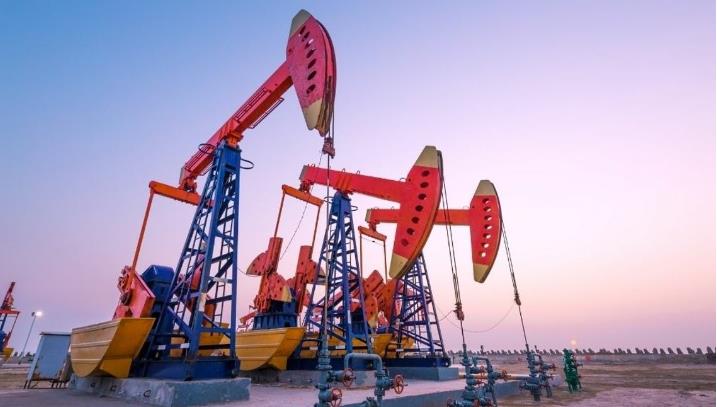
1. Automation and Robotics in Drilling
Automation and robotics have revolutionized drilling operations by increasing precision and reducing human intervention. Automated drilling rigs, equipped with sensors and data analytics systems, can operate continuously, significantly enhancing efficiency. Robotics further improves safety by handling hazardous tasks, such as pipe handling and equipment inspection, in environments unsuitable for human workers.
2. Top Drive Systems
Top drive systems are a significant innovation in rotary drilling. They replace the traditional rotary table and kelly drive systems, allowing for smoother and more efficient drilling operations. Top drives enhance safety by providing better control of the drill string and reducing the chances of equipment failure.

3. Managed Pressure Drilling (MPD)
MPD drilling technology is pivotal in addressing drilling challenges in complex reservoirs. By precisely controlling the pressure in the wellbore, MPD prevents blowouts, reduces drilling fluid losses, and enhances wellbore stability. This technology is especially useful in high-pressure, high-temperature (HPHT) drilling environments.
4. Real-Time Data Analytics
Real-time data collection and analytics play a crucial role in modern drilling operations. Advanced sensors and IoT devices monitor parameters such as pressure, temperature, and drill string dynamics. These data points are analyzed using machine learning algorithms to optimize drilling performance, predict equipment failures, and ensure operational safety.
5. Horizontal and Extended Reach Drilling
Horizontal and extended reach drilling techniques have unlocked reserves in challenging locations, such as offshore fields and unconventional shale formations. These methods allow access to hydrocarbons that were previously uneconomical to extract, maximizing reservoir recovery and minimizing the environmental footprint.
6. Eco-Friendly Drilling Fluids
Traditional drilling fluids can harm the environment, particularly in sensitive ecosystems. Innovative drilling fluids, such as biodegradable and water-based muds, are now being developed to minimize ecological impact. These fluids also improve drilling efficiency by enhancing lubrication and cooling.
7. Digital Twins in Drilling Operations
Digital twin technology creates a virtual simulation of the drilling environment, enabling engineers to simulate and analyze operations before execution. This predictive capability helps identify potential risks, optimize well designs, and improve decision-making throughout the drilling process.

8. Advanced Directional Drilling Tools
Innovations in directional drilling tools, such as rotary steerable systems (RSS), have enhanced the accuracy of wellbore placement. These tools enable operators to drill complex well paths with greater precision, improving reservoir connectivity and hydrocarbon recovery rates.
9. High-Performance Drill Bits
The development of high-performance drill bits, such as polycrystalline diamond compact (PDC) and hybrid drill bits, has significantly improved drilling efficiency. These bits are designed to withstand extreme conditions, such as abrasive formations and high temperatures, reducing wear and increasing drilling speed.
10. Subsea Technologies
Subsea drilling technologies have advanced significantly, enabling oil and gas extraction from ultra-deepwater reserves. Innovations like subsea blowout preventers (BOPs), remotely operated vehicles (ROVs), and autonomous underwater vehicles (AUVs) are enhancing safety and efficiency in offshore operations.
Conclusion
Innovative technologies in oil and gas drilling are shaping a more efficient, safe, and environmentally friendly future for the industry. By integrating automation, digitalization, and advanced materials, companies can address the challenges of modern energy production while minimizing their environmental footprint. As global energy needs evolve, continued investment in research and development will be key to unlocking new possibilities in drilling and beyond.
Managed Pressure Drilling (MPD) has emerged as a groundbreaking technique in the oil and gas industry, addressing some of the most pressing challenges in conventional drilling. MPD offers precise control over wellbore pressures, ensuring enhanced safety, cost-effectiveness, and efficiency. This article explores the fundamentals of MPD, its benefits, techniques, and applications in modern drilling.
What is Managed Pressure Drilling?
MPD is an adaptive drilling process designed to manage wellbore pressures dynamically. Unlike traditional drilling methods, MPD enables operators to adjust pressures in real-time, responding to changes in geological formations or unexpected events. This approach minimizes non-productive time (NPT) and reduces risks associated with kicks, losses, and stuck pipes.
The technique employs a closed-loop system that integrates specialized equipment, including a rotating control device (RCD), automated choke, and pressure monitoring tools. Together, these components maintain precise control over the annular pressure profile, ensuring optimal drilling performance.

Key Benefits of MPD
Enhanced Safety
MPD significantly reduces the risk of blowouts by providing real-time monitoring and adjustment of wellbore pressures. It also minimizes the exposure of personnel to hazardous conditions.
Cost Savings
By reducing non-productive time, MPD optimizes the drilling process and prevents costly incidents such as lost circulation or well control events.
Improved Drilling Efficiency
MPD enables operators to drill through challenging formations with greater precision, avoiding unnecessary sidetracks or delays.
Extended Reservoir Access
MPD facilitates drilling in narrow pressure margins, unlocking resources in high-pressure, high-temperature (HPHT) environments and depleted reservoirs.
Techniques in Managed Pressure Drilling
MPD encompasses various techniques tailored to specific operational challenges:
Constant Bottom-Hole Pressure (CBHP)
Maintains consistent pressure at the bottom of the well, minimizing fluctuations that could lead to kicks or losses.
Pressurized Mud Cap Drilling (PMCD)
Ideal for drilling in fractured formations, this technique uses a pressurized mud cap to control influxes while maintaining well stability.
Dual Gradient Drilling (DGD)
Employs two different pressure gradients to reduce the equivalent circulating density (ECD) and enhance control over deepwater wells.
Surface Back Pressure (SBP)
Adjusts surface pressure using an automated choke to manage wellbore conditions effectively.

Applications of MPD
MPD is widely used in various challenging scenarios, including:
Deepwater Drilling
The technique overcomes the complexities of narrow pressure margins in deepwater reservoirs.
HPHT Wells
MPD ensures well control in high-pressure, high-temperature environments, reducing the risk of formation damage.
Mature and Depleted Fields
By managing low reservoir pressures effectively, MPD unlocks production potential in aging fields.
Exploration in Complex Geologies
MPD addresses unpredictable pressure regimes in complex geological formations, enhancing exploration success rates.
Challenges and Future Outlook
While MPD offers numerous advantages, its implementation requires significant investment in specialized equipment and training. Additionally, real-time data analysis and decision-making demand advanced digital tools and skilled personnel.
Looking ahead, technological advancements in automation, data analytics, and artificial intelligence are expected to further enhance the capabilities of MPD. These innovations will make the technique more accessible and efficient, paving the way for safer and more sustainable drilling operations.
How Simulation Technologies are Used for Optimizing Managed Pressure Drilling
Simulation technologies in MPD drilling allow for the virtual modeling of wellbore conditions, enabling operators to anticipate potential challenges and design effective solutions before physical operations commence. These technologies incorporate mathematical models, data analytics, and advanced computational tools to replicate the dynamic environment of the wellbore.
1. Pre-Drill Planning and Design
Simulation tools are instrumental in the planning phase of MPD. By modeling the geological formations and fluid dynamics, operators can:
Determine the optimal mud weight and pressure windows.
Identify potential risks, such as kicks, lost circulation, and wellbore instability.
Develop a tailored MPD strategy to maximize operational efficiency.
2. Dynamic Pressure Control Modeling
Advanced simulation tools can predict the impact of changes in pressure, flow rate, and other variables during drilling. These models help in:
Testing different scenarios to refine pressure management strategies.
Reducing uncertainty by visualizing the effects of unexpected formation pressures.
3. Training and Skill Development
Virtual drilling training environments powered by simulation technologies allow crews to practice MPD operations in a risk-free setting. These simulations replicate real-world conditions, enabling personnel to:Gain experience in managing pressure fluctuations.
Enhance decision-making skills under simulated well control scenarios.
Improve team coordination in high-pressure situations.
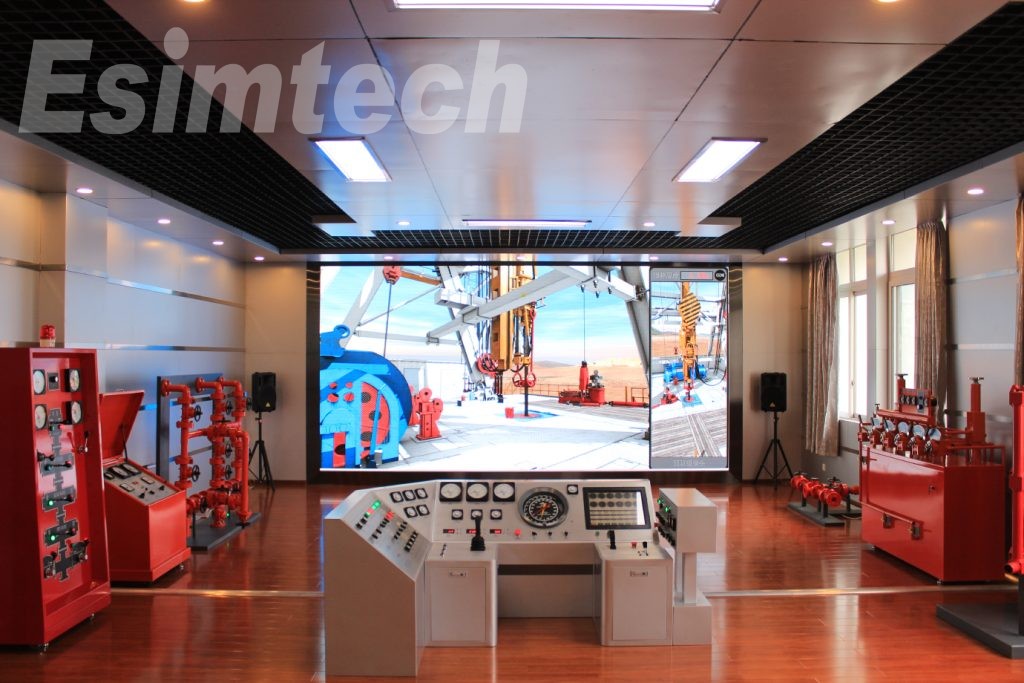
4. Real-Time Monitoring and Decision Support
Real-time drilling simulators are equipped with advanced sensors providing continuous updates on wellbore conditions. This allows operators to:
Compare actual well data with simulated models to identify deviations.
Implement corrective actions proactively to maintain well stability.
Optimize the use of drilling fluids and pressure control equipment.
5. Post-Operation Analysis and Optimization
After drilling operations, simulation tools analyze data to evaluate the performance of the MPD strategy. Insights from these analyses are used to:
Identify areas for improvement.
Refine models for future operations.
Reduce costs and enhance safety in subsequent projects.
Conclusion
Managed Pressure Drilling represents a paradigm shift in drilling technology, enabling operators to overcome complex challenges with precision and confidence. By offering unmatched control over wellbore pressures, MPD not only enhances operational efficiency but also ensures the safety and sustainability of oil and gas exploration.
Simulation technologies have become indispensable in optimizing Managed Pressure Drilling operations. By enabling precise planning, dynamic monitoring, and effective decision-making, these tools enhance safety, efficiency, and profitability.
Onshore drilling plays a crucial role in meeting the world's growing demand for energy. It involves drilling into the Earth's surface to extract hydrocarbons like oil and natural gas. As one of the oldest methods of resource extraction, onshore drilling has evolved significantly over the years, embracing modern technologies and practices to improve efficiency, safety, and environmental sustainability.
What Is Onshore Drilling?
Onshore drilling refers to the process of extracting oil and gas from reserves located beneath the Earth’s surface on land. Unlike offshore drilling, which occurs in water bodies, onshore drilling operations are conducted on solid ground.

Key Components of Onshore Drilling
Drilling Rig: The central piece of equipment used to bore through the Earth’s crust.
Mud Systems: Used to cool the drill bit, stabilize the wellbore, and carry cuttings to the surface.
Casing and Cementing: Steel pipes and cement are used to reinforce the well and prevent contamination of groundwater.
Pump Jacks: Used in mature wells to extract oil when natural pressure decreases.
Types of Onshore Drilling Techniques
Vertical Drilling
The most traditional approach, where the wellbore is drilled straight down to the target reservoir.
Horizontal Drilling
After drilling vertically, the drill bit is angled to create horizontal wells, increasing contact with the reservoir and improving production.
Directional Drilling
Allows drilling at various angles, enabling access to multiple reservoirs from a single surface location.
Extended Reach Drilling (ERD)
A form of directional drilling that reaches resources located far away from the drilling site.
Advantages of Onshore Drilling
Cost-Effectiveness
Onshore drilling is typically less expensive than offshore drilling due to lower operational and logistical costs.
Easier Access
Drilling equipment and personnel can be transported more efficiently on land.
Proven Technology
Decades of advancements have made onshore drilling a reliable and efficient method for oil and gas extraction.
Scalability
Onshore fields can accommodate multiple wells, maximizing resource extraction.
Challenges in Onshore Drilling
Environmental Concerns
Land disruption, potential water contamination, and emissions are significant concerns.
Land Acquisition
Securing land rights can be complex and contentious, especially in populated or ecologically sensitive areas.
Geological Uncertainty
The unpredictability of subsurface conditions can complicate drilling operations.
Depletion of Resources
As easily accessible reserves are exhausted, drilling increasingly targets deeper or more challenging formations.
Innovations in Onshore Drilling
Automated Drilling Rigs
Modern rigs equipped with automation reduce human error and improve operational efficiency.
Hydraulic Fracturing (Fracking)
This technology has unlocked vast reserves of shale oil and gas, revolutionizing the energy industry.
Real-Time Monitoring
Sensors and data analytics provide insights into drilling performance, improving safety and decision-making.
Eco-Friendly Practices
Advancements in wastewater treatment, reduced emissions, and site reclamation aim to mitigate environmental impact.
Environmental and Social Considerations
As onshore drilling expands, so do concerns about its impact on the environment and local communities. Companies are adopting measures to address these challenges:
Minimizing Land Disruption: Using directional drilling to reduce the surface footprint.
Water Management: Recycling drilling fluids and treating wastewater to protect groundwater.
Community Engagement: Working closely with local communities to address concerns and share benefits.
Simulations Used for Optimizing Onshore Drilling
Simulations have become an integral part of achieving these goals, offering virtual environments to model and analyze various aspects of drilling operations. From well design to real-time problem-solving, simulations play a critical role in optimizing onshore drilling processes.
Importance of Simulations in Onshore Drilling
Simulations provide a controlled and risk-free environment to test, refine, and optimize drilling strategies. They help operators:
Predict Outcomes: Simulate geological and operational scenarios to anticipate challenges.
Reduce Costs: Optimize resource utilization and minimize unnecessary expenditures.
Improve Safety: Identify potential hazards and implement preventive measures before actual drilling.
Enhance Training: Offer realistic training for personnel, improving skillsets and decision-making.
Types of Simulations in Onshore Drilling
Geological Modeling and Reservoir Simulation
Purpose: Understand subsurface geology and hydrocarbon distribution.
Benefits:
Identify optimal drilling locations.
Estimate recoverable reserves.
Plan effective extraction strategies.
Well Design and Planning Simulations
Purpose: Optimize well trajectory, casing design, and completion methods.
Benefits:
Reduce drilling time and costs.
Minimize risks of wellbore instability.
Enhance operational efficiency.
Drilling Dynamics Simulation
Purpose: Model the behavior of the drill string, bit, and fluids during operations.
Benefits:
Predict torque, drag, and vibration issues.
Optimize drilling parameters like weight on bit and rotational speed.
Prevent equipment failures.
Mud Circulation and Hydraulic Simulation
Purpose: Optimize drilling fluid properties and flow rates.
Benefits:
Prevent wellbore collapse and kick events.
Ensure efficient cuttings transport.
Optimize pressure control.
Fracture Modeling and Hydraulic Fracturing Simulation
Purpose: Simulate the creation of fractures for enhanced hydrocarbon flow.
Benefits:
Maximize well productivity.
Reduce environmental impact by optimizing water and proppant usage.
Predict fracture behavior in complex formations.
Real-Time Drilling Simulations
Purpose: Monitor and adjust operations dynamically based on real-time data.
Benefits:
Identify and mitigate risks like stuck pipe or blowouts.
Adapt drilling plans to unexpected conditions.
Minimize downtime.

Environmental Impact Simulations
Purpose: Assess and mitigate the environmental effects of drilling operations.
Benefits:
Ensure compliance with regulations.
Minimize surface and subsurface contamination.
Enhance community relations.
Personnel Training Simulations
Purpose: Provide realistic, scenario-based training simulations for drilling teams.
Benefits:
Improve operator decision-making skills.
Enhance understanding of complex drilling scenarios.
Reduce the likelihood of human errors.
Conclusion
Onshore drilling remains a vital part of the global energy supply chain. With ongoing advancements in technology and an increasing focus on sustainability, the industry is poised to meet energy demands while addressing environmental and social concerns. As we move forward, responsible practices will ensure that onshore drilling continues to contribute to global energy security.
By leveraging advanced modeling and real-time analysis, simulation tools help operators achieve greater efficiency, reduce costs, and maintain high safety standards. As the industry continues to evolve, simulations will remain at the forefront of innovation, driving the future of onshore drilling toward greater sustainability and performance.