
Precision metal stamping is a high-accuracy, high-volume manufacturing process that involves shaping and forming metal sheets into various parts using specialized dies and mechanical presses. It is commonly used for creating components that demand tight tolerances, complex shapes, and high consistency.
Key Characteristics of Precision Metal Stamping:
High Accuracy and Tight Tolerances:
Precision stamping delivers parts with minimal variation, often within fractions of a millimeter, ensuring that components meet specific design requirements.
Complex Part Geometry:
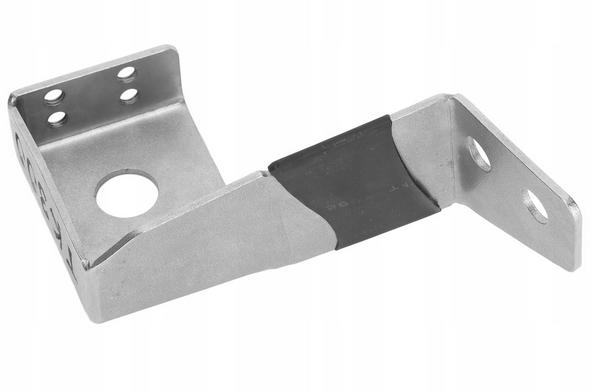
The stamping process can produce highly intricate and detailed part shapes that include bends, holes, embossments, and other features in a single operation.
Material Flexibility:
Precision metal stamping can be performed on a variety of metals, including steel, stainless steel, aluminum, brass, copper, and specialized alloys, enabling the production of diverse components.
Efficiency and Cost-effectiveness:
High-speed presses allow for fast production, especially when producing large volumes of parts. The use of progressive dies reduces the need for secondary operations, improving overall efficiency and minimizing waste.
Automation and Repeatability:
Automation in the stamping process ensures that parts are produced with consistent quality, minimizing human error and ensuring repeatable outcomes for large-scale manufacturing.
Common Types of Precision Metal Stamping:

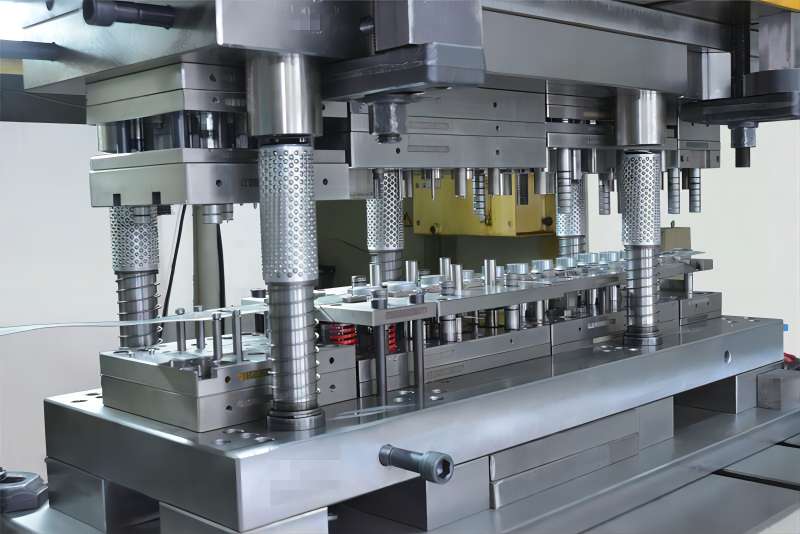
In this method, the metal strip moves through a series of die stations where different operations (such as cutting, bending, punching, or coining) are performed progressively to shape the part.
Four-Slide Stamping:
This method uses four sliding tools to form parts from four different directions. It’s ideal for creating components with multiple bends or complex shapes in a single operation.
Deep Draw Stamping:
Used for producing parts that have a significant depth compared to their diameter, such as enclosures, cups, or cylinders, deep draw stamping helps create parts with a deep, uniform shape.
Fine Blanking:
This specialized type of stamping provides high-quality edges and dimensional precision for parts that require smooth, clean edges and tight tolerances, often used for parts in automotive or precision machinery.

Applications of Precision Metal Stamping:
Automotive: Precision metal stamping is widely used in the automotive industry to produce components like brackets, engine parts, connectors, and fuel tanks.
Electronics: This process is critical in making connectors, terminals, contact points, and intricate components for smartphones, circuit boards, and other electronic devices.
Medical Devices: Stamping is used to create parts for medical instruments, including surgical tools, diagnostic equipment components, and other highly precise parts.
Aerospace: The aerospace industry relies on precision stamping to produce lightweight, durable, and high-strength components, such as structural parts and connectors.
Benefits of Precision Metal Stamping:
High Production Speed: With automated stamping presses, manufacturers can produce large volumes of parts rapidly, reducing labor costs and improving lead times.
Low Waste: The process is material-efficient, using minimal scrap material, which helps in reducing costs and is more sustainable.
Consistency and Quality: The use of automated presses ensures that each part is produced with the same quality, eliminating variations that can occur with manual processes.
Cost Efficiency for High-Volume Runs: While setup costs for the dies can be high, the cost per part decreases significantly with large production runs, making it very cost-effective for mass production.
Challenges in Precision Metal Stamping:
High Initial Tooling Costs: The creation of custom dies can be expensive, making this method more suited to high-volume production.
Material Limitations: While precision stamping works well with many materials, certain metals or thicknesses may require special tooling or techniques to achieve the desired results.

Conclusion:
Precision metal stamping is a crucial manufacturing process for industries requiring high-quality, high-precision metal parts at scale. It provides the ability to create complex shapes, reduce production costs, and ensure consistency across large batches of parts. This makes it an invaluable tool in industries such as automotive, electronics, aerospace, and medical devices.
Metal stamping stands as a cornerstone in manufacturing, transforming sheet metal into diverse shapes and forms with efficiency and cost-effectiveness. From automotive components to household appliances, its applications span across various industries. In this piece, we embark on a journey through the metal stamping process, exploring its key steps and techniques aimed at achieving precision and quality.
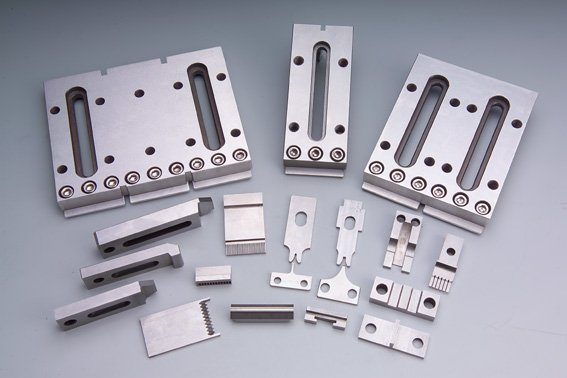
Unlocking the Metal Stamping Process
Material Preparation: Prior to stamping, meticulous material selection and sourcing are imperative. Various metals like steel, aluminum, and copper offer unique properties influencing the final product's characteristics. Once the suitable material is secured, it undergoes preparation in the form of coils or sheets, primed for the stamping press.
Tool and Die Setup: This pivotal step revolves around meticulous design and engineering. Skilled professionals craft dies, specialized tools essential for shaping the metal. These dies are meticulously tailored to match the desired product design, ensuring precision throughout the stamping process. Tooling preparation entails die assembly, alignment, and calibration to optimize performance.
Metal Stamping Operations: Metal stamping encompasses an array of operations shaping the material. Blanking cuts the outline of desired parts from the metal sheet, while piercing creates holes or perforations. Forming molds the metal into desired shapes, and bending achieves angled or curved features. Coining applies high pressure to create precise, intricate details, and deep drawing pulls the metal sheet into a die cavity to form complex, three-dimensional shapes.
Secondary Operations: Following primary stamping operations, secondary processes refine the parts further. Trimming removes excess material, deburring eliminates sharp edges or burrs, and hole punching or notching creates specific features required for the final product.
Inspection and Quality Control: To uphold integrity, inspection and quality control are paramount. Dimensional accuracy checks verify parts meet specified measurements, surface finish evaluation ensures desired texture, and defect detection eliminates any flawed parts, maintaining high quality standards.
Techniques Employed in Metal Stamping
Progressive Stamping: This progressive die stamping technique, ideal for high-volume production, involves consecutive stamping operations performed in a progressive die. As the metal strip progresses through the die, each station performs a specific operation, gradually forming the desired shape. It offers cost-effectiveness, reduced material waste, and increased production speed.
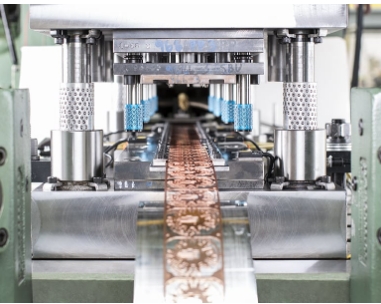
Transfer Stamping: Suitable for complex parts or low- to medium-volume production, transfer stamping involves transferring individual metal blanks from one station to the next for various stamping operations. It allows flexibility in handling larger or thicker materials, enabling production of intricate parts.
Deep Drawing: Employed for cylindrical or box-shaped parts with significant depth, deep drawing pulls the metal sheet into a die cavity using a punch, shaping it into the desired form. It offers excellent material utilization, enabling creation of seamless, hollow structures.
Blanking and Piercing: These techniques focus on cutting shapes and creating holes in the metal sheet, respectively. Blanking removes desired shapes, while piercing creates openings or perforations, often utilized as primary operations before further forming or assembly processes.
Coining: Precisely creating intricate details, coining involves applying high pressure to the metal between specially designed dies, shaping the material with extreme accuracy. It is commonly used for precise embossing or decorative elements on products like jewelry or high-end consumer goods.
Troubleshooting in Metal Stamping
Despite meticulous planning, challenges may arise during stamping, such as material fractures or misalignment. A systematic approach to troubleshooting is crucial, identifying root causes for effective solutions. Techniques like adjusting press settings or optimizing material properties can resolve many stamping issues, enhancing production efficiency.
In Conclusion
Mastering the metal stamping process demands a comprehensive understanding of its steps and techniques. From material preparation to tool setup and stamping operations, each stage plays a crucial role in achieving precise and high-quality parts. Techniques like progressive stamping, transfer stamping, deep drawing, blanking, piercing, and coining offer versatility and efficiency, shaping the future of product development and innovation across industries. With meticulous quality control and problem-solving approaches, manufacturers can overcome challenges and enhance their stamping operations, ensuring continued reliability and cost-effectiveness in manufacturing.
In the dynamic realm of automotive manufacturing, metal stamping parts have emerged as the preferred solution for producing a diverse array of components and parts. Metal stamping, a process utilizing specialized machinery and dies to shape and form metal sheets, offers precise, complex, and durable automotive parts. This article delves into the myriad advantages metal stamping offers the automotive industry, including cost-effectiveness, design flexibility, material strength, production efficiency, weight reduction, and supply chain benefits.
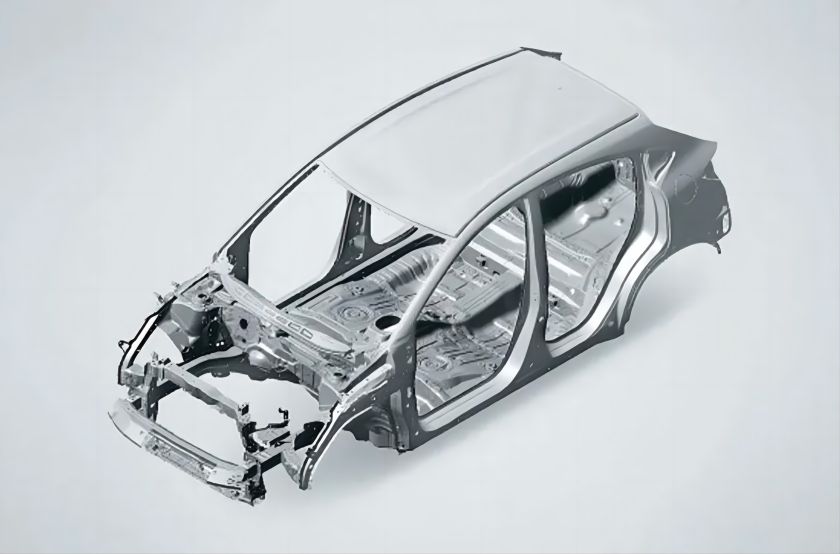
Cost-effectiveness in Automotive Manufacturing with Metal Stamping Parts
Metal stamping parts deliver significant cost advantages to automotive manufacturers. With high production volumes and economies of scale, metal stamping enables cost savings through efficient mass production. Moreover, compared to alternative manufacturing processes, metal stamping incurs lower tooling costs, making it an attractive option for automotive manufacturers. Additionally, metal stamping minimizes material waste through efficient nesting techniques, reducing costs associated with material usage. Furthermore, metal stamping parts often require less assembly and integration, leading to reduced labor costs and improved overall production efficiency.
Design Flexibility Empowered by Metal Stamping Parts
Metal stamping provides unparalleled design flexibility in the automotive industry. It allows for the creation of complex shapes and intricate details crucial for producing automotive components. With consistent precision in manufacturing, metal stamping ensures the highest quality and reliability of the parts. Its versatility permits the production of various components and parts, accommodating diverse design requirements. Furthermore, metal stamping parts seamlessly integrate with other assembly processes, facilitating efficient manufacturing in the automotive production line.
Material Strength and Durability for Automotive Components
Automotive components demand strength and durability, and metal stamping excels in delivering these qualities. Employing high-quality metals, metal stamping offers enhanced structural integrity and impressive load-bearing capabilities. Stamped metal parts are resistant to corrosion, heat, and wear, contributing to their longevity and reliability. Utilizing robust automotive stamping parts, vehicles achieve improved safety standards, providing customers with peace of mind and enhancing brand reputation.
Production Efficiency Driven by Metal Stamping Parts
Efficiency is paramount in automotive manufacturing, and metal stamping delivers on this front. Rapid production cycles and quick turnaround times enable manufacturers to meet demanding production schedules. Advanced stamping machines operate at high speeds, maximizing productivity and output. Automation ensures consistent quality and precision while minimizing errors and rework. The precise nature of the process reduces the likelihood of mistakes, resulting in time and cost savings during production.
Weight Reduction and Fuel Efficiency Advantages with Metal Stamping Parts
With the focus on fuel efficiency and environmental sustainability, weight reduction has become a priority in automotive design. Metal stamping supports this goal by utilizing lightweight materials such as aluminum or advanced high-strength steels. Lighter vehicles achieve improved fuel economy and reduced emissions, aligning with stricter environmental regulations and meeting customer demands for greener transportation. Additionally, weight reduction through metal stamping enhances vehicle performance, agility, and handling, elevating the overall driving experience for customers.
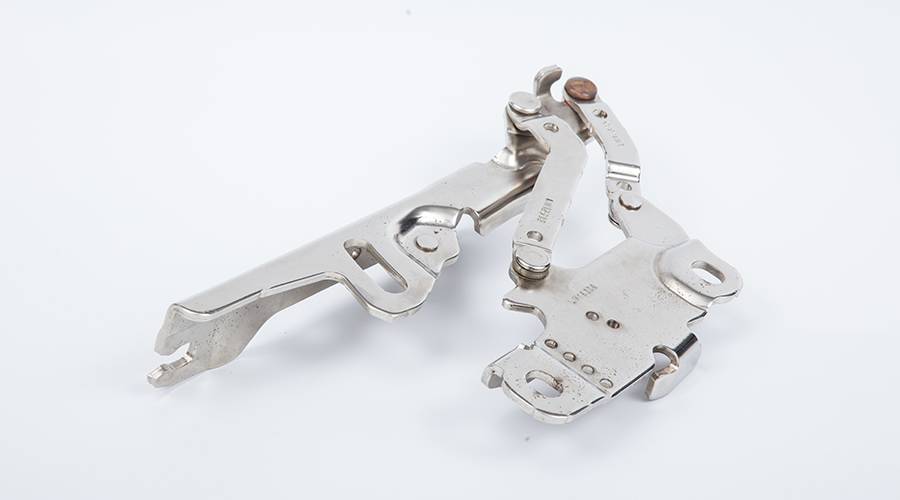
Conclusion: Metal Stamping Parts - Driving Innovation in the Automotive Industry
Metal stamping parts have revolutionized the automotive industry by offering numerous advantages that contribute to cost-effectiveness, design flexibility, material strength, production efficiency, weight reduction, and supply chain benefits. The cost advantages, design versatility, and durability of metal stamping parts make them an essential choice for automotive manufacturers. Furthermore, the production efficiency and fuel-saving capabilities offered by metal stamping help manufacturers meet market demands while complying with environmental regulations. As the automotive industry continues to evolve, metal stamping will undoubtedly play a crucial role in driving innovation and success.
Contact KENENG: As a leading hardware manufacturer, KENENG provides a comprehensive range of metal stamping products. Contact us now to access any type of hardware you require for your automotive manufacturing needs.
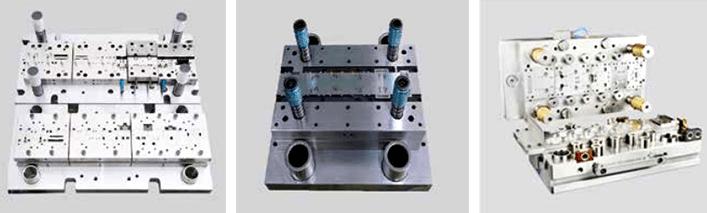
A sheet metal stamping die, also referred to as a tool or mold in the metalworking industry, plays a crucial role in shaping and forming sheet metal into precise configurations. In this article, we delve into the process of designing, preparing materials, constructing, and testing a sheet metal stamping die.
Designing the Stamping Die:
Before embarking on the manufacturing process, understanding the sheet metal part to be created is paramount. This involves comprehending its size, thickness, desired shape, and specific attributes.
Once the sheet metal part is understood, a design concept is formulated. This concept encompasses the overall layout, structure of the die, selection of punches, dies, and other essential components.
Choosing the appropriate material for the die is critical for its durability under high pressures and strains. Common materials include tool steel, carbide, and hardened steel.
Designing the structure and components of the die follows the established concept. Determining the size, shape, and arrangement of punches, dies, and blank holders is crucial at this stage.
Creating a die layout is the next step, defining the arrangement of components within the die, operational sequence, and required clearances between components.
Selecting Material and Preparing for Stamping:
Selecting the right sheet metal is essential for quality stamped parts. The metal's quality, constant thickness, and suitability for the intended application are key considerations.
Preparing the sheet metal involves cleaning it thoroughly to remove any debris and flattening it to ensure a smooth surface.
Cutting the sheet metal to the required size is done using various cutting equipment such as shears, plasma cutters, or laser cutters.
Cleaning the sheet metal again after cutting eliminates sharp edges or burrs, ensuring proper fit within the stamping die.
Making the Stamping Die:
Machining the die components to precise specifications is done using CNC machining techniques.
Heat treating the machined components strengthens them for longevity by heating them to high temperatures and rapidly cooling them.
Assembling the die involves integrating machined and heat-treated components using bolts and fasteners.
Testing and Troubleshooting:
Initial testing involves running sample stampings to ensure accurate and consistent results.
Troubleshooting is necessary if any issues arise, involving thorough inspection and adjustments to components or settings.
Fine-tuning the die may be required to optimize the metal stamping process based on troubleshooting results.
Re-testing after fine-tuning confirms improvements and ensures the die meets required standards.
In summary, following these steps meticulously ensures the creation of a high-quality sheet metal stamping die capable of producing precise and consistent stamped parts for various applications, including automotive, household appliances, and electronics manufacturing.
Metal stamping is a widely employed technique involving the deformation or cutting of various materials such as stainless steel, iron, copper, and aluminum, using punches and molds. This process is integral to numerous industries, including automotive, household appliances, and daily necessities. In the production of metal stamped parts, the frequent use of lubricating oil is essential, serving the critical purposes of reducing energy consumption and minimizing friction during the metal deformation process.
Why Use Lubricating Oil in Metal Stamping?
Energy Consumption Reduction:
For Stamping Parts: Lubricating oil minimizes direct contact between the mold and the deformed metal, facilitating relative sliding and shearing within the lubricating layer. This process significantly reduces friction and energy consumption during deformation.
For the Mold: The friction coefficient between the stamping material and the mold is decreased, enhancing the working conditions of the mold, protecting its surface, and prolonging its lifespan.
Surface Quality Improvement:
For Stamping Parts: Effective lubrication reduces external friction, preventing defects such as bonding, pressing, and scratches on the surface of the product. This anti-friction and anti-sticking effect enhances the overall quality of the stamped part.
Temperature Stability:
Lubricating oil forms a protective film on the surface of stamped parts during the process, mitigating the impact of temperature changes and preventing damage to the parts and dies.

Requirements for Lubricating Oil in Metal Stamping:
Heat Dissipation:
The lubricating oil should exhibit effective heat dissipation properties to handle temperature fluctuations during the stamping process.
Rust Resistance:
Good rust resistance is crucial to protect both the stamping parts and the associated tools and equipment.
Lubricity:
The oil must possess excellent lubricity to facilitate smooth sliding and shearing processes during metal deformation.
Non-corrosive and Non-toxic:
The lubricating oil should not corrode surfaces, produce toxic gases, and should be easy to clean, especially in welding parts.

How to Use Lubricating Oil in Metal Stamping:
Regular Cleaning:
Tools and containers for lubrication should be cleaned regularly to maintain cleanliness and efficiency.
Even Application:
Lubricating oil should be evenly applied using specialized tools like rollers or brushes.
Moderate Usage:
Apply lubricating oil in moderation to prevent wastage caused by excessive consumption.
In conclusion, the usage of lubricating oil in metal stamping is a critical aspect is a critical aspect of the production process, contributing to energy efficiency, surface quality improvement, and temperature stability. Manufacturers must adhere to specific requirements for lubricating oil and implement proper application methods to ensure the optimal performance of metal stamping operations. The diverse nature of metal stamping parts necessitates careful consideration of lubrication methods tailored to the unique characteristics of each product and production process.