
A shaking incubator is a vital piece of equipment in many life science and research laboratories, especially where temperature-controlled shaking is required for cell culture, microbial growth, solubility studies, or biochemical reactions. Choosing the right shaking incubator involves a balance of several technical, operational, and budgetary considerations. Here's a comprehensive guide to help researchers and lab managers make informed decisions when selecting the right shaking incubator for their specific applications.

1. Understand the Application Requirements
The first and most important step is to define the intended use. Applications such as bacterial or yeast culture, cell expression, or protein purification often require specific temperature ranges, agitation speeds, and platform compatibility. Some applications may also demand CO₂ or humidity control, especially when dealing with mammalian cell cultures.
2. Temperature Control and Range
The temperature range of the incubator is a critical factor. Most general-purpose shaking incubators offer a range from ambient +5°C up to 60°C or more. For experiments requiring sub-ambient conditions, models with refrigeration (cooling capability) are necessary. Ensure the incubator provides stable and uniform temperature distribution throughout the chamber to ensure reproducibility.
3. Shaking Speed and Motion Type
Different organisms and experimental protocols require specific shaking motions and speeds:
Vertical shaking incubator is the most common, ideal for microbial growth.

Reciprocating (linear) shaking is suitable for certain chemical mixing or solubility experiments.
Look for a speed range (e.g., 30–300 RPM) that accommodates your needs, and ensure the shaker provides consistent motion even under full load.
4. Capacity and Platform Flexibility
Evaluate the platform size and the types of flask clamps, tube racks, or culture trays that can be supported. Consider:
Platform dimensions and load capacity.
Multiple tiers or stackable designs to optimize space.
Compatibility with various vessels (e.g., Erlenmeyer flasks, culture plates).
5. Control System and Programmability
Modern shaking incubators offer digital controllers that allow precise programming of temperature, speed, and time:
Choose models with touchscreen interfaces or remote monitoring for enhanced usability.
Programmable cycles are valuable for complex protocols that require variable shaking speeds or temperatures over time.
6. CO₂ and Humidity Control (if applicable)
For cell culture applications, CO₂ control is essential to maintain physiological pH in culture media. Likewise, a humidity control system helps reduce evaporation and maintain culture viability. Select models that provide reliable gas and humidity regulation if your application requires it.
7. Noise, Vibration, and Maintenance
Laboratories value equipment that operates quietly and with minimal vibration, especially in shared workspaces or where sensitive experiments are conducted. Also, ensure the incubator is easy to clean, with accessible interiors and corrosion-resistant materials like stainless steel.
8. Safety Features and Compliance
Look for models with:
Over-temperature protection.
Door alarms or lid-lock mechanisms.
Certifications such as CE, UL, or ISO compliance to ensure quality and safety standards.
9. Budget and Warranty Considerations
While high-end models offer advanced features, they come at a premium. Balance your needs with your available budget. Also, check for:
Warranty length and after-sales support.
Availability of replacement parts and service.

Summary
Selecting the right shaking incubator involves more than picking a model off a catalog. It requires careful consideration of the specific research needs, technical specifications, and operational efficiency. By evaluating these factors thoughtfully, laboratories can invest in equipment that supports high-quality, reproducible results and long-term reliability.
A well-chosen shaking incubator not only streamlines experimental workflows but also contributes significantly to the overall productivity and success of laboratory operations.
In the realms of scientific research, industrial manufacturing, and quality control, maintaining precise environmental conditions is crucial. Whether testing the durability of electronic components, conducting biological research, or verifying the reliability of pharmaceutical products, the ability to create and sustain consistent temperature and humidity levels is essential. This is where Constant Temperature and Humidity Chambers come into play. These sophisticated chambers provide a controlled environment that enables researchers and industries to achieve accurate and reproducible results. In this article, we will discuss the benefits of using a constant temperature and humidity chamber and how they work.

Benefits of Using a Constant Temperature and Humidity Chamber
Accurate and Reproducible Results
Constant Temperature and Humidity Chambers offer precise control over temperature and humidity conditions, ensuring experiments and tests are conducted under consistent parameters. This accuracy enhances the reliability and reproducibility of results, making the data more meaningful and valuable.
Quality Assurance and Product Validation
In industries such as pharmaceuticals, electronics, and automotive, maintaining strict quality standards is crucial. These chambers allow manufacturers to validate the performance and durability of products under controlled environmental conditions, ensuring they meet industry standards and regulatory requirements.
Accelerated Testing
With the ability to simulate harsh or extreme environmental conditions, these chambers enable accelerated aging studies. This capability helps predict product lifespan and performance over extended periods, saving time and resources compared to natural aging tests.
Improved Research and Development
Researchers can create controlled environments that closely mimic specific natural conditions, such as tropical or arctic climates. This enables scientists to study the impact of climate change or extreme conditions on materials, organisms, and processes.
Reduced Risk of Contamination
In biological and pharmaceutical research, maintaining a controlled environment is critical to prevent contamination and preserve the integrity of sensitive samples and cultures.
Energy Efficiency Studies
For energy-related research, these chambers facilitate the study of materials and devices under varying temperature and humidity conditions, aiding in the development of more energy-efficient technologies.
Consistent Manufacturing Processes
In manufacturing industries, using these chambers for quality control ensures products are made under standardized conditions, leading to consistent and reliable end products.
Advanced Materials Research
Researchers can investigate the behavior of materials under different environmental conditions, allowing them to optimize materials for specific applications and identify suitable materials for challenging environments.
Weathering Studies
These chambers are used to study the effects of exposure to temperature, humidity, and other environmental factors on materials, coatings, and surfaces, providing valuable insights for various industries.
Customizable Testing Profiles
Many chambers offer programmable controllers that allow users to create customized temperature and humidity profiles for specific experiments or testing protocols, enhancing flexibility and adaptability.
Long-term Preservation
For industries like museums and archives, these chambers are used for the long-term preservation of historical artifacts, artwork, and delicate items.
Safety Assurance
Safety features in these chambers protect both the equipment and the user from potential hazards due to overheating or extreme humidity levels.
How Does a Constant Temperature and Humidity Chamber Work?
Constant temperature and humidity chambers work by controlling the air's temperature and humidity inside the chamber using various components, including:
Heater or Cooling Unit: Controls the air temperature. The heater uses electricity to heat the air, while the cooling unit uses a refrigerant to cool the air.
Humidifier or Dehumidifier: Manages the air's humidity. The humidifier adds water vapor, and the dehumidifier removes water vapor.
Fan: Circulates the air inside the chamber, ensuring even distribution of temperature and humidity.
Sensor: Measures the temperature and humidity of the air inside the chamber and sends this data to the controller.
Controller: Monitors the sensor data and adjusts the heater, humidifier, or dehumidifier as needed to maintain the desired conditions.
The basic principles of temperature and humidity control are as follows:
Heater: Uses electricity to heat the air. The amount of heat added is determined by the temperature setting on the controller.
Cooling Unit: Uses a refrigerant to cool the air. The cooling applied is determined by the temperature setting on the controller.
Humidifier: Adds water vapor to the air. The amount added is determined by the humidity setting on the controller.
Dehumidifier: Removes water vapor from the air. The amount removed is determined by the humidity setting on the controller.
Fan: Circulates the air to ensure even temperature and humidity distribution.
Sensor: Measures temperature and humidity, providing data to the controller, which adjusts the system as needed.
Conclusion
Constant Temperature and Humidity Chambers are a testament to human ingenuity in creating controlled environments for a myriad of purposes. From advancing pharmaceutical research to ensuring the robustness of cutting-edge electronics, these chambers have become integral to scientific progress and industrial innovation. By providing the means to accurately simulate specific environmental conditions, researchers, engineers, and manufacturers can unravel the mysteries of materials, test the limits of technology, and elevate the quality of products that shape our modern world.
Vacuum drying ovens are indispensable in laboratories and industrial environments, providing efficient drying while minimizing the risk of damaging sensitive materials. Selecting the right vacuum drying oven involves addressing several crucial questions to ensure optimal performance and safety. Whether you're a seasoned researcher or new to vacuum drying, understanding key factors will help you make an informed decision.
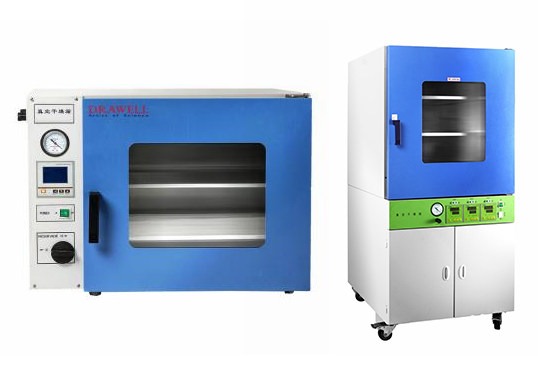
In this article, we'll explore the essential questions to consider when choosing a vacuum drying oven, focusing on aspects such as size, temperature range, required vacuum level, and suitable materials for drying.
1. What Size Vacuum Drying Oven Do I Need?
Determining the appropriate size for a vacuum drying oven depends on your specific requirements and the volume of materials you plan to dry. Consider the following factors:
Sample Volume: Assess the quantity of materials to be dried in a single batch. Large samples or significant volumes require a larger oven.
Available Space: Ensure the oven fits comfortably in your laboratory or workspace without obstructing other equipment or workstations.
Sample Size and Shape: The oven's chamber dimensions should accommodate your largest samples without crowding.
Throughput and Efficiency: For high sample volumes needing frequent drying, a larger oven with faster processing capabilities improves efficiency.
Future Needs: Anticipate potential increases in workload. An oven with extra capacity may be beneficial for future expansion.
Budget: Larger ovens typically cost more. Balance your budget with your requirements to find the most suitable size.
List the typical sizes and quantities of samples you'll be working with and consult with laboratory equipment suppliers or manufacturers to discuss your specific requirements. They can recommend an oven size that best suits your needs.
2. What Temperature Range Does a Vacuum Drying Oven Need to Maintain?
The temperature range required for a vacuum drying oven varies depending on the application and materials being dried. Generally, vacuum drying ovens offer precise temperature control, typically ranging from ambient temperature to around 200-250°C (392-482°F).
Low-Temperature Range: Operating from room temperature (20°C or 68°F) to 100°C (212°F), suitable for heat-sensitive materials that degrade at higher temperatures.
Medium-Temperature Range: Spanning from 100°C (212°F) to 150°C (302°F), covering a wide variety of materials for general drying applications.
High-Temperature Range: Reaching 150°C (302°F) to 200°C (392°F) or higher, suitable for materials requiring elevated temperatures.
Ultra-High-Temperature Range: Specialized ovens for specific industrial applications may reach up to 250°C (482°F) or more.
Choose a vacuum drying oven with a temperature range that matches your specific needs. Ensure accurate and reliable temperature control, especially for temperature-sensitive materials. Always follow the manufacturer's guidelines for operating within the specified temperature range.

3. What Level of Vacuum Does a Vacuum Drying Oven Need to Achieve?
The required vacuum level depends on the materials being dried and the drying process. Vacuum drying ovens can achieve various vacuum pressure ranges, typically measured in millibars (mbar) or torr:
Low Vacuum: 200 to 400 mbar (150 to 300 torr)
Medium Vacuum: 10 to 100 mbar (10 to 75 torr)
High Vacuum: 0.1 to 10 mbar (0.1 to 7.5 torr)
The specific vacuum pressure needed varies based on the materials and desired drying conditions. For heat-sensitive or volatile materials, a higher vacuum level may be necessary to minimize degradation or loss of volatile compounds. Some materials may require a lower vacuum level for efficient drying without damage.
Consider the vapor pressure of the substances you are drying and choose an oven that can achieve the required vacuum level for your application. Manufacturers typically provide information on their ovens' vacuum pressure capabilities.
4. What Type of Material Can I Dry in a Vacuum Drying Oven?
Vacuum drying ovens are versatile and can dry a wide range of materials across various industries. The controlled temperature and reduced pressure make them suitable for drying heat-sensitive, delicate, or volatile substances:
Heat-Sensitive Materials: Pharmaceuticals, chemicals, and biological samples that degrade at higher temperatures.
Organic Solvents: Gentle drying of low boiling point solvents to prevent excessive loss or unwanted reactions.
Pharmaceuticals and Intermediates: Drying products containing active pharmaceutical ingredients (APIs) without compromising integrity.
Laboratory Glassware: Ensuring completely dry surfaces, crucial for accurate measurements and precise experiments.
Electronic Components: Removing moisture to prevent potential damage during further processing or assembly.
Food Products: Drying fruits, vegetables, herbs, and other items while preserving color, flavor, and nutritional content.
Chemicals and Reagents: Effective for drying various chemicals, reagents, and mixtures.
Polymers and Plastics: Removing moisture before processing or molding to improve product quality.
Catalysts and Precursors: Enhancing stability and catalytic activity by drying in a vacuum oven.
Not all materials are suitable for vacuum drying, especially those that may react with reduced pressure. Verify compatibility and follow recommended procedures for safe and effective drying. Consult the manufacturer’s guidelines for appropriate drying conditions.
Conclusion
Selecting the ideal vacuum drying oven involves careful consideration of various factors to match your specific applications. From the oven size and temperature range to the vacuum level and suitable materials, each aspect plays a critical role in its effectiveness and efficiency. Prioritize safety by adhering to the manufacturer’s guidelines, ensuring proper maintenance, and using appropriate protective gear. By addressing the essential questions highlighted in this article, you can confidently make an informed choice and invest in a vacuum drying oven that meets your research or industrial needs, delivering reliable and precise results.
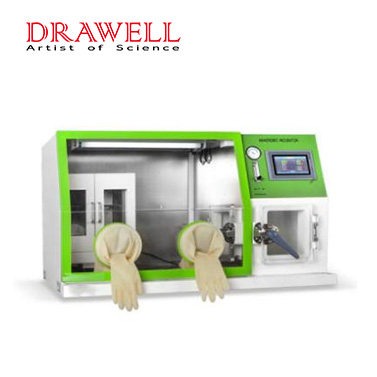
Anaerobic incubators are indispensable tools in microbiological laboratories, facilitating the cultivation and manipulation of anaerobic microorganisms in a controlled environment. This guide delves into the features, gases, and utilization of anaerobic incubators, offering insights into their selection and safe operation.
Exploring Anaerobic Incubator Features
Airtight Seal: Prevents oxygen ingress, maintaining an anaerobic atmosphere within the chamber.
Gas Inlet and Outlet Ports: Facilitate the introduction and venting of anaerobic gas mixtures.
Gas Flow Control: Regulates gas flow rate to establish and sustain desired anaerobic conditions.
Gas Mixing System: Automatically blends nitrogen and carbon dioxide gases for optimal gas composition.
Temperature Control: Enables precise temperature regulation for microbial growth.
Humidity Control: Maintains suitable moisture levels for specific culture requirements.
Anaerobic Indicators: Visual cues indicating the absence of oxygen in the chamber.
Safety Features: Alarms for gas leaks, temperature deviations, and overpressure conditions ensure user and culture safety.
Interior Shelving or Racks: Accommodate culture vessels for efficient space utilization.
Observation Window: Allows visual monitoring of cultures without compromising the anaerobic environment.
User-Friendly Interface: Intuitive controls for easy setup and monitoring.
Data Logging and Connectivity: Advanced models offer data logging and connectivity options for enhanced monitoring and analysis.
Understanding Anaerobic Incubator Gases
Anaerobic incubators primarily utilize nitrogen and carbon dioxide gases to create and maintain an oxygen-free environment conducive to anaerobic microbial growth:
Nitrogen (N2): Purges the chamber of oxygen, creating an inert atmosphere.
Carbon Dioxide (CO2): Maintains a low redox potential, preventing the accumulation of reducing compounds and supporting microbial metabolic processes.
Applications of Anaerobic Incubators
Anaerobic incubators find extensive use across various fields, including:
Clinical Microbiology: Culturing and identifying anaerobic bacteria responsible for infections.
Food Microbiology: Studying anaerobic bacterial growth in food to prevent spoilage and foodborne illnesses.
Environmental Microbiology: Investigating anaerobic microbial diversity and functions in natural ecosystems.
Biotechnology: Producing enzymes, antibiotics, and other biotechnological products from anaerobic microorganisms.

Utilizing Anaerobic Incubators
Installation: Confirm compatibility, clean the chamber, install gas supply, and set temperature and humidity parameters.
Maintenance: Regularly inspect for leaks, ensure proper gas flow, and monitor temperature and humidity levels. Promptly address any issues to maintain optimal performance.
Conclusion
Anaerobic incubators are indispensable tools for the cultivation and study of anaerobic microorganisms. By providing a controlled environment free of oxygen, these incubators enable researchers to explore microbial worlds and unlock their potential applications across various scientific disciplines. When choosing an anaerobic incubator, consider your specific research needs, safety features, and manufacturer support to ensure successful microbial cultivation and experimentation.
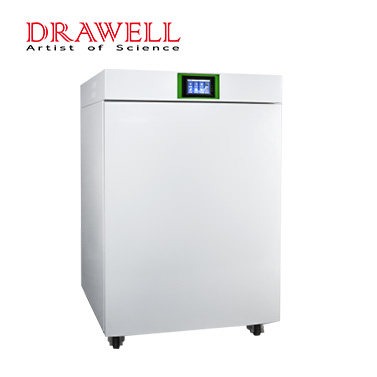
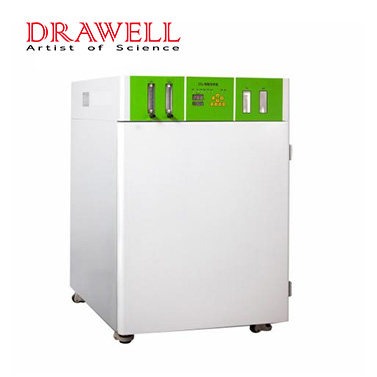
CO2 incubators represent indispensable equipment within laboratory settings across various scientific domains, spanning cell culture, microbiology, and molecular biology. These incubators offer a meticulously controlled environment indispensable for the cultivation and upkeep of cells and organisms. While theefficiency and reliability of CO2 incubators are unquestionable, adherence to specific precautions is imperative to guarantee their safe and effective utilization.
General Guidelines
Begin by acquainting yourself with the user manual and the manufacturer’s instructions, as nuances in features and operational guidelines may vary among different incubator models. Proper installation and routine maintenance are pivotal to ensuring optimal functionality and averting malfunctions. Moreover, embracing fundamental laboratory safety practices, including the utilization of personal protective equipment (PPE), is indispensable to safeguard oneself and uphold a secure working milieu.
Safety Measures
Ventilation: Ensuring adequate ventilation in the incubator room is crucial to prevent the accumulation of CO2 and other gases, thereby upholding a safe working environment.
Gas Supply: Regular inspection and maintenance of the gas supply lines are imperative to forestall leaks or contamination. Promptly address any signs of damage or deterioration and adhere to proper gas handling procedures and cylinder usage.
Alarm System: Installing a backup alarm system capable of detecting deviations in temperature, CO2 levels, or power failures is advisable. This redundancy facilitates the timely detection of anomalies, enabling swift corrective action.
Cleanliness: Maintaining the incubator's cleanliness and free from debris or spills is paramount to prevent contamination or damage. Regularly clean and disinfect interior surfaces in line with the manufacturer’s recommendations.
Hazardous Substances: Exercise caution when handling hazardous substances or samples within the incubator. Adhere to safety protocols, including the use of containment systems and appropriate PPE, to mitigate the risk of exposure or accidents.
Operational Precautions
Operating Conditions: Adhere to recommended operating conditions, encompassing temperature and humidity settings, to ensure optimal growth and viability of cells or organisms.
Calibration and Validation: Periodically calibrate and validate the incubator’s sensors and controllers to ensure accurate readings and dependable operation, following the manufacturer’s guidelines for frequency and procedure.
Avoid Overcrowding: Avoid overcrowding the incubator to facilitate proper air circulation, pivotal for maintaining a stable and uniform environment. Ensure samples and containers are adequately spaced to allow for sufficient airflow.
Minimize Door Openings: Limit the frequency and duration of door openings to prevent fluctuations in temperature and CO2 levels, which can disrupt internal conditions and compromise cultures' growth and integrity.
Water Pan/Humidity System: If applicable, regularly inspect and maintain the water pan or humidity system to ensure proper functionality. Monitor water levels and clean or replace water as needed to maintain desired humidity levels.
Sample Handling Precautions
Containers and Labeling: Utilize appropriate containers and vessels to prevent sample leakage or contamination. Ensure all containers are tightly sealed to prevent gas exchange and accurately label samples to avoid confusion or cross-contamination.
Hazardous Samples: When handling hazardous or volatile samples, employ suitable secondary containment systems to minimize the risk of exposure or release. Adhere to proper decontamination procedures before removing samples to prevent external contamination.
Emergency Preparedness
Emergency Shutdown: Familiarize yourself with the emergency shutdown procedure and the location of safety equipment, such as fire extinguishers or emergency exits, ensuring swift and safe response in critical situations.
Contact Numbers: Keep emergency contact numbers easily accessible near the incubator, including those for maintenance personnel, laboratory management, and relevant safety personnel.
Backup Power: Establish a backup power source or contingency plan to maintain critical incubator conditions during power outages. Utilize uninterruptible power supply (UPS) systems or generators to ensure uninterrupted operation and prevent experiment disruption.
Regular Testing: Routinely test and maintain backup systems, including gas supply, alarms, and temperature monitoring, to ensure operational readiness when required.
Training and Documentation
Personnel Training: Ensure all personnel using the incubator receive adequate training encompassing its operation, maintenance, and safety protocols. This training should encompass proper usage, emergency procedures, and routine maintenance.
Logbook: Maintain a comprehensive logbook documenting regular checks, maintenance activities, and any incidents or deviations observed. This logbook serves as a valuable resource for tracking performance and identifying trends or issues necessitating attention.
Periodic Reviews: Conduct periodic reviews and audits of incubator usage and safety protocols to identify areas for improvement and update protocols accordingly, ensuring ongoing safety and reliability.
In Conclusion
Adhering to requisite precautions when utilizing a CO2 incubator is paramount to ensuring laboratory personnel safety and experiment integrity. By adhering to these guidelines, potential risks can be mitigated, fostering an optimal environment for cell culture and other research endeavors. Continuous monitoring, routine maintenance, and ongoing training are pivotal to maximizing the incubator's performance and longevity.