
Self-tapping screws are commonly used to connect thin metal plates such as steel plates and saw blades. When connecting, first drill a threaded bottom hole in the linked piece, then screw the self-tapping screw into the threaded bottom hole.
The self-tapping screw on the consolidated material can drill one of the matched female threads in the pre-drilling of metal or non-metallic materials by its own thread. Its primary application is to join thin metal plates such as thin iron sheet, copper sheet, aluminium alloy, and other metals. The main distinction between self-tapping screws and conventional screws is that self-tapping screws have a pointed head and can pass through walls or other metal materials without drilling. It not only reduces the workload of fixed projects, but it also has user-friendly properties, thus it is extensively utilised in household appliances.
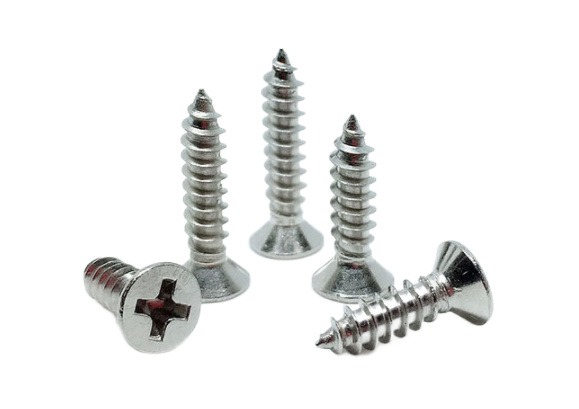
Structure of Self-tapping Screw
A self-tapping screw is made up of three parts: the head, the rod, and the rod end. Each tapping screw has four primary components: the head form, the screwing method, the thread type, and the end type.
Shapes of screw heads
Screw heads come in a variety of forms. There is a round head, a half round head, a flat round head, a round head flange, a flat round head flange, a pan head, a pan head flange, a countersunk head, a half countersunk head, a cylinder head, a spherical cylinder head, a horn head, a hexagon head, a hexagon flange head, and so on.
Screwing methods
The screwing method relates to how the screw head is twisted during installing and tightening the screw. External screwing and internal screwing are the two most common procedures. In general, the allowed torque of an exterior wrench is greater than that of any internal wrench.
External wrench
hexagon flange face, hexagon flange, hexagon torx, and so on
Internal wrench
Internal spline, internal hexagonal spline, internal triangle, internal hexagon, internal 12 corner, clutch slot, six-blade slot, high torque cross slot, and so on.
Types of screw threads
Screw threads come in a variety of shapes and sizes, including self-tapping thread, machine thread, plasterboard screw thread, fiberboard screw thread and other specialised threads. Screw threads are further classified as single lead, double lead, multiple lead, and high and low teeth double head threads.
Screw end forms
Ends are classified into two types: cone ends and flat ends. However, depending on the application, the screw-in end can process grooves, notches, or sections comparable to the shape of the drill bit.
Features of Self-tapping Screw
1. A self-tapping screw is a screw that has a drill bit attached to it. A unique electric tool is used to make the hexagonal socket bolt. Drilling, tapping, fastening, and locking are all done at the same time. The self-tapping screw is mostly used for connecting and fixing some relatively thin parts, such as the connection of colour steel plate to colour steel plate, the connection of colour steel plate to purlin, the connection of wall beam, and so on. Its penetrating capacity is often no more than 6mm, with a maximum of 12mm.
2. Self-tapping screws are frequently exposed to the elements and have a high corrosion resistance. Its rubber sealing ring prevents water from entering the screw.
3. The self-tapping screw, also known as wood screws, is appropriate for usage with wood products. They are typically operated by hand. Due to labour constraints, these screws are often quite small, with a limited range of applications.
4. The self-tapping screw integrates the tap and the bolt. The tap is on the front, and the thread is on the back. Drill a hole in normally soft materials and then screw it in immediately. Tap out the thread before tightening the bolt thread. If the screw diameter is tiny enough and the material is soft enough, it can even be screwed into wood without prior drilling.
5. Self-tapping screws are typically defined by three parameters: screw diameter series, threads per inch length, and screw length. There are 10 and 12 screw diameter levels, with screw sizes of 4.87mm and 5.43mm, respectively. Threads per inch length is available in 14, 16, and 24 levels.
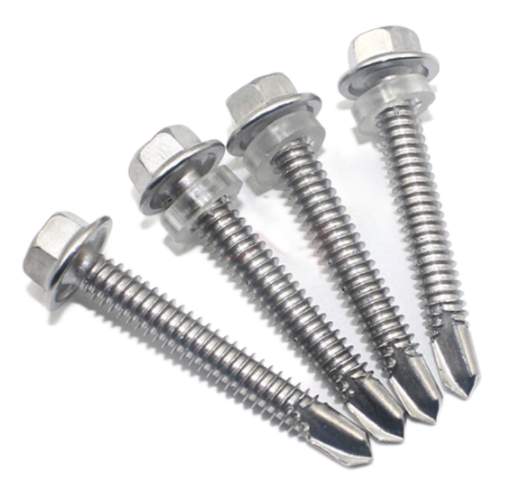
How Can Self-tapping Screws Be Easily Installed?
The main advantage of self-tapping screws is that they do not require nuts and can be locked and attached by their own thread. It is a pretty commonly used screw in everyday life. When self-tapping screws are inserted into holes in plastic metal materials, extrusion can generate internal threads in the holes, which is the primary function of self-tapping and self-drilling.
Self-tapping screws can be installed with an air screwdriver, a screwdriver, a pistol drill, or an electric hammer. In most cases, an electric hammer is required to drive concrete. Ordinary nails cannot be used to nail concrete walls with a mark over C10, however cement steel nails can be used directly if the bearing gravity requirements are not severe. If there is a high load bearing need, it must be secured using expansion screws, common plastic expansion pipes, and self-tapping screws.
Socket screws with a cylindrical head, also known as socket head bolts, cup head screws, and socket head screws. Although they have distinct names, they both mean the same thing. There are also 4.8, 8.8, 10.9, and 12.9 hexagon socket head screws that are regularly used. It is sometimes referred to as a hexagon socket screw or hexagon socket bolt. It has a hexagonal and cylindrical head.
Classification of hexagon socket head cap screws
They are classed as carbon steel, stainless steel, and iron based on the materials.v Stainless steel SUS202 hexagon socket head cap screws are commonly used stainless steel materials. There are SUS304 hexagon socket head cap screws and SUS316 hexagon socket head cap screws made of stainless steel.
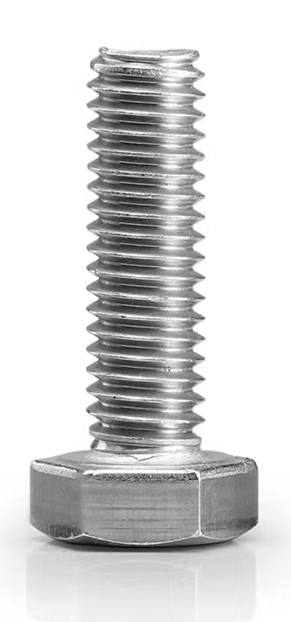
The iron substance is classified based on the hexagon socket head screw's strength grade. There are hexagon socket cap screws rated 4.8, 8.8, 10.9, and 12.9. High-strength and high-quality hexagon socket head cap screws are grade 8.8-12.9 hexagon socket head cap screws.
According to the head shape
The hexagon socket screws are classified based on the shape of the hexagon socket screws' heads. The cylindrical head hexagon socket screws are the most widely used.
The hexagon socket screw can also be separated into half round head hexagon socket bolts, also known as pan head hexagon socket bolts, and countersunk head hexagon socket bolts based on the shape of the head.
The countersunk hexagon socket bolt's head is flat, and the inside of the bolt is hexagonal as well. Headless hexagon socket bolts, also known as stop screws, machine screws, and set screws, are also widely used. There is also a flower-shaped hexagon socket screw that is difficult to find or acquire on the market.
The production standard of hexagon socket head screws
The production standard of hexagon socket head screws is determined by whether the standard is national, German, British, or American. Each standard is unique.
Take hexagon socket head screws, for example, which have national standards such as grade 8.8 hexagon socket head screws for half teeth GB 5782, grade 8.8 hexagon socket head screws for complete teeth GB 2783, and grade 8.8 hexagon socket head screws GB 70-85 DIN912.
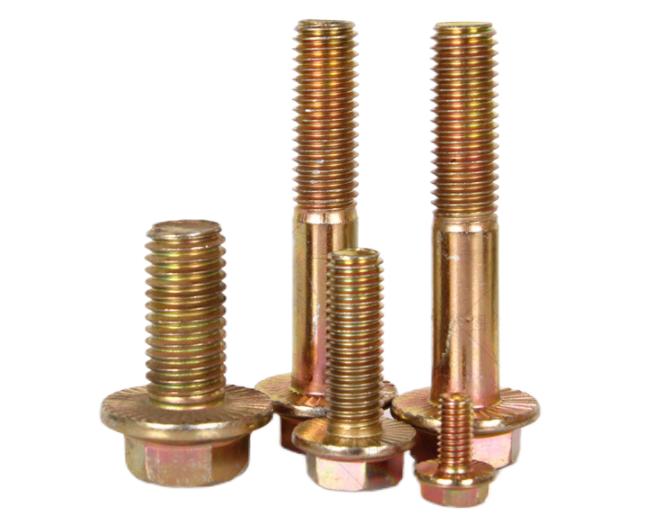
All product sizes in production must meet applicable criteria, and the product quality of each screw must meet the ISO 9001-2000 quality standard system certification. As a result, the manufacturer must create sturdy and dependable items. Furthermore, the standard GB 70-85 DIN912 for grade 8.8 hexagon socket head screws requires that the tensile strength of the hexagon socket head screws produced by the manufacturer be greater than 640MPa, and the standard GB 2076 for grade 4.8 hexagon socket head screws requires that the tensile strength of the hexagon socket head screws produced by the manufacturer be greater than 320MPa, the thread gauge M4 diameter must be equal to or less than 7mm, and the minimum dia.
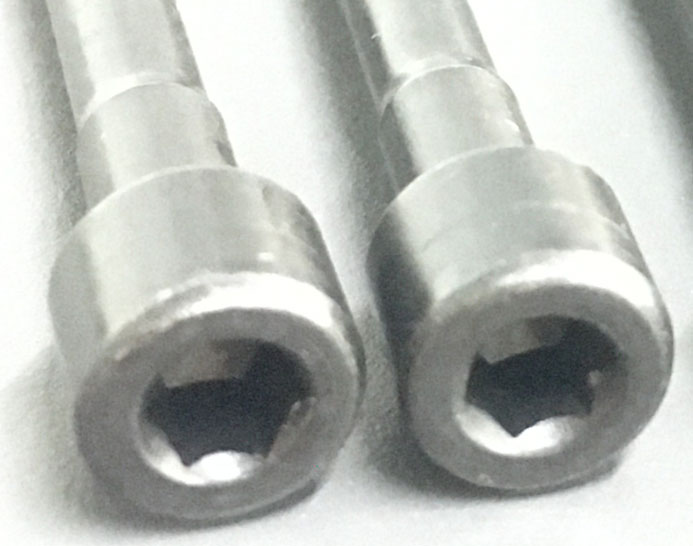
Common standards for Grade 12.9 hexagon socket head cap screws
Grade 12.9 hexagon socket screws are the most often used series of high-strength bolts: grade 12.9 hexagon socket screws are typically employed in situations requiring excellent mechanical performance. Injection moulding machinery, hydraulic equipment, mould assembly, and other places are examples. After heat treatment, the surface hardness of grade 12.9 hexagon socket screws can reach 39-44 degrees. All grade 12.9 hexagon socket screws are manufactured in accordance with the German standard DIN912, the national standard GB / t70.1, the American Standard, and the British standard. American grade 12.9 socket head screws are available in sizes ranging from # 4 to 1-1 / 2, while British grade 12.9 socket head screws are available in sizes ranging from 1 / 4 to 1-1 / 2.
Grade 12.9 hexagon socket bolts are available with knurled or non-knurled heads. Grade 12.9 hexagon socket bolts typically have knurled heads, whereas low-strength hexagon socket bolts do not. Grade 4.8 hexagon socket bolts, for example, do not have knurled heads.
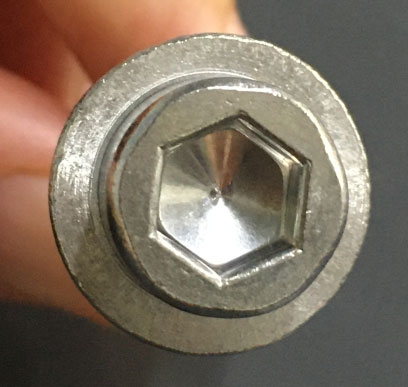
The surface of grade 12.9 hexagon socket bolts is cyanided and blackened. The product itself also has certain anti-rust properties. These 12.9-Grade high-strength bolt series goods, on the other hand, are generally utilised in exported equipment, and the surface of the 12.9-Grade hexagon socket head screws will be corroded by consumers in various hostile situations during transportation (such as shipping). However, some equipment (such as bread machinery and baking equipment) demands that the supporting hexagon socket screws be nickel and zinc plated to improve the corrosion resistance and look of grade 12.9 high-strength bolts.
Advantages of KENENG hexagon socket head cap screws
The regularity of the hexagonal inner wall's shape and polish.
The symmetry of hexagons
Inner hexagon socket bottom flatness
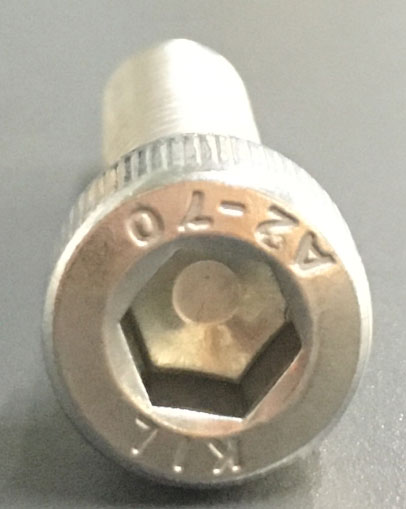
The above standards will be more stringent and accurate if the customer needs to make through holes for hexagon socket head screws.
KENENG has over ten years of fastener production experience, as well as specialised product designers and production lines. If you require regular products in large quantities or customised products based on your specifications, please do not hesitate to contact us.
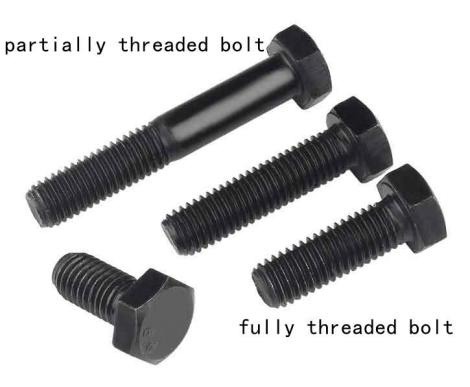
Bolts are cylindrical threaded fasteners. Usually, the bolt is composed of a thread area, a shaft area, and a head area. There is only a part of the threaded area, followed by the unthreaded area. A fully threaded bolt is a bolt without a shaft. Partially threaded bolts are ordinary bolts, and is not fully threaded, but only a part. So, Which is better between the two types of bolts.
What are full-threaded bolts?
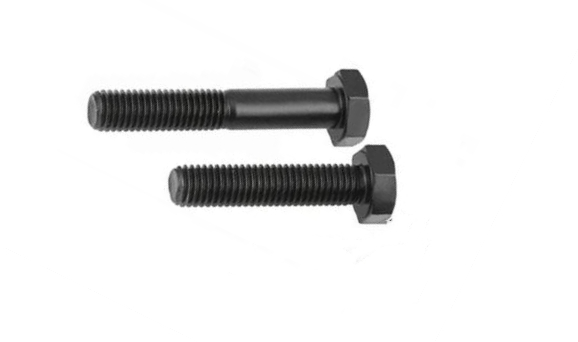
Fully threaded bolts are generally shorter in length. The thread length of such bolts is equal to the length of the bolt, with threads running through the entire length of the bolt from the head to the end.
What are partially threaded bolts?
Where longer bolts are required, the thread length does not need to be too long. Therefore, in the production of standard parts, only a part of the threads on the long bolts are processed to save processing costs. Partially threaded bolts have an unthreaded portion under the head, this unthreaded portion is called the grip length, and this is the partially threaded bolt. Due to the large force of many connectors, the half-threaded part is on the outside of the joint of the workpiece, while the inner part of the force is smooth without threads, which can improve the mechanical strength of the bolt and help to withstand greater torque.
Why Choose Full Thread Bolts?
If clamping strength is of greatest interest and alignment and shear strength are less of an interest, then fully threaded bolts may be an option. A fully threaded bolt means that all the tension applied to the bolt is distributed over the entire structure, which means it can handle more force than a partially threaded bolt. Full threaded bolts are used in environments that rarely require shear and tend not to loosen much. Once installed, a fully threaded bolt spreads pressure along its entire length, with the greatest holding pressure at the head where it meets the material being held.
Why Choose Partially Threaded Bolts?
The length of the non-threaded portion of a partially threaded bolt can vary depending on the specific application of the bolt. When using partially threaded bolts, the unthreaded portion can be brought into the threaded hole as part of the bolt-through application. Nuts and washers are threaded on the ends.
Partially threaded bolts are best used where alignment and shear resistance is important. The grip length of the bolt can provide the required alignment. When your project requires a lot of force to hold things in place, partially threaded bolts can provide the required resistance. The unthreaded portion is also referred to as the “grip length” and does not include weak points that can lead to shearing. This is because there are no threads in the grip length and no weak points that could lead to cracking or bending. So in order to shear such a bolt, a huge force is usually required.
How To Choose
When choosing a fully threaded bolt vs a partially threaded bolt, consider whether you need a maximum grip or maximum shear protection. If you need a grip, find the correct full-threaded bolt made of the material you need. If you are more concerned about shearing, choose a partially threaded bolt that will help prevent shearing.
Different partially threaded bolts have different grip lengths, so consider choosing a specific grip length before purchasing.
One of the easiest ways to get this information is to ask a fastener expert to help you. If you buy bolts from KENENG, it shouldn’t be very difficult because the people we hire are very knowledgeable about these things.
What should you consider when selecting screws for your next project? The question is that technicians who assemble various products ask themselves when trying to find an ideal kind of custom screw for their work. Screw fasteners are distributed to different industries from automotive, construction, transportation to medical, mining, and furniture industries, custom screw options continue to revolutionize the fastening market.

Advantages of choosing custom screw
Made-to-Order
The availability of a variety of custom screw options offers an endless list of possibilities for product designs. You can now order your fasteners with the preferred shape, head-size, length, and even threading size. Understanding these primary features allows development engineers to come up with better quality products for their companies.
Mechanical Advantages
The right customized fastener offers benefits on tailored installation torque required. Torque refers to the forces that move the screw and rotates it. Customizable fastener options allow the product developers to use the right amount of torque during the product fastening. This way, you can avoid breaks and loosening of other parts during assembly. Custom SEMS screws come with built-in washers to secure the screw in place, increasing product safety.
Resistance to Rust
Fasteners are subject to corrosion and loosening through wear and tear. Proper finish coatings of custom screws help to keep the screws resistant to corrosion. The advantage of custom screw options is that you choose the proper coating for your product. Chrome and zinc coatings are standard in the micro screw industry. The layers offer ideal polished finishes that have improved resistance to wear in, especially in tough environments.
Strength
Custom screw options come in different shapes and sizes, and in most cases, this determines their strength. A fastener is only useful if it can hold the screwed products firmly without bending or breaking. Customizable options provide an opportunity for you as a manufacturer to select the right threading and thickness of the screws. You can also select the correct thread depth for maximum robustness and minimized radial stress.
Safety Standards
The right machine screw assures improved security and performance for your products. Since 1927, the American National Standards Institute has provided manufacturing grades for all fasteners. The set quality ensures that the quality of the custom screws is not compromised, which in turn guarantees better product quality.
Right Materials
The use of custom screw options provides an opportunity to select the best materials depending on your products. Approximately 90% of all custom micro screws are made of stainless steel. Stainless steel has better tensile strength and is more durable than many other materials. You may also use bronze and brass alloys with increased resistance to corrosion. Aluminum is lightweight and customized for lighter machine parts and devices.
Various types of materials used in the making of custom screws.
Here are the material characteristics that you should consider to improve your custom screw sourcing
The material's ability to resist corrosion
When choosing materials for screws, you should consider whether the screws environment will be corrosive. Materials with high corrosion resistance such as steel are ideal for micro screws that will likely get exposed to corrosive conditions.
Mechanical properties of the materialSome metals are brittle and easy to bend and scratch. When such metals get used in making screws, it becomes hard to screw or unscrew some tight miniature screws. As such, you should look at the specific alloy strength of a material to determine whether the material can bear with various damaging forces.
Aesthetics
Aesthetics is the least important factor when compared to screw strength and durability. But it’s also essential where screws get used on prominent decorative pieces or devices. For example, a copper custom screw or copper-plated screw may have a better appearance when used on a prominent place than would be the case for a steel custom screw used in the same place.
Operations of screw fabrication
When choosing a material to make a screw, you should also look at the material’s ability to get processed with ease. Things to look at should include the strength of the material to be cold-headed, welded, or machined.
The cost of the screw material
The value of the metallic alloy to make the micro screws gets determined by considering factors such as the effective life-expectancy of the finished screws, the installed price, and the initial alloy cost. When materials match in strength, durability, fabrication needs, and mechanical properties, then cost, and aesthetics become the second-last considerations to make.
The availability of the material
The availability of the material is the last consideration to make. No matter how good a material is in making micro screws, if you can’t find the material in enough quantities, then you’re less likely to choose such material for your micro screw fabrication.
The Most Preferred Screw Material in the Making of a Custom Screw
Stainless steel material for fastener is the most affordable and abundant. It is a versatile material that you can combine with other metals to create durable alloys. Minerals that you can use to make steel alloys include silicon, cobalt, tungsten, copper, molybdenum, nickel, chromium, and manganese. It is hard, malleable, and durable.
Your custom screw material options are extensive. Make careful considerations when selecting material for your screws.
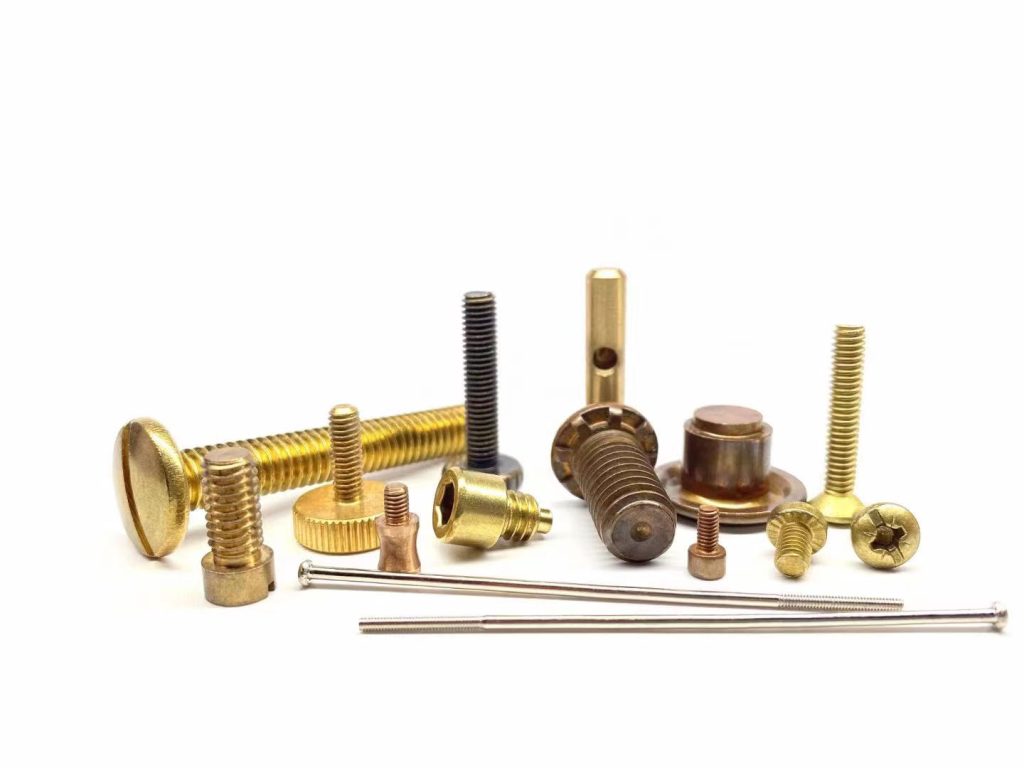
Screws are one of the most important tools you’ll ever use. They’re used everywhere. Screws hold your doorknob in place, they keep your lamps together, and they’re actually used in probably every electronic device you own. Complicated electronic devices are held together with small screws. It takes a miniature screw to hold essential components together, and it takes a miniature screw manufacturer to make it all happen.
Screws are so much a part of daily life, it feels as though they’ve been around forever. You probably have a drawer with some loose screws rolling around in it. Today, screws come in all shapes, from tiny screws to custom screws. You can get a stainless steel screw and you can even find experts who can build a custom screw for you to use. But it’s the miniature screw that you probably rely on the most, and you don’t even know it.
Miniature screws aren’t just used in the tech industry. Micro screws, or miniature screws, are used in all sorts of manufacturing and building. Even a miniature screw gets the job done and holds pieces together securely. Thanks to miniature screws, designers and engineers have the ability o design small, complicated devices and products. The miniature screw allows creative people to really stretch their imaginations and design new, never-before-seen devices and products. They don’t have to worry about designing things that are big enough to be screwed together. Thanks to the miniature screw, they can think outside the box and create amazing new designs. Smartphones and other small devices wouldn’t be possible with micro screws and other small fastener options like the miniature screw.
It takes miniature screws to hold the delicate, tiny components of electronic devices together. If you’ve ever taken a smartphone or a laptop apart for any reason, then you’ve seen a miniature screw or two. You may have even struggled to loosen one of these undersized screws. Small screws are essential in the tech industry because all those little pieces of complicated devices have to be put together and stay held together. A miniature screw is the perfect answer.
Key advantages of miniature screws
Easier to remove.
Miniature screws are strong and hold fast to the items and materials you’re piecing together. But they’re also easy to take out when you’re looking to replace a part or move the screw somewhere else because they require less force for installation. This is key for fast and efficient work.Save money on materials.
When you remove a screw from your project, there’s a chance the screw can become damaged. This is usually the case if the screw was difficult to install. Regularly replacing damaged screws can be costly. Fortunately, you don’t have to worry about that with miniature screws. Because micro screws can be easily installed and removed, there’s less risk of damaging the screw. That means they can be easily reused if needed.Faster production times.
Tools that keep you from working efficiently are tools that cost you money. Micro screws are easy to install and remove, which makes for easier and more efficient production. The result? Saved time and money. Plenty of variety. Miniature screws have all the variety of regular-sized screws. No matter what your project needs, you can find the diameter, thread pitch, and thread length that works for you.Less waste.
Not only are you saving money on materials when you use micro screws, but you’re also reducing the amount of waste you or your business is creating. This is great for the environment and for your company brand. It also means you’ll need to make fewer trips to the recycling center every month to recycle your screws and other steel materials, which also helps to save valuable time.Miniature Screw Suppliers
The miniature screw is small and easy to miss because of its size, but it’s also something that makes so many other things possible. Many product designs and device styles are suddenly possible simply through the existence of the miniature screw. Suppliers who create small screw and custom screw options are actually behind it all. It’s these manufacturers to enable the engineering and designers to get creative. It’s because of the miniature screw that so many things are possible.
KENENG is the screw manufacturer you can trust for high-quality undersized screws and custom screw options. It provides engineers with custom fastener options, miniature screws, and other types of micro fasteners. When the screws are customizable, the designers no longer have limits on what they can create and the devices they can actually make. KENENG can make miniature screw designs in ultra thin head styles with incredibly precise design.